PU Grouting in Construction Projects | YURU Waterproofing
- 01/10/2025
- yuruwaterproof.com
Introduction: Key Considerations When Choosing PU Grouting Materials for Your Projects
When it comes to construction and waterproofing, selecting the right materials is essential for the success and longevity of the project. Among the many options available, PU grouting materials have become a popular choice due to their superior performance, versatility, and long-lasting results. Whether you’re tackling waterproofing in basements, foundation stabilization, or sealing cracks in tunnels, PU grouting offers a solution that not only addresses immediate concerns but also enhances the overall structural integrity of your building or infrastructure.
However, with various types of PU grouting materials available in the market, it’s important to make an informed choice to ensure the material meets the specific needs of your project. Key factors such as material quality, environmental conditions, cost-effectiveness, and project-specific requirements must all be carefully considered to ensure optimal results.
At YURU Waterproof, we specialize in providing high-quality, customized PU grouting solutions tailored to the unique needs of our clients. In this article, we will explore the most important aspects you need to consider when selecting PU grouting materials.
From understanding the different types of PU grouting to evaluating material quality and environmental factors, this guide will equip you with the knowledge to make the best decision for your waterproofing or structural reinforcement project.
Let’s dive into the essential points to consider when choosing the right PU grouting materials for your next construction or waterproofing endeavor.
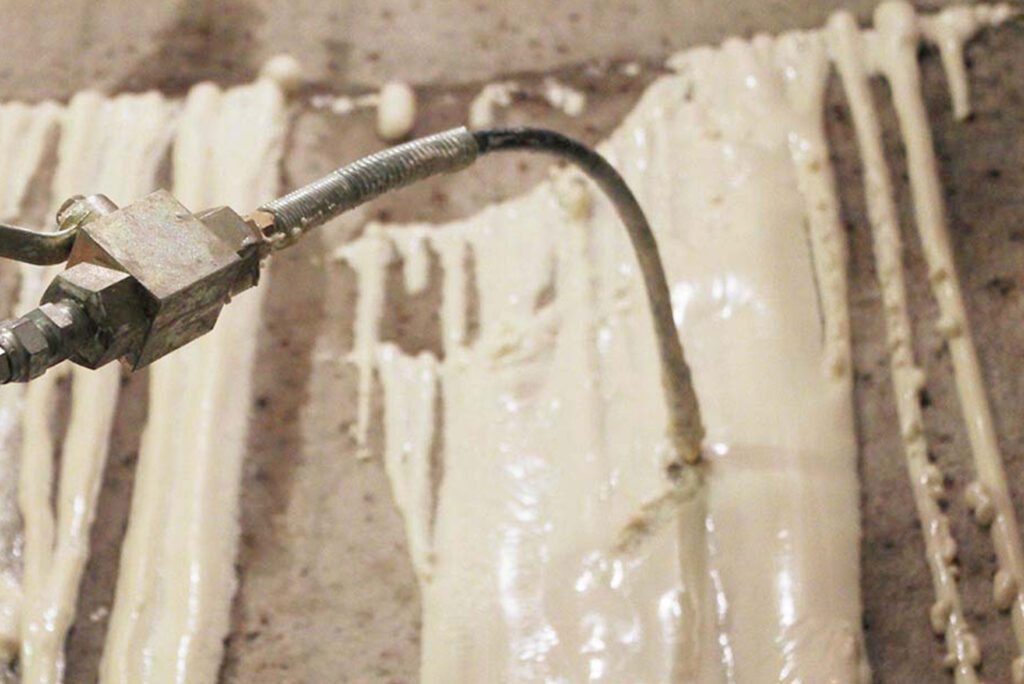
What is PU Grouting Material?
Composition and Characteristics of PU Grouting Material
Polyurethane (PU) grouting materials are a group of highly versatile and effective sealing and stabilizing materials used in various construction applications. The composition of PU grouting typically involves two main components: isocyanates and polyols. When mixed together, these components undergo a chemical reaction to form polyurethane foam, which can expand and harden, creating a durable and waterproof seal.
There are two main types of PU grouting materials:
- Hydrophobic PU Grouting (Water-resistant): These materials are designed to repel water and are primarily used for waterproofing applications, such as sealing cracks and joints in underground structures or buildings exposed to high moisture levels.
- Hydrophilic PU Grouting (Water-absorbing): These materials have the ability to absorb water and swell, making them effective for applications where water intrusion needs to be controlled or redirected, such as in tunnels or dams.
Key Characteristics of PU Grouting:
| Property | Hydrophobic PU Grouting | Hydrophilic PU Grouting |
| Water Resistance | Excellent | Good (absorbs water, swells) |
| Flexibility | Can be rigid or flexible | Expands and absorbs water |
| Curing Time | Fast (minutes to hours) | Fast (minutes to hours) |
| Environmental Application | Waterproofing, crack sealing | Leak sealing, moisture control |
Chemical Properties and Differences from Other Grouting Materials
PU grouting materials exhibit unique chemical properties that set them apart from other common grouting materials, such as cement-based grouts or epoxy-based grouts. The key differences are as follows:
- Chemical Reaction: Upon mixing the two components (isocyanates and polyols), an exothermic reaction takes place, forming polyurethane foam. This foam expands to fill voids and hardens quickly, providing a strong, durable seal.
- Hydrophobic Nature: Hydrophobic PU grouting is highly resistant to water, making it ideal for waterproofing applications. Unlike cement-based grouts, which can absorb moisture and weaken over time, PU grouting provides a long-lasting waterproof barrier.
- Flexibility: PU grouting materials can be designed to be either rigid or flexible depending on the needs of the application. This contrasts with epoxy grouts, which tend to be rigid and not ideal for areas requiring flexibility.
Comparison of Grouting Materials:
| Property | PU Grouting | Cement Grouting | Epoxy Grouting |
| Water Resistance | Excellent | Moderate | High |
| Flexibility | Flexible or Rigid | Rigid | Rigid |
| Curing Time | Fast (minutes to hours) | Moderate (hours) | Slow (hours to days) |
| Ideal Application | Waterproofing, crack sealing | Structural repairs | Industrial repairs |
| Environmental Impact | Low (eco-friendly) | High (alkali-based) | Moderate |
Curing Mechanism and Suitable Environments
The curing process of PU grouting materials is both fast and efficient. Once the two components are mixed, a chemical reaction occurs that causes the material to expand and harden rapidly. This process forms a strong, durable seal that is highly resistant to water and environmental pressures.
- Curing Time: PU grouting materials cure quickly—usually within minutes to a few hours—depending on the specific formulation. This rapid curing is beneficial for projects requiring quick turnaround times, such as emergency repairs or construction timelines.
- Temperature and Humidity Sensitivity: The curing process is sensitive to environmental conditions:
- Ideal Temperature Range: Between 5°C (41°F) and 30°C (86°F).
- Humidity: High humidity accelerates the curing process, while low temperatures can slow it down. It is important to monitor environmental conditions to ensure optimal curing results.
- Application Environments: PU grouting is highly adaptable and can be used in a variety of environments, including:
- Underground Construction: Tunnels, basements, and foundations exposed to moisture or water leakage.
- Water Management Systems: Dams, reservoirs, and water pipelines requiring waterproofing or crack sealing.
- General Construction: Used for foundation stabilization, repairing leaks in concrete, and sealing joints.
In conclusion, PU grouting materials offer significant advantages over traditional grouting materials in terms of their chemical properties, speed of curing, and ability to work in a wide range of environmental conditions.
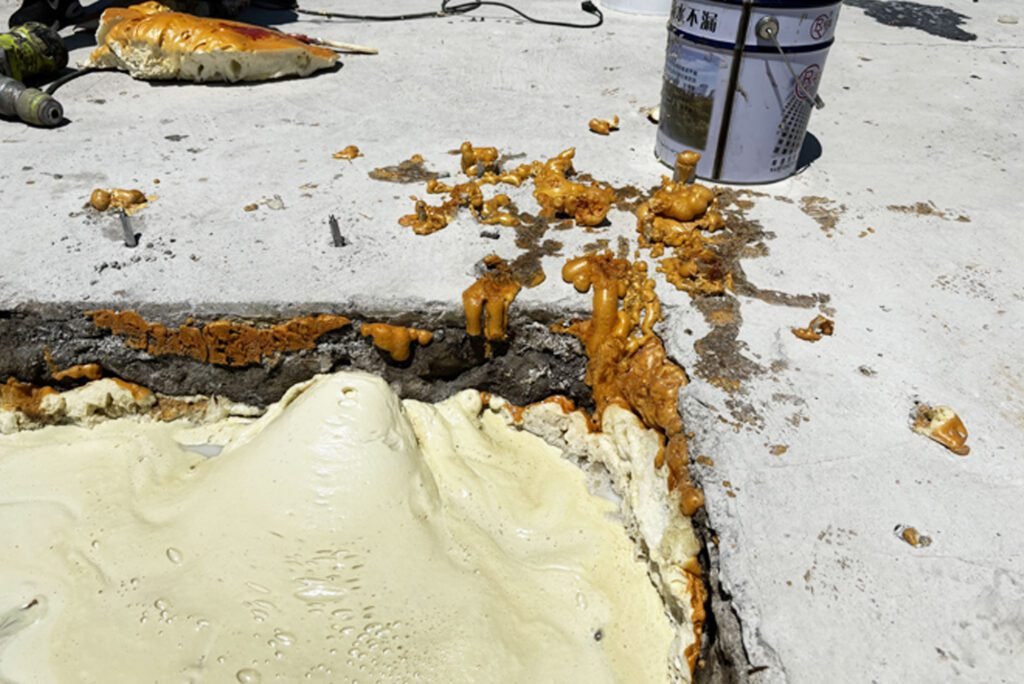
Main Applications of PU Grouting Materials
Waterproofing in Construction: Basements, Tunnels, and Other Moisture-Prone Areas
One of the primary applications of PU grouting is in construction waterproofing. The materials are ideal for areas where water intrusion is a significant concern, such as underground basements, tunnels, and other structures in contact with the ground or exposed to high humidity. PU grouting is used to seal cracks, joints, and voids in these areas, preventing water infiltration and ensuring structural integrity.
- Basement Waterproofing: PU grouting is particularly effective for waterproofing basements, as it can quickly seal cracks and joints in concrete walls or floors, stopping water leaks.
- Tunnel Sealing: In tunnels, where water ingress is common due to the surrounding soil’s moisture content, PU grouting offers a reliable method for creating a barrier against water seepage.
Key Benefits:
- Stops water infiltration in critical areas.
- Creates a seamless, durable waterproof barrier.
- Adaptable to varying environmental conditions, including high-pressure areas.
Foundation Stabilization and Crack Repair
PU grouting plays a vital role in foundation stabilization and crack repair. In situations where a building’s foundation may have been compromised due to soil movement, settling, or water damage, PU grouting is injected into the soil or directly into cracks in the foundation to stabilize the structure.
- Foundation Stabilization: In cases where the foundation is shifting or settling, PU grouting can be used to inject the material beneath the structure, filling voids and creating a solid foundation to prevent further shifting.
- Crack Repair: PU grouting is often used to repair cracks in concrete foundations or structural components. When injected into cracks, the material expands to fill the void and hardens, sealing the cracks and preventing further damage.
Key Benefits:
- Restores structural integrity by stabilizing foundations.
- Provides a fast and cost-effective solution for foundation repair.
- Expands to fill even the smallest cracks, ensuring a complete seal.
Leak Prevention in Waterproofing Projects
PU grouting is highly effective in leak prevention for various types of waterproofing projects. When used for leak sealing in water management systems, such as dams, reservoirs, and water pipelines, PU grouting forms a resilient, water-resistant barrier. Its ability to expand and fill gaps means that it is ideal for sealing leaks in large-scale infrastructure.
- Sealing Leaks in Water Management Systems: PU grouting is often used in dams and reservoirs to seal cracks or voids where water could potentially leak out, compromising the structure’s integrity.
- Pipeline Waterproofing: In underground or submerged pipelines, PU grouting helps to prevent water leaks that could cause erosion or damage to the surrounding environment.
Key Benefits:
- Prevents water loss in large infrastructure projects.
- Long-lasting, effective seal in areas under constant water pressure.
- Reduces the risk of further damage by addressing leaks at an early stage.
Industrial Applications: Dams, Reservoirs, and Mine Leakage Management
Beyond construction and general waterproofing, PU grouting is also widely used in industrial applications such as dams, reservoirs, and coal mine leakage management.
- Dams and Reservoirs: In water storage systems, PU grouting is used to seal cracks in dams or reservoirs that could otherwise cause significant water loss or structural instability.
- Coal Mine Leak Management: In coal mining operations, water infiltration into mine tunnels can be a major issue. PU grouting is used to seal leaks and prevent flooding, ensuring the safety of workers and the longevity of the mine’s infrastructure.
Key Benefits:
- Provides critical waterproofing and leakage prevention in industrial settings.
- Used in high-pressure, high-stress environments like dams and mines.
- Ensures the safety and stability of large-scale industrial structures.
By utilizing PU grouting in these diverse applications, industries can effectively control water infiltration, stabilize foundations, and prevent leaks, offering both economic and long-term structural benefits.

Advantages of PU Grouting Materials
High Penetration and Sealing Efficiency
One of the key advantages of PU grouting materials is their high penetration ability. When injected into cracks, voids, or porous structures, PU grouting expands and flows into the smallest gaps, ensuring that the material thoroughly seals the area. This makes it extremely effective in applications where waterproofing and crack repair are essential.
- Superior Penetration: PU grouting expands upon injection, allowing it to penetrate deep into cracks and voids, providing a more complete seal than other types of grouts.
- Efficient Sealing: Once cured, the material forms a dense and durable seal, preventing water infiltration and structural damage.
Key Benefits:
- Ensures maximum waterproofing and leak prevention.
- Creates a reliable, long-lasting seal even in challenging environments.
Environmentally Friendly with Eco-Friendly Properties
PU grouting materials are environmentally friendly, making them an excellent choice for eco-conscious projects. Unlike some other grouting materials, PU grouting contains fewer harmful chemicals, reducing environmental impact during both application and curing.
- Low VOC Emissions: Many PU grouting materials are formulated with low volatile organic compounds (VOCs), making them safer for both the environment and workers.
- Non-toxic to Surrounding Areas: PU grouting does not leach harmful substances into the environment once it is cured, which is particularly important for applications near water sources or in ecologically sensitive areas.
Key Benefits:
- Contributes to sustainability in construction and industrial applications.
- Safe for workers and surrounding ecosystems.
Easy to Apply with Short Construction Times
Another significant advantage of PU grouting is its ease of application and short construction times. The material is simple to use, requiring minimal preparation and equipment. Additionally, its rapid curing time allows construction projects to move forward quickly, reducing downtime and improving overall project efficiency.
- Quick Set and Cure: Once the components are mixed, PU grouting cures in a matter of minutes to hours, allowing contractors to proceed with other phases of the project without delays.
- Minimal Equipment Required: The injection process can be carried out with basic equipment, which simplifies the application process and reduces the need for highly specialized tools.
Key Benefits:
- Reduces project timelines and labor costs.
- Ideal for urgent repairs or applications requiring a fast turnaround.
Durability and High Compression Resistance
PU grouting materials are known for their durability and high compression resistance. Once cured, the material forms a solid, resilient bond that can withstand significant stress and pressure over time. This makes it particularly effective in areas subject to high loads or extreme environmental conditions.
- Strong Compression Resistance: PU grouting can withstand high-pressure environments, such as in foundations, tunnels, and underground structures, without losing its effectiveness.
- Long-Term Durability: Even in areas with high traffic or constant exposure to moisture, PU grouting maintains its structural integrity, offering a lasting solution for waterproofing and stabilization.
Key Benefits:
- Can handle the demands of heavy-duty industrial and construction projects.
- Provides long-lasting protection, reducing the need for frequent repairs or maintenance.
In conclusion, the advantages of high penetration, environmental friendliness, ease of application, and durability make PU grouting materials a superior choice for a wide range of construction and industrial applications. These benefits ensure that PU grouting remains an effective and reliable solution for many waterproofing and structural stabilization needs.
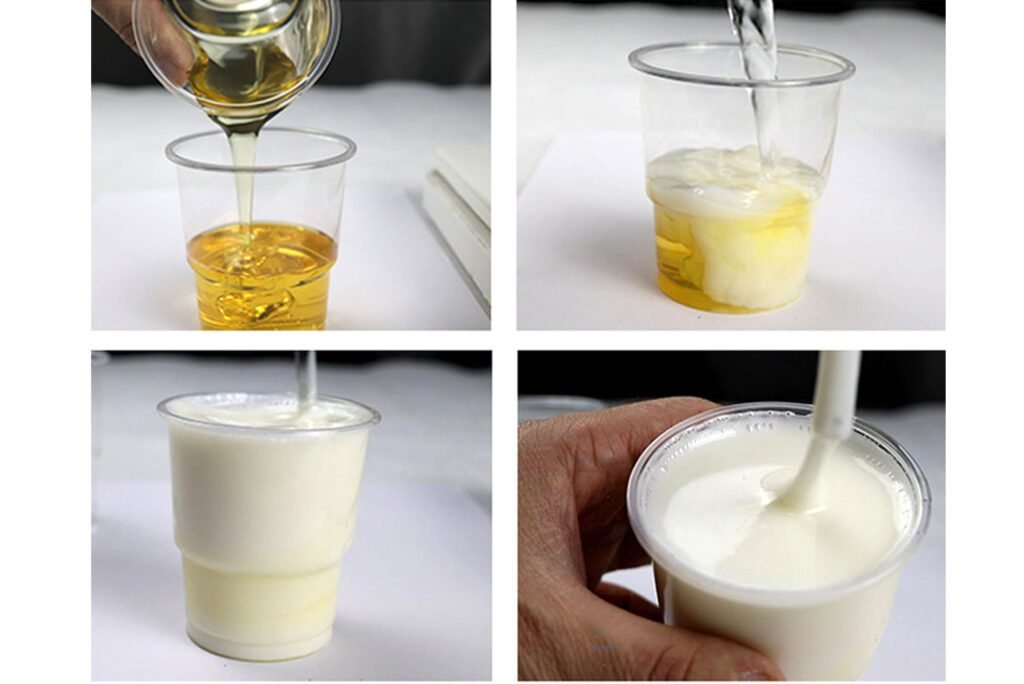
PU Grouting Material Construction Methods
Detailed PU Grouting Construction Process
The construction process of PU grouting involves several key steps to ensure a successful application. Here’s a detailed breakdown of the standard procedure for PU grouting:
1. Surface Preparation:
- Clean and prepare the surface to remove any debris, dust, or contaminants. This ensures proper adhesion and effective sealing of the PU grouting material.
- In some cases, cracks or voids may need to be cleaned and enlarged slightly to allow the grouting material to penetrate deeper.
2. Drilling Injection Holes:
- Drill injection holes at strategic points along the crack or voids, depending on the area needing treatment. Holes should be drilled at an angle to ensure the grouting material can spread effectively.
3. Injection of PU Grouting:
- Inject the mixed PU grouting material into the drilled holes using a high-pressure pump. The material will expand and flow into the cracks or voids, filling them completely.
- The injection process is done in stages, starting from the lowest point of the structure and moving upwards to ensure even distribution of the material.
4. Curing and Sealing:
- After injection, allow the PU grouting to cure. The curing time can vary, but typically it takes only a few minutes to a few hours.
- Once cured, the material hardens into a durable, waterproof seal. The injection points may be sealed to complete the process.
5. Post-Application Inspection:
- Inspect the injected areas to ensure the material has filled all the voids and cracks. Any areas that have not been completely filled may require additional injection.
Key Benefits:
- Provides a thorough and reliable sealing process.
- Ensures that water cannot penetrate through the treated cracks or voids.
Recommended Equipment and Tools for Construction
To ensure the best possible results when using PU grouting materials, the following tools and equipment are recommended:
1. Injection Pump:
A high-pressure injection pump is essential for accurately injecting the PU grouting material into the cracks or voids. The pump should be capable of maintaining consistent pressure to ensure complete material penetration.
2. Drill and Drill Bits:
A rotary drill with appropriate drill bits is needed to create precise holes for injection. The drill bit size should match the specifications of the grouting material and the cracks being sealed.
3. Pressure Gauges:
Pressure gauges are necessary to monitor the pressure during injection. Maintaining optimal pressure ensures that the PU material is evenly distributed and fully fills the intended spaces.
4. Injection Packers:
Injection packers are inserted into the drilled holes to allow controlled injection of the grouting material. These packers help prevent material spillage and ensure effective sealing.
5. Curing Monitor:
A curing monitor can be used to track the progress of the material’s curing time. This helps ensure that the grouting material has fully set before proceeding with further construction.
Key Benefits:
- Ensures the injection process is done efficiently and accurately.
- Helps reduce errors and increases the overall quality of the work.
Safety Construction Considerations
Safety is a critical aspect of any construction project, and the same applies to PU grouting work. Here are some important safety precautions to follow during the application process:
1.Protective Gear:
Ensure that workers wear protective gloves, goggles, and masks to prevent direct contact with the chemicals in the grouting material. Polyurethane components can be irritating to the skin and eyes.
2. Ventilation:
Adequate ventilation should be maintained at all times, especially when working in confined spaces, to avoid inhaling any fumes released by the grouting material.
3. Handling of Chemicals:
PU grouting materials should be handled carefully to avoid spills. Proper storage and disposal procedures should be followed to minimize environmental impact.
4. Fire Safety:
Since some polyurethane components may be flammable, ensure that fire extinguishers are easily accessible on-site. Avoid working near open flames or heat sources.
Key Benefits:
- Protects workers from harmful chemicals and fumes.
- Reduces the risk of accidents and injuries during the application process.
How to Ensure Construction Quality and Effectiveness?
To achieve the best results with PU grouting, several key factors must be considered to ensure that the grouting material performs effectively and meets the project’s requirements:
Application under Optimal Conditions:
Ensure that the weather and environmental conditions are suitable for the application. Ideal conditions for PU grouting are temperatures between 5°C (41°F) and 30°C (86°F), with moderate humidity levels.
Regular Inspection During and After Application:
Conduct periodic checks during the injection process to ensure that the material is filling the cracks or voids as intended. After curing, inspect the treated areas to verify that the material has formed a complete seal.
Post-Construction Testing:
Conduct water testing or pressure testing on the treated areas to verify the effectiveness of the grouting. Any weak spots or areas that are not fully sealed can be re-treated for better results.
Key Benefits:
- Maximizes the effectiveness of the PU grouting process.
- Ensures the long-term performance of the material and structure.
By following the correct construction methods, using recommended tools, maintaining safety protocols, and ensuring consistent quality control, PU grouting can provide reliable and long-lasting results for various waterproofing and foundation stabilization projects.
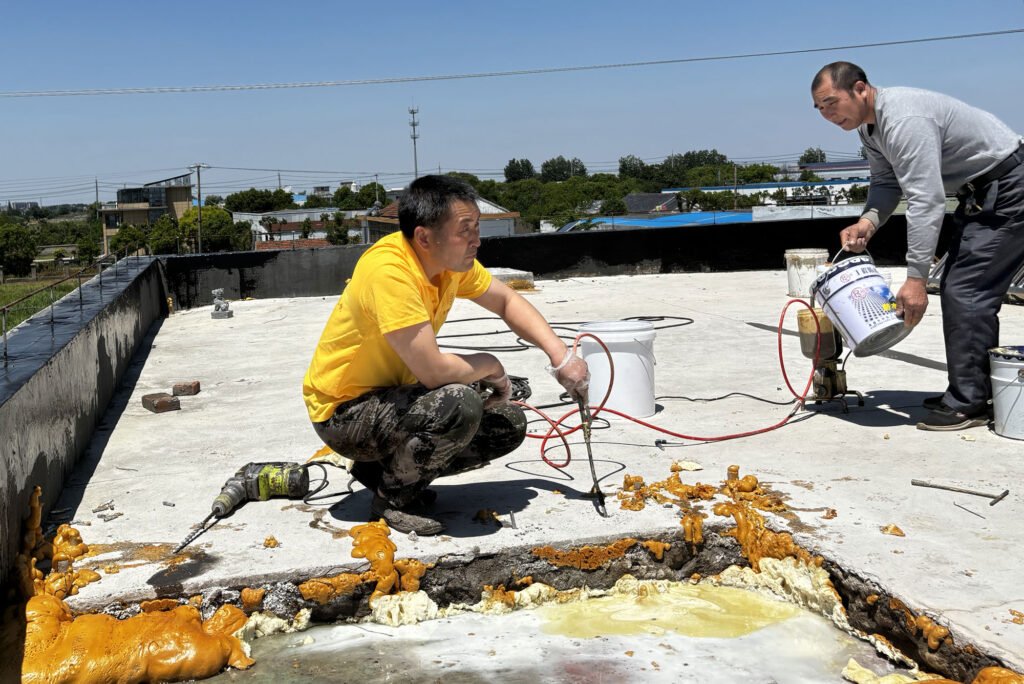
Considerations When Choosing PU Grouting Materials
Material Quality Selection Standards
When selecting PU grouting materials, it is crucial to consider the quality of the material to ensure long-term durability and effectiveness. High-quality PU grouting materials provide better sealing, stronger resistance to water ingress, and greater overall performance. Key quality standards include:
1.Viscosity and Expansion Rate:
- The viscosity of the PU material is essential for ease of application and penetration into cracks. The expansion rate should be optimal to ensure full coverage without over-expansion or inadequate filling.
2. Curing Time:
- Choose materials with the appropriate curing time for the project. Materials with rapid curing times are ideal for time-sensitive applications, while slower curing options may be more suitable for larger or more complex projects.
3. Durability and Resistance:
- Ensure that the selected material has strong compression resistance, abrasion resistance, and chemical stability to handle the stresses of long-term use, environmental factors, and potential physical impacts.
Key Benefits:
- Ensures the material performs optimally and lasts longer.
- Minimizes the risk of future repairs or failures.
Selecting the Appropriate PU Grouting Type Based on Project Requirements
Different construction or repair projects may require specific types of PU grouting material depending on the application, crack size, and environmental conditions. The two main types of PU grouting to choose from are hydrophobic (water-repelling) and hydrophilic (water-attracting):
Hydrophobic PU Grouting:
- Ideal for dry or water-exposed environments where the material needs to repel water. This type is typically used in underground or subsurface waterproofing projects such as tunnels and basements.
Hydrophilic PU Grouting:
- Best suited for wet environments or areas where water leakage is prevalent. Hydrophilic PU grouting expands in the presence of moisture, making it highly effective in areas with constant exposure to water, such as sewer systems or water pipelines.
Flexible vs. Rigid Grouting:
- For projects that require movement accommodation (such as cracks subject to shifting or seismic activity), a flexible PU grouting is preferred. Rigid PU grouting, on the other hand, is more suitable for sealing static cracks in stable environments.
Key Benefits:
- Ensures the material is perfectly suited for the specific demands of the project.
- Maximizes sealing effectiveness and durability in different conditions.
Considering Environmental Factors: Temperature and Humidity Impact
The environmental conditions at the time of application significantly affect the performance of PU grouting materials. Temperature and humidity can alter the material’s curing time, expansion rate, and overall effectiveness.
1. Temperature:
- The ideal temperature range for PU grouting is between 5°C (41°F) and 30°C (86°F). Low temperatures can slow down the curing process, while excessively high temperatures may cause the material to cure too quickly, leading to incomplete filling of cracks.
2. Humidity:
- Humidity plays a crucial role in hydrophilic PU grouting. High moisture levels are necessary for the expansion of hydrophilic materials, while low humidity can cause the material to cure too rapidly, reducing its ability to bond effectively.
3. Weather Conditions:
- Avoid applying PU grouting in extreme weather conditions, such as heavy rain or freezing temperatures, as these can negatively impact the curing process. Ideally, application should occur during mild, dry weather conditions.
Key Benefits:
- Ensures that the grouting material performs optimally in the given environmental conditions.
- Reduces the risk of application failure or poor sealing due to external factors.
Cost-Effectiveness Analysis: Optimizing the Budget
While PU grouting materials offer excellent performance, it is essential to balance cost and performance to optimize the budget for a given project. A few factors to consider when evaluating cost-effectiveness:
- Material Selection Based on Project Scale:
For smaller projects or repairs, cost-effective options such as hydrophobic PU grouting may be appropriate. However, for larger-scale projects requiring extensive waterproofing, premium PU materials may be necessary to ensure long-term durability and reliability.
- Long-Term Cost Savings:
While premium PU grouting materials may have a higher upfront cost, they often lead to lower maintenance costs and reduced need for future repairs. This makes them a more cost-effective option in the long run.
- Labor Costs:
Consider the ease of application and the required labor for the job. Materials that cure quickly and are easier to apply can reduce labor costs, which may significantly impact the overall project budget.
- Material Waste and Coverage:
Evaluate the material’s coverage rate. A product with better coverage and efficiency can reduce the overall amount needed, minimizing waste and lowering material costs.
Key Benefits:
- Ensures the project remains within budget without compromising on quality.
- Helps reduce ongoing maintenance and repair costs.
By considering these factors—material quality, type selection, environmental conditions, and cost optimization—you can make an informed decision when choosing PU grouting materials that will meet both the specific requirements of your project and your budget constraints.
Successful Case Studies of PU Grouting Materials in Construction Projects
Showcasing Typical Construction Projects with PU Grouting Material Success
PU grouting materials have been used effectively in a variety of construction projects, ranging from waterproofing and foundation stabilization to crack repair and structural reinforcement. Below are some successful case studies highlighting the versatility and reliability of PU grouting materials in different types of building and infrastructure projects:
1.Basement Waterproofing for Commercial Building
In a large commercial building project, PU grouting was used to seal cracks and prevent water infiltration in the basement area. The building’s underground parking garage experienced frequent water leakage due to high groundwater levels. The use of hydrophobic PU grouting material provided a long-lasting, waterproof seal, preventing further water seepage and structural damage.
- Challenge: Water ingress in underground levels, compromising structural integrity.
- Solution: Injection of hydrophobic PU grouting to fill cracks and voids.
- Outcome: Successful waterproofing, enhanced durability of the structure, and reduced maintenance costs.
2. Tunnel Leak Sealing for Transportation Infrastructure
In a major transportation tunnel, PU grouting was applied to seal leaking joints and cracks that allowed groundwater to enter. The high-pressure injection of hydrophilic PU grouting enabled the material to expand and fill gaps, effectively stopping water leakage, and ensuring the tunnel’s safety and functionality.
- Challenge: Persistent water leakage in tunnel joints, posing safety risks and hindering transportation operations.
- Solution: Application of hydrophilic PU grouting to seal leaks and prevent further water penetration.
- Outcome: Reduced water infiltration, improved safety, and extended the lifespan of the tunnel.
3. Foundation Stabilization in High-Rise Building
PU grouting was used in the foundation stabilization of a high-rise residential building situated in a seismic zone. The foundation was found to have several voids and cracks due to soil settlement. The project team injected rigid PU grouting material to stabilize the foundation and prevent further soil movement.
- Challenge: Unstable foundation due to soil erosion and shifting.
- Solution: Injection of rigid PU grouting to fill voids, stabilize soil, and reinforce the foundation.
- Outcome: Increased structural stability, reduction of foundation settling, and enhanced safety for residents.
4. Waterproofing of Dams and Reservoirs
In a large-scale hydroelectric dam project, PU grouting was used to address water leaks through the dam’s concrete structure. The application of hydrophilic PU grouting helped to seal hairline cracks and prevent water loss from the reservoir. This significantly reduced the risk of flooding and erosion near the dam site.
- Challenge: Water leakage from cracks in the concrete dam structure.
- Solution: Hydrophilic PU grouting injected into cracks and voids to seal leaks and improve waterproofing.
- Outcome: Increased waterproofing efficiency, reduced water loss, and enhanced dam durability.
5. Sealing of Cracks in Industrial Plant Foundations
PU grouting was applied to an industrial plant foundation where several cracks had appeared due to thermal expansion and mechanical stress. The cracks were causing minor flooding in the plant’s lower levels. Flexible PU grouting was injected into the cracks to provide both sealing and the ability to accommodate future movement without losing its sealing properties.
- Challenge: Cracks in the foundation due to thermal and mechanical stress leading to water ingress.
- Solution: Injection of flexible PU grouting to seal cracks while allowing for future structural movement.
- Outcome: Effective crack sealing, prevented water ingress, and ensured long-term flexibility of the foundation.
Demonstrating the Performance of PU Grouting Materials in Real Applications
The success stories from these construction projects highlight the proven performance of PU grouting materials in real-world applications. PU grouting provides highly effective solutions for:
- Waterproofing: Prevents water infiltration in basements, tunnels, dams, and industrial plants.
- Structural Reinforcement: Improves the stability and strength of foundations, preventing settling or shifting.
- Crack Sealing: Effectively fills cracks in various structures, preventing further damage and reducing maintenance costs.
These projects demonstrate how PU grouting not only addresses immediate issues like leakage and foundation instability, but also contributes to the long-term durability and sustainability of structures.
How PU Grouting Materials Improve Waterproofing and Structural Integrity?
The main benefits of using PU grouting materials in these projects are:
Enhanced Waterproofing: PU grouting materials provide superior sealing capabilities that prevent water from infiltrating cracks and voids, which is particularly important in underground or water-exposed environments.
Strengthening Structural Integrity: By filling gaps and cracks in foundations or concrete structures, PU grouting enhances the overall stability of the building or infrastructure, preventing further damage due to shifting, settling, or water exposure.
Long-Term Protection: The durable and resistant nature of PU grouting ensures that treated areas remain sealed and structurally sound for extended periods, reducing the need for frequent repairs or maintenance.
Cost-Effective Solution: Although the initial investment in PU grouting may be higher than other methods, the long-term benefits of reduced maintenance costs and extended lifespan make it a cost-effective option for many types of projects.
These successful cases show that PU grouting materials are not only effective in sealing cracks, but also enhance the overall structural integrity of buildings and infrastructure. By using PU grouting materials, construction projects can achieve greater waterproofing, stability, and long-term durability, making it a trusted solution in the construction industry.
Conclusion: Ensuring Success with YURU Waterproof’s PU Grouting Materials
In conclusion, selecting the right PU grouting materials for your construction or waterproofing project is crucial to achieving long-term durability, structural stability, and effective waterproofing. Whether you’re addressing water ingress in basements, sealing cracks in tunnels, or stabilizing foundations, PU grouting offers unparalleled performance.
At YURU Waterproof, we provide high-quality, customized PU grouting materials tailored to meet the specific needs of your projects. Our extensive range of hydrophobic and hydrophilic grouting options ensures that you have the perfect solution for various environments, whether they are dry, wet, or subject to constant water exposure. With advanced chemical properties, quick curing times, and flexible applications, our PU grouting products help improve the structural integrity and waterproofing of buildings and infrastructure.
Choosing YURU Waterproof means choosing a reliable partner committed to quality, innovation, and customer satisfaction. Our materials are designed to meet the demands of both small and large-scale construction projects, offering excellent performance, cost-efficiency, and long-lasting results.