The Best Applications for Polyurea Grouting in Tunnels and Subways
Introduction:
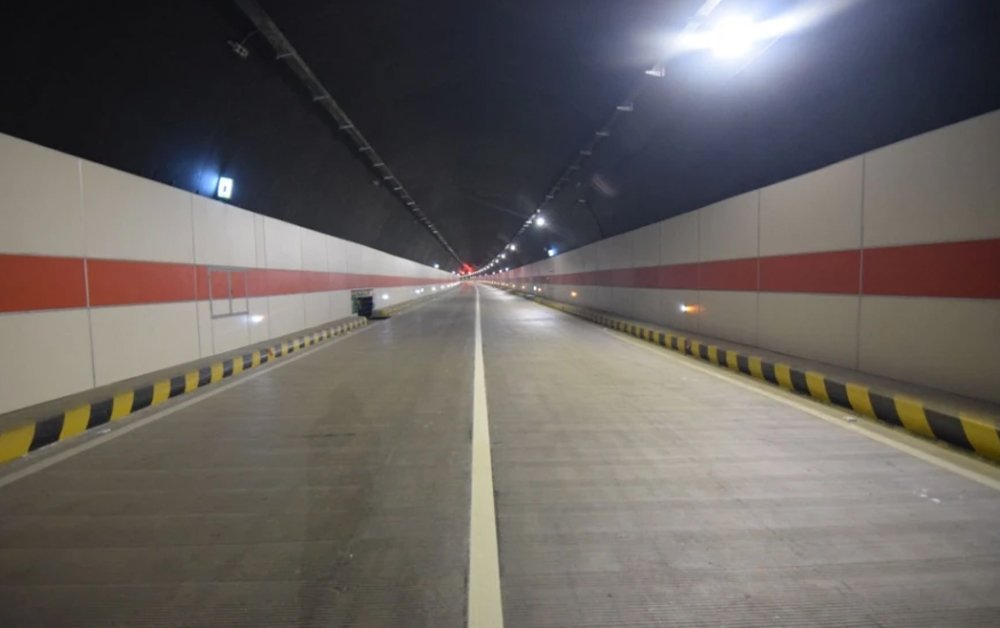
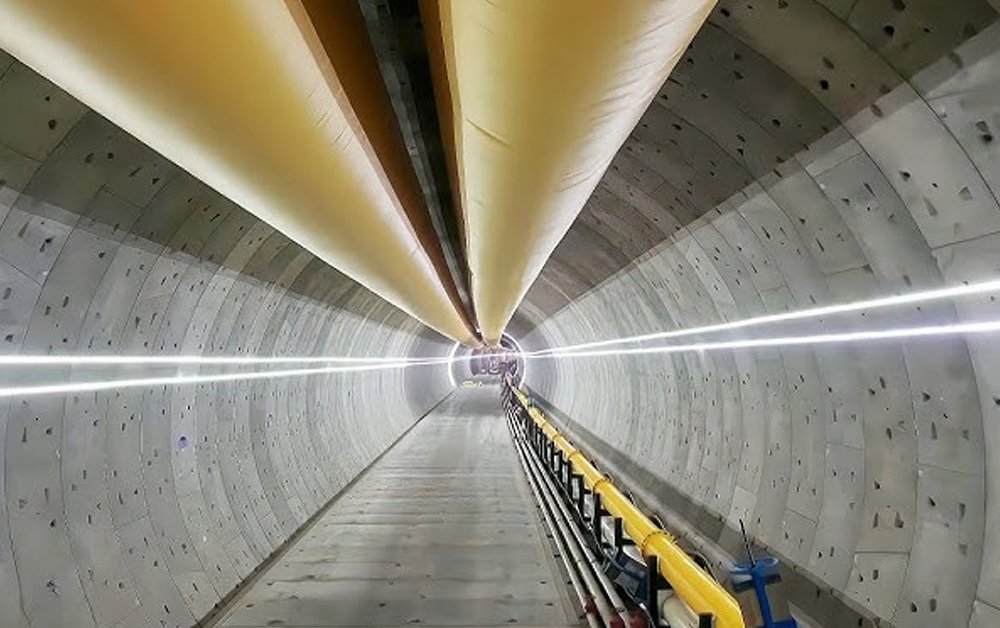
Currently, in addition to cement-based grouting materials and common chemical grouting materials, polyurea grouting technology is also recommended for addressing water leakage problems. Due to its superior performance, polyurea grouting can effectively solve the problem of uncontrolled leakage in current infrastructure, whether in subway systems or highway tunnels.
As a professional manufacturer, YURU Waterproof has provided polyurea grouting materials for subway tunnels, shield tunnels, and municipal underground projects in multiple regions. This guide will explain the best application scenarios for polyurea grouting, its working principle, and how to properly apply it.
1. Understanding Polyurea Grouting:
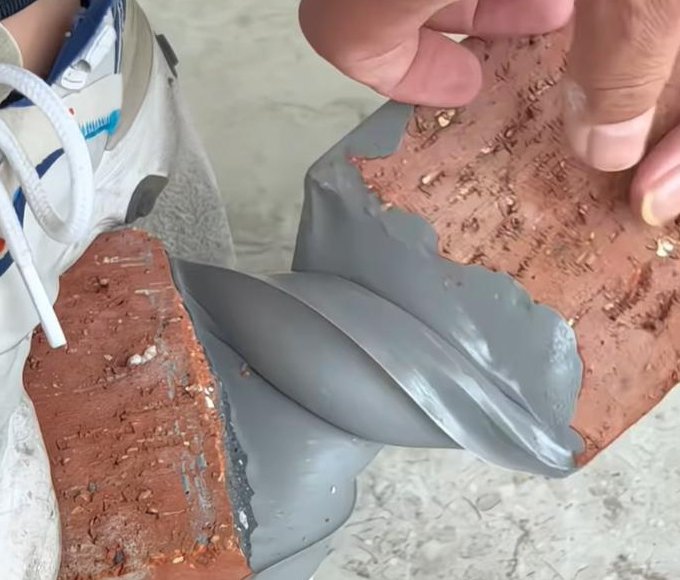
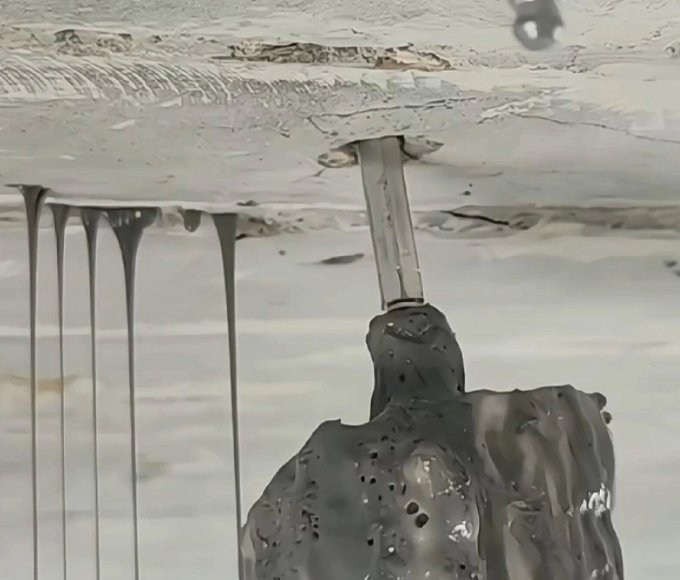
Polyurea grouting materials are polyurea-based polymeric reactive waterproofing and sealing materials. When injected into cracks or voids, they rapidly polymerize to form an elastic, cured structure.
Key characteristics include:
- Rapid reaction in the presence of water.
- Controlled volumetric expansion.
- High elasticity after curing.
- Strong adhesion to concrete and mineral substrates.
- Excellent resistance to long-term hydrolysis.
These properties allow polyurea grouting to perform two functions simultaneously:
- Immediate water stoppage
- Long-term deformation accommodation
This dual capability explains why polyurea has become increasingly favored in underground environments where movement, vibration, and cyclic water pressure are unavoidable.
2. Typical Water Leakage Scenarios in Tunnels and Subways
2.1 Segment Joints in Shield Tunnels
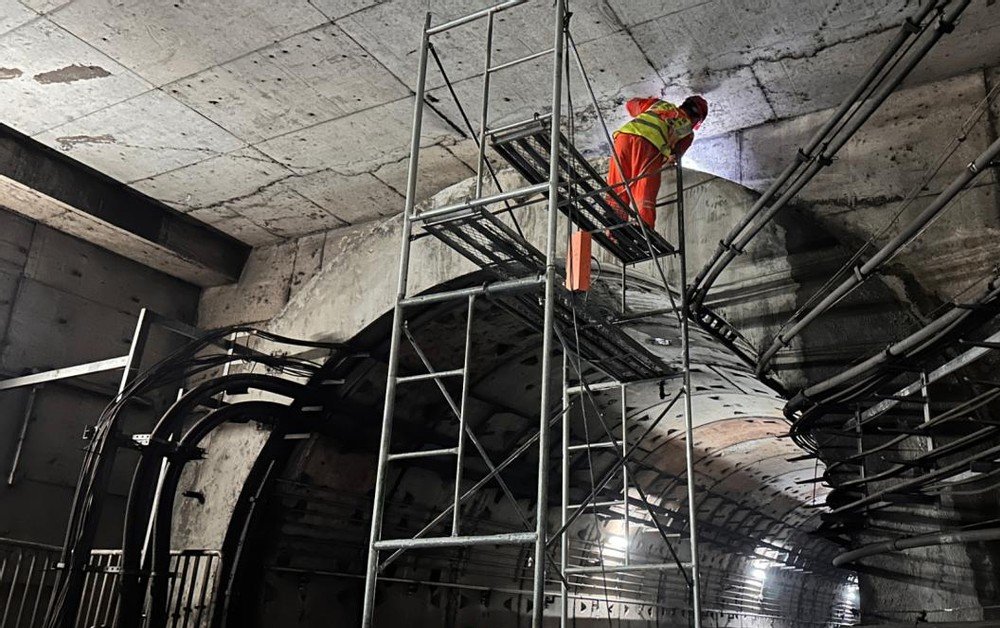
In shield-driven metro tunnels, segment joints are designed to be watertight. However, over time, joint gaskets age, deformation accumulates, and leakage paths form.
Common characteristics:
- Continuous seepage rather than sudden inflow
- Narrow but persistent water paths
- Slight segment displacement
Polyurea grouting excels here because it:
- Penetrates micro-gaps
- Reacts upon contact with moisture
- Remains elastic to accommodate future movement
2.2 Construction Joints and Cold Joints
Polyurea grouting is suitable when:
- Water pressure is moderate to high
- Cracks are irregular and interconnected
- Long-term flexibility is required
2.3 Crack-Induced Leakage in Lining Concrete
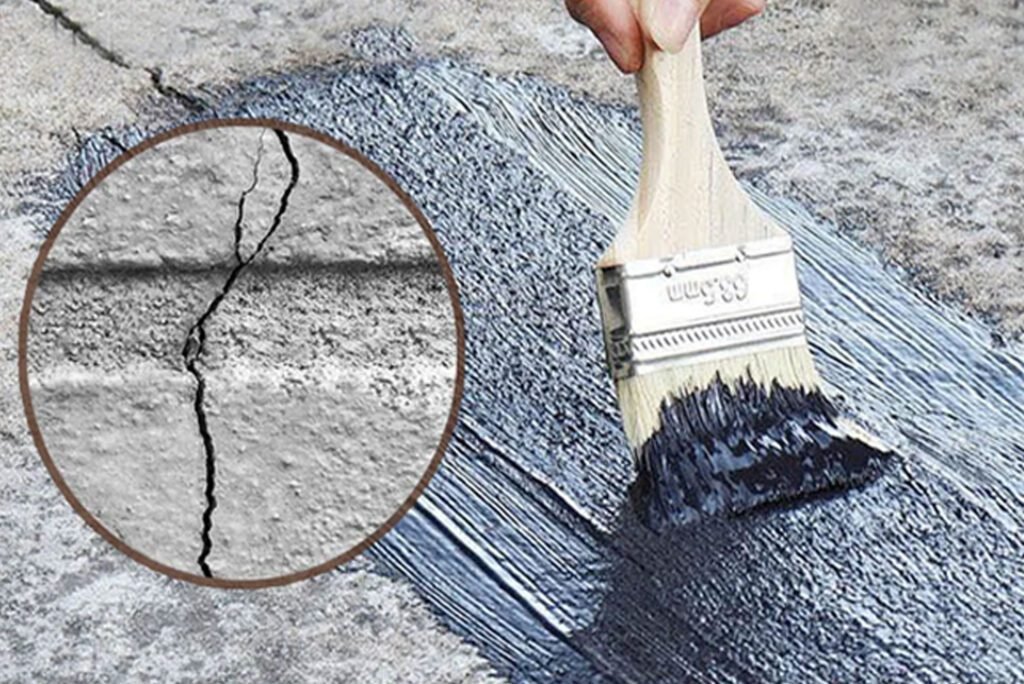
Shrinkage cracks, thermal cracks, or stress-induced cracking can create complex leakage paths.
Polyurea’s low initial viscosity (for injection grades) allows it to:
- Travel along crack networks
- React progressively
- Form a continuous sealing body
3. Why Polyurea Outperforms Traditional Grouting in Underground Environments?
3.1 Comparison with Cement-Based Grouting Materials
Cement-based grouting materials are special engineering materials that rely on particle suspension and hydration, using cement as the main component. In tunnels and subways, they face several limitations:
- Difficulty penetrating microcracks
- Shrinkage after curing
- Brittleness under vibration
- Limited performance in flowing water environments
In contrast, polyurea has the following characteristics:
- Reactive grouting, not hydration-based grouting
- No shrinkage
- Elasticity after curing
- Effective even in flowing water environments
3.2 Comparison with Polyurethane Foam Grouting Materials
PU foam grouts (hydrophobic or hydrophilic) are widely used for emergency leak control. However, their long-term performance varies.
| Aspect | PU Foam Grout | Polyurea Grout |
|---|---|---|
| Reaction speed | Very fast | Fast (controllable) |
| Expansion | High | Moderate |
| Elasticity | Medium | High |
| Long-term stability | Moderate | Excellent |
| Structural compatibility | Limited | Strong |
In tunnel applications where durability and movement accommodation are critical, polyurea offers a more balanced performance.
4. Key Applications of Polyurea Grouting in Tunnel Engineering
4.1 Active Water Leakage Sealing Under Pressure
Polyurea grouting is especially effective in sealing active water ingress, including:
- Pressurized groundwater leakage.
- Seepage along joints and cracks.
- Localized inflow points behind linings.
The reaction mechanism allows polyurea to:
- React immediately upon contact with water.
- Form a dense sealing mass.
- Maintain elasticity under pressure fluctuations.
4.2 Curtain Grouting Behind Tunnel Linings
Polyurea can be used in curtain grouting systems, forming a flexible water barrier behind the lining.
This approach is common in:
- Old metro tunnels undergoing rehabilitation.
- Sections with deteriorated waterproof membranes.
- Areas with complex hydrogeology.
4.3 Soil and Void Stabilization Around Underground Structures
Beyond water control, polyurea grouting contributes to ground stabilization.
Applications include:
- Filling voids caused by erosion.
- Reinforcing loose soil around tunnels.
- Preventing further settlement.
The cured polyurea improves cohesion without introducing excessive rigidity.

5. Design Considerations for Polyurea Grouting in Subways
Effective application requires more than selecting the right material.
5.1 Injection Pressure Control
Excessive pressure can:
- Enlarge cracks unintentionally
- Damage lining structures
- Cause uncontrolled material migration
YURU’s polyurea grouting systems are designed to work under controlled, moderate injection pressures, ensuring precision and safety.
5.2 Reaction Time Customization
Different tunnel conditions require different reaction speeds.
- High-flow leakage → faster gel time
- Micro-seepage → slower reaction for deeper penetration
A reliable manufacturer must be able to adjust catalyst ratios and formulation parameters accordingly.
6. Long-Term Performance:
Polyurea grouting systems used in tunnel environments should maintain performance for decades.
Key long-term benefits include:
- Resistance to hydrolysis.
- Stable elasticity under cyclic loads.
- Compatibility with concrete movement.
- Minimal aging under constant moisture exposure.
Field data from metro projects supplied by YURU Waterproof show stable sealing performance well beyond typical maintenance cycles.
7. Why YURU Waterproof Is Trusted for Tunnel Polyurea Grouting Solutions?
YURU Waterproof does not position polyurea grouting as a “one-product solution.”
Instead, we provide:
- Multiple polyurea grouting grades for different water pressures and crack characteristics.
- Technical selection support for designers and contractors.
- Customized formulations for specific tunnel conditions.
- Project-based documentation and testing data.
Our role extends beyond manufacturing, we support engineers in designing reliable, system-level grouting strategies.
FAQs:
1. What makes polyurea grouting suitable for tunnel and subway projects?
Polyurea grouting is particularly suitable for tunnels and subways because it can react and cure in the presence of water.
2. Can polyurea grouting stop active water leaks under high pressure?
Yes. One of the key advantages of polyurea grouting is its ability to seal active leaks, including high-pressure water ingress.
3. Can polyurea grouting be used for joint sealing in segmental tunnel linings?
Yes. Polyurea grouting is widely used for sealing segment joints, deformation joints, and construction joints in segmental tunnel linings.
Conclusion:
In tunnels and subway systems, leakage is rarely a simple surface defect. It is usually the visible symptom of deeper issues: joint movement, groundwater pressure, material aging, or soil-structure interaction.
Choosing the right material grade, injection strategy is just as important as selecting polyurea itself. This is where experience and manufacturing depth make a real difference.
At YURU Waterproof, we do not offer a single “universal” polyurea grout.
We work with engineers, contractors, and infrastructure owners to:
- Match polyurea grouting formulations to real tunnel and subway conditions.
- Provide technical data, application guidance, and testing support.
- Develop customized solutions for complex groundwater and structural challenges.
Contact YURU Waterproof today to discuss your tunnel or subway grouting requirements or arrange material testing support.
YURU Product solutions