The Role of Epoxy Resin Grout in Structural Reinforcement
Overview:
Among the many concrete crack repair materials available today, epoxy resin grout is one of the effective solutions for structural strengthening. Epoxy grouting possesses strong adhesion, high strength, and high compressive strength, thus enabling effective structural restoration and strengthening.
This article comprehensively discusses the working principle of epoxy resin grout, the reasons for its widespread use in structural strengthening, and provides a simple comparison with other grouting materials.

What Is Epoxy Resin Grout?
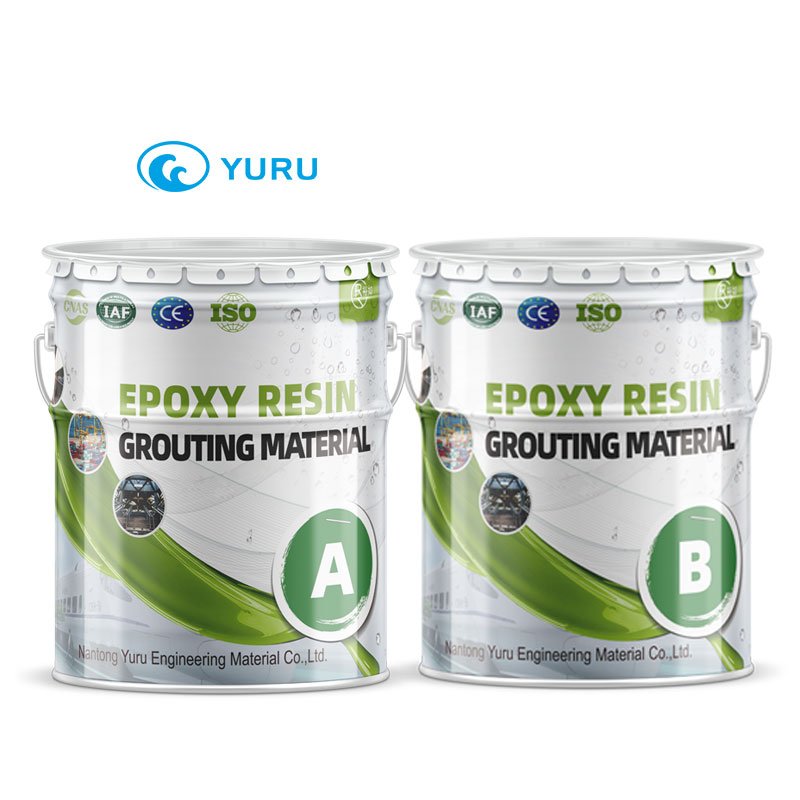
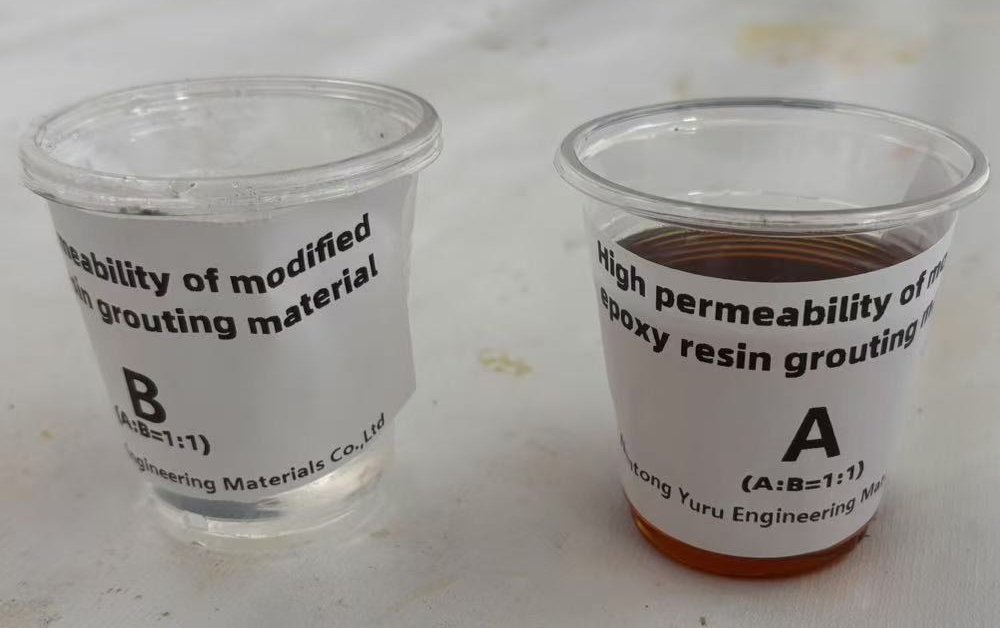
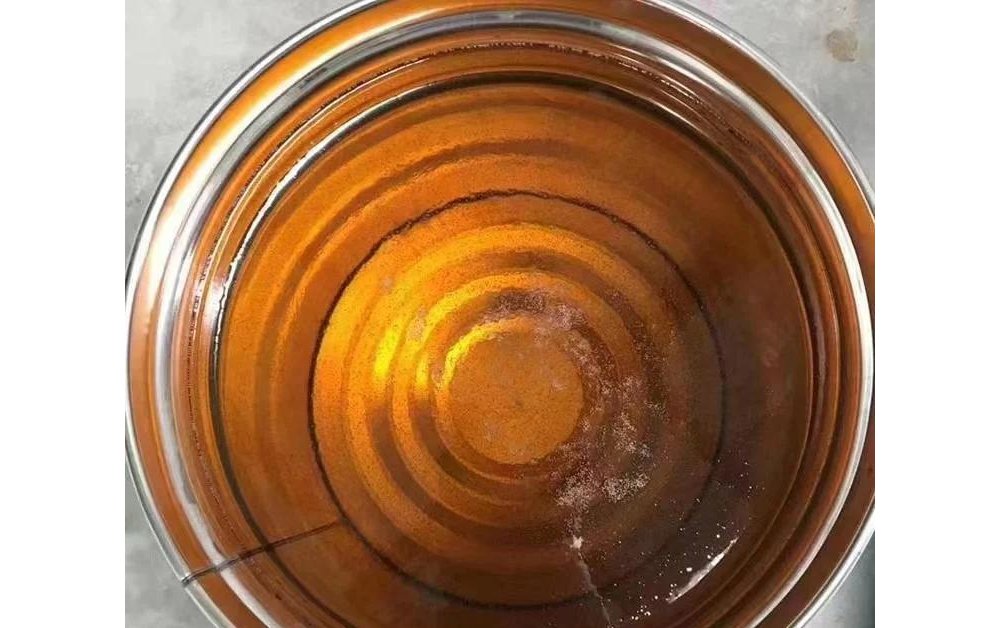
Epoxy resin grout is a high-performance two- or three-component material typically composed of the following components:
- Epoxy resin
- Curing agent
- Aggregate filler (e.g., silica or quartz aggregate)
When mixed, these components undergo a chemical reaction to form a hard, high-strength, dense, non-porous material.
Key Properties:
- High compressive strength
- Excellent adhesion to concrete and steel
- Extremely low shrinkage
- Excellent chemical resistance
- Excellent tensile and flexural properties
Due to these properties, epoxy resin grout is particularly effective in repairing the load-bearing capacity of cracked or weakened structural members.
Why Structural Reinforcement Is Necessary?
Structural reinforcement is a strategic intervention designed to:
- Restore original load-bearing capacity.
- Prevent crack propagation.
- Protect embedded steel reinforcement.
- Extend service life.
- Improve safety margins.
Common Causes of Structural Deterioration:
1. Concrete Cracking
Temperature and humidity changes, excessive environmental temperature differences, or dehydration can generate temperature stress and shrinkage stress, leading to concrete cracking.
2. Reinforcing Steel Corrosion
Chloride ion penetration causes steel corrosion; sulfate erosion damages the cement stone structure; carbonation reduces the alkalinity of concrete, inducing steel corrosion.
3. Overloading
Structures subjected to weights exceeding design loads for extended periods, or subjected to concentrated loads in localized areas, can lead to crack propagation and even structural failure.
4. Earthquakes or Settlement
Foundation movement can cause internal stress and structural fracture.
When beams, columns, slabs, or foundations experience these conditions, the strengthening scheme must be able to restore the continuity and strength of the structure.
Epoxy resin grouting is particularly suitable for this.
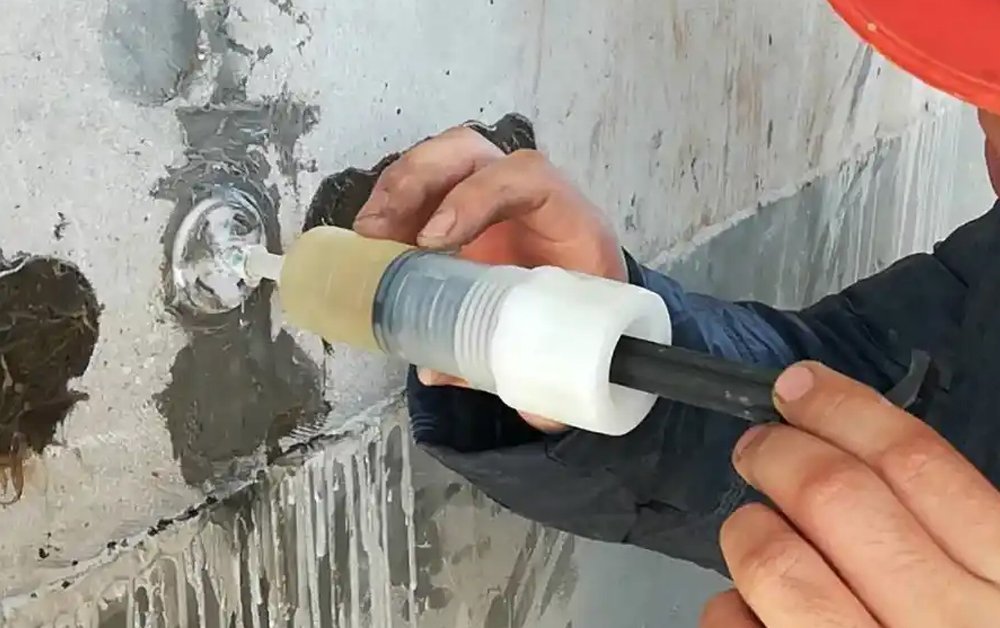
How Epoxy Resin Grout Enhances Structural Strength?
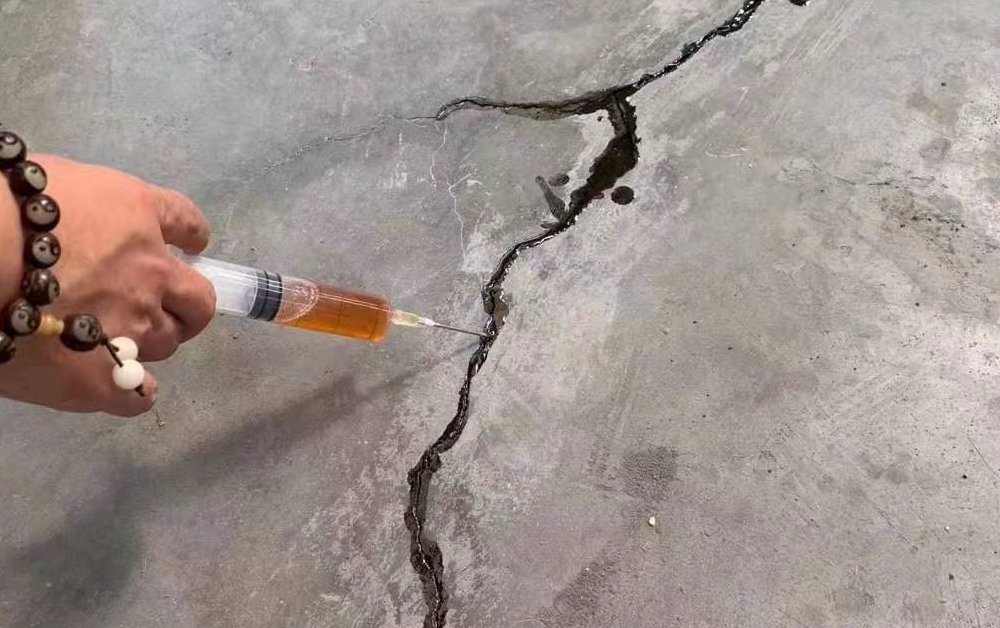
1. Crack Bonding
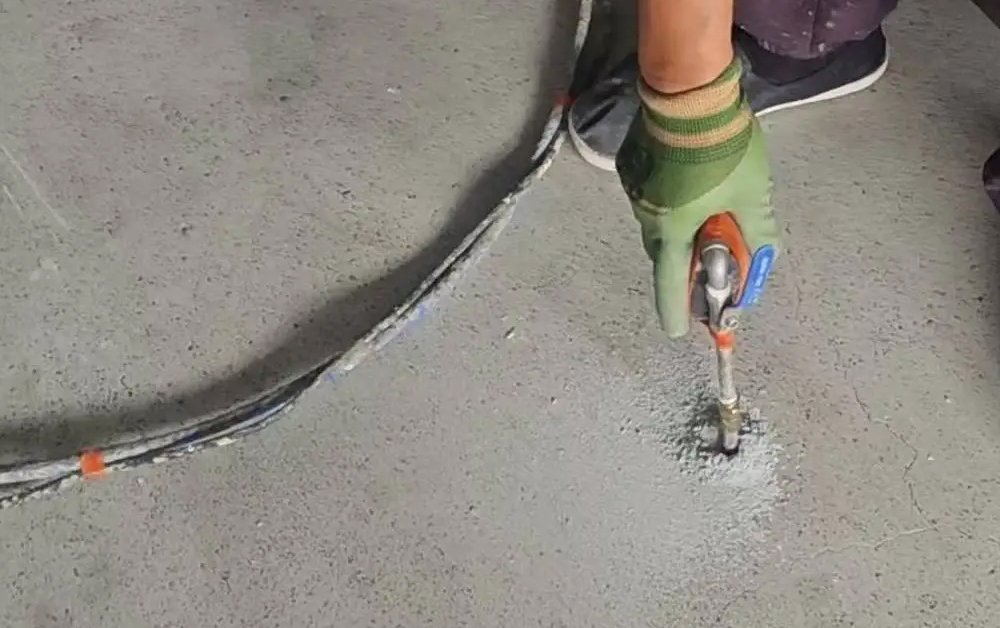
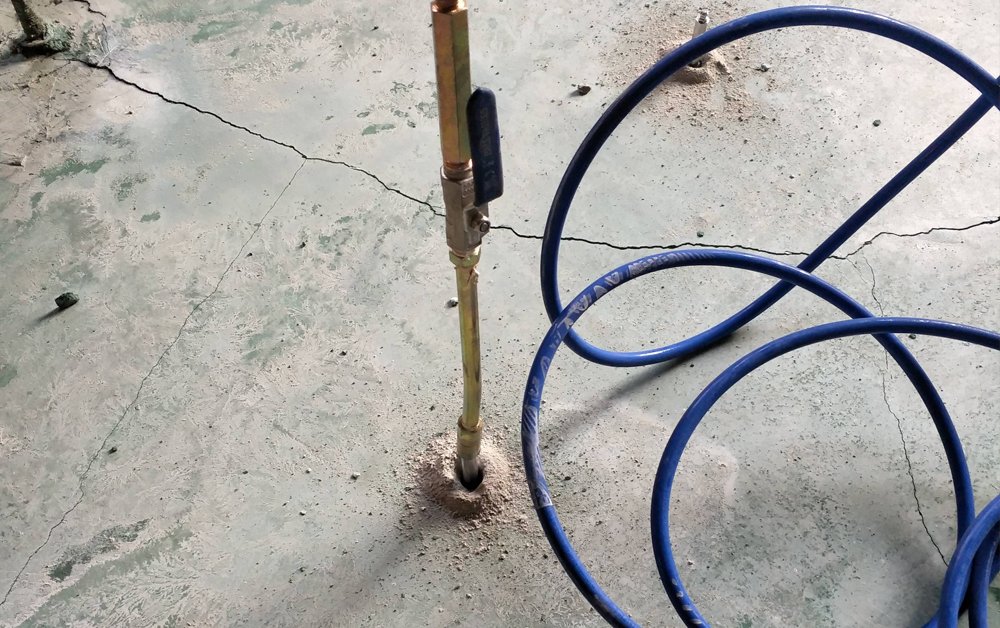
Low-viscosity epoxy resin formulations can easily penetrate narrow, fine cracks, bonding the two sides of the crack together after curing, restoring overall integrity.
2. Restoring Load Transfer
Epoxy resin grout can transfer stress to the previously separated crack surfaces. This allows structural components to regain their original function.
3. Increased Compressive Strength
Epoxy resin grout has extremely high compressive strength (≥100MPa) and flexural strength, far exceeding that of ordinary cement mortar.
4. Corrosion Protection
Cureable epoxy resin has excellent resistance to acids, alkalis, and water, providing long-term protection against corrosion of internal reinforcing steel.
5. Reduced Shrinkage and Creep
Epoxy resin grouting exhibits extremely low shrinkage during curing (≤ 0.1%), completely filling structural gaps, voids, and irregular spaces.
If performed properly, epoxy resin grouting can restore the structural performance to a level close to the original design capability.
Common Applications of Epoxy Resin Grout in Construction
Epoxy resin grout is used across a wide range of structural repair and reinforcement projects.
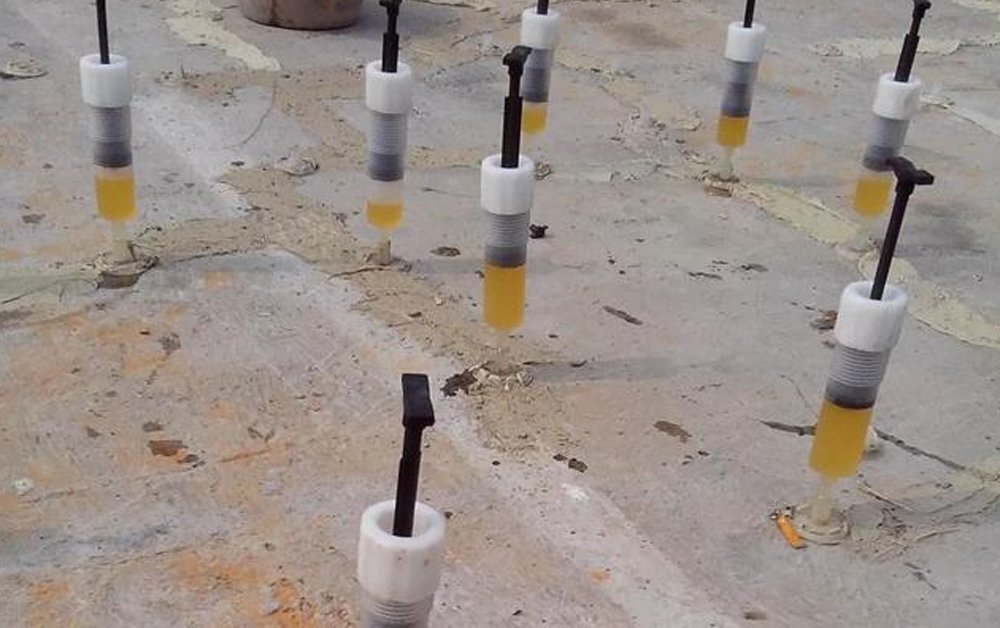
1. Beam and Column Crack Repair
Load-bearing elements require high-strength repair materials. Epoxy injection restores continuity in static cracks.
2. Bridge Reinforcement
Bridges endure cyclic loading and environmental exposure. Epoxy grout repairs deck and girder cracks without compromising strength.
3. Industrial Facility Maintenance
Heavy equipment generates vibration and dynamic loads. Epoxy grout is used for machinery base grouting and structural crack repair.
4. Underground Structures
While epoxy is not typically used to stop active water leaks, it is effective in dry structural crack repair after water issues are addressed.
5. Equipment Foundation Grouting
Precision equipment requires stable foundations. Epoxy grout ensures strong anchorage and minimal vibration.
Epoxy Resin Grout vs Other Grouting Materials
Polyurethane Grout Vs Epoxy
- Epoxy Resin: Best for structural reinforcement
- Polyurethane: Best for water stop and active leak sealing
Polyurethane reacts with water, suitable for wet environments. But, its structural strength is not as high as epoxy resin.
Acrylate Grout vs Epoxy
- Epoxy Resin: High strength and rigidity
- Acrylate Resin: Excellent penetration for soil stabilization
Acrylate systems are typically used in soil consolidation.
Epoxy vs Cement-Based Grout
- Epoxy Resin: Higher strength, lower shrinkage, superior adhesion
- Cementitious grout: Cost-effective but lower bonding performance
For structural reinforcement, epoxy resin has higher strength than cement-based grouting.
Key Factors for Successful Epoxy Grouting Projects
With proper application leading to better results:
1. Accurate Crack Assessment
Engineers must determine the type of crack:
- Structural or non-structural?
- Static or dynamic?
- Caused by overloading or settlement?
Epoxy resin is best suited for static cracks.
2. Surface Preparation
The substrate surface and the crack surface must be dry and clean to ensure good adhesion.
3. Appropriate Grouting Pressure
Grouting pressure must be strictly controlled. Excessive pressure can cause cracks to widen, while insufficient pressure can lead to incomplete grouting.
4. Correct Mixing Ratio
Strictly adhere to the correct mixing ratio to avoid material failure to cure and reduced performance.
5. Environmental Conditions
Temperature affects curing time and viscosity. Always adhere to the recommended application range.
Long-Term Performance and Durability
When correctly installed, epoxy resin grout provides long-term structural reinforcement.
Factors Affecting Longevity:
- Crack stability
- Environmental exposure
- Quality of materials
- Application technique
In stable structural cracks, epoxy repairs can last for decades.
How to Choose a Reliable Epoxy Resin Grout Manufacturer?
Material consistency and technical support are essential for structural reinforcement projects.
Key evaluation criteria include:
- Stable manufacturing processes
- Quality control systems
- Product testing documentation
- Engineering support capability
- Experience in infrastructure projects
- Custom formulation capability
Reliable suppliers provide technical data sheets, application guidance, and on-site support when necessary.
Why Choose YURU for Structural Reinforcement Solutions?
YURU specializes in high-performance injection and waterproofing materials for engineering applications.
Product Portfolio Includes:
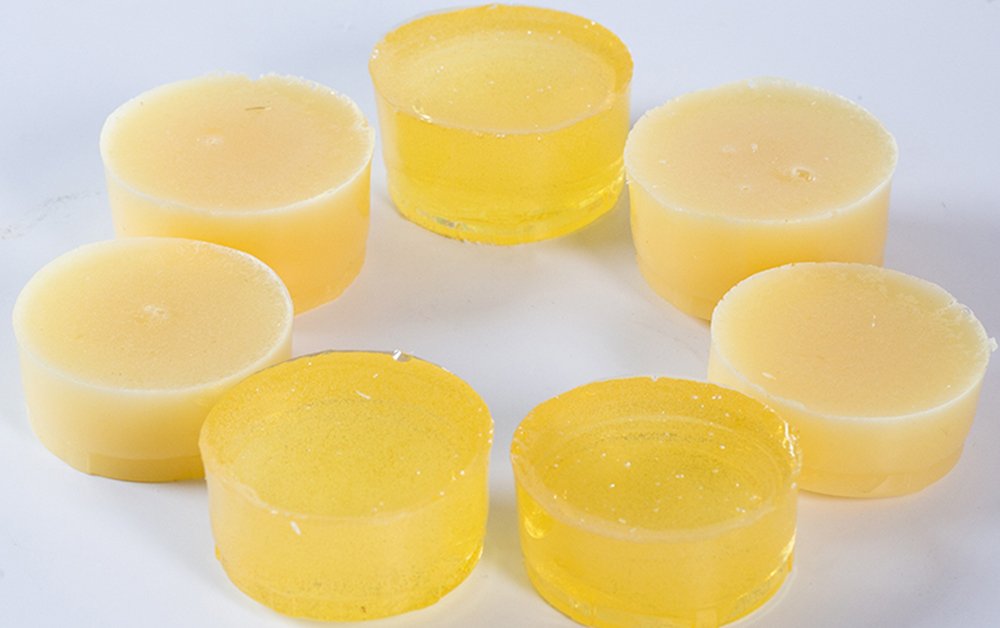
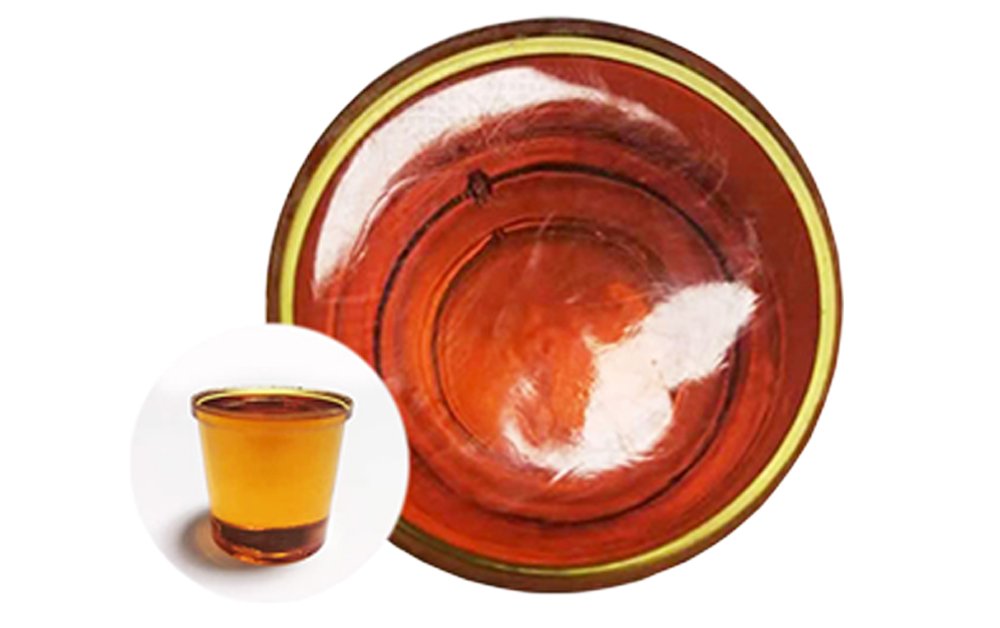
- Epoxy resin grouting materials for structural reinforcement.
- Polyurethane grouting materials for leak sealing.
- Acrylate grouting materials for soil stabilization.
- Polyurea and microcrystalline polyurea systems.
Advantages of YURU:
- Strict quality control standards
- Stable production capacity
- Technical consultation services
- Experience serving contractors and municipal projects
- OEM and customized product development
YURU focuses on providing integrated solutions tailored to specific project requirements.
The Strategic Importance of Epoxy Resin Grout in Modern Construction
In modern infrastructure development, rather than demolishing and rebuilding damaged structures, engineers increasingly rely on advanced materials for rehabilitation.
Epoxy resin grout enables:
- Sustainable repair strategies
- Reduced downtime
- Cost-effective reinforcement
- Preservation of existing assets
From bridges and industrial plants to commercial buildings and infrastructure systems, epoxy injection remains a cornerstone of structural repair methodology.
FAQs:
1. Is epoxy resin grout stronger than concrete?
In many cases, properly formulated epoxy grout can exceed the compressive strength of standard concrete.
2. Can epoxy grout be used for active water leaks?
Epoxy is not recommended for active leaks. Water infiltration should first be stopped using appropriate waterproofing materials.
3. Is epoxy grout suitable for moving cracks?
No. Epoxy is rigid and best suited for static cracks. Flexible materials are required for dynamic movement.
4. What industries commonly use epoxy resin grout?
Industries include bridge construction, industrial facilities, commercial buildings, transportation infrastructure, and heavy machinery foundations.
Conclusion
Epoxy resin grout plays a critical role in structural reinforcement by restoring integrity, strength, and durability to cracked concrete elements.
It is not a universal solution for all repair scenarios. Its strength lies specifically in structural bonding of static cracks in relatively dry conditions.
Understanding crack behavior, environmental factors, and material performance characteristics, engineers and contractors can determine when epoxy resin grout is the optimal choice.
Contact YURU Waterproof for technical data sheets, project consultations, or samples.
YURU Product solutions