Two Part Epoxy Resin Grout vs. Polyurethane Grouts: Key Differences
Selecting the right injection grout is one of the most critical decisions in repairing cracks, stopping water leakage, and restoring concrete structures. Although two-part epoxy resin grout and polyurethane (PU) grouts are both widely used in construction, their performance characteristics differ significantly. Understanding these differences is essential for contractors, waterproofing specialists, structural engineers, and material buyers.
This guide provides a clear, technical comparison of both materials, explains where each type performs best, and helps you make the right choice for your project. Insights are supported by years of industry experience and the material development expertise of YURU Waterproof.
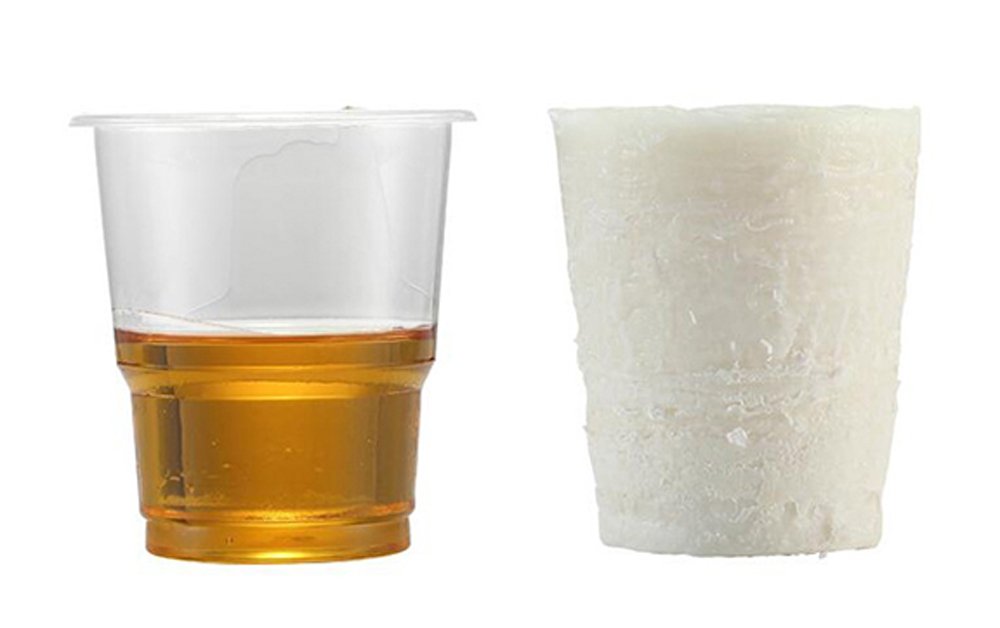
What Are Two-Part Epoxy Resin Grouts and Polyurethane Grouts?
Two-Part Epoxy Resin Grouts — Designed for Structural Repair
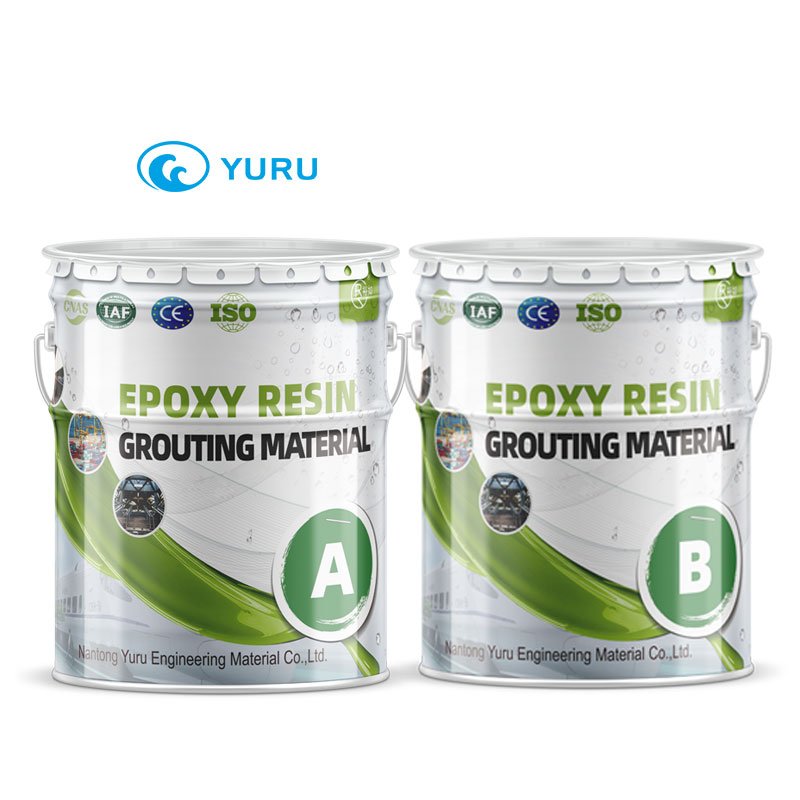
Two-part epoxy resin grout is a highly engineered material composed of a base resin and a hardener. When mixed, the two components initiate a chemical reaction that forms a rigid, strong, and durable solid. Epoxy grouts are primarily used for structural crack repair, where high strength and long-term stability are required.
Key characteristics:
- High compressive and bonding strength
- Excellent adhesion to dry concrete
- Minimal shrinkage
- Very low permeability
- Ideal for structural restoration
Because epoxy cures to a rigid state, it reinforces and restores concrete integrity rather than acting as a flexible sealant.
Polyurethane Grouts — Designed for Water Stoppage and Flexible Sealing
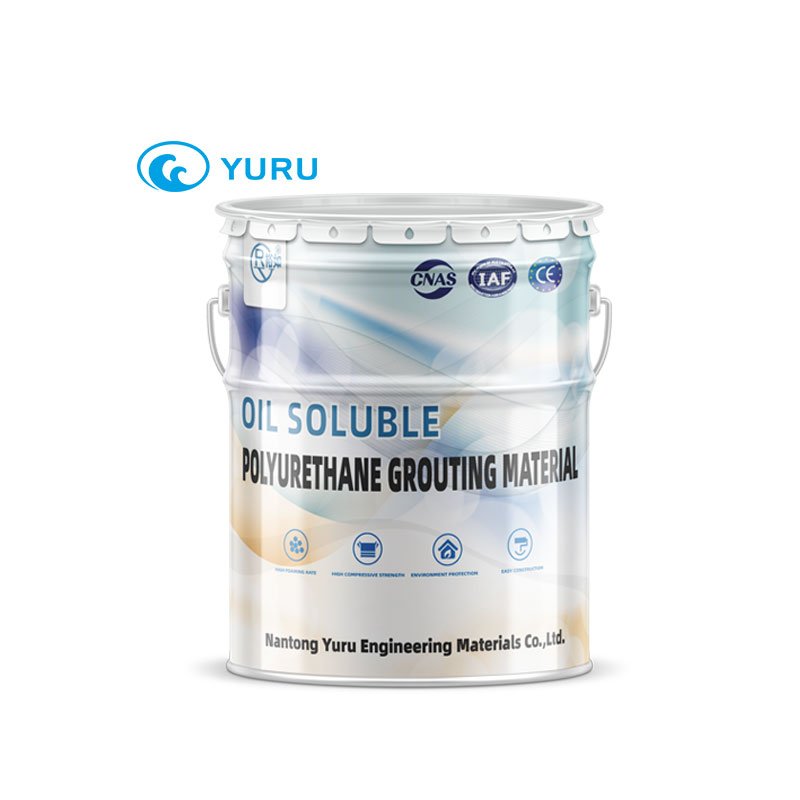
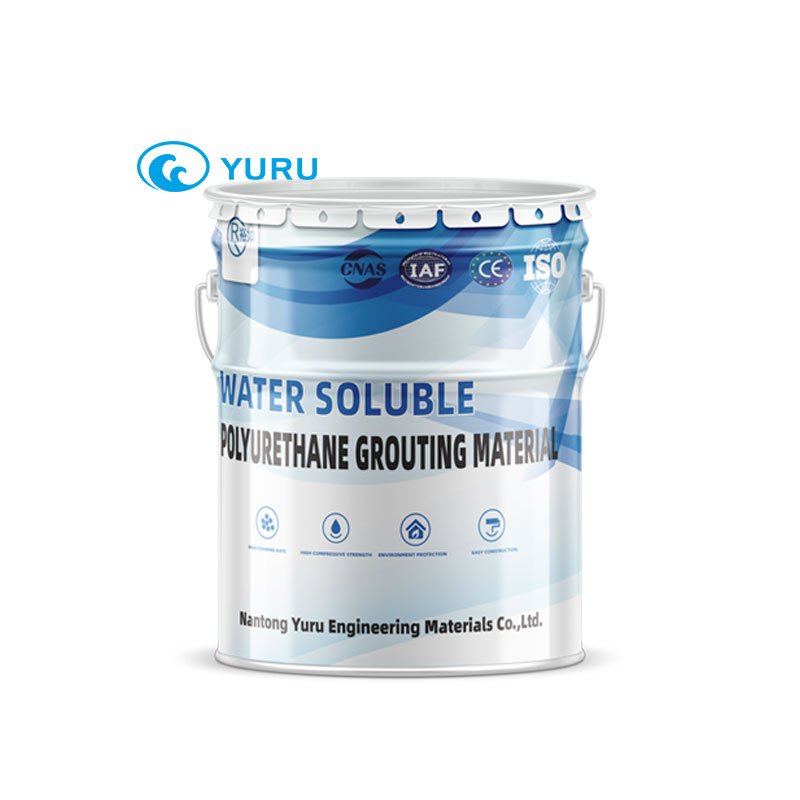
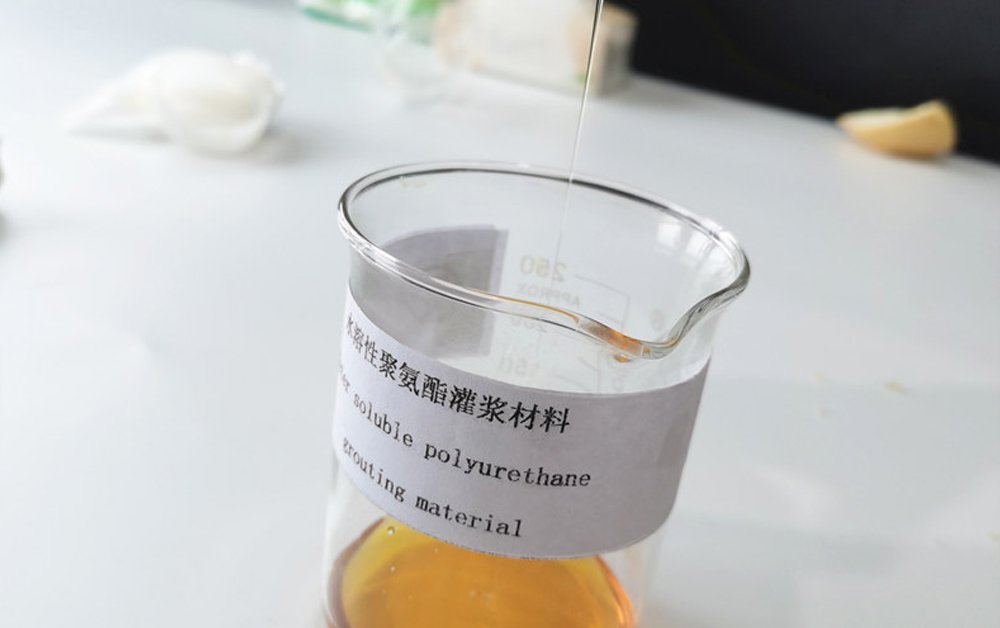
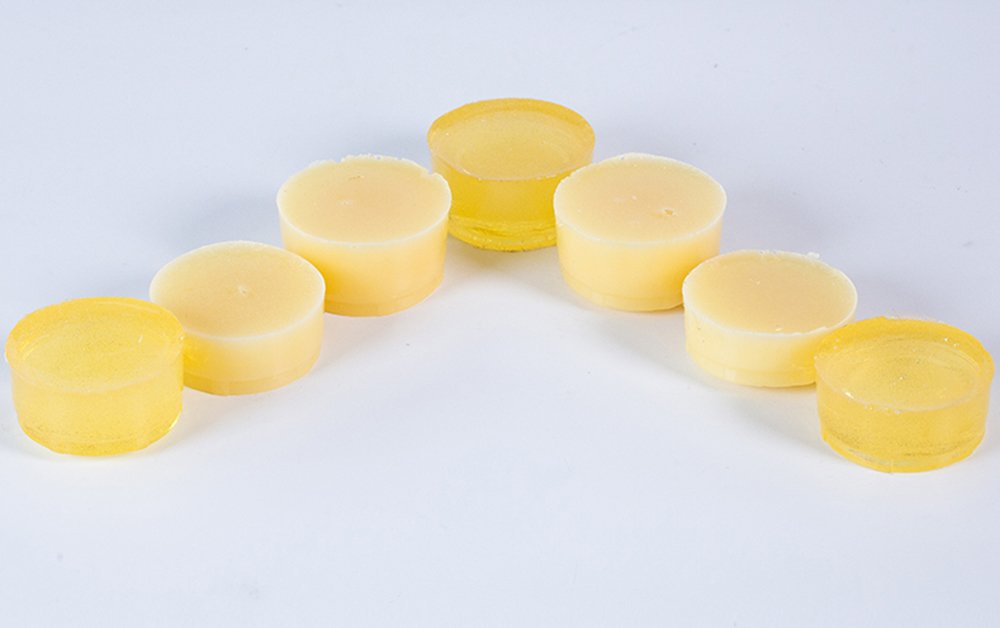
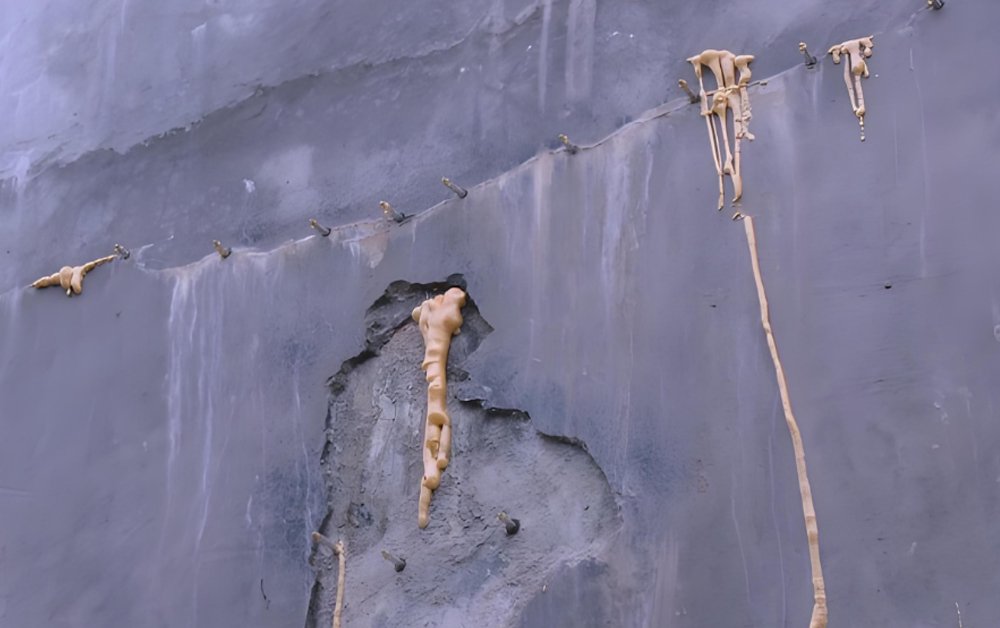
Polyurethane grouts are reactive injection materials that can be classified into hydrophilic (water-loving) and hydrophobic (water-repelling) systems. When injected into cracks, PU grouts react with moisture to expand, foam, or form elastic gels.
General characteristics:
- Strong water-reactive expansion
- Excellent waterproofing and sealing performance
- Flexible and capable of accommodating crack movement
- Multiple formulation options (single-component or two-component)
- Effective in wet environments where epoxy cannot be applied
Because PU grouts react with water, they are widely used for water stoppage, leak sealing, and crack filling in wet or dynamic conditions.
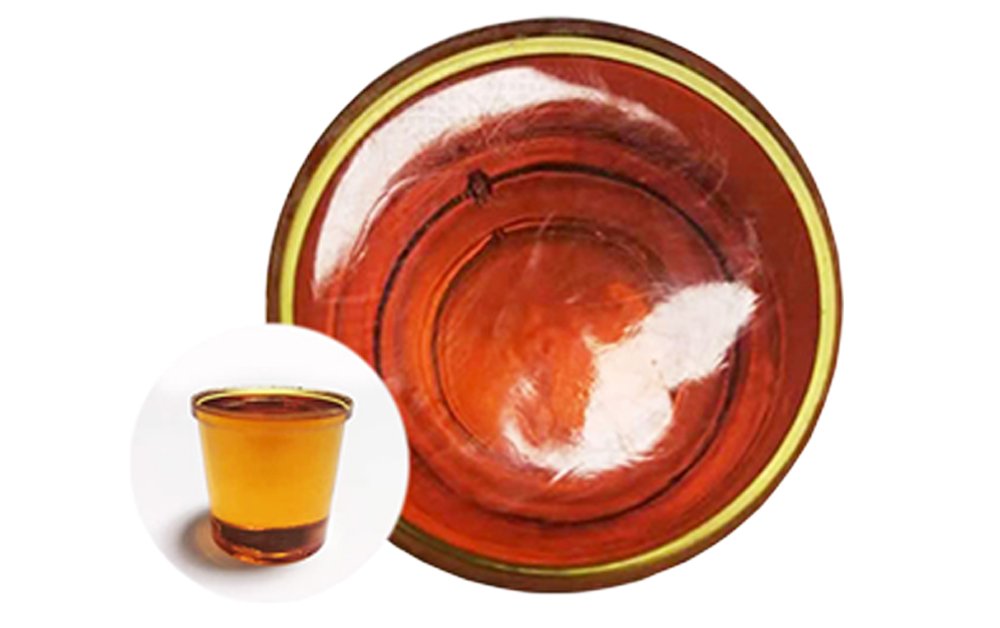
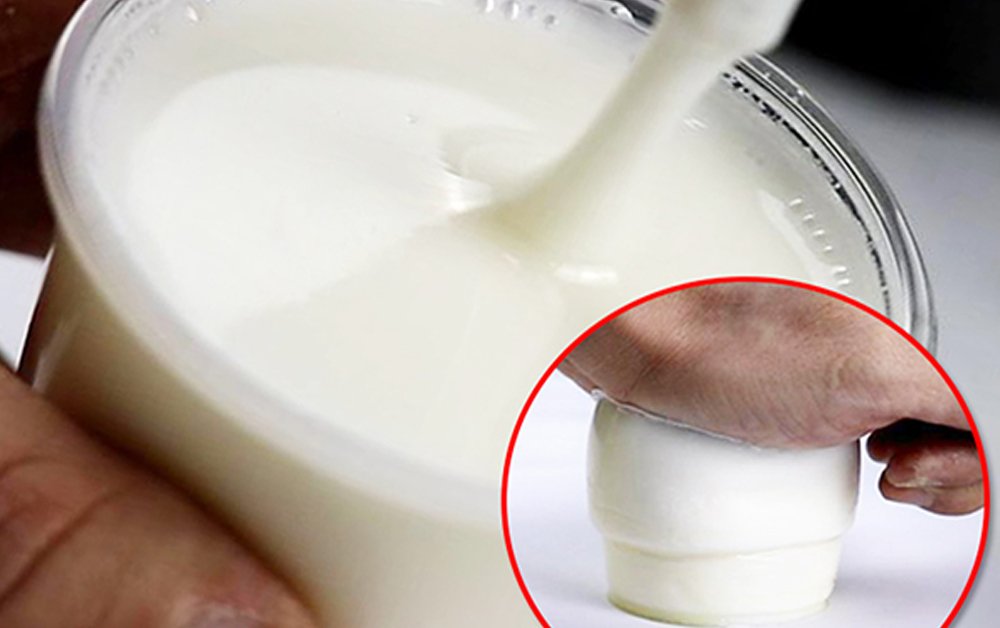
Strength, Flexibility & Durability: A Direct Material Performance Comparison
Structural Strength — Epoxy Grouts Excel
Epoxy resin grout cures into a rigid, high-strength solid with notable compressive and tensile properties. This makes it ideal for:
- Load-bearing crack repair
- Bridge deck restoration
- Concrete beam and column strengthening
- Industrial floor reinforcement
In contrast, polyurethane grouts cure into flexible or semi-rigid materials, making them unsuitable for structural strengthening.
Flexibility — Polyurethane Performs Better
Polyurethane grouts are designed to handle crack movement, temperature changes, and structural vibrations. Their elasticity allows them to:
- Absorb dynamic crack movement
- Reduce secondary cracking
- Maintain waterproofing performance under stress
Epoxy, once cured, cannot accommodate movement and may fail if cracks continue to expand.
Chemical and Environmental Resistance
Both materials offer excellent resistance to chemicals and environmental exposure, but their strengths differ:
- Epoxy: superior chemical resistance, especially against oils, acids, and industrial chemicals.
- Polyurethane: superior aging resistance, moisture tolerance, and water-reactive performance.
Contractors must choose based on service conditions rather than general chemical durability.
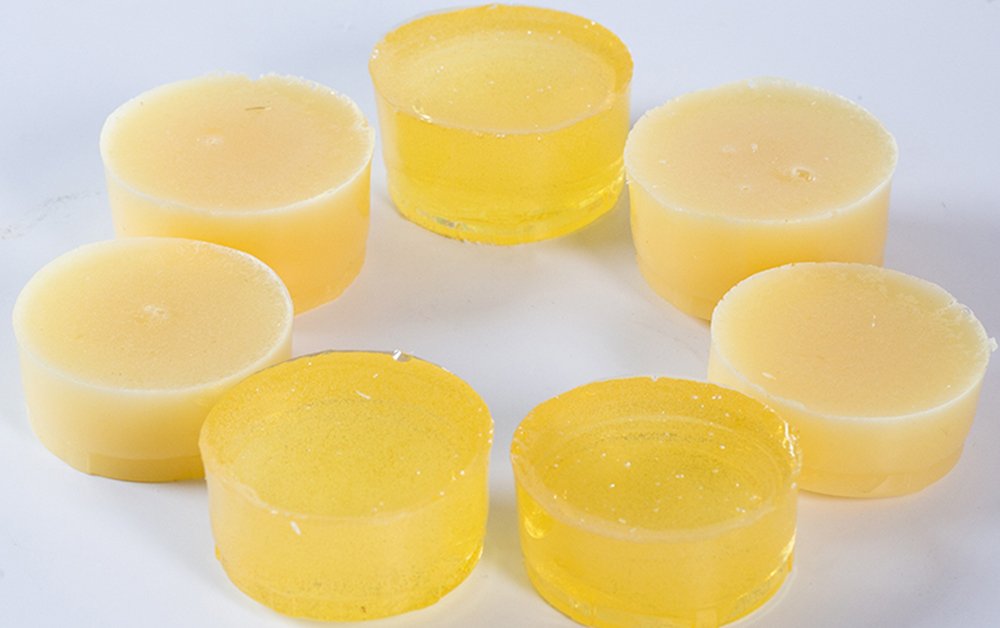

Static vs. Dynamic Crack Repair: Choosing the Right Material
Understanding crack behavior is essential for material selection.
When to Choose Epoxy Resin Grout?
Epoxy is ideal for:
- Static cracks
- Dry concrete substrates
- Load-bearing structural repairs
- Areas requiring long-term rigidity
Typical examples include:
- Shear cracks in beams
- Dry residential wall cracks
- Structural repairs in industrial buildings
- Bridges and elevated structures
When to Choose Polyurethane Grouts?
Polyurethane is the preferred material for:
- Dynamic or moving cracks
- Wet, leaking, or saturated cracks
- Emergency leak-sealing situations
- Non-structural waterproofing applications
Example applications:
- Basement leaks
- Tunnel and metro seepage
- Water tank and reservoir leaks
- Bridge expansion joint leakage
- Underground parking structures
PU’s ability to expand, foam, or swell makes it irreplaceable in water-bearing conditions.
Installation Requirements: Differences in Application and Site Conditions
Epoxy Grouts Require Clean, Dry Conditions
Epoxy’s biggest limitation is its strict requirement for surface conditions:
- Concrete must be dry.
- Crack openings must be clean and free of dust.
- Precise proportioning and thorough mixing are required.
- Curing time is longer.
- Application requires warmer temperatures.
These limitations make epoxy unsuitable for wet environments.
Polyurethane Grouts Are More Flexible for On-Site Use
PU grouts are more forgiving during application, especially in water-related environments:
- Can react in the presence of water.
- Ideal for leaking cracks.
- Fast foaming/sealing makes it suitable for emergency repairs.
- Lower surface preparation requirements.
- Quicker return-to-service times.
This is why PU is often the preferred option for subway tunnels, underground structures, and water management systems.
Cost, Material Management, and Overall Project Efficiency
Cost Considerations
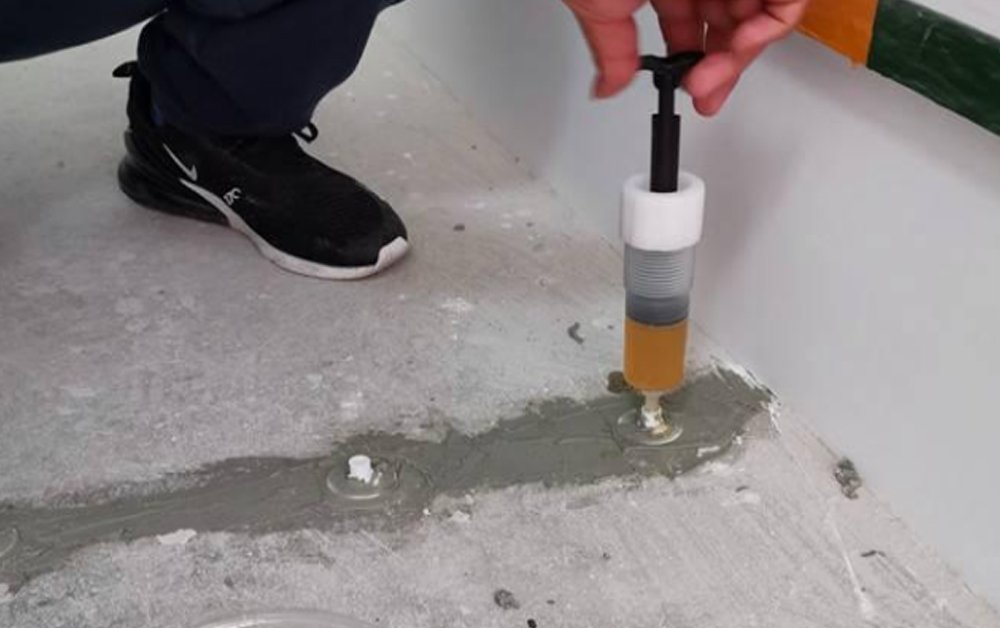
Epoxy is generally more expensive due to its structural-grade formulation, higher resin purity, and precise manufacturing requirements.
Polyurethane grouts, while still specialized materials, usually offer lower material cost and faster installation.
Construction Efficiency
Polyurethane systems often allow:
- Faster setup
- Faster reaction and curing
- Simpler cleanup
- Efficient application in complex conditions
Epoxy offers long-term structural benefits but requires more labor, preparation time, and curing time.

Industry Applications: Where Each Material Performs Best
Applications for Epoxy Grouts
- Structural crack repair
- Concrete restoration in bridges
- Industrial floors needing high rigidity
- Precast concrete repairs
- Shear and load-bearing crack injection
Applications for Polyurethane Grouts
- Tunnel and metro water seepage control
- Mining infrastructure leak sealing
- Basement waterproofing
- Dams and hydropower projects
- Water tank and pool leakage repair
- Underground garages and retaining walls
Why Contractors Choose YURU Waterproof for Epoxy and PU Grouts?
YURU Waterproof is a leading manufacturer of waterproofing and grouting materials for international wholesale, engineering contractors, and infrastructure projects.
We provide:
Our Epoxy Grout Solutions
- High-performance two-part epoxy resin grout
- Low-viscosity structural repair epoxy
- Enhanced bonding for concrete substrates
Our Polyurethane Grout Solutions
- Hydrophilic PU (standard type)
- Hydrophilic PU foaming type (fast expansion, fire-retardant option available)
- Hydrophobic PU (single-component)
- Two-component hydrophobic PU (specialized for emergency water stoppage)
Why YURU is trusted globally:
- Stable supply for large engineering projects
- Custom formulations for unique site requirements
- Consistent manufacturing quality
- Technical guidance and engineering support
- Export-ready packaging and OEM services
No matter the project size, YURU Waterproof provides reliable, high-performance grout solutions built for modern infrastructure.
Conclusion
Two-part epoxy resin grouts and polyurethane grouts each serve unique and crucial roles in concrete maintenance and infrastructure repair. Epoxy excels in structural restoration, while PU remains the industry’s leading option for waterproofing, leakage stoppage, and dynamic crack movement. Understanding the differences ensures contractors select the right solution for long-term performance.
With YURU Waterproof’s full range of epoxy and polyurethane grouting materials, contractors and wholesalers can confidently approach any repair scenario with professional-grade reliability.
YURU Product solutions