Waterproof Roof Coating vs Roofing Membrane: Which Is Better for Your Roof Project?
Introduction:
Choosing between a waterproof roof coating and a roofing membrane isn’t just about material. It affects prep, sealing details, weather planning, how the system holds up to sun, and how easy repairs are later.
In many projects, both systems can work. A roofing membrane may be the right choice for a clean, regular, large flat roof where the team is experienced with membrane installation. A waterproof roof coating may be more practical for metal roof restoration, complex details, old roof renovation, or local repair work.
The better question isn’t “Which product is better?” It is: “Which roof waterproofing system fits the real roof condition?”
This guide compares waterproof roof coating vs roofing membrane from a practical project point of view, including roof type, seams, weather requirements, UV exposure, cost, maintenance, and system selection.
What Is Waterproof Roof Coating?
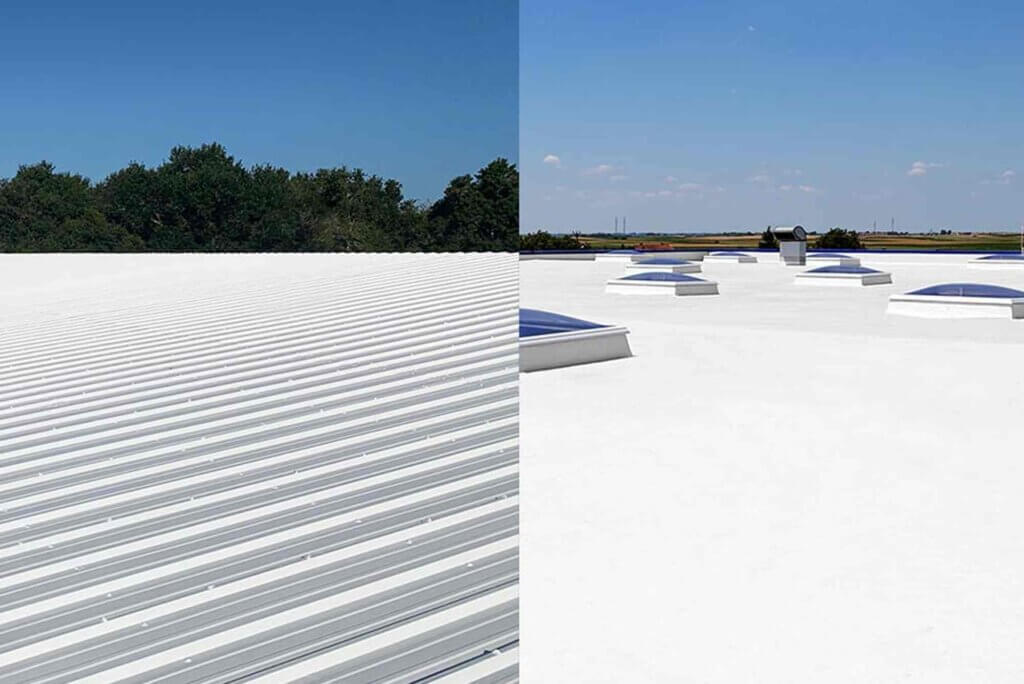
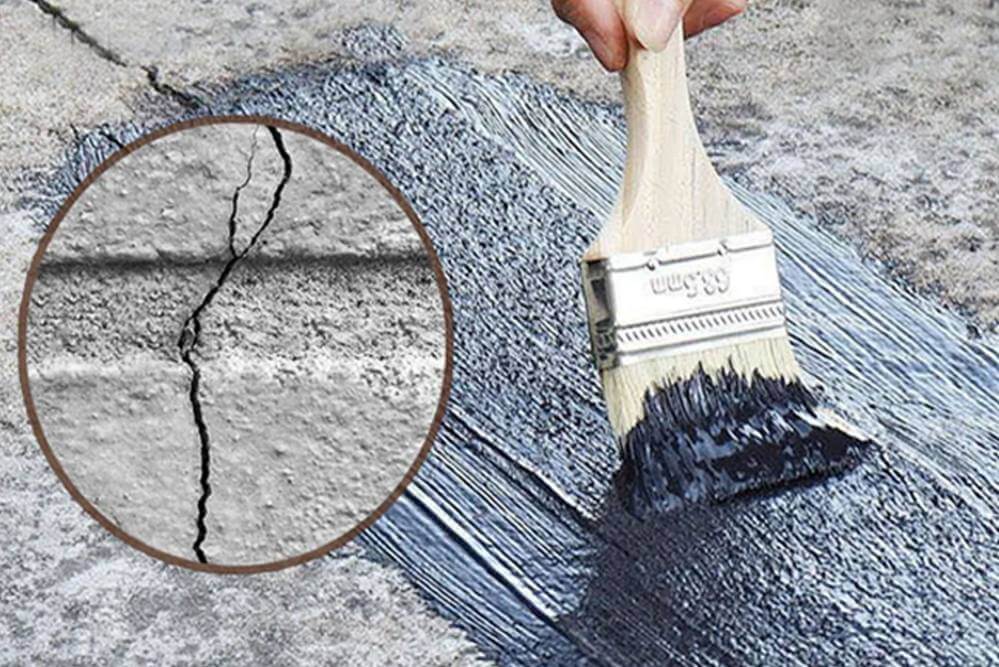
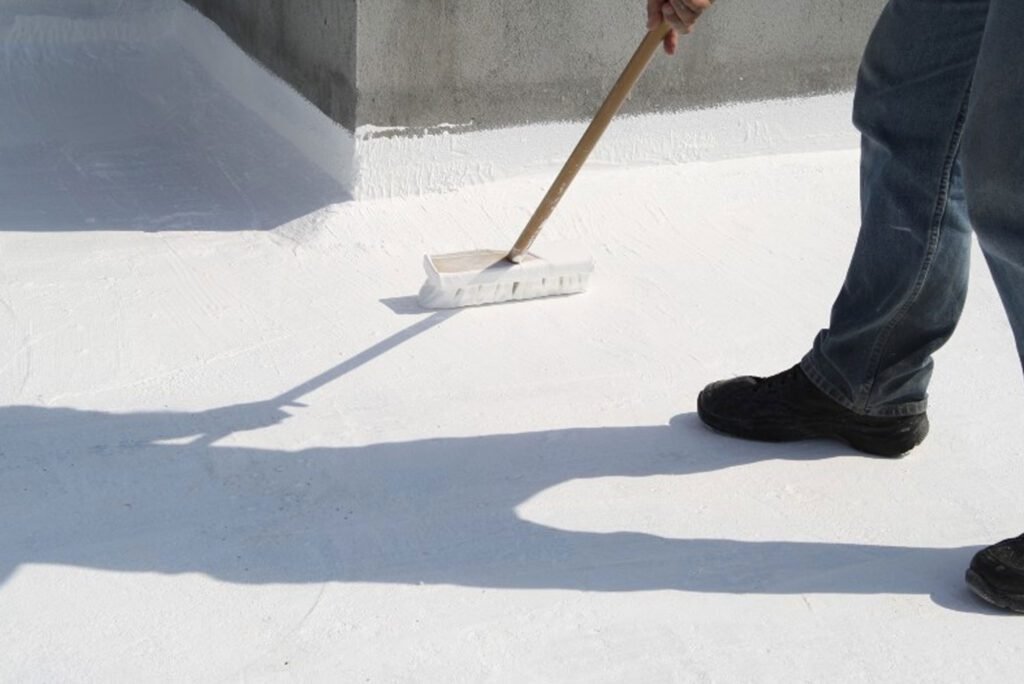
Waterproof roof coating is liquid-applied roof waterproofing system — applied by brush, roller, spray, or squeegee, and then cures to form a continuous waterproof film on the roof surface.
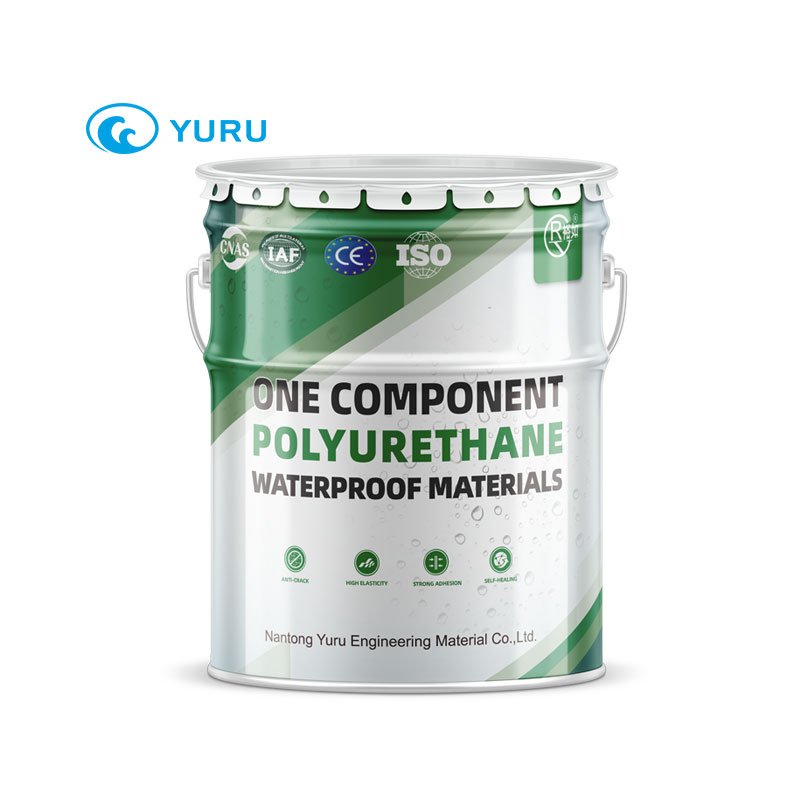
Common types: polyurethane roof coating, acrylic waterproof roof coating, silicone roof coating, polyurea roof coating, and polymer cement waterproof coating. Different coatings are used for different roof conditions. For example, polyurethane coatings are often valued for elasticity and waterproofing performance, while acrylic roof coatings are often selected for exposed roof areas where weather resistance and UV resistance matter.
The main advantage of waterproof roof coating is continuity — liquid wraps around details, corners, pipes, gutters, screws, seams, and irregular areas much easier than sheet materials.
But roof coating is not a “paint and forget” solution. Success depends on surface prep, coating thickness, weather, curing time, substrate moisture, and proper reinforcement of details and cracks.
Waterproof roof coating works best when treated as a full roof waterproofing system — not just a surface layer.
What Is Roofing Membrane?
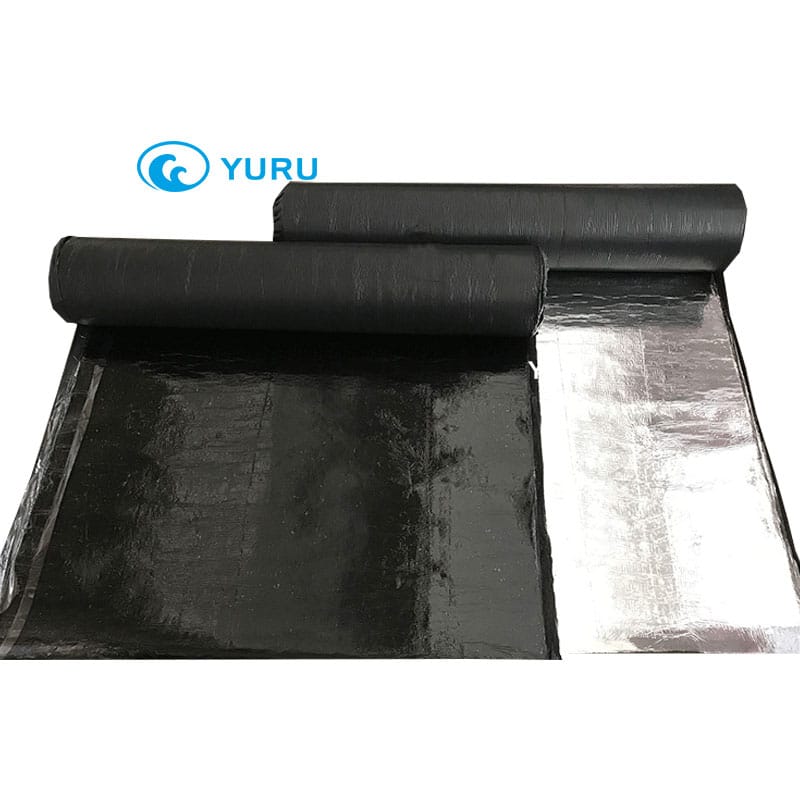
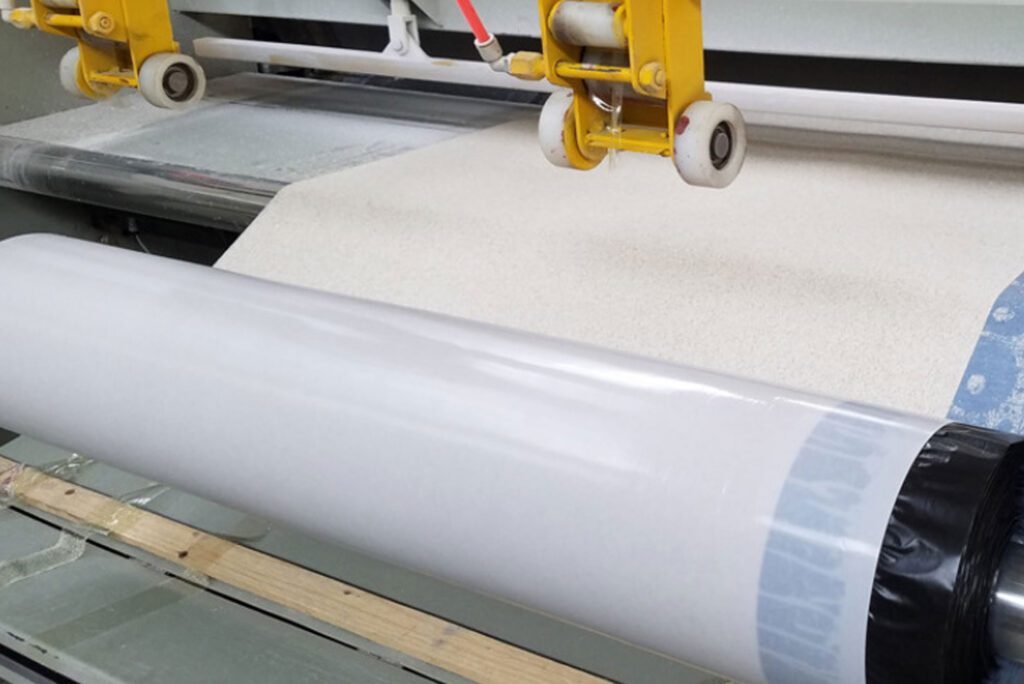
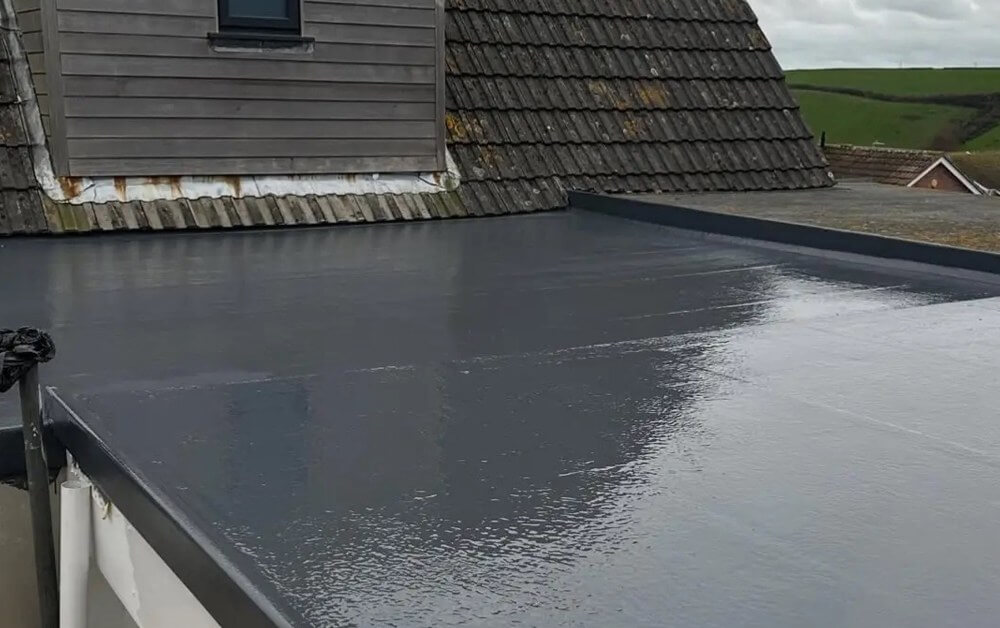
Roofing membrane is a sheet or roll-type waterproofing system installed on the roof surface. Common types include SBS bituminous membrane, APP membrane, TPO membrane, PVC membrane, EPDM membrane, and self-adhesive membrane.
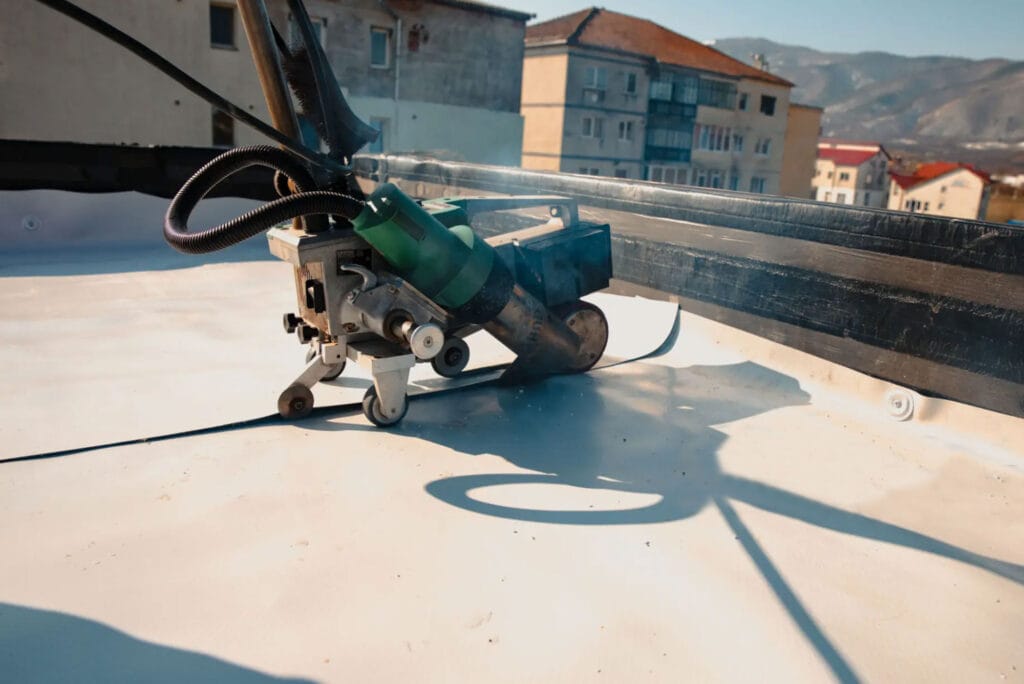
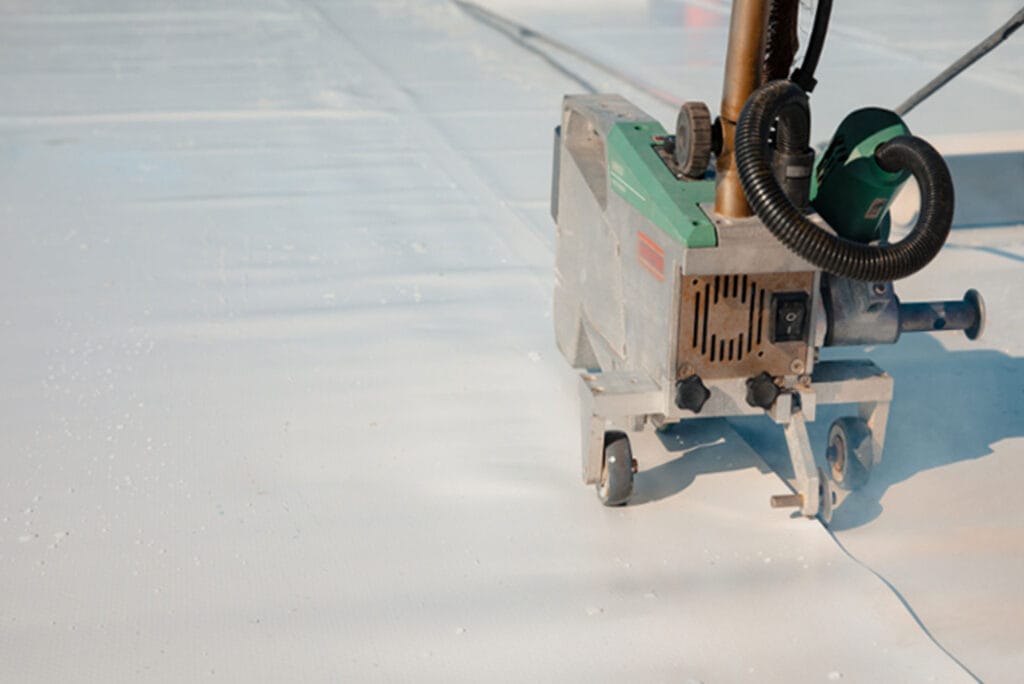
It forms a waterproof layer through laying, overlapping, heat welding, torching, bonding, mechanical fixing, or self-adhesion. Thickness is more defined than liquid coatings — it’s manufactured as a sheet.
Roofing membranes are widely used for flat roofs, large regular roof areas, and new construction projects. Works well when the roof is open, simple, and suitable for standard layout.
Still, performance depends on details — laps, seams, edges, terminations, corners, parapet walls, drains, penetrations must be handled carefully. A small mistake at the lap or edge can become a future leakage point.
Another point often discussed by contractors is weather. In many cases, roofing membrane installation is less sensitive to weather than liquid coating installation. This does not mean membranes can be installed carelessly in bad conditions, but the system does not rely on liquid curing in the same way roof coatings do.
Waterproof Roof Coating vs Roofing Membrane: Key Differences
The biggest difference is how the waterproof layer is formed. Coating cures into a membrane on the roof. Membrane arrives as a prefabricated sheet and is installed on site.
| Comparison Point | Waterproof Roof Coating | Roofing Membrane |
| Material form | Liquid-applied coating | Sheet or roll material |
| Waterproof layer | Seamless cured film | Sheet system with laps or welded seams |
| Roof details | Easier to seal irregular details | Requires cutting, laps, welding, or terminations |
| Large open roofs | Suitable, but thickness control is critical | Often efficient for regular large areas |
| Weather sensitivity | More sensitive to temperature, humidity, rain, substrate moisture, curing | Usually less sensitive (depends on type) |
| Thickness control | Depends on application rate and number of coats | Sheet thickness is more consistent |
| Risks | Thin coating, wet substrate, poor curing, weak reinforcement | Lap failure, blistering, aging, edge lifting, water migration |
| UV resistance | Depends on type (PU may need topcoat) | Depends on type (some age under sun) |
| Maintenance | Local repair and recoating can be easier | Repair depends on damage location, laps, and water path |
| Typical use | Complex details, metal roof restoration, old roof renovation, local repair | New flat roofs, regular large areas, standard membrane projects |
No universal winner. Choice depends on roof structure, substrate, climate, installer skill, design, and maintenance plan.
Installation Weather Conditions: Why Roof Coating Needs More Care?
One important difference is weather sensitivity.
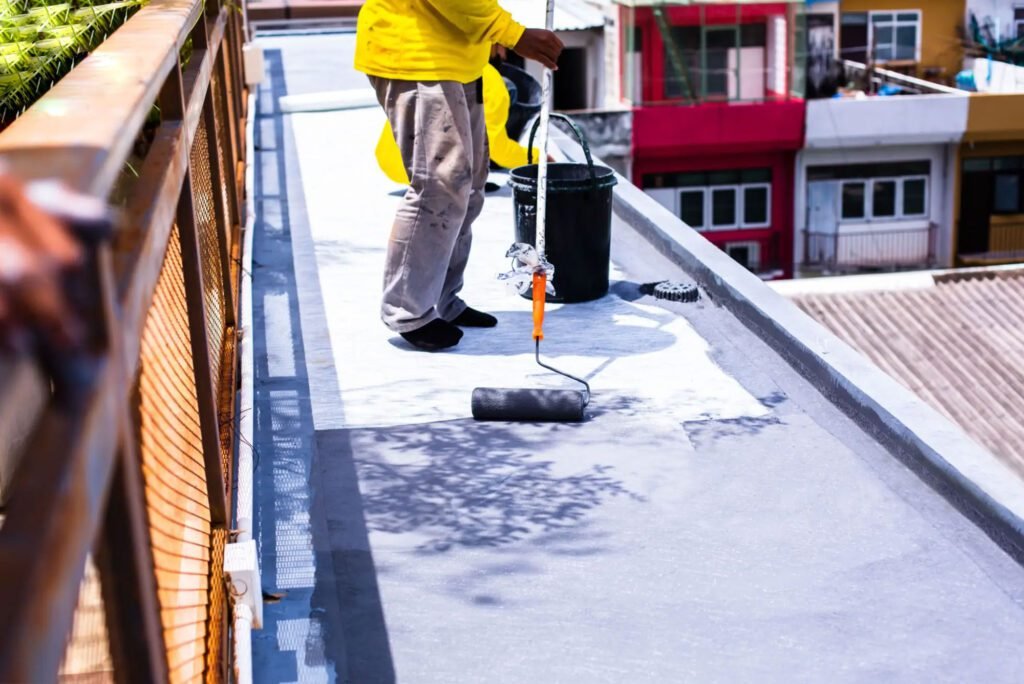
Roofing membrane installation usually has a wider working window than liquid roof coating — the membrane is already manufactured as a sheet, so jobsite work focuses on laying, bonding, torching, welding, fixing, and sealing laps. Waterproof roof coating is applied as a liquid and needs time to level, bond, cure, and form a stable waterproof film — weather planning is much more important.
Waterproof roof coating is different. It is applied as a liquid and needs time to level, bond, cure, and form a stable waterproof film. This makes weather planning much more important.
Why Membrane Installation Is Usually Less Weather-Sensitive?
Membrane systems are not free from weather restrictions. Rain, standing water, high wind, dirty surfaces, and unsafe working conditions can still affect installation quality.
But compared to liquid-applied coatings, many membrane systems are less dependent on curing conditions. Once the sheet is properly bonded, welded, fixed, or torched, the waterproof layer is already in place – a reason some contractors prefer membranes for tight schedules or unpredictable weather.
Why Roof Coating Needs Proper Curing Conditions?
Roof coating needs a suitable surface and suitable weather — substrate should be clean, sound, dry, free from loose dust, oil, standing water, weak old layers.
During and after application, the coating needs time to cure. If the roof is wet, if rain comes too soon, if humidity is too high, or if temperature is too low, the coating may not form correctly. Problems can include blistering, poor adhesion, soft film, slow curing, pinholes, or reduced service life.
This is especially important for large roof projects. A coating system can perform well, but only when the jobsite conditions allow it to cure properly.
How Contractors Can Reduce Weather-Related Risks?
Contractors can reduce roof coating risks by planning the work carefully.
A practical checklist includes:
- Check the weather forecast before application.
- Avoid coating shortly before rain.
- Confirm the roof surface is dry enough.
- Remove dust, rust, loose coating, oil, and weak layers.
- Apply primer when required.
- Reinforce cracks, joints, and roof details before the main coating.
- Follow the recommended coating interval.
- Allow enough curing time before heavy rain or foot traffic.
- Use a small test area when the roof condition is uncertain.
A good roof coating job is not only about the product. It is also about timing.
Which System Is Better for Concrete Roofs?
Concrete roofs can use either coating or membrane — but roof condition should guide the decision.
Common concrete roof issues: cracking, ponding water, surface dusting, poor slope, old waterproofing failure, structural movement, wet substrate. Some concrete roofs are simple and regular. Others have many pipes, drains, parapet walls, equipment bases, and repair patches.
When Roof Coating Works Better on Concrete Roofs?
Waterproof roof coating is often practical for old concrete roof renovation, local repair, and roofs with many details.
Liquid coating can cover small irregular areas and connect different roof details more easily. When used with polyester fabric reinforcement, it can strengthen cracks, joints, corners, and detail areas.
For concrete roofs with many repair zones, a coating system can be more flexible than removing and replacing large areas of membrane.
When Roofing Membrane Works Better on Concrete Roofs?
Roofing membrane can be a strong option for new concrete roofs or large flat roofs with a regular layout and a clear waterproofing design.
If the substrate is smooth, dry, and suitable for membrane installation, and the contractor is experienced with laps, edges, and terminations, a membrane system can be efficient and stable.
The key is not only the material. Concrete strength, moisture, slope, drainage, surface flatness, and detail treatment must all be checked first.
Which System Is Better for Metal Roofs?
Metal roofs have different problems than concrete — leaking screw holes, panel laps, rust, thermal movement, seam movement, fastener damage.
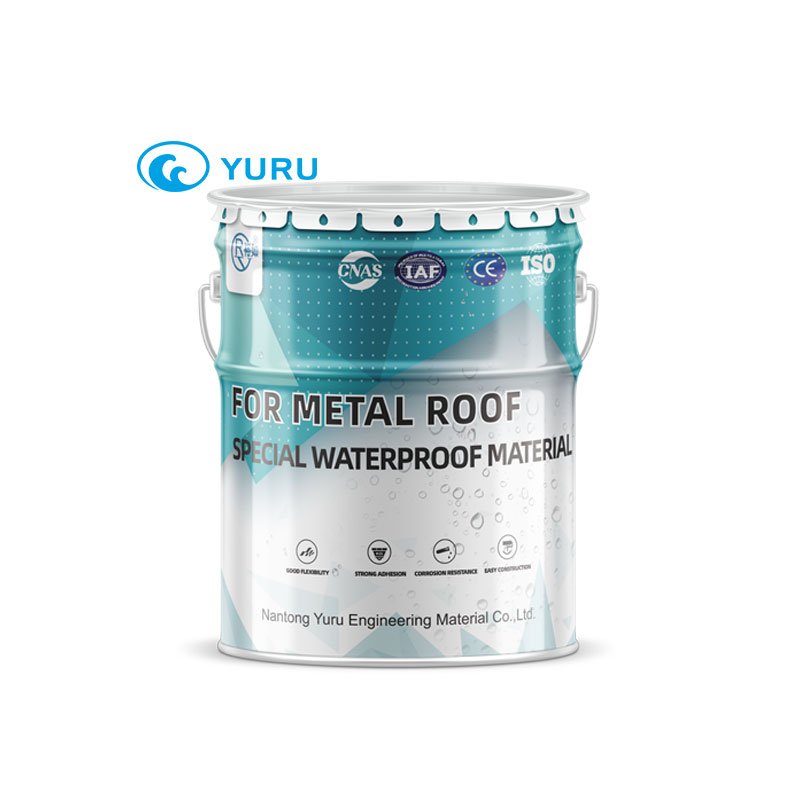
For most metal roof restoration, coating is preferred — it covers screws, seams, laps, irregular surfaces without needing a full sheet system over corrugated or profiled panels.
Why Coating Is Often Preferred for Metal Roof Restoration?
A liquid-applied coating can follow the shape of the metal roof. It can be applied over screw points, sheet laps, ridges, corners, and local repair areas after proper surface preparation.
For rusted areas, the roof should first be cleaned and treated. A suitable primer may be needed before the waterproof coating. Joints and fasteners should be reinforced before the main coating layers.
This approach is often useful for industrial buildings, warehouses, factories, and metal roof refurbishment projects.
Key Risks on Metal Roof Coating Projects
Metal roofs move with temperature changes — if the coating has poor elasticity or the seams are not reinforced, cracks may appear at movement points.
Common mistakes include poor rust removal, wrong primer selection, insufficient coating thickness, weak seam reinforcement, coating over wet or dirty metal, and using a product that cannot handle UV exposure or thermal movement.
For metal roofs, the coating must be selected as part of a system — not as a generic waterproof layer.
Which System Handles Roof Details Better?
Roof leaks often happen at details, not in the middle of an open roof surface.
Common leakage points include pipe penetrations, parapet walls, gutters, drain outlets, expansion joints, equipment bases, roof edges, seams, laps, and areas around fasteners.
How Coatings Seal Irregular Details?
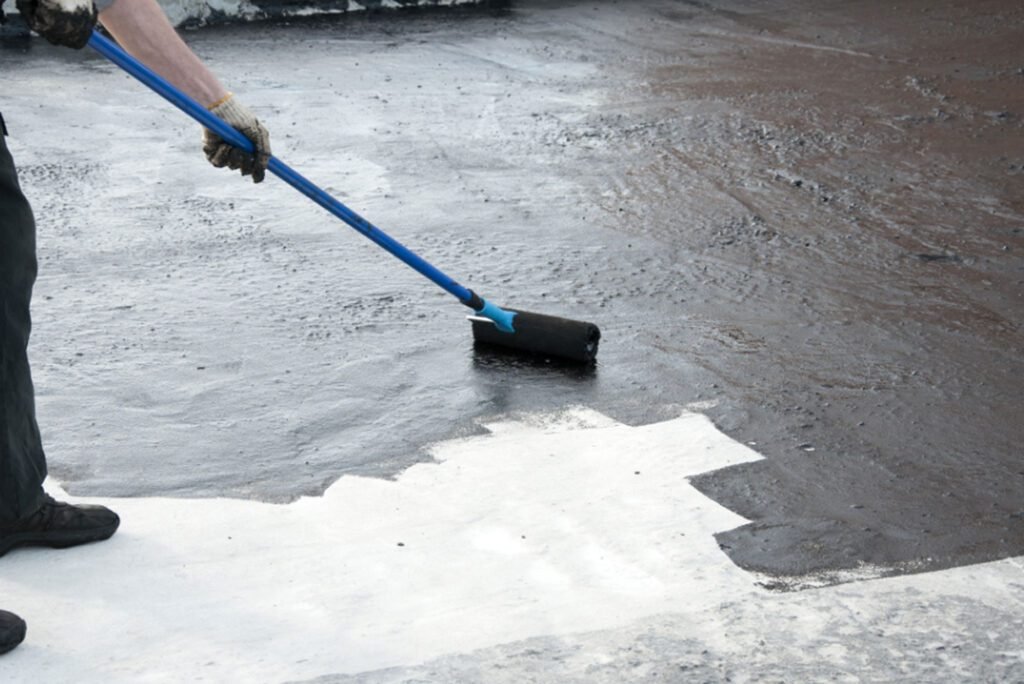
Waterproof roof coating can be brushed or rolled around irregular details — when used with polyester fabric, fiberglass mesh, or reinforcement strips, it forms a stronger layer at corners, joints, cracks, and penetrations.
This is why coatings are often useful for complex roofs. The liquid material can connect the main roof area and the detail area without creating many cut pieces or lap joints.
How Membranes Need Proper Laps and Terminations?
Roofing membranes can also handle details, but the installation usually requires cutting, folding, overlapping, welding, torching, pressing, or sealing. Each edge and lap must be completed correctly.
On simple roofs, this may not be difficult. On roofs with many penetrations and equipment bases, the detail work becomes more demanding. Poor terminations or weak laps can create future leak points.
Cost Comparison: Material Price vs Long-Term Roof Value
It is easy to compare price per square meter. It is harder to compare the real cost of a roof waterproofing system.
Low material price looks good — but doesn’t include labor, waste, surface prep, primers, reinforcement, topcoats, repair risk, downtime, future maintenance.
Initial Material Cost
Roofing membranes may have a clearer sheet thickness and predictable material consumption. Coatings may require primer, several coating passes, reinforcement fabric, and possibly a protective topcoat.
However, the material price alone does not show which system will be more economical.
Installation Labor, Waste, and Site Control
Membrane installation can be efficient on large regular roof areas, but cutting, laps, corners, and detail work add labor and waste.
Roof coating can be efficient for complex details and restoration work, but it requires thickness control, weather planning, and curing time.
For this reason, the roof shape and jobsite condition can change the cost comparison.
Maintenance and Repair Cost
Roof coatings are often easier to repair locally. A damaged or aged area can sometimes be cleaned, reinforced, and recoated without removing a large roof section.
Membrane repair depends on where the damage is and how water has traveled under the sheet. If water migration has occurred below the membrane, finding the real leak path may be more difficult.
Long-term roof value should include maintenance, not just installation.
Common Problems When Choosing the Wrong Roof Waterproofing System
Wrong system selection can lead to problems even when the material quality is acceptable. A membrane used on a roof with too many difficult details may fail at laps and edges. A coating applied during poor weather may fail before it reaches its expected service life.
Coating Problems
Common coating problems include thin film, wet substrate, poor primer selection, unreinforced cracks, wrong application interval, poor curing conditions, and choosing a coating that does not match UV exposure, ponding water, or thermal movement.
For exposed roofs, the coating type matters. Some polyurethane roof coating systems may need a protective topcoat when UV resistance is required. Acrylic waterproof roof coating may be suitable for some directly exposed roof areas where weather resistance is a key concern.
Membrane Problems
Common membrane problems include poor lap treatment, weak welding or torching, edge lifting, blistering, poor adhesion, wrong termination, uneven substrate, punctures, and leakage at fasteners or penetrations.
Long-term exposure can also be a challenge. Some SBS bituminous membrane systems may age, blister, or allow water migration under the membrane when exposed to high heat, strong UV, ponding water, or repeated temperature change.
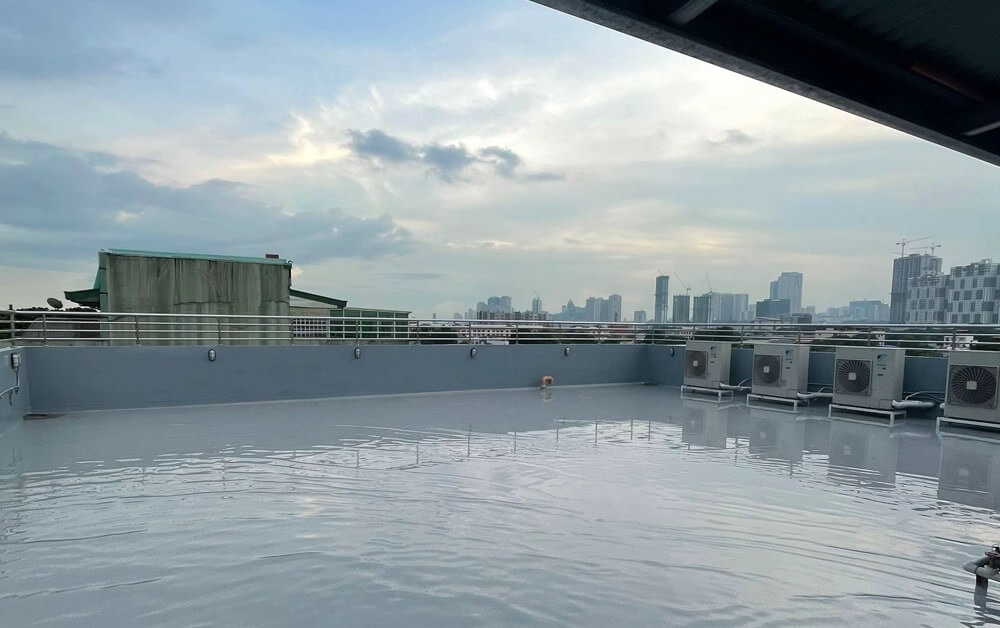
Case Example: Malaysia Roof Project Changed from SBS Membrane to Roof Coating
A customer in Malaysia had used roofing membrane systems for roof waterproofing for a long time, including SBS bituminous membrane. The system was familiar to local installers and, compared with liquid coatings, the installation was not as dependent on a narrow coating and curing window.
Over time, however, some roof areas began to show aging, blistering, and water migration under the membrane. The customer was especially concerned about weather resistance and UV exposure under long-term roof conditions.
After comparing different roof waterproofing options, the customer selected YURU Waterproof roof coating products. The customer paid particular attention to polyurethane roof coating and acrylic waterproof roof coating because the cost was reasonable and the systems were suitable for roof repair, restoration, and continuous waterproofing.
Based on YURU Waterproof’s recommendation, some roof areas used polyester fabric reinforcement with three coating passes. This method helped improve the stability of cracks, joints, details, and the overall coating layer.
For exposed roof areas requiring stronger UV protection, the polyurethane waterproof coating was finished with a protective topcoat. In other roof areas where direct exposure and UV resistance were the main concerns, acrylic waterproof roof coating was used directly.
This case does not mean that membranes are always wrong or coatings are always better. It shows a more practical point: when an existing membrane system begins to age, blister, or allow water migration, a reinforced roof coating system can be a strong restoration option if weather, substrate, and curing conditions are properly controlled.
How to Reduce Selection Risk?
To reduce risk, start with the roof itself.
Check the substrate, roof slope, drainage, cracks, rust, old layers, moisture, detail density, UV exposure, and local climate. Then consider the contractor’s skill and the project schedule.
For coating systems, plan the weather window carefully. For membrane systems, inspect laps, edges, terminations, and detail areas carefully.
When the roof condition is uncertain, a small test area can help confirm adhesion, coverage, curing, and detail treatment before full application.
How to Choose Between Waterproof Roof Coating and Roofing Membrane?
The following table gives a practical selection direction.
| Project Condition | More Suitable Direction |
| Many roof details | Waterproof roof coating |
| Metal roof restoration | Waterproof roof coating |
| Local repair | Waterproof roof coating |
| Old membrane aging or blistering | Roof coating restoration system |
| Regular new flat roof | Roofing membrane |
| Unstable weather window | Roofing membrane may be easier to arrange |
| Need seamless waterproofing | Waterproof roof coating |
| Need prefabricated sheet thickness | Roofing membrane |
| Exposed roof with UV demand | Acrylic roof coating, polyurea, silicone or PU coating with topcoat |
| Easy future maintenance preferred | Waterproof roof coating |
| Clear new construction specification | Roofing membrane or specified system |
A good decision should consider roof type, substrate, details, climate, UV exposure, installer skill, maintenance plan, and long-term cost.
Why Choose YURU Waterproof for Roof Waterproofing Solutions?
YURU Waterproof is a professional manufacturer of waterproof coatings, grouting materials, and floor coating systems. For roof waterproofing projects, YURU Waterproof can provide different waterproof roof coating products and project-based system suggestions.
Product options include polyurethane roof coating, acrylic waterproof roof coating, polyurea roof coating, silicone roof coating, and polymer cement waterproof coating — depending on what your roof actually needs.
YURU Waterproof can support roofing contractors, waterproofing material distributors, procurement teams, and long-term supply partners with OEM/ODM service, custom packaging, technical support, sample testing, and application suggestions.
In overseas restoration projects, YURU has helped clients compare membrane vs coating systems and choose reinforced coating methods based on UV exposure, roof details, substrate condition, and long-term maintenance needs.
Final Checklist Before Choosing a Roof Waterproofing System
Before you decide between waterproof coating and membrane, review these points:
- Roof substrate: concrete, metal, or another substrate?
- Project type: new construction, repair, or restoration?
- Roof condition: cracks, rust, old membrane, moisture, or ponding water?
- Roof details: many pipes, gutters, parapet walls, drains, or equipment bases?
- Environmental exposure: strong UV, heavy rain, ponding water, or temperature change?
- Contractor experience: more experienced with coatings or membranes?
- Is the installation schedule affected by weather?
- If using coating, can the roof remain dry during curing?
- Is a seamless waterproofing layer preferred?
- Are polyester fabric reinforcement or detail strips needed?
- UV protection: does exposed polyurethane coating need a protective topcoat?
- Acrylic suitability: would acrylic waterproof roof coating fit the exposure condition?
- Is future repair or recoating important?
- Is OEM/ODM or private-label packaging required?
- Can the supplier provide TDS, MSDS, application guidance, and samples?
- Has long-term maintenance cost been considered?
FAQs:
1. What is the difference between waterproof roof coating and roofing membrane?
Waterproof roof coating is applied as a liquid and cures on the roof to form a continuous waterproof film – roofing membrane is a sheet or roll material installed through laying, bonding, welding, torching, or mechanical fixing. Main differences: application method, seams, detail treatment, weather sensitivity, and repair approach.
2. Which system is better for concrete roofs?
For concrete roofs with cracks, many details, or renovation needs — coating can be more flexible. For smooth, regular, large concrete roofs with clear design requirements — membrane can also be a stable option.
3. When is acrylic waterproof roof coating suitable?
Acrylic waterproof roof coating can be suitable for some directly exposed roof areas where weather resistance and UV resistance are important. It is often used in roof restoration and maintenance projects, depending on substrate and project conditions.
4. Can roof coating be reinforced with polyester fabric?
Yes. Polyester fabric reinforcement can be used with roof coating systems to strengthen cracks, joints, corners, and details. A common method is polyester fabric reinforcement with multiple coating passes, depending on the project design.
5. Can YURU Waterproof provide waterproof roof coating for OEM or wholesale supply?
Yes. YURU Waterproof can provide waterproof roof coating products, sample testing, technical documents, OEM/ODM support, packaging customization, and project application suggestions for contractors, distributors, importers, private-label brands, and procurement teams.
Conclusion: Choose the Roof Waterproofing System Based on Real Roof Conditions
Waterproof roof coating and roofing membrane both have a place in roof waterproofing. Membranes are mature, efficient on regular large areas, and often less sensitive to weather during installation. Coatings are flexible, seamless, easier around complex details, and useful for roof restoration and repair.
The limitation is different. A membrane system must control laps, edges, seams, and long-term aging. A coating system must control weather, substrate moisture, thickness, reinforcement, and curing.
For complex roofs, metal roof restoration, old roof renovation, and local repair, waterproof roof coating is often more flexible. For regular large flat roofs, new construction, and standard membrane designs, roofing membrane can be a stable option.
The best solution is not chosen by product name alone. It is chosen by roof condition, project environment, application method, and long-term maintenance plan.
If you are comparing waterproof roof coating vs roofing membrane, YURU Waterproof can help review your roof type, substrate condition, climate exposure, UV requirement, application method, and procurement needs.
Contact YURU Waterproof to discuss waterproof roof coating solutions for concrete roofs, metal roofs, commercial roofs, industrial roofs, roof restoration projects, OEM/ODM supply, sample testing, packaging customization, and wholesale quotation.
YURU Product solutions