What Coating Is Best for Industrial Floors?
Introduction: Why Choosing the Right Industrial Floor Coating Matters?
Industrial flooring is more than just a surface, it’s a critical component of operational efficiency, safety, and long-term cost control. In facilities such as factories, warehouses, logistics hubs, and processing plants, floors are exposed to heavy loads, chemical spills, constant traffic, and mechanical stress.
That’s why many professionals ask: what coating is best for industrial floors?
The answer depends on several factors, including the type of industry, environmental conditions, and performance requirements. A poorly chosen coating can lead to frequent repairs, downtime, and safety risks. On the other hand, the right system can significantly extend service life and reduce maintenance costs.
In this guide, we will introduce different industrial floor coatings, compare their performance, and help you select the best solution for your project.
What Is an Industrial Floor Coating?
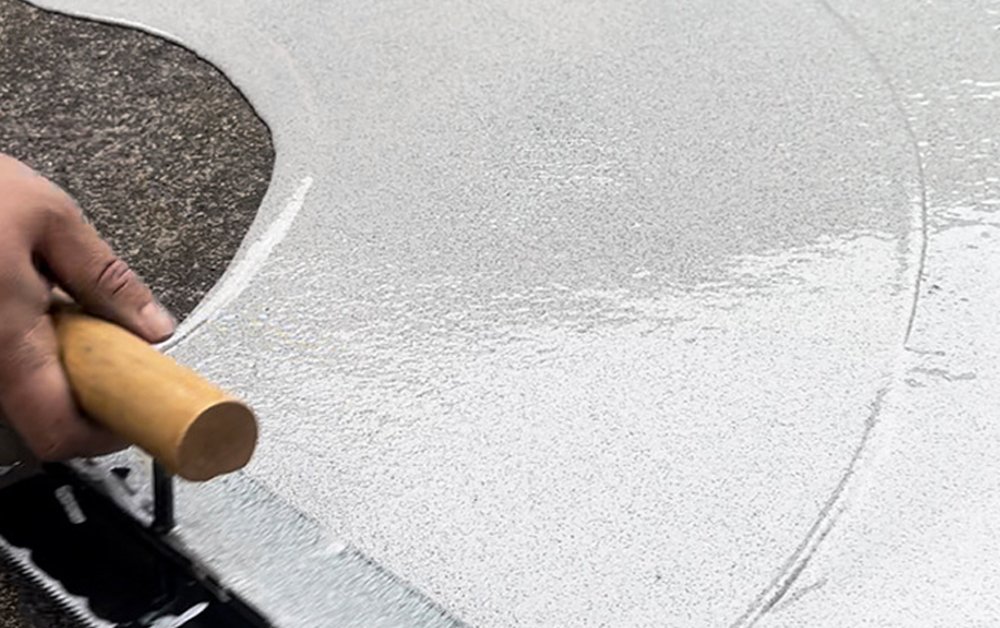
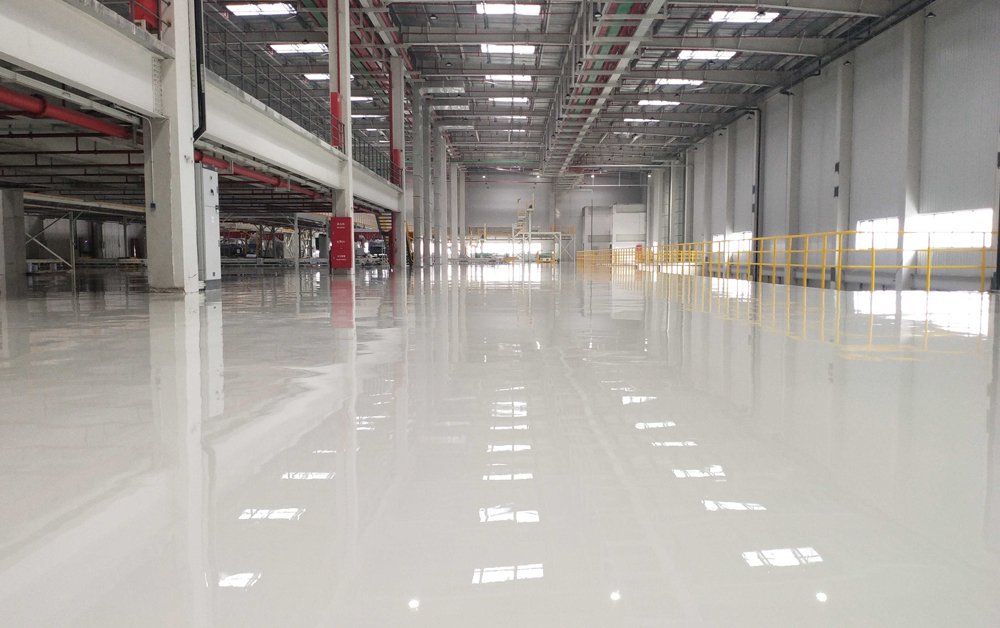
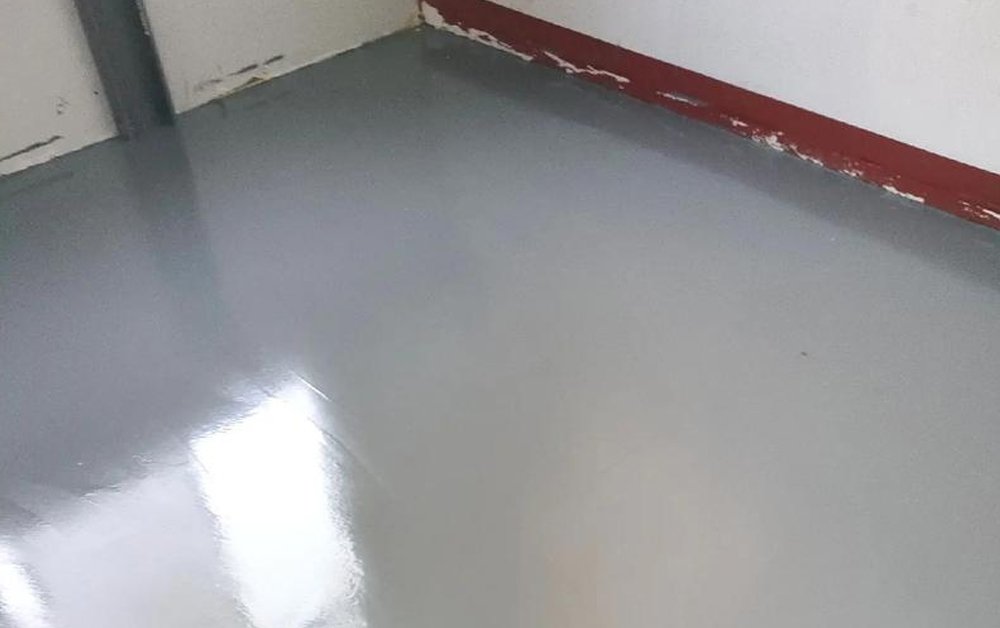
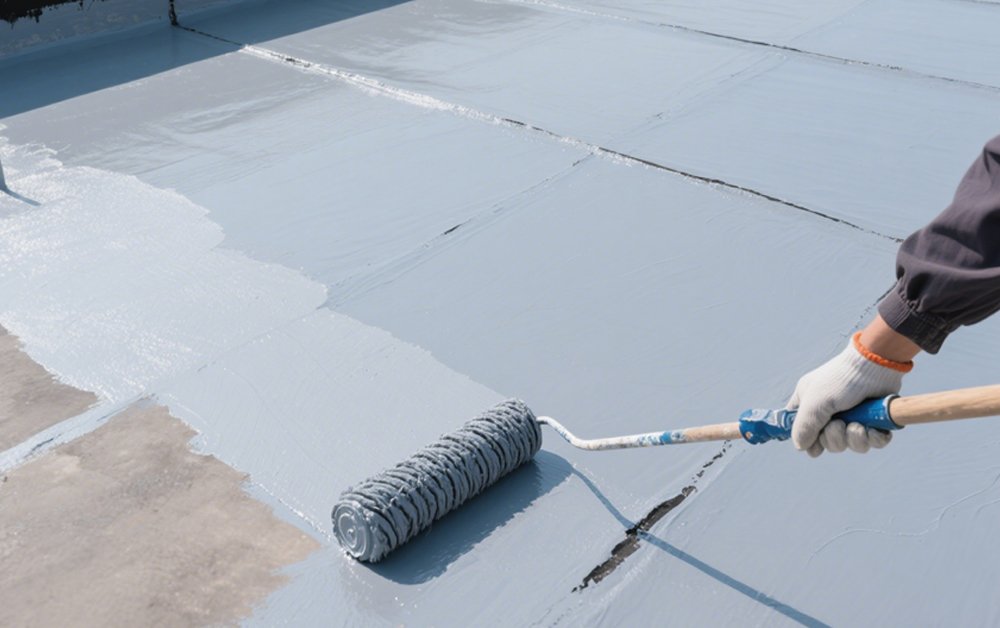
An industrial floor coating is a protective layer applied to concrete or other substrates to enhance durability, resistance, and functionality.
Core Functions:
- Protects against wear and abrasion
- Resists chemicals and spills
- Improves safety (anti-slip properties)
- Reduces dust and surface degradation
Why It’s Essential:
Without proper coating, industrial floors can quickly deteriorate under heavy use. Cracks, dusting, and chemical damage not only reduce efficiency but also increase maintenance costs.
Therefore, investing in the right coating is a strategic decision for any industrial facility.
Key Factors to Consider When Choosing Industrial Floor Coatings
Selecting the best coating is not about choosing the most expensive option, it’s about choosing the most suitable one.
Load-Bearing Capacity
Industrial floors often support heavy machinery and vehicle traffic.
Consider:
- Forklifts and pallet trucks
- Static loads from equipment
- Impact resistance
Abrasion and Wear Resistance
High-traffic areas require coatings that can withstand continuous friction.
Important for:
- Warehouses
- Logistics centers
- Manufacturing plants
Chemical Resistance
In industries such as chemical processing or food production, floors are exposed to harsh substances.
Key Requirements:
- Resistance to acids and alkalis
- Protection against oil and solvents
Safety and Anti-Slip Performance
Worker safety is a top priority.
Look for:
- Slip-resistant textures
- Easy-to-clean surfaces
- Hygienic finishes
Environmental Conditions
Temperature, humidity, and exposure to sunlight can affect performance.
Examples:
- Cold storage facilities
- Outdoor industrial areas
- High-temperature production zones
Types of Industrial Floor Coatings: Pros and Cons
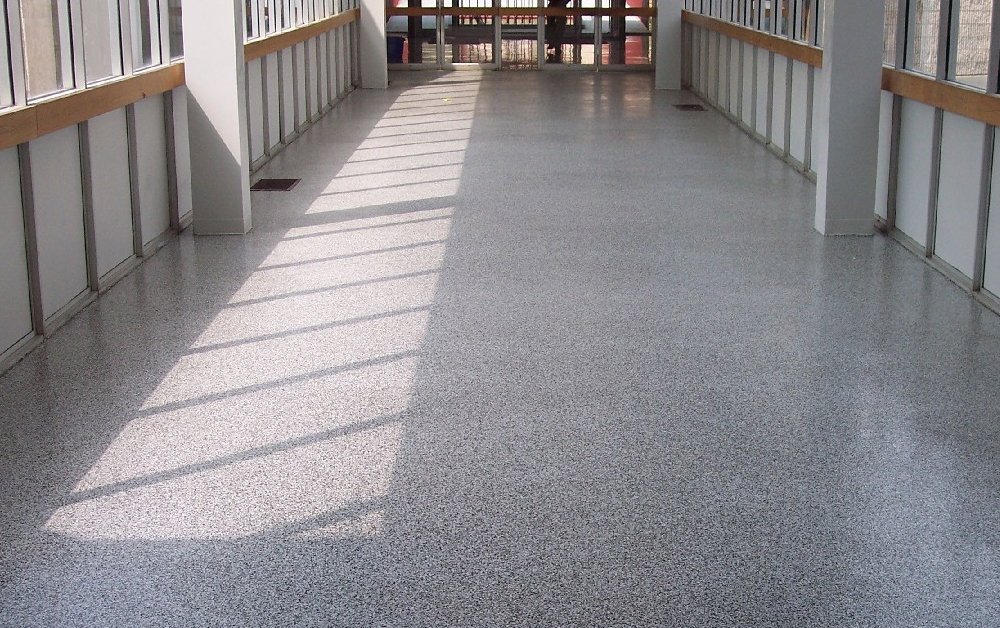
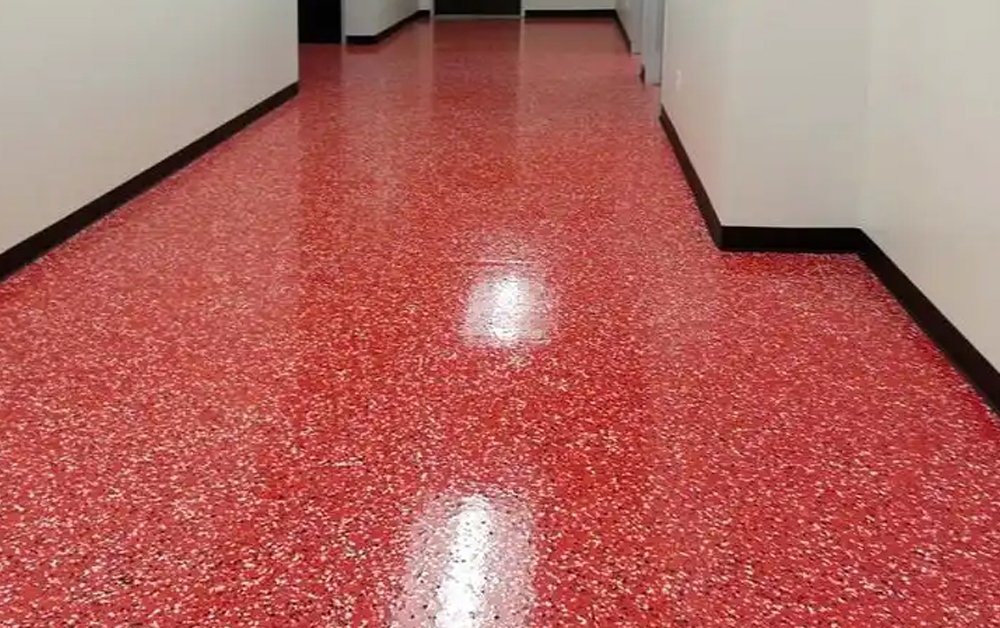
Understanding the characteristics of each coating type is essential.
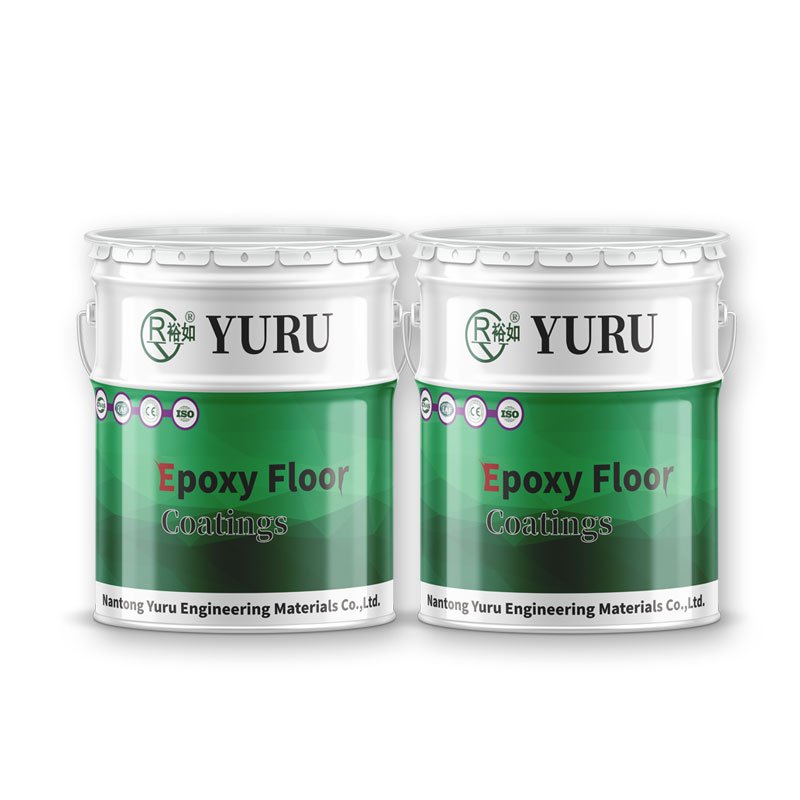
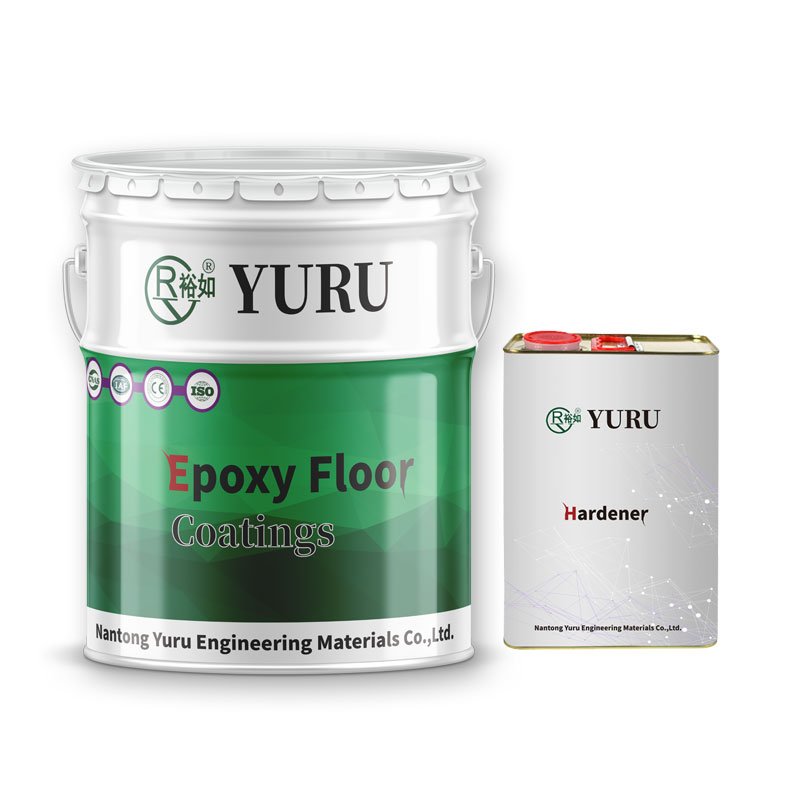
Epoxy Flooring Systems
Overview:
Epoxy coatings are among the most widely used industrial flooring solutions.
Advantages:
- High strength and durability
- Excellent adhesion to concrete
- Smooth, dust-free finish
Limitations:
- Limited UV resistance
Best Applications:
- Warehouses
- Manufacturing plants
- Parking garages
Polyurethane Floor Coatings
Overview:
Polyurethane coatings offer flexibility and temperature resistance.
Advantages:
- Excellent elasticity
- Resistant to thermal shock
- Good chemical resistance
Limitations:
- Higher cost compared to epoxy
Best Applications:
- Food processing plants
- Cold storage facilities
- Pharmaceutical environments
Polyurea Floor Coatings
Introduction:
Polyurea is a high-performance coating.
Features:
- Fast curing time
- Exceptional impact resistance
- Superior chemical resistance
Limitations:
- Requires specialized equipment
- Higher initial investment
- Its strength is not as good as epoxy resin
Usages:
- Heavy industrial environments
- Infrastructure projects
- Areas requiring quick turnaround
Choosing the Right Coating for Different Industrial Applications
Different industries have unique flooring requirements.
Heavy Manufacturing Facilities
Requirements:
- High impact resistance
- Strong load-bearing capacity
Recommended Coatings:
Epoxy or polyurea systems
Food and Beverage Industry
Requirements:
- Hygienic surfaces
- Resistance to cleaning chemicals
Recommended Coatings:
Polyurethane systems
Warehouses and Logistics Centers
Requirements:
- High abrasion resistance
- Smooth surface for traffic
Recommended Coatings:
Epoxy flooring
Parking Structures and Traffic Areas
Requirements:
- Anti-slip properties
- Weather resistance
Recommended Coatings:
Polyurethane or epoxy systems
Industrial Floor Coating Application Process
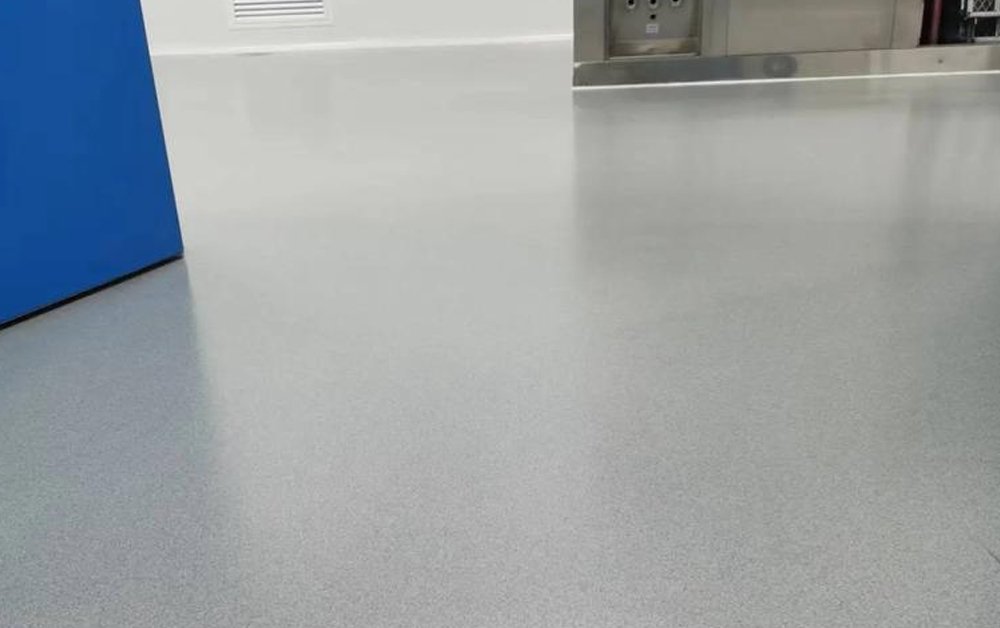
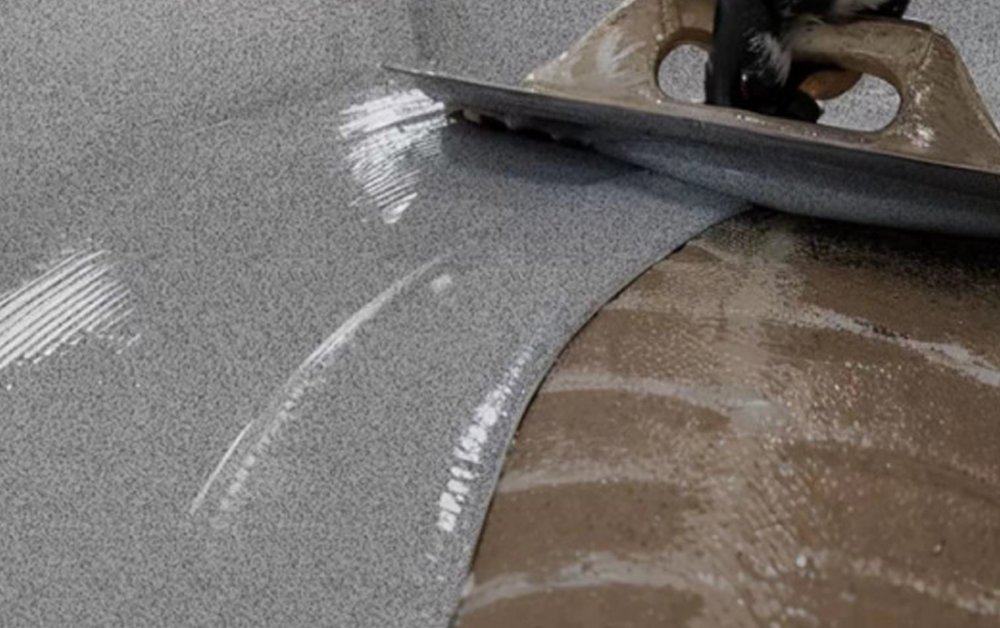
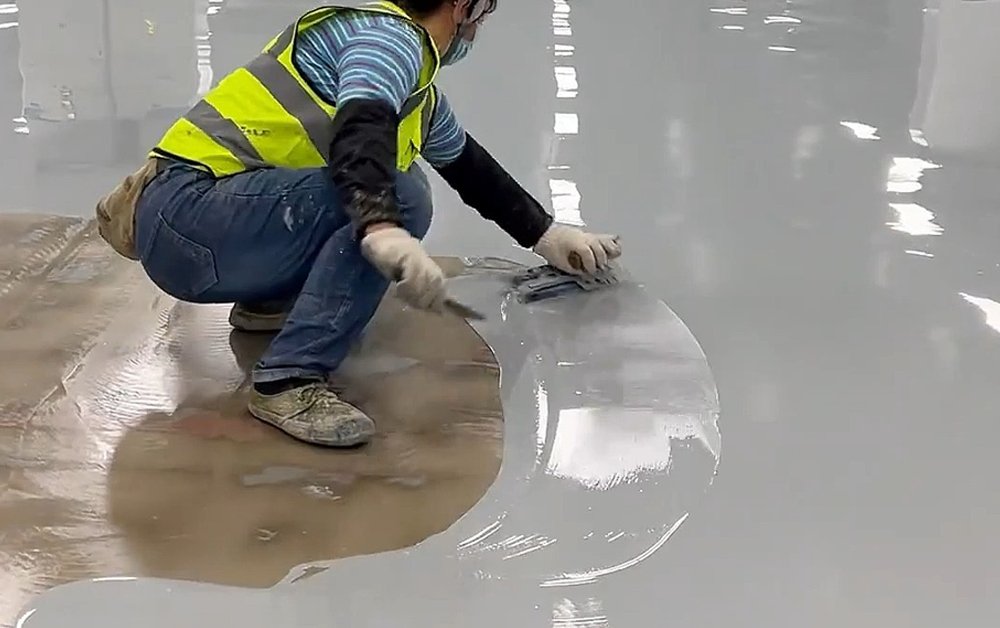
Even the best coating will fail if applied incorrectly.
Surface Preparation
This is the most critical step.
Includes:
- Grinding or shot blasting
- Removing contaminants
- Repairing cracks
Primer Application
Enhances adhesion between substrate and coating.
Base and Intermediate Layers
Provide thickness and strength.
Topcoat Application
Adds durability, chemical resistance, and finish.
Curing Process
Allow sufficient curing time before use.
Factors That Affect Floor Coating Performance
Several variables influence long-term performance.
Installation Quality
Improper application leads to premature failure.
Environmental Conditions
Temperature and humidity affect curing.
Usage Intensity
Heavy traffic accelerates wear.
Maintenance Practices
Regular cleaning extends lifespan.
How to Reduce Long-Term Maintenance Costs?
Choosing the right system can significantly lower lifecycle costs.
Strategies:
- Invest in high-quality coatings
- Use multi-layer systems
- Perform routine inspections
- Address minor damage early
Why System-Based Flooring Solutions Are Becoming Standard?
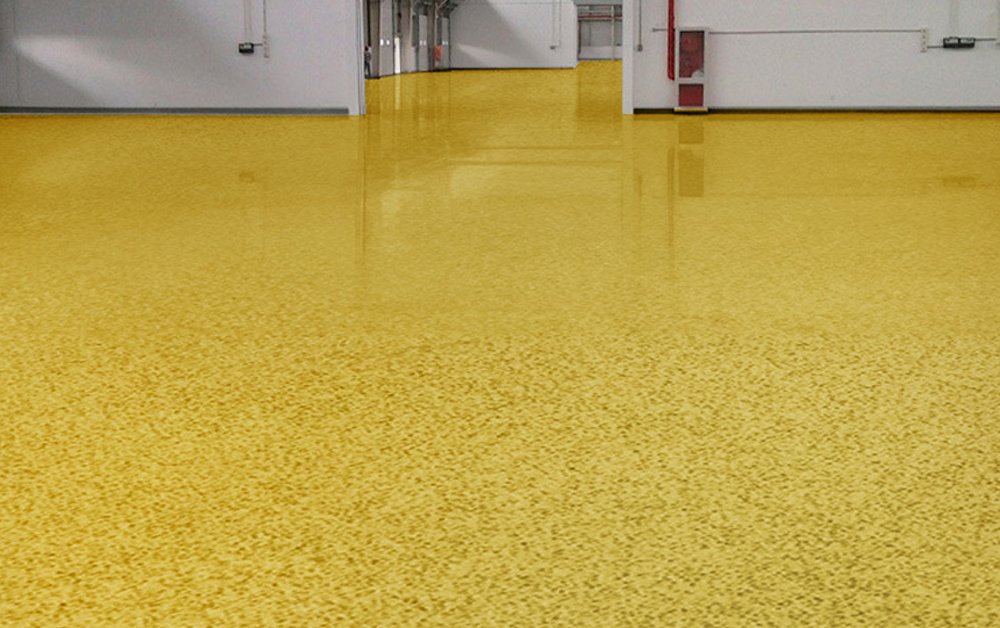
Modern industrial projects require integrated solutions.
Benefits:
- Improved durability
- Better performance across conditions
- Reduced downtime
System-based approaches combine multiple layers and materials to optimize performance.
YURU Waterproof: Your Trusted Industrial Flooring Partner
When selecting industrial floor coatings, working with a reliable manufacturer is essential.
YURU Waterproof specializes in:
- Industrial floor coating systems
- Waterproof materials
- Grouting solutions
Why Choose YURU:
- Consistent product quality
- Advanced manufacturing technology
- Custom solutions for different industries
- Technical support for contractors and engineers
YURU’s flooring systems are widely used in:
- Manufacturing facilities
- Logistics centers
- Infrastructure projects
For clients, YURU offers scalable solutions and long-term reliability.
FAQs About Industrial Floor Coatings
1. What is the most durable industrial floor coating?
Epoxy Flooring is often considered the most durable due to its strength and abrasion resistance.
2. Is epoxy flooring suitable for heavy industries?
Yes, epoxy is widely used for its strength and durability.
3. Which coating is best for food factories?
Polyurethane coatings are ideal due to their hygiene and temperature resistance.
4. How long do industrial floor coatings last?
Typically 5–15 years, depending on usage and maintenance.
5. Can industrial coatings resist chemicals?
Yes, especially epoxy floor coatings.
Conclusion: What Coating Is Best for Industrial Floors?
So, what coating is best for industrial floors?
The answer depends on your specific application. Each coating type offers unique advantages, and the best choice is the one that aligns with your operational needs.
Final Recommendations:
- Evaluate your environment carefully
- Choose materials based on performance requirements
- Ensure proper installation
- Partner with a trusted supplier
Contact YURU today to explore customized flooring solutions and expert technical guidance.
YURU Product solutions