What Is Acrylate Grout?
Introduction:
In today’s construction and infrastructure industry, waterproofing has gotten more complicated. The old standbys — cement grout, epoxy systems, they work fine for some jobs. But when you’re dealing with hairline cracks, high groundwater pressure, or soil that just won’t stop letting water through, they fall short.
That’s where acrylate grout comes into play. What is acrylate grout?
Here’s the short answer. Acrylate injetion grouting is a chemical grouting material that does what traditional grouts can’t. It flows into spaces you can barely see. It reacts with water to form a flexible gel. And it creates seals that last.
Engineers, contractors, and project managers are turning to it for underground waterproofing – tunnels, basements, sewer systems, you name it.
In this guide, we’ll walk you through how it works, where it performs best, and how to apply it on real jobs.
What Is Acrylate Grout?
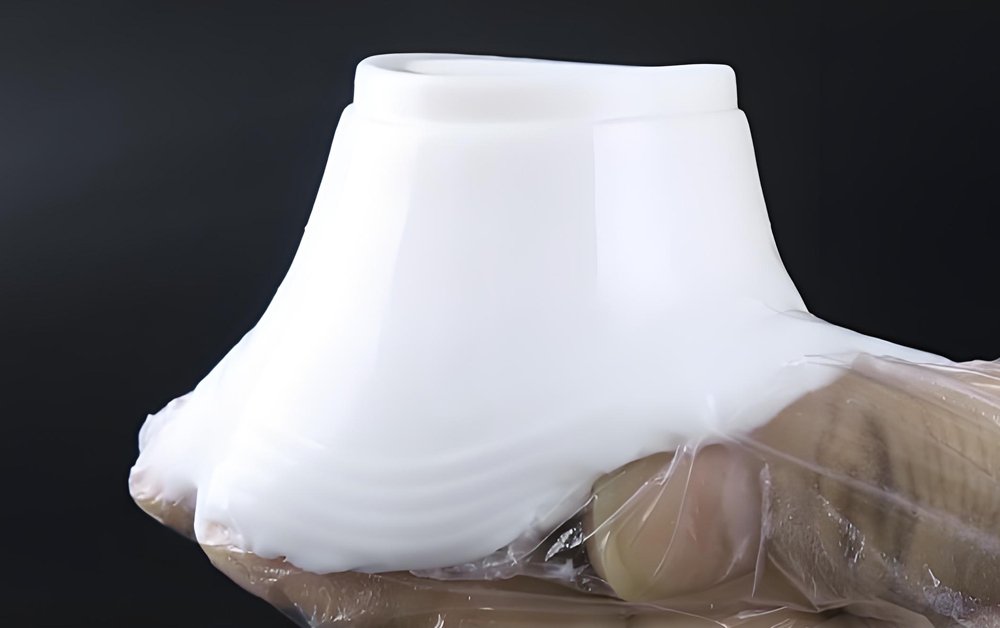
Acrylate injection grouting material is a chemical grouting material. It’s made up of acrylate monomers, cross-linking agents, initiators, and a few other additives.
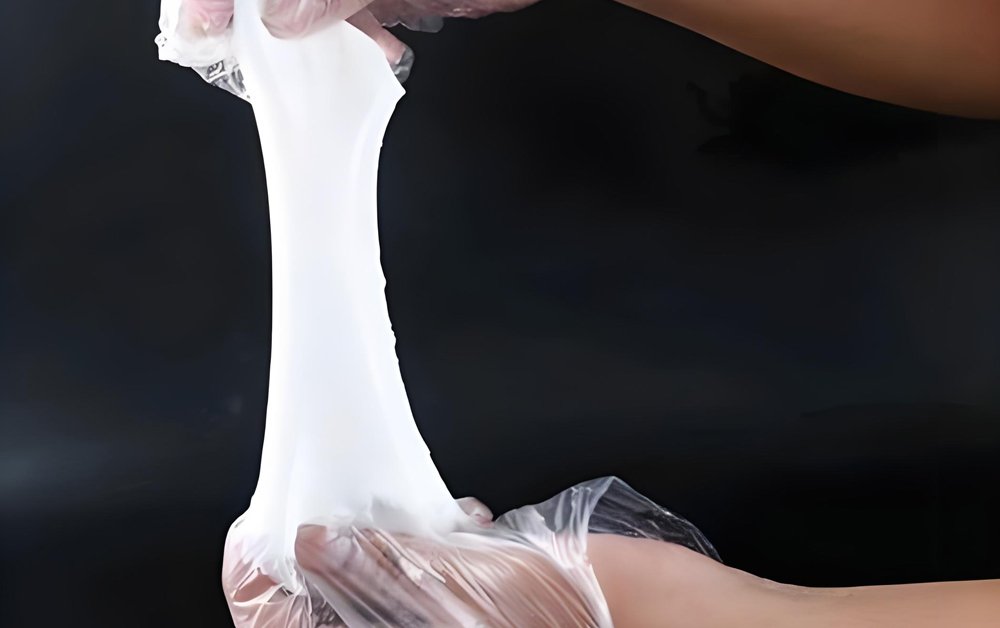
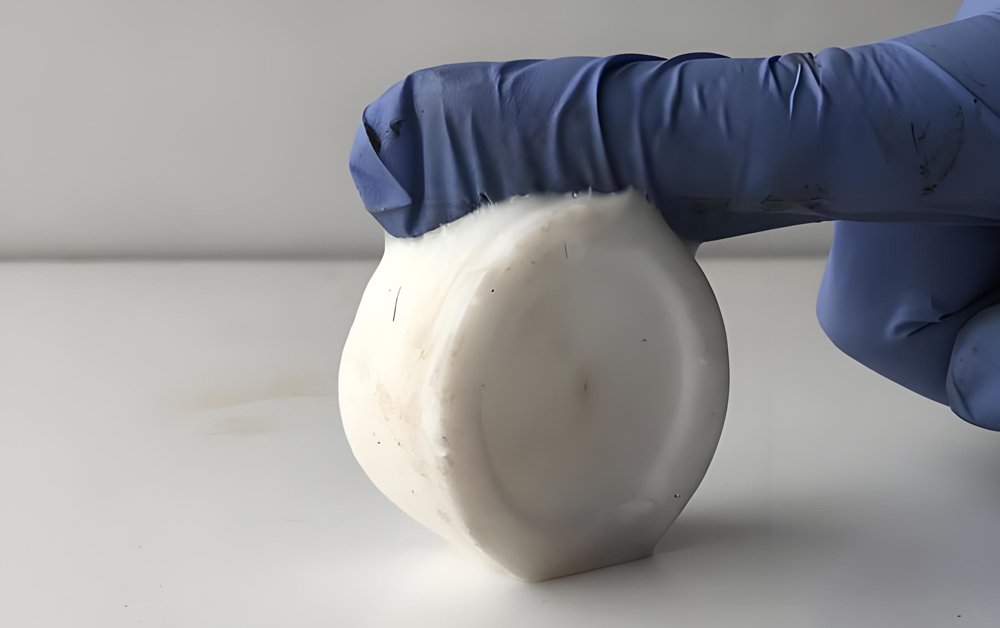
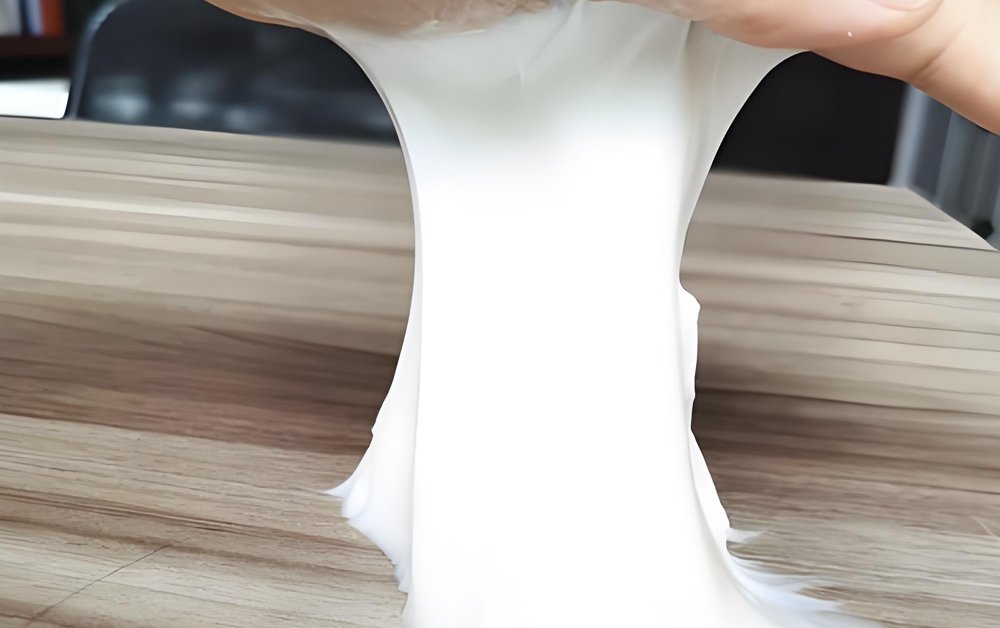
Once you inject it, a chemical reaction happens. The liquid turns into a flexible gel. Not hard like epoxy. Not brittle like cement. Flexible. Soft enough to move with the structure, tough enough to stop water.
Key Characteristics:
- Water-like viscosity
- Adjustable gel time
- High penetration capability
- Elastic and flexible after curing
Unlike rigid materials, acrylate grout forms a soft yet durable barrier, making it ideal for dynamic environments where movement and moisture coexist.
How Acrylate Grout Works?
You can’t apply a material properly if you don’t understand how it works. Acrylate resin grouting isn’t complicated, here’s what happens when you inject it.
Low-Viscosity Penetration
Acrylate injection grout behaves almost like water before curing. This allows it to:
- Penetrate micro-cracks
- Flow into porous soil
- Reach inaccessible voids
Controlled Gelation Process
Depending on the formulation, gel time can range from a few seconds to several minutes. That’s not a fixed number. You can adjust it.
This allows contractors to:
- Control injection distance
- Adapt to different site conditions
- Optimize sealing performance
Formation of Elastic Waterproof Barrier
After reaction, the material forms a flexible gel that:
- Blocks water pathways
- Adapts to structural movement
- Maintains long-term sealing performance
Key Advantages of Acrylate Grout
Acrylate resin grouting material stands out due to its unique combination of properties.
Ultra-Low Viscosity
Its water-like consistency ensures deep penetration into:
- Fine cracks
- Capillary pores
- Soil layers
If it were thicker, it wouldn’t work. The low viscosity is the whole point.
Adjustable Reaction Time
This flexibility makes it suitable for both:
- Rapid emergency repairs
- Controlled large-scale injections
Excellent Flexibility
Unlike rigid grouts, acrylate gels can:
- Stretch under stress
- Adapt to minor structural shifts
Long-Term Waterproofing Performance
Once it cures, acrylate grout doesn’t go anywhere. It stays stable, flexible and keeps water out.
That’s why it’s ideal for long-term applications — tunnels, basements, underground structures.
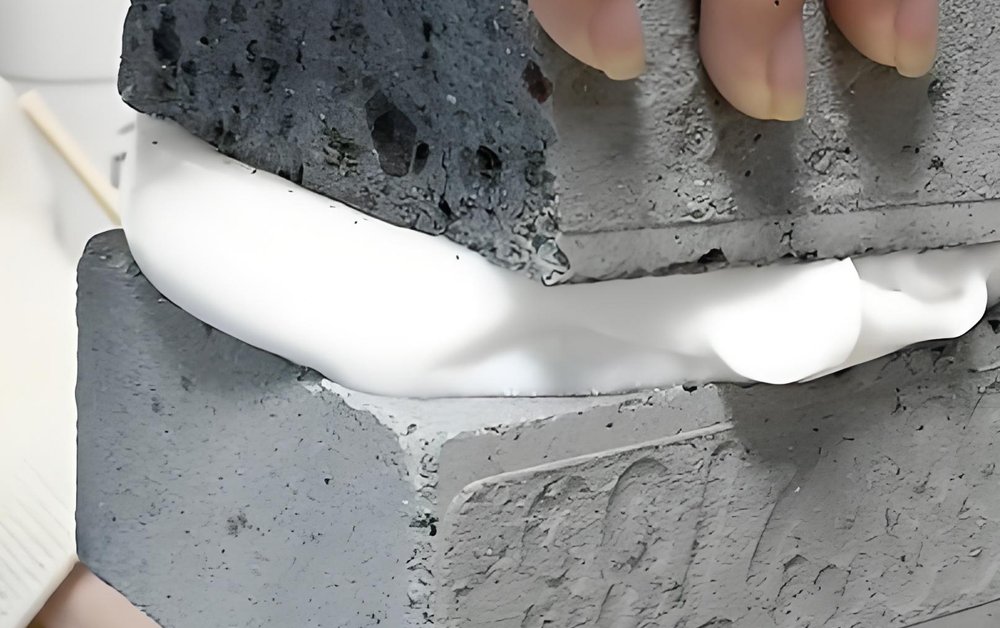
Acrylate Grout vs Other Grouting Materials
Choosing the right grout isn’t about which one is “best.” It’s about which one is right for your specific problem.
Acrylate Grout vs PU Grout
| Feature | Acrylate Grout | PU Grout |
|---|---|---|
| Viscosity | Very low | Medium |
| Mechanism | Gel formation | Foam expansion |
| Best Use | Fine cracks, soil | Active leaks |
| Flexibility | High | Moderate |
Epoxy Grout vs Acrylate Injection
| Feature | Acrylate Injection | Epoxy Grout |
|---|---|---|
| Purpose | Waterproofing | Structural repair |
| Flexibility | High | Low |
| Penetration | Excellent | Limited |
Cement Grout vs Acrylate Injection
| Feature | Acrylate | Cement |
|---|---|---|
| Penetration | High | Low |
| Strength | Low | High |
| Use Case | Sealing | Structural filling |
Typical Applications of Acrylate Grout
Acrylate resin grouting is widely used in challenging environments.
Underground Waterproofing
- Basements
- Tunnels
- Subways
Infrastructure Projects
- Bridges
- Municipal pipelines
- Utility corridors
Soil Stabilization
- Prevent water seepage
- Strengthen loose soil
Crack Sealing in Concrete
- Micro-crack injection
- Leak prevention
Step-by-Step Guide to Acrylate Grouting Process
Proper execution ensures optimal results.
1. Site Inspection and Diagnosis
Identify:
- Leak points
- Crack patterns
- Water pressure levels
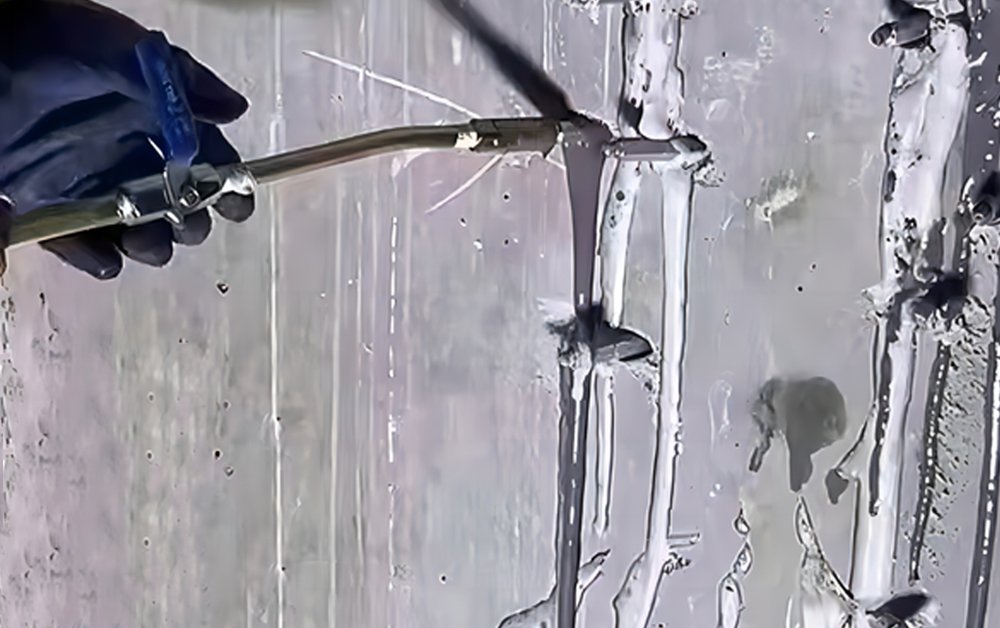
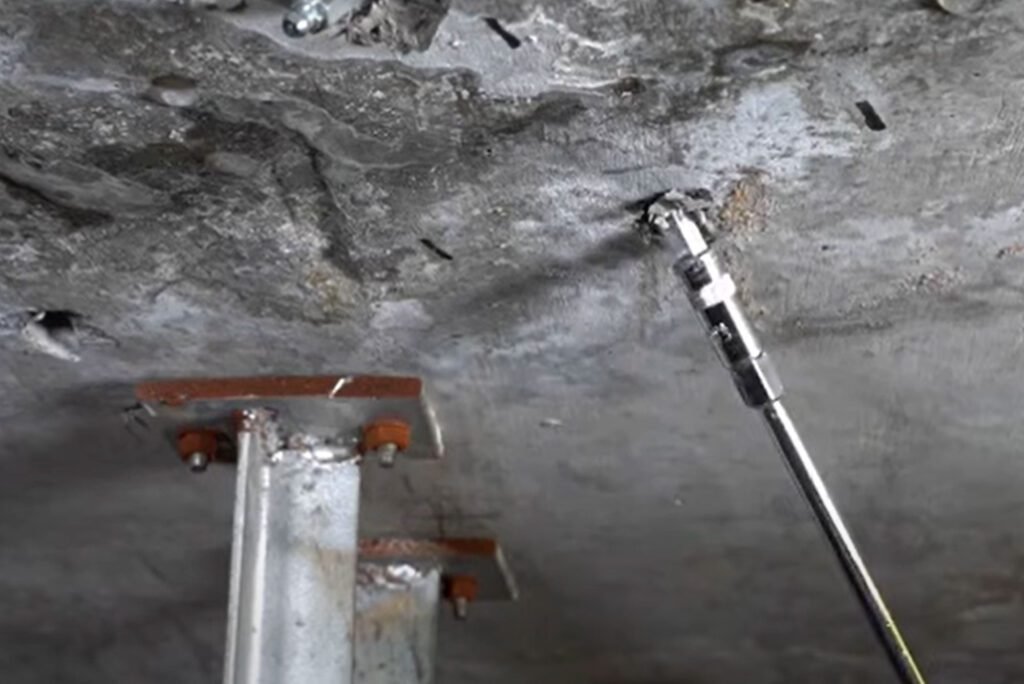
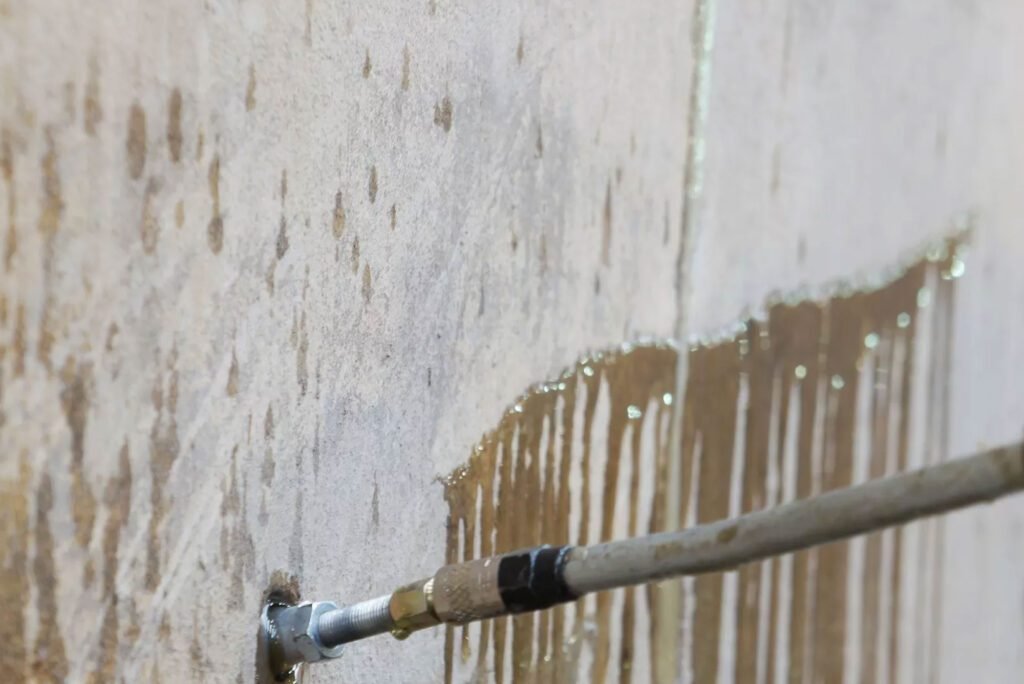
2. Drilling and Installing Injection Packers
- Drill holes at strategic points
- Install injection ports
3. Material Preparation
- Mix components according to specifications
- Adjust gel time based on conditions
4. Grouting Injection
- Use low to medium pressure
- Inject gradually
- Monitor material flow
5. Curing and Inspection
- Allow gel formation
- Check for leakage
- Perform secondary injection if needed
Factors Affecting Acrylate Grouting Performance
Several variables influence success.
Gel Time Control
Too fast or too slow can reduce effectiveness.
Soil and Structural Conditions
Different substrates require different strategies.
Injection Pressure
Excess pressure may cause material loss.
Operator Experience
Skilled technicians ensure better results.
Common Problems and Solutions
Incomplete Sealing
- Cause: Insufficient penetration
- Solution: Adjust gel time and pressure
Material Washout
- Cause: High water flow
- Solution: Use staged injection
Premature Gelation
- Cause: Incorrect mixing
- Solution: Optimize formulation
How to Choose the Right Acrylate Resin Grout?
Selection depends on project requirements.
Consider Leak Severity
- Minor seepage → Standard gel
- Heavy leakage → Fast-setting formula
Evaluate Environmental Conditions
- Temperature
- Water pressure
Check Compatibility
Ensure compatibility with existing materials.
Why System-Based Grouting Solutions Are Preferred?
Modern projects often require integrated systems.
Combined Approach
- Acrylate for sealing
- PU for active leaks
- Cement for structural support
Benefits
- Enhanced durability
- Reduced maintenance
- Higher success rate
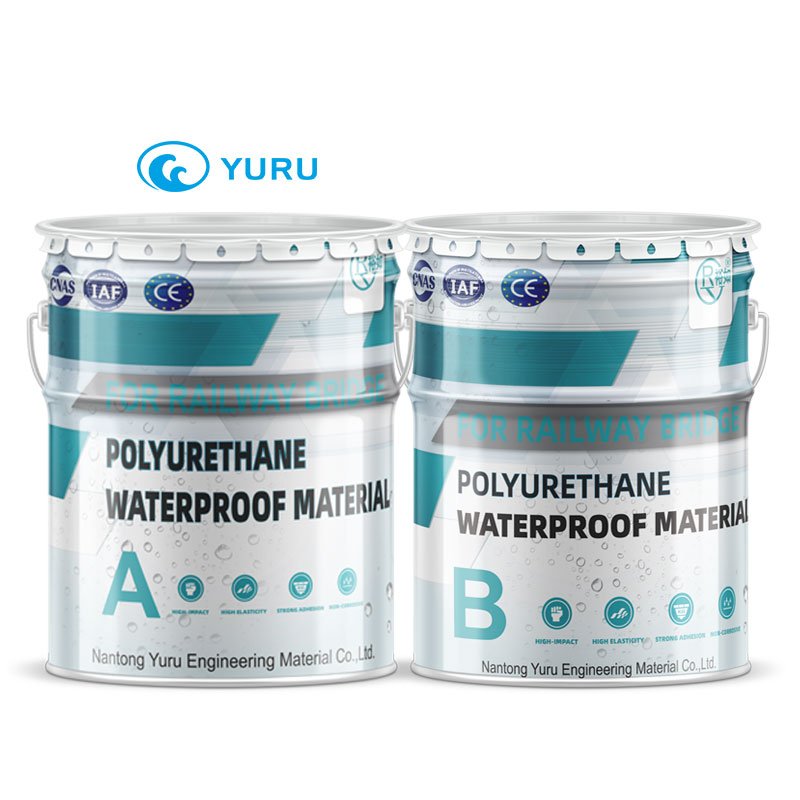
YURU Waterproof: Your Trusted Grouting Solution Provider
Choosing the right supplier is essential for consistent results.
YURU Waterproof offers:
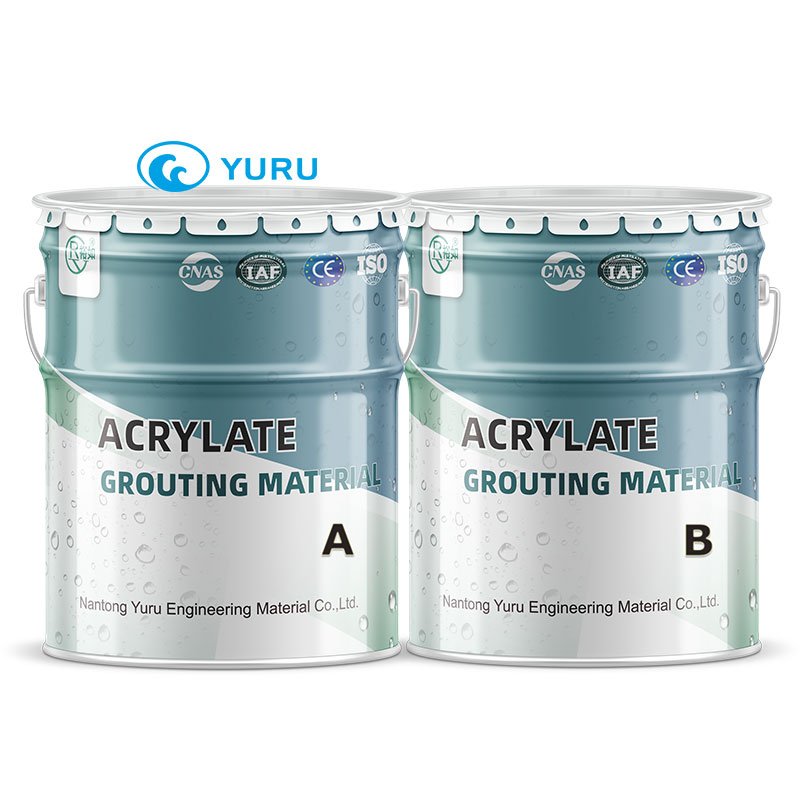
- High-performance acrylate grout systems
- Polyurethane and polyurea materials
- Customized waterproofing solutions
Why Choose YURU:
- Stable product quality
- Adjustable gel systems
- Technical support for projects
- Reliable global supply
YURU products are widely used in:
- Underground engineering
- Infrastructure projects
- Basement waterproofing
FAQs:
1. What is acrylate grout used for?
It is used for waterproofing, crack sealing, and soil stabilization.
2. Is acrylate resin grout flexible after curing?
Yes, it forms an elastic gel that adapts to movement.
3. Can acrylate grout stop active leaks?
It can, but PU grout is often better for high-flow leaks.
4. How long does acrylate grout last?
It provides long-term performance when applied correctly. It last 10-20 years.
5. Is acrylate resin grout environmentally friendly?
Modern formulations are designed to be safe and compliant.
Conclusion:
So, what is acrylate grout?
It’s a low-viscosity chemical grout that does two things really well. It penetrates spaces other grouts can’t reach. And it forms flexible seals that last.
That’s why it’s become indispensable in modern construction — for waterproofing, for soil stabilization, for stopping leaks that other materials can’t touch.
Key Takeaways:
- Ideal for fine cracks and porous structures
- Offers flexible, long-lasting waterproofing
- Requires proper technique for best results
Looking for reliable acrylate grout solutions for your next project?
YURU Waterproof provides high-quality materials and expert technical support tailored to your needs.
Contact YURU today to explore customized grouting and waterproofing solutions.
YURU Product solutions