What Is Epoxy Colored Sand Floor Paint Used For?
In modern construction and renovation projects, flooring materials are no longer selected based on appearance alone. Durability, safety, maintenance cost, and long-term performance are equally important—especially for commercial and public spaces. One flooring system that continues to gain attention in these environments is epoxy colored sand floor paint.
This article explains what epoxy colored sand floor paint is used for, which applications benefit most from it, where it may not be suitable, and how professional buyers can decide whether it is the right choice for their projects. The content is written from a practical, engineering-focused perspective to support informed decision-making.
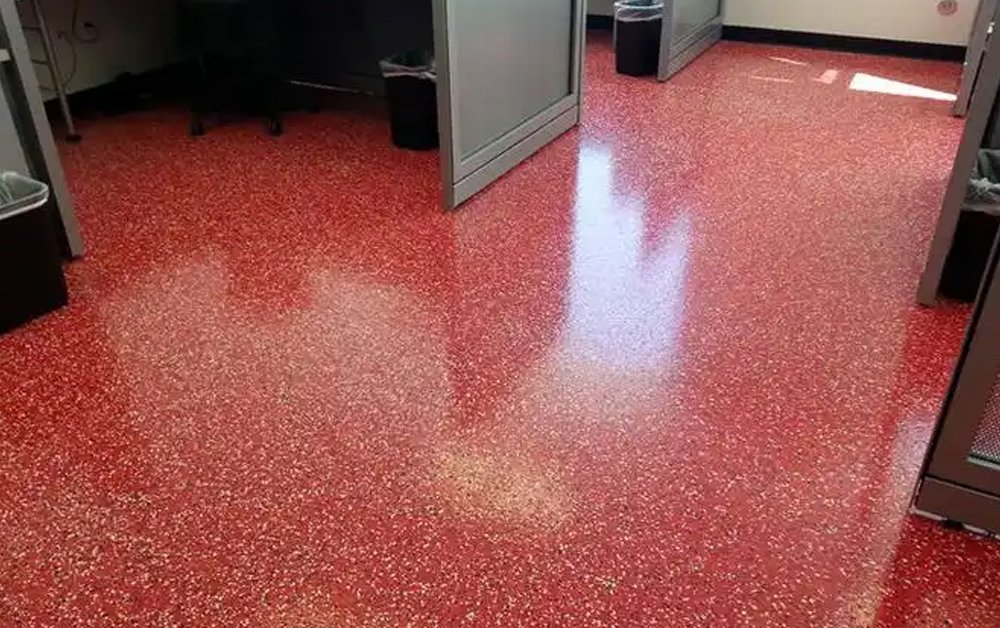
What Is Epoxy Colored Sand Floor Paint Mainly Used For?
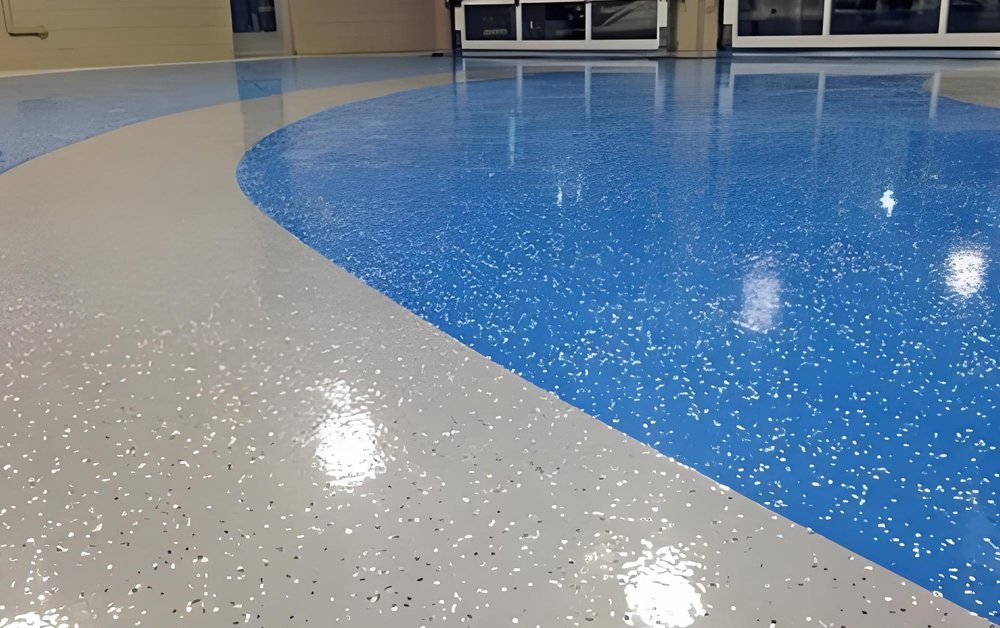
Epoxy colored sand floor paint is primarily used to create seamless, decorative, and functional flooring systems in environments where both performance and appearance matter.
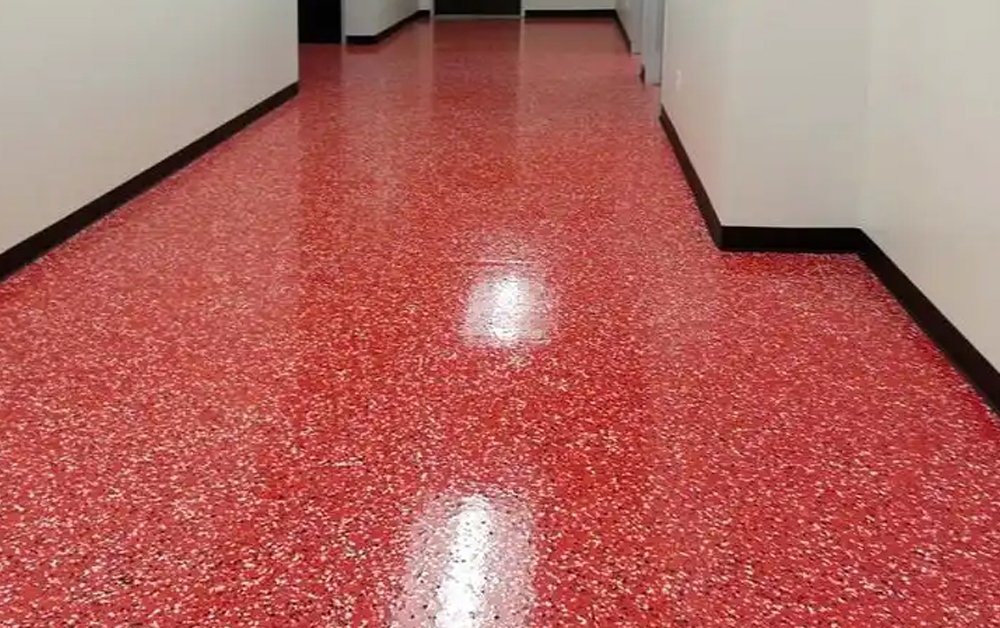
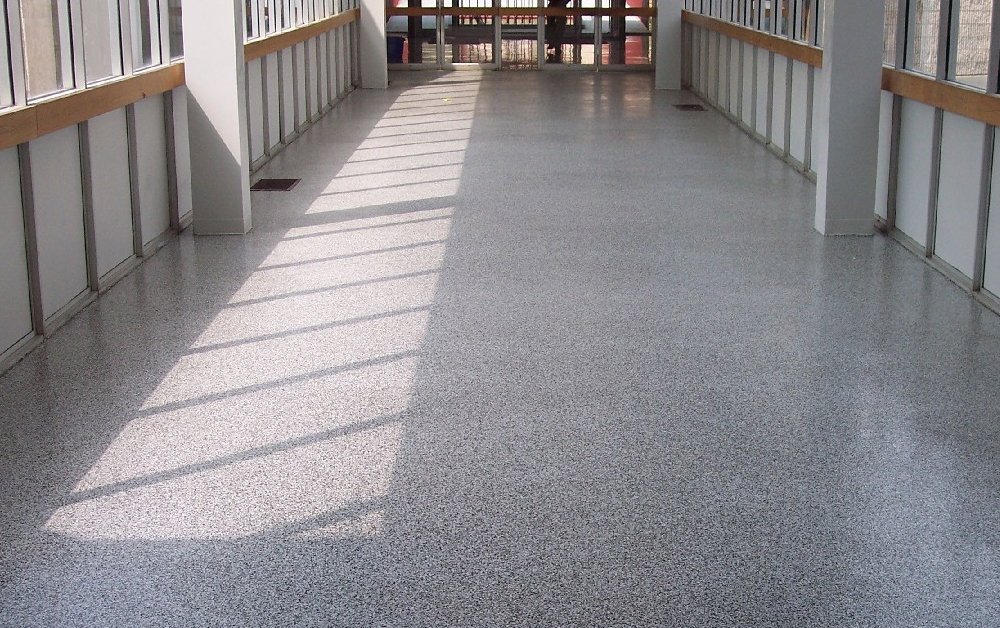
Unlike smooth epoxy coatings, colored sand epoxy floors use graded colored aggregates bound by epoxy resin. This structure creates a textured surface that improves slip resistance while delivering a visually distinctive finish. As a result, the system is often selected for projects that require:
- Enhanced walking safety.
- Visual zoning or design customization.
- Long-term durability under foot traffic.
- Seamless surfaces that are easy to clean.
In practice, epoxy colored sand floor paint is not a single-use solution. It serves multiple purposes depending on system design and application environment.
Why Commercial and Public Spaces Commonly Use Epoxy Colored Sand Flooring?
Commercial and public buildings share similar flooring challenges: high foot traffic, strict safety standards, and the need for a clean, professional appearance over time. Epoxy colored sand floor paint addresses these challenges more effectively than many traditional flooring options.
Typical advantages in these spaces include:
- Slip resistance, reducing accident risks.
- Seamless surfaces, minimizing dirt accumulation.
- Design flexibility, supporting architectural concepts.
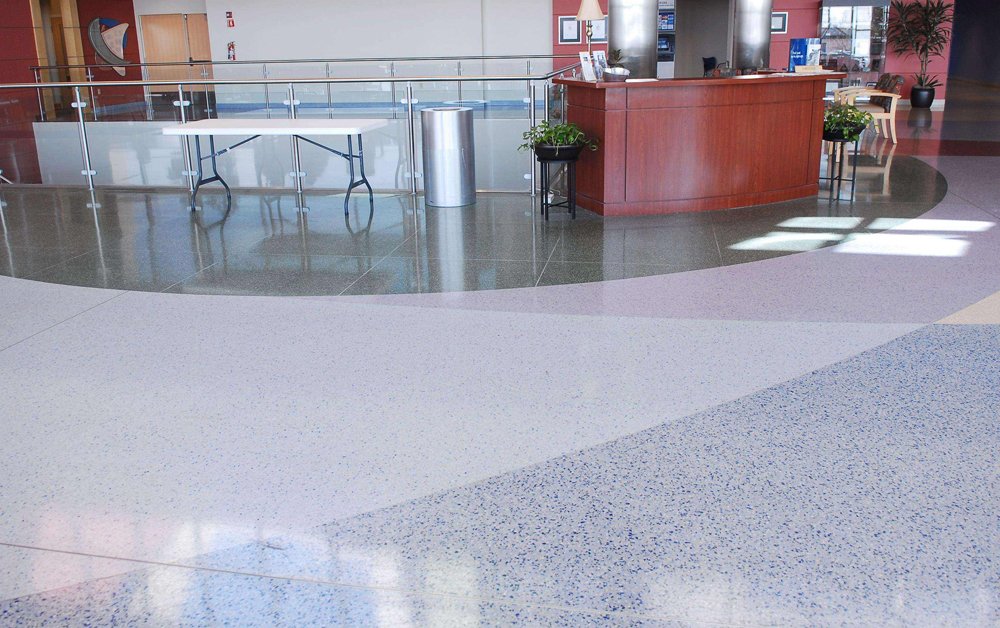
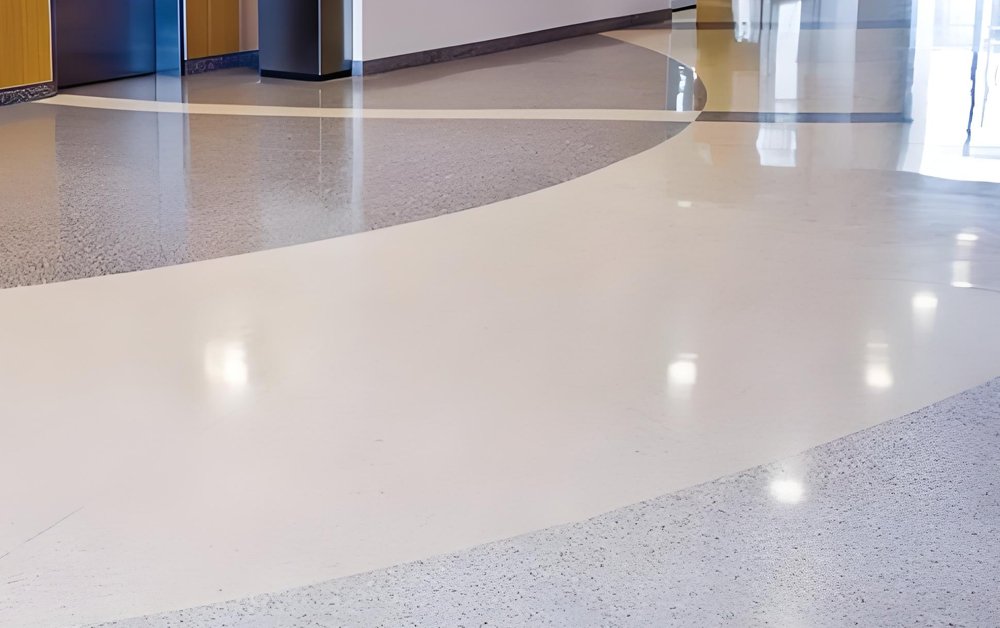
For example, shopping malls and office lobbies often use colored sand epoxy flooring to combine durability with a refined appearance, while hospitals and schools value its hygienic, joint-free surface.
Balancing Functionality and Decoration in One Flooring System
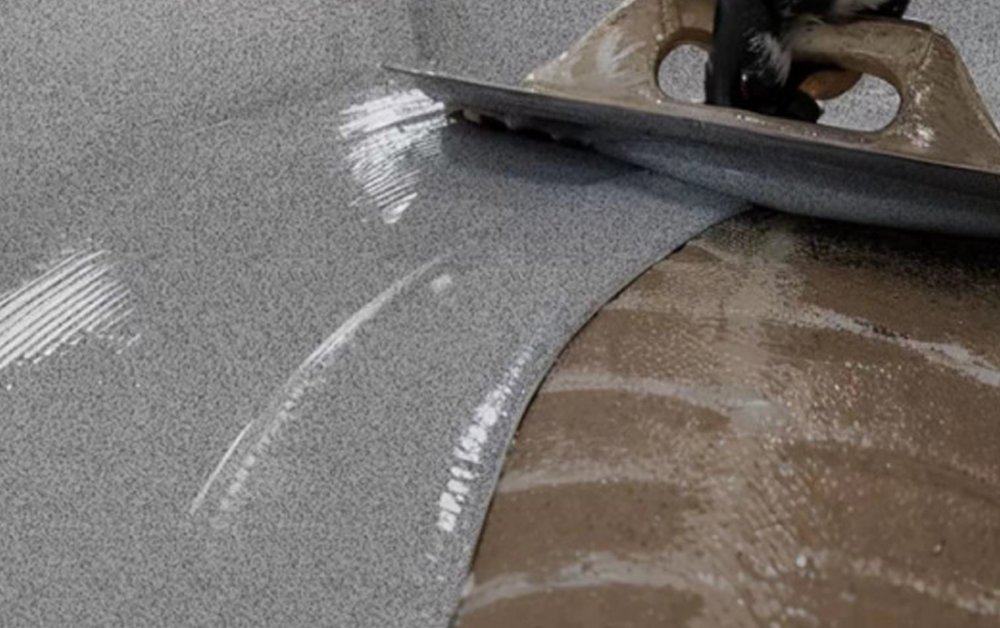
One of the key reasons epoxy colored sand floor paint is widely used is its ability to balance functional performance with decorative value.
From a functional standpoint, the sand-based structure improves load distribution and surface traction. From a design perspective, the use of colored aggregates allows architects and designers to achieve customized patterns, tones, and textures without sacrificing durability.
This balance makes epoxy colored sand flooring especially attractive in projects where flooring must serve both operational and visual roles—something that purely decorative or purely industrial systems often fail to achieve.
Is Epoxy Colored Sand Floor Paint Suitable for High-Traffic Areas?
A common concern among buyers is whether epoxy colored sand floor paint can handle high levels of foot traffic. In most cases, the answer is yes, provided the system is properly designed and installed.
In high-traffic environments, performance depends on:
- System thickness
- Aggregate size and distribution
- Quality of epoxy binder
- Surface sealing method
When these factors are correctly matched to the application, colored sand epoxy floors can maintain their appearance and performance for years.
Typical Performance Expectations by Traffic Level
| Traffic Level | Expected Performance | Maintenance Needs |
|---|---|---|
| Low (offices) | Excellent | Minimal |
| Medium (retail) | Very good | Periodic cleaning |
| High (public halls) | Good with proper design | Scheduled upkeep |
This makes epoxy colored sand floor paint a practical option for many high-use environments, though it should always be evaluated case by case.
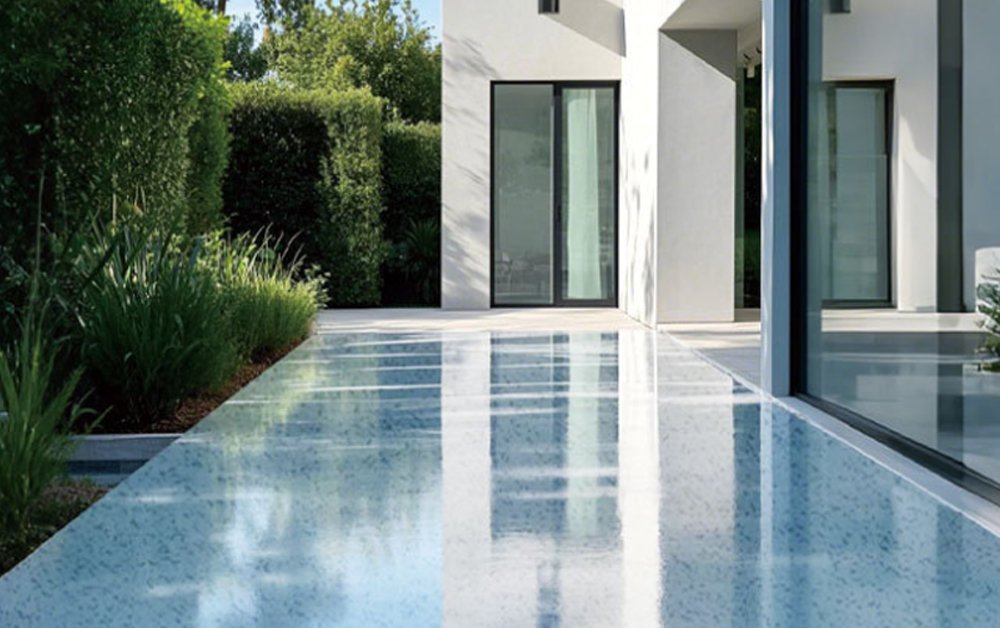
Where Epoxy Colored Sand Floor Paint Is NOT Recommended
Professional material selection also requires understanding limitations. Epoxy colored sand floor paint is not ideal for every environment.
It may not be suitable for:
- Areas exposed to heavy impact or steel wheels
- Environments with aggressive chemical exposure
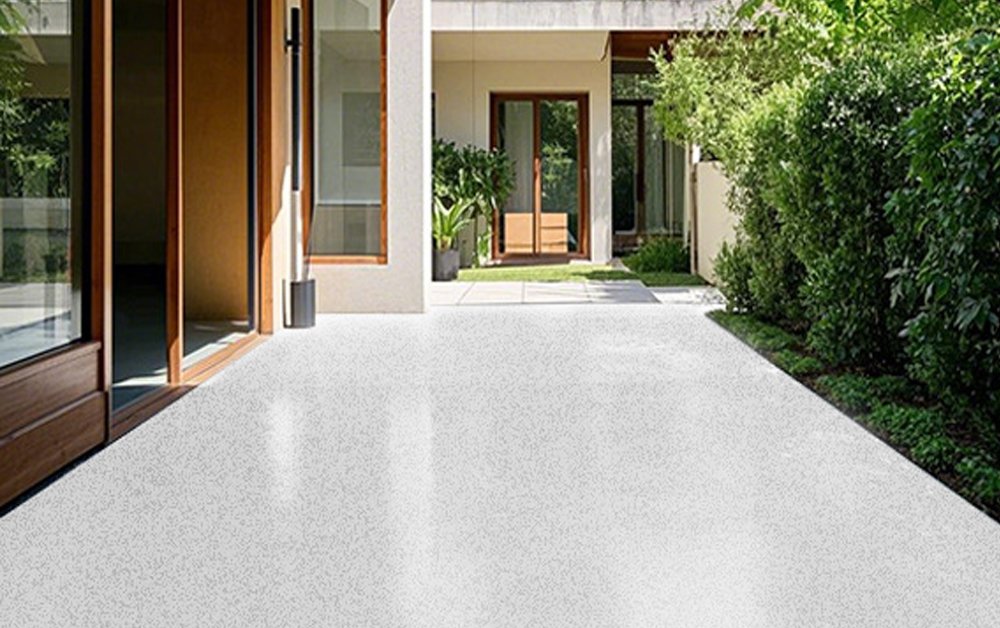
- Outdoor spaces without UV-resistant topcoats
Acknowledging these limitations strengthens long-term project performance and prevents unrealistic expectations. A responsible manufacturer will always clarify where alternative systems may be more appropriate.
How to Choose the Right Epoxy Colored Sand Floor System for Your Project?
Selecting epoxy colored sand floor paint should be a structured decision rather than a visual preference.
Key evaluation factors include:
- Substrate condition and moisture level
- Required slip resistance
- Design expectations
- Cleaning and maintenance strategy
These factors determine not only product selection but also system configuration. Consulting with a manufacturer at this stage often prevents costly revisions later.
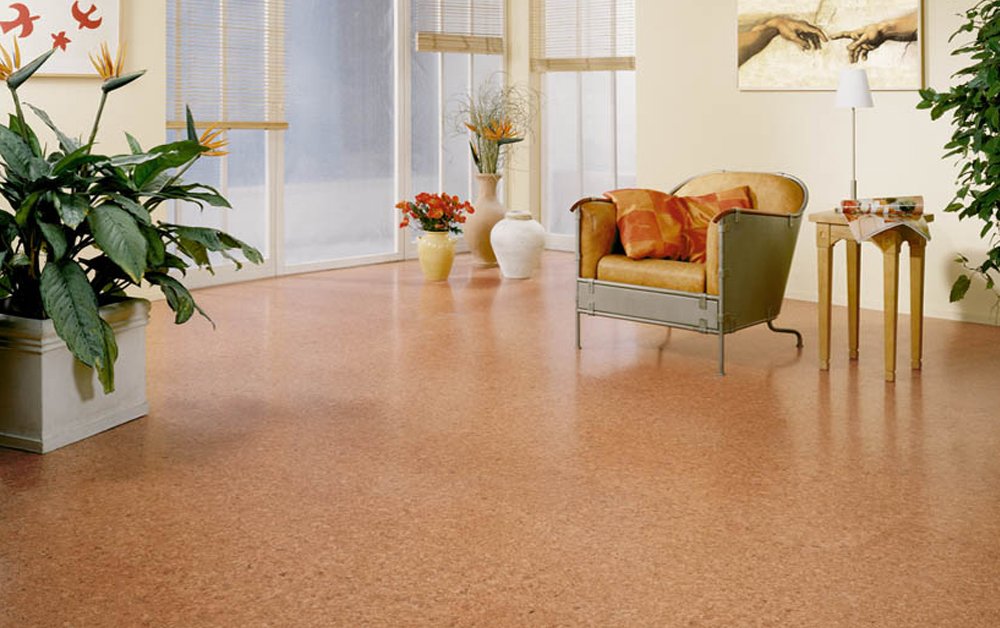
Why Manufacturer Expertise Matters in Epoxy Colored Sand Applications?
Epoxy colored sand floor paint is highly dependent on formulation stability and production consistency. Variations in resin quality or sand grading can lead to visible differences across large floor areas.
Experienced manufacturers are better equipped to:
- Maintain batch-to-batch color consistency.
- Provide predictable curing behavior.
- Support contractors with technical guidance.
This expertise directly impacts installation efficiency and final floor quality, especially in large or multi-phase projects.
YURU’s Practical Solutions for Epoxy Colored Sand Floor Applications
YURU Waterproof is a professional manufacturer specializing in epoxy flooring systems, waterproof coatings, and grouting materials. In epoxy colored sand floor applications, YURU focuses on system reliability and real-world performance rather than short-term aesthetics.
YURU provides:
- Complete epoxy colored sand flooring systems.
- Stable formulations designed for consistent results.
- Quality-controlled production processes.
- Technical support for distributors and contractors.
By aligning material performance with application conditions, YURU helps partners achieve durable and visually consistent flooring outcomes.
How to Get Professional Advice for Your Epoxy Colored Sand Floor Project?
No two projects are exactly the same. Before finalizing material selection, discussing your project requirements with an experienced manufacturer is essential.
By contacting YURU Waterproof, you can:
- Describe your project environment and usage needs
- Receive system recommendations
- Reduce application risks through technical guidance
Contact YURU today or send an inquiry to get professional support for your epoxy colored sand floor project.
FAQs
What is epoxy colored sand floor paint mainly used for?
It is used for decorative and functional flooring in commercial and public spaces.
Is epoxy colored sand flooring slip-resistant?
Yes, its textured surface improves walking safety.
Can epoxy colored sand floors handle heavy traffic?
Yes, when properly designed and maintained.
Is epoxy colored sand flooring suitable for industrial use?
It is suitable for light industrial environments, depending on conditions.
Why does manufacturer experience matter?
It ensures formulation stability, color consistency, and application success.
How can I contact YURU for epoxy flooring solutions?
You can contact YURU through the website or send an inquiry directly.
Conclusion
Epoxy colored sand floor paint is widely used in commercial, public, and functional spaces where durability, safety, and appearance must work together. Its textured, seamless structure and design flexibility make it a valuable flooring solution when applied in the right environment.
However, achieving reliable results depends on correct system selection, professional installation, and experienced manufacturing support. Working with a trusted manufacturer such as YURU ensures that epoxy colored sand flooring delivers long-term value rather than short-term visual appeal.
YURU Product solutions