What Is Polyurethane Foam Liquid Used For?
Overview:
In underground structures, tunnels, and municipal infrastructure, water leakage and structural cracks can damage concrete and weaken structural strength.
To address these problems, engineers typically use polyurethane foam liquid, a chemical material specifically designed for sealing and reinforcing leaks.
But what exactly is polyurethane foam liquid used for? Why is it so widely used?
This article will explain the definition and main applications of polyurethane foam liquid.
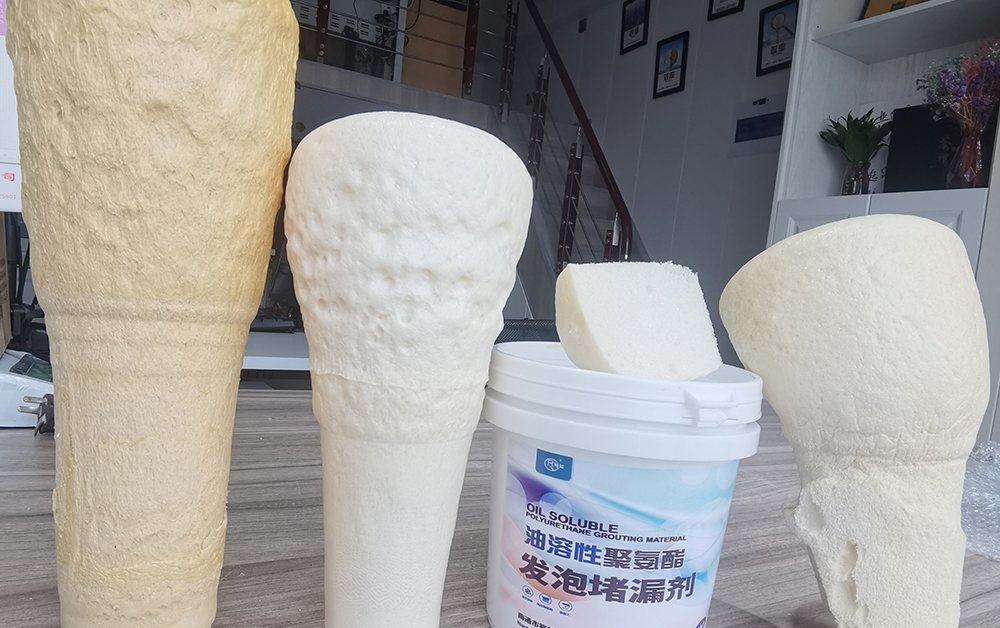
Understanding Polyurethane Foam Liquid and How It Works?
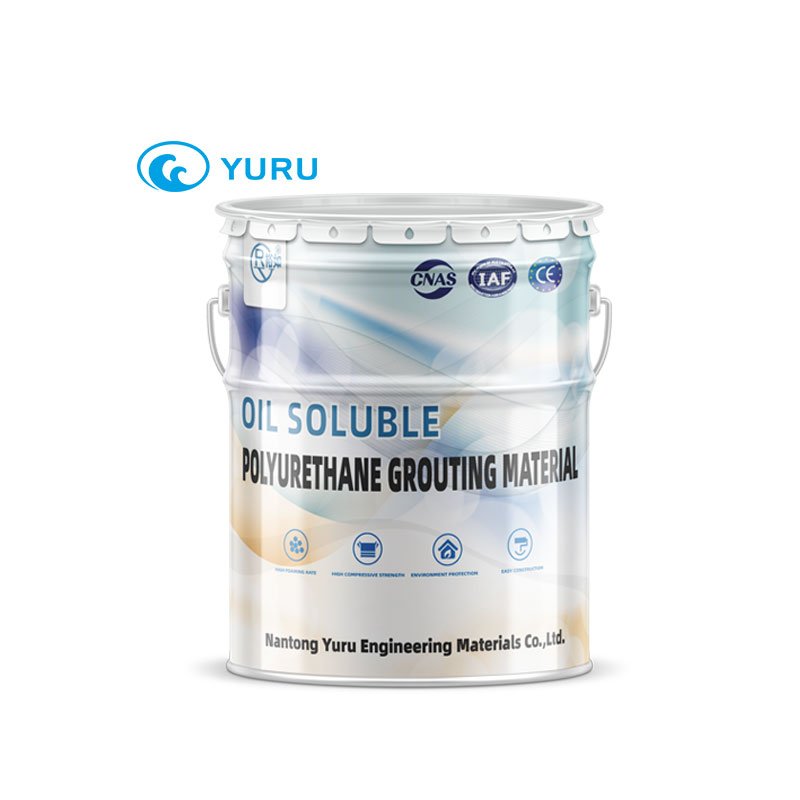
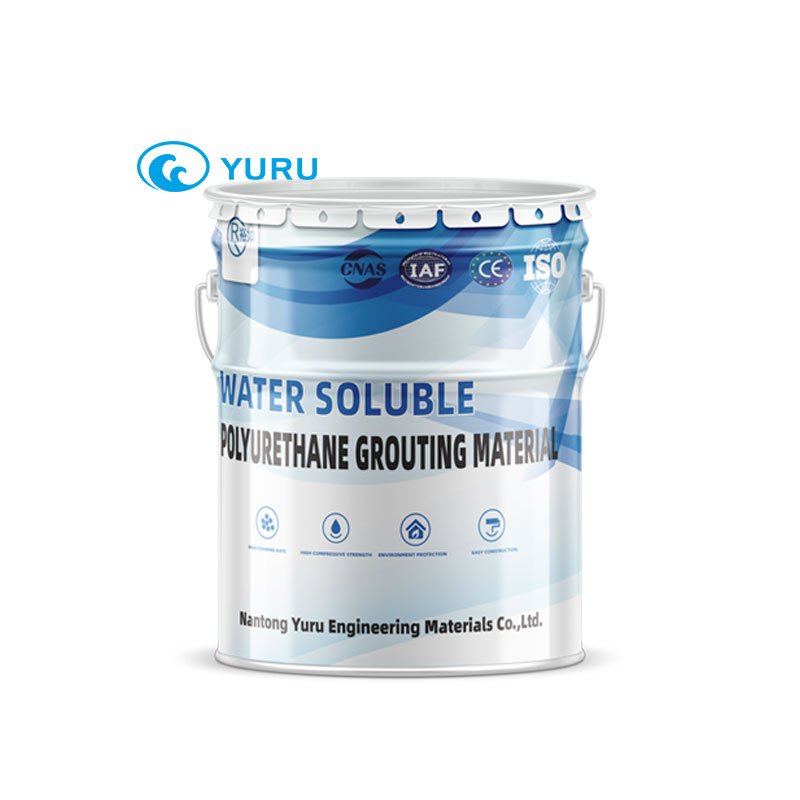
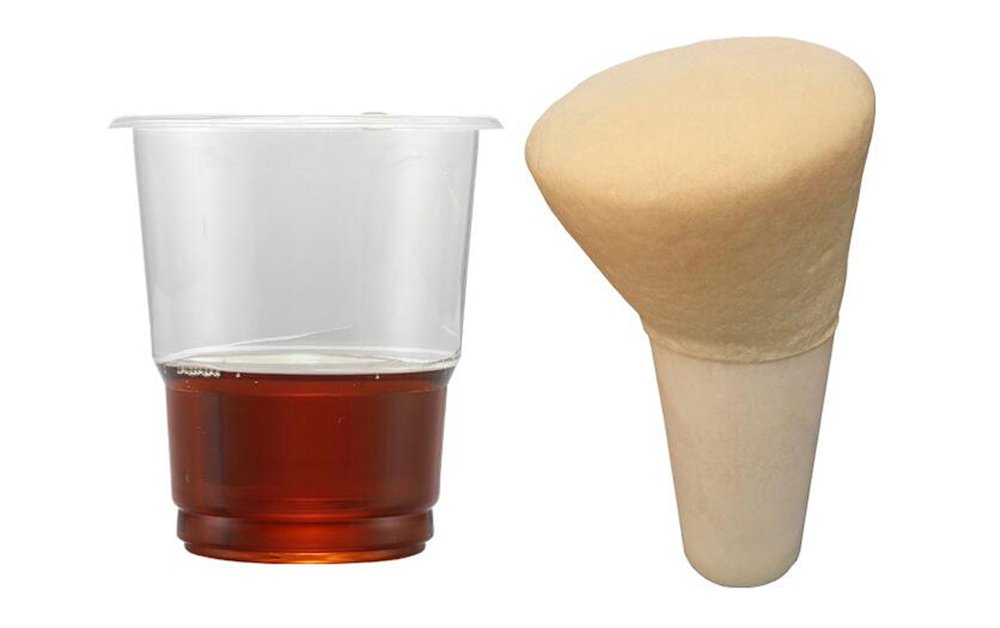
Polyurethane foam liquid is a reactive chemical substance primarily used for grouting and injection. Before curing, it is a low-viscosity liquid. When injected into concrete and comes into contact with water, it reacts and solidifies, thus stopping leaks and repairing cracks.
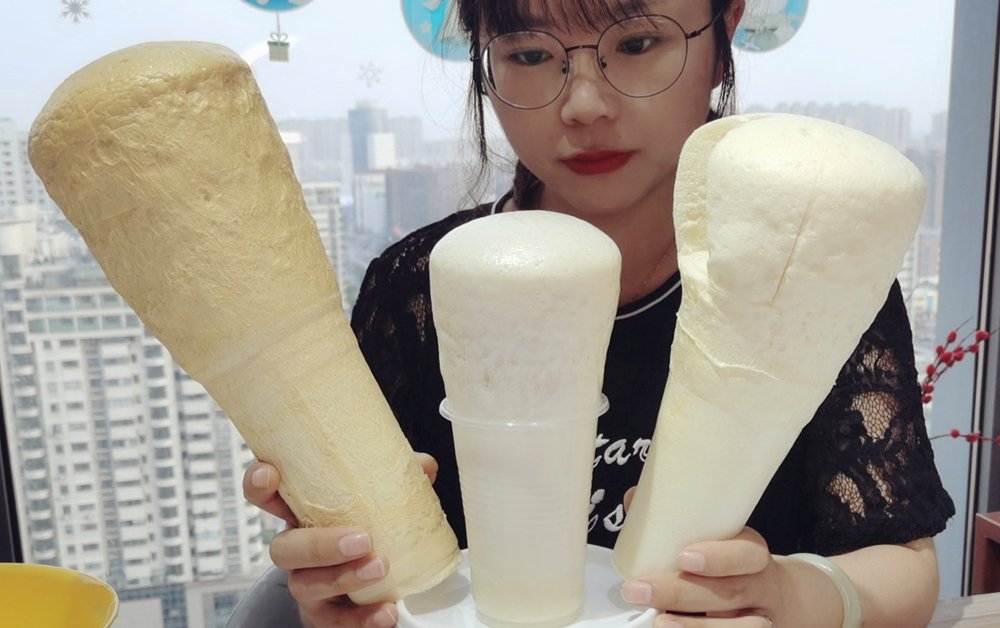
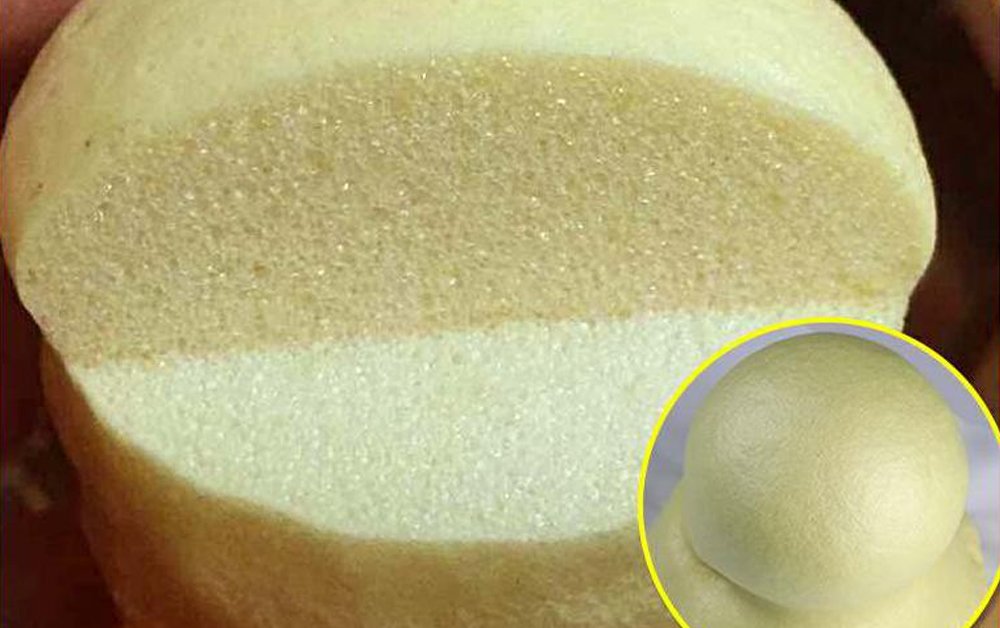
The expansion and foaming reaction process is a significant characteristic and one of the key advantages of polyurethane foam liquid.
Typical properties include:
- Rapid reaction with water
- Expansion to fill cracks and voids
- Strong adhesion to concrete and masonry
- Elastic sealing properties
- Water pressure resistance
These properties make polyurethane foam liquid particularly suitable for leak sealing and waterproofing repair projects.
This material can be applied by injection, which is convenient and time-saving.
The Role of Polyurethane Foam Liquid in Waterproofing and Leak Sealing
One of the primary uses of polyurethane foam liquid is active leak sealing. In many structures, water leaks develop through cracks, joints, or construction seams.
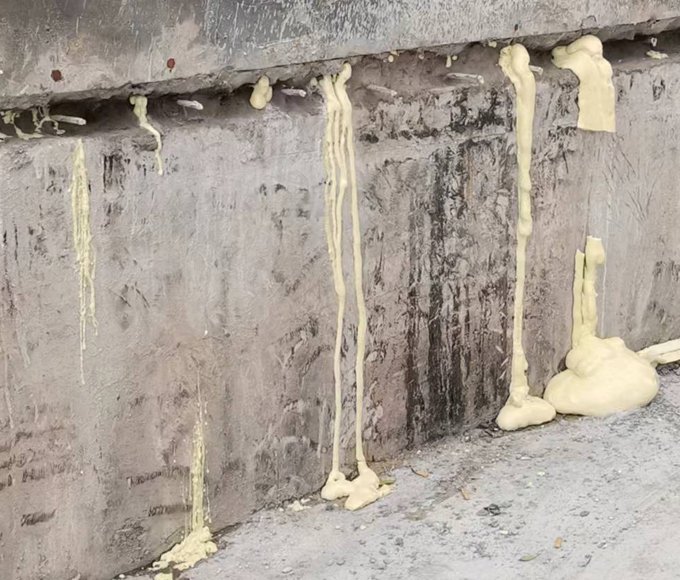
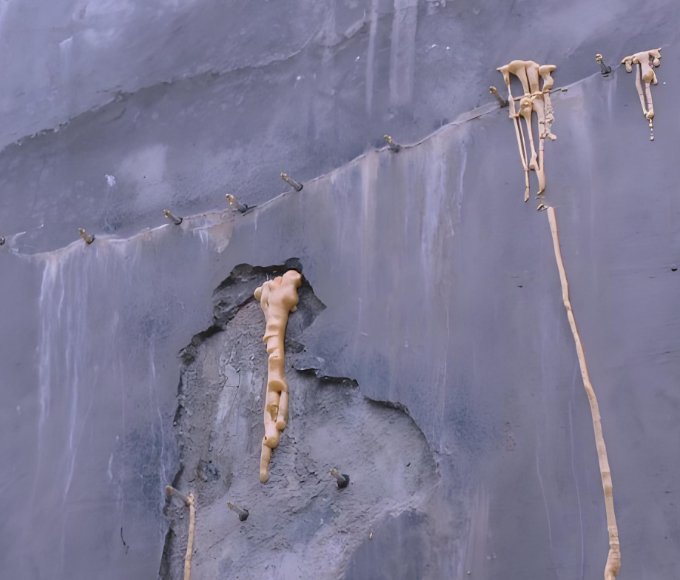
Polyurethane foam liquid reacts directly with water. When injected into a leaking crack, the material expands and forms a dense foam structure that water stopping.
This ability makes it highly effective for repairing:
- Basement wall leaks
- Water infiltration in underground parking garages
- Cracks in retaining walls
- Construction joint leakage
In waterproofing repairs, contractors typically drill small holes along the leaking crack. Injection packers are then installed, and polyurethane foam liquid is pumped into the structure under pressure. As the material has reaction, it expands and seals the water pathway.
This method allows repair work to be carried out quickly and efficiently without removing large sections of concrete.
Applications in Underground Engineering
Underground structures face constant exposure to groundwater and soil pressure. Over time, cracks and joints may develop in the concrete lining, allowing water to penetrate the structure.
Because underground facilities are difficult and costly to maintain, thus requiring reliable and effective solutions.
Polyurethane foam liquid can seal leaks in areas that are otherwise inaccessible.
Typical underground applications include:
- Subway station structures
- Underground tunnels
- Utility corridors and pipe galleries
- Deep basements and foundation walls
In these environments, water pressure can be significant. The expansion properties of polyurethane foam enable it to fill complex cracks, reinforce structures, and provide waterproofing.
Another advantage is that the grouting process can be carried out from inside the structure, without causing large-scale damage to the building structure or seriously affecting the building’s appearance.
For engineers responsible for maintaining underground infrastructure, this repair technique provides a cost-effective way to extend the service life of critical facilities.
Polyurethane Foam Liquid in Concrete Crack Repair
Concrete cracks appear in many types of structures. As cracks widen, moisture seeps into the structure, corroding the reinforcing steel and weakening the concrete.
Polyurethane foam liquid is frequently used for crack injection repair. Because the material has low viscosity in its liquid form, it can penetrate deep into narrow cracks before reacting.
This method is commonly used in:
- Building foundations
- Bridge structures
- Industrial facilities
- Underground storage systems
In addition to being waterproof and leak-proof, polyurethane foam liquid can also accommodate slight structural movements.
For long-term structural maintenance, crack injection using polyurethane foam liquid offers a practical and efficient repair method.
Use in Municipal Infrastructure and Public Utilities
Urban infrastructure is relatively complex. Drainage systems and traffic tunnels are susceptible to seepage and structural damage.
Polyurethane foam liquid is also commonly used in municipal engineering projects.
Common applications include:
- Sealing leaks in underground pipes.
- Repairing cracks in sewage treatment facilities.
- Waterproof pump stations.
- Preventing seepage in drainage tunnels.
Speed is crucial in municipal maintenance work. Polyurethane foam liquid reacts rapidly with water, typically allowing for repairs to be completed quickly.
Furthermore, this injection method requires relatively small inlets, minimizing disruption to the surrounding area.
Industrial Facilities and Structural Maintenance
Industrial buildings typically house heavy machinery, thus requiring structural stability and load-bearing capacity. Water seepage can lead to numerous operational problems, including ground deterioration.
Polyurethane foam liquid can be used to address leaks and cracks in industrial structures without interrupting production.
Typical industrial applications include:
- Sealing cracks in factory floors
- Waterproofing machinery foundations
- Repairing leaks in storage facilities
- Filling voids beneath concrete slabs
Because industrial facilities operate under demanding conditions, repair materials must be durable and reliable. The flexible foam structure formed by polyurethane injection materials can adapt to minor structural movement and vibration.
Choosing a Reliable Polyurethane Foam Liquid Supplier
For contractors and distributors, selecting the right supplier is just as important as choosing the right material.
High-quality polyurethane foam liquid requires excellent formulation and strict quality control. Unstable composition leads to decreased material properties and increased costs.
When evaluating suppliers, buyers should consider several factors:
Manufacturing Capability
A reliable manufacturer should have stable production capacity and consistent product quality.
Technical Expertise
Grouting and injection systems often require technical guidance. Suppliers that provide application support and technical documentation can help contractors achieve better results.
Industry Experience
Manufacturers with experience in infrastructure projects can be a great help in addressing the challenges faced by contractors and engineers.
YURU Waterproof: A Reliable Partner for Waterproofing Materials
YURU Waterproof provides a comprehensive range of construction products.
The company specializes in manufacturing:
- Waterproof coatings
- Grouting materials
- Floor coatings
YURU Waterproof supports distributors, contractors, and infrastructure developers with reliable product solutions.
Its polyurethane foam liquid products are designed for applications such as leak sealing, crack injection. These materials have been used in various construction and infrastructure projects where durable waterproofing is required.
FAQs:
1. What is polyurethane foam liquid?
Polyurethane foam liquid is a reactive chemical material used in building construction for waterproofing, leak sealing, and reinforcement.
2. What is polyurethane foam liquid used for?
It is primarily used for waterproofing repairs, crack injection, underground leak sealing, and void filling in concrete structures.
3. Can polyurethane foam liquid stop active water leaks?
Yes. The material reacts with water and expands, effective for sealing active leaks.
4. How is polyurethane foam liquid applied?
Construction workers use specialized grouting pumps to inject liquid into cracks or voids.
5. Is polyurethane foam liquid durable?
When properly applied, polyurethane injection materials can provide long-term waterproofing and crack sealing.
Conclusion:
As construction standards continue to evolve, the demand for high-performance repair materials is increasing. Traditional grouting methods may no longer meet the requirements of modern engineering.
Polyurethane foam liquid offers several advantages that make it attractive to engineers and contractors:
- Ability to seal active water leaks
- Expansion that fills hidden voids
- Quick reaction and minimal downtime
- Compatibility with various structures
- Flexible sealing performance
Polyurethane injection materials are expected to play an even larger role in future construction maintenance and infrastructure repair.
Contact YURU Waterproof to obtain samples, technical guidance, and solutions.


YURU Product solutions