What Is Polyurethane Waterproof Coating Used For?
Introduction
Polyurethane waterproof coatings are widely used in modern building waterproofing projects. The performance characteristics of polyurethane waterproof coating meet high waterproofing standards. When applied properly, they provide significant and long-lasting waterproofing. So, in which scenarios are polyurethane waterproof coatings suitable?
This guide will introduce the uses of polyurethane waterproof coatings, optimal application scenarios, comparisons with other materials, and how to choose a suitable manufacturer.
1. What is Polyurethane Waterproof Coating?
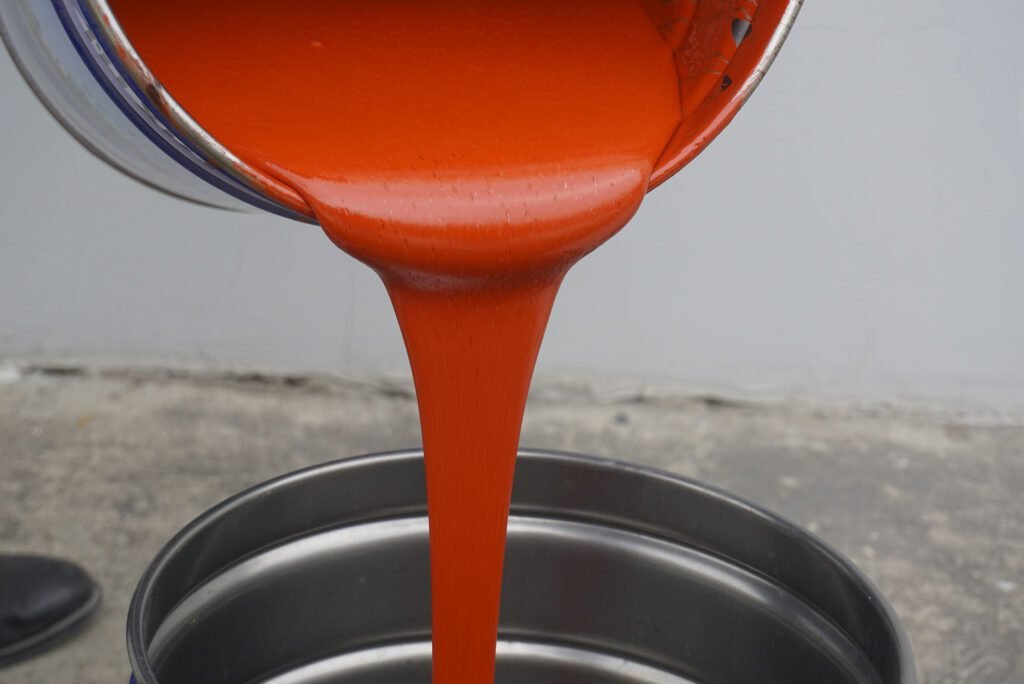
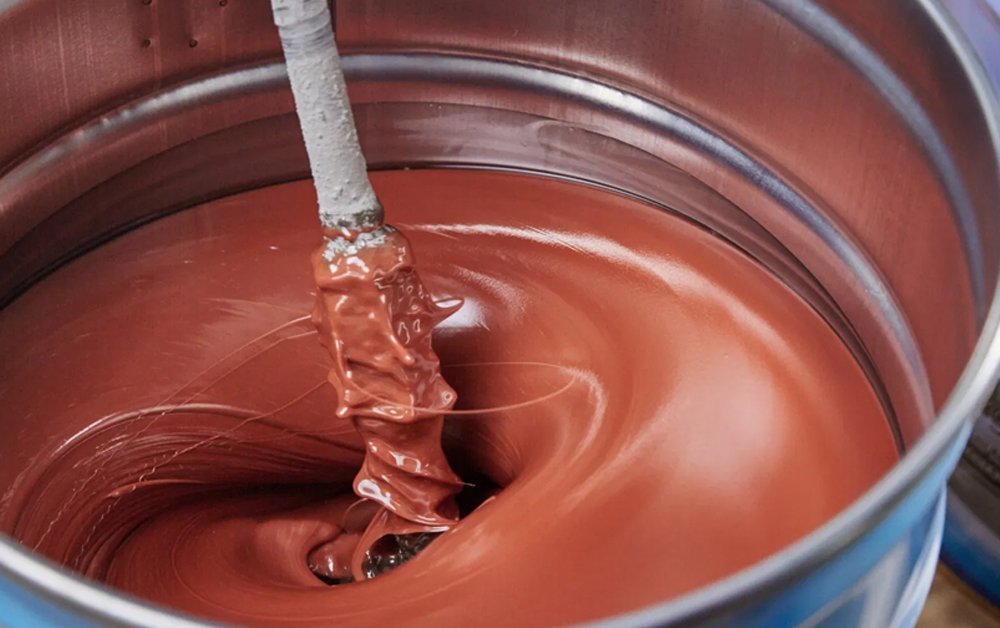
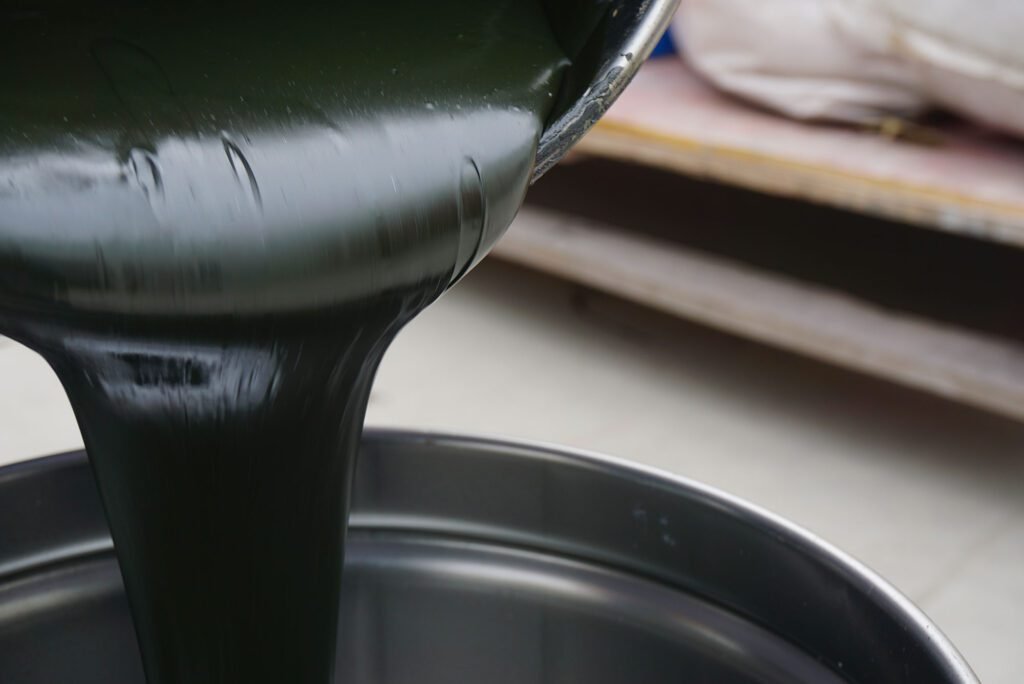
Polyurethane waterproof coating is a liquid elastomer film that, upon curing, forms a seamless, flexible, and waterproof coating. It is suitable for various substrates such as concrete, metal, and cement.
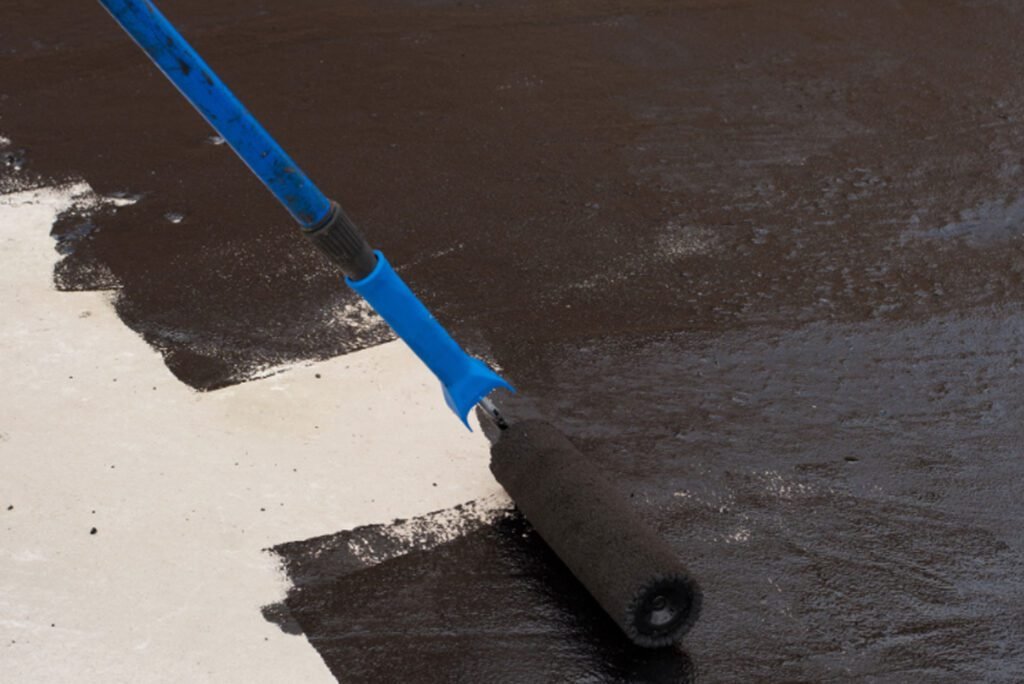
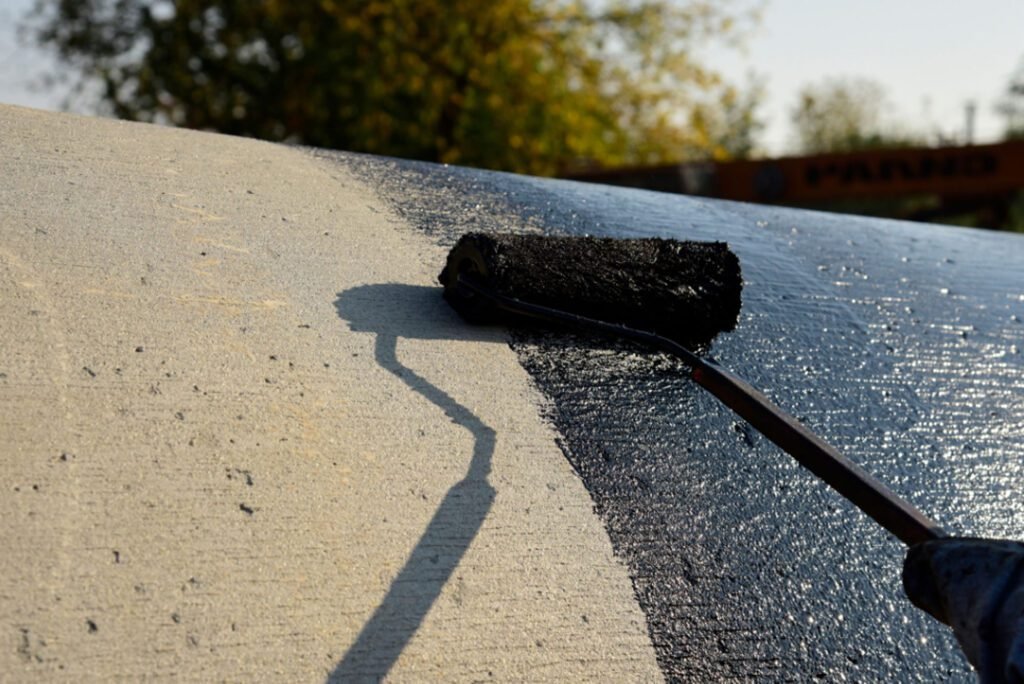
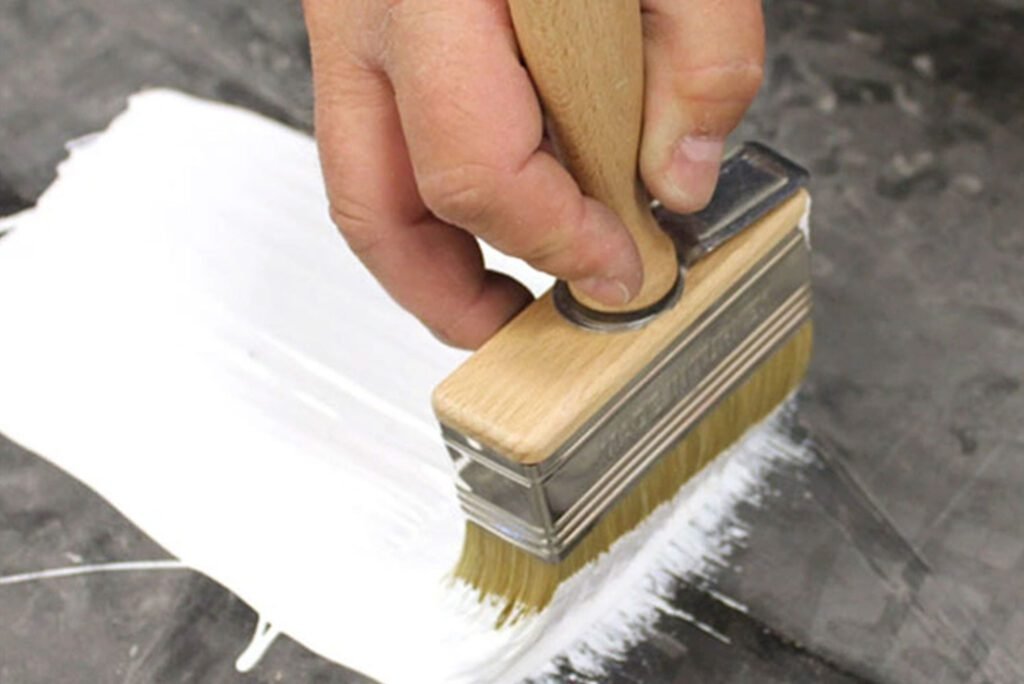
It is typically formulated from polyurethane prepolymers and curing agents. Once applied by roller, brush, or spray, the material reacts with moisture (single-component systems) or with a hardener (two-component systems), forming a durable elastic membrane.
Key Characteristics:
- Seamless application (no joints)
- High elasticity
- Strong adhesion to concrete, metal, wood, and masonry
- Excellent crack-bridging performance
- Resistance to water penetration
- Good weather resistance
Unlike waterproof membranes, polyurethane forms a continuous, complete barrier, reducing the risk of failure at joints or overlaps.
2. Where Is Polyurethane Waterproof Coating Used?
2.1 Roof Waterproofing
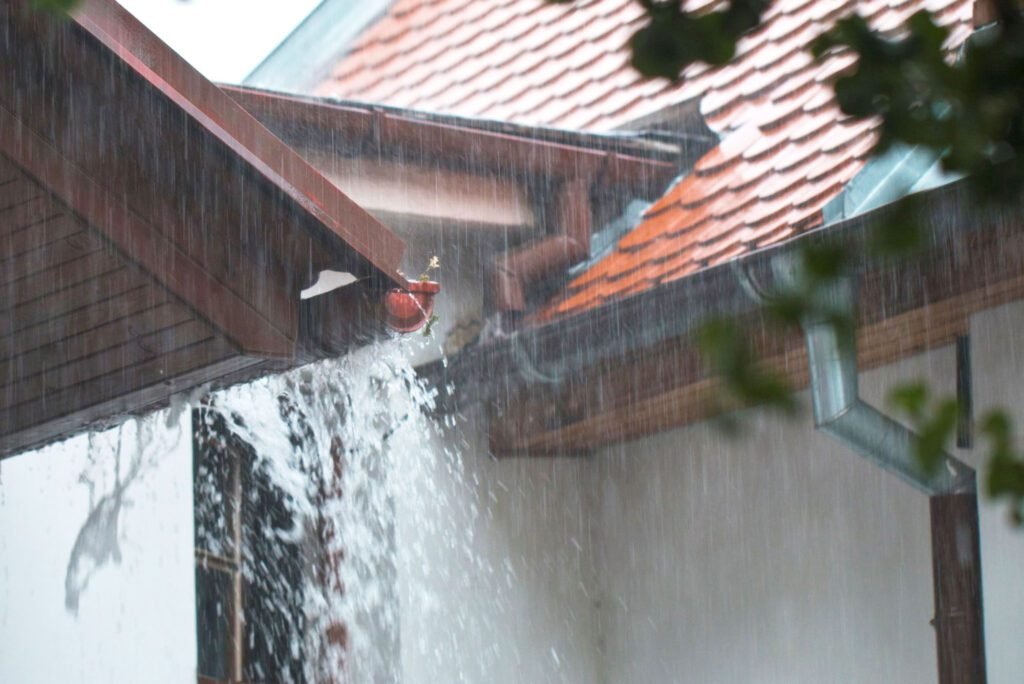
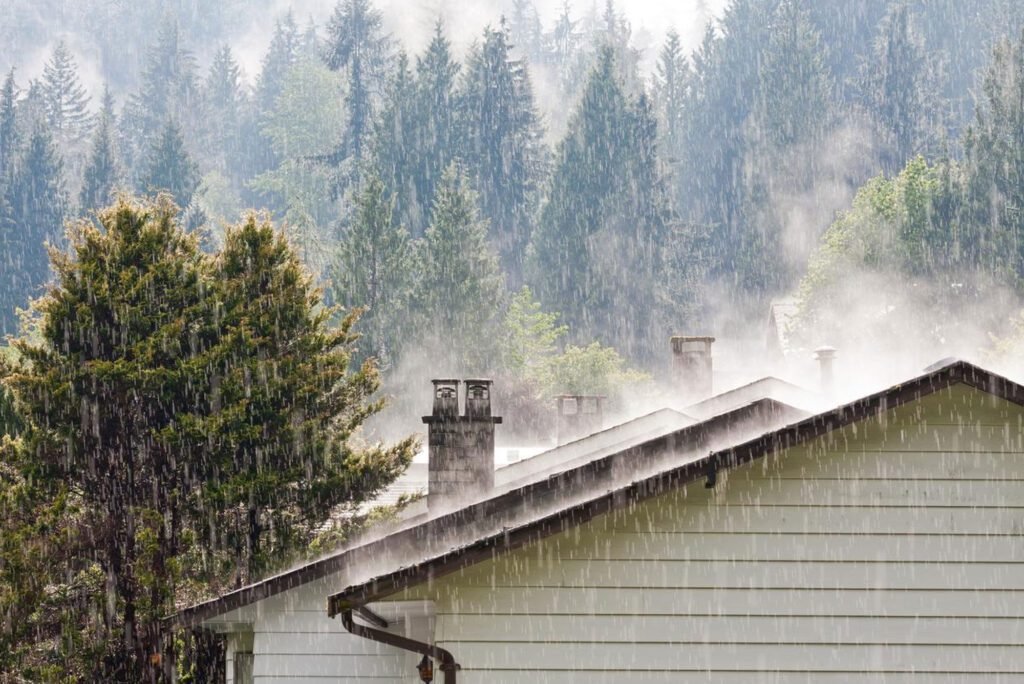
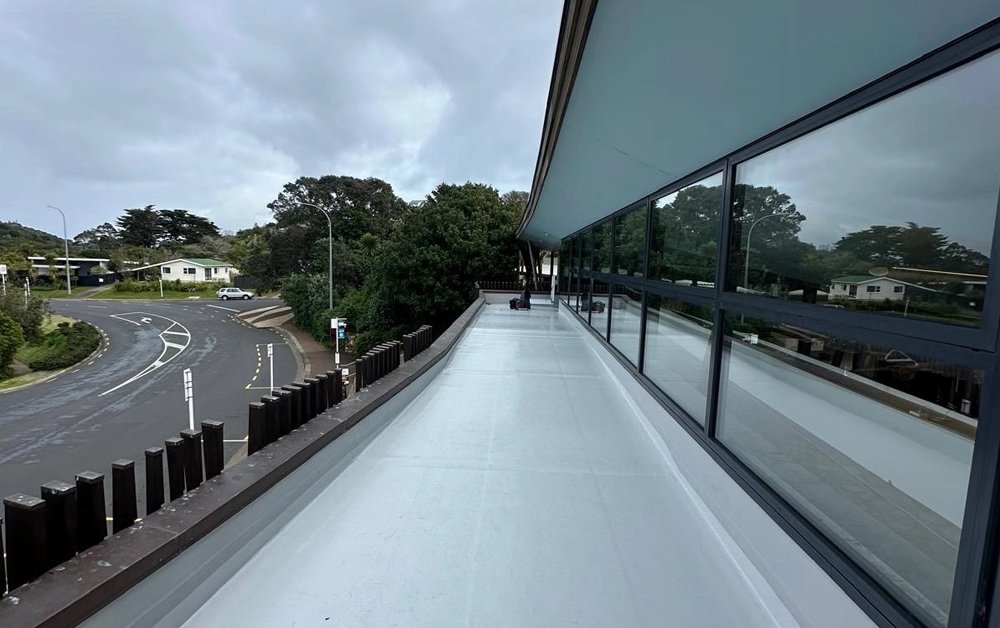
One of the most common applications is roof protection. Flat roofs, pitched roofs, concrete slab roofs, and metal roofs. Suitable for:
- Residential rooftops
- Commercial buildings
- Industrial plants
- Renovation projects
2.2 Balconies and Terraces
Balconies and exposed terraces experience direct rainfall, sunlight, and foot traffic. Polyurethane coating forms a protective layer that resists water infiltration while tolerating minor structural movement.
2.3 Basements and Foundations
The most direct pressure on underground structures comes from groundwater pressure. Polyurethane coatings have excellent adhesion and waterproof performance, suitable for:
- Foundation walls
- Basement slabs
- Underground garages
2.4 Bathrooms and Wet Areas
Indoor damp areas, such as:
- Bathrooms
- Kitchens
- Laundry rooms
2.5 Parking Decks and Industrial Floors
Two-component polyurethane waterproofing coatings offer strength and abrasion resistance, commonly used in:
- Parking garages
- Logistics centers
- Warehouses
2.6 Bridges and Railway Infrastructure
Specialized polyurethane waterproofing coatings for railway bridges can be used on:
- Railway bridges
- Highway bridge decks
- Elevated transportation systems
3. Why Is Polyurethane Ideal for Roof Waterproofing?
Roof systems face multiple stress factors:
- UV radiation
- Standing water
- Thermal expansion and contraction
- Structural micro-cracks
Polyurethane coatings address these challenges effectively.
3.1 Seamless Membrane
Unlike sheet membranes that rely on joints and overlaps, polyurethane forms a continuous layer. This reduces leakage risk at connection points.
3.2 High Elasticity
Roofs experience movement due to heat fluctuations. Polyurethane’s elongation allows it to stretch without cracking.
3.3 Strong Adhesion
Properly prepared concrete or metal surfaces allow polyurethane coatings to bond tightly, minimizing peeling.
3.4 Crack Bridging
Hairline cracks often appear in concrete slabs. Polyurethane membranes can bridge these cracks and maintain waterproofing.
4. Types of Polyurethane Waterproof Coatings
Polyurethane waterproof coatings are not a single product category. Different formulations are designed for different needs.
At YURU Waterproof, polyurethane coatings include:
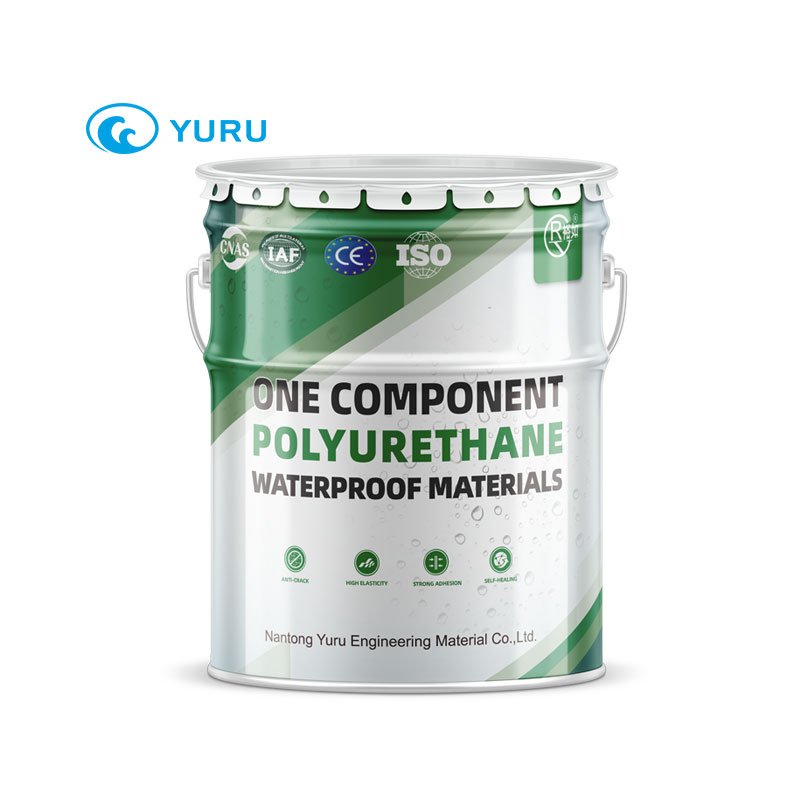
- Single-component oil-based polyurethane waterproof coating
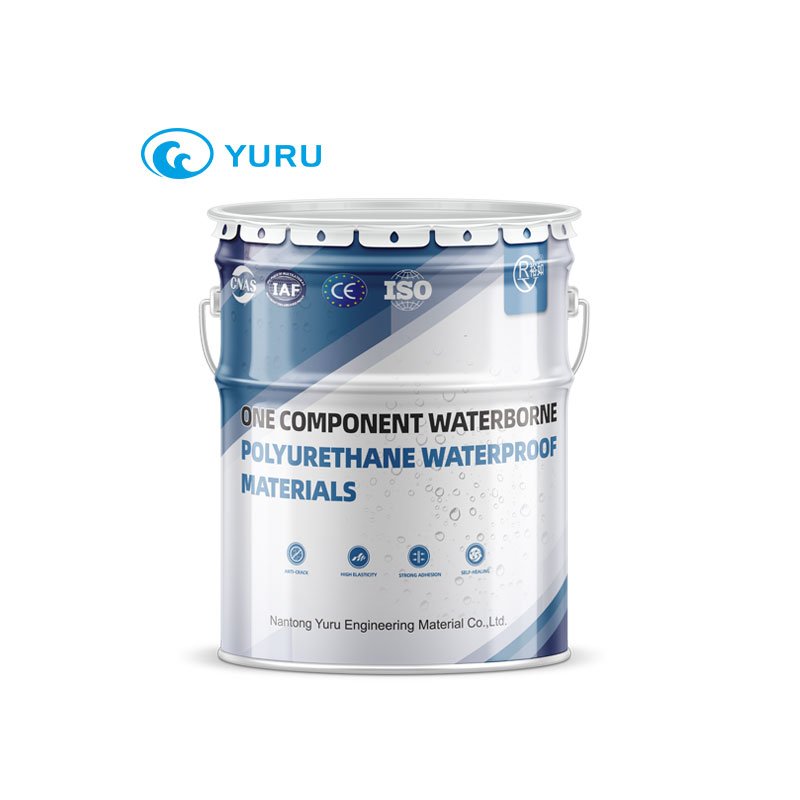
- Water-based polyurethane waterproof coating
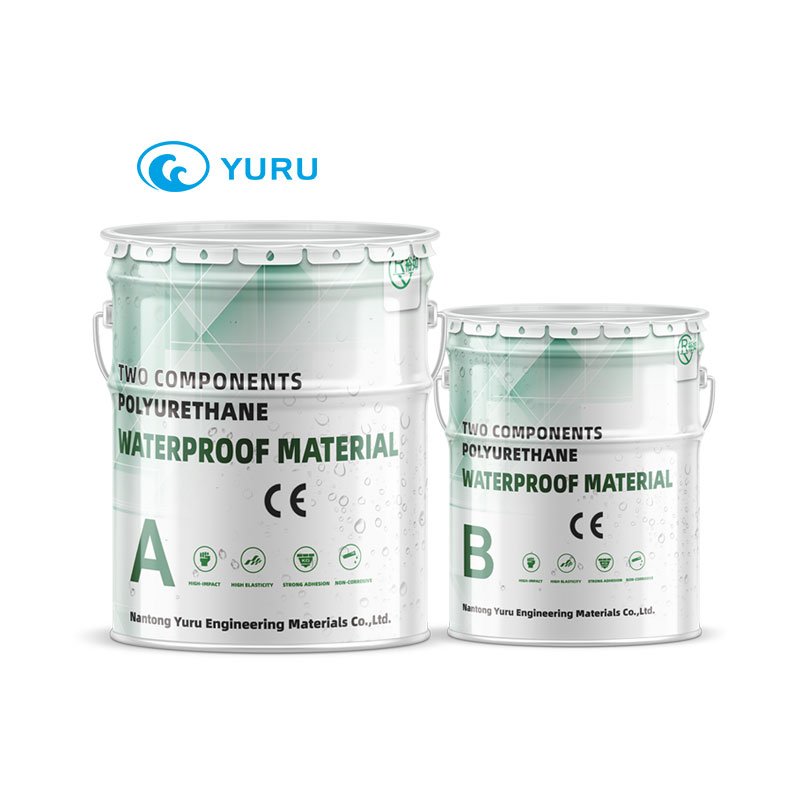
- Two-component polyurethane waterproof coating
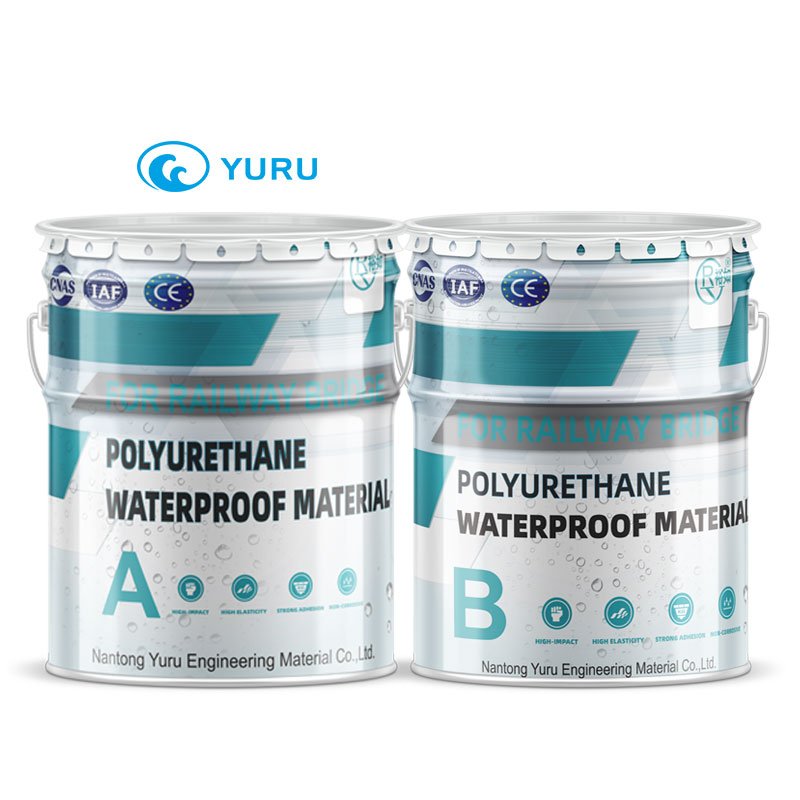
- Railway bridge special polyurethane waterproof coating
Let’s examine each.
4.1 Single-Component Oil-Based Polyurethane
These systems cure upon contact with moisture in the air.
Advantages:
- Easy application
- No mixing required
- Strong elasticity
- Excellent adhesion
Best for:
- Roof waterproofing
- Balcony systems
- Medium-scale projects
4.2 Water-Based Polyurethane
Water-based systems are increasingly popular due to environmental considerations.
Advantages:
- Low VOC
- Safer indoor use
- Easy cleaning
- Eco-friendly formulation
Best for:
- Residential projects
- Interior waterproofing
- Green building initiatives
4.3 Two-Component Polyurethane
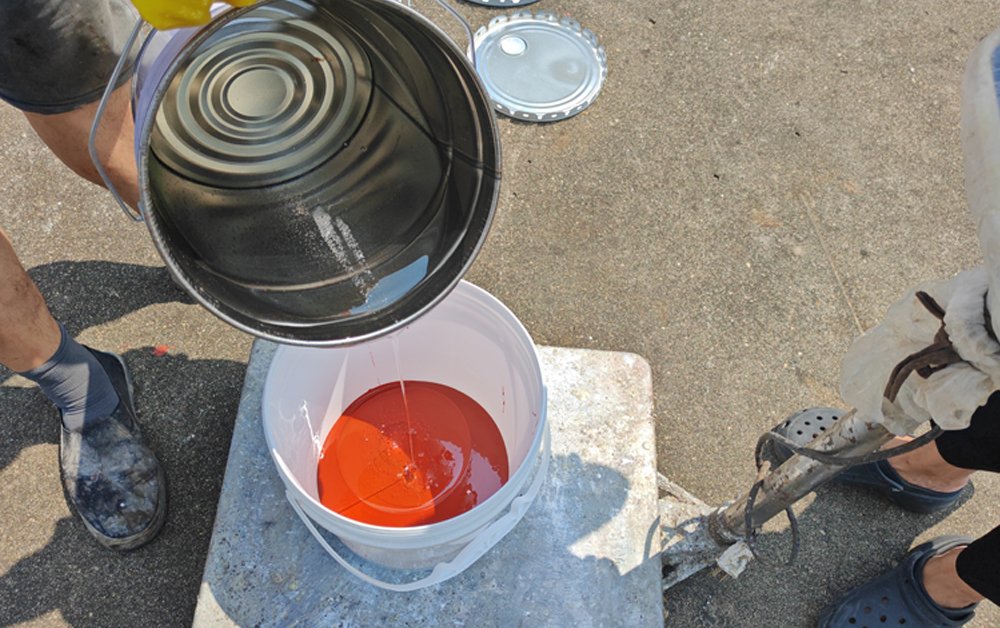
Two-component systems involve mixing resin and curing agent.
Advantages:
- Controlled curing time
- Higher mechanical strength
- Better chemical resistance
Best for:
- Industrial flooring
- Heavy-duty roofing
- Parking decks
4.4 Railway Bridge Polyurethane
These specialized coatings are designed for infrastructure exposed to:
- High vibration
- Heavy loads
- Extreme weather
They deliver long-term durability under demanding conditions.
5. Advantages of Polyurethane Waterproof Coating
Polyurethane coatings offer a combination of properties that few other systems match.
5.1 High Elongation
With elongation often reaching 250–400%, polyurethane membranes adapt to structural movement.
5.2 Excellent Adhesion
They bond strongly to:
- Concrete
- Cement mortar
- Metal
- Wood
5.3 Seamless Application
No seams mean fewer weak points.
5.4 Weather Resistance
Polyurethane coatings resist UV degradation and temperature cycling.
5.5 Long Service Life
When properly applied, service life can exceed 10–30 years depending on conditions.
6. How Long Does Polyurethane Waterproof Coating Last?
Service life depends on several factors:
- Substrate preparation
- Coating thickness
- Environmental exposure
- Maintenance
In moderate climates with proper installation, polyurethane coatings often provide reliable protection for over a decade.
Infrastructure-grade systems may last even longer under controlled conditions.
7. How to Choose a Reliable Polyurethane Waterproof Coating Manufacturer?
For wholesalers, contractors, and project developers, selecting the right supplier is critical.
Consider the following:
7.1 Production Capacity
Can the manufacturer meet large project demands consistently?
7.2 Quality Certifications
Look for ISO, CE, and other recognized standards.
7.3 Technical Support
Does the supplier provide:
- Application guidance
- Product data sheets
- On-site support if required?
7.4 Product Range
A manufacturer offering multiple systems allows flexible solutions.
7.5 OEM/ODM Capabilities
For distributors, private labeling options may be important.
8. Why Choose YURU Waterproof?
YURU Waterproof is a professional manufacturer specializing in:
- Polyurethane waterproof coatings
- Injection grouting materials
- Flooring coatings
What Sets YURU Apart:
- Comprehensive polyurethane product line.
- Stable quality control systems.
- ISO, CE, and RoHS certifications.
- Experience in large-scale engineering projects.
- OEM and customized production support.
- Export experience across multiple markets.
YURU serves:
- Waterproofing material wholesalers
- Engineering contractors
- Municipal infrastructure developers
- Industrial project suppliers
The goal is long-term cooperation.
FAQs
1. Is polyurethane waterproof coating suitable for flat roofs?
Yes. Its elasticity and seamless application make it ideal for flat roof systems exposed to ponding water and thermal movement.
2. Can polyurethane coating be applied over old roofs?
In many cases, yes! Provided the substrate is properly cleaned and prepared. Adhesion testing is recommended.
3. How thick should polyurethane waterproof coating be applied?
Typical dry film thickness ranges from 1.5 mm to 2.5 mm depending on project requirements.
4. Is polyurethane waterproof coating UV resistant?
Most formulations offer good UV resistance.
5. What is the difference between single-component and two-component polyurethane?
Single-component systems cure with moisture and are easier to apply, while two-component systems offer higher mechanical strength and controlled curing.
Conclusion
Polyurethane waterproofing coatings are widely used in residential, commercial, and infrastructure applications.
However, choosing the right formulation and manufacturer determines the final performance.
If your project requires a reliable waterproofing solution and professional technical support, YURU Waterproof offers tailored engineering solutions. Contact YURU today for product specifications, samples, or technical consultation.
YURU Product solutions