What Is the Best Material for Injection Grouting Concrete Cracks?
Introduction:
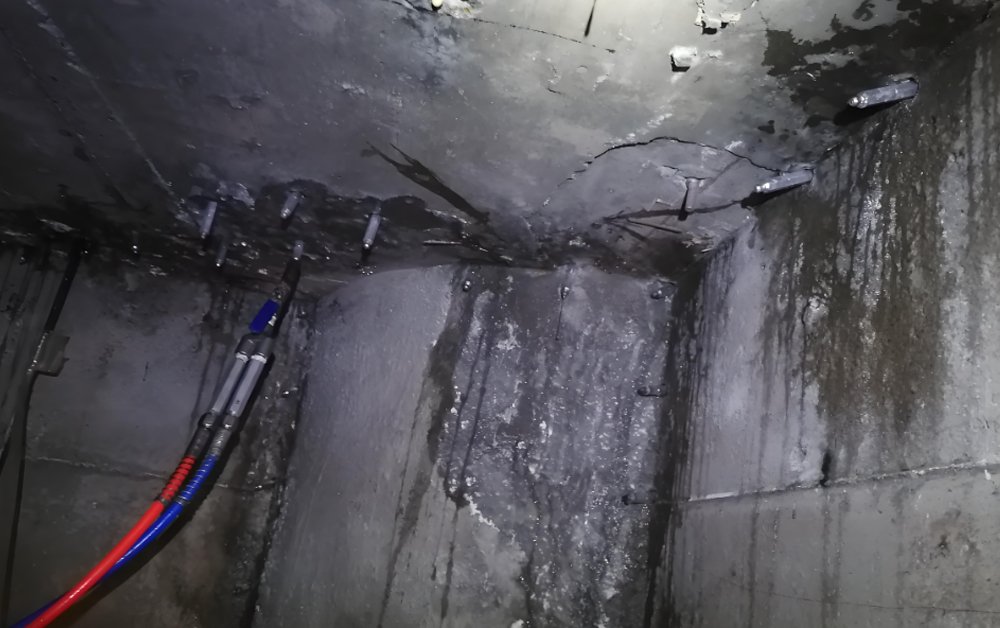
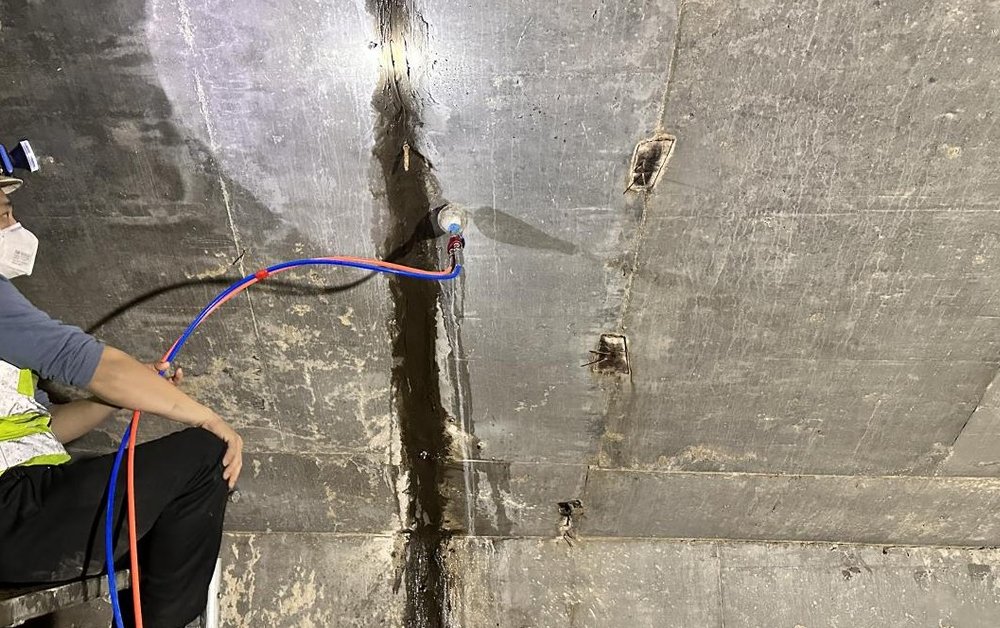
From basement wall leaks to tunnel, dam, and subway leaks, concrete crack grouting is one of the most important repair and waterproofing techniques in modern waterproofing projects. With many different types of materials available for injection grouting concrete cracks, what is the best material?
In fact, the effectiveness of crack grouting depends not only on the material itself but also on the condition of the crack, water pressure, and other real-world environmental conditions. Choosing the wrong material may temporarily stop the leak, but the result will inevitably be rework or failure, and even more effort and money to repair.
This guide based on professional engineering grouting material analysis, helps project teams find the most suitable solution for different concrete crack conditions.
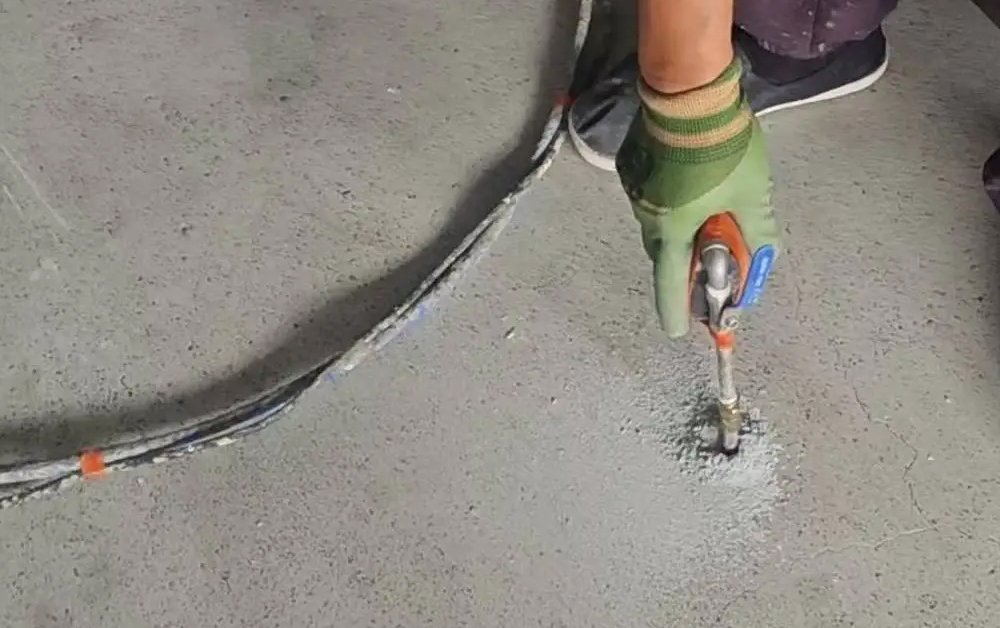
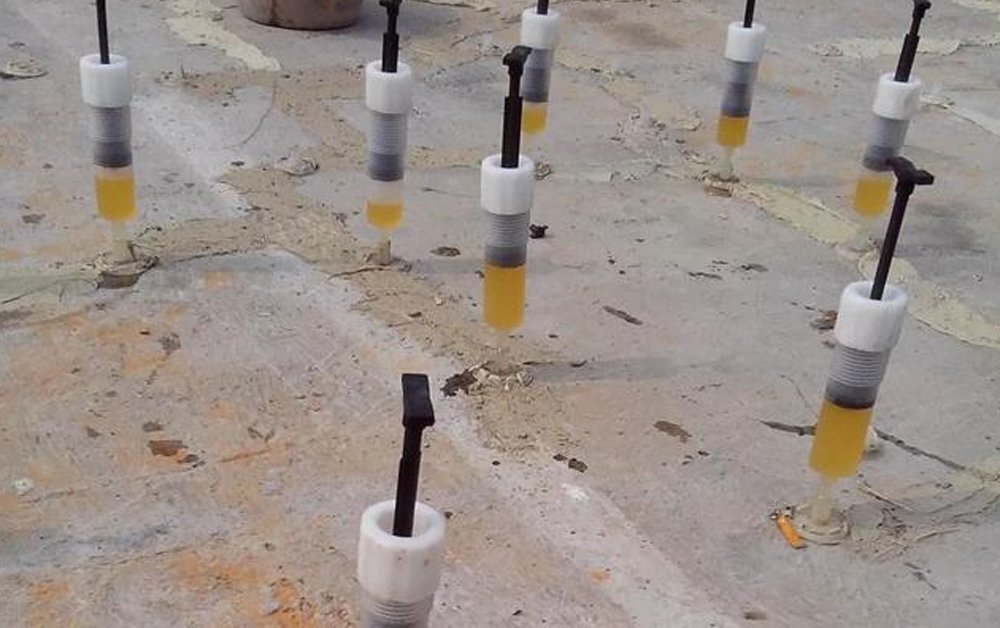
1. What is the true purpose of concrete crack grouting?
Before discussing materials, it’s essential to clarify the purpose of crack grouting. In practice, grouting projects can generally be divided into three distinct objectives:
1.1 Water Stopping (Sealing Leaks)
The most common objective is to prevent leakage. This includes:
- Pressed water infiltration
- Crack leakage
- Groundwater infiltration into underground structures
In this case, rapid response and expansion performance are usually the primary considerations.
1.2 Restoring Structural Integrity
Some cracks affect structural performance rather than causing leakage. In this case, grouting aims to:
- Restore integrity
- Improve load transfer
- Prevent crack propagation
In this situation, bond strength and mechanical properties are more important than expansion performance.
1.3 Long-Term Durability and Crack Adaptability
Some structures experience continuous displacement due to:
- Thermal expansion and contraction
- Settlement
- Traffic vibration
- Changes in hydrostatic pressure
The grouting material must maintain flexibility and stability over the long term to accommodate minor displacements without creating secondary cracks.
2. Overview of Common Injection Grouting Materials
Several types of materials are widely used for concrete crack injection. Each has unique chemical behavior, performance characteristics, and limitations.
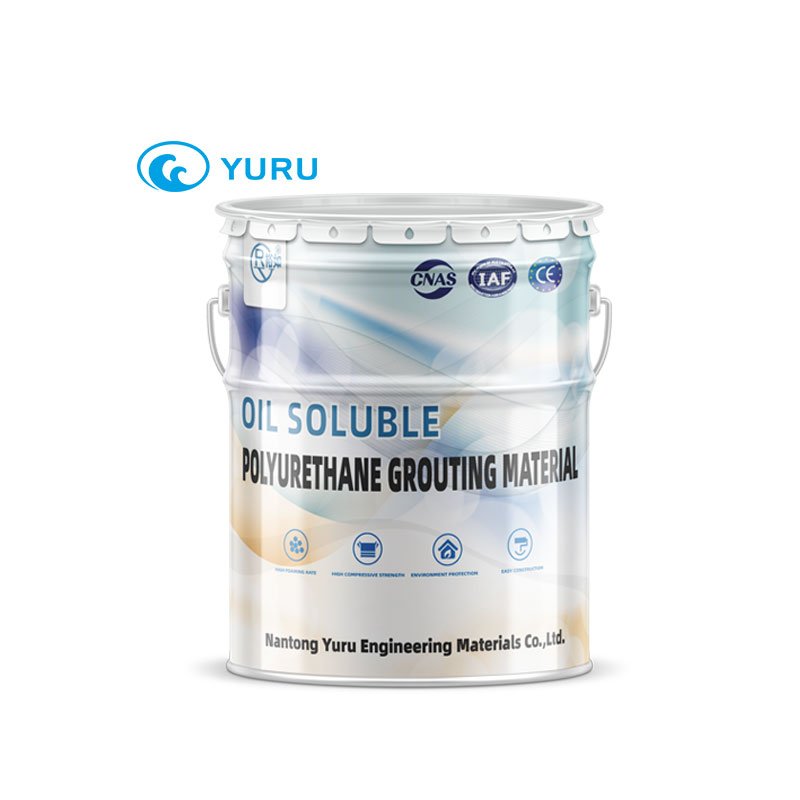
2.1 Hydrophobic Polyurethane (PU) Grout
Reaction mechanism:
Hydrophobic PU reacts with water, generating carbon dioxide gas. This causes rapid expansion, allowing the material to chase and block flowing water paths.
Typical characteristics:
- Very fast reaction (seconds to minutes)
- High expansion ratio
- Forms closed-cell, water-repellent foam
- High stopping power for active leaks
Limitations:
- Lower elasticity after curing
- Limited structural bonding
- Not ideal for long-term crack movement
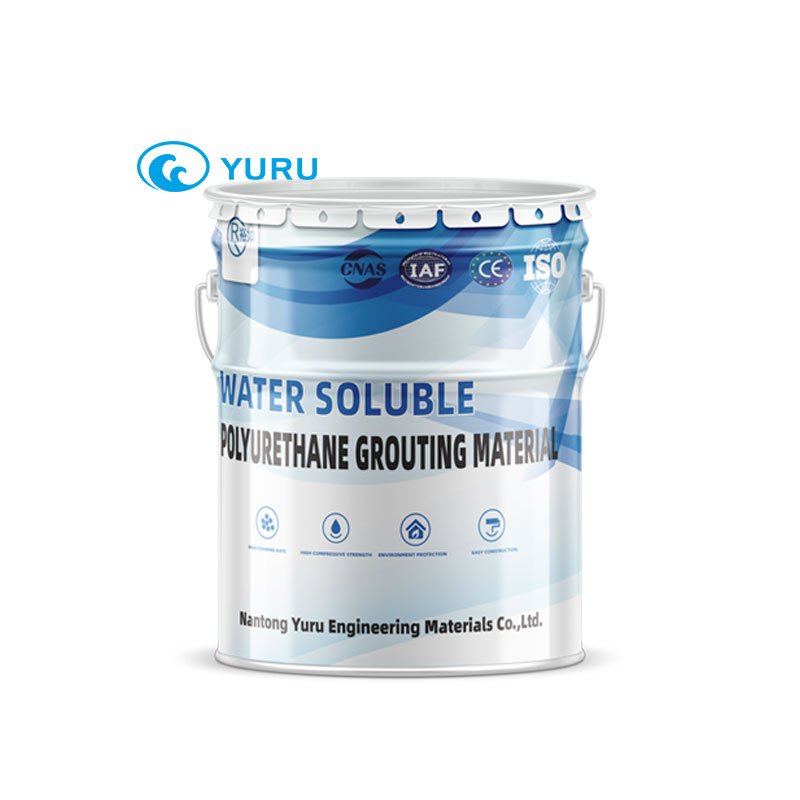
2.2 Hydrophilic Polyurethane Grout
Reaction mechanism:
Hydrophilic PU uses water as a curing medium, forming a flexible gel rather than foam.
Typical characteristics:
- Adjustable gel time
- Low to moderate expansion
- Excellent crack penetration
- Remains elastic and moisture tolerant
Limitations:
- Lower immediate water-stopping force than hydrophobic PU.
- Requires controlled injection process.
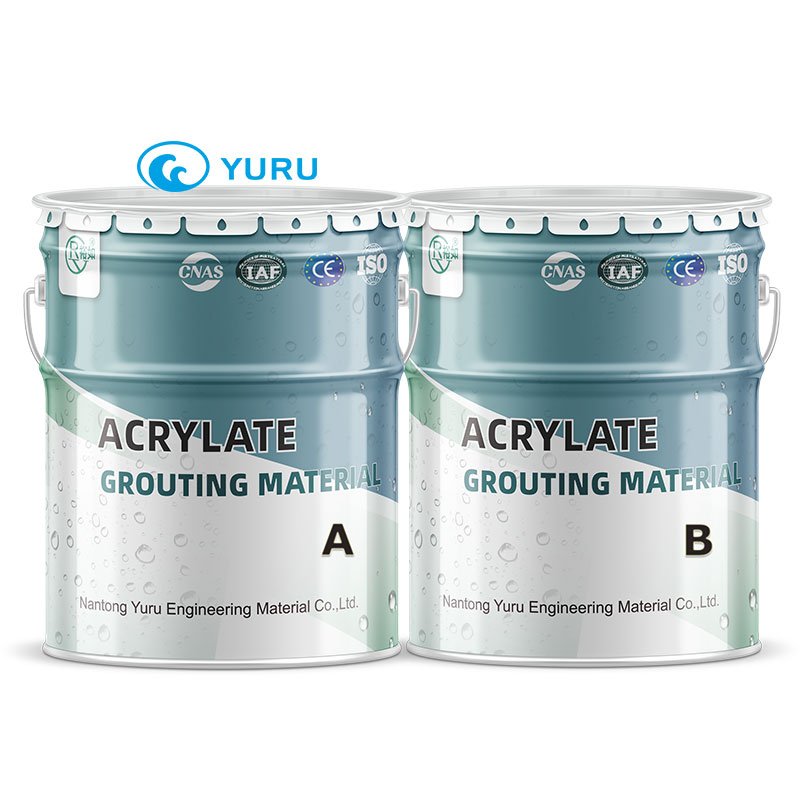
2.3 Acrylate Grouting Material
Reaction mechanism:
Acrylate grout forms a low-viscosity gel through polymerization, similar in viscosity to water.
Typical characteristics:
- Extremely low viscosity
- Excellent penetration into micro-cracks and soil pores
- Adjustable gel time (seconds to minutes)
- High elasticity after curing
Limitations:
- Lower mechanical strength.
- Requires precise dosing and mixing.
- Higher material and equipment demands.
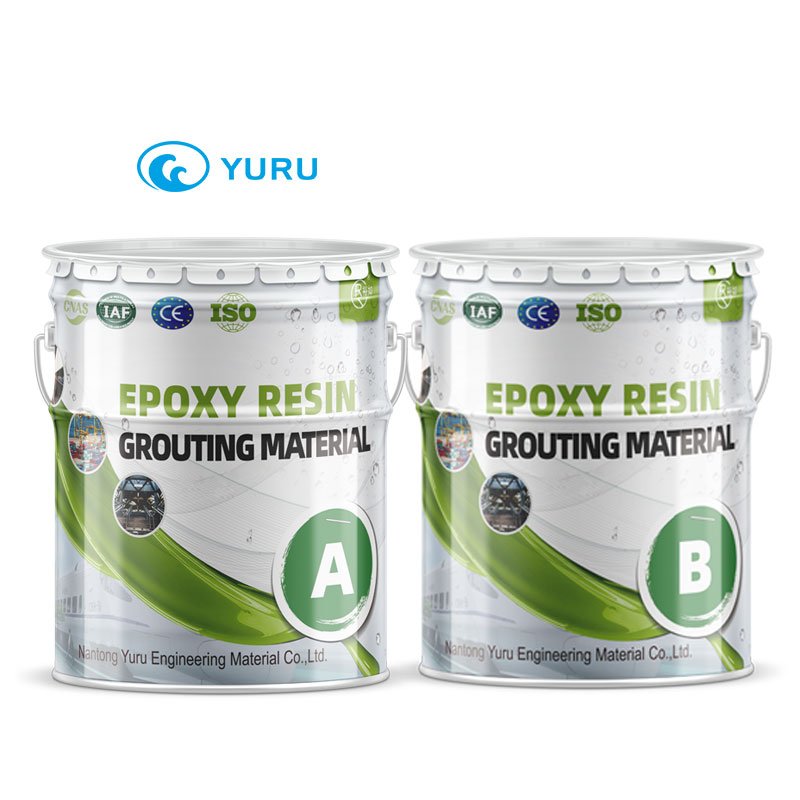
2.4 Epoxy Injection Resin
Reaction mechanism:
Epoxy cures through chemical crosslinking to form a rigid, high-strength solid.
Typical characteristics:
- Very high bond strength
- Structural load transfer capability
- No expansion
- Excellent for dry cracks
Limitations:
- Not suitable for active water leakage
- Brittle under movement
- Limited crack tolerance


3. Best Injection Material for Different Crack Conditions
Choosing the right grouting material depends heavily on crack characteristics and site conditions.
3.1 Active Water Leakage with High Pressure
Recommended material: Hydrophobic PU grout
Reasoning:
- Rapid reaction blocks flowing water.
- Expansion allows sealing of irregular water paths.
- Effective even under pressure.
Typical applications:
- Tunnel leakage points
- Basement wall water ingress
- Construction joint seepage
3.2 Continuous Seepage and Damp Cracks
Recommended material: Hydrophilic PU grout or acrylate grout
Reasoning:
- Better penetration into fine cracks.
- Remains flexible in wet environments.
- Can absorb minor moisture fluctuations.
3.3 Micro-Cracks and Crack Networks
Recommended material: Acrylate grouting material
Reasoning:
- Water-like viscosity enables deep penetration.
- Forms elastic gel sealing entire crack network.
- Ideal for curtain grouting and water cut-off zones.
3.4 Dry Structural Cracks
Recommended material: Epoxy injection resin
Reasoning:
- High bonding restores structural integrity.
- No expansion avoids further crack widening.
- Best for load-bearing repairs.
4. Water Stoppage vs Long-Term Performance
4.1 Short-Term Success, Long-Term Failure
High-expansion materials may:
- Stop water immediately
- Create rigid foam bodies
- Lose adhesion under movement
- Lead to secondary leakage paths
4.2 Importance of Elastic Recovery
Materials with:
- High elongation
- Moisture tolerance
- Stable chemical structure
are far more suitable for infrastructure exposed to long-term stress and movement.
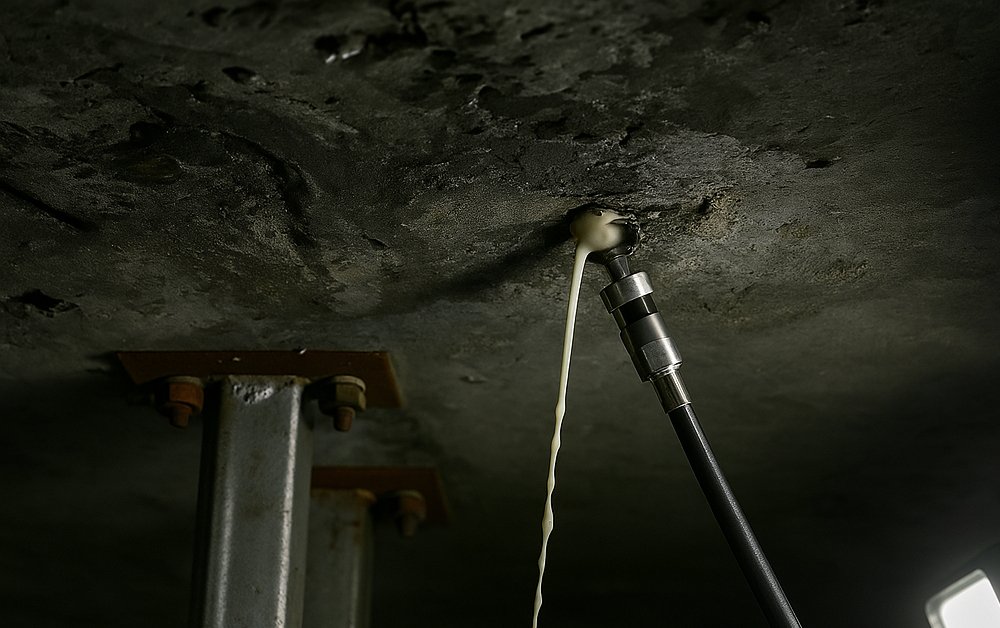
In many professional projects, a combination approach is used:
- First stage: hydrophobic PU to stop active leakage.
- Second stage: hydrophilic PU or acrylate grout for long-term sealing.
5. Constructability and Risk Control on Site
Even the best material can fail if it is difficult to control during application.
5.1 Reaction Time Control
Materials should offer:
- Adjustable gel or reaction time
- Compatibility with site temperature
- Predictable behavior under pressure
5.2 Equipment Compatibility
Different materials require:
- High-pressure pumps
- Precise metering systems
- Skilled operators
Material selection must align with contractor capability.
6. Structural Movement vs. Crack Behavior
6.1 Static Cracks
Static cracks typically result from:
- Early-age shrinkage
- Initial settlement
- Construction defects
Best material:
Epoxy injection or low-expansion PU (if moisture is present).
6.2 Dynamic Cracks
Dynamic cracks are caused by:
- Thermal expansion and contraction
- Live loads
- Ground movement
Best material:
Hydrophilic PU or acrylate grout, due to their ability to accommodate repeated deformation.
6.3 Crack Width Considerations
| Crack Width | Recommended Material |
|---|---|
| < 0.1 mm | Acrylate grout |
| 0.1–0.5 mm | Hydrophilic PU |
| > 0.5 mm with water | Hydrophobic PU |
| Dry structural cracks | Epoxy |

7. System-Based Injection Strategies
Selecting the best Polyurea coating for your project depends on several factors. Here are a few key considerations to help you make an informed decision:
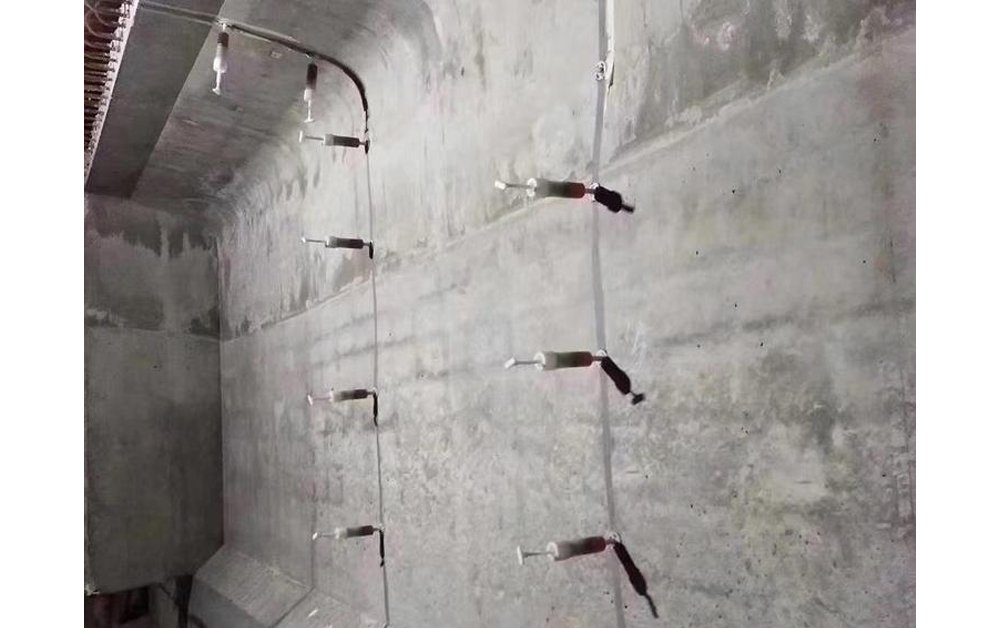
7.1 Two-Stage Injection Method
Stage 1: Emergency Water Cut-Off
- Material: Hydrophobic PU
- Purpose: Immediately stop flowing water.
Stage 2: Long-Term Sealing
- Material: Hydrophilic PU or acrylate grout
- Purpose: Fill micro-cracks and create elastic sealing zone.
7.2 Curtain Grouting Applications
For tunnels, dams, and deep basements, acrylate grouting is often used to create a continuous impermeable curtain behind the structure.
Advantages:
- Ultra-low viscosity penetration
- Uniform gel formation
- Minimal structural stress
8. How to Evaluate a Reliable Injection Grouting Material Supplier?
8.1 Key Technical Data You Should Demand
A professional supplier should provide:
- Viscosity (mPa·s)
- Reaction or gel time range
- Expansion ratio
- Elongation at break
- Water absorption behavior
- Chemical resistance data
Suppliers unable to provide clear, test-backed data should be avoided.
8.2 Formulation Flexibility
Crack conditions vary significantly from project to project. Reliable manufacturers can:
- Adjust reaction time for temperature
- Modify expansion behavior
- Customize viscosity for fine cracks
- Provide combined material systems
This capability is especially critical for large-scale infrastructure projects.
9. YURU Waterproof: A System-Based Approach to Injection Grouting
At YURU Waterproof, we provide complete grouting systems tailored to real engineering conditions.
9.1 Comprehensive Product Portfolio
YURU manufactures and supplies:
- Hydrophobic PU grouting materials (fast water-stopping)
- Hydrophilic PU grouting materials (elastic sealing)
- Acrylate grouting systems (micro-crack and curtain grouting)
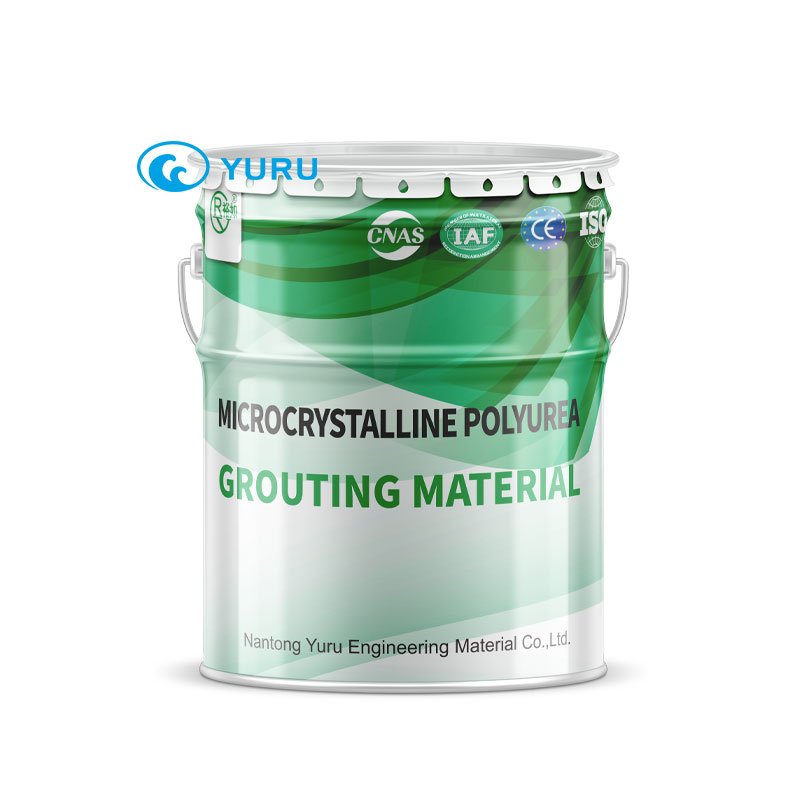
- Polyurea injection grouting
- Auxiliary catalysts and accelerators
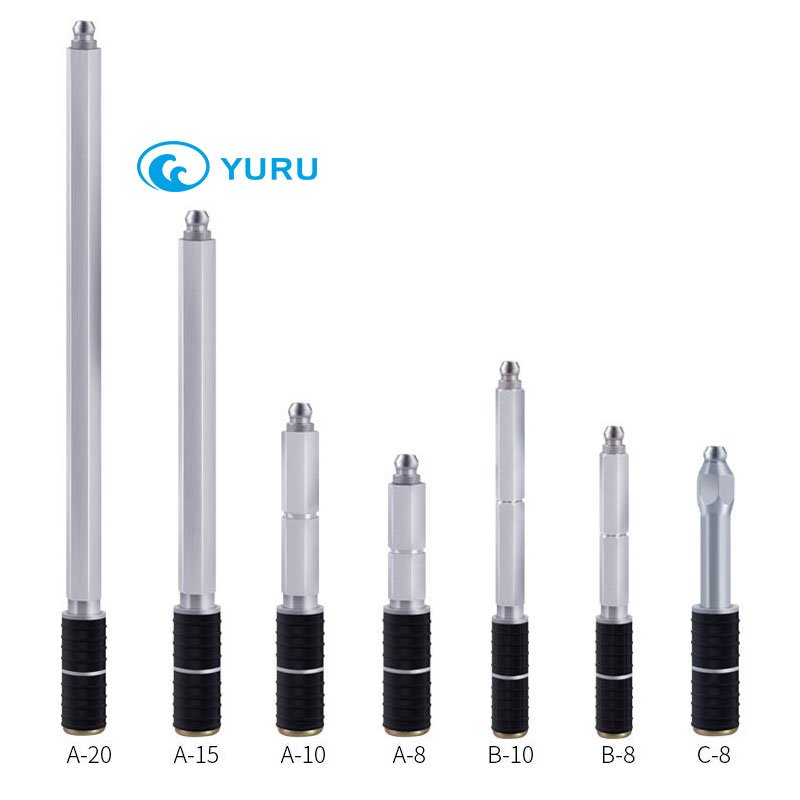
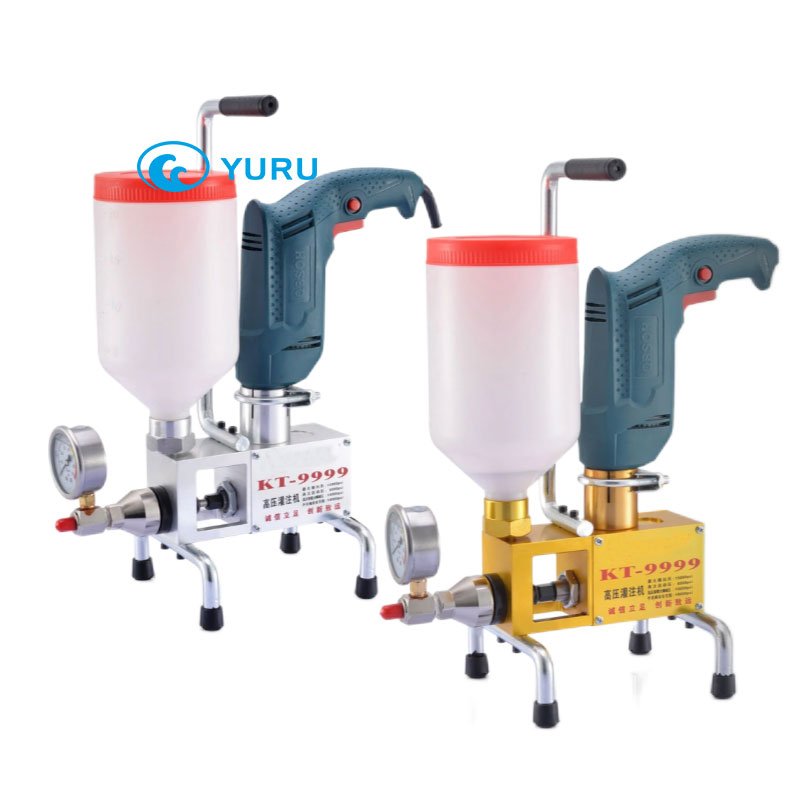
- Compatible injection equipment recommendations
9.2 Project-Based Technical Support
Our technical team supports clients with:
- Crack condition analysis
- Material selection guidance
- Injection sequence design
- On-site troubleshooting support
This approach ensures that material performance aligns with project reality, not just laboratory conditions.
FAQs:
1. Can hydrophobic PU grout be used alone for long-term sealing?
Hydrophobic PU is excellent for immediate water stoppage but is not ideal alone for long-term dynamic cracks. A secondary elastic grout is often recommended.
2. Is acrylate grout safe for underground structures?
Yes. High-quality acrylate grouts are designed to be environmentally compatible and suitable for underground and water-related applications.
3. Can epoxy injection stop active water leakage?
No. Epoxy requires dry conditions to cure properly and is not suitable for active leaks.
4. How long does injection grouting last?
When properly selected and applied, high-quality grouting systems can last 20 years or more.
5. Does YURU provide technical support for overseas projects?
Yes. YURU supports global projects with remote technical consultation and customized material solutions.
Conclusion: So, What Is the Best Material for Injection Grouting Concrete Cracks?
There is no universally “best” injection grouting material.
The best material depends on:
- Crack size and activity
- Presence and pressure of water
- Structural movement
- Durability requirements
- Construction conditions
Not sure which grouting material fits your concrete crack condition?
- Professional material selection advice.
- Customized grouting system recommendations.
- Free technical consultation and sample support.
YURU Product solutions