What Is the Best Paint to Waterproof?
Introduction:
Waterproofing has become a critical priority in modern construction. As buildings are exposed to more extreme weather conditions, moisture-related damage is no longer a rare issue—it is a common and costly challenge.
This is where the question arises: what is the best paint to waterproof?
The answer, however, is not as straightforward as selecting a single product. The “best” waterproof paint depends on multiple factors, including the application area, environmental conditions, and performance expectations.
In this comprehensive guide, we will break down everything you need to know, from types of waterproof coatings to selection strategies, so you can make informed decisions for your next project.
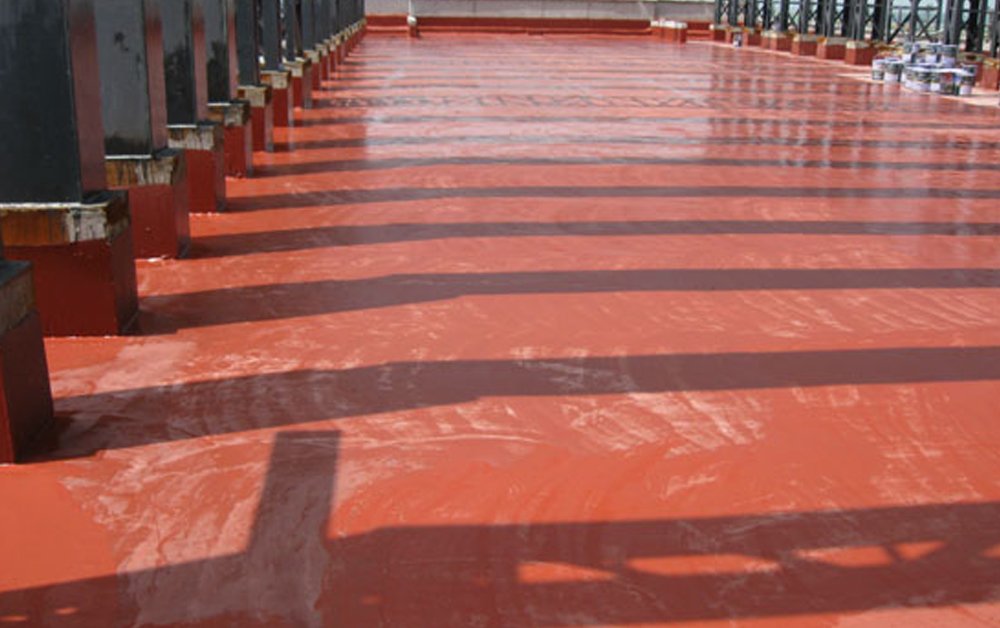
What Is Waterproof Paint?
Waterproof paint is a specially formulated coating designed to prevent water penetration. Unlike standard decorative paints, it creates a protective barrier that blocks moisture from entering the substrate.
Key Functions of Waterproof Paint:
- Prevents water seepage
- Protects structural integrity
- Reduces surface deterioration
- Improves durability
How Waterproof Paint Works:
Once applied, waterproof paint forms a continuous membrane over the surface. This membrane acts as a shield against water while often allowing vapor to escape, preventing trapped moisture.
This dual function, water resistance and breathability, is important for maintaining long-term performance.
Key Criteria for Choosing the Best Waterproof Paint
Before selecting a product, it’s important to understand what defines a “high-quality” waterproof coating.
1. Water Resistance Performance
The primary purpose is to stop water penetration. Look for coatings with proven waterproofing capabilities and high impermeability ratings.
2. Adhesion Strength
Strong adhesion ensures the coating stays bonded to the substrate, even under harsh conditions.
3. Flexibility and Crack Resistance
Buildings expand and contract due to temperature changes. A flexible coating can bridge cracks and prevent leakage.
4. Weather Resistance
Outdoor applications require coatings that can withstand:
- UV exposure
- Rain and humidity
- Temperature fluctuations
5. Environmental Safety
Low-VOC and eco-friendly formulations are increasingly important, especially for indoor use.
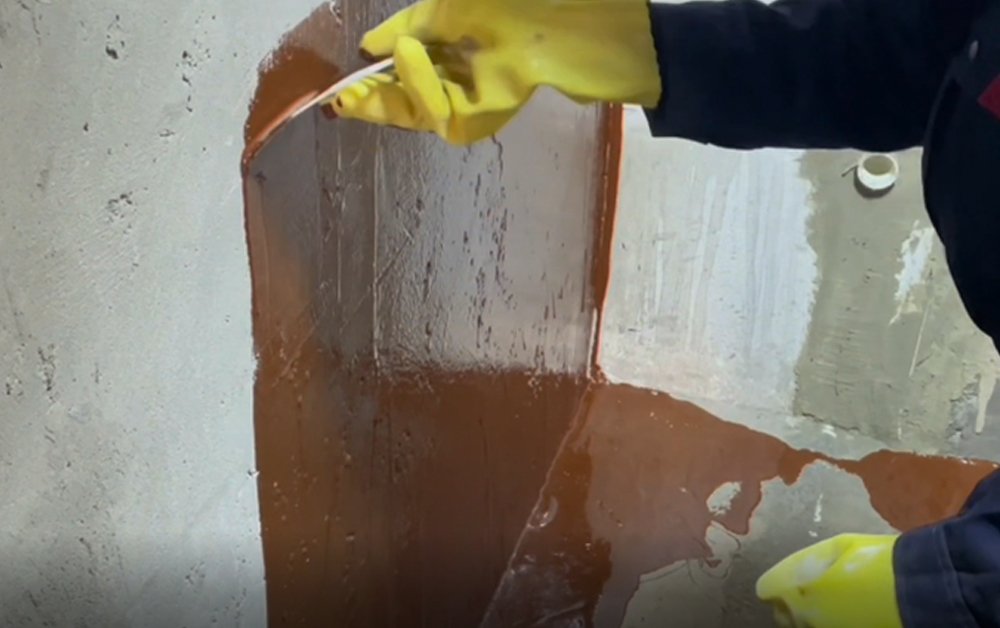
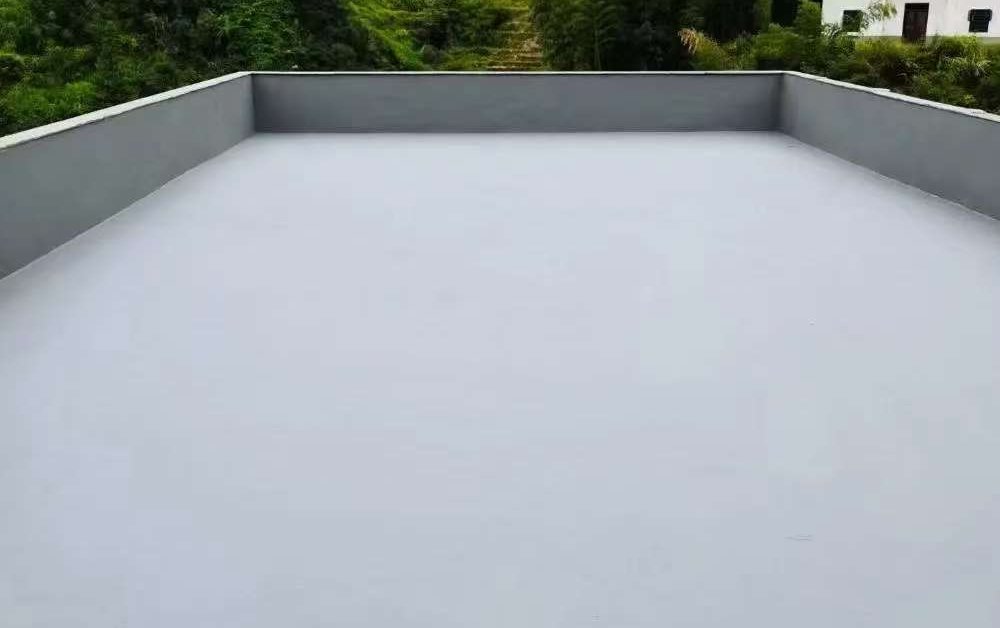
Common Types of Waterproof Paint and Their Pros & Cons
Different waterproof coatings are designed for specific applications. Understanding their strengths and limitations is key.
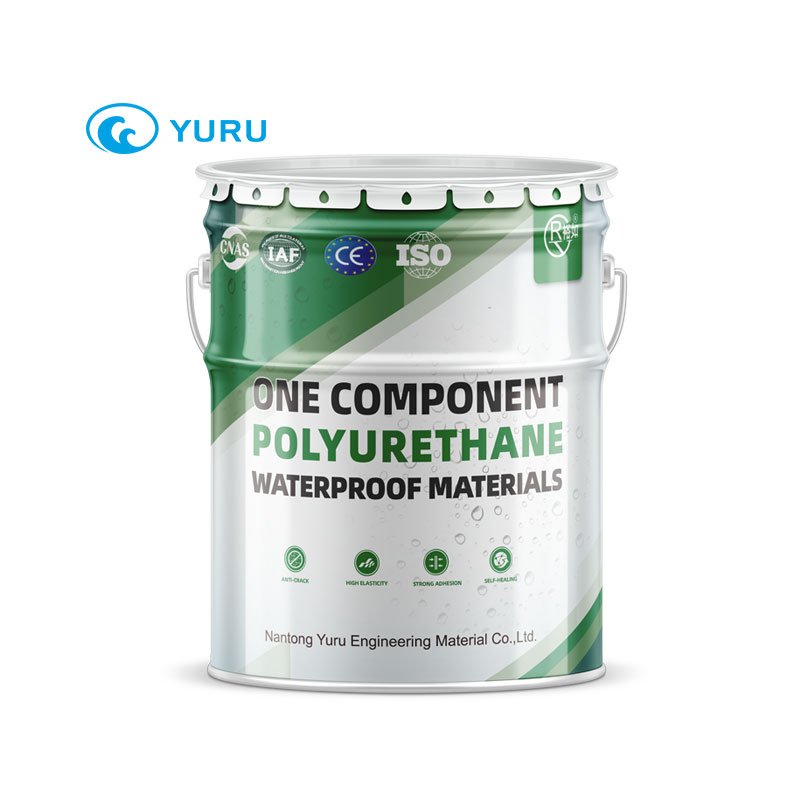
Polyurethane Waterproof Paint
Advantages:
- Excellent elasticity
- Strong adhesion
- Good crack-bridging ability
Limitations:
- Sensitive to moisture during application
- Requires skilled handling
Best Applications:
- Roofs
- Balconies
- Exposed surfaces & non-exposed
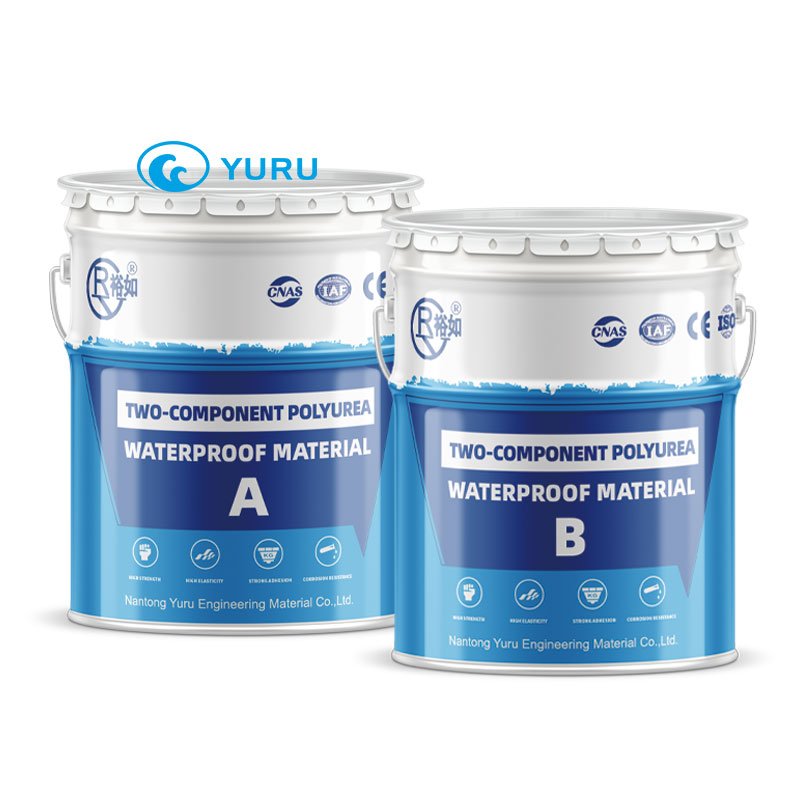
Polyurea Waterproof Coatings
Advantages:
- Fast curing
- High mechanical strength
- Superior durability
Limitations:
- Some type require specialized equipment
- Higher initial cost
Best Applications:
- Industrial flooring
- Large-scale infrastructure
- High-performance waterproofing systems
Acrylic Waterproof Paint
Advantages:
- Easy to apply
- Cost-effective
- Environmentally friendly
Limitations:
- Lower durability compared to advanced systems
Best Applications:
- Interior walls
- Light-duty waterproofing
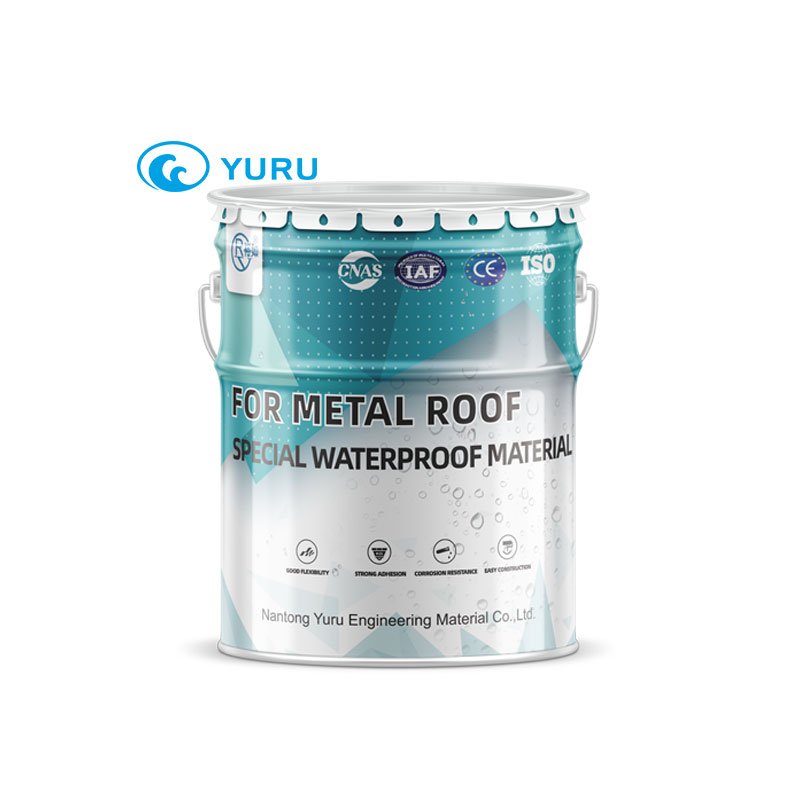
- metal roofs
Silicone-Based Waterproof Paint
Advantages:
- Excellent water repellency
- High breathability
- Strong weather resistance
Limitations:
- Higher material cost
Best Applications:
- Exterior walls
- Facades exposed to heavy rain
How to Choose Waterproof Paint for Different Applications?
Not all waterproof paints perform equally across all environments. Choosing the right one depends on the application.
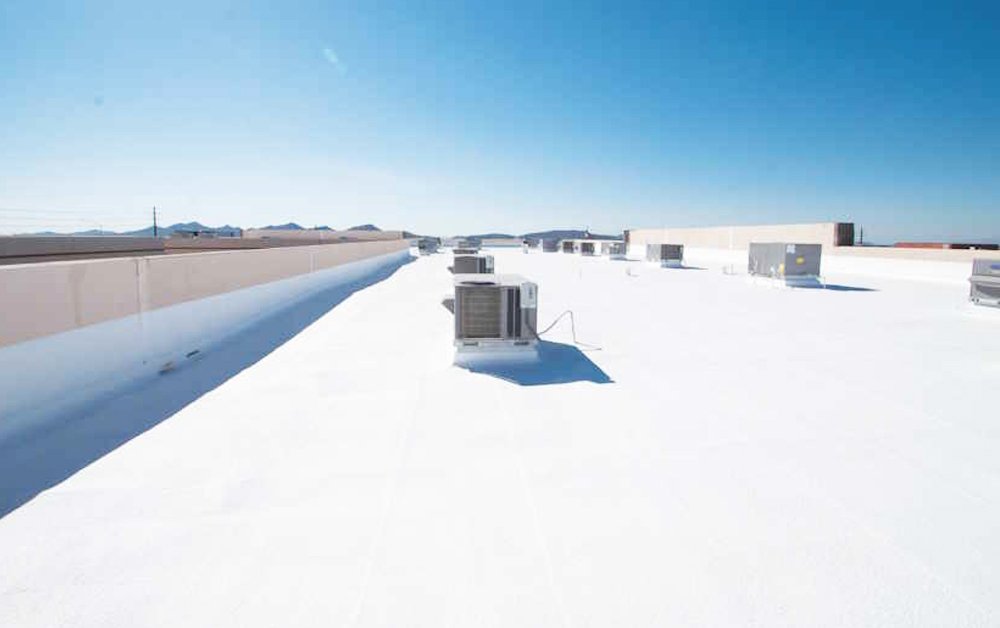
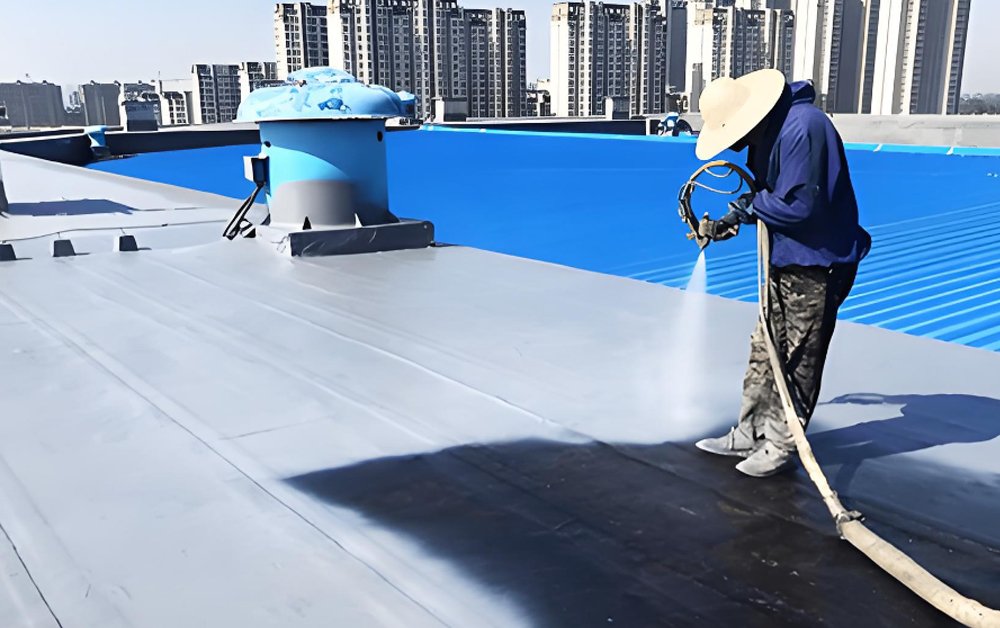
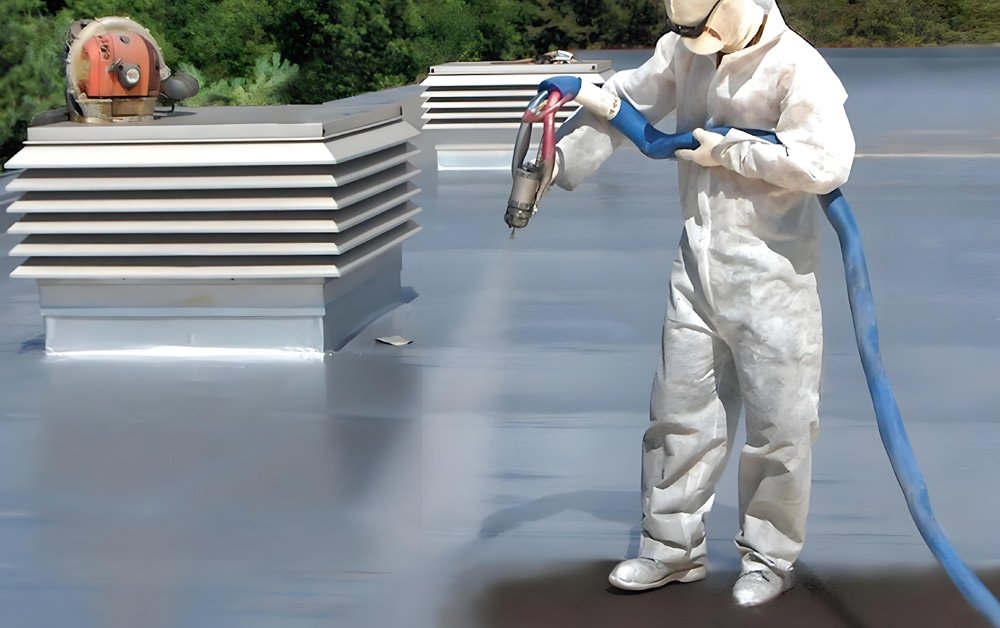
Roof Waterproofing Solutions
Roofs are constantly exposed to harsh weather conditions.
Key Requirements:
- UV resistance
- Flexibility
- Long-term durability
Recommended Options:
- Polyurethane coatings (water-based)
- Polyurea coatings
Exterior Wall Waterproofing
External walls need protection against rain while allowing internal moisture to escape.
Key Requirements:
- Breathability
- Weather resistance
Recommended Options:
- Silicone-based coatings
- Acrylic waterproof coatings
Basement Waterproofing
Basements are highly vulnerable to groundwater pressure.
Key Requirements:
- High impermeability
- Pressure resistance
Recommended Options:
- Polyurea coatings
- Polyurethane coatings
- Cement-based waterproof systems
Bathroom and Kitchen Applications
Indoor wet areas require safe and mold-resistant coatings.
Requirements:
- Anti-mold properties
- Low VOC
Recommended Options:
- Acrylic waterproof coatings
- JS polymer waterproof coatings
- Flexible polyurethane systems
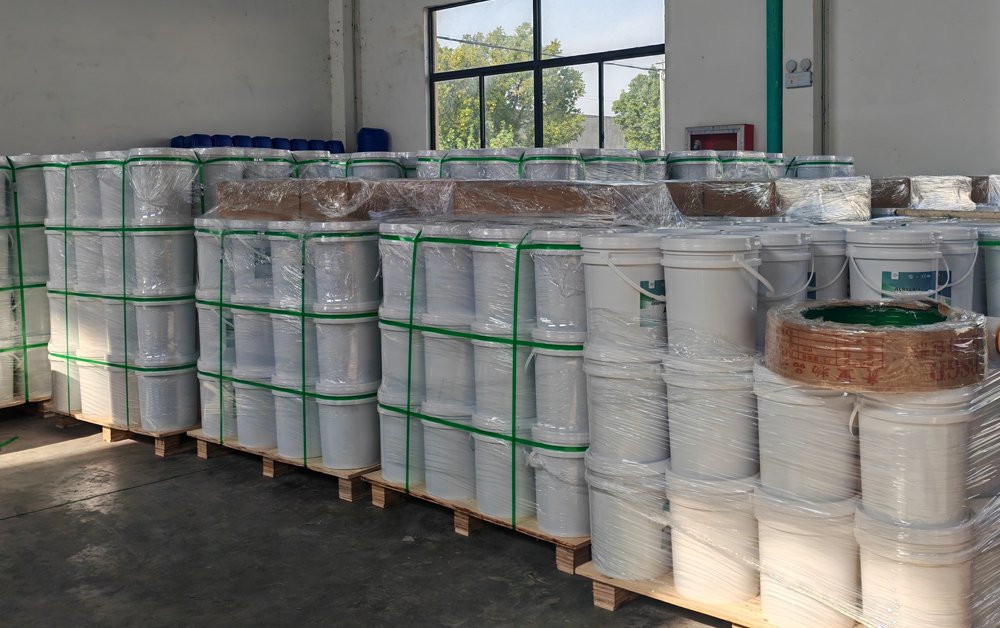
Application Tips: How to Achieve the Best Waterproofing Results?
Even the best waterproof coating can fail if applied incorrectly.
Surface Preparation
- Clean and dry the substrate.
- Remove dust, grease, and loose materials.
Proper Layering
- Apply multiple coats for better protection.
- Follow manufacturer’s thickness recommendations.
Drying Time
Allow sufficient curing time between coats to ensure proper bonding.
Common Mistakes to Avoid
- Applying on standing water surfaces
- Skipping primer
- Inconsistent coating thickness
Why Waterproof Paint Is a Smart Investment for Buyers?
For contractors, distributors, and project developers, waterproof coating is not just a material, it’s a long-term investment.
Key Benefits:
- Reduces maintenance costs
- Improves project durability
- Enhances client satisfaction
- Minimizes warranty claims
In competitive markets, offering reliable waterproofing solutions can significantly boost business reputation.
Why Choosing the Right Supplier Matters?
A high-quality product is only as reliable as its manufacturer.
What to Look for in a Supplier:
- Consistent product quality
- Strong R&D capabilities
- Technical support services
- Proven project experience
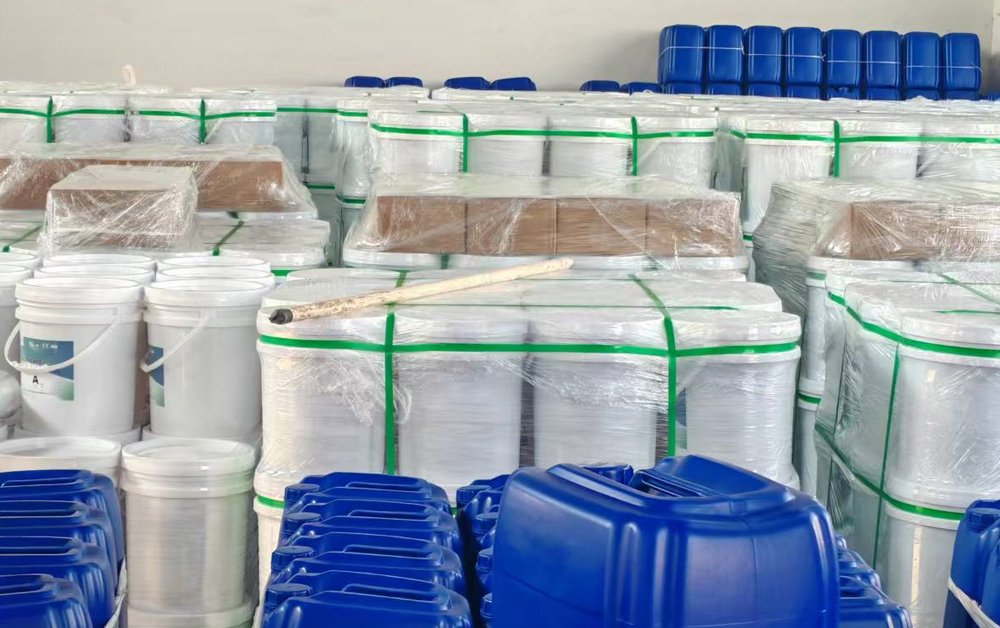
YURU Waterproof: Your Trusted Partner for Waterproof Solutions
When selecting waterproof coating, working with a reliable manufacturer is essential.
YURU Waterproof specializes in producing:
- High-performance waterproof coatings
- Advanced grouting materials
- Durable floor coating systems
Why YURU Stands Out:
- Stable and scalable production capacity
- Tailored solutions for different markets
- Technical guidance for contractors and engineers
- Proven applications in large-scale projects
YURU products are widely used in:
- Roofing systems
- Underground construction
- Municipal infrastructure
For engineer clients, YURU offers both quality assurance and long-term partnership value.
FAQs:
1. What is the most durable waterproof paint?
Polyurea coatings are among the most durable due to their high strength and fast curing properties.
2. Can waterproof paint be used outdoors?
Yes, many waterproof paints are designed specifically for exterior applications with UV resistance.
3. Is waterproof paint suitable for roofs?
Absolutely. Polyurethane and polyurea coatings are commonly used for roof waterproofing.
4. How long does waterproof coating last?
Depending on the type, it can last between 5 to 15 years or longer.
5. Can I apply waterproof coating myself?
Yes, but for large or complex projects, professional application is recommended.
Conclusion:
So, what is the best paint to waterproof?
The answer depends on your specific needs. There is no one-size-fits-all solution. Instead, the best choice is the one that matches your application, environment, and performance expectations.
Key Takeaways:
- Understand your project requirements
- Choose the right type of coating
- Ensure proper application
- Work with a trusted supplier
By following these principles, you can achieve durable, cost-effective waterproofing results.
If you are looking for reliable waterproof paint solutions for your next project, contact YURU today to explore customized waterproofing solutions tailored to your needs.
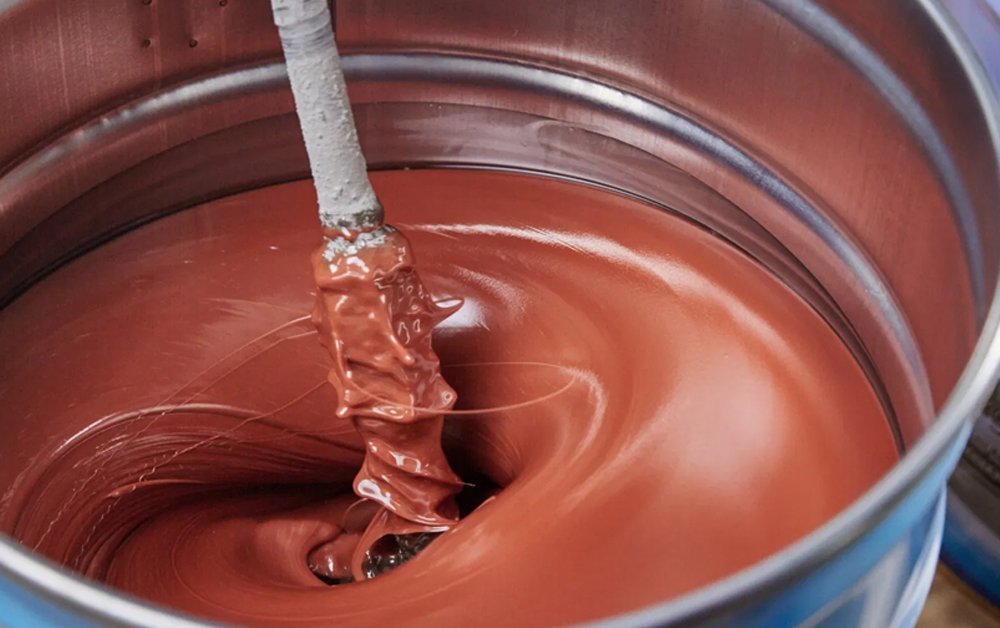
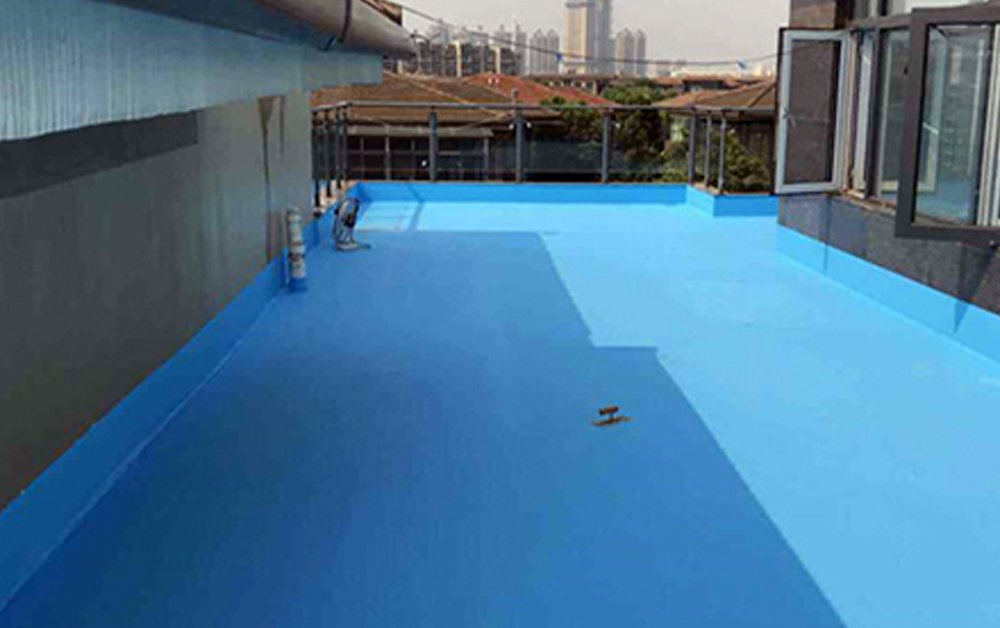
YURU Product solutions