What is the Best Waterproof Material for Concrete?
Introduction
Concrete is the backbone of modern construction. It’s durable, strong, and incredibly versatile. But it has one vulnerability—water. Despite its solid appearance, concrete is a porous material that can absorb moisture, leading to cracks, corrosion, and long-term structural damage.
So, what’s the best way to protect concrete from water? The answer lies in choosing the right waterproofing material—but with so many options available, how do you know which one fits your project best?
In this article, we’ll explore the most reliable waterproofing materials for concrete, where each works best, and what factors to consider when choosing the perfect solution.
Why Does Concrete Need Waterproofing?
Concrete may be strong, but it isn’t waterproof by nature. Its internal microstructure contains capillary pores that allow water and moisture to penetrate over time. This can lead to:
- Surface cracks and deterioration.
- Corrosion of embedded steel reinforcement.
- Mold and mildew development.
- Decreased structural integrity.
Waterproofing is essential for protecting buildings, extending service life, and reducing maintenance costs—especially in basements, rooftops, underground structures, or water-retaining systems.
What Are the Common Types of Waterproof Materials for Concrete?
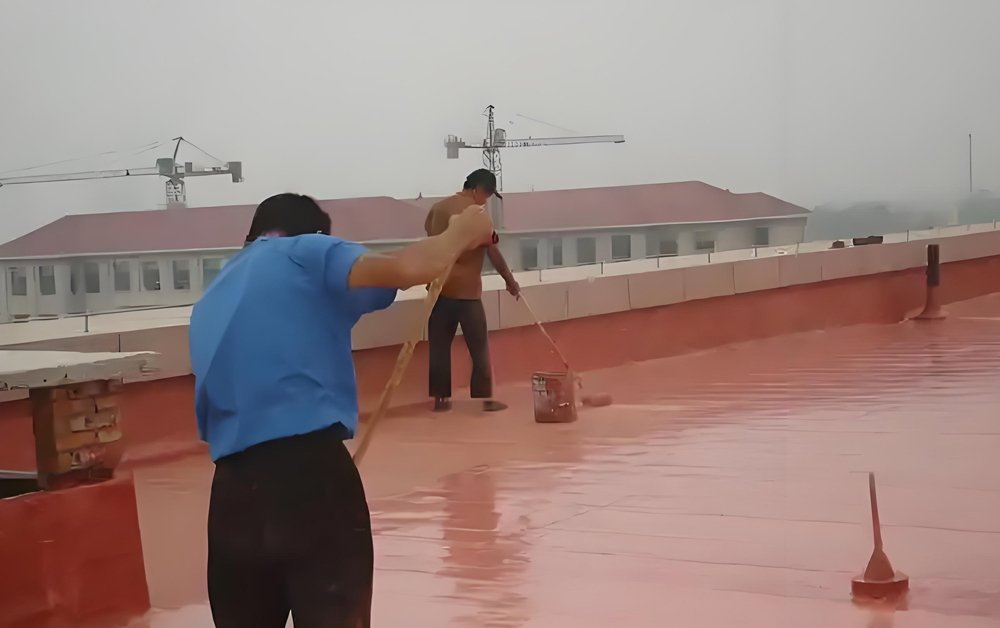
There are several effective waterproofing materials designed specifically for concrete. Each serves a different purpose depending on location, exposure, and structure type:
| Material Type | Benefits |
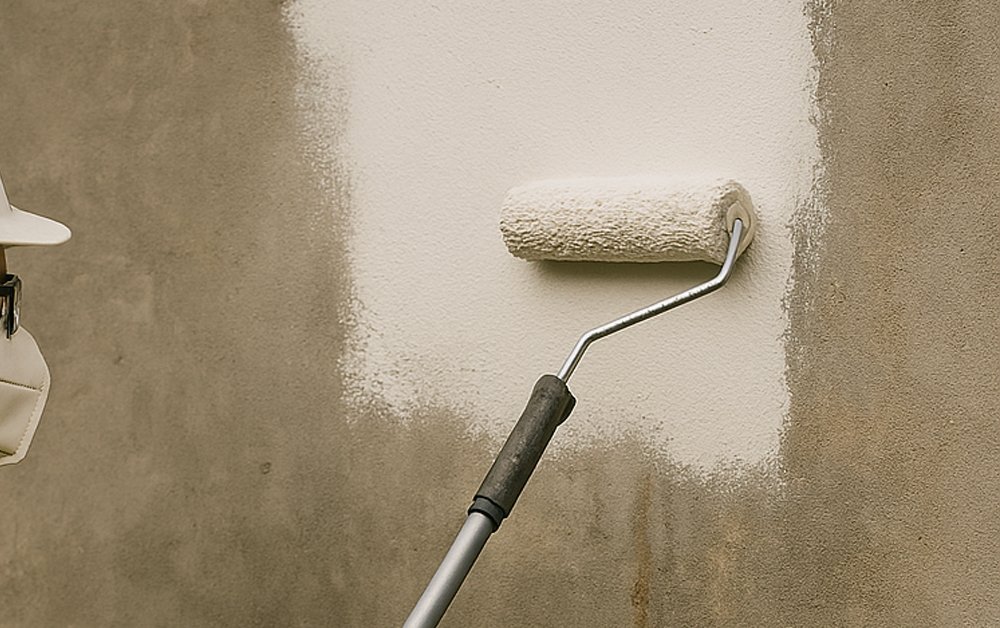
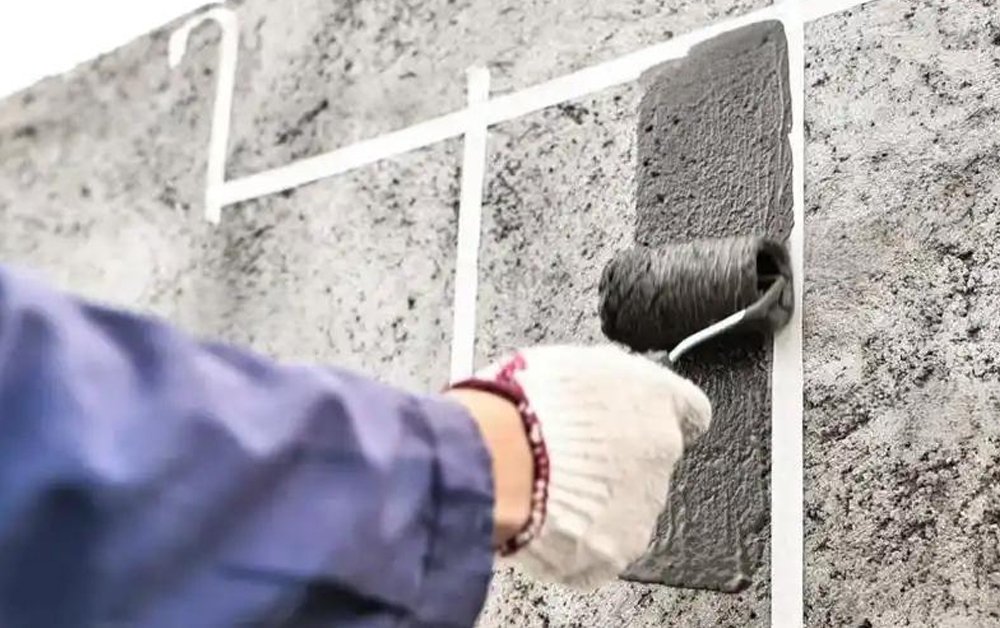
| Cementitious Coatings | Easy to apply, ideal for interior surfaces and tanks |
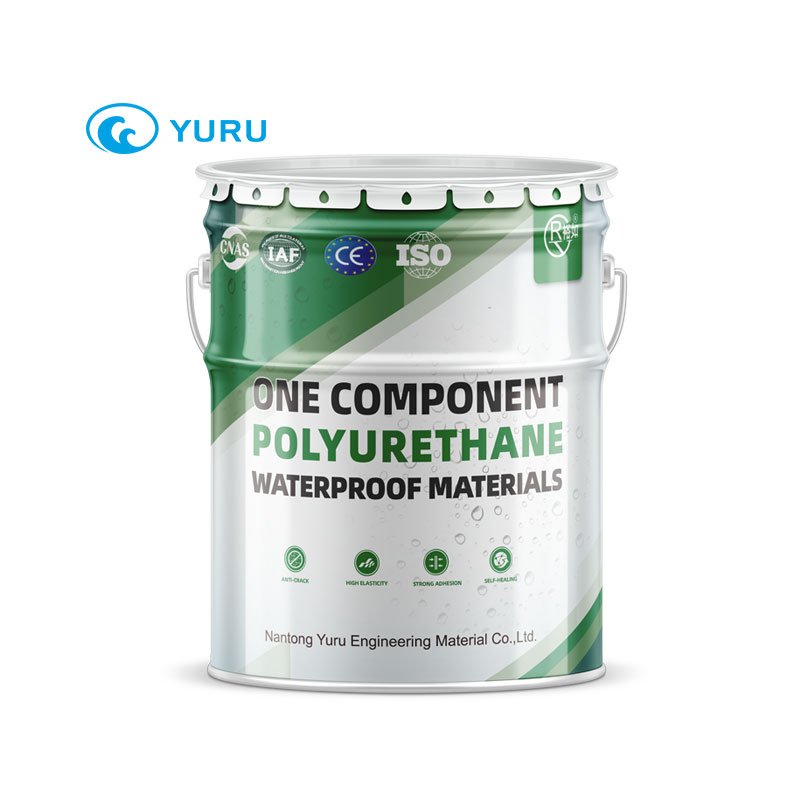
| Polyurethane Coatings | High elasticity, UV-resistant, good for waterproof |
| Acrylic Waterproof Coatings | UV-resistant, good for exposed areas |
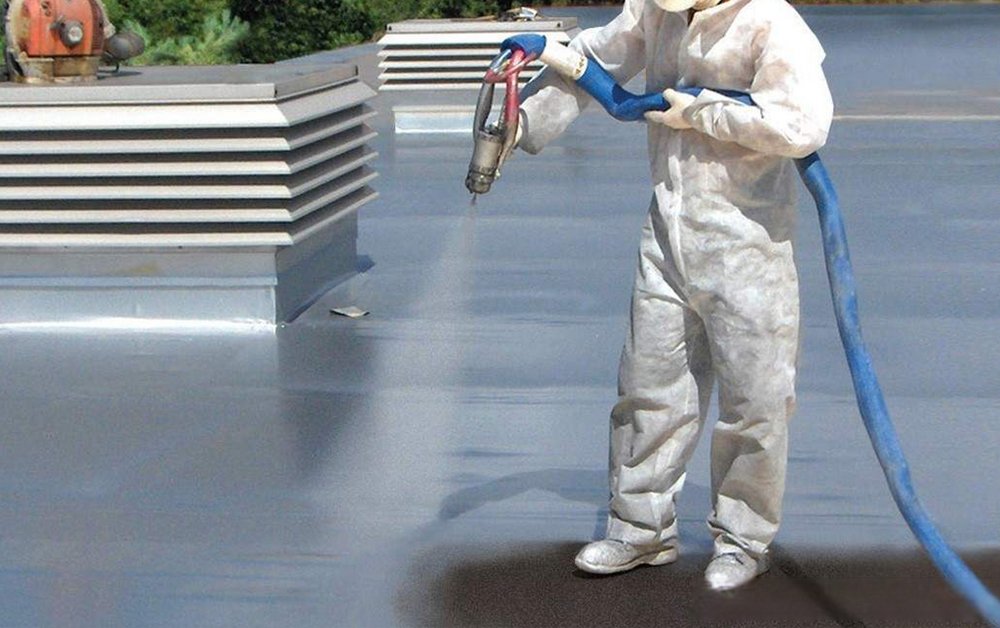
| Polyurea Coatings | Industrial-grade, extremely durable |
| Crystalline Admixtures | Integrated into concrete mix for internal waterproofing |
| Waterproof Glue | Transparent finish, suitable for visible surfaces |
| Injection Grouts (PU/Epoxy) | Used to repair leaks or cracks from within the structure |
Which Waterproof Material Fits Different Concrete Applications?
Here’s a quick guide to help match the right material to your concrete waterproofing needs:
| Application Area | Best Waterproofing Material |
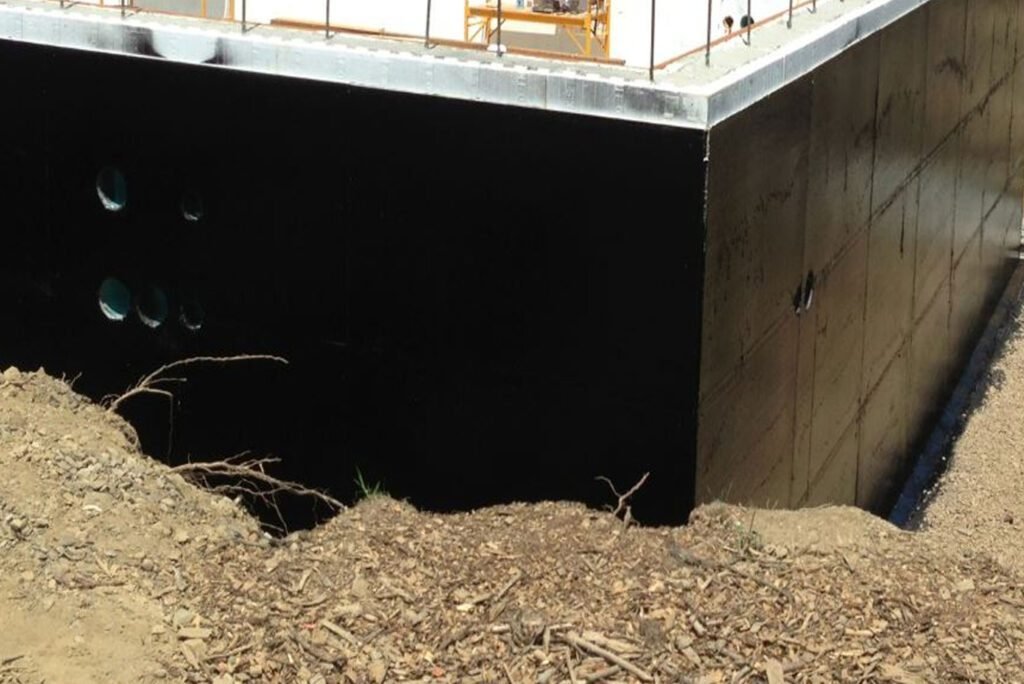
| Basement walls | PU injection grout, polyurethane coatings, crystalline coatings |
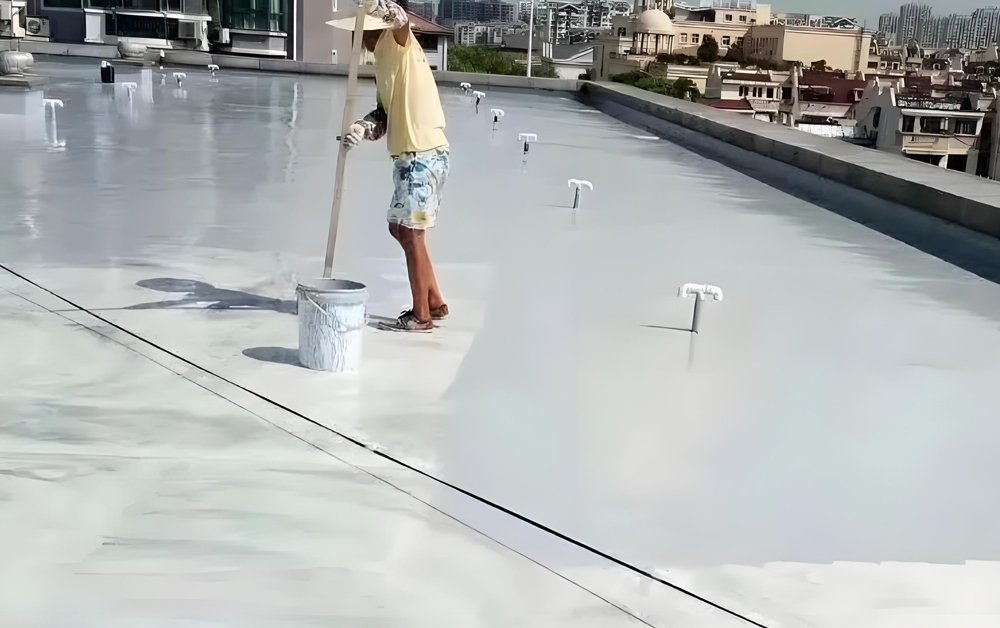
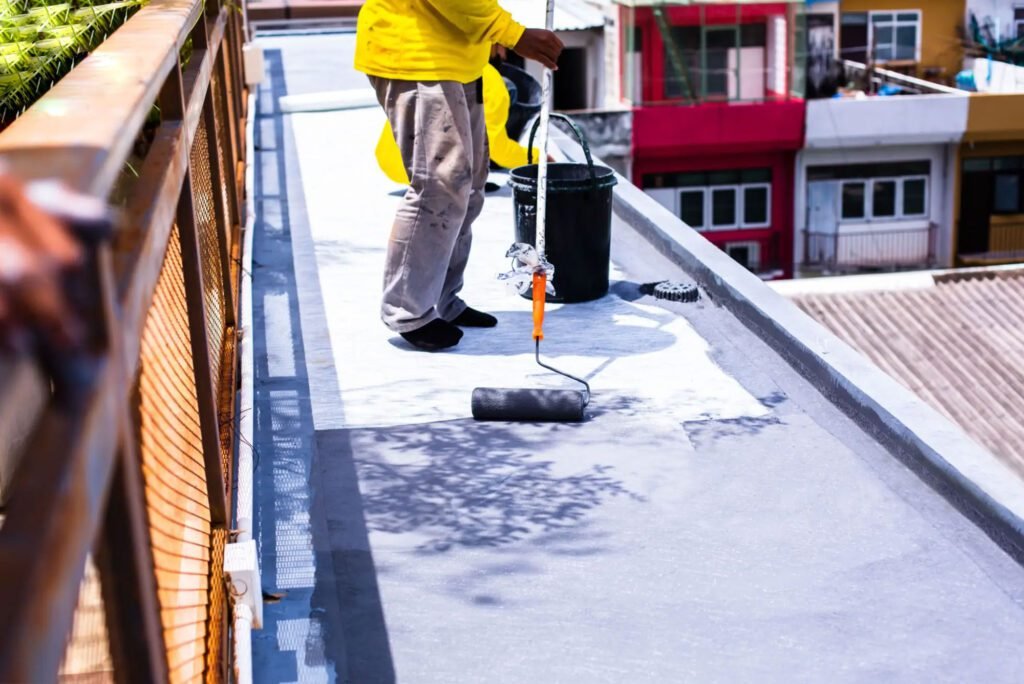
| Flat roofs | Polyurethane or acrylic waterproof coatings |
| Water tanks/pools | Cementitious waterproofing (non-toxic, waterproof) |
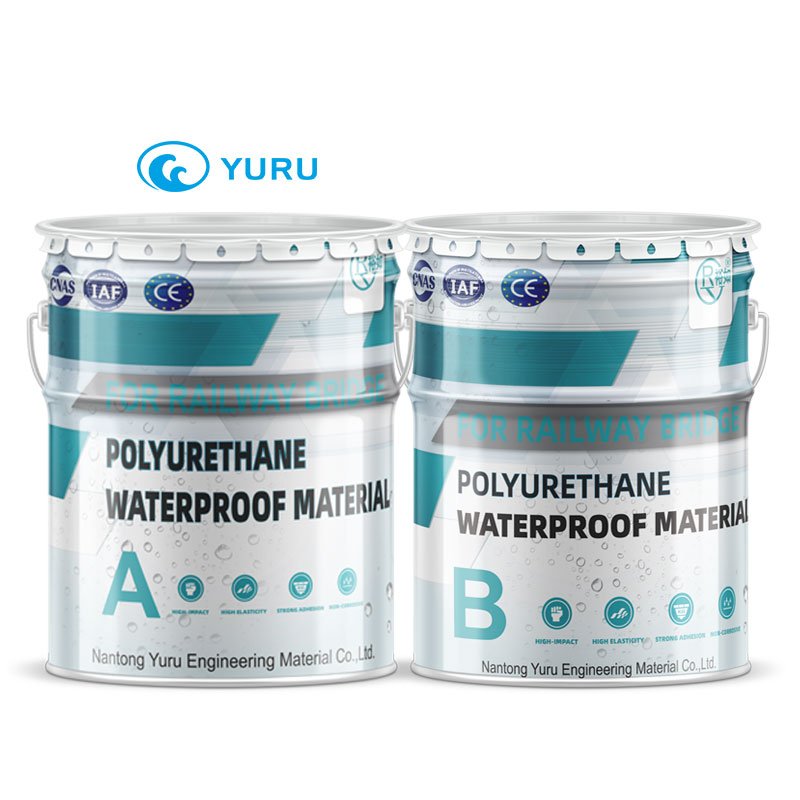
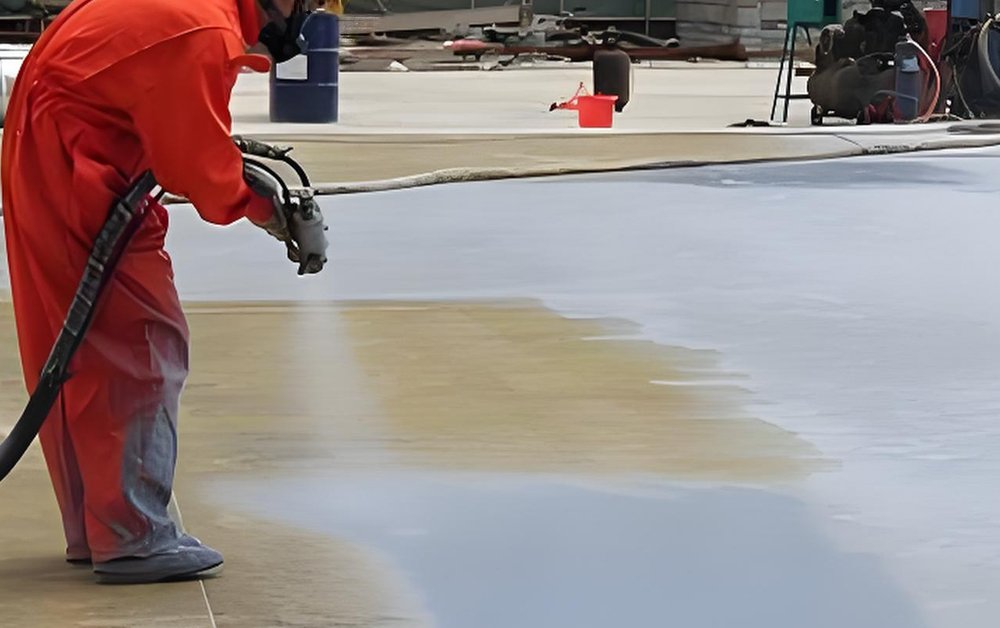
| Bridges/tunnels | Polyurea spray systems or special polyurethane coatings |
| Outdoor terraces | UV-resistant PU or waterproof glue |
Choosing the right product for the job ensures long-term performance and protects your investment.
What Factors Should You Consider When Choosing Waterproofing for Concrete?
Before making a decision, consider the following:
- Water exposure level – Is the area submerged, exposed, or mildly humid?
- Surface condition – Are you dealing with cracks, porous surfaces, or fresh concrete?
- Application method – Spray, roll-on, injection, or integral mix?
- Budget – Balance cost and durability.
- Expected lifespan – Choose materials rated for years of protection with minimal maintenance
A site inspection or consultation with a waterproofing expert can help identify the most efficient system for your specific needs.
How YURU Waterproof Delivers High-Performance Concrete Waterproofing Solutions?
At YURU Waterproof, we offer more than just waterproofing products—we provide complete concrete protection solutions. Our portfolio includes:
- Acrylic, PU, polyurea waterproof coatings
- Cementitious & crystalline systems
- Injection grouts for cracks and leak repair
- Customized materials based on project conditions
We also provide technical guidance, formulation recommendations to ensure your waterproofing system performs as expected—whether it’s a residential basement or a large-scale infrastructure project.
Conclusion
There’s no single “best” waterproof material for all concrete structures—only the best fit for your environment, application, and performance goals.
Whether you need to seal a basement wall, waterproof a rooftop, or protect a tunnel from hydrostatic pressure, understanding the strengths of each material is key.
Need help choosing the right waterproof solution for concrete?
Get in touch with YURU Waterproof today for expert recommendations and proven waterproofing materials trusted by engineers and builders worldwide.
YURU Product solutions