What Is the Difference Between Epoxy and Polyurethane in Concrete Crack Injection?
What Is the Difference Between Epoxy and Polyurethane in Concrete Crack Injection?
When it comes to concrete crack injection, two of the most commonly used materials are epoxy and polyurethane (PU). While both are effective in repairing cracks, they serve different purposes based on the type of crack, environmental conditions, and structural requirements.
Understanding the difference is critical for you sourcing concrete crack injection solutions. Here’s a detailed comparison to help you choose the best material for your next project.
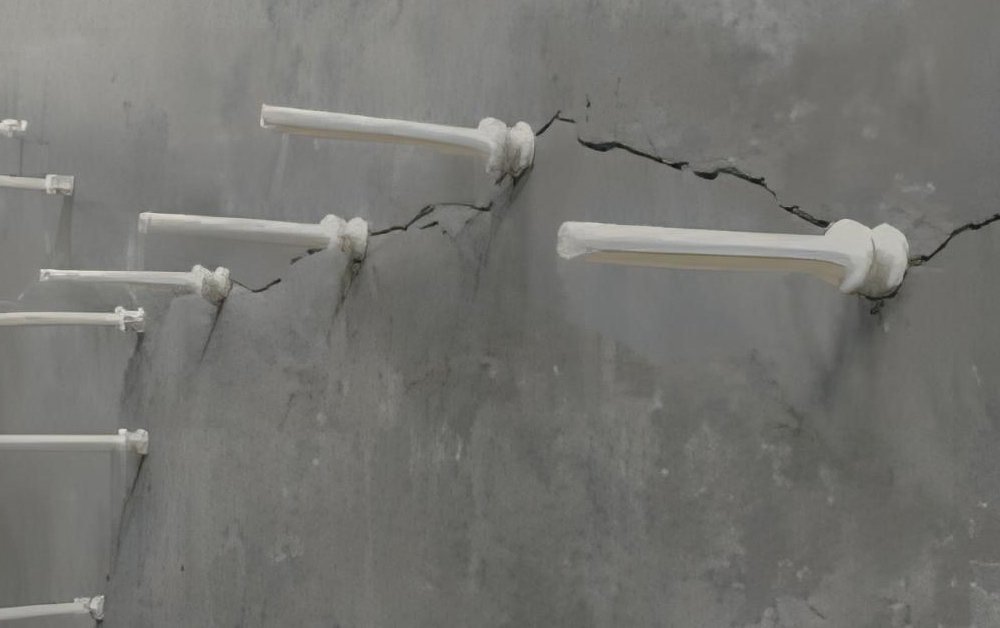
Epoxy vs Polyurethane: What’s the Basic Difference?
Epoxy and polyurethane are both chemical-based materials, but they behave very differently after injection.
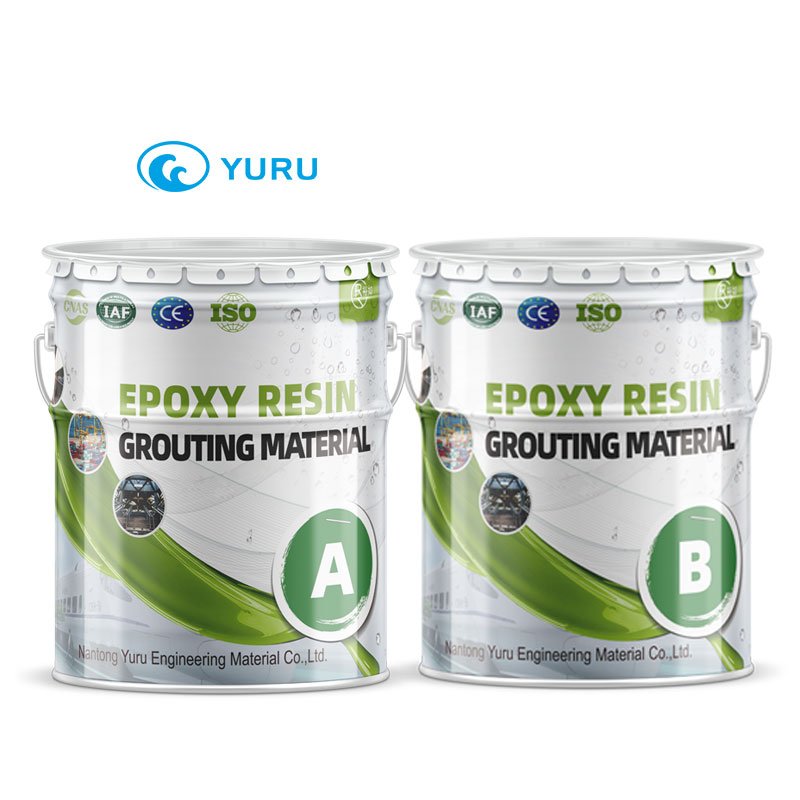
- Epoxy injection forms a strong, rigid bond with the concrete once cured. It is ideal for structural crack repair where strength and durability are key.
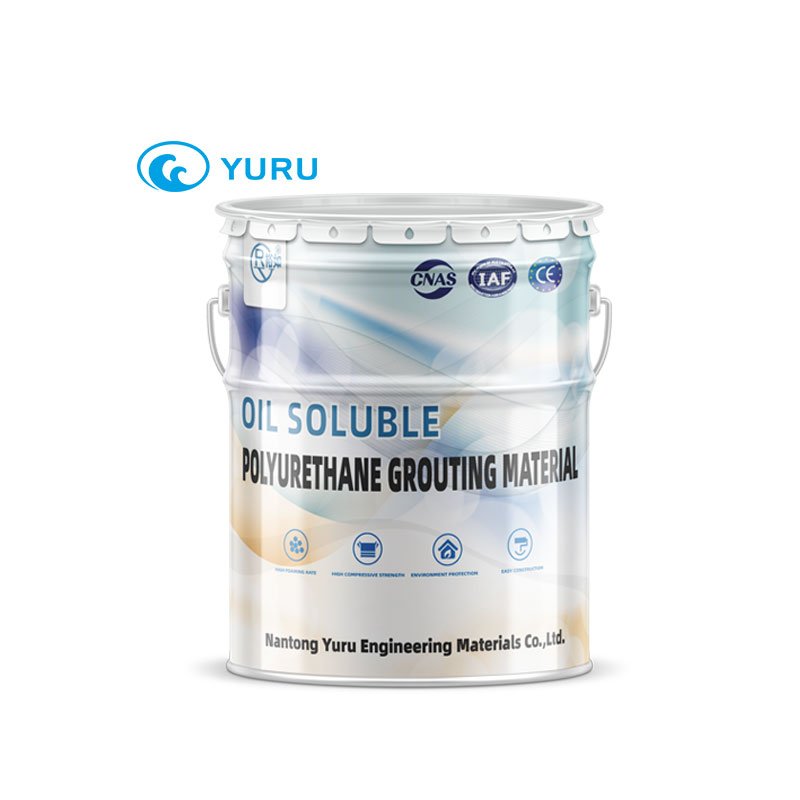
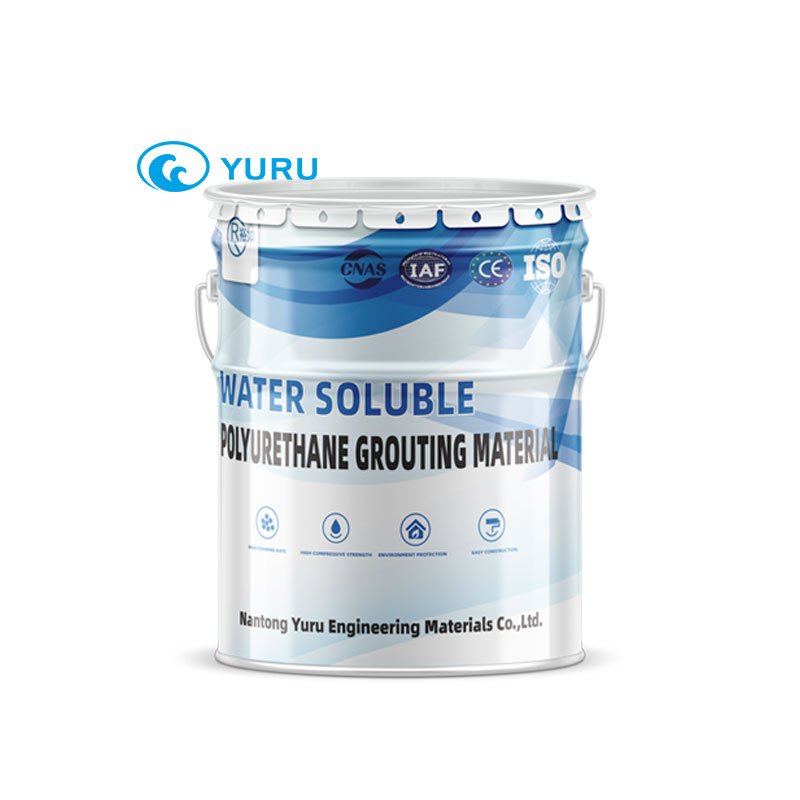
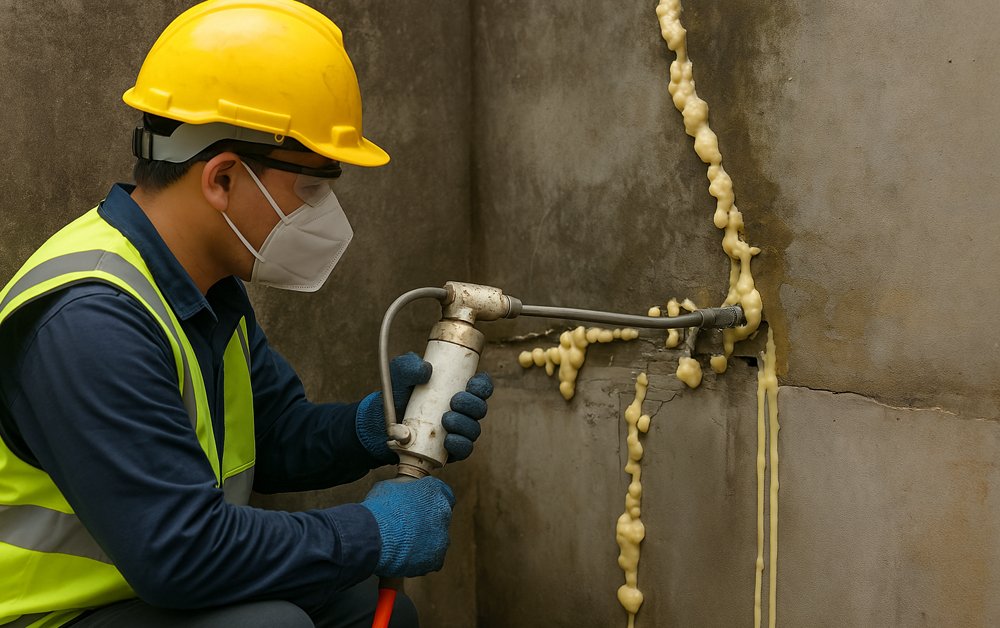
- Polyurethane injection, on the other hand, is more flexible and expands upon contact with water. It’s best for waterproofing and sealing leaking cracks, especially in active, moving concrete.
In short:
- Epoxy = Structural Strength
- Polyurethane = Waterproof Flexibility

When Should You Use Epoxy Injection?
Epoxy is commonly used when structural integrity is at risk. Its high compressive strength allows it to restore the original load-bearing capacity of cracked concrete.
Use epoxy injection when:
- Cracks are dry and located in load-bearing structures like beams, slabs, or columns.
- Long-term durability and crack sealing are essential.
- Minimal movement is expected in the crack area.
Note: Epoxy does not perform well in wet or actively leaking cracks. It requires a dry, clean substrate to bond effectively.
When Is Polyurethane the Better Choice?
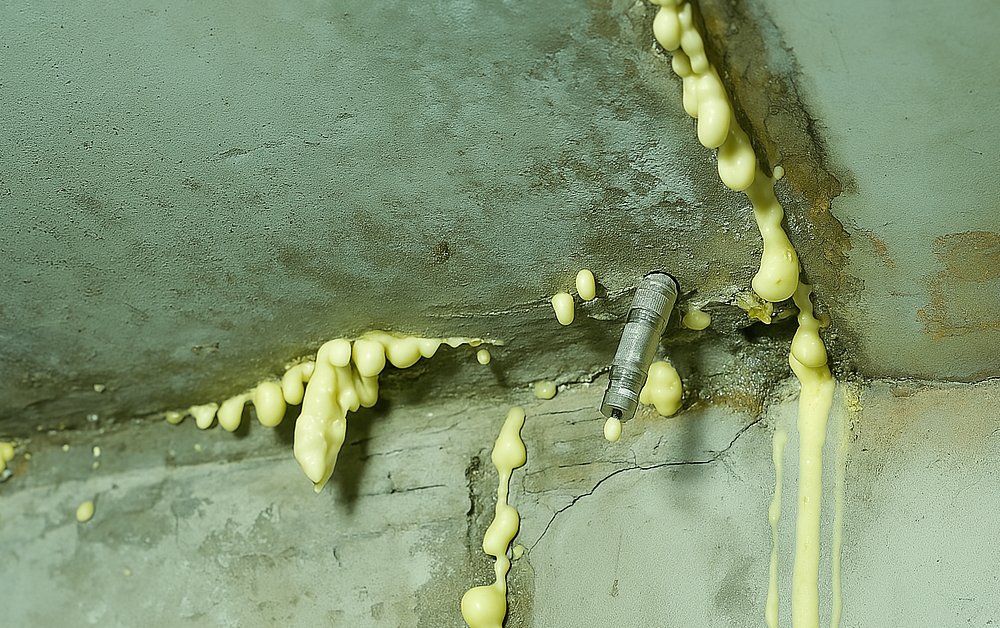
Polyurethane excels in situations where water ingress or leak sealing is the main concern. Once injected, PU reacts with water to form a flexible foam that expands to fill gaps and create a watertight seal.
Choose polyurethane injection for:
- Leaking cracks in foundations, basements, tunnels, or retaining walls.
- Environments with moisture, water flow, or crack movement.
- Projects that need quick curing and fast installation.
PU is highly adaptable and ideal for non-structural cracks or where dynamic movement occurs.
Which Is Easier to Apply On-Site?
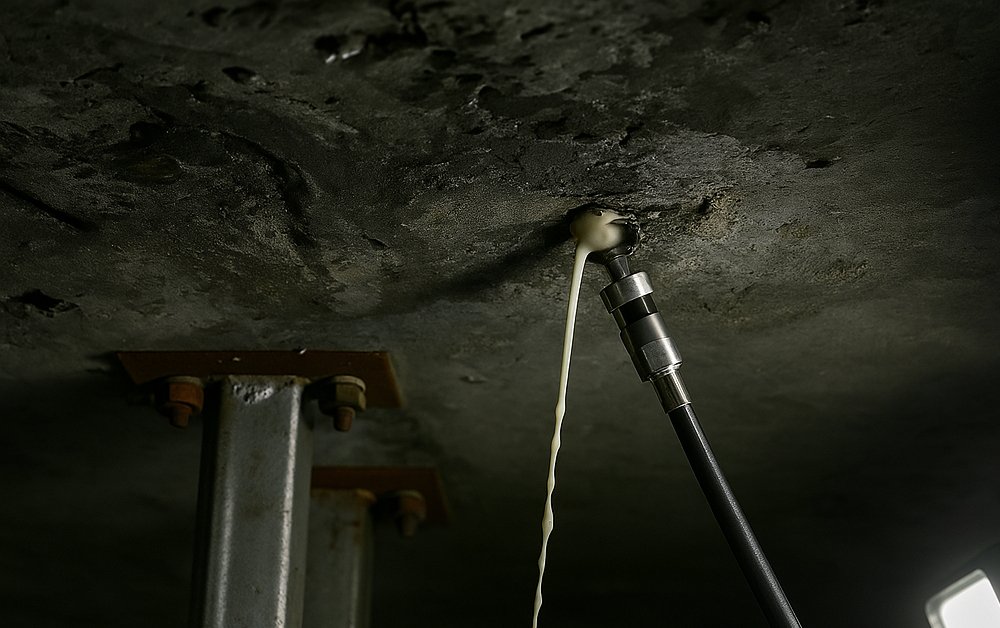
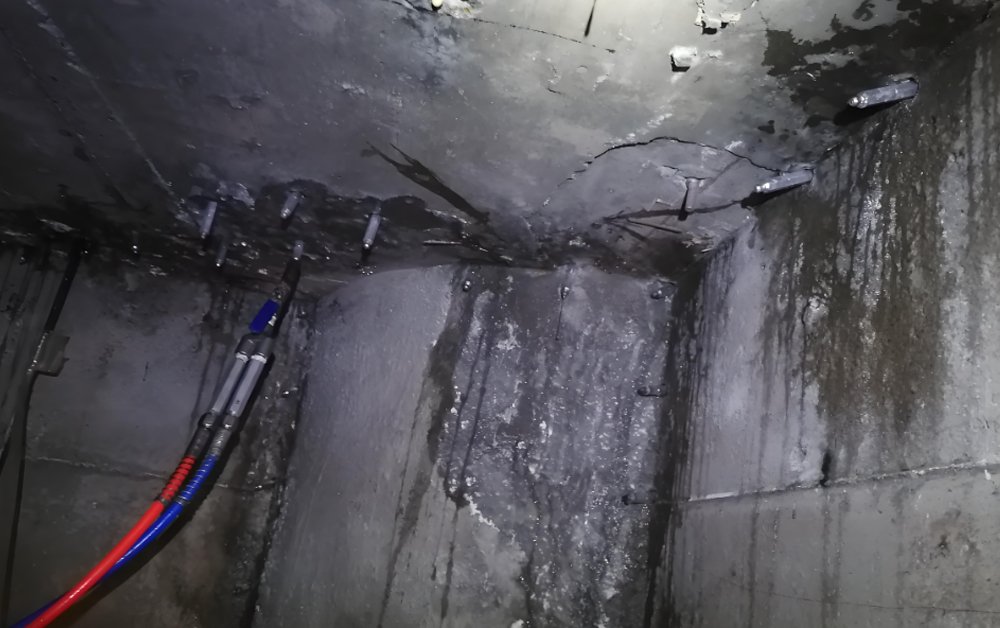
From a contractor’s perspective, polyurethane is often easier and faster to apply due to its moisture tolerance and rapid curing time.
Epoxy injection:
- Requires dry conditions and more surface preparation.
- Longer cure time (but higher final strength).
- Better suited for precise structural repairs.
Polyurethane injection:
- Can be applied in wet or dry conditions.
- Quick-foaming action seals leaks instantly.
- Ideal for emergency leak repairs or difficult-to-access areas.
Both methods typically use similar injection equipment, but PU’s flexibility makes it more forgiving during installation.


How to Choose the Right Material for Your Project?
Selecting between epoxy and polyurethane depends on your specific project needs:
| Project Requirement | Recommended Material |
| Structural crack repair | Epoxy |
| Waterproofing/leak sealing | Polyurethane |
| Dry, static cracks | Epoxy |
| Wet, dynamic, leaking cracks | Polyurethane |
At YURU Waterproof, we offer a full range of concrete crack injection materials tailored to your project size, crack type, and performance needs. Whether you’re working on a tunnel waterproofing project or a structural repair in a commercial building, we’re here to help.
♦ Looking for the best concrete crack injection solution for your business?
Contact us today via our inquiry form or WhatsApp to get expert advice and a competitive quote.
Final Thoughts
Both epoxy and polyurethane are excellent options for concrete crack injection, but they are not interchangeable. Epoxy is your go-to for structural reinforcement, while polyurethane is perfect for waterproofing and sealing dynamic cracks.
Understanding the difference can help you make smarter procurement decisions — saving both time and cost in the long run.
Let YURU Waterproof help you choose the right material for your next project.
Click below to request a quote or consultation now.
YURU Product solutions