What Is the Most Durable Leak-Proof Roof Coating for Metal Roofs?
What Is the Most Durable Leak-Proof Roof Coating for Metal Roofs?
Waterproofing issues for metal roofs have always been a major concern. There are many leak-proof roof coating on the market, but choosing the wrong leak-proof roof coating for metal roofs can lead to even more serious leakage problems.
Therefore, we need to choose the right waterproofing material for metal roofs. Metal roofs require waterproofing treatment to ensure safety.
This article will analyze the performance indicators and practical application conditions from the technical perspective of the source factory, and finally answer: which metal roof waterproofing coating is the most durable and provides the best leak-proof performance?
It will also explain how professional manufacturers like YURU Waterproof design truly durable and long-lasting solutions.
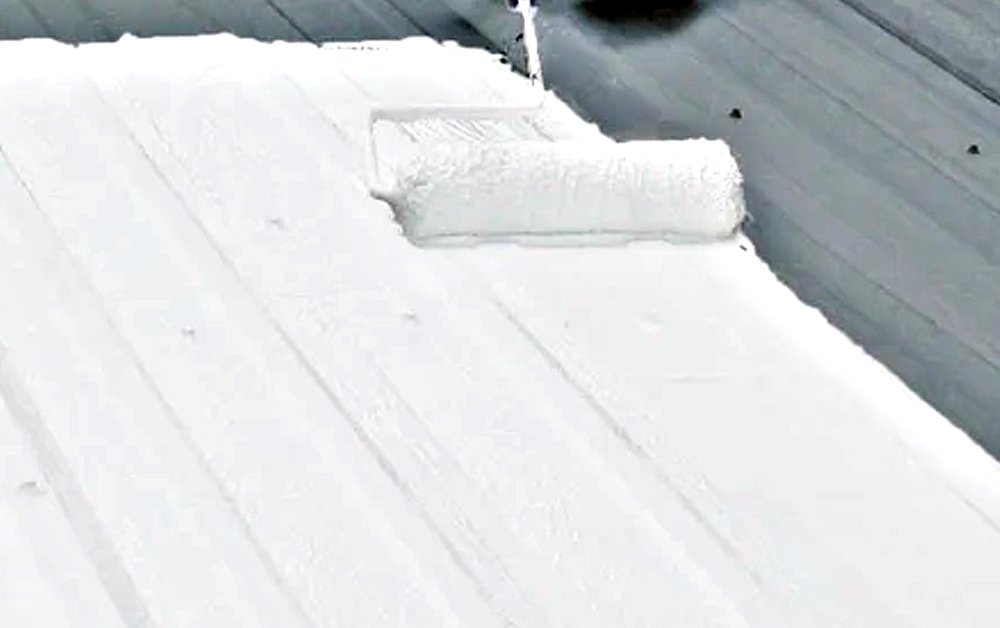
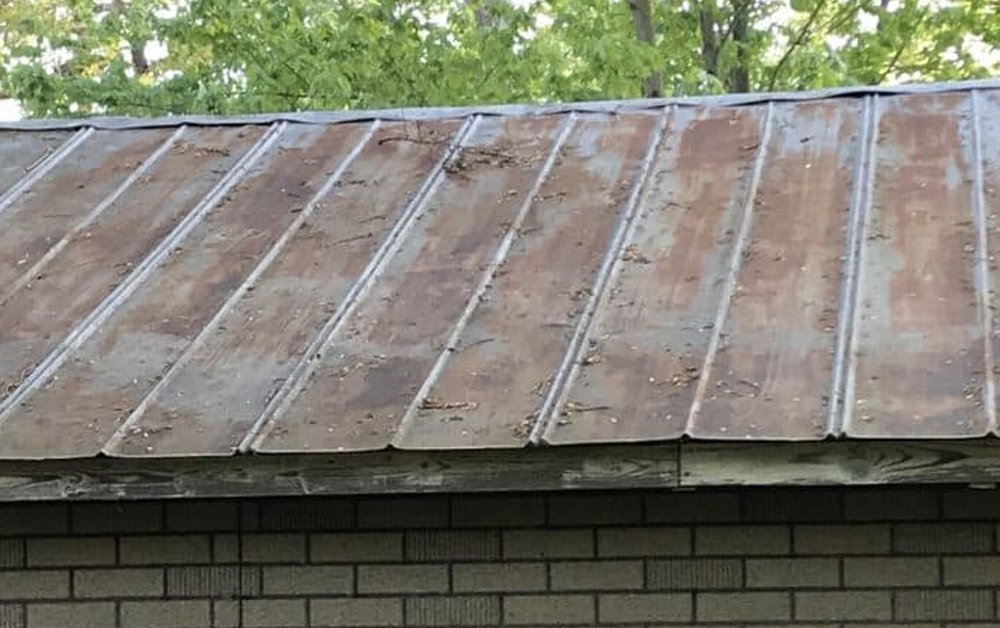
Why Metal Roofs Are More Prone to Leaks Than Concrete Roofs?
Before discussing coatings, we need to understand the reasons why metal roofs leak.
1. Thermal Expansion and Contraction
When it gets cold metal changes size. It gets bigger when it is hot and smaller when it is cold. This is because metal expands and contracts a lot with temperature changes. Metal is really sensitive to temperature. Metal expands and contracts, with even small temperature changes.
- Day–night temperature swings
- Seasonal heat and cold cycles
- Direct solar radiation on exposed panels
These movements are always putting a lot of pressure on the seams of the fabric the holes where the fastenersre the parts where the fabric overlaps and the spots where things penetrate through.
A coating that cannot stretch and recover will crack sooner or later.
2. Fasteners and Seams Are Structural Weak Points
Most metal roofs rely on:
- Screws with rubber washers
- Standing seams
- Lapped joints
As time goes by the vibration and the thermal movement will loosen the fasteners. This happens because the fasteners are affected by the vibration and the thermal movement. The vibration and the thermal movement cause the fasteners to come loose over time.
When tiny gaps appear water gets inside the gaps. Water finds its way, into these gaps.
3. Smooth Metal Surfaces Challenge Adhesion
Compared with concrete, metal substrates offer:
- Low surface porosity
- Smooth profiles
- Existing factory coatings or oxidation layers
This makes adhesion one of the most critical durability factors.
4. UV Exposure Is Constant and Aggressive
Metal roofs are typically fully exposed.
If a coating lacks long-term UV stability, it may:
- Chalk
- Harden
- Lose elasticity
- Peel from the surface
Many leaks appear not because of water pressure—but because the coating aged too fast.
Four Key Indicators That Define a Durable Metal Roof Coating
1. Elongation and Elastic Recovery
Elongation indicates how much a coating can stretch before breaking.
This is crucial for metal roofs.
- Low elongation can lead to cracking at seams.
- Poor elastic recovery can result in permanent deformation.
High-quality coating systems typically have an elongation of over 250% and excellent elastic recovery after deformation.
2. UV Resistance and Weatherability
A durable coating must remain flexible after years of sun exposure.
Major problems include:
- Yellowing
- Chalking
- Brittleness
- Loss of adhesion
Aliphatic and UV-resistant polymer systems perform significantly better than conventional formulations.
3. Adhesion to Metal Substrates
Durability depends on bond strength, not thickness.
Even if a coating is initially thick, it’s a failure if it peels off after two years.
Professional coating systems consider the following factors:
- Primer compatibility
- Corrosion resistance
- Adhesion to galvanized and coated steel
4. Water Resistance
Many metal roofs do not have perfect slopes. Water may accumulate in low-lying areas for days.
A durable coating must resist:
- Blistering
- Softening
- Hydrolysis
Many low-cost acrylic coating systems perform poorly in this regard.
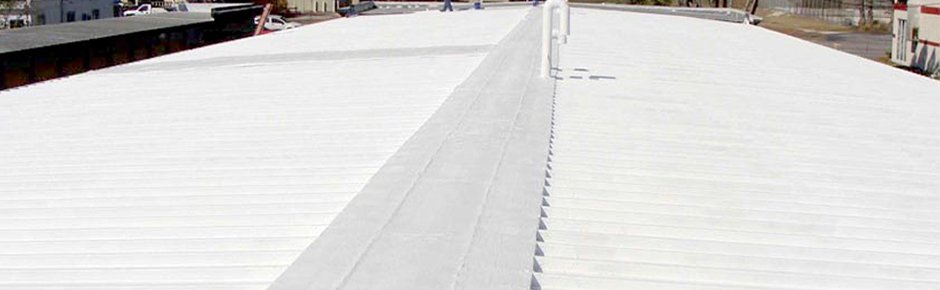
Performance Comparison: Polyurethane, Acrylic, and Polyurea Roof Coatings
No single roof coating is suitable for all projects.
The following leak-proof roof coatings are best suited for metal substrates.
Acrylic Roof Coatings
Advantages:
- Water-based and environmentally friendly
- High solar reflectivity
- Easy to apply
Disadvantages:
- Poor resistance to standing water
- Limited long-term elasticity
- Shorter lifespan in harsh climates
Typical Applications:
- Maintenance projects with limited budgets
- Well-drained metal roofs
- Roof renovations and repairs
Polyurethane (PU) Waterproof Coatings
Advantages:
- High elasticity and crack bridging ability.
- Excellent adhesion to metal.
- Strong water and weather resistance.
Disadvantages:
- Requires proper substrate preparation.
- Solvent-based products require good ventilation.
Applications:
- Industrial and commercial metal roofs
- Long-term leak repair systems
Polyurea and Polyaspartic Systems
Advantages:
- Fast curing speed.
- Seamless and highly durable.
- Excellent chemical resistance and abrasion resistance.
Disadvantages:
- Higher material and equipment costs.
- Requires skilled applicators.
Typical Applications:
- High-end or time-sensitive projects.
- Complex roof structures.
Silicone Roof Coatings
Advantages:
- Excellent UV resistance
- Good waterproofing properties
Disadvantages:
- Lower mechanical strength
- Difficult to recoat
Applications:
Hot climates with intense sunlight.
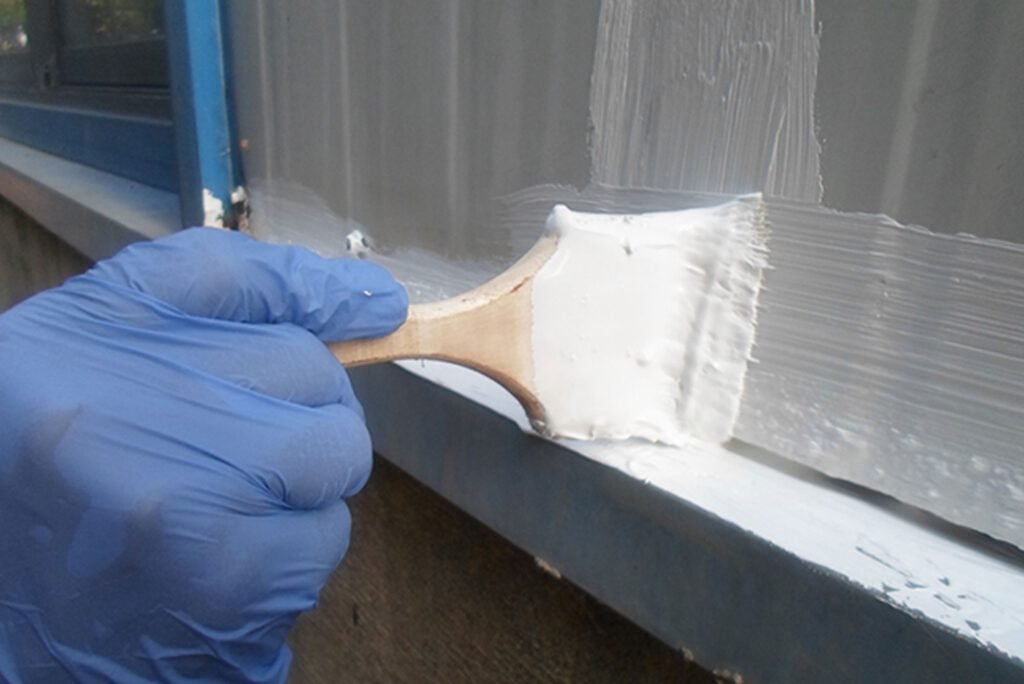
Durability Is Not Only About Materials: Installation Matters
Even the best coating can fail if installed incorrectly.
Professional manufacturers always evaluate the system, not just the product.
Surface Preparation Is Critical
Key steps include:
- Cleaning oils and contaminants
- Removing loose rust
- Treating corrosion areas
- Ensuring dry and sound substrates
Skipping preparation shortens lifespan dramatically.
Primer Selection Matters
Different metals require different primers.
A universal primer rarely delivers optimal durability.
System Thickness and Detailing
Durability comes from:
- Correct film thickness
- Reinforced seams
- Proper curing conditions
Not from excessive coating consumption alone.
How to Evaluate a Truly Reliable Roof Coating Manufacturer?
What to Look For:
- Real aging and weathering test data
- Documented project references
- Technical guidance, not just sales talk
- Climate-specific formulation options
YURU Waterproof: Engineered Roof Coating Systems for Metal Roofs
At YURU Waterproof, durability is treated as a system-level outcome.
We develop and manufacture:
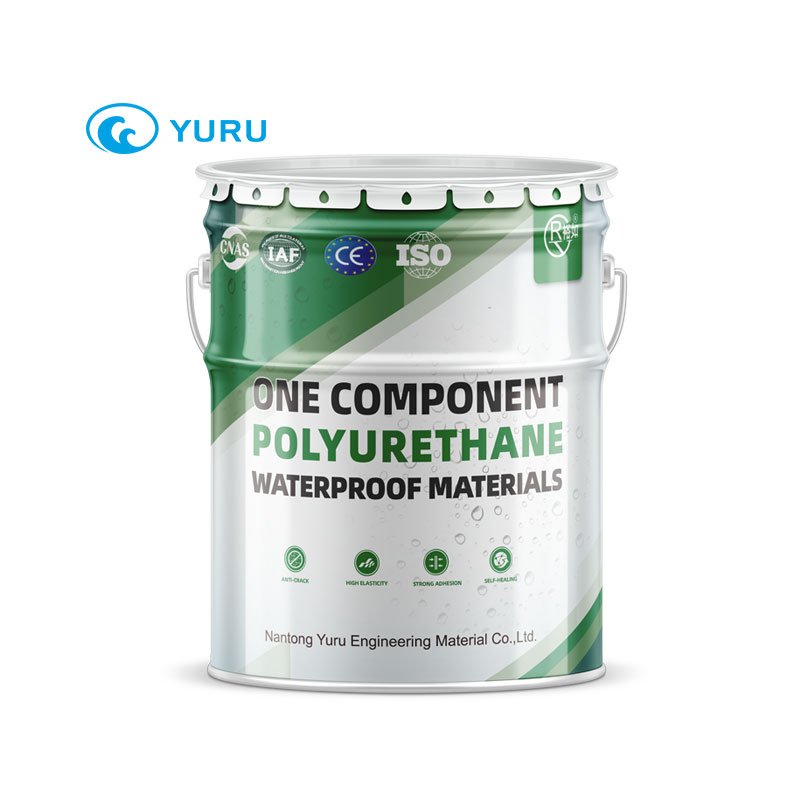
- High-elasticity PU roof coatings
- UV-stable acrylic reflective systems
- Hybrid solutions for complex conditions
Our technical team supports projects across:
- Industrial plants
- Logistics warehouses
- Commercial metal roof retrofits
Rather than selling a single product, we help clients select the right system for their roof, climate, and budget.
FAQs
1. What is the longest-lasting roof coating for metal roofs?
High-elasticity polyurethane systems are widely recognized for their excellent durability, provided they are installed correctly. Acrylic waterproof coatings for metal roofs are another good option.
2. Can one coating system work in all climates?
No. Climate-specific formulation and system design are essential for durability.
3. How long can a PU roof coating last?
With correct application and maintenance, 10–15 years or more.
4. Are acrylic roof coatings suitable for metal roofs?
They can be used for maintenance and reflective purposes but are less durable under standing water conditions.
Conclusion
There is no universal “best” coating for every metal roof.
Durability depends on:
- Roof movement
- Climate exposure
- Drainage conditions
- Installation quality
High-elasticity polyurethane systems remain one of the most reliable long-term options—but only when properly designed and applied.
Contact YURU Waterproof for recommendations, technical data sheets, and sample support for your roofing project, ensuring your roof waterproofing lasts for years, not just a few months.
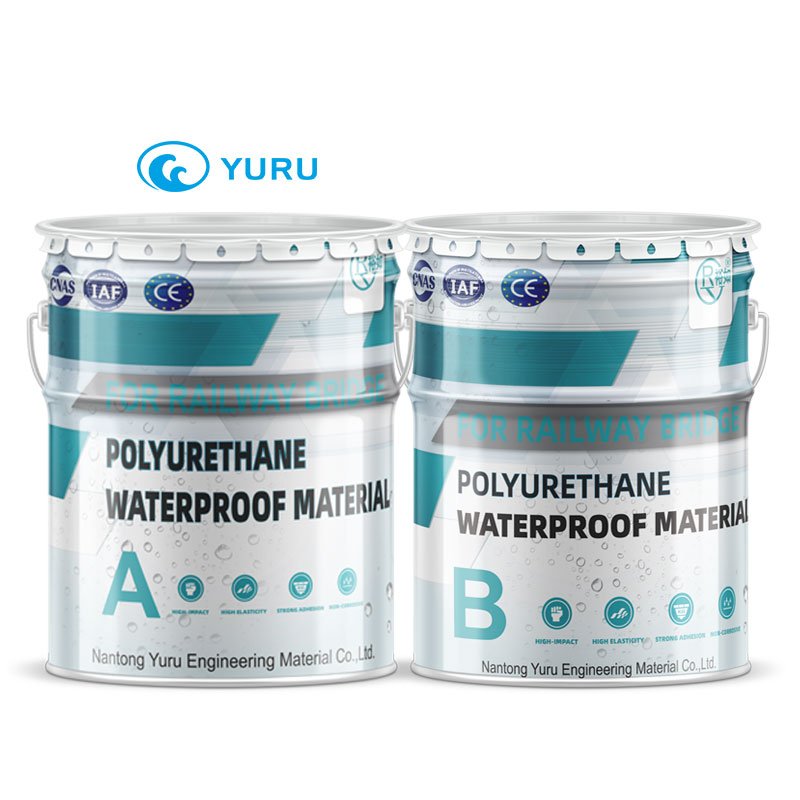
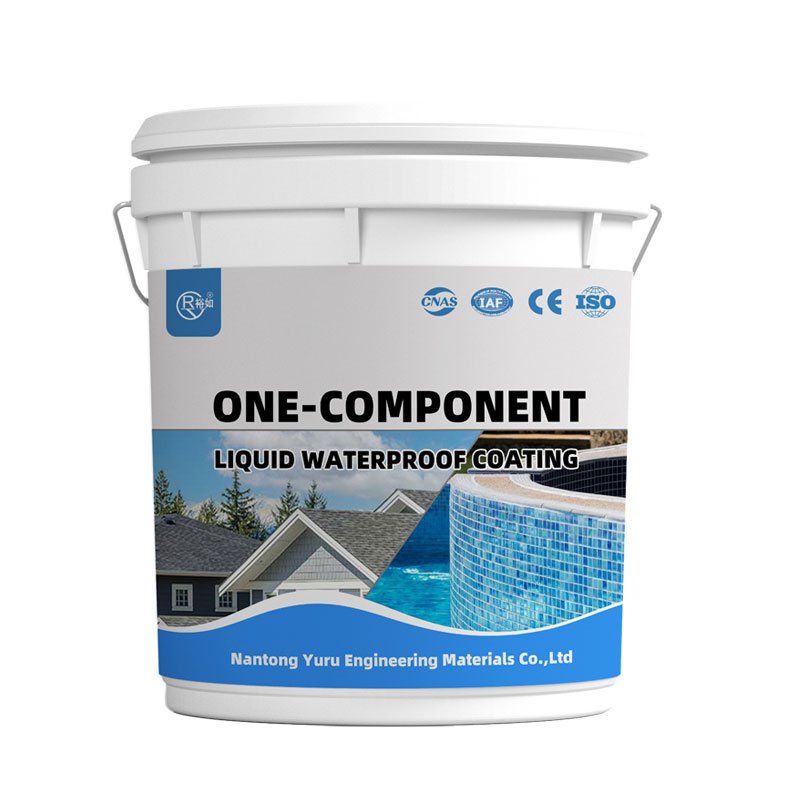
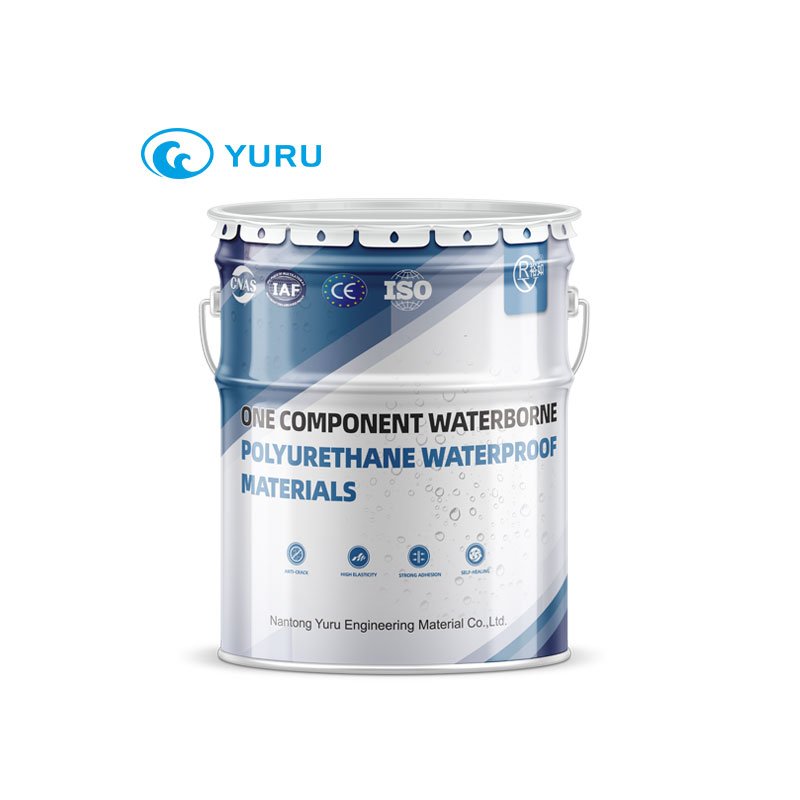
YURU Product solutions