What Substrates Can Polyurethane Waterproof Coatings Be Applied To?
Polyurethane waterproof coatings have become a preferred choice for contractors, engineering project managers, and waterproofing material wholesalers because of their strong adhesion, durability, and flexibility across a wide range of substrates. However, one of the most common questions professionals ask is:
“What substrates can polyurethane waterproof coatings be applied to?”
This detailed guide will break down every type of substrate compatible with polyurethane coatings, the surface preparation required, real engineering applications, and important considerations when choosing between oil-based and water-based polyurethane waterproof systems.
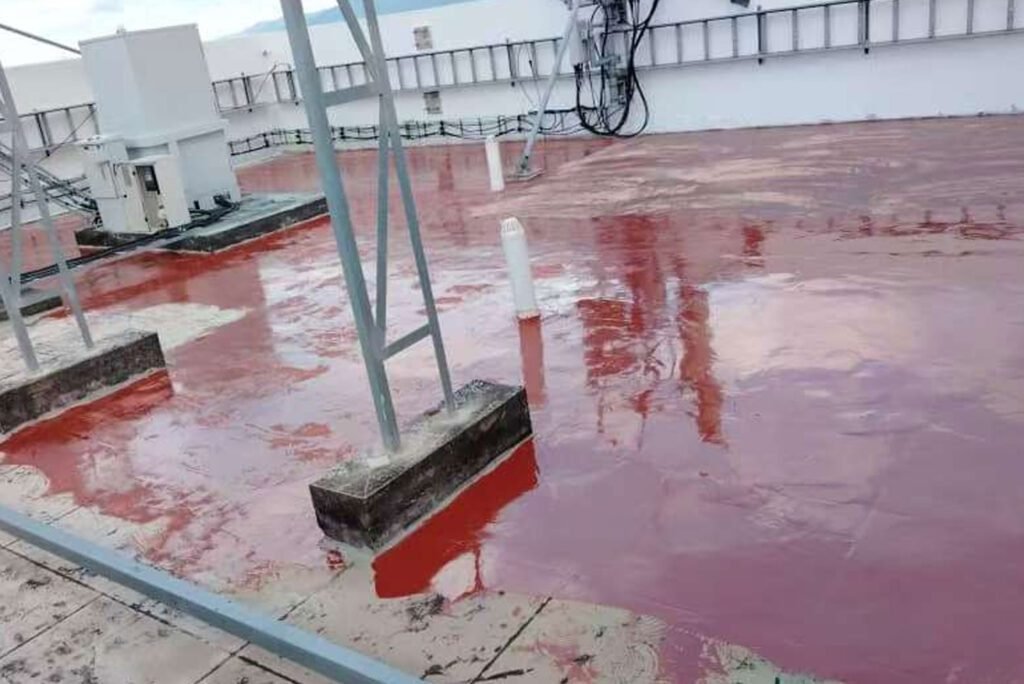
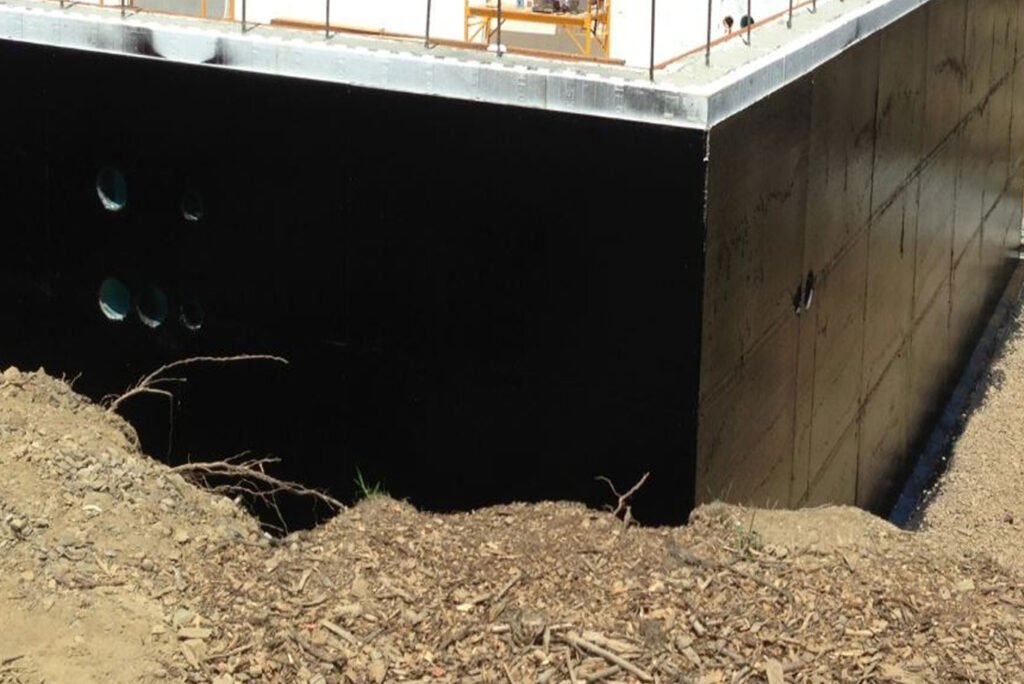
Overview: Why Polyurethane Waterproof Coatings Work on Multiple Substrates?
Polyurethane waterproof coatings are known for their:
- Strong adhesion to porous and non-porous surfaces
- High elasticity (can withstand structural movement)
- Seamless film formation
- Chemical and abrasion resistance
- Compatibility with top coatings, primers, and reinforcing fabrics
Because polyurethane forms a high-bonding, elastic, continuous waterproof layer, it can adhere to:
- Rigid substrates(concrete、tiles、stone)
- Flexible substrates(metal roofs、PVC sheets)
- Absorbent substrates(wood、cement mortar)
- Low-absorbent substrates(coated metal、ceramic)
Its versatility makes it ideal for:
- Residential waterproofing
- Commercial building maintenance
- Infrastructure engineering
- Industrial roofing and floor protection
- Large-scale waterproofing projects
This unmatched versatility is also why polyurethane waterproof coatings are widely used by contractors and selected by bulk material purchasers worldwide.
Concrete Substrates: The Most Common Application Surface
Concrete is the primary substrate for polyurethane waterproofing. Because concrete is porous, breathable, and structurally dynamic, polyurethane’s flexible membrane effectively prevents water penetration and resists:
- Micro-cracking
- Shrinking and expansion
- Hydrostatic pressure
Polyurethane coatings are widely used on:
- Common concrete areas
- Roof slabs
- Basements
- Podiums
- Tunnels
- Water tanks
- Balconies
- Lift pits
- Sewage treatment areas
- Concrete floors for industrial buildings
Surface preparation requirements
To achieve maximum performance, concrete surfaces must be:
- Clean and free of laitance
- Dry or slightly damp (depending on the product)
- Structurally sound and free of loose particles
- Repaired for cracks or honeycombs
- Primed using compatible polyurethane primers
New vs. old concrete
- New concrete should be fully cured (≥14 days for water-based, ≥28 days for oil-based).
- Old concrete must be thoroughly cleaned, and repairs should be completed before coating.
This step ensures the polyurethane coating forms a uniform, long-lasting waterproof membrane.
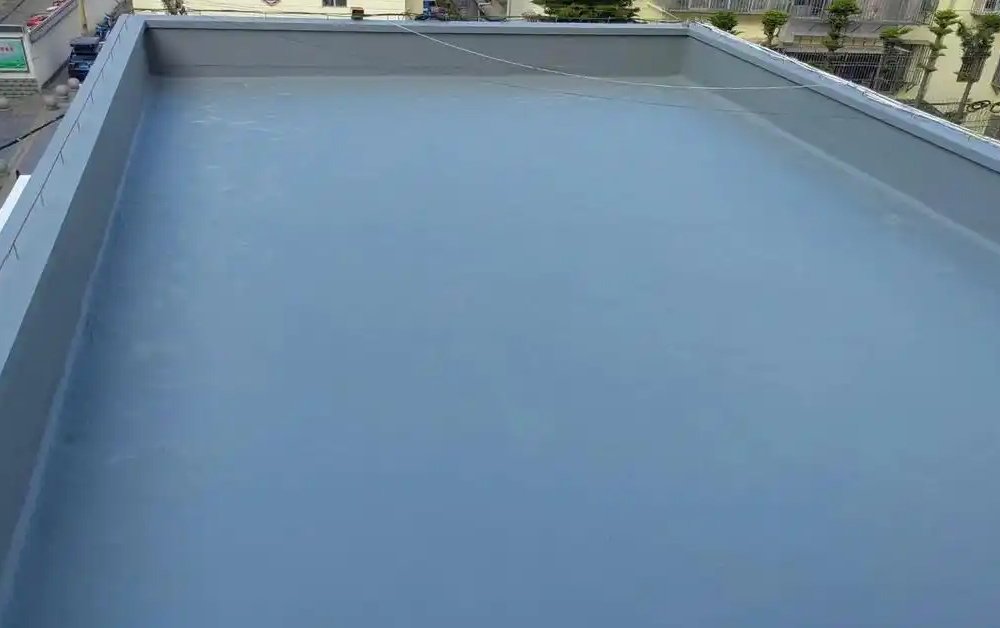
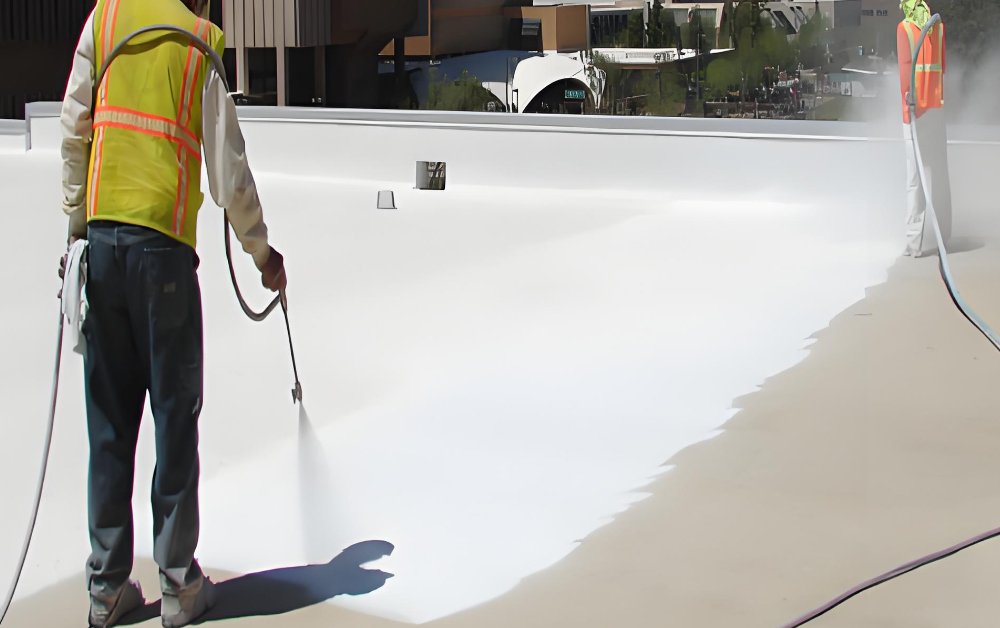
Metal Substrates: Steel, Aluminum, and Metal Roofing Sheets
Polyurethane coatings are excellent for metal surfaces because they offer:
- Strong adhesion to steel, aluminum, and galvanized sheets
- High flexibility to withstand thermal expansion
- UV and weather resistance(water-based systems perform better outdoors)
- Chemical resistance suitable for industrial environments
Compatible metal substrates
- Corrugated steel roofing sheets
- Aluminum panels
- Metal gutters and flashing
- Steel tanks and pipes
- Industrial metal roofs
- Prefabricated metal buildings
Surface preparation
Metal surfaces require:
- Rust removal(ST2–ST3 or sandblasting for severe corrosion)
- Oil, grease, and dirt elimination
- Proper priming using anti-corrosive or polyurethane primers
Important note:
Because metal undergoes huge temperature changes, the coating must be:
- Flexible
- UV-resistant(water-based recommended for exposed areas)
- Well-bonded
This ensures long-term stability and prevents peeling, blistering, or cracking.
Wooden, Plywood, and Insulation Board Substrates
Wood and insulation substrates are absorbing, flexible, and prone to dimensional changes. Polyurethane’s elasticity and penetrating adhesion make it a suitable waterproofing solution.
Common wooden or lightweight substrates
- Plywood floors
- Timber roofs
- Wood panels
- OSB boards
- Insulation boards(XPS、EPS、PU boards)
Preparation and application
Because wood expands and contracts, the coating must be reinforced:
- Apply primer for better penetration
- Use reinforcing fabric at joints
- Avoid applying on wet or swollen wood
- Ensure structural stability before waterproofing
For insulation boards
XPS and EPS are low-absorbent. Therefore:
- A specialized polyurethane primer
- Or light sanding
is required to ensure proper bonding.
Polyurethane waterproof coatings in these areas help prevent moisture absorption, warping, mold formation, and material degradation.
Tiles, Stone, Mortar, and Other Hard Finishes
Many contractors waterproof over existing tiles to avoid demolition costs, noise, and dust. This approach is excellent for renovation projects.
Typical application areas
- Bathroom tile floors
- Balcony tiles
- Kitchen tile substrates
- Exterior stone surfaces
- Mosaic floors
Surface preparation
Because tile and stone surfaces are smooth, bonding must be improved by:
- Mechanical grinding
- Acid etching (when appropriate)
- Applying adhesion-enhancing polyurethane primers
Once treated, polyurethane forms a highly durable membrane capable of handling:
- Micro-movement of tile layers
- Grout line expansion
- Moisture absorption differences
This makes it ideal for bathroom waterproofing and balcony renovation projects.
PVC, EPDM, TPO, and Old Waterproof Membrane Surfaces
These substrates are traditionally challenging because they are:
- Non-porous
- Flexible
- Chemically resistant
- Low-adhesion
However, with the right primer and techniques, polyurethane coatings can be successfully applied.
Compatible substrates
- PVC roofing membrane
- TPO waterproofing sheets
- EPDM rubber roofing
- Old polyurethane or acrylic coatings
- Aging bituminous membranes
Critical application steps
- Thorough cleaning
- Light sanding for mechanical adhesion
- Applying specialized primers
- Using flexible polyurethane systems
These steps allow contractors to repair old waterproofing layers without full replacement, cutting costs and reducing project time.
Choosing Between Oil-Based and Water-Based Polyurethane Coatings Based on Substrates
Oil-based polyurethane requires a protective topcoat if used outdoors, whereas water-based polyurethane can be directly exposed.
Oil-based Polyurethane
Pros:
- Strong bonding on metal and concrete
- High tensile strength
- Excellent chemical resistance
Limitations:
- Poor UV resistance
- Tends to chalk or harden when exposed
- Requires protective topcoat for external surfaces
Water-based Polyurethane
Pros:
- UV-resistant and suitable for exposed conditions
- Environmentally friendly, low odor
- Ideal for slightly damp concrete surfaces
- Excellent flexibility
Best for:
- Rooftops
- Exterior walls
- Metal roofs exposed to sunlight
- Wet areas (bathrooms, kitchens, balconies)
Substrate-based recommendation
| Substrate | Recommended Type | Notes |
|---|---|---|
| Concrete | Water-based / Oil-based | Exterior = water-based preferred |
| Metal | Oil-based or 2-component | Outdoor requires topcoat |
| Tiles | Water-based | Better bonding with primer |
| Wood | Water-based | More flexible, breathable |
| PVC/TPO/EPDM | Water-based / Oil-based | Surface must be sanded |
| Old membranes | Water-based | Less risk of chemical reaction |
Why Contractors Choose YURU Waterproof as Their Polyurethane Coating Supplier?
As a leading waterproof materials manufacturer, YURU Waterproof supplies high-performance polyurethane waterproof coatings for global wholesalers, contractors, and engineering firms.
Our advantages
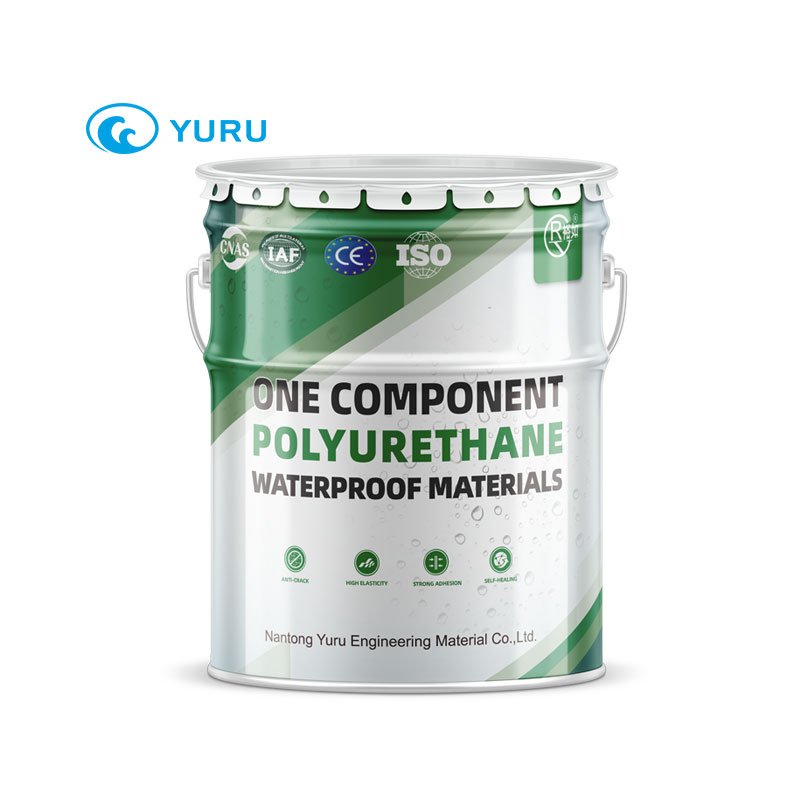
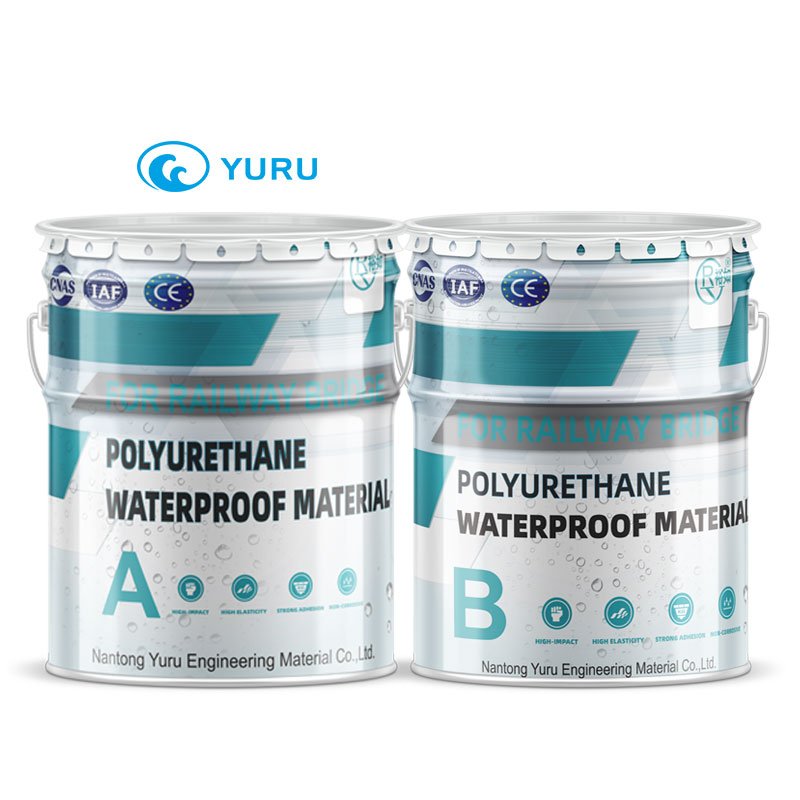
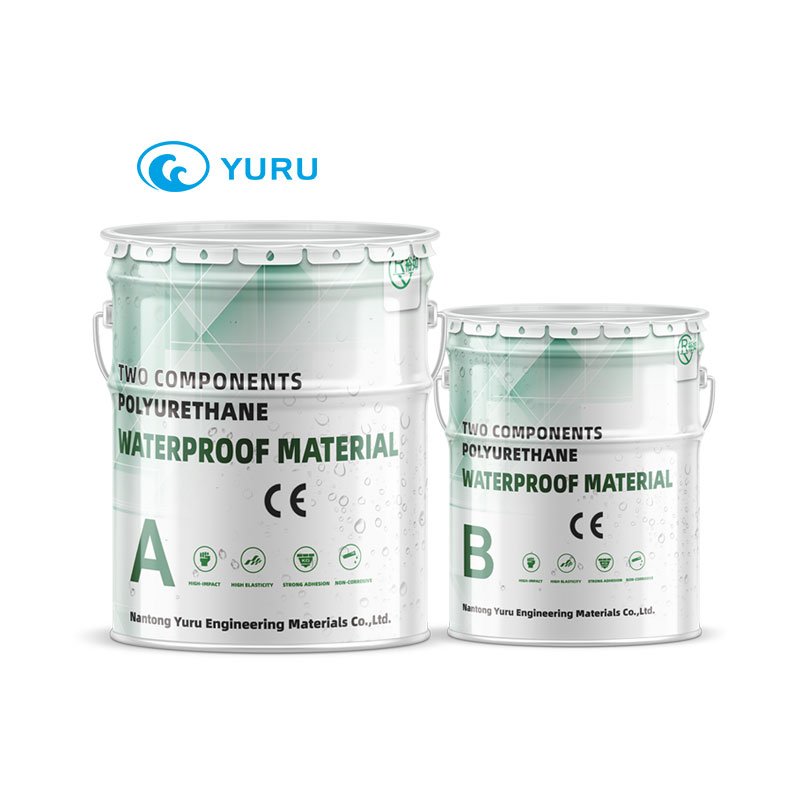
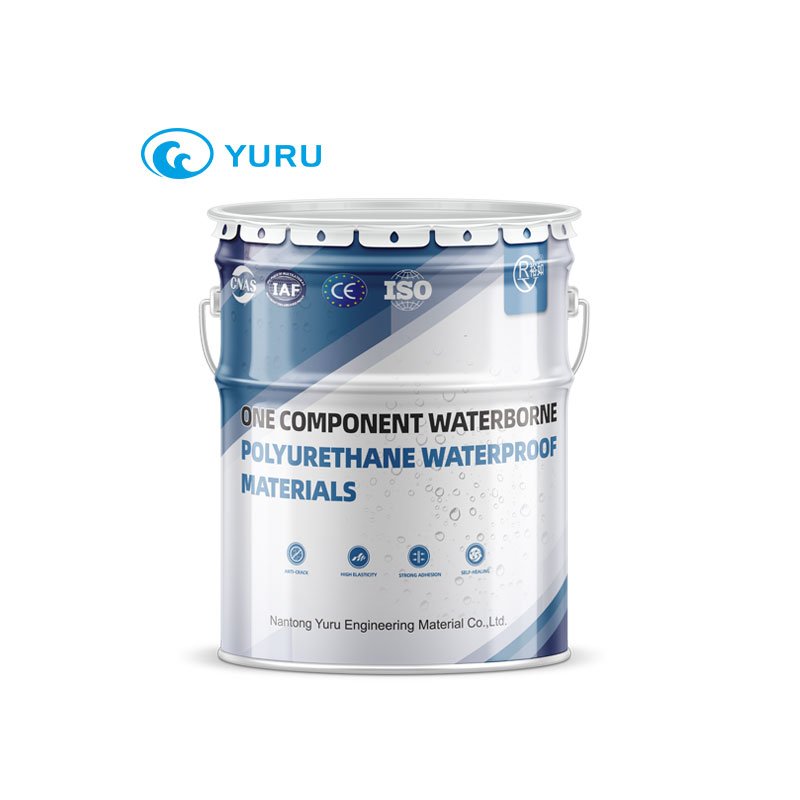
- Full product range: oil-based, water-based, and 2-component polyurethane coatings
- Compatible with all major substrates listed in this guide
- Support bulk purchasing and OEM manufacturing
- Professional technical consultation for projects
- Export-grade packaging and logistics support
- Stable supply for distributors and engineering companies
With years of experience in waterproof coatings, grouting materials, and flooring systems, YURU Waterproof ensures product reliability, technical accuracy, and long-term stability—critical factors for large engineering projects.
FAQs: Polyurethane Waterproof Coating Substrates
1. Can polyurethane waterproof coatings be applied to damp surfaces?
Water-based polyurethane can be applied to slightly damp surfaces, but oil-based systems require dry substrates.
2. Can polyurethane be applied over old tile surfaces?
Yes. After sanding and priming, polyurethane forms a strong waterproof membrane over tiles.
3. Is a primer always required before applying polyurethane coatings?
Not always, but primers significantly improve adhesion on metal, tiles, and non-porous surfaces.
4. Which polyurethane type is best for roofs?
Water-based polyurethane is generally recommended because it is UV-resistant and suitable for external exposure.
5. Can polyurethane waterproofing be used on wooden floors?
Yes. Water-based polyurethane is more suitable because it accommodates expansion and contraction.
6. Can polyurethane be used to repair old waterproof membranes?
Yes, with correct surface preparation and proper primer selection.
YURU Product solutions