What Types of Construction Projects Are Suitable for Polyurea Waterproof Coatings?
Polyurea waterproof coatings have become one of the most trusted solutions for modern construction projects due to their exceptional durability, fast-curing properties, and chemical resistance. From high-performance industrial facilities to public infrastructure, polyurea is widely recognized for delivering long-lasting waterproofing protection even in the most challenging environments.
Whether you are a contractor, waterproofing engineering company, or bulk materials distributor, understanding where polyurea performs best is essential for choosing the right material and optimizing project results. In this article, we take an in-depth look at the construction projects that are most suitable for polyurea waterproof coatings, backed by practical insights and engineering experience.
Overview of Construction Scenarios Suitable for Polyurea Waterproof Systems
Polyurea waterproof coatings stand out from traditional waterproofing materials due to their unique advantages:
- Fast curing (reducing downtime dramatically).
- Seamless application, eliminating joints that often cause leakage.
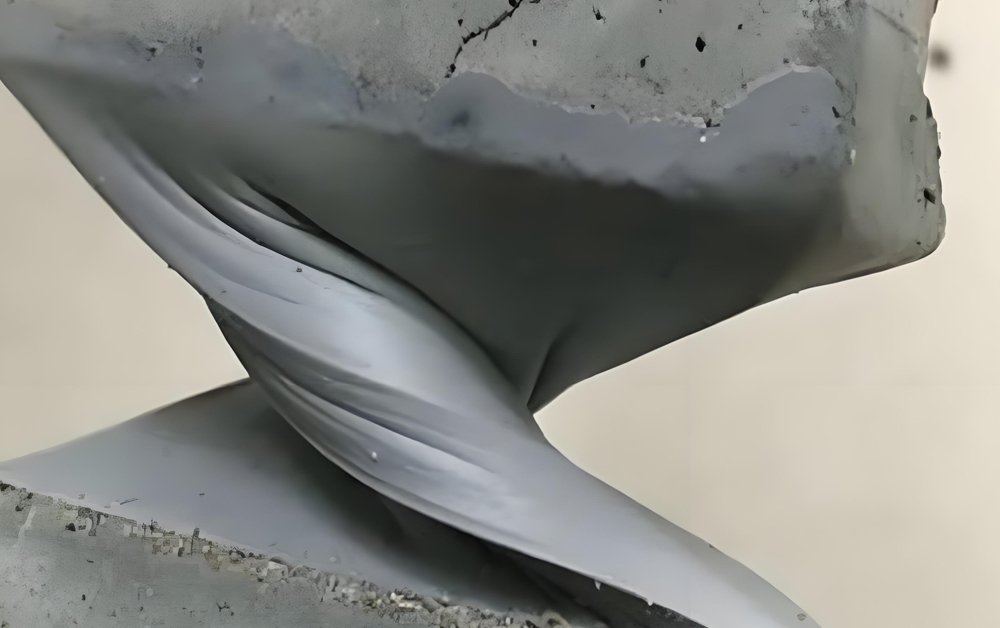
- High elongation for crack-bridging on dynamic structures.
- Outstanding chemical resistance.
- Strong adhesion to concrete, metal, wood, and geotextile surfaces.
- Superior abrasion resistance.
These properties make polyurea especially valuable for:
- High-load environments
- Complex structural surfaces
- Areas requiring long-term leak protection
- Projects with tight construction schedules
- Environments exposed to chemicals, impact, or weathering
Given these attributes, contractors often ask: Which projects benefit the most from polyurea waterproof coatings? Below, we explore the most common and most successful applications.
Polyurea for Roofing Projects
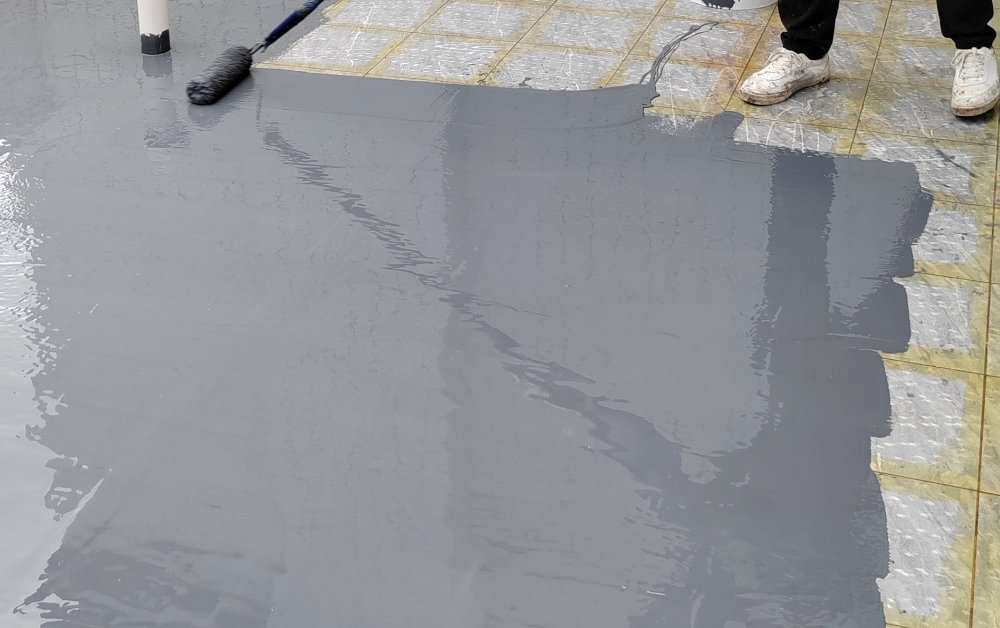
Roofing is one of the most common and effective areas where polyurea waterproofing is applied. Because roofs are typically large, exposed, and vulnerable to UV radiation and harsh weather, a durable and seamless waterproof system is crucial.
Why Polyurea Is Ideal for Roofing Construction:
- Forms a completely seamless membrane, eliminating weak points caused by overlaps.
- Highly UV and weather resistant, suitable for long-term exposure.
- Fast application allows large-area completion within hours.
- Strong adhesion to concrete roofs, steel roofs, metal decks, and large industrial roofs.
Suitable roof types include:
- Commercial building roofs
- Industrial warehouses
- Steel-structure roofs
- Mechanical equipment rooms
- Old roof refurbishment projects
Polyurea minimizes maintenance demands and extends roof service life, especially when compared with traditional roll membranes that crack or shrink over time.


Polyurea for Basements, Foundations, and Below-Grade Structures
Underground structures are constantly subjected to water pressure, soil movement, and long-term moisture. Polyurea’s strong chemical resistance and flexibility make it the preferred choice for below-grade waterproofing.
Why Polyurea Performs Well in Underground Projects:
- Resistant to long-term hydrostatic pressure.
- Seamless coating prevents lateral water infiltration.
- High elasticity prevents cracking when the foundation settles.
- Excellent corrosion resistance in underground environments.
Common applications include:
- Basement walls & floor slabs
- Foundation exterior waterproofing
- Deep foundation pits
- Tunnels and subway systems
- Underground parking structures
- Underground utility rooms
In addition, polyurea’s rapid curing significantly reduces the period during which the foundation is exposed, helping contractors avoid delays during rainy seasons.
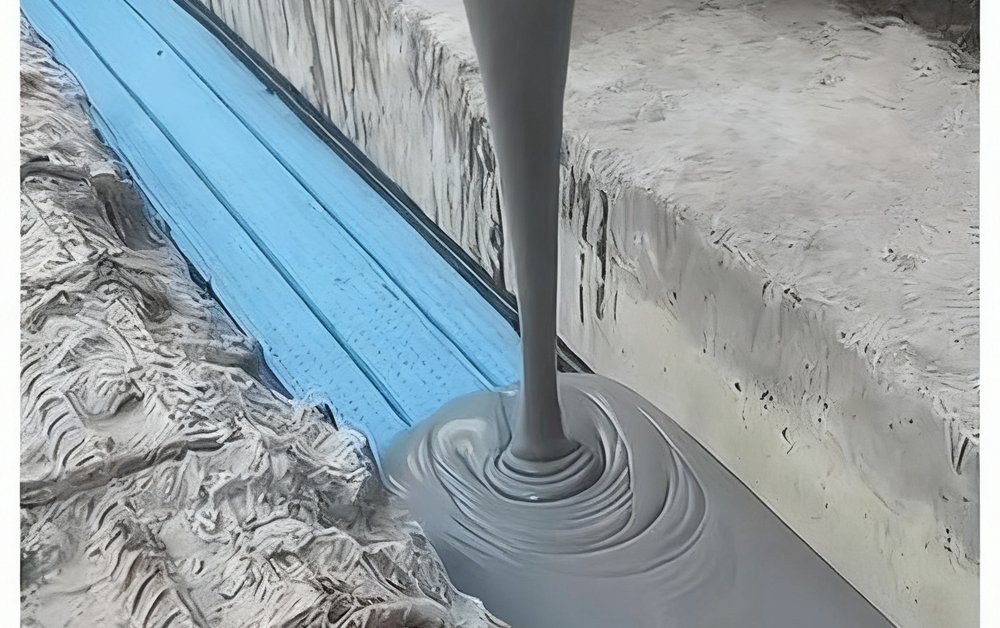
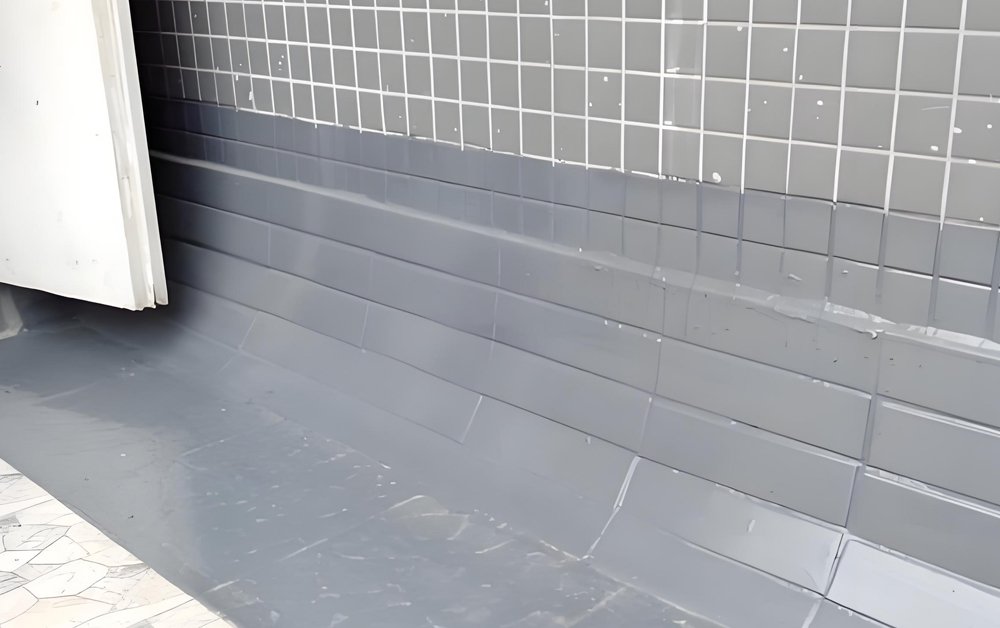
Polyurea for Water Tanks, Pools, and Wastewater Treatment Projects
Polyurea is widely used in liquid containment systems thanks to its durability and exceptional chemical resistance.
Why Polyurea Is Suitable for Water Containment:
- Eco-friendly and can be formulated for potable water applications.
- Excellent resistance to chlorine, chemicals, and wastewater.
- Creates a smooth, seamless liner ideal for water tanks.
- Resists cracking and corrosion over long-term exposure.
Typical projects include:
- Potable water tanks
- Wastewater treatment tanks
- Sewage channels
- Firefighting water reservoirs
- Swimming pools
- Decorative fountains
Polyurea allows water tanks to be placed back into service quickly, reducing downtime and improving operational efficiency.
Polyurea for Bridges, Parking Decks, and Heavy-Load Infrastructure
One of the biggest advantages of polyurea is its extreme abrasion resistance. This makes it perfect for areas exposed to vehicle traffic, dynamic loads, vibration, and mechanical impact.
Benefits in high-load applications:
- Very high tensile and tear strength.
- Resistant to tire wear, impact, and heavy traffic.
- Long-lasting protection against road salts and chemicals.
- Provides waterproofing and protective coating in one.
Common uses include:
- Bridge deck waterproofing
- Underground parking garage ramps
- Logistics warehouse floors
- Airport runways (local repair)
- Cargo handling decks
Polyurea ensures longer service life and reduces long-term repair costs in heavy-duty engineering projects.
Polyurea for Industrial and Chemical Facility Protection
Industries that involve corrosive chemicals or high-impact environments rely heavily on polyurea for protective linings.
Why Industrial Facilities Prefer Polyurea:
- Exceptional resistance to acids, alkalis, solvents, and oils.
- Prevents corrosion of steel and concrete equipment.
- Withstands mechanical impact and abrasion.
- Rapid curing minimizes production downtime.
Typical industrial applications:
- Chemical plant containment areas
- Petroleum storage tanks
- Factory floors
- Paper mills
- Electroplating workshops
- Food processing plants
Polyurea increases safety, improves operational life, and reduces maintenance costs in harsh industrial environments.

Polyurea for Sports Facilities, Landscape Projects, and Decorative Structures
Beyond traditional waterproofing, polyurea is used in creative architectural and landscape applications where both elasticity and aesthetics matter.
Advantages for aesthetic and recreational projects:
- High elasticity for stadium seating and dynamic surfaces.
- UV resistant for long-term outdoor exposure.
- Can be colored for decorative effects.
- Seamlessly coats irregular shapes.
Suitable project types include:
- Stadium stands and sports floors
- Water parks
- Landscape fountains
- Artificial lakes
- Theme park structures
Polyurea’s versatility allows both functional waterproofing and visual design to coexist.
Why Contractors Choose YURU Waterproof for Polyurea Solutions?
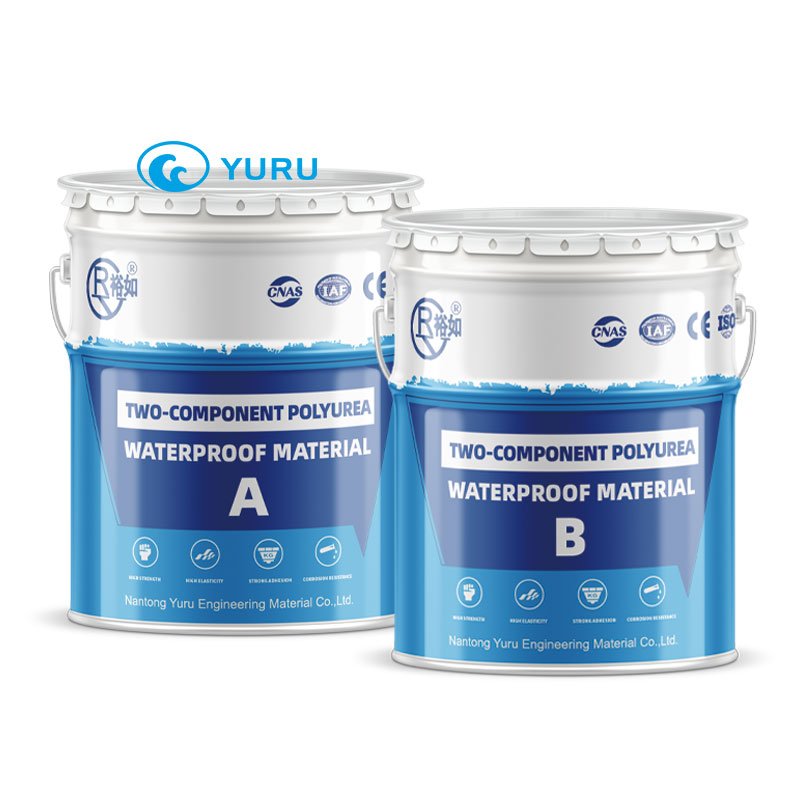
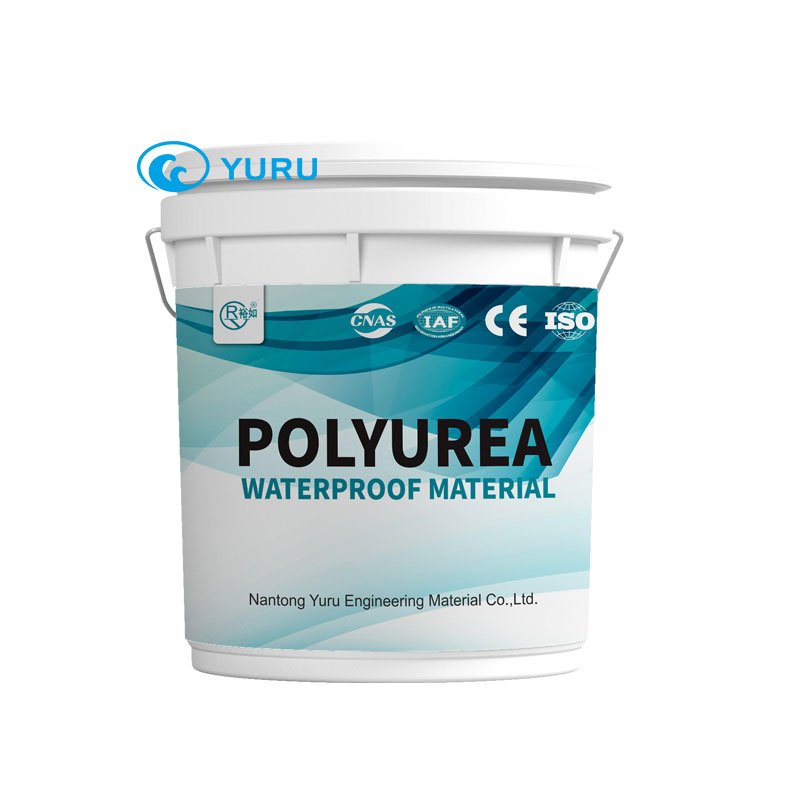
YURU Waterproof is a trusted supplier specializing in polyurea waterproof coatings, injection materials, and flooring systems for customers worldwide.
What YURU Offers
- High-performance aromatic and aliphatic polyurea
- Professional-grade primers, base coats, and full system solutions
- Engineering support for construction companies and contractors
- OEM & ODM customization
- Stable factory supply and competitive wholesale pricing
- Materials that meet international safety and performance standards
For large engineering projects requiring durability, fast-curing performance, and long-term waterproof reliability, YURU’s polyurea systems deliver consistent results.

FAQs
1. Are polyurea waterproof coatings suitable for outdoor exposure?
Yes. Polyurea has excellent UV stability, weather resistance, and long-term durability, making it highly suitable for outdoor environments.
2. Can polyurea be applied to damp concrete?
Polyurea should be applied only on dry and properly primed substrates. Moisture-tolerant primers can be used when necessary.
3. How long does polyurea last?
High-quality polyurea systems, such as those produced by YURU, can last 20–30 years or more with proper maintenance.
4. Can polyurea resist heavy vehicle loads?
Absolutely. Polyurea is one of the most durable coatings for bridges, parking decks, and industrial traffic areas.
5. Do contractors need special equipment to apply polyurea?
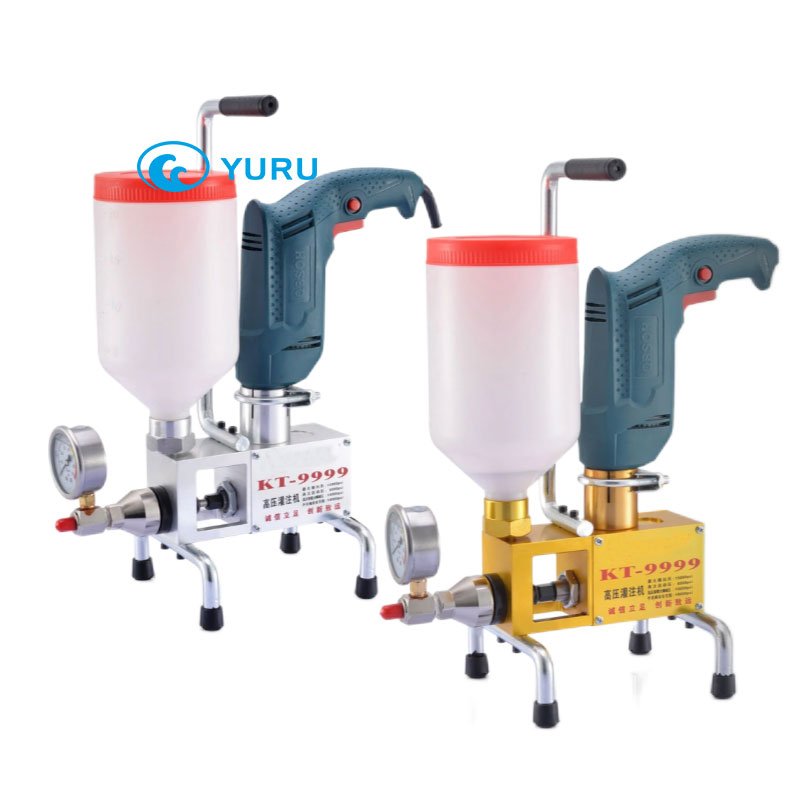
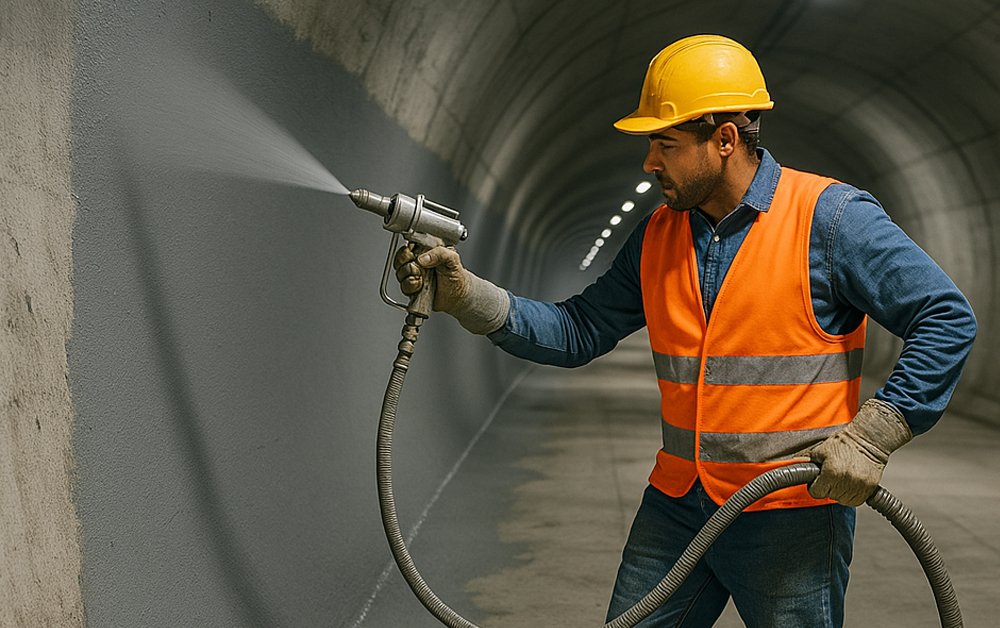
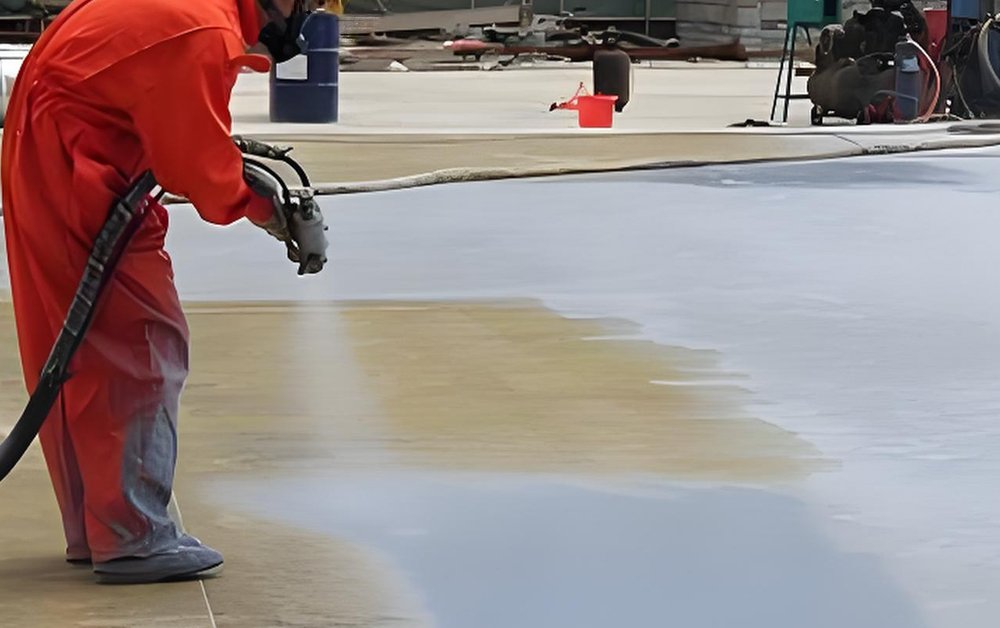
Yes. However, there is a distinction between one-component polyurea and two-component spray-applied polyurea. Spray-applied polyurea requires a two-component high-pressure sprayer. YURU can provide advice or support on equipment selection.
Conclusion
Polyurea waterproof coatings are among the most versatile and high-performance solutions available in the modern construction industry. Their unmatched durability, fast curing, and resistance to chemicals and impact make them the preferred choice for roofing projects, underground structures, bridges, water treatment facilities, industrial zones, sports venues, and landscape applications.
For contractors, distributors, and engineering firms looking for high-quality polyurea products, YURU Waterproof offers complete system solutions, technical support, and reliable supply for large projects.
YURU Product solutions