What Types of Cracks Are Suitable for Polyurea Injection Grouting?
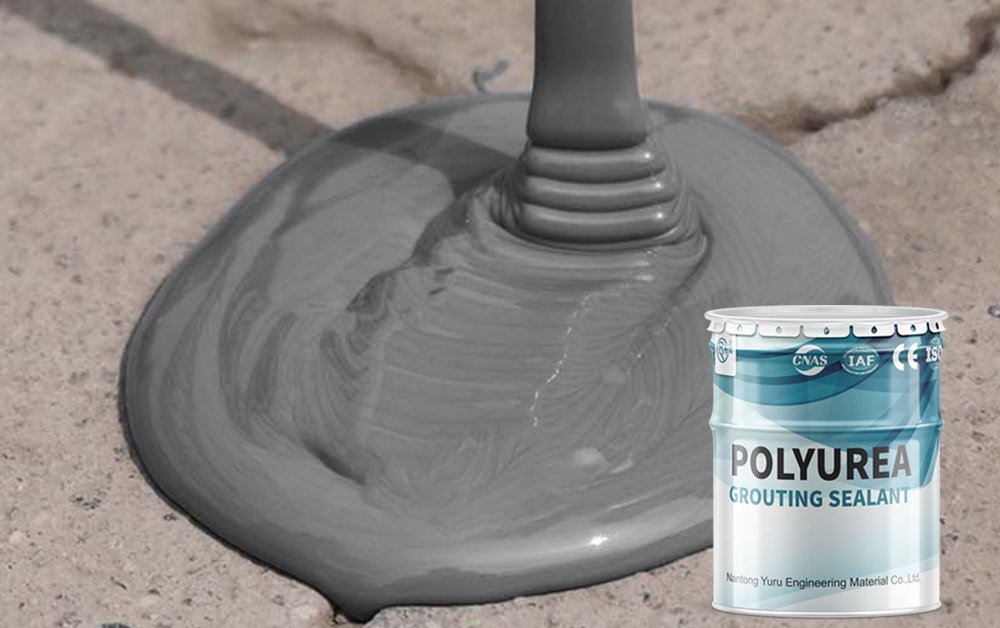
Polyurea injection grouting has become one of the most reliable methods for sealing, stabilizing, and waterproofing cracks in concrete structures. Contractors around the world prefer polyurea because of its rapid reaction, excellent elongation, strong bonding ability, and durability in both wet and dry environments. However, despite its versatility, polyurea is not a “universal” crack repair solution. Certain cracks are ideal for polyurea, while others are not.
This article provides a technical yet easy-to-read guide designed for engineering contractors, grout material wholesalers, and project decision-makers. The content explains how to evaluate cracks, which cracks are suitable for polyurea injection, and when alternative materials are required.

1. Key Criteria for Determining Whether a Crack Is Suitable for Polyurea Injection Grouting
Before selecting polyurea or any injection material, contractors must first diagnose the crack. This evaluation determines whether polyurea is the ideal solution or if another material—such as epoxy or polyurethane foam—is more appropriate.
1.1 Crack Activity (Static or Dynamic)
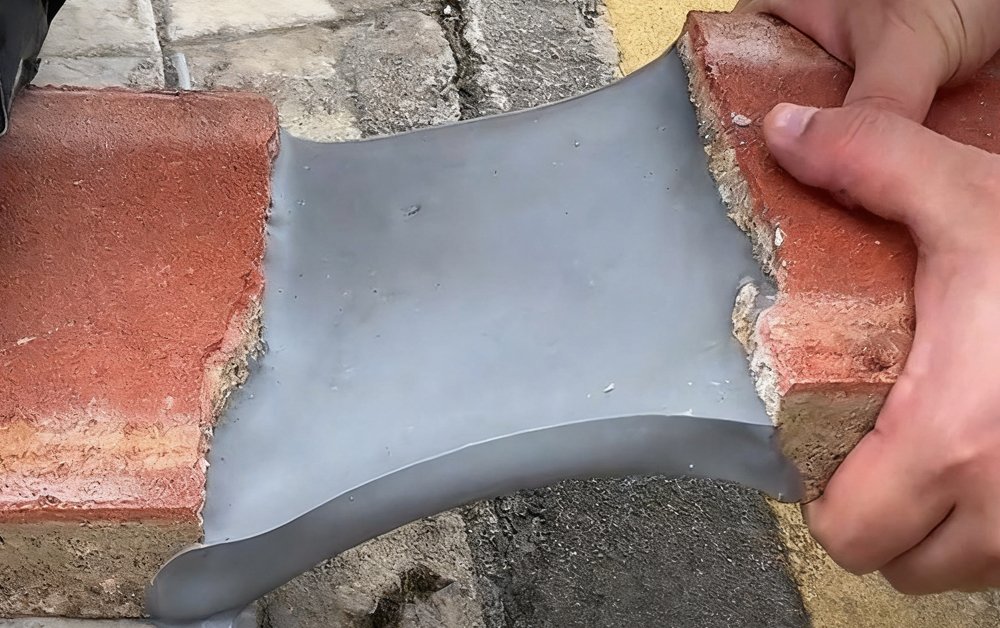
Polyurea is flexible and elastic, making it suitable for cracks that may still move slightly due to temperature changes, vibration, settlement, or stress redistribution.
- Polyurea stretches without breaking.
- Maintains waterproof behavior even under minor movement.
- Ideal for structures experiencing seasonal expansion/contraction.
1.2 Crack Width and Depth
Polyurea’s low viscosity allows it to penetrate deep and narrow cracks.
- Effective for 0.1 mm–3 mm cracks
- Can fill micro-gaps and deep voids
- Works well with high-pressure injection systems
1.3 Crack Origin (Structural or Non-Structural)
Understanding why the crack formed is essential:
- Non-structural cracks (shrinkage, temperature, plastic settlement) are ideal for polyurea.
- Structural load-bearing cracks may require epoxy to restore strength. Polyurea can then be used afterward for waterproofing.
1.4 Environmental Conditions at the Crack
Polyurea is one of the few materials that can react:
- In the presence of water
- Under wet or humid conditions
- Even in cracks with active leakage
These criteria ensure that contractors apply polyurea only where it performs best.

2. Dynamic Cracks Suitable for Polyurea: Perfect for Slightly Active Structures
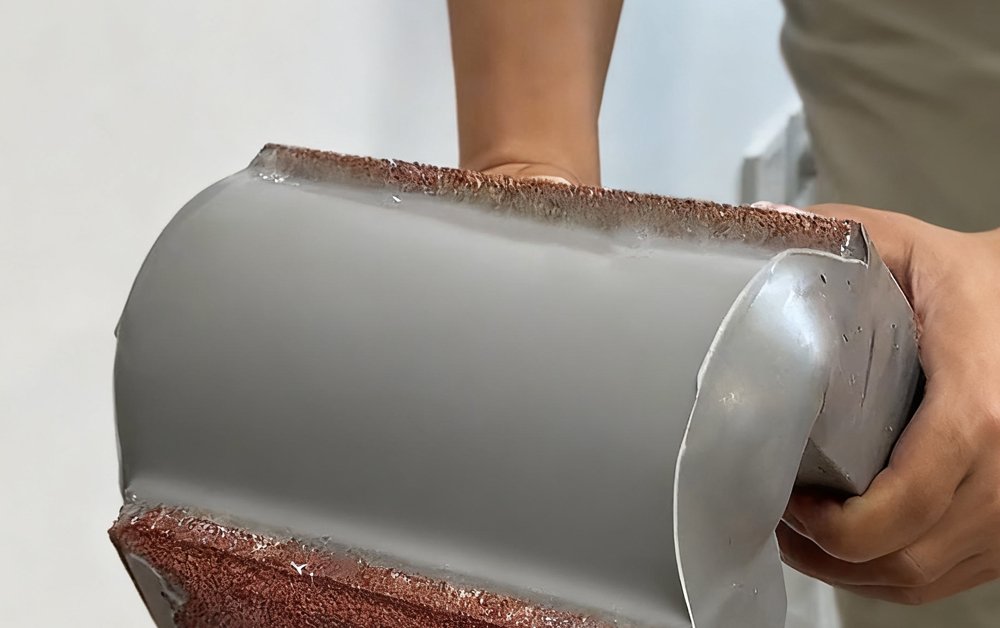
Dynamic cracks—sometimes also called “moving cracks”—can expand, shrink, or shift slightly depending on external factors. Polyurea excels in these environments because it maintains elasticity even after curing.
2.1 Why Polyurea Works Well in Dynamic Cracks?
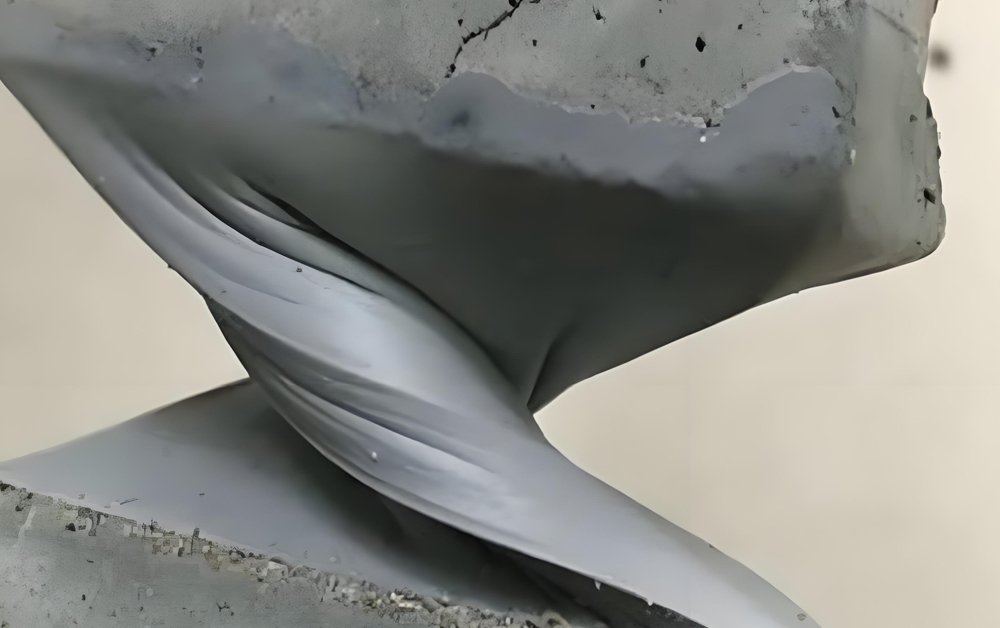
Polyurea’s tensile strength and elongation allow it to:
- Absorb small movements
- Maintain a waterproof seal
- Prevent future tearing
- Extend service life of reinforced concrete structures
2.2 Typical Locations of Dynamic Cracks
Contractors often encounter dynamic cracks in:
- Subway tunnels and metro stations
- Underground parking garages
- Retaining walls under soil pressure
- Bridge deck joints
- Areas near expansion joints
- Elevator pits and machine rooms
These environments experience continuous vibrations and stress. Polyurea remains stable, whereas brittle materials may re-crack.
3. Leaking Cracks with Active Water Flow: Polyurea’s Fast Reaction Advantage
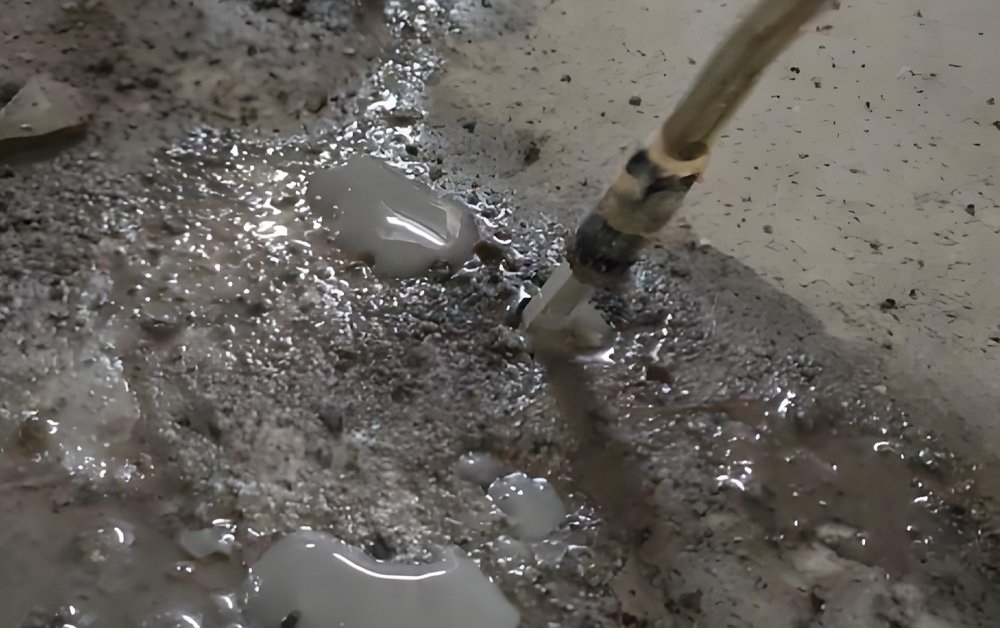
One of the most important strengths of polyurea injection grouting is its reaction speed. Many polyurea formulations from industrial suppliers like YURU Waterproof react quckily, allowing the grout to rapidly block water pathways.
3.1 Why Polyurea Is Ideal for Wet/Leaking Cracks?
- Reacts quickly even in the presence of water
- Forms a dense waterproof membrane inside the crack
- Expands slightly to achieve a tight seal
- Prevents continuous water ingress
- Works in high-pressure water conditions
3.2 Locations Where Leaking Cracks Are Common
Polyurea is frequently used in:
- Basement wall penetrations
- Water tanks and treatment facilities
- Municipal pipelines
- Sewage tunnels
- Underground pedestrian passages
- Dams and hydropower structures
In these areas, water infiltration results in structural damage, mold, and corrosion. Polyurea provides reliable long-term waterproofing.
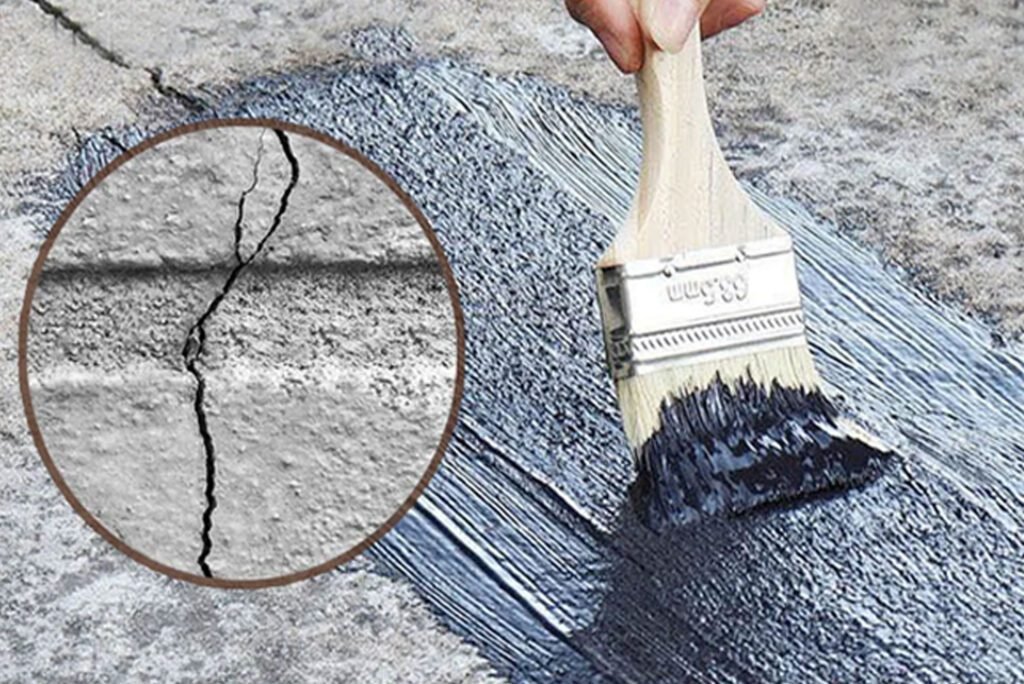

4. Micro-Cracks and Deep Hairline Cracks: Low Viscosity Polyurea Performs Exceptionally Well
Certain cracks are too narrow for epoxy or cementitious grout to enter. Polyurea’s chemical structure allows it to penetrate micro-fissures and bind to the concrete matrix.
4.1 Suitable Crack Size
Polyurea injection can fill:
- Hairline cracks as thin as 0.1 mm
- Deep cracks extending into the slab
- Subsurface voids that may not be visible on the surface
4.2 Benefits of Using Low-Viscosity Polyurea
- Reaches the deepest part of the crack
- Fills internal voids that traditional surface repair cannot reach
- Creates a continuous sealed path
- Improves waterproofing performance from the inside
This makes polyurea ideal for preventing secondary cracking and long-term leakage.
5. Structural vs Non-Structural Cracks: When Polyurea Is Suitable and When Other Materials Are Needed
Not all cracks serve the same purpose; therefore, not all should be treated with polyurea alone.
5.1 Non-Structural Cracks (Ideal for Polyurea)
Examples:
- Concrete shrinkage cracks
- Temperature-induced cracks
- Surface drying cracks
- Plastic settlement cracks
Polyurea provides sealing, waterproofing, and flexibility for these cases.
5.2 Structural Cracks (Polyurea + Additional Repair Needed)
Structural cracks affect load-bearing capabilities.
These may require:
- Epoxy resin for structural reinforcement
- Rebar corrosion mitigation
- Anchoring systems or retrofitting
After structural stability is restored, polyurea can be injected for waterproofing.
5.3 Mixed Cracks
Some cracks show both structural significance and water ingress. In such cases, a dual-material approach may be used:
- Epoxy or structural adhesive to restore strength
- Polyurea injection to secure long-term waterproofing
This ensures both safety and durability of engineering structures.

6. Cracks NOT Suitable for Polyurea Injection Grouting
Although polyurea is highly versatile, certain conditions will reduce its effectiveness.
6.1 Severely Damaged or Disintegrated Concrete
If the substrate is:
- Crumbled
- Powdery
- Disbonded
- Hollow or delaminated
Polyurea cannot bond effectively.
6.2 Large Gaps or Missing Concrete Sections
Polyurea injection will not reconstruct missing concrete. These situations require:
- Mortar repair
- Recasting
- Rebar exposure treatment
6.3 Surfaces with Heavy Contamination
Oil, chemicals, or loose debris prevent bonding. Cleaning and preparation are necessary before injecting.
6.4 Extremely Wide Cracks (>5 mm)
These may require pre-filling with mortar or flexible sealant before polyurea injection.
By clarifying unsuitable conditions, contractors avoid material waste and ensure safety.
7. Why Engineering Contractors Choose YURU Waterproof Polyurea Injection Materials?
YURU Waterproof is recognized by global wholesalers and contractors for supplying high-performance waterproofing and grouting systems.
7.1 Advantages of YURU Polyurea Injection Grouting Materials
- Fast reaction formula suitable for both wet and dry cracks.
- Deep penetration capability for micro-fractures.
- Strong elongation for dynamic crack sealing.
- High-pressure injection compatibility.
- Industrial-grade stability for long-term waterproofing.
7.2 Designed for Professional Contractors and Wholesalers
- Bulk packaging options
- OEM/ODM customization
- Full technical data sheets
- Global engineering experience
- Application guides & on-site technical support
7.3 Typical Application Markets
- Metro stations, tunnels
- Water utilities
- Underground engineering
- High-rise basements
- Infrastructure waterproofing
YURU’s polyurea materials support contractors in achieving reliable waterproofing performance across demanding environments.
FAQs
1. Can polyurea injection stop heavy leaking cracks?
Yes. Polyurea reacts instantly with water and forms a dense waterproof barrier, making it ideal for active leakage.
2. What is the minimum crack width suitable for polyurea injection?
Generally 0.1–0.2 mm. Low-viscosity formulations allow polyurea to enter very narrow cracks.
3. Is polyurea suitable for structural cracks?
Polyurea alone should not be used to restore structural strength. Structural cracks require epoxy first, followed by polyurea if waterproofing is needed.
4. Can polyurea be injected into damp concrete?
Yes. It performs well on damp surfaces and cracks with active moisture.
5. How long does injected polyurea last?
High-quality industrial-grade polyurea can last decades due to excellent chemical and water resistance.
Conclusion
Polyurea injection grouting is one of the most advanced crack-repair and waterproofing solutions available today. It is particularly effective for:
- Dynamic cracks
- Leaking cracks
- Micro-cracks
- Deep, invisible cracks
- Non-structural cracks requiring flexibility
However, contractors must correctly diagnose the crack type and avoid using polyurea in unsuitable conditions such as severe substrate deterioration or missing concrete.
For engineering contractors and grout wholesalers seeking a durable and high-performance solution, YURU Waterproof offers industrial-grade polyurea injection materials trusted across Asia, Europe, and the Middle East.
YURU Product solutions