What Types of Waterproof Coatings Does YURU Manufacture?
Introduction: Why Understanding Coating Types Matters in Waterproofing Projects?
Choosing the right waterproof coating is not simply a matter of price or brand recognition. For professional buyers—such as wholesalers, contractors, engineers, and municipal project managers—the chemical system behind the coating determines durability, failure risk, maintenance cost, and long-term performance.
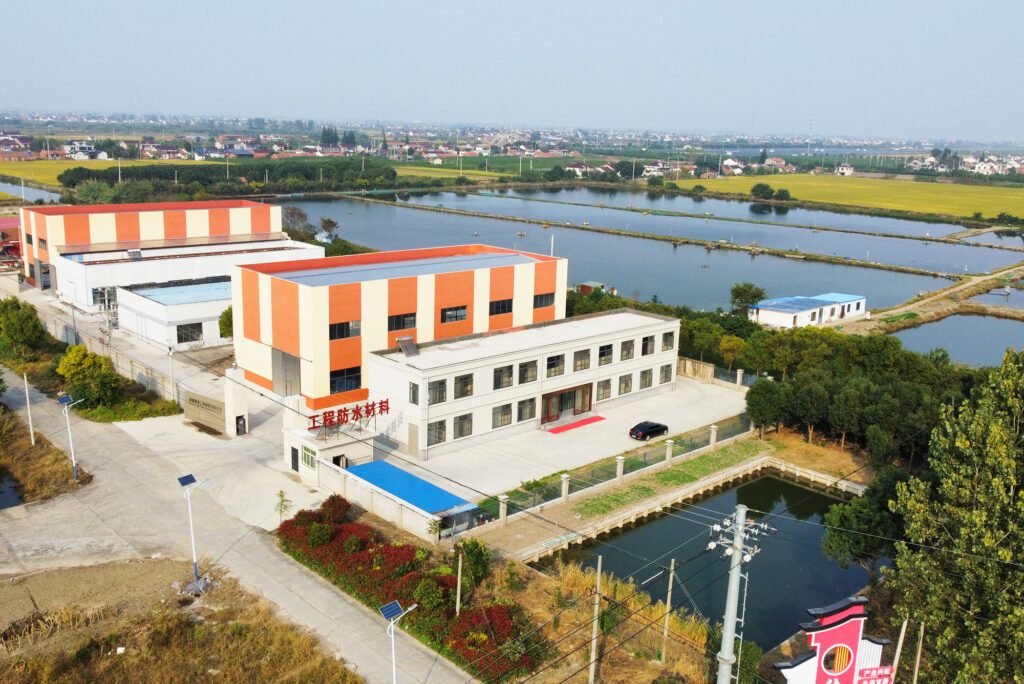
At YURU Waterproof, we manufacture a complete range of waterproof and protective coating systems in-house. Rather than acting as a trading company assembling unrelated products, we focus on chemistry-driven manufacturing, ensuring compatibility, performance consistency, and reliable supply.
This article provides a comprehensive breakdown of the five major waterproof coating systems produced by YURU, their technical characteristics, ideal applications, and how to select the correct system based on real project conditions.
1. Polyurethane Waterproof Coatings: The King of Elasticity
Polyurethane (PU) waterproof coatings are widely regarded as the most versatile elastic waterproofing materials used in construction today.
Core Characteristics
The defining feature of polyurethane waterproof coatings is their exceptionally high elongation at break, typically exceeding 250%, and in some formulations reaching much higher values. This allows the cured membrane to stretch and recover without cracking, even when the substrate moves.
Key technical advantages include:
- Excellent crack-bridging ability.
- Seamless, fully bonded membrane.
- Strong adhesion to concrete, metal, and masonry.
- Good resistance to water pressure and mild chemicals.
Because concrete structures naturally expand, contract, and develop micro-cracks over time, elasticity is critical for long-term waterproof performance.
YURU Polyurethane Product Segmentation
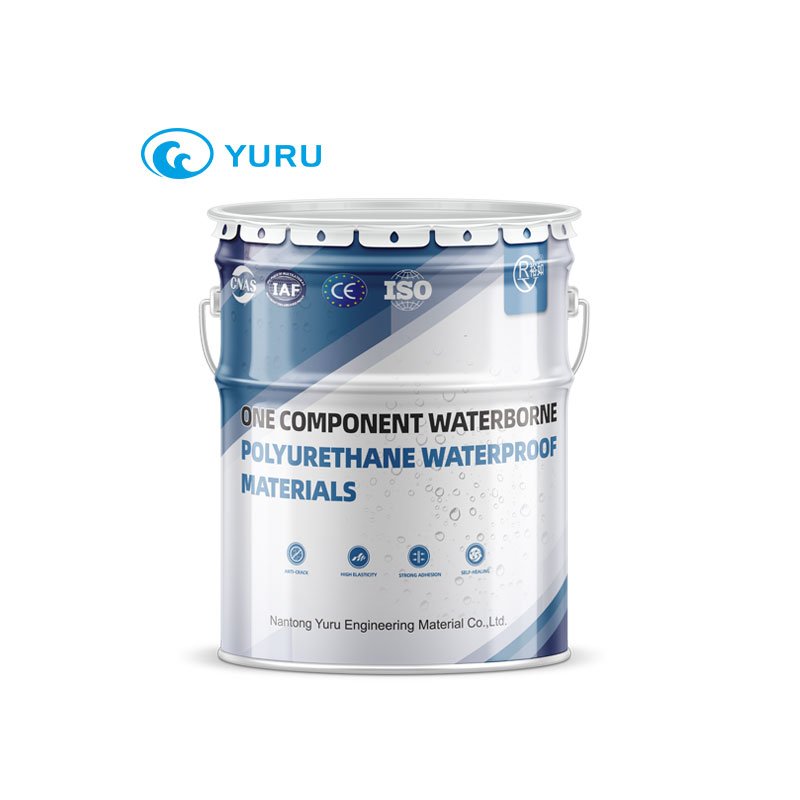
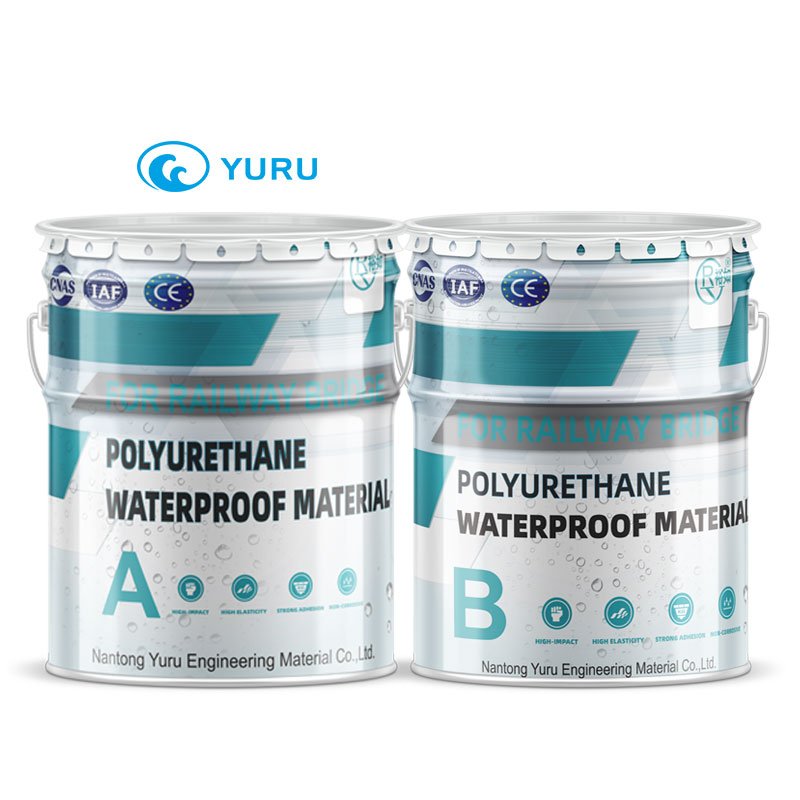
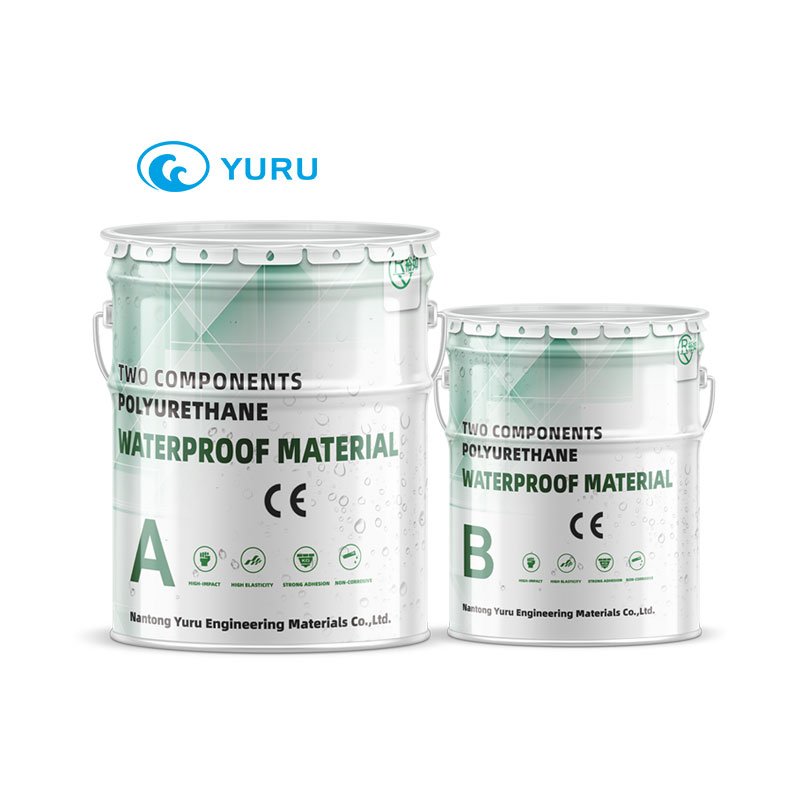
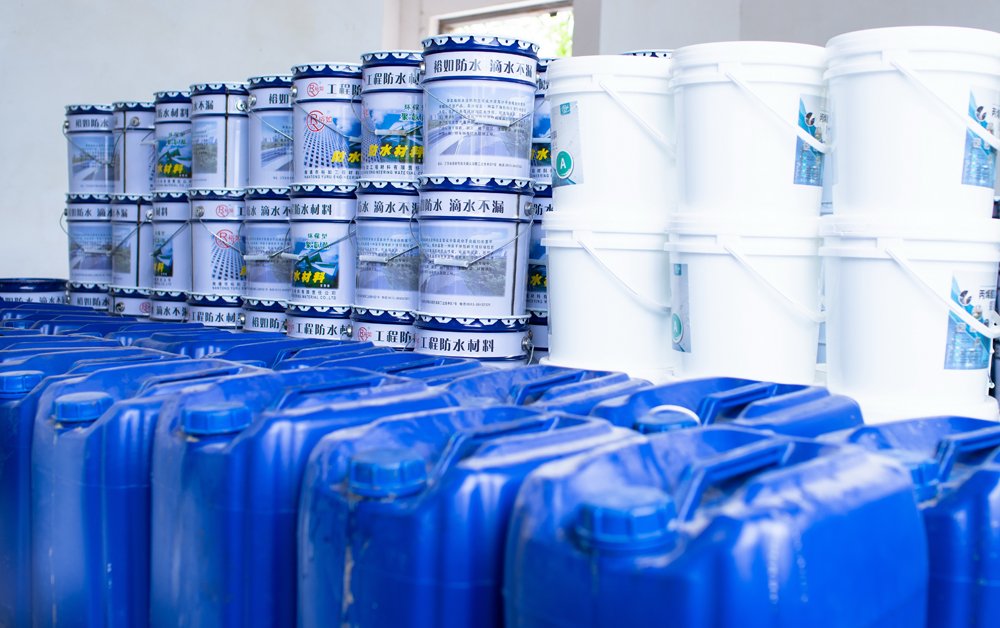
YURU manufactures both single-component and two-component polyurethane waterproof coatings, each designed for different construction scenarios.
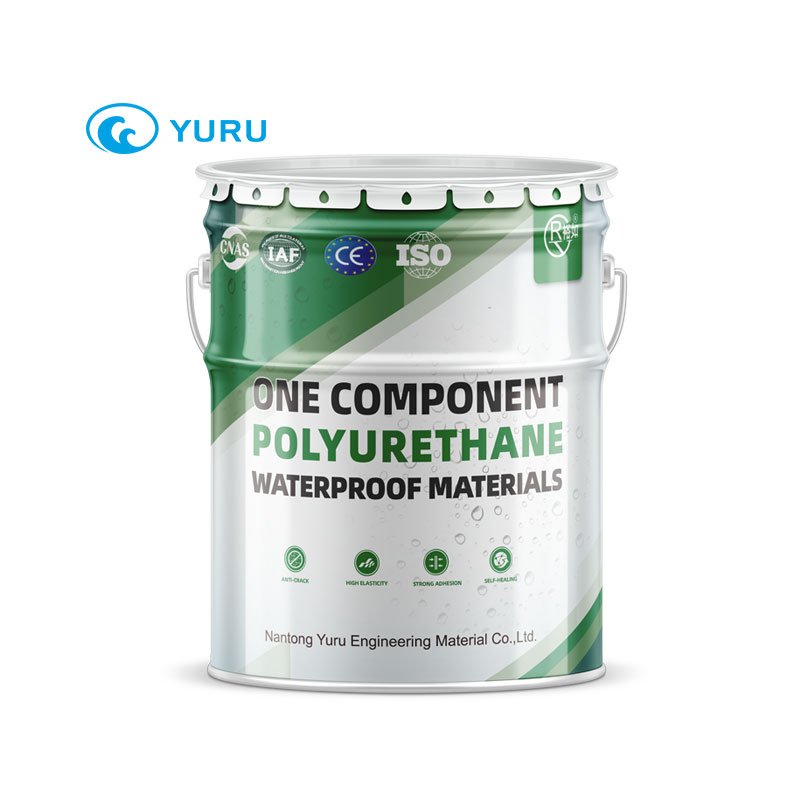
Single-Component Polyurethane (Moisture-Cured)
- Ready to use, no mixing required.
- Cures by reacting with moisture in the air.
- Ideal for small to medium projects and repair works.
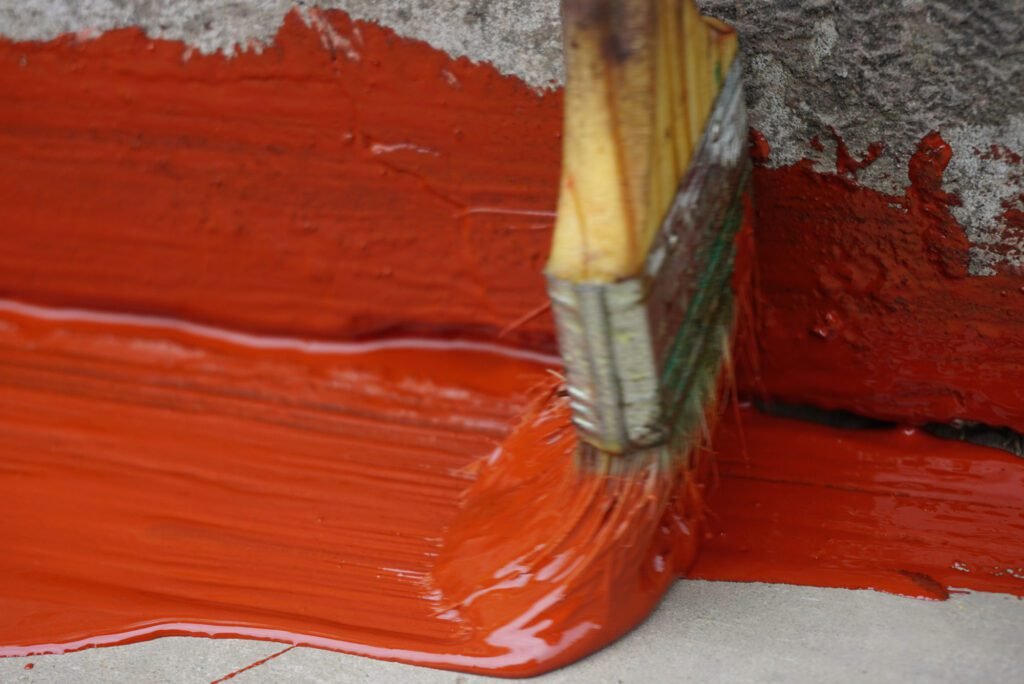
- Easy application by roller, brush, or squeegee.
This system is popular among contractors who value simplicity and mobility.
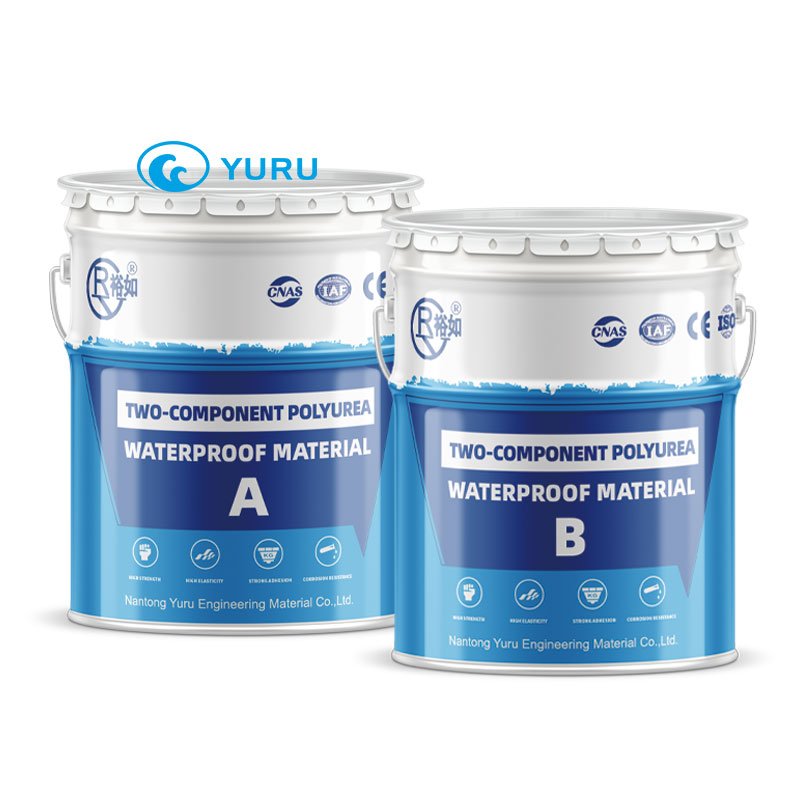
Two-Component Polyurethane (Reaction-Cured)
- Higher mechanical strength.
- Faster and more controlled curing.
- Better thickness build and durability.
- Suitable for large-scale and high-performance projects.
This type is often specified in commercial, industrial, and infrastructure projects.
Best Applications for Polyurethane Coatings
- Flat and sloped roofs
- Basement exterior walls
- Utility tunnels and pipe galleries
- Podium decks and terraces
Where movement and crack resistance are primary concerns, polyurethane remains the first-choice solution.
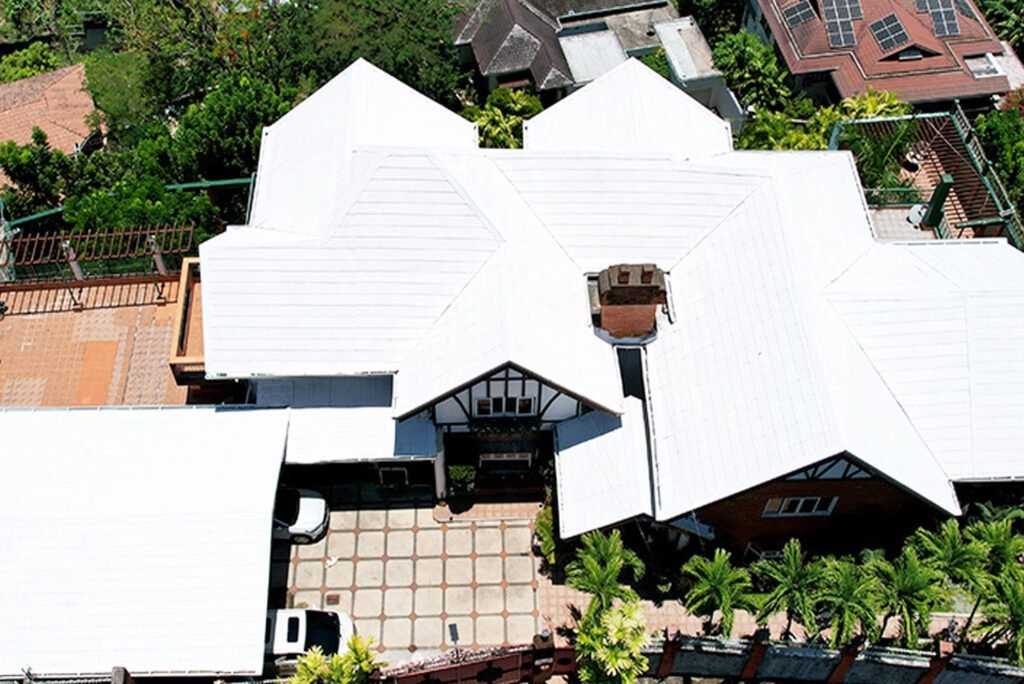
2. Acrylic Waterproof Coatings: The Balance of Weather Resistance and Sustainability
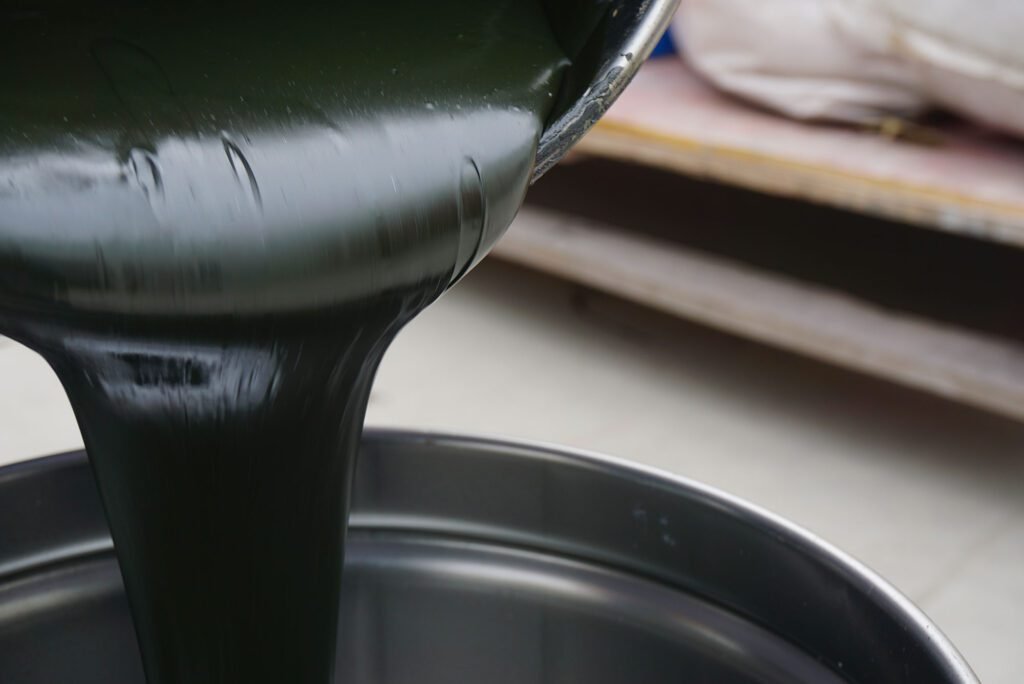
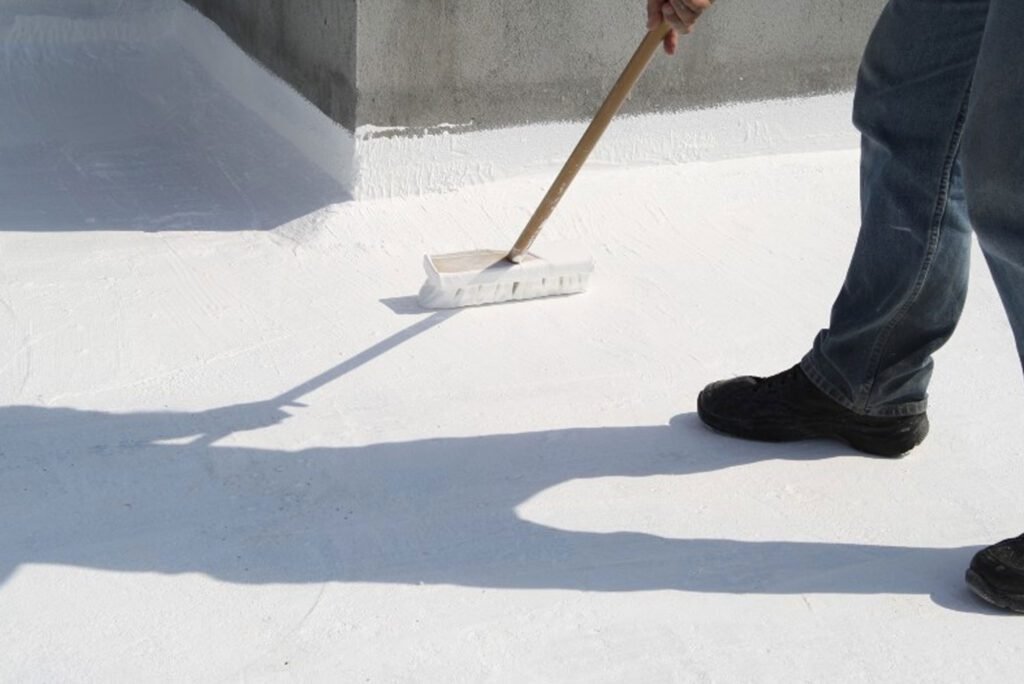
Acrylic waterproof coatings are water-based systems valued for their UV resistance, environmental friendliness, and ease of application.
Core Characteristics
- Water-based, low VOC, environmentally friendly.
- Excellent resistance to ultraviolet radiation.
- Stable color and surface appearance.
- Easy maintenance and recoating.
Unlike solvent-based systems, acrylic coatings are virtually odor-free and safer for occupied buildings.
YURU’s Acrylic Technology Advantage
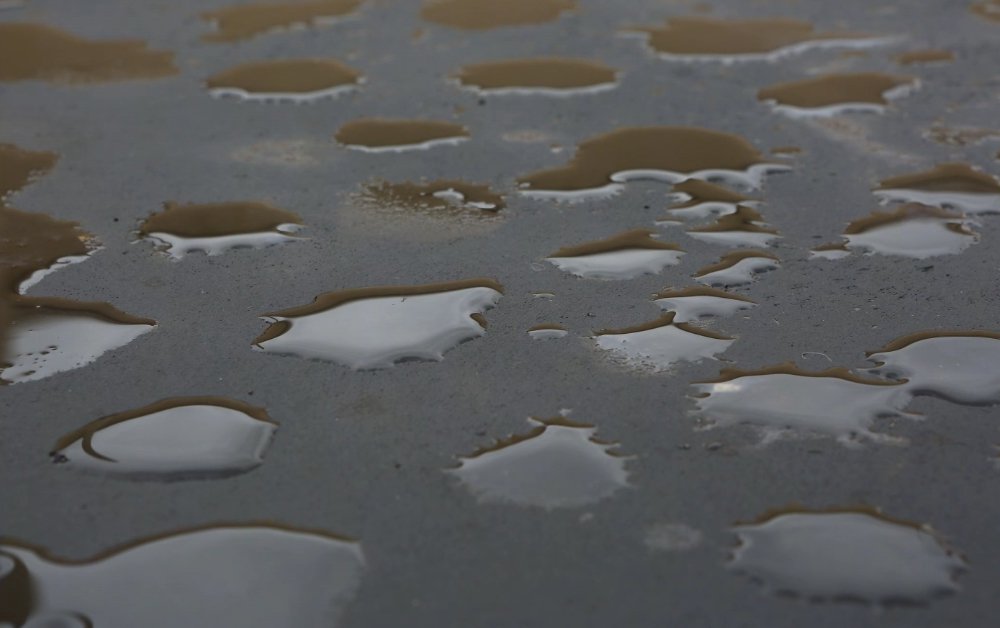
Traditional acrylic waterproof coatings suffer from one major weakness: poor resistance to long-term ponding water. Prolonged standing water can soften standard acrylic films, leading to premature failure.
YURU addresses this issue by:
- Using modified acrylic emulsions.
- Enhancing cross-linking density.
- Improving water resistance without sacrificing flexibility.
This formulation improvement significantly expands the application range of acrylic systems.
Best Applications for Acrylic Coatings
- Metal roof refurbishment
- Exterior wall waterproofing
- Old asphalt roof restoration
- Lightweight roof systems
For projects where UV exposure is intense and environmental compliance is important, acrylic coatings provide a cost-effective and durable solution.
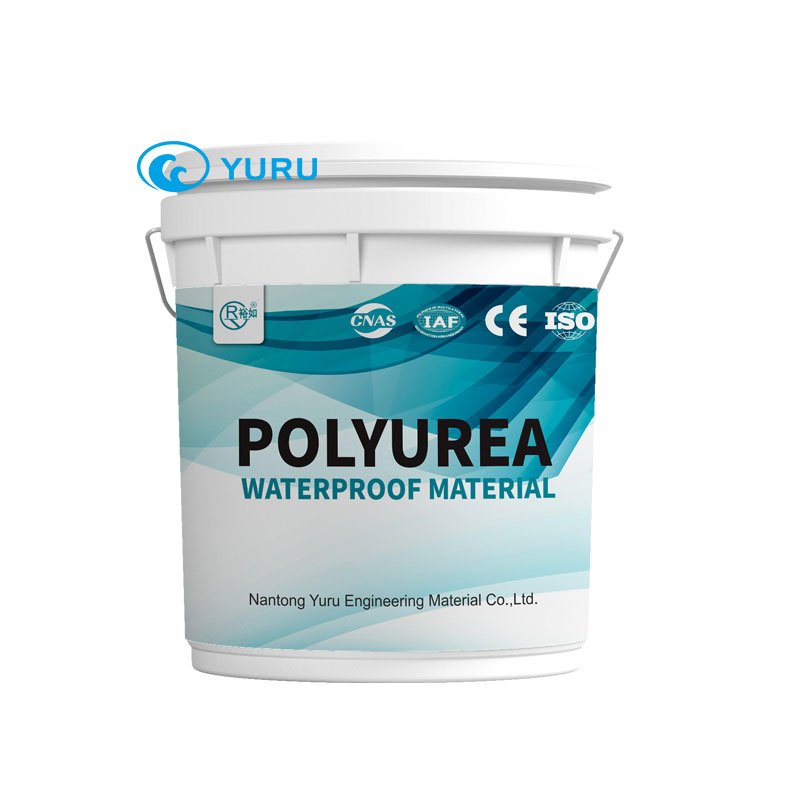
3. Polyurea & Polyaspartic Systems: Extreme Protection for Demanding Environments
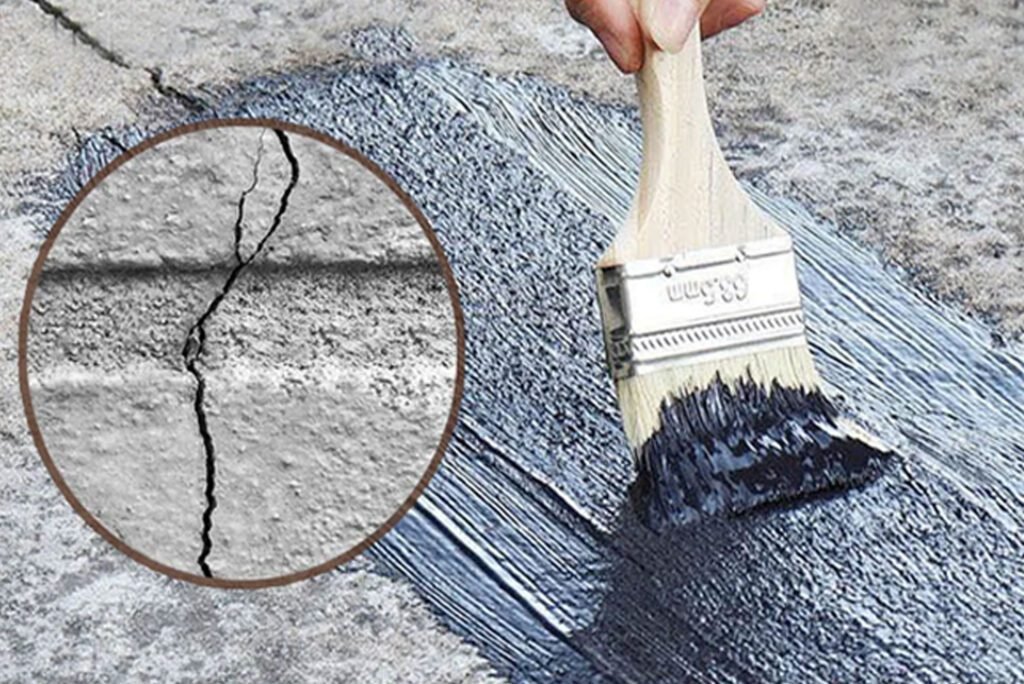
Polyurea and polyaspartic coatings represent the high-performance segment of waterproof and protective systems.
Core Characteristics
- Extremely fast curing (seconds to hours).
- Outstanding abrasion and impact resistance.
- Excellent chemical and corrosion resistance.
- Long service life under harsh conditions.
These systems are engineered for environments where conventional coatings fail.
Understanding Polyurea vs. Polyaspartic
- Spray Polyurea:
Requires high-pressure spray equipment; cures within seconds; forms an ultra-tough elastomeric membrane. - Polyaspartic (Modified Polyurea):
Slower curing, allowing manual application; extended working time while retaining high performance.
YURU’s Innovation: Hand-Applied Polyurea Systems
One barrier to polyurea adoption has always been the need for expensive spray equipment. YURU addresses this by offering hand-applied polyurea and polyaspartic systems, enabling contractors without specialized machinery to access polyurea-level performance.
This innovation opens polyurea technology to:
- Small and medium contractors
- Repair and refurbishment projects
- Remote or equipment-limited job sites
Best Applications for Polyurea & Polyaspartic Systems
- Water parks and swimming facilities
- Wastewater treatment plants
- High-end roofing systems
- Heavy-duty industrial flooring
When durability and speed are non-negotiable, polyurea-based systems provide unmatched performance.

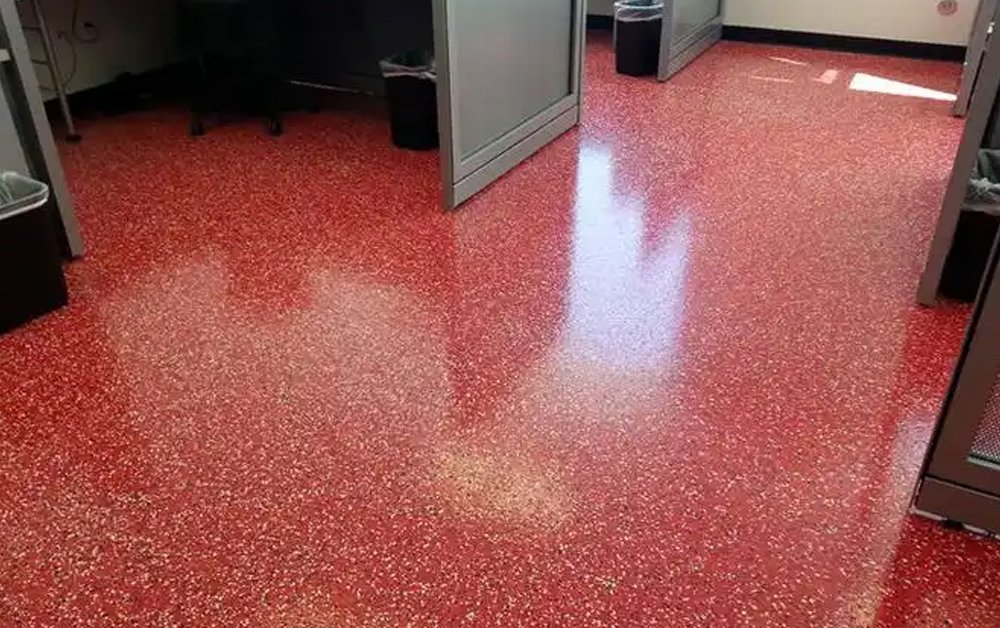
4. Epoxy Flooring Coatings: Industrial Strength and Clean Aesthetics
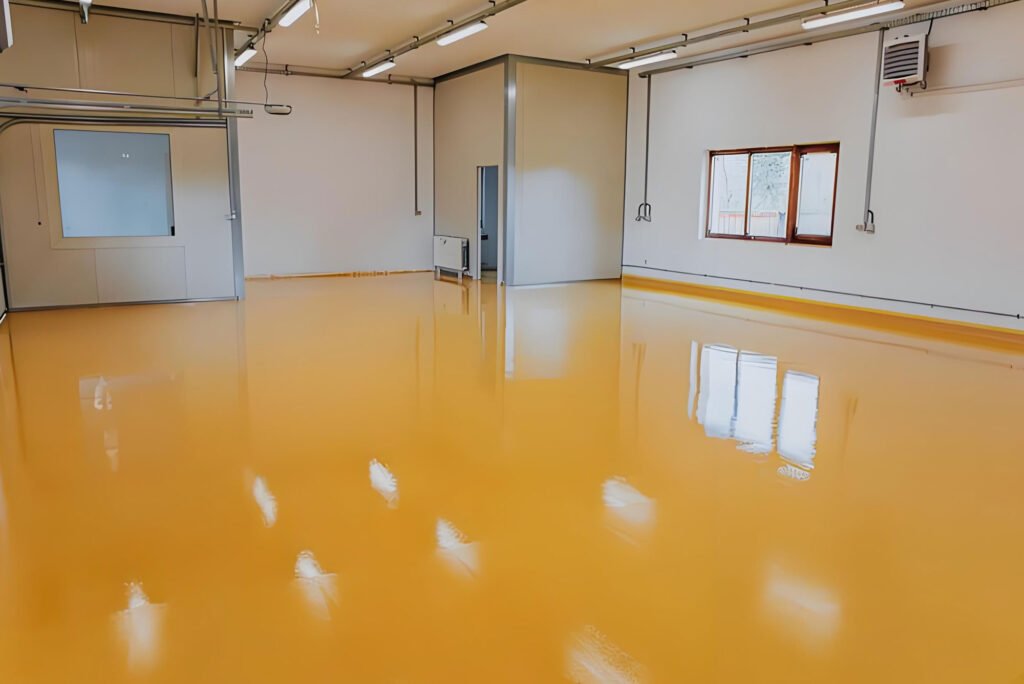
Epoxy coatings are primarily known for flooring applications, but they also play an important role in waterproofing systems when mechanical strength and chemical resistance are required.
Core Characteristics
- High compressive and surface hardness
- Excellent resistance to oils, chemicals, and abrasion
- Smooth, dust-free finish
- Decorative appearance options
Epoxy systems are rigid rather than elastic, making them ideal for stable substrates.
YURU Epoxy Product Portfolio
YURU manufactures a complete epoxy flooring range, including:
- Thin-coat epoxy systems
- Self-leveling epoxy floors
- Colored sand epoxy systems
Each system is engineered for specific load and aesthetic requirements.
Best Applications for Epoxy Systems
- Underground parking garages
- Pharmaceutical and food processing plants
- Commercial showrooms
- Industrial workshops
Where hygiene, durability, and appearance are critical, epoxy coatings remain the industry standard.
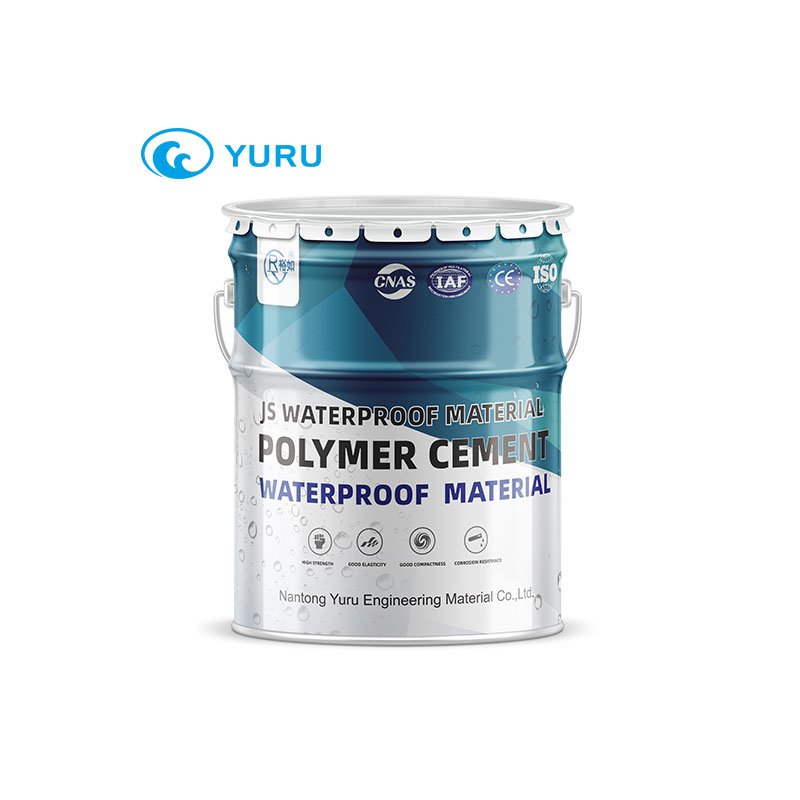
5. Cementitious Waterproof Coatings: Compatibility with Concrete
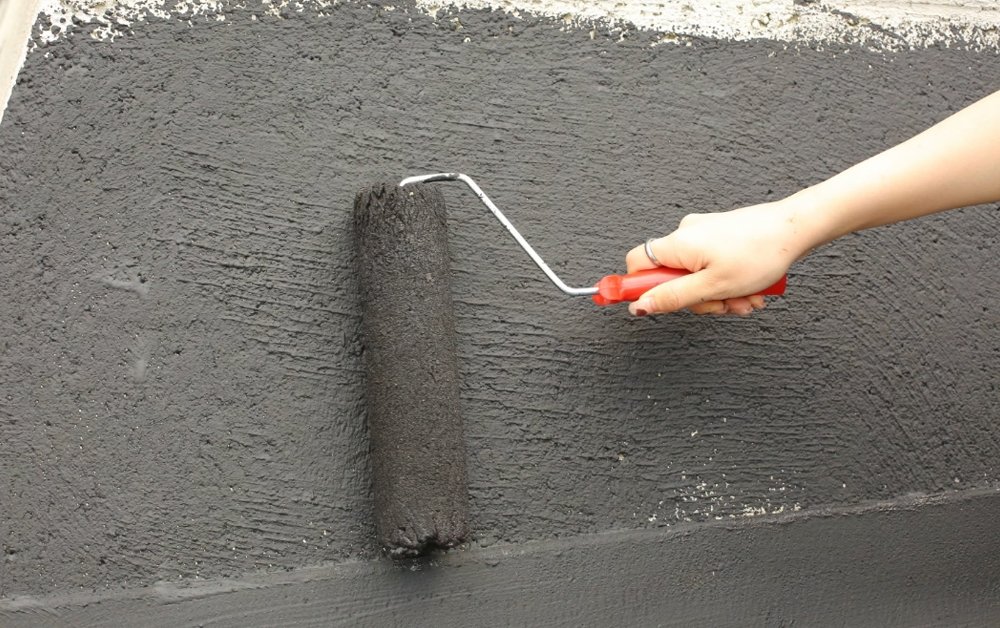
Cementitious waterproofing systems offer unmatched compatibility with concrete substrates.
Core Characteristics
- Excellent adhesion due to similar composition.
- Can be applied on damp surfaces.
- Breathable while waterproof.
- Ideal for negative-side waterproofing.
These systems are particularly useful where access to the exterior side of a structure is limited.
YURU Cementitious Product Categories
- Penetrates concrete pores.
- Reacts with moisture to form insoluble crystals.
- Suitable for negative-side waterproofing.
- Improved flexibility
- Suitable for tiled areas
- Bridges small cracks
Best Applications for Cementitious Systems
- Bathrooms and kitchens
- Water tanks and reservoirs
- Swimming pools (under tile)
- Basement interiors
When tile adhesion and moisture tolerance are priorities, cementitious systems are often the most reliable choice.
6. How to Choose the Right Waterproof Chemical System?
Selecting the correct waterproof coating depends on understanding the primary risk factor of your project.
Simple Decision Guide
- Concerned about cracks and movement? → Polyurethane
- Concerned about UV exposure? → Acrylic or Polyaspartic
- Concerned about abrasion or chemical attack? → Epoxy or Polyurea
- Planning to install tiles? → Cementitious (JS system)
A correct match reduces long-term maintenance and failure risk.
7. YURU Waterproof’s One-Stop Manufacturing Advantage
YURU is among the few manufacturers capable of producing all five major waterproof coating systems in-house.
This integrated manufacturing capability allows us to:
- Ensure chemical compatibility between systems.
- Recommend complete waterproofing assemblies.
- Reduce procurement complexity for buyers.
Conclusion
What sets YURU apart is not just product variety, but in-house manufacturing across all five systems, allowing us to provide compatible, system-based solutions rather than isolated products. This one-stop approach helps buyers reduce sourcing complexity, control quality consistency, and select the right waterproofing strategy with confidence.
Whether you are a wholesaler, contractor, or project engineer, YURU Waterproof delivers the technical depth, manufacturing capability, and product breadth needed to support projects of any scale—efficiently, reliably, and professionally.
YURU Product solutions