What’s the Difference Between Waterproof Coatings?
Types of Waterproof Coatings and Their Applications
There are several types of waterproof coatings, each designed for specific applications and performance needs:
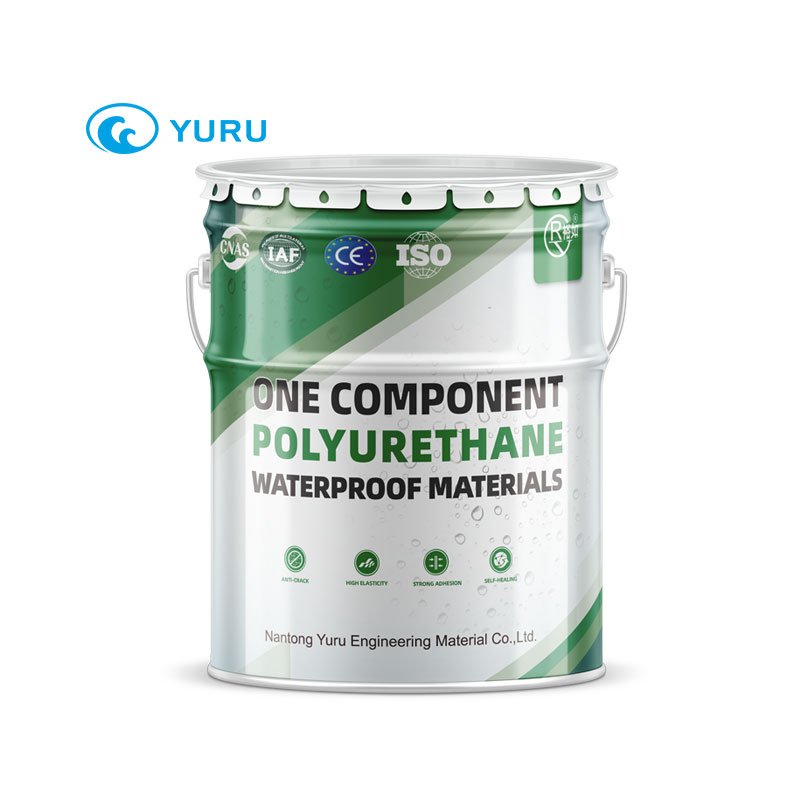
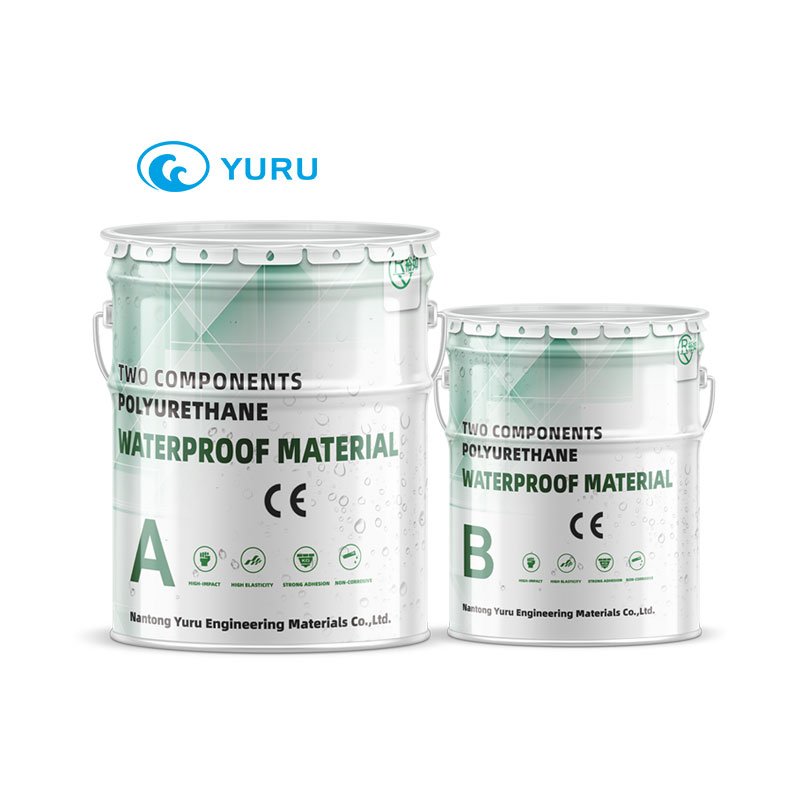
- Polyurethane Coatings: Known for excellent flexibility and adhesion, polyurethane coatings are ideal for concrete surfaces, flat roofs, and foundations. They form a seamless, durable membrane that resists standing water and UV exposure.
- Acrylic Coatings: Often used for residential roofs, balconies, and exterior walls. Acrylic coatings are cost-effective and easy to apply but are better suited for areas with low water pooling.
- Bitumen (Asphalt-Based) Coatings: Bitumen is commonly used in underground or foundation applications due to its strong water barrier properties. It’s effective in areas with heavy moisture or groundwater presence.
- Silicone Coatings: Perfect for metal roofs and high-sun-exposure areas, silicone is UV-stable, highly elastic, and reflects sunlight, helping lower building temperatures.
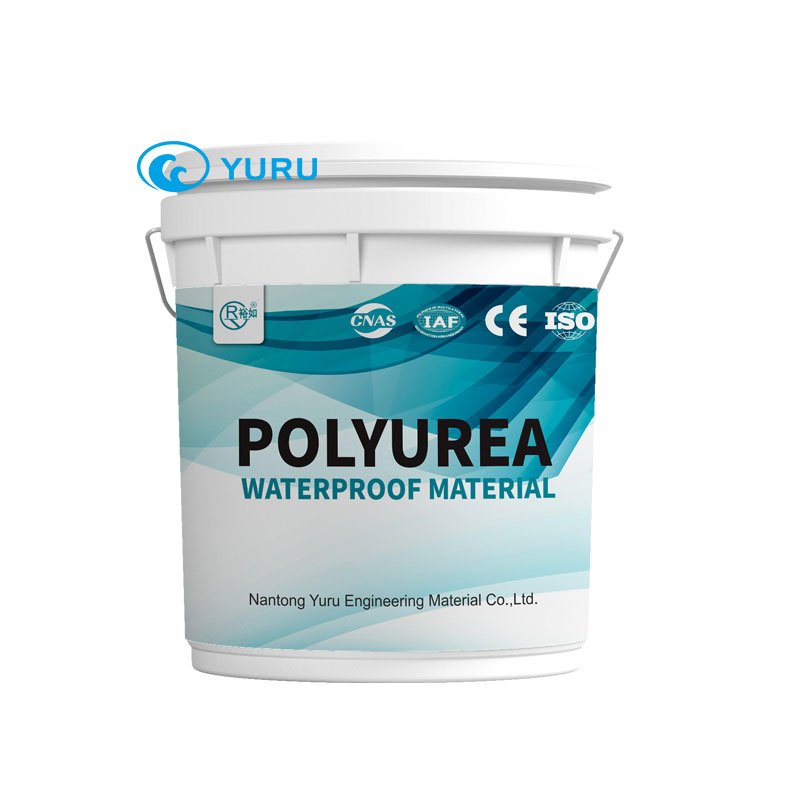
- Polyurea Coatings: A high-performance waterproof solution with excellent chemical resistance and ultra-fast curing. It’s suitable for industrial settings, tunnels, tanks, and areas that require rapid return to service.
Each type of coating has specific strengths depending on environmental exposure, surface type, and application method.
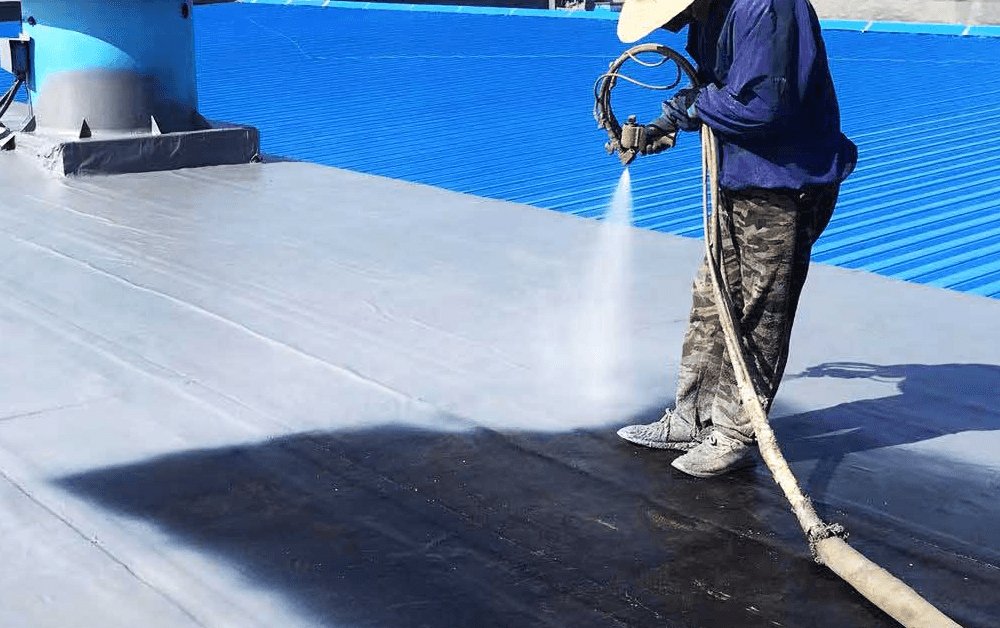
How to Choose the Right Waterproof Coating for Your Project?
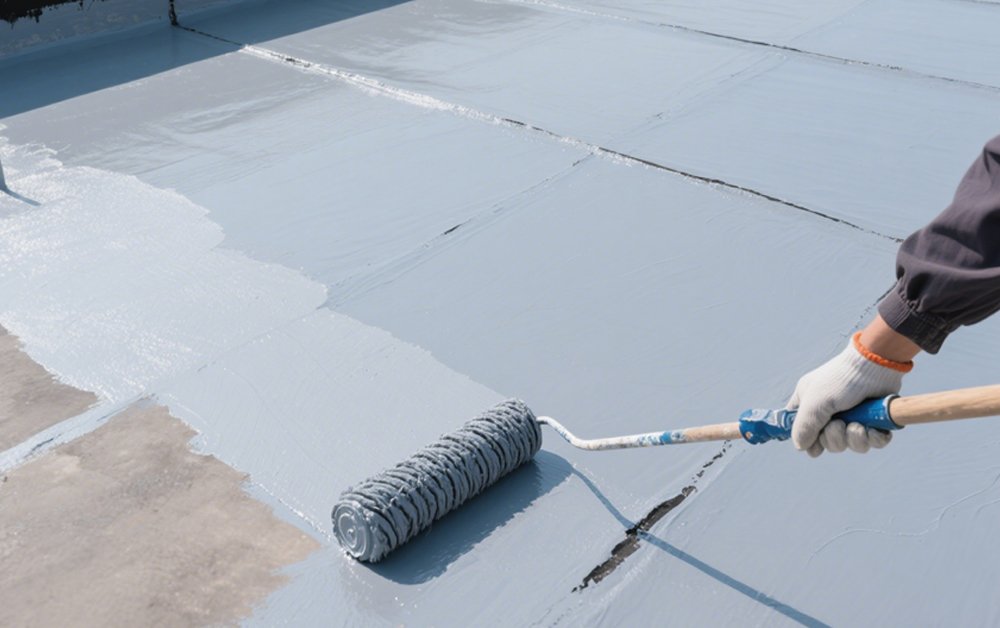
Choosing the ideal waterproof coating depends on the specific requirements of your construction or renovation project. For instance, if the structure is exposed to heavy rainfall, UV rays, or chemical exposure, you need a coating that can withstand such conditions. Here are some important factors to consider:
- Surface Type: Is it concrete, metal, wood, or brick? Different surfaces require coatings with specific adhesion properties.
- Exposure Conditions: Outdoor roofs may need UV-resistant silicone or polyurea coatings, while basements may benefit more from bitumen or polyurethane.
- Application Method: Some coatings, like polyurea, require professional spraying equipment, while others are easy to brush or roll.
- Expected Lifespan: Industrial projects may require long-lasting solutions like polyurea or epoxy, whereas residential repairs can use acrylic or liquid rubber.
- Budget and Maintenance: Consider long-term cost-effectiveness—not just initial pricing. Some coatings last much longer with minimal maintenance.
Selecting the right waterproof coating ensures not only protection but also cost-efficiency and durability for your project.
Key Benefits of Using Waterproof Coatings
Waterproof coatings are essential for both new constructions and maintenance work. Their benefits go far beyond just preventing leaks:
- Leak Prevention: Seals cracks, joints, and gaps to stop water intrusion.
- Structural Protection: Prevents water-induced corrosion, mold growth, and structural weakening.
- Thermal and UV Resistance: Coatings like silicone and polyurea reflect heat and resist degradation from UV rays.
- Energy Savings: Reflective coatings help reduce heat absorption, lowering indoor cooling costs.
- Low Maintenance: High-quality coatings offer long-term protection with minimal upkeep.
Whether you’re waterproofing a warehouse roof, concrete balcony, or foundation wall, applying the right coating brings measurable long-term value.
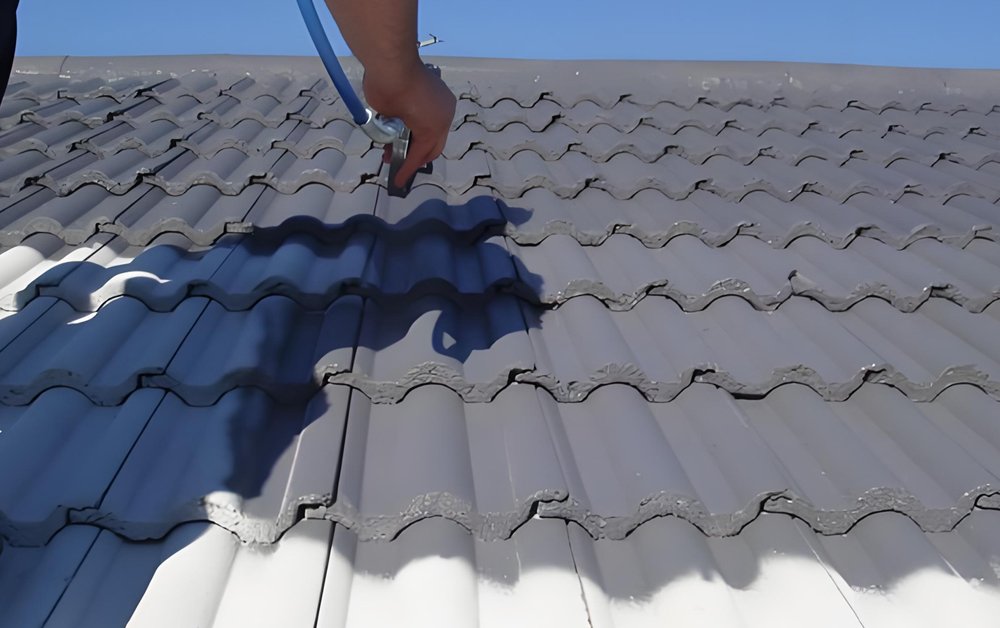
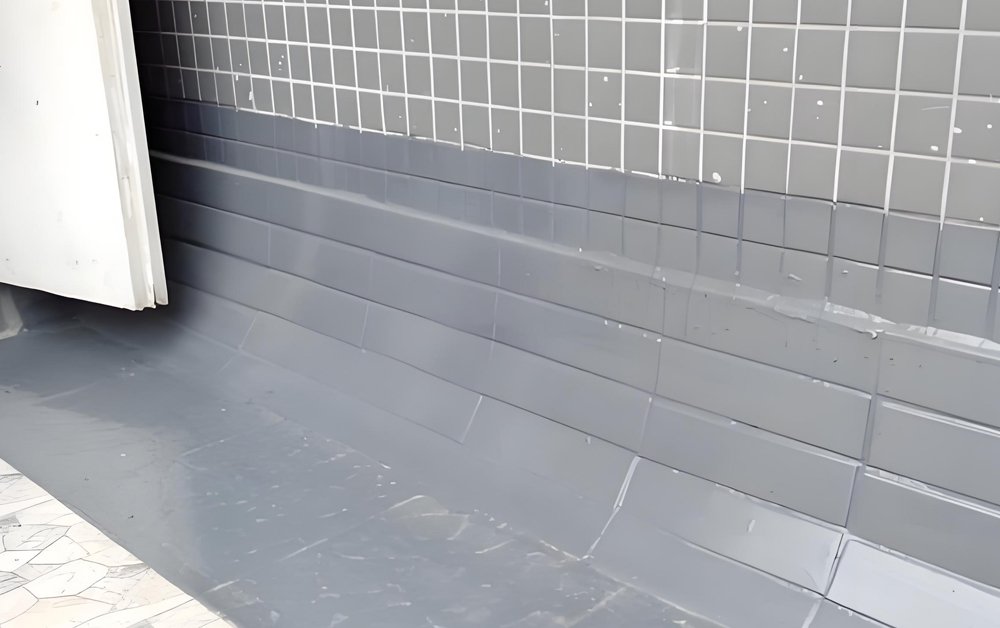
Common Mistakes to Avoid When Applying Waterproof Coatings
Even the best waterproof coating can fail if not applied properly. Here are some common mistakes to avoid:
- Inadequate Surface Preparation: Dust, grease, or moisture can prevent proper adhesion.
- Wrong Product Selection: Using an indoor-only coating for outdoor areas can result in peeling or rapid degradation.
- Incorrect Thickness: Applying too thin or too thick a layer can affect drying time and performance.
- No Primer Used: Some surfaces require a primer layer to maximize bonding.
- Ignoring Manufacturer Instructions: Overlooking curing time or temperature guidelines leads to compromised durability.
To avoid these costly errors, always follow best practices and consult with suppliers like YURU Waterproof for expert guidance.
Where to Buy Quality Waterproof Coatings?
Finding a reliable waterproof coating supplier is crucial. Here are tips to help you purchase with confidence:
- Compare Price vs. Quality: Don’t focus solely on the lowest cost. Long-term performance matters more.
- Check Delivery Timeframes: Timely delivery is critical for staying on schedule in construction projects.
- Look for Technical Support: A knowledgeable supplier can recommend the right product and provide usage instructions.
- Request a Quote Easily: Fill out an online inquiry form or contact via WhatsApp for instant assistance.
- Prepare Project Details: Know your project size, timeline, and durability expectations when requesting a quote.
Looking for a trusted waterproof coating manufacturer?
YURU Waterproof specializes in customized waterproofing and injection materials. Contact us today to find the best solution for your project needs.
YURU Product solutions