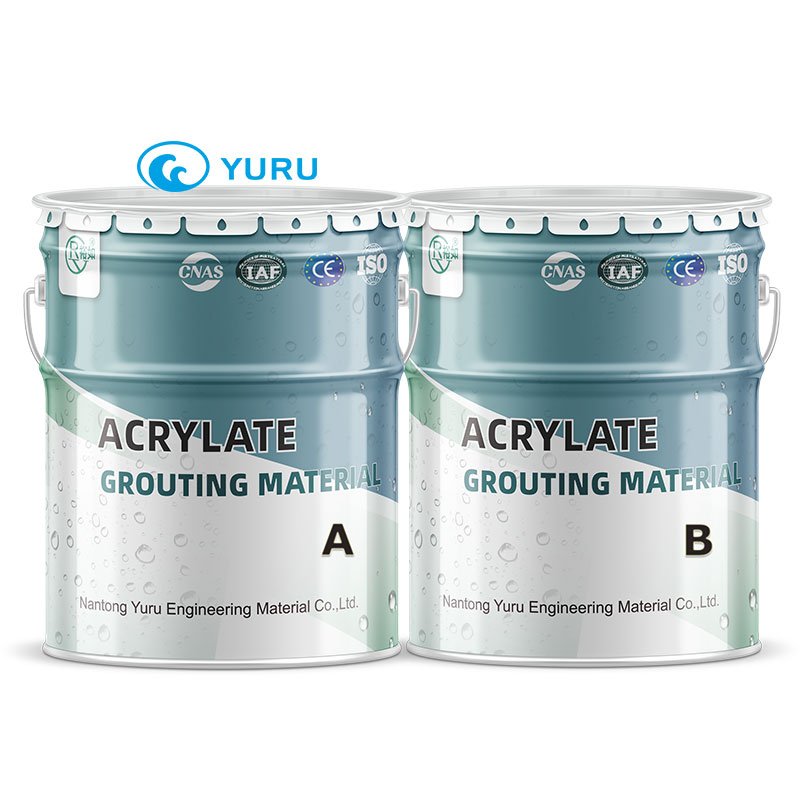
Where Can Acrylate Grouting Material Be Applied?
Introduction:
When addressing long-term leaks and water seepage through micro-cracks, the selection of grouting materials requires consideration of various factors, including environmental friendliness and flexibility. Among various chemical grouting solutions, acrylate grouting materials meet these requirements.
So, what areas are suitable for acrylic ester grouting materials? And in what ways are they superior to traditional polyurethane or cement-based grouting systems?
This article will answer these questions from the perspective of practical engineering applications.
1. What Is Acrylate Grouting Material?
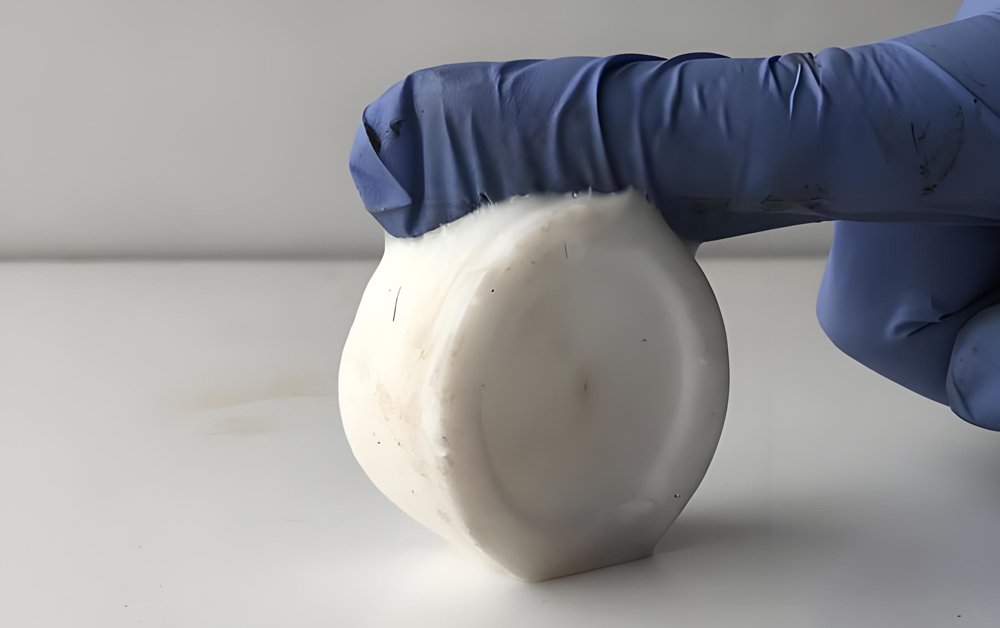
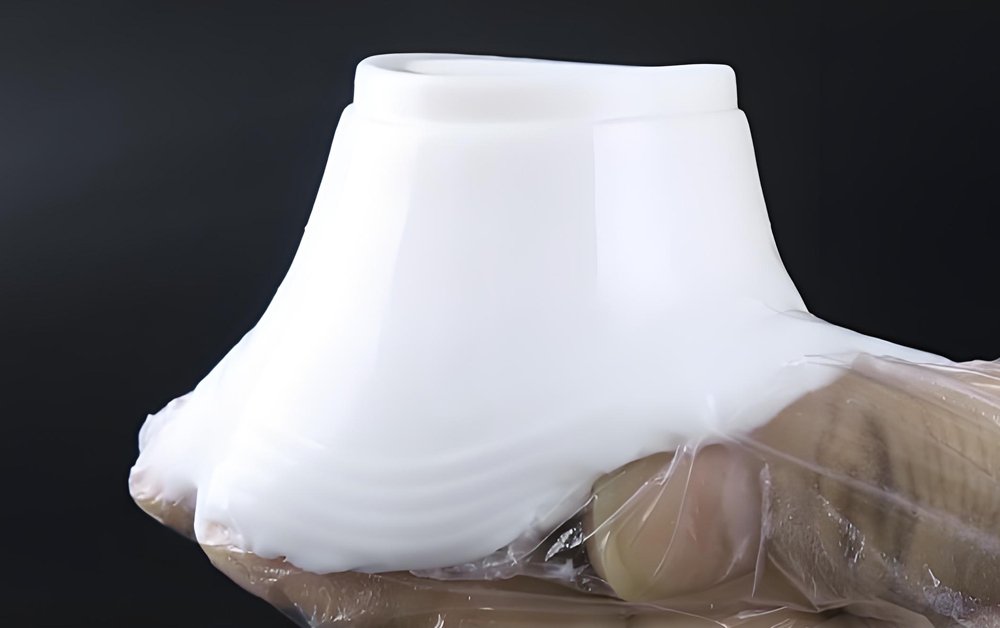
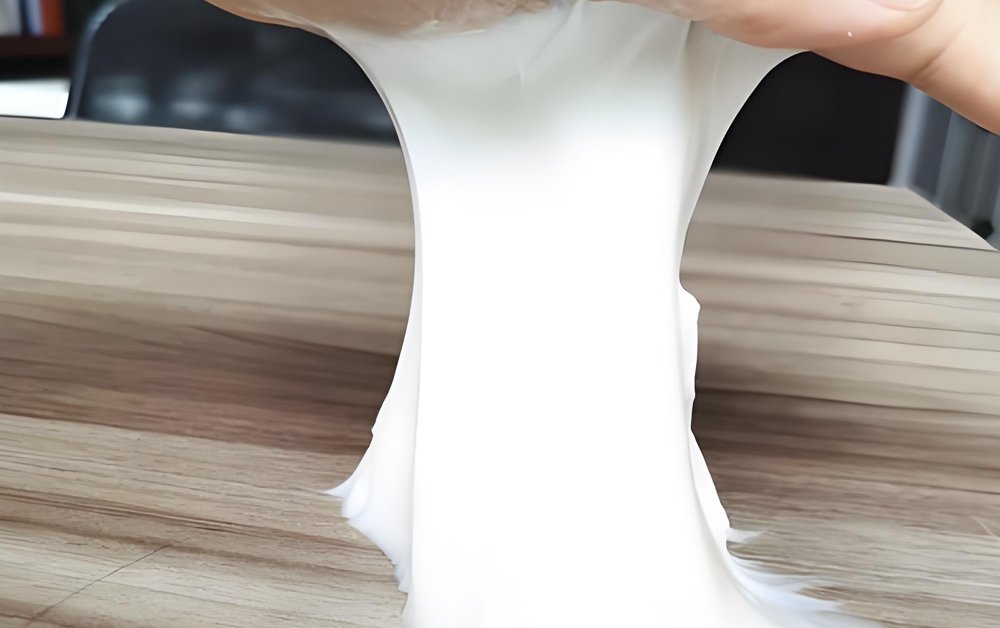
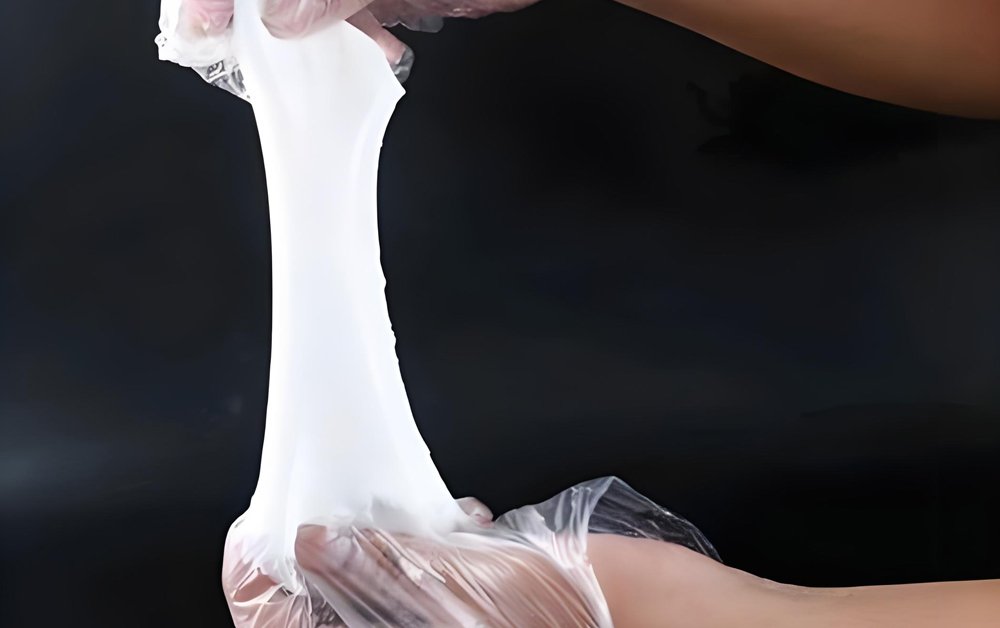
Acrylate grouting material is a low-viscosity, water-reactive chemical grout designed to penetrate fine cracks, porous soils, and capillary voids.
Key Characteristics:
- Water-like viscosity (similar to water).
- Adjustable gel time (from seconds to several minutes).
- High elasticity after curing.
- Hydrophilic behavior (absorbs water and maintains sealing).
- Excellent compatibility with concrete and soil.
Unlike rigid grouts, acrylate grout forms a flexible gel that can adapt to micro-movements in structures and soil.
This property is what makes acrylate grouting particularly suitable for dynamic, water-bearing environments.
2. Groundwater Control and Soil Sealing Applications
Working Principle of Acrylate Grouting Materials in Soil
One of the most important application areas for acrylate grouting material is groundwater control in soil strata.
Because of its ultra-low viscosity, acrylate grout can:
- Penetrate sand, silt, and fine soil layers.
- Fill interconnected pores without disrupting soil structure.
- Form a continuous waterproof curtain.
Typical Applications:
- Cut-off walls for excavation pits
- Groundwater barrier systems
- Soil stabilization around foundations
- Water control near riverbanks or coastal zones

3. Tunnel, Subway, and Underground Infrastructure
Persistent Seepage Problems
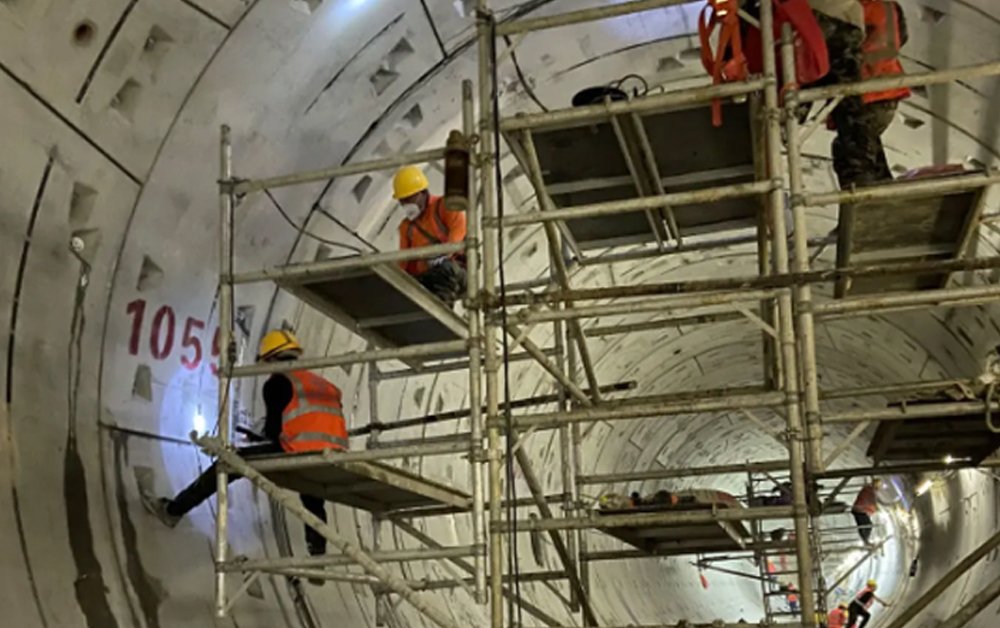
Tunnels and underground structures often suffer from:
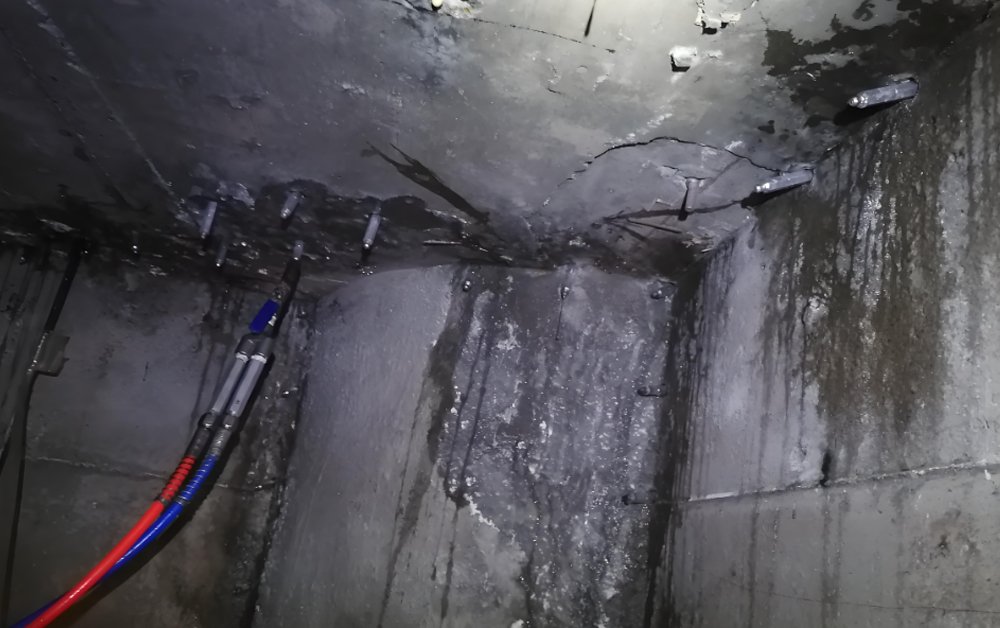
- Continuous groundwater seepage
- Water ingress through segment joints
- Leakage at construction cold joints
Rigid grouting materials may crack again over time due to vibration and ground movement.
Why Acrylate Grout Is Preferred:
Acrylate grouting material creates a flexible, elastic waterproof layer that:
- Accommodates tunnel deformation.
- Maintains sealing under vibration.
- Remains effective under constant water pressure.
Common Tunnel Applications:
- Metro and railway tunnels
- Utility tunnels
- Shield tunnel segment joints
- Cross-passage waterproofing
Many municipal authorities now specify acrylate grouting as a standard solution for long-term tunnel seepage control.
4. Basement, Foundation, and Below-Grade Structures
Typical Leak Scenarios:
Basement leaks often occur at:
- Construction joints
- Cold joints
- Wall–slab intersections
- Hairline structural cracks
Advantages of Acrylate Grouting:
- Can penetrate micro-cracks as small as 0.1 mm.
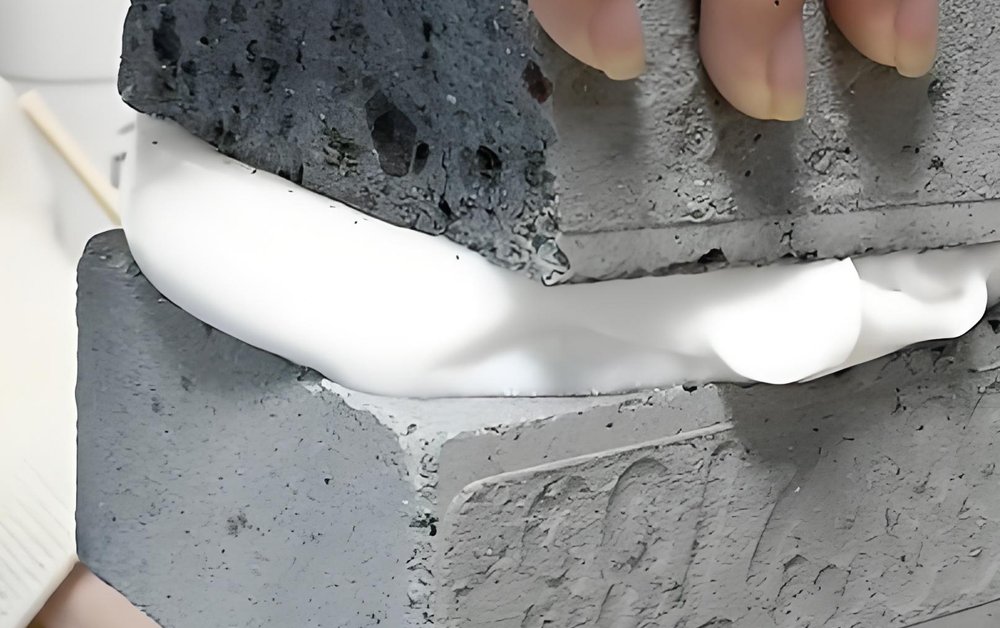
- Has excellent adhesion to damp concrete.
- Maintains flexibility during seasonal deformation.
Therefore, it is ideal for waterproofing renovation projects where external excavation is not possible.
Typical Projects:
- Residential basements
- Commercial buildings
- Parking garages
- Data centers
5. Water Retaining Structures and Environmental Engineering
Water-Related Infrastructure
Acrylate grouting material is widely used in:
- Water treatment plants
- Sewage systems
- Pump stations
- Retaining walls
Environmental Advantages:
- Low volatile organic compound (VOC) content.
- Compliance with groundwater protection standards.
- Avoidance of long-term pollution risks.
6. Emergency Leak Control vs. Long-Term Sealing
Emergency Situations
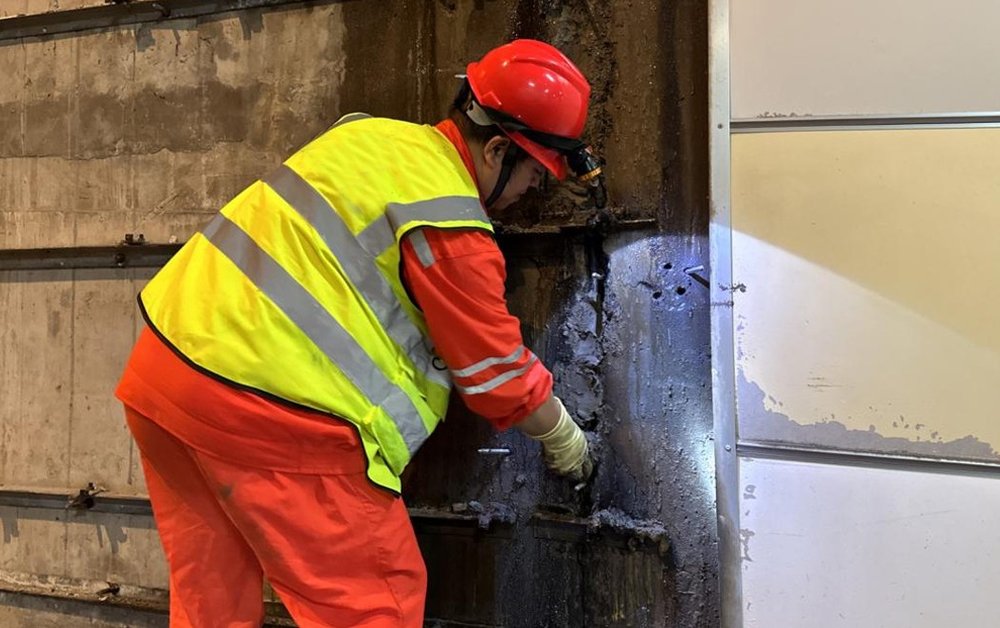
For high-pressure, gushing leaks, hydrophobic PU grout may be used first to stop active water flow.
Long-Term Solution
Then, an acrylate grouting material is used as:
- A second sealing layer
- A permanent flexible barrier
This two-step method is increasingly recommended by experienced engineers.
7. How to Evaluate Whether Acrylate Grouting Is Right for Your Project?
Before selecting acrylate grouting material, consider:
- Water pressure level
- Crack width and movement
- Soil permeability
- Environmental compliance requirements
There is no universal solution, but acrylate grouting often provides the best balance between penetration, flexibility, and durability.
8. YURU Waterproof: System-Based Acrylate Grouting Solutions
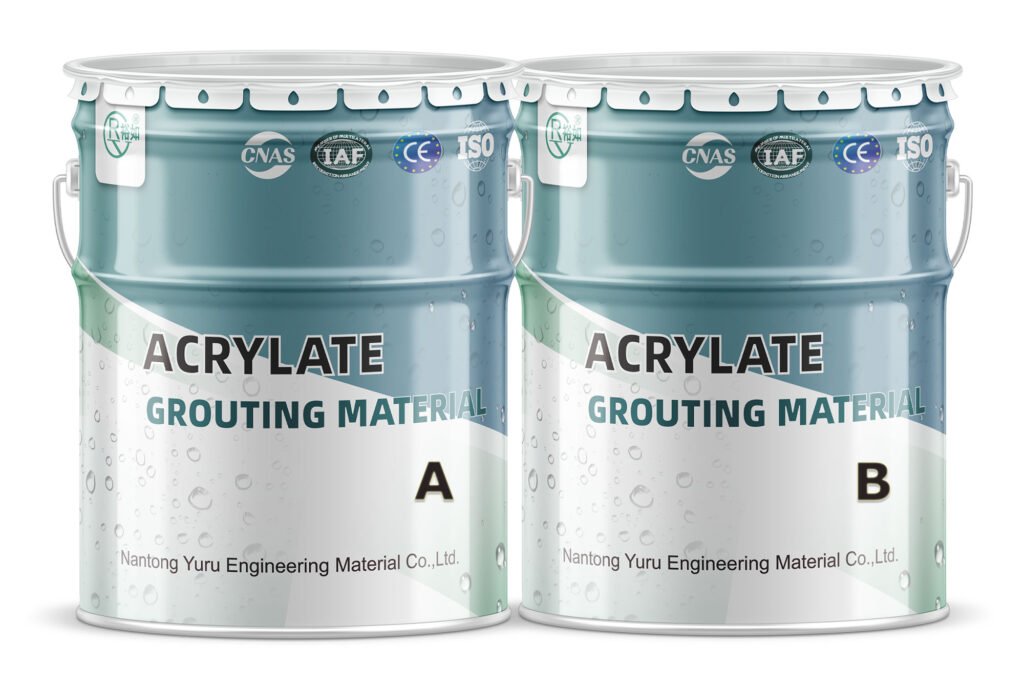
YURU Waterproof supplies professional-grade acrylate grouting systems designed for:
- Groundwater control
- Structural seepage sealing
- Underground infrastructure protection
Why Engineers Choose YURU:
- Multiple gel-time formulations for different conditions.
- Stable polymer chemistry for long-term durability.
- Technical support for material selection and application.
Rather than selling a single product, YURU focuses on project-based solutions tailored to real site conditions.
FAQs:
1. What is acrylate grouting material mainly used for?
Acrylate grouting material is mainly used for groundwater control, fine crack sealing, tunnel waterproofing, and soil stabilization where flexibility and penetration are required.
2. Is acrylate grouting suitable for high-pressure water leaks?
It is best used for long-term sealing. For active high-pressure leaks, hydrophobic PU grout is often used first, followed by acrylate grouting.
3. Can acrylate grout be used in environmentally sensitive areas?
Yes. YURU’s acrylate systems are formulated to meet environmental and groundwater protection standards.
4. What makes YURU acrylate grouting systems different?
YURU offers multiple formulations, stable quality control, and technical support based on real project conditions rather than generic products.
Conclusion
Under suitable application scenarios, acrylate grouting materials can provide:
- Reliable long-term sealing effect
- Good structural compatibility
- Environmental safety assurance
Unsure if acrylate grouting materials are suitable for your project?
Contact YURU Waterproof for sample testing and technical support.
YURU Product solutions