Where Can Polyurea Waterproofing Be Applied in Construction Projects?
Introduction
Waterproofing performance directly affects the service life, safety, and maintenance cost of construction projects. As structures become more complex and project schedules tighter, traditional waterproofing materials often struggle to meet modern engineering demands. This is why polyurea waterproofing has gained widespread adoption across residential, commercial, industrial, and infrastructure projects worldwide.
Rather than focusing on chemical theory, this article takes a practical approach. It explains where polyurea waterproofing can be applied in construction projects, why it performs well in those environments, and how professionals can choose the right system for specific conditions.
The Role of Polyurea Waterproofing in Modern Construction
Polyurea waterproofing is widely recognized for its fast curing, seamless application, and high durability. These characteristics make it especially suitable for projects where construction efficiency, long-term reliability, and structural protection are critical.
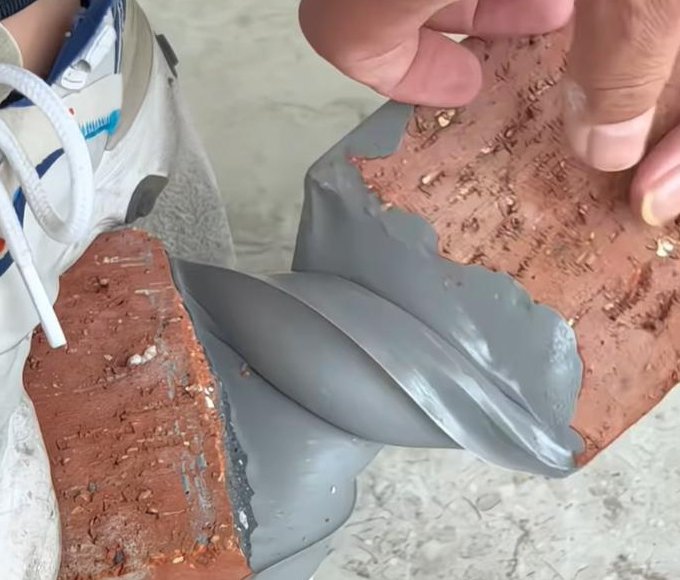
In modern construction, waterproofing systems are expected to do more than stop water penetration. They must accommodate structural movement, resist chemicals, withstand mechanical wear, and perform under varying environmental conditions. Polyurea waterproofing meets these requirements by acting as a flexible yet tough protective membrane that integrates with the structure rather than sitting on it as a fragile layer.
Roofing and Terrace Applications
Flat and Low-Slope Roofs
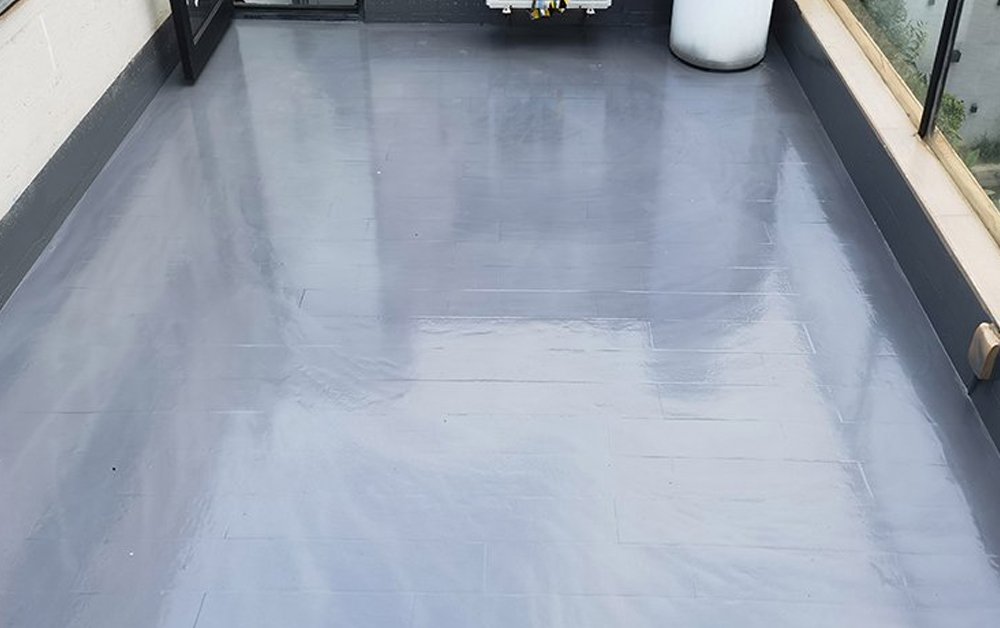
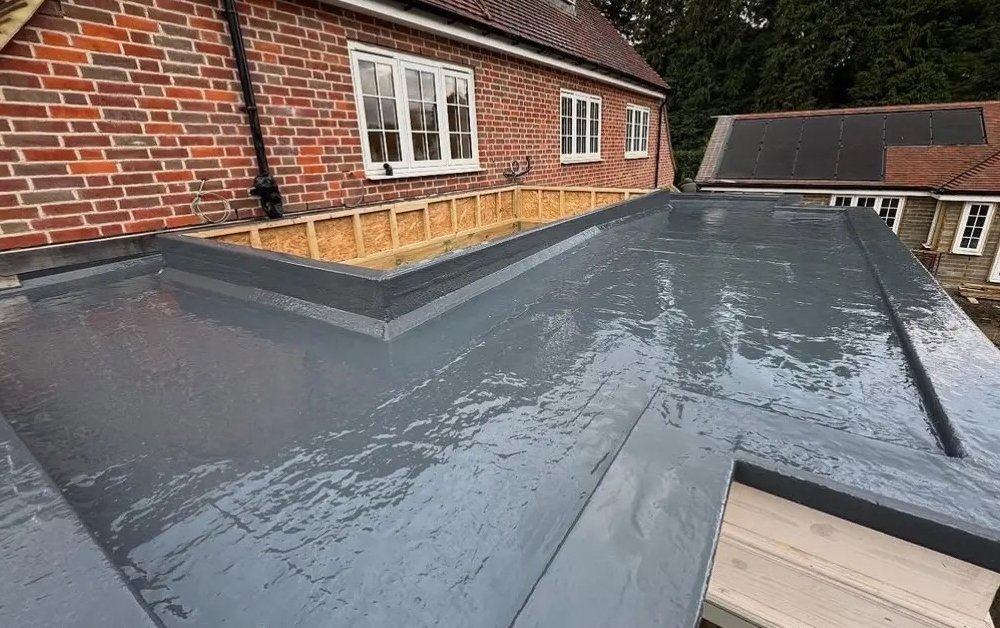
Flat roofs are among the most vulnerable parts of a building due to water ponding and temperature fluctuations. Polyurea waterproofing is commonly applied to concrete and metal roofs because it forms a seamless membrane without joints, significantly reducing leak risks.
Its rapid curing allows roofing projects to be completed quickly, minimizing disruption to building occupants or operations.
Accessible Roof Terraces and Podiums
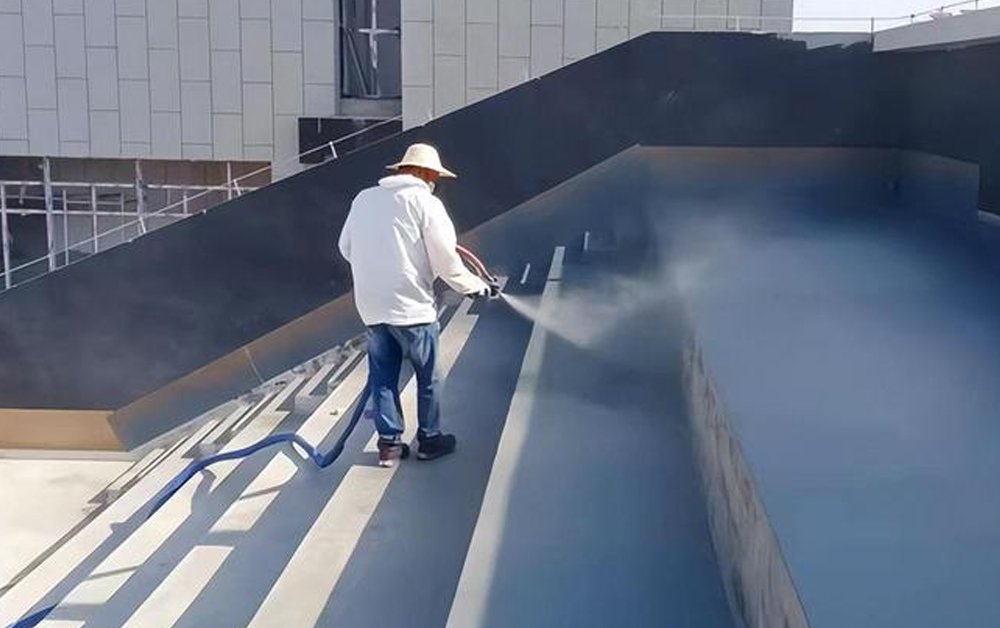
For roof terraces and podium decks exposed to foot traffic, polyurea waterproofing provides both waterproofing and mechanical resistance. When combined with protective or decorative topcoats, it supports long-term performance in exposed environments.


Basements and Underground Structures
Basement Walls and Floors
Basements are constantly exposed to moisture and groundwater pressure. Polyurea waterproofing systems are used on foundation walls and floor slabs to create a continuous barrier that resists water ingress even under hydrostatic pressure.
Underground Parking Garages
In underground parking structures, waterproofing systems must handle vehicle loads, vibration, and chemical exposure from fuels and de-icing salts. Polyurea waterproofing offers excellent abrasion resistance and elasticity, making it suitable for these demanding conditions.
Tunnels and Transportation Infrastructure
Underground Passages and Tunnels
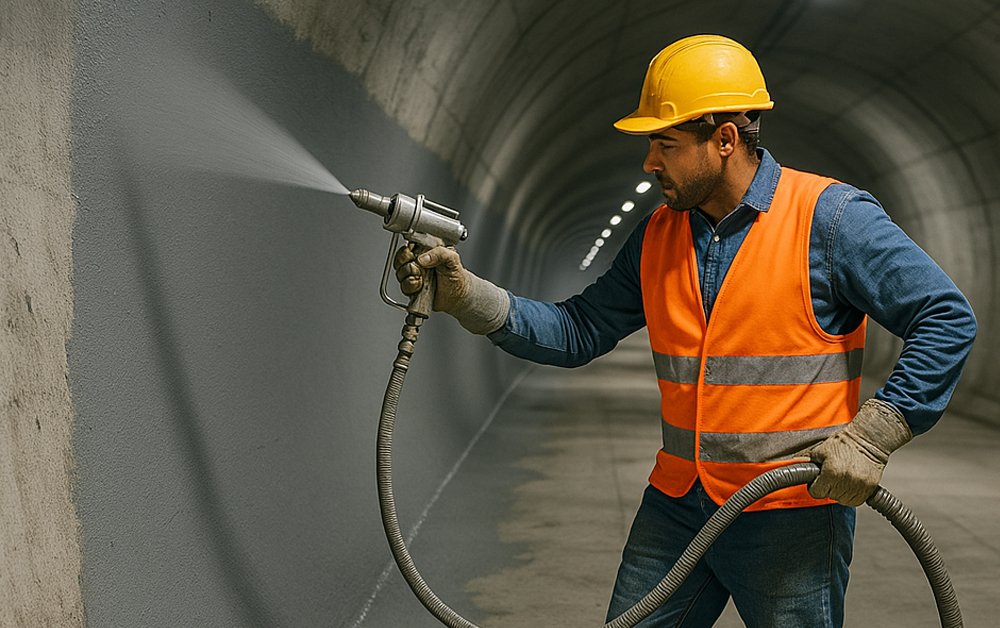
Tunnels require waterproofing systems that can adapt to movement, vibration, and long-term moisture exposure. Polyurea waterproofing is often applied as a protective lining due to its crack-bridging ability and strong adhesion to prepared substrates.
Bridge Decks and Structural Components
Bridge decks are exposed to traffic loads, water, and aggressive chemicals. Polyurea waterproofing is used as a protective layer to prevent water penetration into concrete, reducing corrosion of reinforcement and extending service life.
Municipal and Public Infrastructure Projects
Water Treatment and Wastewater Facilities
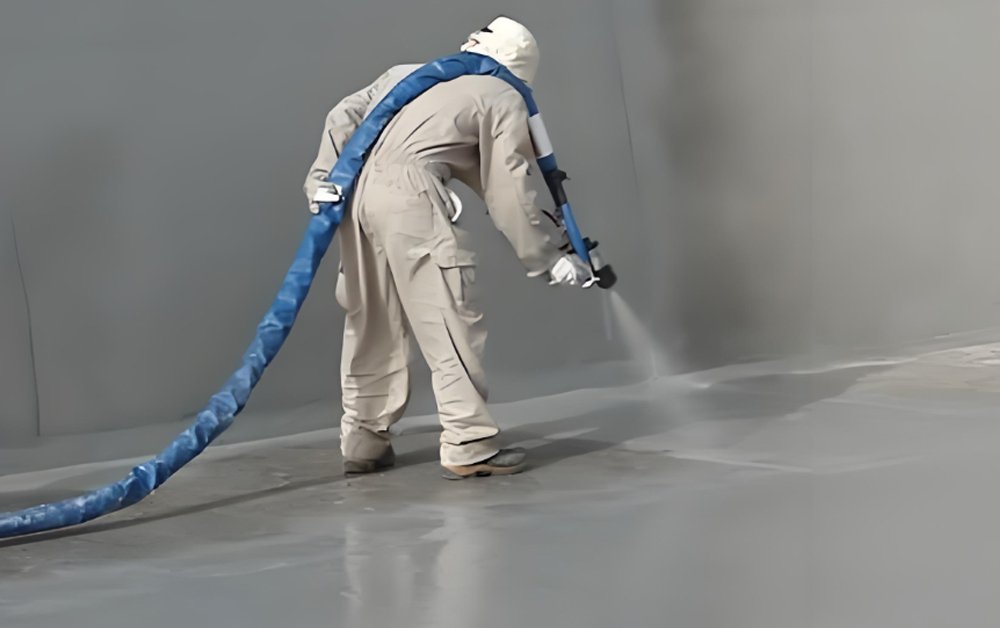
In municipal facilities, waterproofing systems must resist chemical attack and continuous moisture exposure. Polyurea waterproofing is suitable for tanks, channels, and containment areas where durability and chemical resistance are essential.
Utility Corridors and Pipe Galleries
Polyurea waterproofing is also applied in utility tunnels and pipe galleries, where space constraints and complex geometries make seamless systems especially advantageous.
Industrial and Special Environment Applications
Industrial Floors and Production Areas
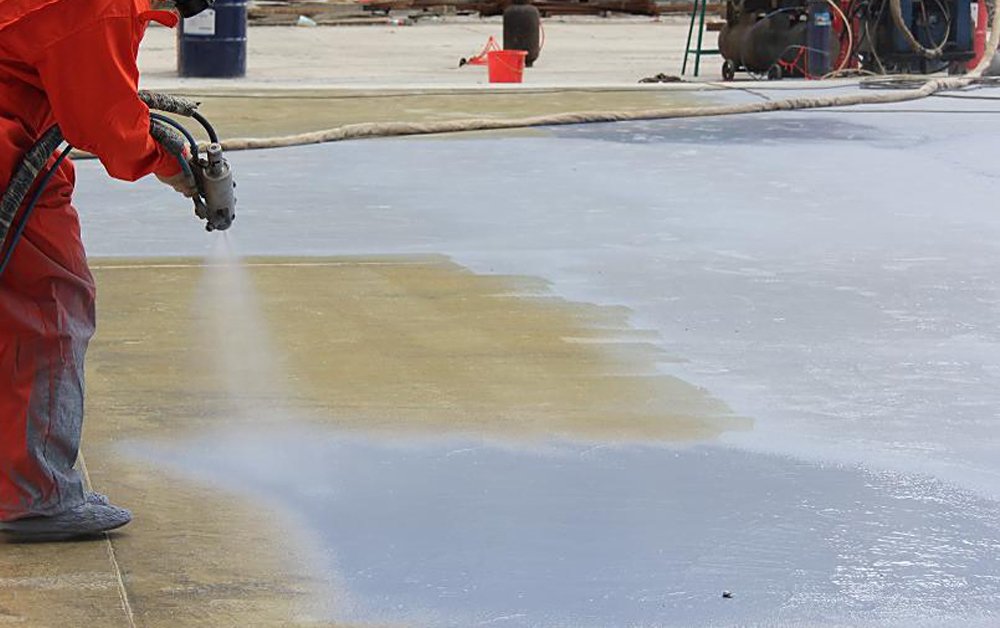
In industrial settings, waterproofing often overlaps with surface protection. Polyurea waterproofing provides a tough, elastic membrane that resists mechanical wear, moisture, and chemical exposure.
Chemical Plants and Containment Areas
Thanks to its chemical resistance, polyurea waterproofing is used in secondary containment zones, protecting structures from leaks and spills that could cause long-term damage.
Adaptability to Different Construction Conditions
One reason polyurea waterproofing is applied across so many construction scenarios is its adaptability.
Spray-Applied Systems
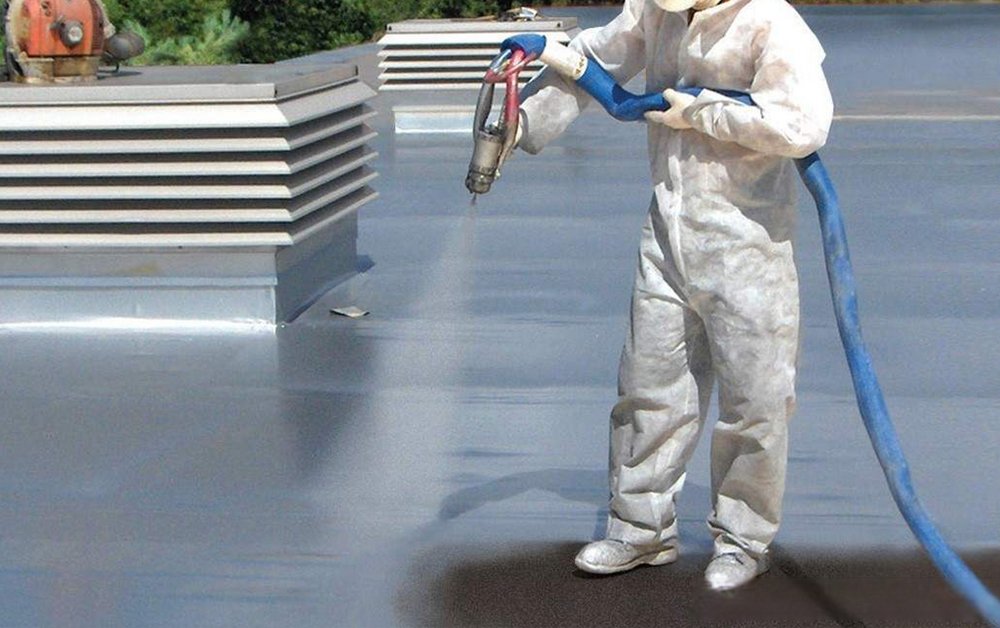
Spray polyurea systems are ideal for large areas and projects requiring fast turnaround. They deliver uniform thickness and excellent bonding when applied by trained professionals.
Manual Application Systems
Single-component and slower-reacting systems allow application by roller or trowel. These are often used for detail work, repairs, or projects where spray equipment is impractical.
Injection and Leak-Sealing Applications
Polyurea-based grouting materials are widely used for crack injection and active leak sealing, particularly in basements, tunnels, and retaining structures.
Application Scenarios at a Glance
| Construction Area | Typical Polyurea Application Purpose |
| Roofs & Terraces | Seamless waterproofing, crack bridging |
| Basements | Resistance to groundwater pressure |
| Parking Garages | Waterproofing + abrasion resistance |
| Bridges | Protection against water and chemicals |
| Tunnels | Long-term moisture protection |
| Industrial Facilities | Chemical and mechanical resistance |
Why Application Experience Matters?
While polyurea waterproofing is versatile, its success depends on proper system selection and application. Surface preparation, environmental conditions, and construction sequencing all influence performance.
This is why many contractors and project owners prefer to work with manufacturers that understand real construction challenges and provide technical support rather than just materials.
How YURU Supports Polyurea Waterproofing Applications?
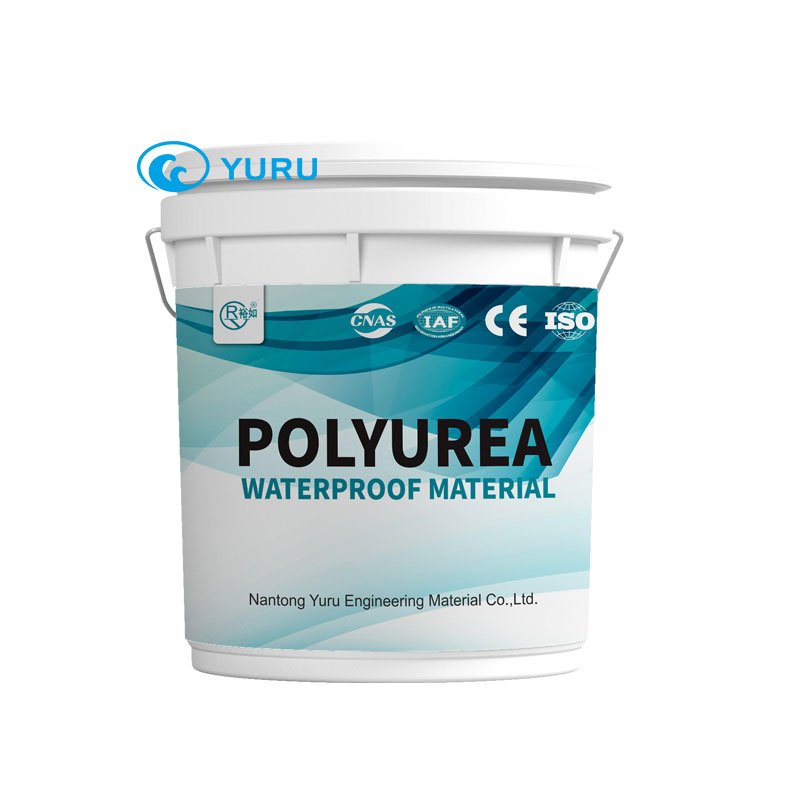
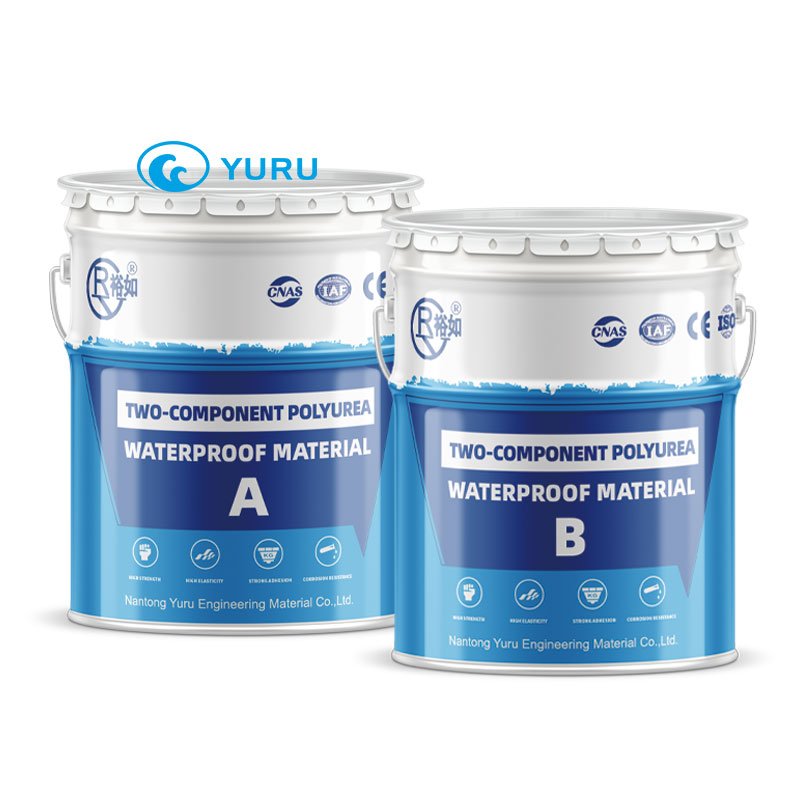
YURU Waterproof is a professional manufacturer specializing in waterproof coatings, polyurea systems, injection grouting materials, and floor coating solutions. Rather than offering a one-size-fits-all product, YURU focuses on matching polyurea waterproofing systems to specific construction applications.
YURU’s solutions are used in:
- Roofing and underground waterproofing projects
- Infrastructure and municipal construction
- Industrial and special-environment facilities
By supporting wholesalers, contractors, engineers, and project owners, YURU Waterproof helps ensure that polyurea waterproofing systems perform reliably across different construction scenarios.
FAQs
1. Is polyurea waterproofing suitable for both new construction and renovation?
Yes. It is widely used in both new builds and refurbishment projects.
2. Can polyurea waterproofing handle structural movement?
Its high elasticity allows it to accommodate cracks and movement effectively.
3. Is polyurea waterproofing used in municipal projects?
Yes, it is commonly applied in bridges, tunnels, and water treatment facilities.
4. Does polyurea waterproofing require special equipment?
Spray systems do, but some formulations allow manual application.
5. How long does polyurea waterproofing last in construction projects?
With proper application, it offers long-term performance and reduced maintenance.
Conclusion: Expanding the Possibilities of Construction Waterproofing
Polyurea waterproofing has proven to be one of the most adaptable waterproofing technologies available today. From roofs and basements to tunnels and industrial facilities, its application range continues to expand as construction standards rise.
Choosing the right application method and working with an experienced supplier are key steps in maximizing its benefits.
If you are evaluating waterproofing options for a current or upcoming project, YURU Waterproof can help you identify the most suitable polyurea waterproofing solution for your construction needs.
YURU Product solutions