Why Industrial Floor Coating Peels and How to Fix It?
Introduction:
Here’s a scene that plays out in factories and warehouses all over the world. A new industrial floor coating is installed. Looks great, months later, it starts peeling.
First, small blisters, local delamination. Then the damage spreads. Forklifts make it worse. Moisture gets underneath, dust increases, safety risks rise. Soon, entire sections need to be removed and replaced.
Industrial floor coatings are supposed to take abuse. When they peel, it’s not just ugly. It’s expensive.
For contractors, distributors, and facility owners, peeling floor coatings mean:
- Unexpected repair costs
- Production downtime
- Safety issues
- Customer complaints
- Reduced project credibility
Most coating failures are preventable. And in many cases, peeling isn’t the coating’s fault. Poor prep, moisture, wrong material, bad application. Fix the root cause, and the coating stays down.
This guide explains:
- Why industrial floor coatings peel
- Common signs of floor coating failure
- How to repair damaged coatings
- How to prevent peeling in future projects
- Which flooring coatings work best in industrial environments
If you’ve ever dealt with a peeling floor, this is for you.
Why Industrial Floor Coating Failure Is Becoming More Common?
In recent years, industrial flooring systems have faced greater stress than ever before.
Modern factories operate with:
- Heavier forklift traffic
- Higher chemical exposure
- Faster production cycles
- Increased cleaning frequency
- Stricter hygiene standards
Even premium coatings can fail if the installation process is flawed.
Fast Construction Schedules Increase Risks
Many industrial projects operate under tight deadlines. Contractors may rush:
- Concrete curing
- Surface preparation
- Primer application
- Coating curing times
The result? Hidden problems remain beneath the coating. Moisture trapped inside concrete often becomes one of the biggest causes of later delamination. You can’t see it at installation. But it shows up months later.
Low-Cost Competition Leads to Material Downgrades
Some suppliers reduce prices by lowering:
- Resin quality
- Solid content
- Abrasion resistance
- Adhesion performance
Initially, the floor may appear acceptable. But after several months of traffic and environmental exposure, peeling begins.
Many Projects Ignore Long-Term Durability
Focus only on upfront cost. Ignore long-term durability.
It may save money in the early stages, but repeated repairs will lead to higher long-term costs.
This is especially true in:
- Manufacturing plants
- Logistics warehouses
- Chemical facilities
- Food processing plants
What Does Industrial Floor Coating Peeling Look Like?
Floor failures look different. Learn to spot them early.
Localized Peeling
This occurs when small areas separate from the concrete substrate.
Common causes include:
- Oil contamination
- Weak concrete surfaces
- Improper primer adhesion
Initially, damage may seem minor. However, forklift wheels and heavy traffic quickly enlarge the affected area.
Large-Scale Delamination
Entire sections of coating detach from the substrate.
This usually indicates:
- Moisture vapor pressure
- Severe substrate contamination
- Incorrect system design
Large-scale delamination often requires complete floor replacement.
Bubbling and Blistering
Bubbles form beneath the coating surface due to:
- Trapped moisture
- Air pockets
- Osmotic pressure
These bubbles eventually rupture, causing peeling.
Edge Peeling
Edges near expansion joints or walls begin separating first.
This may result from:
- Thermal movement
- Mechanical stress
- Poor edge sealing
The Most Common Causes of Industrial Floor Coating Peeling
Before you fix a peeling floor, figure out why it peeled.
| Causes | Specific Problems | Consequences |
| Poor Surface Prep | Dust, oil, insufficient concrete strength | Poor adhesion, coating peeling |
| Excess Moisture | Internal moisture in concrete | Blistering, delamination |
| Wrong Primer | Incorrect primer selection | Weak adhesion, interlayer separation |
| Improper Conditions | Low temperature, high humidity, poor ventilation | Poor curing, performance degradation |
| Inferior Materials | Low resin grade, low solids content | Shortened service life |

How Different Floor Coating Systems Fail?
Different coating technologies fail in different ways.
Understanding these differences helps contractors select suitable systems.
Epoxy Floor Coating Failures
Epoxy systems are widely used due to:
- High hardness
- Chemical resistance
- Smooth appearance
However, epoxies may become brittle over time.
Common problems include:
- Cracking
- Edge peeling
- Delamination under thermal stress
Epoxy is less flexible than polyurethane systems.
Polyurethane Floor Coating Failures
Polyurethane systems offer:
- Better flexibility
- Impact resistance
- UV resistance
However, failure may occur if:
- Moisture levels are excessive
- Mixing ratios are incorrect
- Surface preparation is poor
Polyurea Flooring System Issues
Polyurea coatings cure fast and provide:
- Excellent abrasion resistance
- Strong waterproofing performance
- Superior durability
However, application requires:
- Skilled technicians
- Proper spraying equipment
- Controlled substrate conditions
- Its verification time is not as long as that of epoxy flooring and polyurethane flooring.
Poor spray technique may create uneven adhesion.
Why Peeling Floor Coatings Are a Serious Industrial Problem?
Some facility owners see a small peeling area and think, “It’s just a little spot. We’ll fix it later.”
Unfortunately, flooring failures rarely remain isolated. They spread. They get worse. And they create real problems.
Safety Risks Increase
Peeling coatings create:
- Uneven surfaces
- Slip hazards
- Trip hazards
Forklift operations become more dangerous.
Dust and Contamination Spread
Broken coatings expose raw concrete.
Concrete dust can damage:
- Machinery
- Electronic equipment
- Production lines
This is especially problematic in:
- Pharmaceutical facilities
- Food plants
- Electronics manufacturing
Water and Chemical Penetration Accelerate Damage
Once coatings peel, liquids penetrate the substrate.
This leads to:
- Concrete deterioration
- Corrosion of reinforcement steel
- Additional structural damage
Operational Downtime Becomes Expensive
Repairing failed floors often requires:
- Production shutdowns
- Equipment relocation
- Temporary facility closures
The hidden cost of downtime may exceed repair expenses.
How to Properly Repair Peeling Industrial Floor Coatings?
Successful repair begins with identifying the true root cause.
Simply recoating over damaged areas rarely works.
Step 1 – Evaluate the Extent of Damage
Inspect:
- Delamination areas
- Moisture presence
- Concrete condition
- Existing coating thickness
Some floors require localized repair. Others require full replacement.
Step 2 – Remove Failed Coating Completely
All loose coating must be removed.
Common methods include:
- Grinding
- Shot blasting
- Scarifying
- Milling
Incomplete removal often causes recurring failure.
Step 3 – Repair Concrete Defects
Damaged concrete should be repaired before recoating.
This may involve:
- Crack injection
- Surface leveling
- Concrete patching
Step 4 – Test Moisture Levels
Moisture testing is essential before applying new coatings.
Professional contractors may use:
- Calcium chloride tests
- Relative humidity testing
- Moisture meters
Step 5 – Select the Right Primer
Different conditions require different primers.
For example:
- Moisture-tolerant primers
- Deep-penetrating primers
- Chemical-resistant primers
Step 6 – Apply a High-Performance Coating System
The correct flooring system depends on the environment.
Heavy Industrial Areas
Recommended:
- Polyurethane mortar flooring
- High-build epoxy systems
Food and Beverage Facilities
Recommended:
- Hygienic polyurethane or epoxy systems
Parking Garages and Warehouses
Recommended:
- Abrasion-resistant epoxy flooring
How to Prevent Industrial Floor Coating Peeling?
Prevention is always cheaper than repair.
Professional flooring systems require a systematic approach.
Conduct Proper Concrete Evaluation
Before installation, inspect:
- Concrete strength
- Moisture levels
- Surface contamination
- Existing damage
Never Skip Surface Preparation
Proper preparation may account for over 50% of flooring success.
Recommended methods include:
- Shot blasting
- Diamond grinding
- Vacuum cleaning
Choose Flooring Systems Based on Real Conditions
Not all industrial environments are the same.
- Chemical Plants
Need:
Chemical-resistant systems
- Heavy Manufacturing
Need:
Impact-resistant flooring
- Cold Storage Facilities
Need:
Thermal shock-resistant systems
Work with Experienced Contractors
Installation quality directly affects coating lifespan.
Experienced contractors understand:
- Moisture control
- Mixing ratios
- Environmental conditions
- Curing requirements
Avoid Choosing Materials Based Only on Price
Cheap coatings may contain:
- Lower resin content
- Weak fillers
- Poor additives
Low initial cost often results in expensive failures later.
How to Choose a Reliable Industrial Floor Coating Supplier?
Selecting the right supplier is just as important as selecting the right product.
Look for Real Manufacturing Capability
Reliable manufacturers should have:
- Modern factories
- Production lines
- Quality control systems
Evaluate Technical Expertise
Professional suppliers provide:
- Flooring recommendations
- Technical data sheets
- Installation guidance
Review Previous Industrial Projects
Ask for case studies involving:
- Factories
- Warehouses
- Parking structures
- Pharmaceutical facilities
Verify Product Testing Standards
Reliable manufacturers test:
- Adhesion strength
- Abrasion resistance
- Chemical resistance
- Flexibility
Which Industrial Flooring Systems Are Growing Fastest?
The flooring industry continues evolving toward higher performance systems.
Water-Based Eco-Friendly Coatings
Low-VOC systems are becoming more important due to environmental regulations.
Hybrid Flooring Systems
Modern projects increasingly combine:
- Waterproofing
- Abrasion resistance
- Chemical resistance
- Decorative performance
into integrated systems.


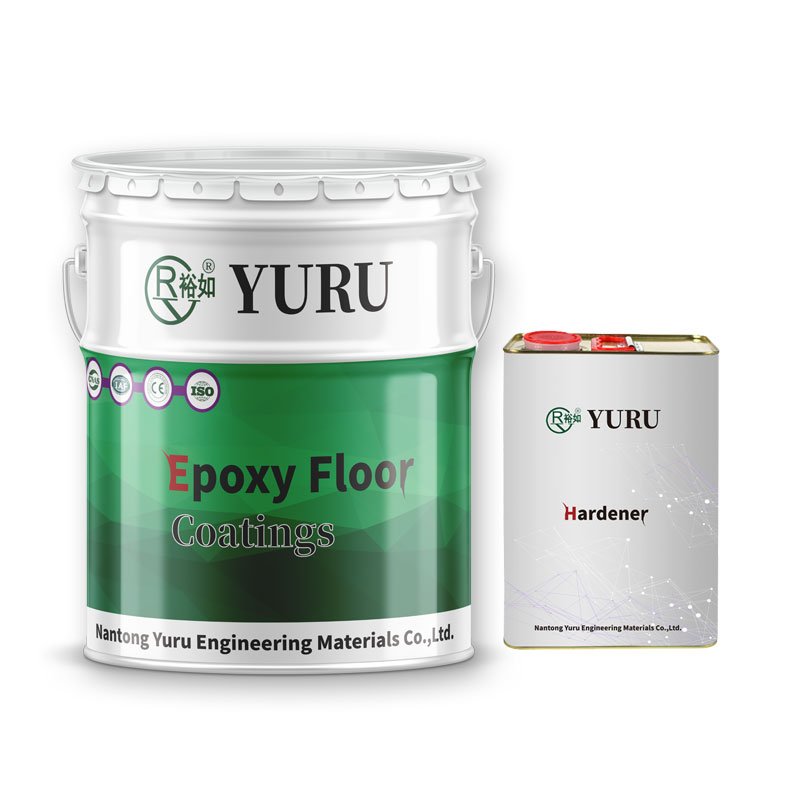
YURU Waterproof – Professional Industrial Floor Coating Manufacturer
Choosing a reliable supplier can significantly reduce flooring failure risks.
YURU Waterproof specializes in:
- Epoxy flooring systems
- Polyurethane floor coatings
- Polyurea protective systems
- Waterproofing materials
- Industrial protection solutions
Why Contractors Choose YURU Waterproof:
Stable Product Quality
YURU maintains strict quality control throughout production.
High Adhesion Performance
YURU flooring systems are designed for strong substrate bonding.
Excellent Wear Resistance
Suitable for:
- Warehouses
- Factories
- Logistics centers
- Heavy industrial facilities
Professional Technical Support
YURU provides:
- Flooring system recommendations
- Application guidance
- Technical consultation
FAQs:
1. Why does industrial floor coating peel?
Common causes include poor surface preparation, moisture problems, weak concrete, and low-quality materials.
2. Can peeling epoxy floors be repaired?
Yes. However, damaged coatings usually need complete removal before proper repair.
3. Is moisture the biggest cause of floor coating failure?
In many industrial environments, moisture vapor transmission is one of the leading causes of delamination.
4. How can contractors reduce floor coating failure risks?
By focusing on moisture testing, surface preparation, correct material selection, and professional installation.
Conclusion:
Industrial floor coating peeling is not just cosmetic. It’s a warning sign of deeper problems. But most failures are preventable.
Proper substrate preparation. Moisture control. Suitable systems. Quality materials. Correct installation.
That’s what YURU Waterproof delivers. Epoxy flooring. Polyurethane coatings. Polyurea protection. Waterproofing solutions.
Contact YURU Waterproof today for free samples, catalogs, data sheets, recommendations, and OEM/ODM support.
YURU Product solutions