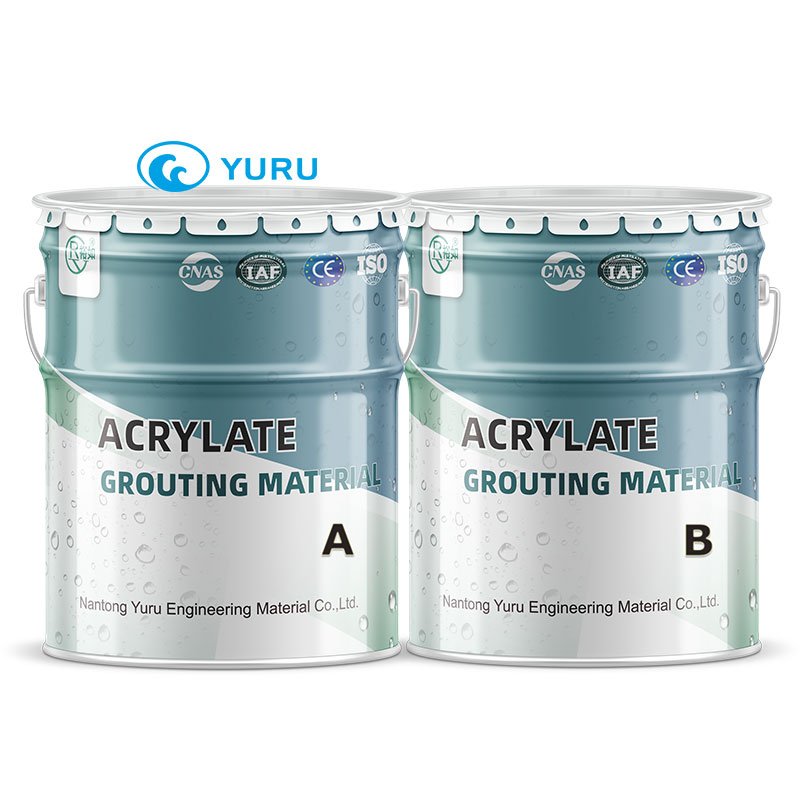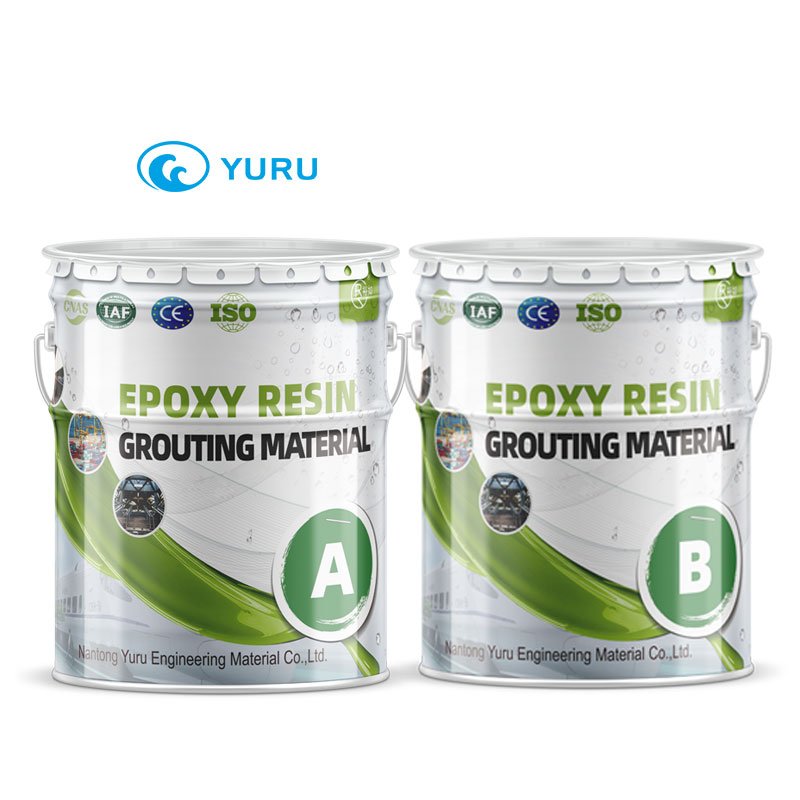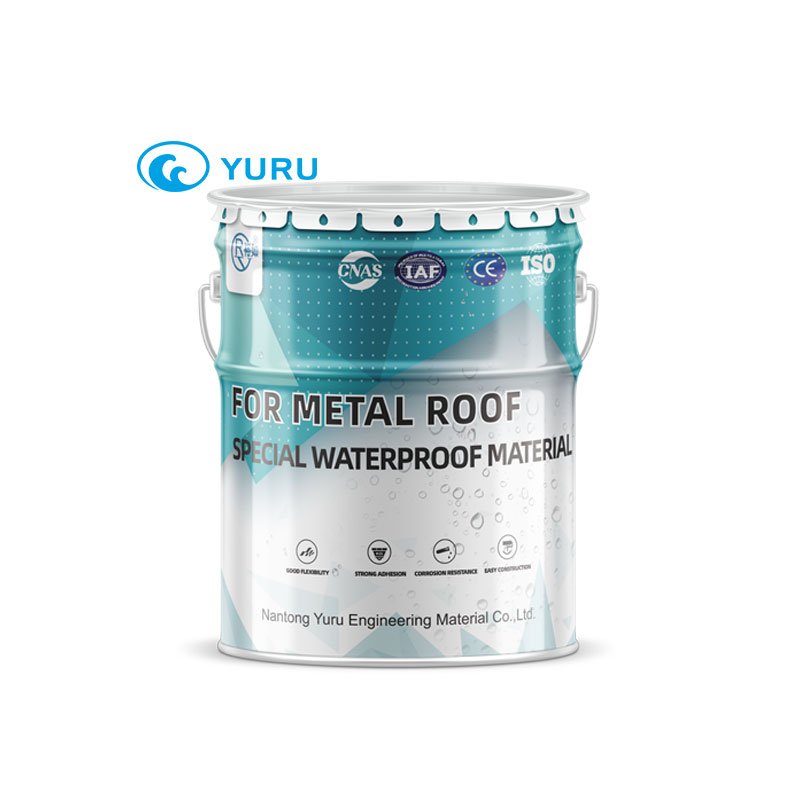
Waterproof Coating and Grouting Material Wholesale Solutions
- 01/22/2025
- yuruwaterproof.com
In any construction project, the need for reliable waterproof coatings and grouting materials cannot be overstated. These materials play a critical role in ensuring the durability and longevity of a building, offering protection against water penetration and structural damage.
For businesses in the construction industry, sourcing high-quality, cost-effective waterproofing and grouting solutions is essential to maintaining project integrity and minimizing future repairs.
In this article, we will explore the importance of selecting the right waterproof coatings and grouting materials, the challenges faced during their application, and how to optimize their usage to meet the demands of your construction projects.
Whether you’re a contractor, wholesaler, or project manager, understanding these key materials will help you make informed decisions that contribute to the success of your projects.
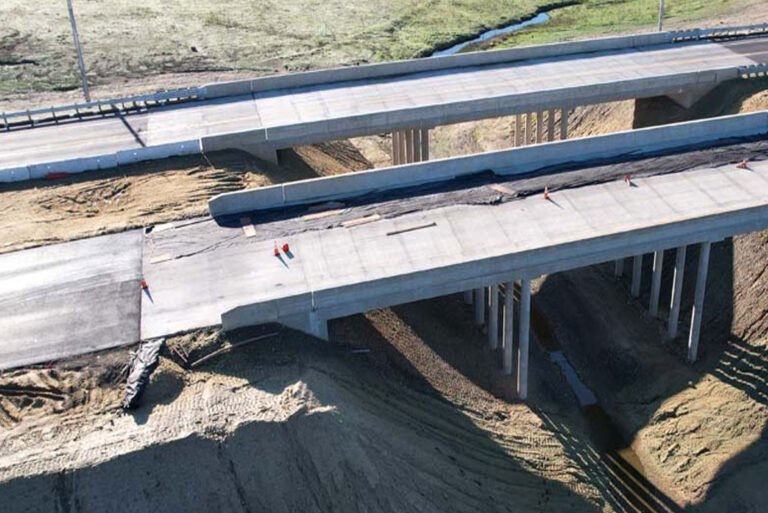
The Importance of Waterproof Coatings and Grouting Materials in Construction Projects
Waterproof coatings and grouting materials play a critical role in construction projects, particularly in waterproofing and structural reinforcement. Effective waterproof coatings prevent water penetration, safeguarding buildings from issues such as moisture damage, corrosion, and decay. These coatings ensure that structures remain intact and protected over time, even in environments with high humidity or water exposure.
Grouting materials, on the other hand, are used to seal cracks and voids in structural components, such as walls and foundations. They enhance the compressive strength of a building, providing structural support and improving resistance to water infiltration. By repairing and reinforcing these critical areas, grouting materials help to maintain the stability of a building and extend its lifespan.
Key Benefits of Waterproof Coatings and Grouting Materials in Construction:
| Benefits | Waterproof Coatings | Grouting Materials |
| Water Protection | Prevents water penetration | Seals cracks, preventing water leaks |
| Structural Integrity | Protects against moisture and corrosion | Reinforces and strengthens structures |
| Longevity | Increases the building’s lifespan | Enhances durability and stability |
| Cost Efficiency | Reduces maintenance and repair costs | Lowers long-term structural repair expenses |
| Energy Efficiency | Improves thermal insulation | Prevents water damage-related energy loss |
By utilizing the right waterproof coatings and grouting materials, contractors and project managers can ensure that their construction projects are well-protected, structurally sound, and more cost-effective in the long run. These materials are essential for preserving the integrity and functionality of a building, especially in environments prone to water exposure.
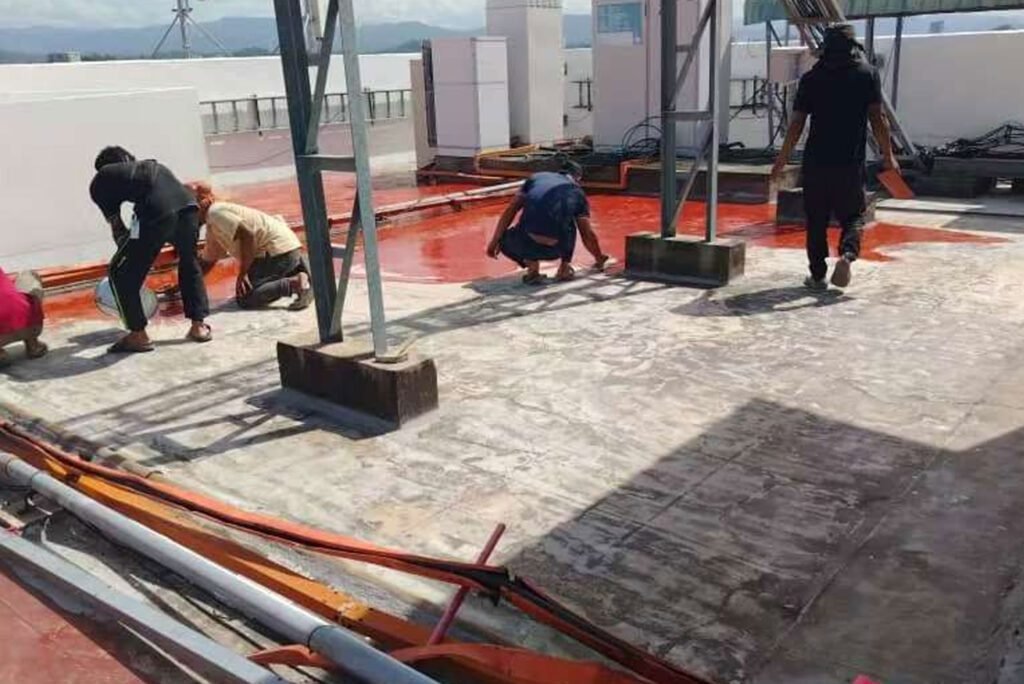
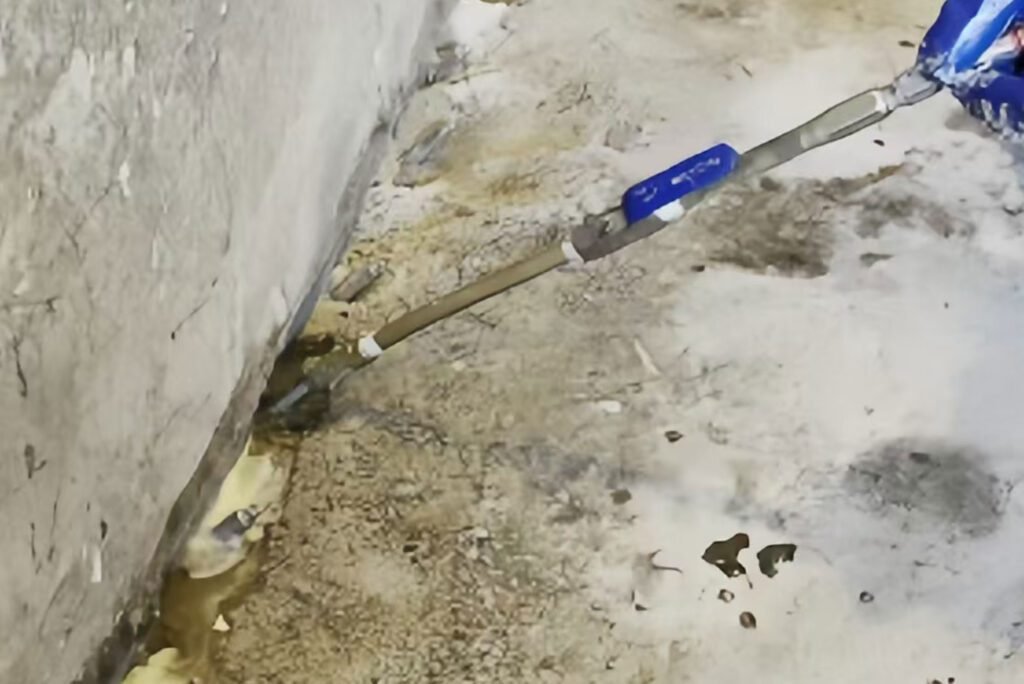
The Importance of Choosing the Right Waterproof Coatings and Grouting Materials
Different construction projects have varying requirements when it comes to waterproof coatings and grouting materials. The right material choice is not only essential for achieving optimal waterproofing performance but also influences factors like construction timelines and long-term maintenance costs. For B2B clients, it is crucial to consider the durability, ease of application, and environmental adaptability of the materials being selected.
Choosing the correct waterproof coatings and grouting materials based on project scale, environmental conditions, and budget requirements is fundamental to ensuring a successful project outcome. Using high-quality, suitable materials reduces the risk of project delays, improves performance, and lowers overall maintenance costs over time. It’s not just about preventing water penetration—it’s about ensuring that the entire construction process runs smoothly and efficiently, from start to finish.
Key Factors to Consider When Choosing Waterproof Coatings and Grouting Materials:
| Factor | Considerations |
| Durability | Look for materials that offer long-lasting protection and require minimal maintenance. |
| Ease of Application | Choose materials that are easy to apply and compatible with existing systems to minimize labor costs and time. |
| Environmental Adaptability | Select products that can withstand environmental conditions such as temperature fluctuations, high humidity, or exposure to chemicals. |
| Cost-Effectiveness | Consider both initial costs and long-term savings through fewer repairs and lower maintenance needs. |
| Compliance and Standards | Ensure materials meet local regulations and industry standards for safety and performance. |
For B2B clients, understanding these key factors and how they impact the construction process is crucial. By selecting the right waterproof coatings and grouting materials, you can avoid costly mistakes and ensure the project meets all functional and budgetary requirements, leading to a more efficient and sustainable outcome.

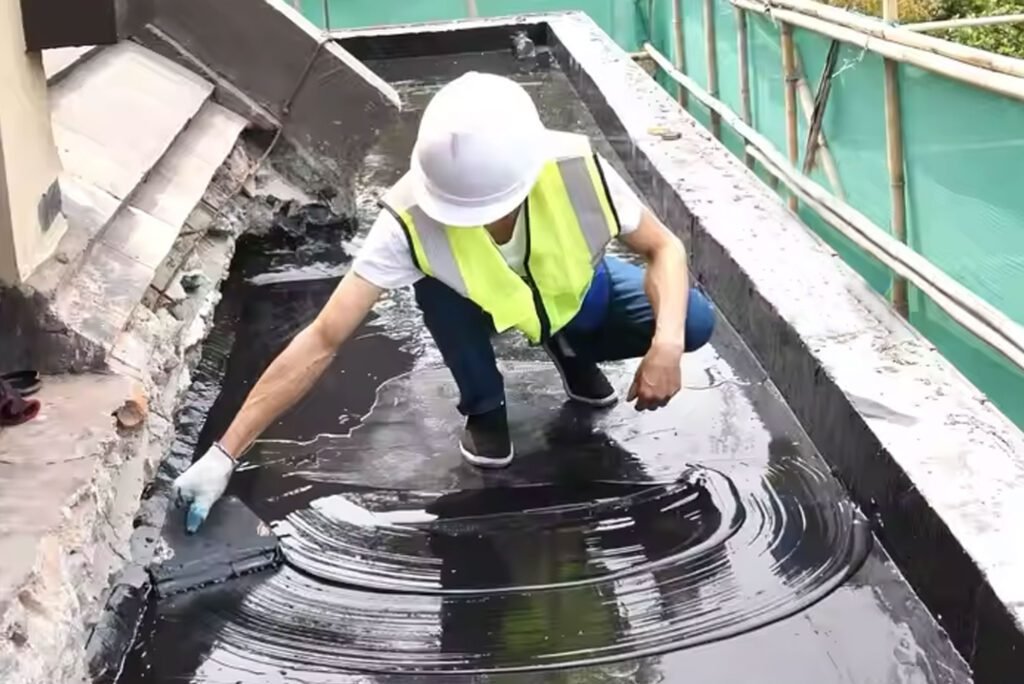
Common Issues with Waterproof Coatings and Grouting Materials and How to Address Them
In construction projects, waterproof coatings and grouting materials can face a variety of common issues that affect their performance. Understanding these problems and knowing the right materials and methods to address them is essential to ensuring the long-term success of your project. Below are some examples of common problems, the corresponding causes, and the best solutions, including recommendations for suitable materials.
(1) Bubbling of Waterproof Coatings
Cause: Bubbling or blistering occurs when moisture is trapped between the coating and the substrate, or when the surface is not properly prepared before application. Excessive humidity or temperature fluctuations during application can also lead to bubbles.
Solution:
- Pre-Application Preparation: Ensure that the surface is completely clean, dry, and free of dust, grease, or contaminants. Properly prepare the substrate to allow the coating to adhere effectively.
- Control Environmental Conditions: Apply coatings under appropriate temperature and humidity conditions to avoid moisture entrapment.
- Material Choice: Use high-quality, moisture-resistant waterproof coatings that are designed to withstand varying environmental conditions, such as Polyurethane-based Coatings or Epoxy Coatings.
(2) Cracking in Waterproof Coatings
Cause: Cracks may develop due to factors such as improper curing, poor-quality materials, excessive application thickness, or exposure to external stress like thermal expansion or building movement.
Solution:
- Quality Materials: Opt for flexible and crack-resistant coatings such as Elastomeric Coatings or Polyurethane Coatings, which can expand and contract without cracking.
- Proper Curing: Ensure sufficient curing time for the coating material. Rushed curing can lead to cracking.
- Control Thickness: Avoid applying excessive layers. Follow manufacturer recommendations for the optimal thickness of the coating.
(3) Leakage in Grouting
Cause: Leakage occurs when grouting material fails to penetrate cracks properly, often due to incorrect mixing ratios, inadequate pressure during injection, or incompatible grouting materials.
Solution:
- Proper Mixing and Application: Ensure that the grout mixture is prepared according to the manufacturer’s guidelines and applied under recommended conditions (e.g., appropriate pressure and temperature).
- Use of Penetrating Grouts: For cracks, use Low-Viscosity Injection Grouts or Epoxy-based Grouting Materials designed to penetrate deep into fissures and cracks for optimal sealing.
- Professional Application: Employ professional contractors who specialize in grouting applications to ensure proper techniques are followed.
(4) Color Fading or Peeling of Waterproof Coatings
Cause: UV exposure, extreme weather conditions, or inadequate topcoats can cause the color of the waterproof coating to fade or peel over time.
Solution:
- UV-Resistant Materials: Choose waterproof coatings with UV-resistant properties, such as Acrylic-based Coatings or Polyurethane Coatings that are specifically designed for outdoor and exposed areas.
- Protective Topcoats: Apply a UV-Resistant Topcoat after the main waterproof layer has cured to provide additional protection against weathering and UV damage.
(5) Insufficient Bonding of Coatings or Grouts
Cause: Poor bonding between the coating or grout and the substrate can occur if the surface is not properly cleaned or prepared, or if incompatible materials are used.
Solution:
- Surface Preparation: Always clean and prepare surfaces by removing dirt, oil, rust, or any contaminants that could interfere with adhesion.
- Bonding Primers: Use bonding primers designed to enhance the adhesion between the substrate and the coating or grout, such as Polymer-modified Grouts or Epoxy Primers.
- Material Compatibility: Ensure the materials are compatible with the surface and the environmental conditions they will face. For example, Silicone-based Grouts provide strong adhesion on wet or high-moisture surfaces.
Recommended Materials for Addressing Common Issues:
| Issue | Recommended Materials | Key Benefits |
| Bubbling in Coatings | Polyurethane-based Coatings, Epoxy Coatings | Moisture-resistant, ideal for high-humidity conditions |
| Cracking in Coatings | Elastomeric Coatings, Polyurethane Coatings | Flexible, expands and contracts with building movement |
| Leakage in Grouting | Low-Viscosity Epoxy Grouts, Polyurethane Injection Grouts | Deep penetration into cracks, strong sealing capabilities |
| Color Fading or Peeling | Acrylic-based Coatings, UV-resistant Polyurethane Coatings | UV resistance, durable for exterior applications |
| Insufficient Bonding | Polyurethane Injection Grouts, Epoxy Primers | Enhances adhesion, suitable for various substrates |
By addressing these common problems with the right materials and application techniques, you can significantly improve the performance of waterproof coatings and grouting materials in your construction projects. Ensuring that the materials are suitable for the specific environmental and structural conditions of the project is key to avoiding these issues and maintaining the longevity of your building.
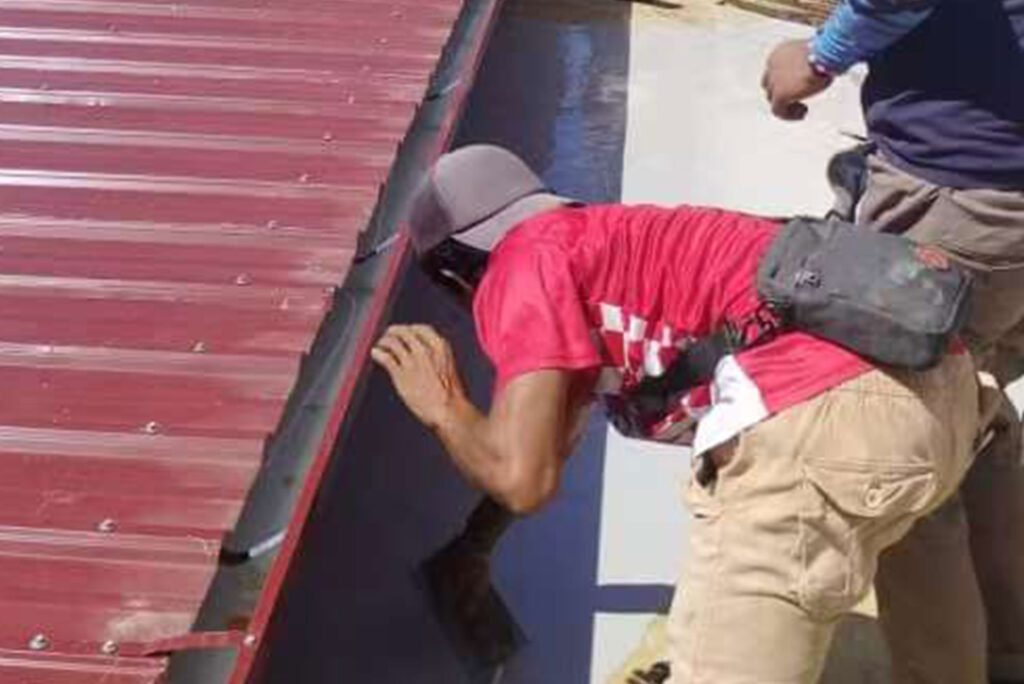
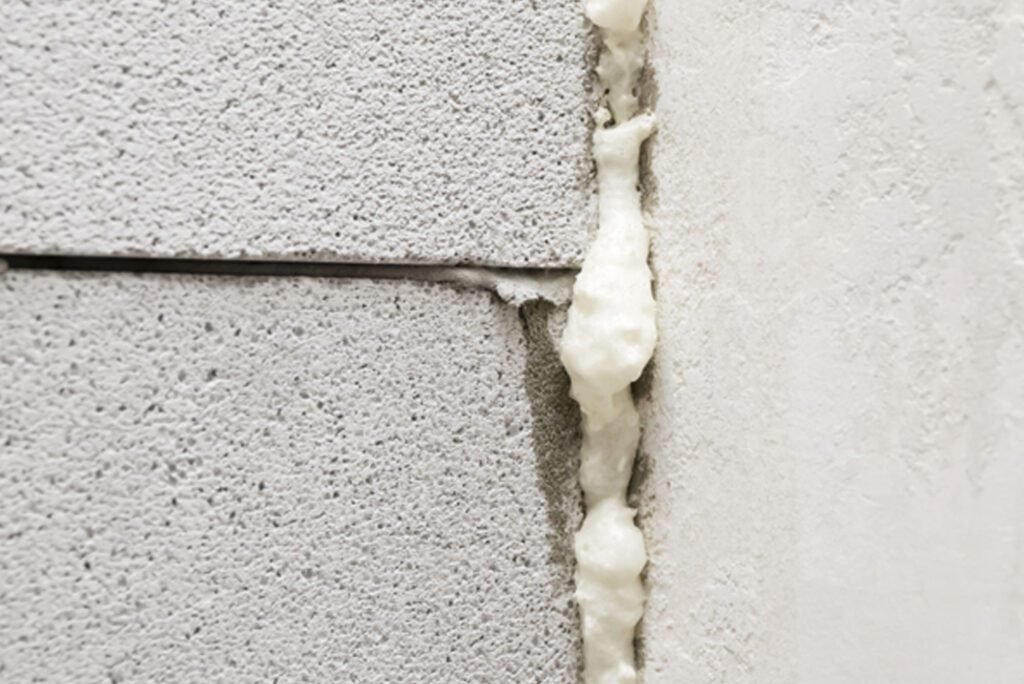
How to Ensure the Quality of Waterproof Coating Application?
The quality of waterproof coating application directly impacts its effectiveness in preventing water penetration. Ensuring that the coating adheres properly and performs as expected requires strict adherence to application standards, such as proper substrate preparation, correct coating techniques, and precise thickness control. By following these best practices and selecting experienced contractors, clients can avoid common mistakes and ensure long-lasting waterproofing results.
1. Proper Substrate Preparation
Before applying waterproof coatings, it is essential to thoroughly prepare the substrate (the surface to be coated). Proper cleaning and surface treatment help ensure strong adhesion and prevent issues like peeling, blistering, or inadequate waterproofing performance.
Key Steps for Substrate Preparation:
- Cleaning: Remove all dirt, dust, grease, and contaminants using suitable cleaning agents.
- Drying: Ensure the surface is dry before application, as moisture can interfere with coating adhesion.
- Repairing Cracks: Fill any visible cracks or holes to create a smooth, uniform surface for the coating.
2. Correct Coating Application Method
The method of applying waterproof coatings plays a significant role in achieving uniform coverage and maximum performance. The coating should be applied using the correct tools and techniques as recommended by the manufacturer.
Best Practices for Application:
- Brush vs. Roller vs. Spray: Select the appropriate application method (brush, roller, or spray) based on the type of coating and the surface’s texture.
- Multiple Coats: Apply multiple thin layers of the coating rather than one thick coat to ensure even coverage and proper curing.
- Direction of Application: Follow the recommended direction of application (e.g., vertical or horizontal strokes) for optimal coverage and adhesion.
3. Controlling Coating Thickness
The thickness of the waterproof coating is a critical factor in its effectiveness. Too thin a layer may lead to inadequate protection, while too thick a layer can result in cracks or improper curing.
How to Control Coating Thickness:
- Follow Manufacturer Guidelines: Always adhere to the recommended number of coats and specific thickness for each coat to avoid uneven application.
4. Choosing Experienced Contractors
To achieve high-quality application, it is vital to select experienced and qualified contractors who are familiar with the waterproofing process and can execute the work with precision.
How to Select a Good Contractor:
- Experience: Choose contractors with a proven track record in applying waterproof coatings, especially in similar project types and environments.
- Certifications: Look for contractors who are certified by recognized industry bodies, ensuring their adherence to best practices and high standards.
- References and Portfolio: Ask for references from previous clients and review the contractor’s portfolio of completed projects to assess their capability and workmanship.
5. Using Certified, High-Quality Coatings
The quality of the waterproof coating material is just as important as the application process. To avoid issues such as poor adhesion, premature failure, or performance issues, it’s essential to use certified, high-quality products from trusted suppliers.
Recommended Quality Assurance Steps:
- Certified Products: Use materials that have passed industry-standard tests and certifications, ensuring they meet the required performance specifications.
- Product Compatibility: Ensure the coating is compatible with the substrate and the environmental conditions of the project (e.g., high humidity, temperature extremes).
Summary of Best Practices for Ensuring Coating Quality:
| Step | Key Actions |
| Substrate Preparation | Clean, dry, and repair surfaces before applying coatings. |
| Coating Application | Use the correct application method and apply multiple thin coats. |
| Thickness Control | Measure the coating thickness and apply according to specifications. |
| Contractor Selection | Choose experienced, certified contractors with a strong portfolio. |
| Use of Certified Materials | Select high-quality, certified waterproof coatings for long-lasting performance. |
By adhering to these guidelines and selecting the right materials and professionals, B2B clients can ensure that their waterproof coatings provide effective, long-term protection. High-quality application not only prevents water damage but also enhances the durability and integrity of the entire structure.
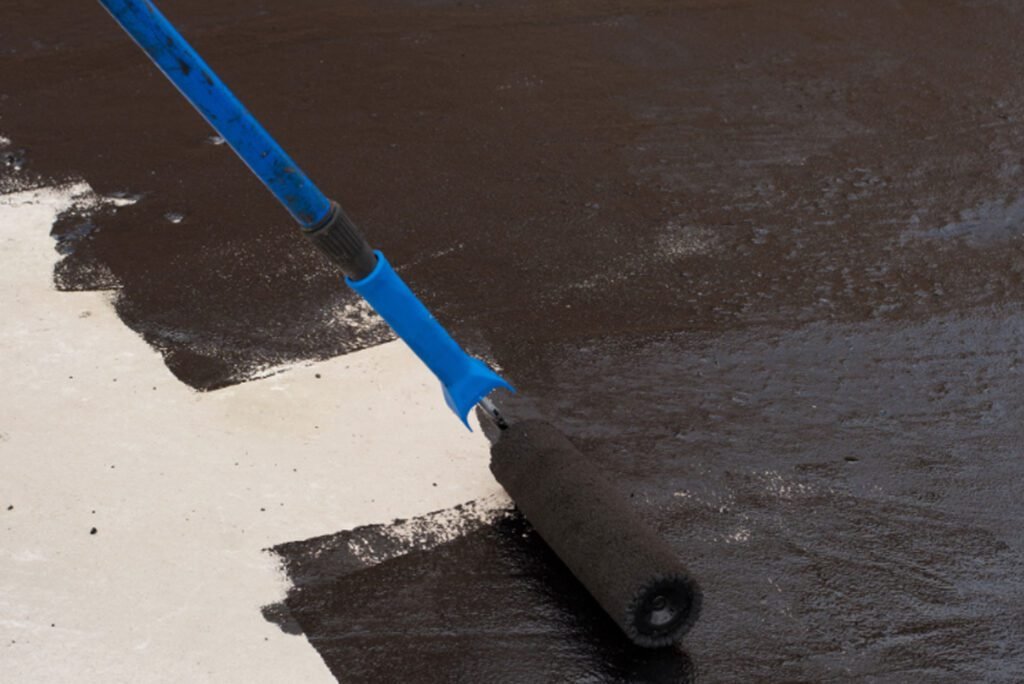
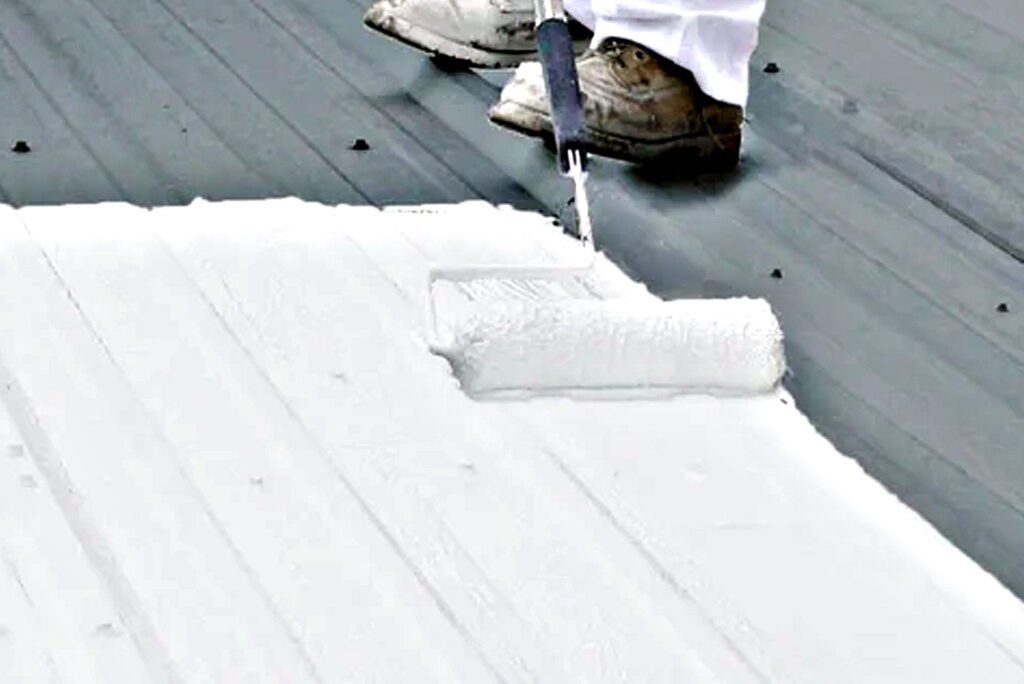
How to Optimize the Effectiveness of Grouting Materials?
The effectiveness of grouting materials largely depends on proper construction techniques and the quality of the materials used. Ensuring the correct mixing ratios, following proper application methods, and providing adequate curing time are essential for optimizing grout performance. By optimizing these factors, you can significantly improve the sealing and impermeability of the structure, preventing issues like leaks and cracks.
For B2B clients, it is important to focus on key characteristics such as permeability, curing time, and compatibility with the substrate when selecting grouting materials. This ensures that the chosen material not only performs well in sealing but also contributes to the long-term structural stability of the project.
1. Correct Grouting Material Mixing and Ratio
Proper mixing of grouting materials is essential for achieving the desired strength, durability, and permeability. Incorrect mixing ratios can lead to weakened grouts that fail to penetrate cracks effectively or bond properly with the substrate.
Best Practices for Mixing
Grouts:
- Follow Manufacturer Guidelines: Always adhere to the manufacturer’s recommended mixing ratio and instructions to ensure the grout achieves the desired properties.
- Use a Mechanical Mixer: For large-scale projects, using a mechanical mixer ensures uniform distribution of components and a more consistent grout mixture.
- Check Consistency: The grout should have the right consistency (neither too thick nor too thin) to ensure optimal flow into cracks and joints.
2. Proper Grouting Application Techniques
The application method plays a significant role in ensuring the grout effectively fills cracks and voids. Inadequate application can lead to incomplete sealing, poor bonding, or insufficient penetration into the cracks.
Application Best Practices:
- Inject Under Pressure: To achieve deeper penetration, especially for fine cracks, use injection grouting under pressure. This technique ensures the grout reaches deep within the structure, filling voids and cracks that may not be visible on the surface.
- Multiple Passes: In some cases, multiple grouting passes are required to fully fill large cracks or voids.
- Proper Tools: Use specialized equipment such as grout pumps and injectors to apply the grout accurately and consistently.
3. Adequate Curing Time
Proper curing of the grouting material is crucial for ensuring it gains the strength and impermeability required for long-term performance. Rushing the curing process can result in insufficient bonding and reduced material effectiveness.
Curing Best Practices:
- Allow Sufficient Curing Time: Follow the manufacturer’s recommendations for curing time. For most grouts, the curing process can take anywhere from 24 to 48 hours, depending on the material and environmental conditions.
- Control Environmental Conditions: Ensure that the grouting area remains at the recommended temperature and humidity levels during the curing phase. Extreme temperatures or rapid drying can negatively affect the curing process.
4. Choosing Grouting Materials with Optimal Permeability and Compatibility
When selecting grouting materials, permeability and compatibility with the substrate are two critical factors. Grouting materials should be able to form a strong, waterproof seal while maintaining the structural integrity of the surrounding materials.
Key Selection Criteria:
- Permeability: Choose grouts with low permeability to ensure that the material effectively prevents water infiltration. Epoxy-based Grouts or Polyurethane Grouts are often preferred for their low permeability and high durability.
- Compatibility: Ensure that the grouting material is compatible with the surrounding materials (concrete, brick, etc.) and environmental conditions. For example, Silicone-based Grouts may be more suitable for high-moisture environments, while Cementitious Grouts are ideal for general applications.
5. Regular Inspection and Maintenance
Even after application, regular inspection and maintenance of grouting materials are necessary to ensure their ongoing effectiveness. Cracks or voids that weren’t initially filled properly may appear over time, especially in structures exposed to external stresses.
Inspection and Maintenance Best Practices:
- Routine Checks: Inspect the grouted areas regularly, especially in critical structural locations such as foundations, walls, and basements, to ensure there are no signs of leakage or cracking.
- Re-grouting if Necessary: If any areas show signs of wear or degradation, reapply grout to maintain the seal and prevent further damage.
By following these best practices and choosing the appropriate grouting materials, B2B clients can optimize the effectiveness of their grouting solutions, ensuring long-term durability, water resistance, and structural integrity in their construction projects.
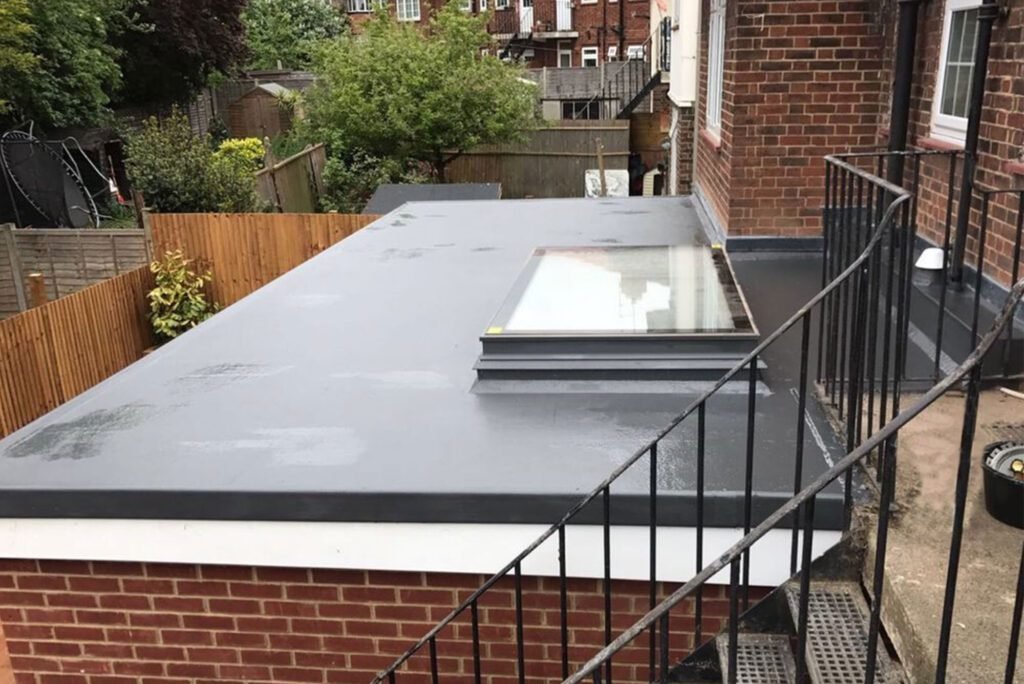
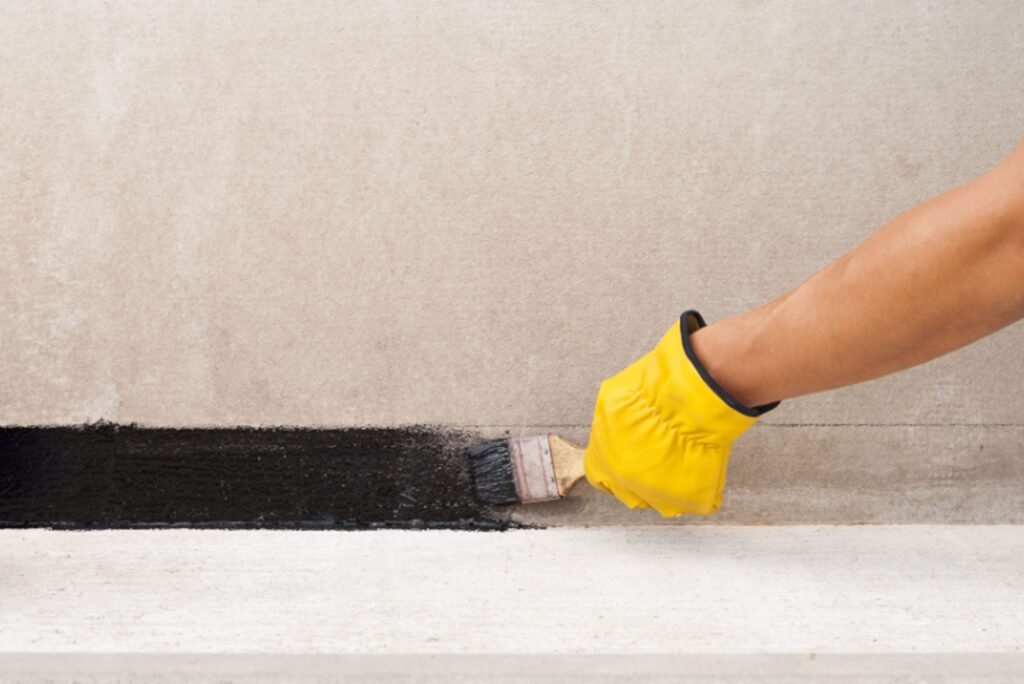
Cost Control Strategies for Wholesale Procurement of Waterproof Coatings and Grouting Materials
For wholesalers and project managers, controlling procurement costs for waterproof coatings and grouting materials is crucial for maintaining profitability while ensuring the quality and durability of their projects. By adopting effective cost control strategies, B2B clients can optimize their budgets, reduce expenses, and ultimately achieve greater value from their investments. This includes forming long-term partnerships with suppliers, making bulk purchases, and carefully evaluating the total cost of ownership, which includes long-term savings from quality materials.
1. Establish Long-Term Partnerships with Suppliers
Building strong, long-term relationships with reliable suppliers can provide significant cost advantages. By committing to ongoing business, wholesalers can often negotiate better pricing, favorable payment terms, and priority access to high-demand materials.
Benefits of Long-Term Supplier Relationships:
- Discounted Pricing: Suppliers may offer discounts or special rates for consistent or bulk orders, lowering unit costs.
- Priority Delivery: Long-term partners are more likely to prioritize your orders, ensuring timely deliveries for large projects.
- Better Payment Terms: Suppliers may offer extended payment terms, helping with cash flow management.
2. Bulk Purchasing for Cost Savings
One of the most effective ways to reduce costs is through bulk purchasing. Larger orders often qualify for volume discounts, which can significantly lower the price per unit.
Best Practices for Bulk Purchasing:
- Forecasting Demand: Analyze project needs to estimate material requirements for the upcoming months or years, ensuring that bulk purchases align with real demand.
- Storage Solutions: Invest in proper storage facilities to ensure that large quantities of materials are kept in good condition, reducing the risk of product spoilage or damage.
- Order Planning: Plan your purchases in advance to take advantage of bulk discounts without over-ordering or creating excess inventory.
3. Investing in High-Quality Materials for Long-Term Savings
While high-quality waterproof coatings and grouting materials may come with a higher upfront cost, they can offer long-term cost savings due to their durability, longevity, and lower maintenance needs. Quality materials reduce the frequency of repairs, reapplications, and maintenance, ultimately saving both time and money.
Benefits of Investing in Quality Materials:
- Extended Product Lifespan: Premium materials, such as Polyurethane Coatings or Epoxy Grouts, typically last longer and perform better in demanding environments.
- Reduced Maintenance: Higher-quality materials are more resistant to wear, cracking, and water infiltration, minimizing the need for costly repairs or reapplications.
- Fewer Failures: Investing in durable products helps prevent project delays or structural damage caused by material failures, saving costs associated with rework.
4. Cost-Effectiveness through Material Selection and Optimization
Not all projects require the most expensive materials. Evaluating the specific needs of each project and selecting the right materials for the right application can ensure that costs are kept in check without compromising performance.
Material Selection Best Practices:
- Assess Project Conditions: Evaluate factors like the building’s location, exposure to moisture, and environmental conditions to select materials that are cost-effective yet suitable for the application.
- Custom Solutions: For some projects, custom-designed materials may offer better cost efficiency compared to standard products. Collaborating with suppliers like YURU Waterproof to tailor materials to your needs can help reduce waste and increase efficiency.
By adopting these strategies, B2B clients can effectively control the cost of waterproof coatings and grouting materials without sacrificing quality. Bulk purchasing, long-term supplier partnerships, and careful material selection are key to achieving a balance between upfront costs and long-term savings. Ultimately, investing in high-quality materials and leveraging technology will improve profitability and ensure the success of large-scale construction projects.
Conclusion:
In conclusion, optimizing the use of waterproof coatings and grouting materials is essential for ensuring the durability, stability, and cost-effectiveness of construction projects. For wholesalers, project managers, and large-scale clients, understanding the correct application methods, selecting high-quality materials, and ensuring proper installation and curing are crucial to achieving long-term results. By leveraging best practices in material selection, application techniques, and ongoing maintenance, businesses can enhance the performance of their waterproofing and grouting solutions while minimizing future repair costs.
Furthermore, cost control strategies such as bulk purchasing, building strong supplier relationships, and investing in high-quality materials provide long-term financial benefits. Though initial investments may seem high, the durability, reduced maintenance, and fewer repairs associated with premium materials ultimately lead to significant savings.
For optimal performance and cost-effectiveness, it’s important to collaborate with trusted suppliers like YURU Waterproof, who can provide tailored, high-quality solutions that meet the specific needs of each project. Through strategic procurement and careful material management, businesses can ensure the success and longevity of their construction projects, all while optimizing costs and maximizing value.
By taking these steps, project stakeholders can achieve lasting results, maintain structural integrity, and ensure that their projects stand the test of time.