
What Is Waterproof Coating? Types, Applications, Benefits and Complete Selection Guide
- 02/03/2025
- yuruwaterproof.com
What Is Waterproof Coating?
Water damage is a slow killer. Leaking roofs, damp basements, cracked concrete — weakens structures and reduces building life.
This is where waterproof coatings become essential.
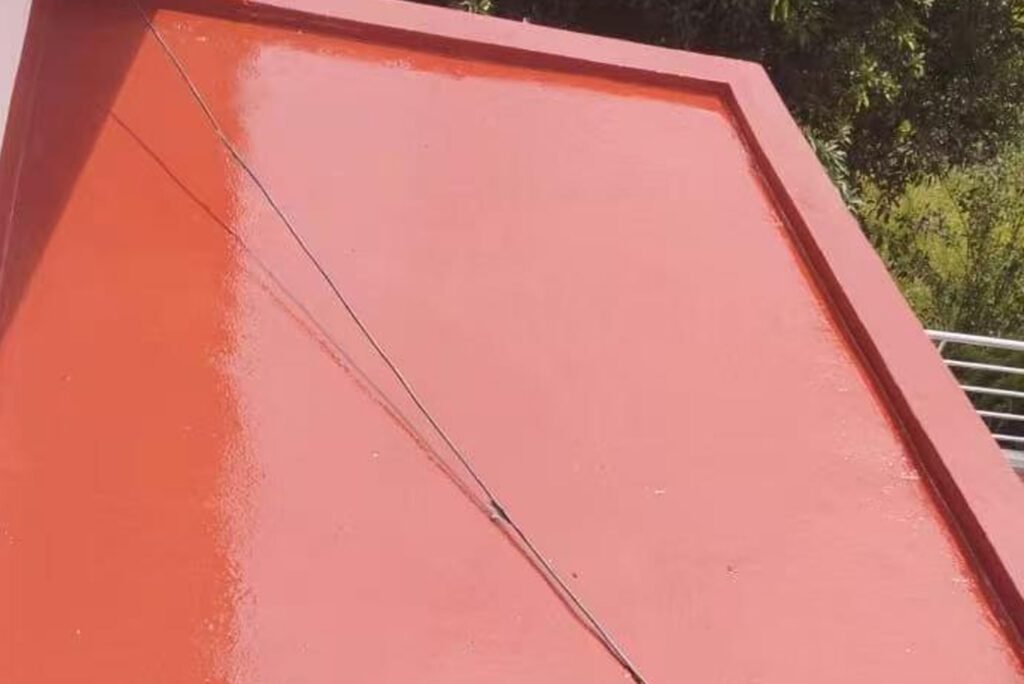
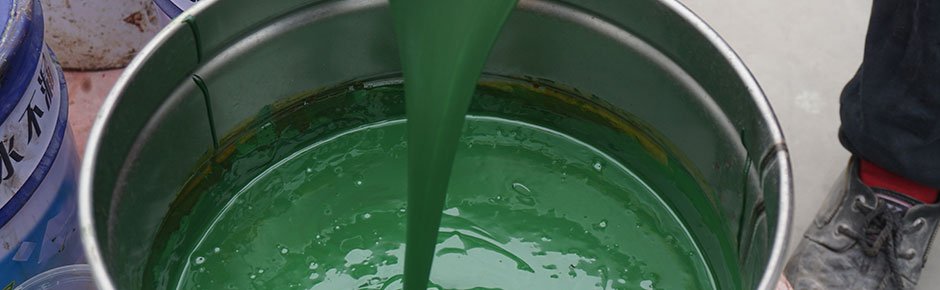
A waterproof coating is a liquid protective material that forms a seamless barrier to prevent water penetration.
Waterproof coatings are widely used in:
- Residential buildings
- Commercial buildings
- Industrial facilities
- Infrastructure projects
- Tunnels and subways
- Water treatment facilities
- Bridges and parking garages
Today, waterproof coatings have become a must-have for long-term building protection.
Quick Answer: What Is Waterproof Coating?
A waterproof coatings is a liquid material designed to prevent water from seeping in. After cured, it forms a seamless waterproof membrane that protects structures.
Common types:
- Polyurethane Waterproof Coating
- Acrylic Waterproof Coating
- Silicone Roof Coating
- Polyurea Waterproof
- Cementitious Waterproof Coating
- Transparent Waterproof Coating
Best choice depends on: Project environment, substrate condition, weather exposure, expected service life.
How Does Waterproof Coating Work?
Many building owners assume waterproof coatings simply “cover” a surface. In reality, modern waterproof coatings function through a combination of chemical and physical protection mechanisms.
Forms a Seamless Membrane
After application, the coating cures into a continuous membrane that bonds tightly to the substrate. Unlike traditional waterproof sheets, liquid coatings eliminate most seams and joints – which are usually the weakest points.
The result is:
- Better waterproof integrity
- Reduced leakage risk
- Improved durability
Crack Bridging Capability
Concrete naturally develops micro-cracks due to:
- Thermal expansion
- Structural movement
- Shrinkage
- Settlement
High-performance waterproof coatings, especially polyurethane waterproof coatings, can stretch and bridge these cracks without losing waterproofing performance.
This characteristic is especially important for:
- Roof waterproofing
- Parking decks
- Podiums
- Balconies
- Bridges
Moisture and Vapor Protection
Waterproof coatings not only stop liquid water but can also reduce moisture vapor migration.
This helps prevent:
- Mold growth
- Efflorescence
- Corrosion of reinforcement steel
- Interior wall deterioration
Main Types of Waterproof Coatings
Polyurethane Waterproof Coating
Polyurethane waterproof coatings are the most commonly used. It’s flexible, bridges cracks, and sticks like crazy.
Key Advantages:
Excellent Elasticity:
- Moves with the structure without cracking.
Strong Adhesion:
They bond well to:
- Concrete
- Metal
- Wood
- Existing waterproof layers
Long Service Life:
Properly installed polyurethane systems often achieve:
- 10–20 years of service life
depending on climate and maintenance.
Typical Applications:
- Concrete roofs
- Metal roofs
- Basements
- Balconies
- Podiums
- Parking decks
Acrylic Waterproof Coating
Acrylic coatings are water-based elastomeric systems known for easy application and reflective properties.
Key Advantages:
UV Resistance:
Performs well under sunlight.
Energy Saving Performance:
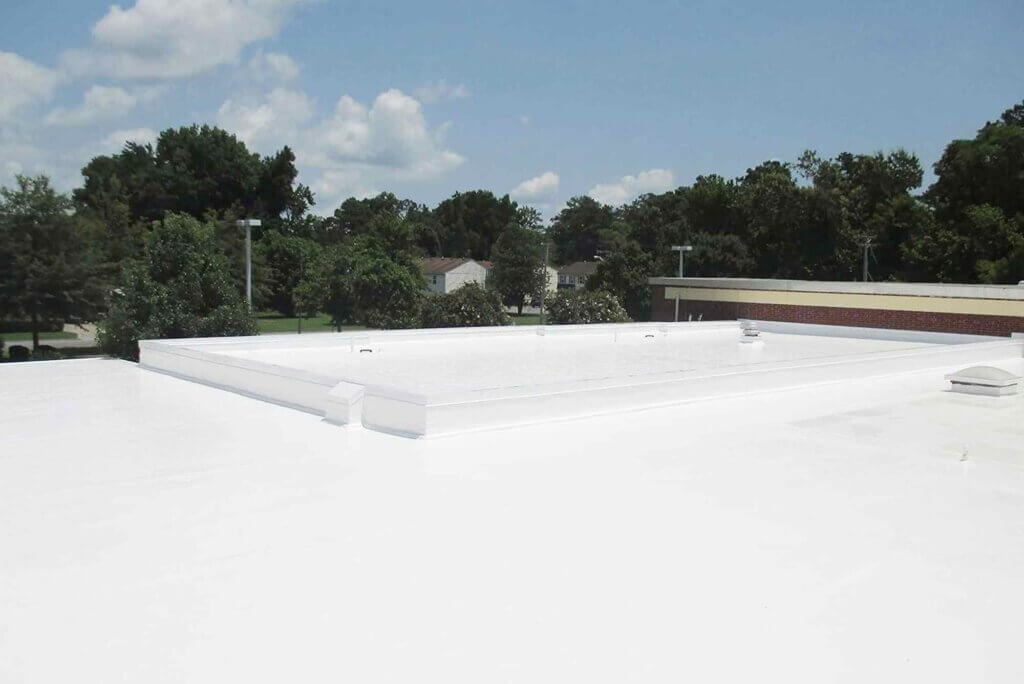
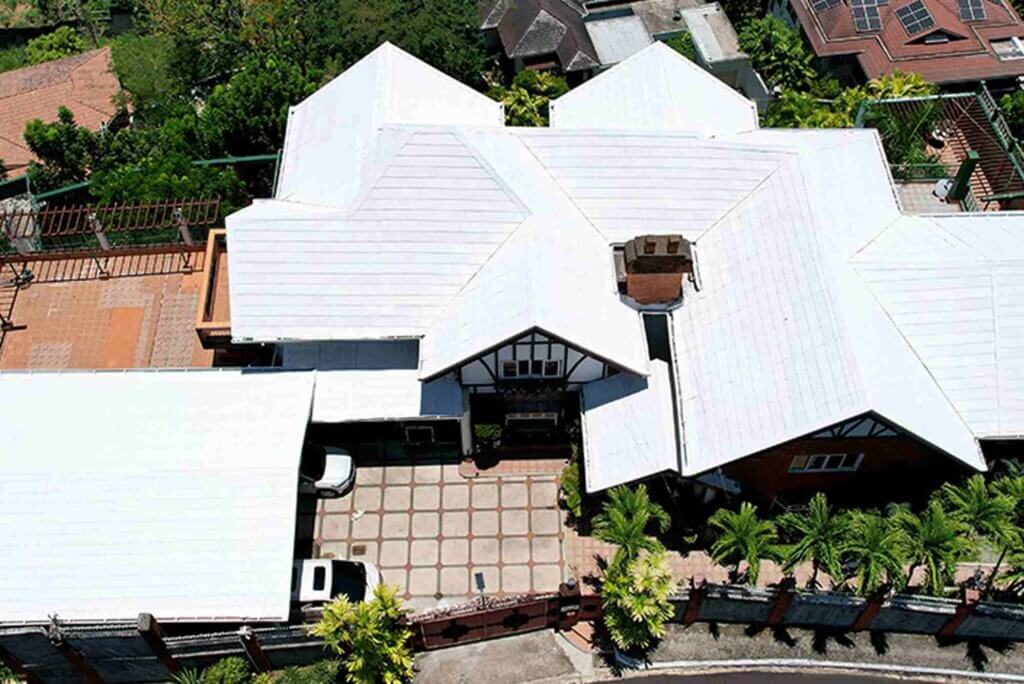
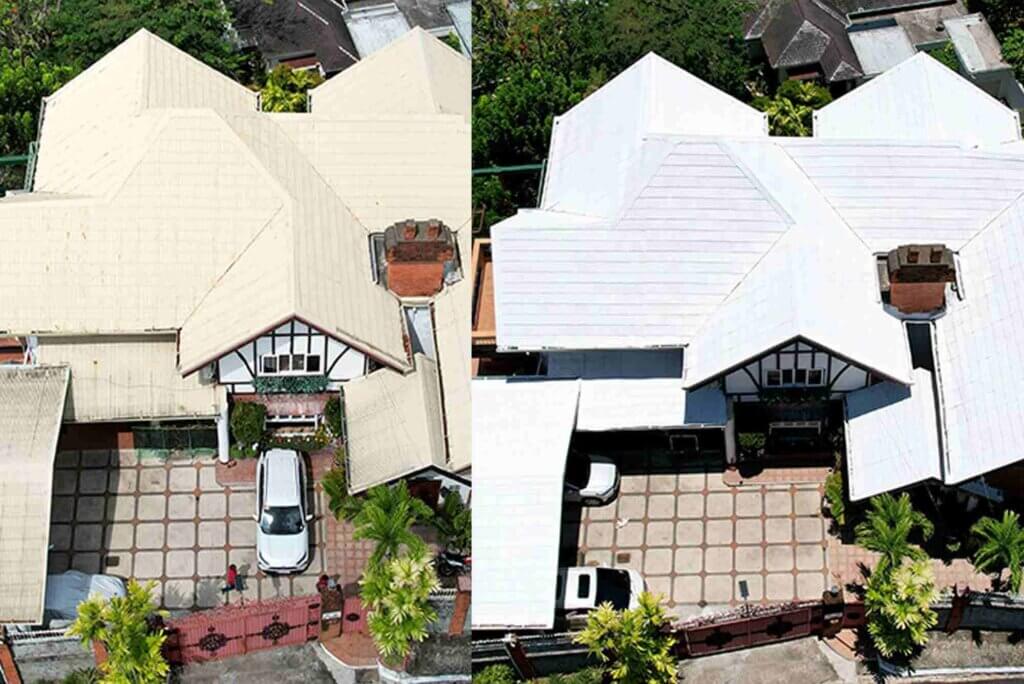
White acrylic reflects solar radiation, reducing roof temperatures.
Environmentally Friendly:
Most acrylic coatings are:
- Water-based
- Low VOC
- Easy to clean
Typical Applications:
- Residential roofs
- Commercial roofs
- Exterior walls
- Metal roof restoration
Particularly popular where energy efficiency is a priority.
Silicone Roof Coating
Silicone coating has become huge in hot, sunny regions.
Key Advantages:
Superior UV Stability:
Silicone coatings maintain their performance under intense sunlight for extended periods.
Ponding Water Resistance:
Silicone coatings tolerate standing water very well.
High Weather Resistance:
Silicone coatings perform exceptionally in:
- Desert climates
- Coastal regions
- High UV environments
Typical Applications:
Silicone roof coatings are widely used for:
- Commercial roofs
- Industrial facilities
- Warehouses
- Logistics centers
In countries like the UAE, Saudi Arabia, and Qatar, silicone is increasingly preferred for long-term roof protection.
Polyurea Waterproof Coating
Polyurea is one of the most advanced waterproof coating technologies available today.
It’s used in big infrastructure and industrial projects.
Key Advantages:
Rapid Curing:
Polyurea cures within seconds.
High Durability:
It offers excellent:
- Abrasion resistance
- Chemical resistance
- Mechanical strength
Seamless Protection:
Polyurea forms a highly durable waterproof membrane.
Typical Applications:
- Tunnels
- Water tanks
- Wastewater facilities
- Secondary containment systems
- Industrial flooring
Cementitious Waterproof Coating
Cement-based waterproof coatings remain a popular choice for concrete structures.
Key Advantages:
- Low cost
- Bonds well to concrete
- Easy to apply — brush or trowel
Typical Applications:
- Basements
- Water tanks
- Swimming pools
- Foundations
- Retaining walls
Transparent Waterproof Coating
Transparent coatings stop water without changing the look of the surface.
Applications:
- Exterior tiles
- Natural stone
- Brick walls
- Decorative facades
These coatings are often used where aesthetics are important.
Waterproof Coating Applications in Construction
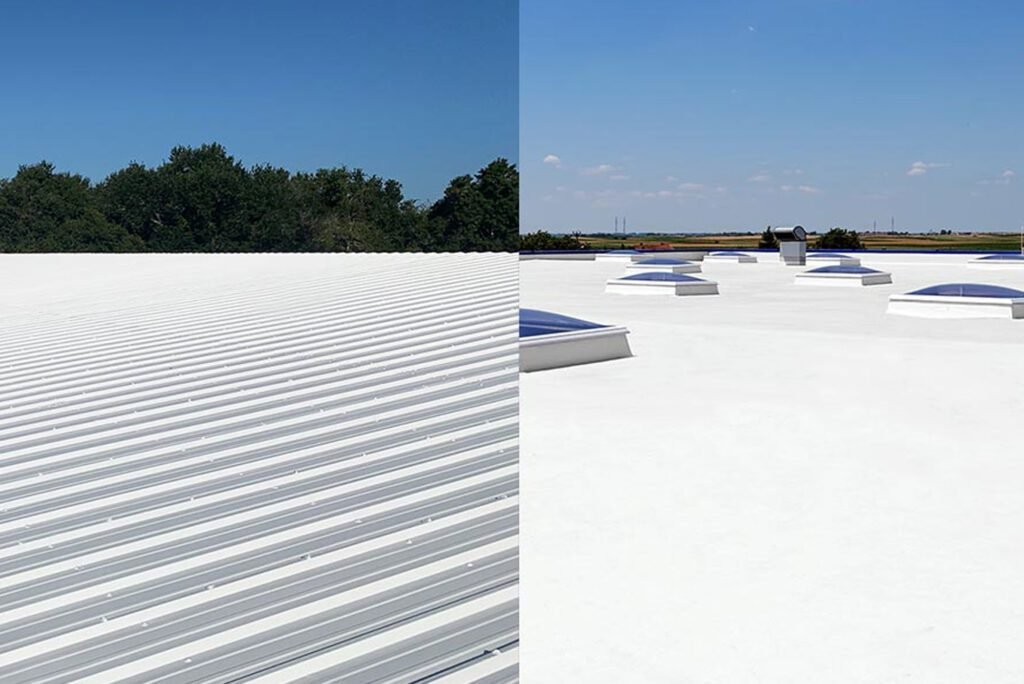
Roof Waterproofing
Roofs are continuously exposed to:
- UV radiation
- Rainfall
- Temperature fluctuations
- Wind
Therefore, roofing systems require coatings with:
- Elasticity
- UV resistance
- Weather durability
Recommended options:
- Polyurethane Waterproof Coating
- Silicone Roof Coating
- Acrylic Roof Coating
- Polyurea Waterproof Coating
Basement Waterproofing
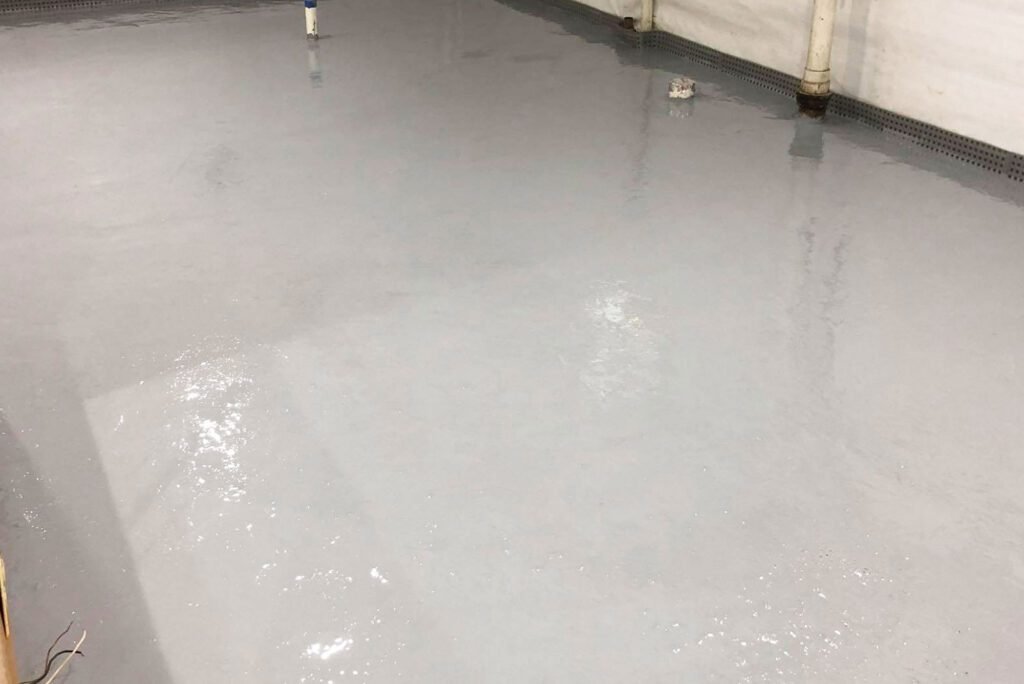
Basements face:
- Groundwater pressure
- Moisture migration
- Hydrostatic pressure
Recommended options:
- Cementitious Waterproof Coating
- Polyurethane Waterproof Coating
Water Tank Waterproofing
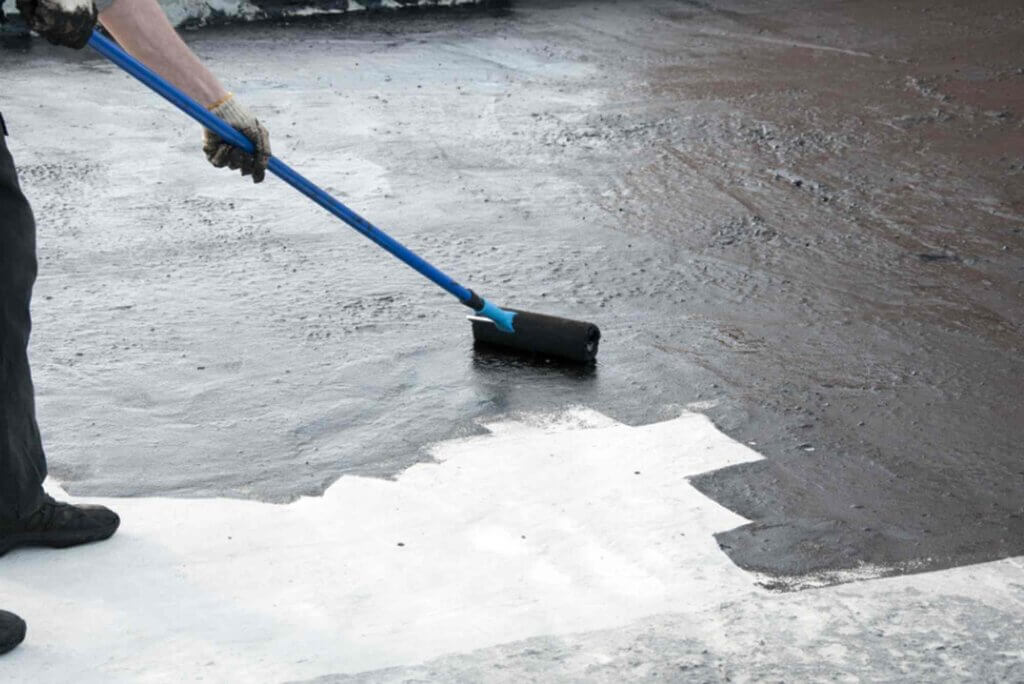
Water-retaining structures require:
- Excellent water resistance
- Long-term durability
- Safe performance
Recommended options:
- Cementitious Waterproof Coating
- Polyurea Waterproof Coating
Exterior Wall Waterproofing
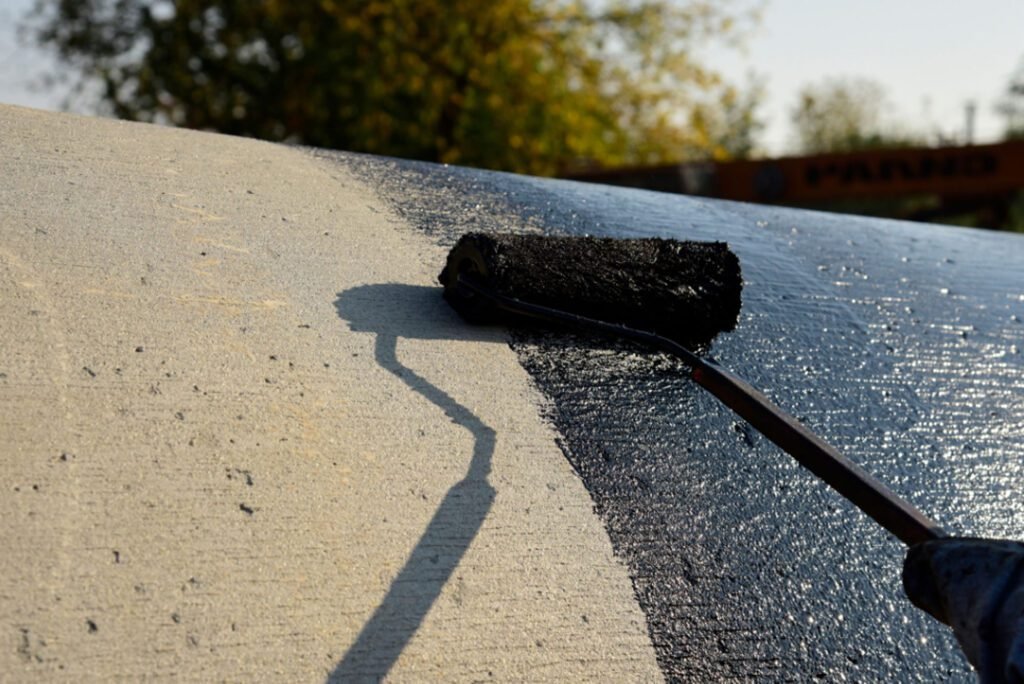
External walls must withstand:
- Rain
- Wind
- UV exposure
Recommended options:
- Acrylic Waterproof Coating
- Transparent Waterproof Coating
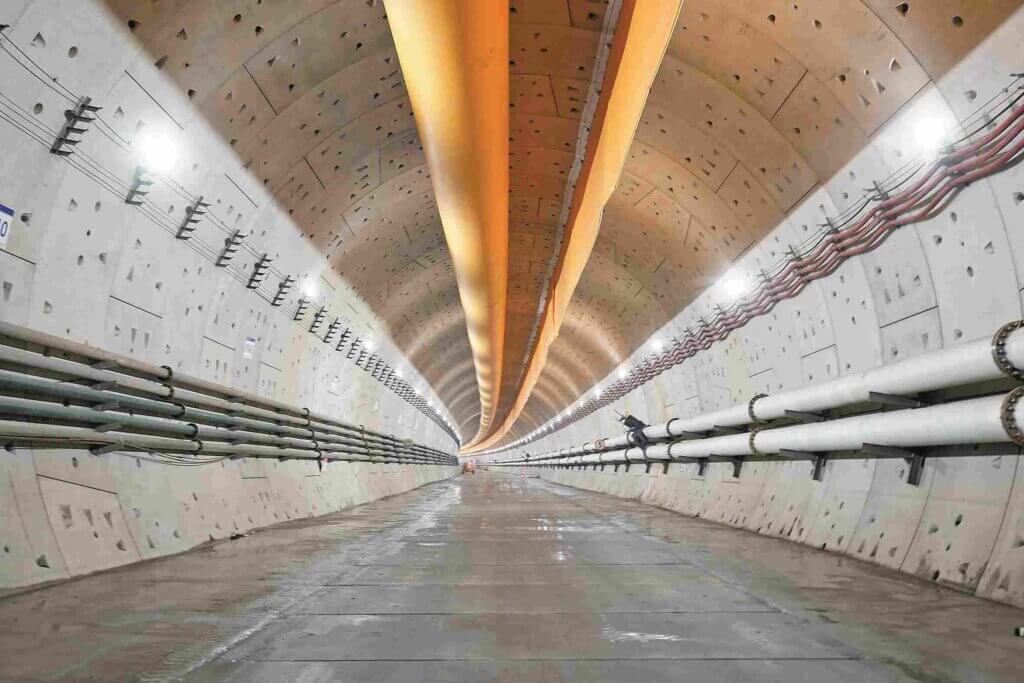
Tunnel and Infrastructure Waterproofing
Infrastructure projects face some of the harshest waterproofing environments.
Typical challenges include:
- High groundwater pressure
- Structural movement
- Long design life requirements
Recommended systems:
- Polyurea Waterproof Coating
- Polyurethane Waterproof Coating
- Injection Grouting Systems
How to Choose the Best Waterproof Coating for Your Project?
A lot of waterproofing failures happen because someone picked the wrong system at the design stage. Here’s what to think about.
Consider the Substrate Type
Different substrates require different waterproofing solutions.
Concrete Structures:
Concrete is porous and cracks over time.
Recommended coatings:
- Polyurethane Waterproof Coating
- Cementitious Waterproof Coating
- Polyurea Waterproof Coating
Metal Roofs:
Metal expands and contracts with temperature changes.
Recommended coatings:
- Silicone Roof Coating
- Polyurethane Waterproof Coating
- Acrylic Roof Coating
Tile and Stone Surfaces:
Decorative surfaces require waterproof protection without affecting appearance.
Recommended coatings:
- Transparent Waterproof Coating
Evaluate Climate Conditions
Environmental conditions directly affect coating performance.
Hot Climate Regions:
Buildings in regions such as:
- UAE
- Saudi Arabia
- Qatar
- Oman
face extreme UV exposure and roof surface temperatures that may exceed 70°C.
Recommended coatings:
- Silicone Roof Coating
- Polyurethane Waterproof Coating
- Polyurea Waterproof Coating
Humid Tropical Regions:
Countries such as:
- Malaysia
- Indonesia
- Philippines
- Vietnam
require waterproof systems that resist heavy rainfall and high humidity.
Recommended coatings:
- Polyurethane Waterproof Coating
- Acrylic Waterproof Coating
Cold Climate Regions:
Freeze-thaw cycles will crack the wrong coating.
Recommended coatings:
- High-elasticity polyurethane systems
Assess Water Exposure Conditions
Waterproofing systems face different levels of water exposure.
Occasional Rain Exposure:
Recommended:
- Acrylic Waterproof Coating
Continuous Moisture Exposure:
Recommended:
- Polyurethane Waterproof Coating
Ponding Water Conditions:
Recommended:
- Silicone Roof Coating
This is one reason silicone coatings have become increasingly popular for large commercial roofs.
Waterproof Coating Comparison Table
| Waterproof Coating Type | UV Resistance | Flexibility | Ponding Water Resistance | Typical Lifespan |
| Polyurethane | Good | Excellent | Good | 10–20 Years |
| Acrylic | Good | Good | Moderate | 8–15 Years |
| Silicone | Excellent | Excellent | Excellent | 15–20+ Years |
| Polyurea | Excellent | Excellent | Excellent | 20+ Years |
| Cementitious | Moderate | Low | Good | 8–15 Years |
Common Waterproof Coating Failures and How to Avoid Them
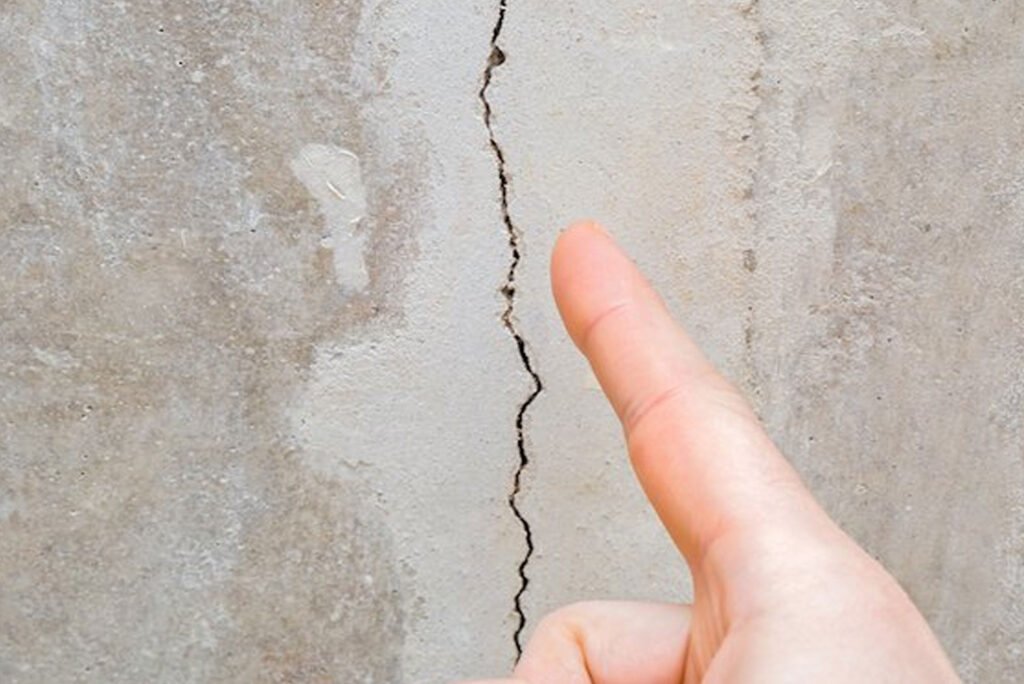
Failure 1: Coating Cracking
Cracking is one of the most common waterproofing problems.
Main Causes:
- Structural movement
- Thermal expansion
- Excessive coating thickness
- Low-quality materials
Solutions:
- Use elastic waterproof coatings
- ollow recommended application thickness
- Reinforce movement joints
Polyurethane waterproof coatings are often preferred in areas with significant movement because of their flexibility.
Failure 2: Peeling and Delamination
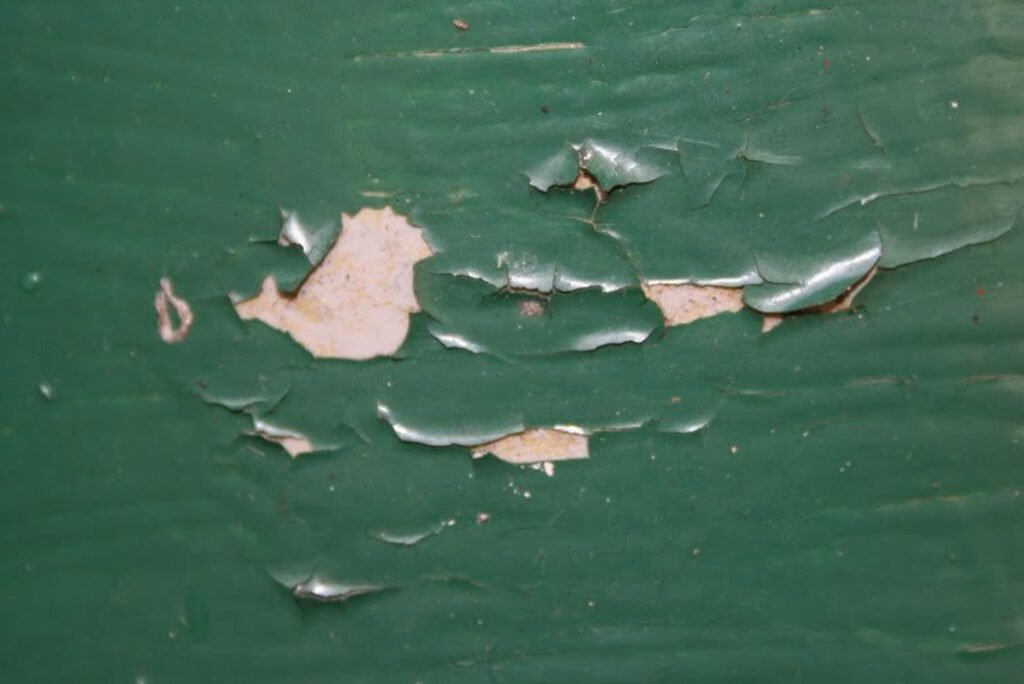
Coating separation from the substrate usually results from poor surface preparation.
Main Causes:
- Dust contamination
- Oil contamination
- Surface moisture
- Incompatible primer systems
Solutions:
- Thorough surface cleaning
- Proper primer selection
- Moisture testing before application
Failure 3: Water Leakage After Waterproofing
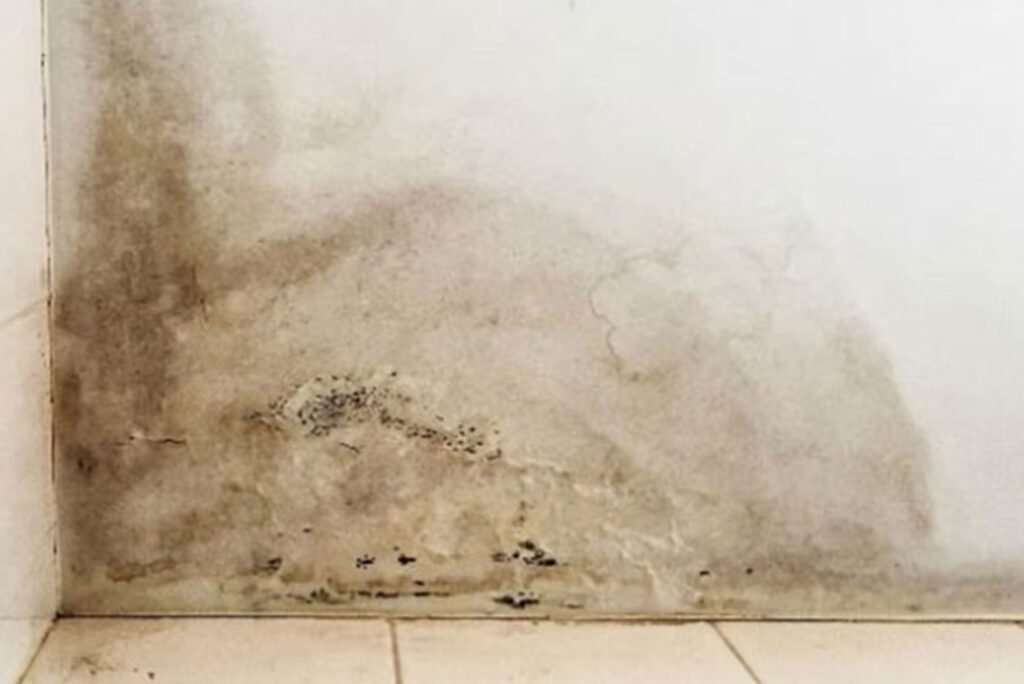
Many contractors encounter situations where leakage continues even after coating application.
Main Causes:
- Insufficient coating thickness
- Missed details
- Poor joint treatment
- Incorrect material selection
Solutions:
- Apply multiple coats
- Strengthen critical details
- Follow manufacturer’s specifications
Failure 4: Premature UV Degradation
This issue commonly occurs on exposed roofs.
Main Causes:
- Low UV resistance materials
- Thin coating application
- Harsh environmental exposure
Solutions:
- Use UV-resistant systems
- Increase coating thickness
- Select silicone or polyurethane systems
Real Waterproofing Project Case Studies
One of the strongest indicators of waterproofing system reliability is actual project performance.
The following examples reflect common waterproofing challenges faced by contractors worldwide.
Case Study 1: Industrial Metal Roof Project in Dubai
Project Challenge:
A logistics warehouse in Dubai experienced recurring roof leakage due to:
- Extreme UV exposure
- Daily thermal movement
- Aging metal roofing
The roof surface temperature regularly exceeded 65°C during summer months.
Waterproofing Solution:
The contractor selected a high-performance silicone roof coating system.
The coating provided:
- Excellent UV resistance
- High elasticity
- Strong ponding water performance
Result:
After several years of service:
- No major leakage reported
- Reduced maintenance costs
- Improved roof durability
Case Study 2: Commercial Roof Renovation in Malaysia
Project Challenge:
A commercial building suffered from roof deterioration caused by:
- Heavy rainfall
- High humidity
- Surface cracking
Waterproofing Solution:
An acrylic roof coating system was selected due to:
- Good reflectivity
- Ease of application
- Cost-effectiveness
Result:
The project successfully improved:
- Waterproof performance
- Energy efficiency
- Roof appearance
Why Many Waterproofing Projects Fail Despite Using Good Materials?
Many people assume waterproofing failures are caused by poor-quality products.
In reality, project investigations often reveal a different story.
Most failures occur because of system-related issues rather than material defects.
Incorrect Product Selection
The wrong coating may be selected for:
- Climate conditions
- Roof design
- Water exposure level
For example, using acrylic coatings in severe ponding water conditions may reduce service life.
Poor Surface Preparation
Waterproof coatings depend on adhesion. If the surface isn’t properly prepared — clean, dry, rough enough – even the best coating won’t stick. It’s that simple.
Insufficient Coating Thickness
Many failures occur because contractors attempt to reduce material consumption.
However, waterproofing performance is closely related to coating thickness.
Lack of Maintenance
No waterproofing system is completely maintenance-free.
Regular inspections can significantly extend service life.
Why Contractors and Distributors Choose YURU Waterproof?
YURU Waterproof focuses on delivering reliable waterproofing systems for global construction projects.
Complete Waterproofing Product Portfolio
YURU provides:
- Polyurethane Waterproof Coating
- Acrylic Waterproof Coating
- Silicone Roof Coating
- Polyurea Waterproof Coating
- Waterproof Grouting Materials
- Floor Coating Systems
This allows contractors to source multiple solutions from a single supplier.
OEM and Private Label Services
Many distributors require customized waterproofing products.
YURU supports:
- OEM manufacturing
- Private label production
- Customized packaging
- Technical formulation adjustments
Experience in International Markets
YURU waterproofing products have been supplied to:
- Middle East
- Southeast Asia
- Africa
- South America
where climate conditions often place extreme demands on waterproofing systems.
FAQs:
1. What Is the Best Waterproof Coating?
The best waterproof coating depends on the application.
For example:
| Application | Recommended Waterproof Coating |
| Concrete Roof | Polyurethane Waterproof Coating |
| Metal Roof | Silicone Roof Coating |
| Basement | Cementitious Waterproof Coating |
| Tunnel | Polyurea Waterproof Coating |
| Exterior Wall | Acrylic Waterproof Coating |
| Tile Surface | Transparent Waterproof Coating |
2. How Long does Waterproof Coating Last?
Depending on the coating type and installation quality, service life can range from 8 to over 20 years.
3. Is waterproof coating better than waterproof membrane?
Each system has advantages. Waterproof coatings offer seamless protection and easier maintenance, while membranes provide factory-controlled thickness.
4. How do I choose a waterproof coating supplier?
Look for suppliers that offer:
- Product quality certification
- Technical support
- OEM capabilities
- Proven project experience
- Reliable delivery performance
Conclusion:
Waterproof coating is one of the most effective solutions for protecting buildings and infrastructure against water damage.
The most suitable waterproof coating depends on several factors, including:
- Project type
- Environmental conditions
- Water exposure levels
- Expected lifespan
- Budget considerations
Looking for a reliable waterproof coating manufacturer?
YURU Waterproof offers:
- Polyurethane Waterproof Coating
- Silicone Roof Coating
- Acrylic Waterproof Coating
- Polyurea Waterproof Coating
- Waterproof Injection Grouts
- OEM & ODM Services
Contact our technical team today to receive:
- Free product recommendations
- Technical consultation
- Waterproofing system solutions
- OEM manufacturing support
Let YURU Waterproof protect your next project.