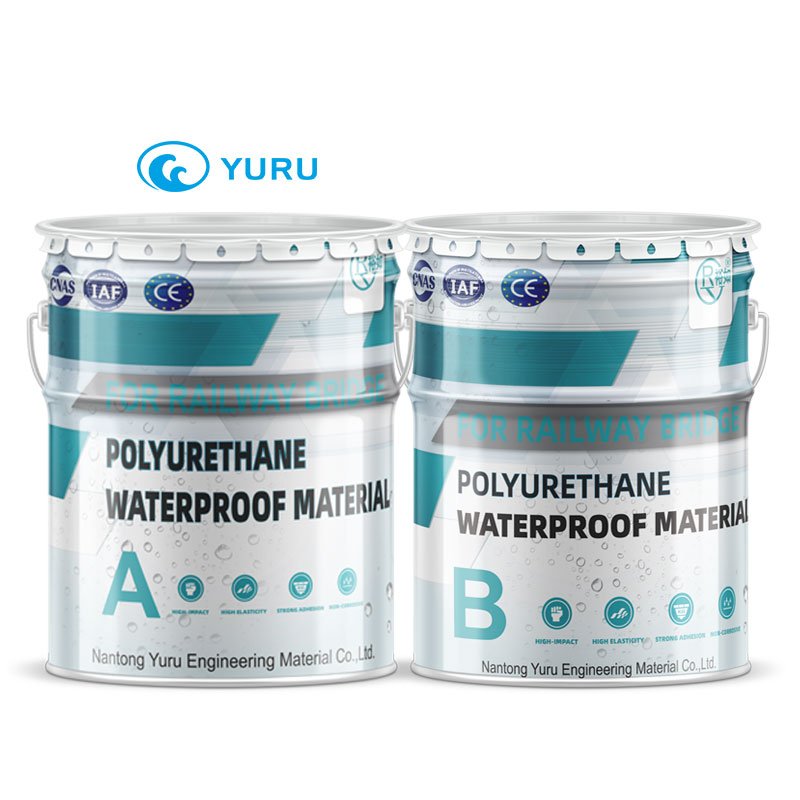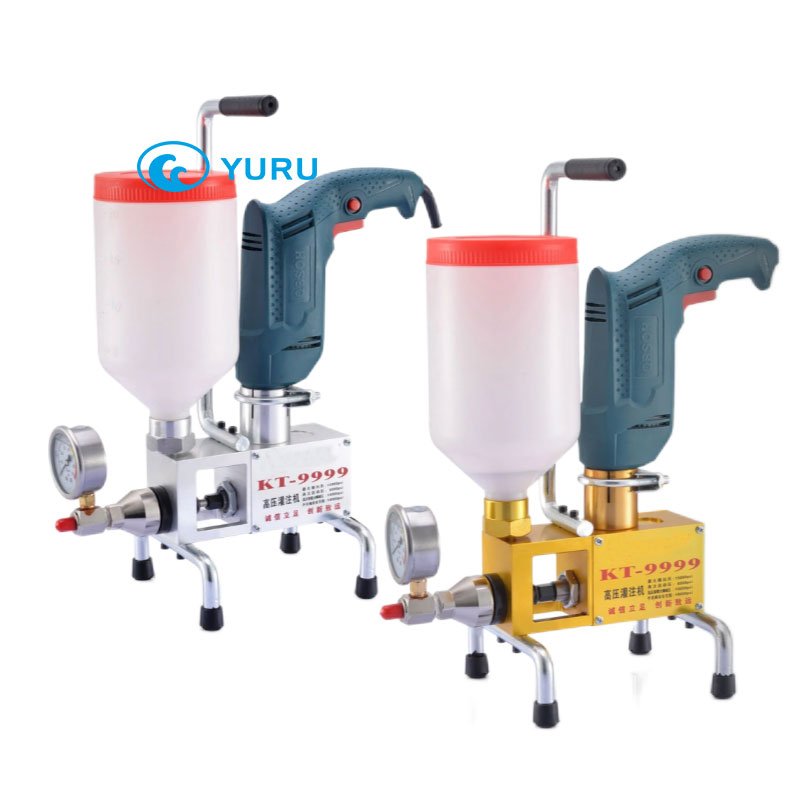
How to Choose the Best Polyurea Coating Material?
How to Choose the Best Polyurea Coating Material for Your Construction Project
With excellent durability and resistance to extreme conditions, polyurea coatings are the right material to choose when waterproofing building projects, providing reliable solutions for a variety of applications.
Whether you’re looking to waterproof underground structures, protect roofing, or improve the longevity of industrial flooring, choosing the right Polyurea material can make all the difference.
In this article, we’ll guide you through the process of selecting the best Polyurea coating, the common challenges faced during application, and how to ensure optimal results for your projects. Let’s dive into the essential factors to consider before making your choice.
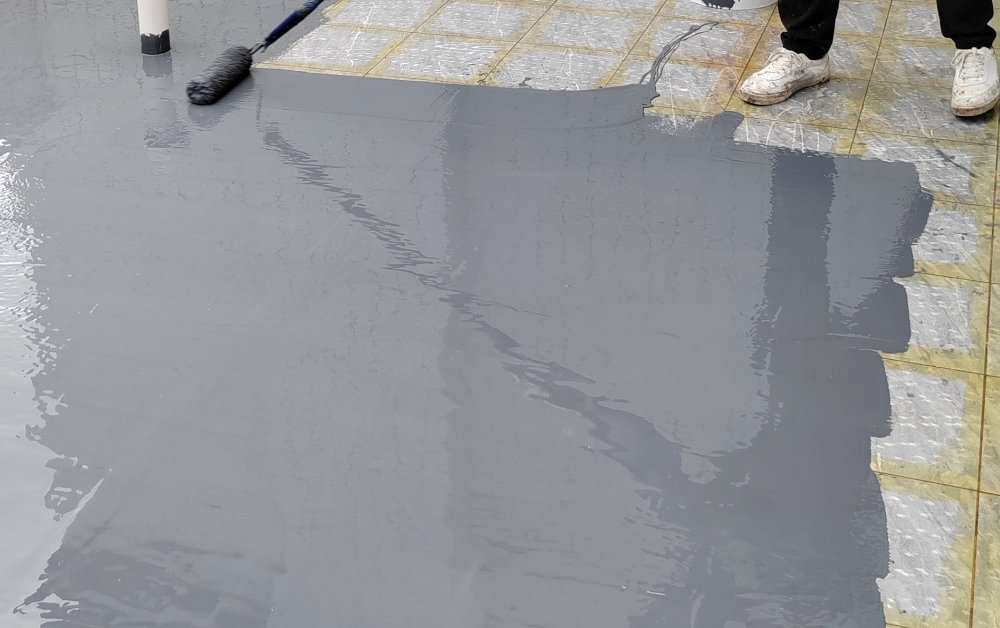
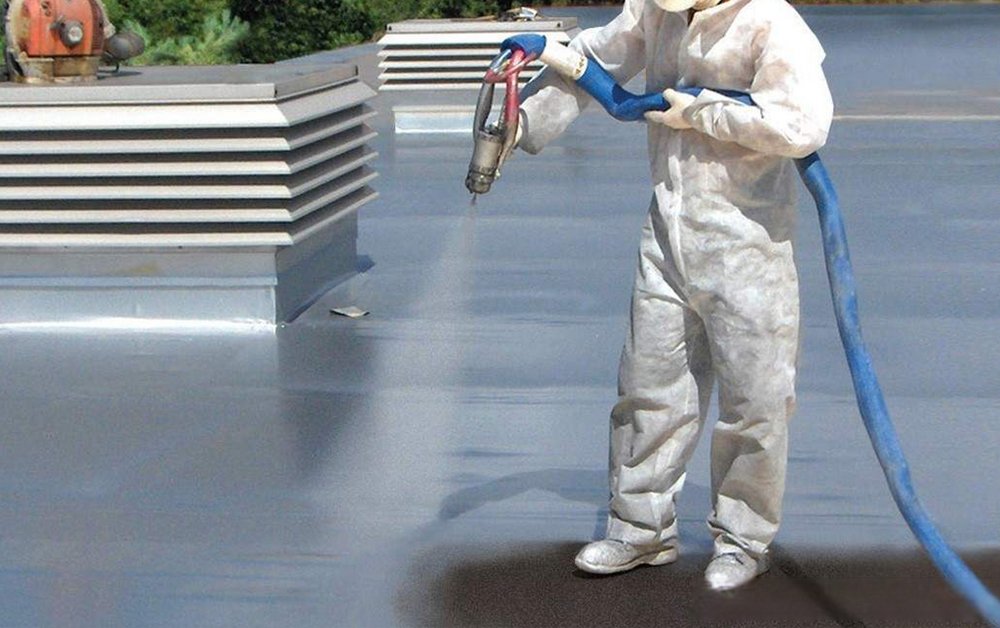
Polyurea Coating Material Overview
Before choosing the right Polyurea coating, it’s important to first understand what makes this material unique. Polyurea is an elastomeric, corrosion-resistant waterproof coating that is widely used in construction, industrial, and infrastructure projects.
The primary features of Polyurea include high temperature resistance, and exceptional wear resistance. These properties make Polyurea an ideal choice for protecting a wide range of surfaces, including those exposed to extreme conditions, heavy foot traffic, or harsh chemicals.
Key Features of Polyurea Coatings
| Feature | Description |
| High Durability | Excellent wear resistance, making it ideal for high-traffic areas. |
| Temperature Resistance | Can withstand extreme temperature changes, making it suitable for a variety of environments. |
| Corrosion Resistance | Provides superior protection against chemicals and environmental factors. |
| Waterproofing | Effectively prevents water leakage, making it ideal for waterproofing applications. |
Polyurea coatings are designed to offer long-lasting protection in tough environments. Whether you’re protecting industrial equipment or waterproofing underground structures, the flexibility and durability of Polyurea coatings ensure that they perform effectively in demanding conditions.


Applications of Polyurea Coatings in Construction Projects
Polyurea coatings are particularly beneficial in construction projects due to their versatility and durability. Here are some of the most common applications:
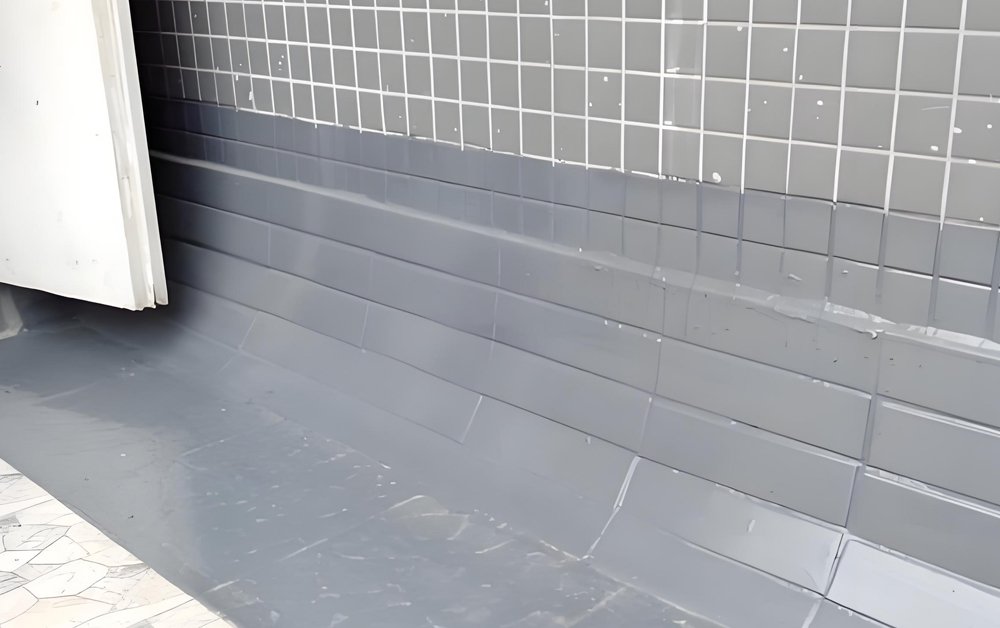
- Waterproofing Underground Structures: Essential for waterproofing basements, tunnels, and other underground infrastructure to prevent water infiltration.
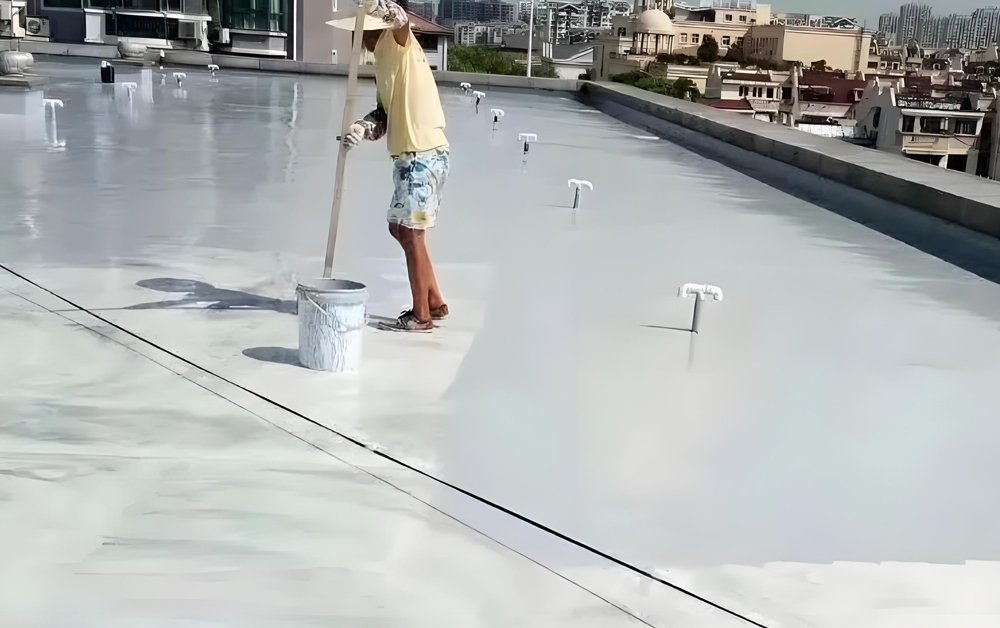
- Roof Coating: Used on roofs to protect against water damage, UV degradation, and weathering.
- Floor Protection: Ideal for industrial flooring and parking lots, providing resistance to chemicals, abrasion, and impact.
- Corrosion Protection: Used on steel structures like bridges and storage tanks to prevent rust and deterioration caused by harsh environmental conditions.
Polyurea coatings are engineered to meet the diverse needs of construction projects, ensuring that each surface is protected with the right material to withstand the specific challenges posed by the environment.
Common Issues and Challenges with Polyurea Coatings
Despite the numerous advantages of Polyurea coatings, you may encounter some challenges during application. Here are some common issues that can arise:
1. Uneven Curing of the Coating
One of the most frequent issues with Polyurea coatings is uneven curing. If the curing speed is too fast or too slow, it can result in an inconsistent application, leading to poor adhesion and an uneven surface.
This issue is particularly common when the environmental conditions are not controlled during application, such as fluctuations in temperature or humidity. To ensure a uniform cure, it’s important to monitor the curing time and environmental factors closely during the application process.
2. High Environmental Requirements
Polyurea coatings require specific temperature and humidity conditions to cure properly. These coatings are highly sensitive to environmental factors, so applying them in unsuitable conditions can lead to compromised performance.
The ideal temperature range for Polyurea application is typically between 10°C and 35°C (50°F to 95°F), and the relative humidity should be below 85%. In colder or overly humid conditions, the coating may not cure effectively, which can result in reduced durability and performance.
3. Insufficient Surface Preparation
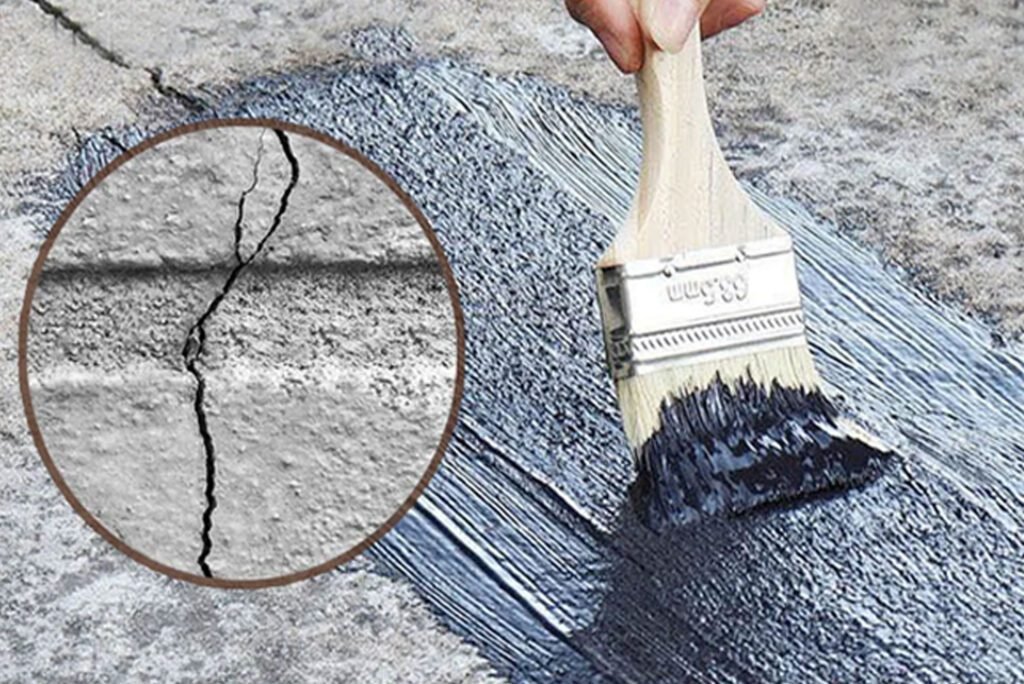
Proper surface preparation is critical for the success of any coating application, including Polyurea. If the surface is not clean, smooth, or properly primed, the coating will not adhere as effectively, leading to reduced waterproofing and overall performance.
Contaminants such as dust, oil, grease, or moisture can hinder adhesion, while uneven or rough surfaces may cause bonding issues. To ensure optimal adhesion, the surface should be thoroughly cleaned, dried, and prepared before the Polyurea coating is applied.
By understanding these common issues and challenges, you can take the necessary precautions to avoid them and ensure a smooth and effective application of Polyurea coatings. Proper preparation, controlled environmental conditions, and careful attention to curing times are key factors in achieving a successful, long-lasting result.

How to Choose the Right Polyurea Coating Material?
Selecting the best Polyurea coating for your project depends on several factors. Here are a few key considerations to help you make an informed decision:
1. Construction Environment
Consider the environmental conditions where the Polyurea coating will be applied. Factors such as temperature, humidity, and the required thickness of the coating should influence your choice.
Polyurea coatings are sensitive to these variables, so make sure to select a formulation that matches your project’s environmental conditions.
2. Durability Requirements
Polyurea coatings come with different levels of durability. Depending on the wear and tear your surface will face, choose a coating that offers the appropriate level of abrasion resistance, chemical resistance, and impact resistance.
For example, areas with heavy traffic or exposure to harsh chemicals may require a more durable formulation.
3. Coating Type
Polyurea coatings are available in both fast-curing and slow-curing types. Fast-curing coatings are ideal for projects that require quick turnaround times, while slow-curing coatings provide more working time for larger, more complex applications. Select the coating type that aligns with your project timeline and specific needs.
By considering the construction environment, durability needs, and coating type, you can choose the Polyurea coating that best suits your project.
How to Resolve Common Issues with Polyurea Coatings?
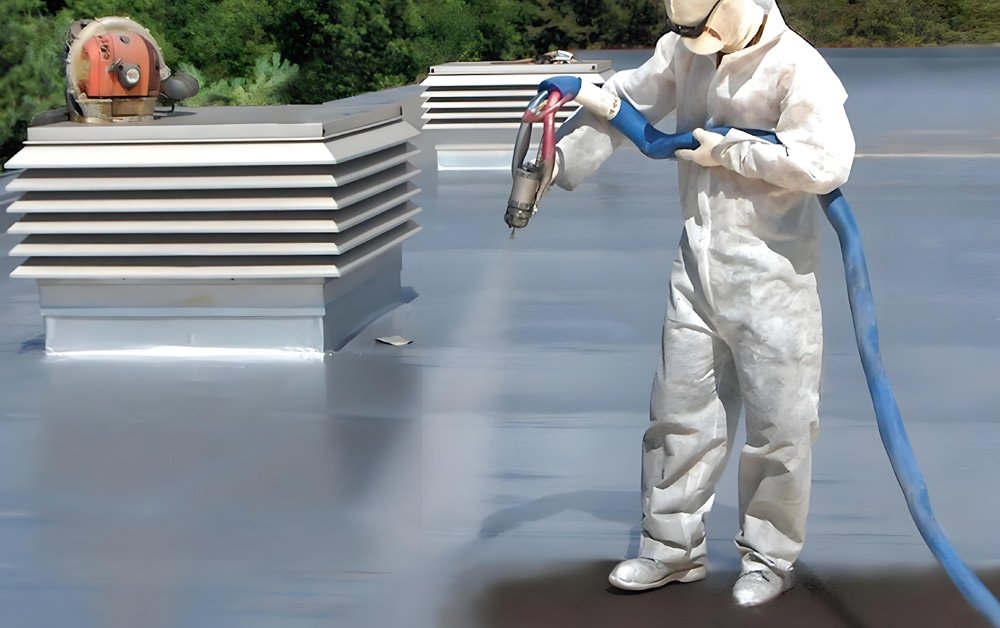
To address the common challenges that may arise during Polyurea coating applications, the following methods can be implemented:
1. Adjusting Construction Temperature and Humidity
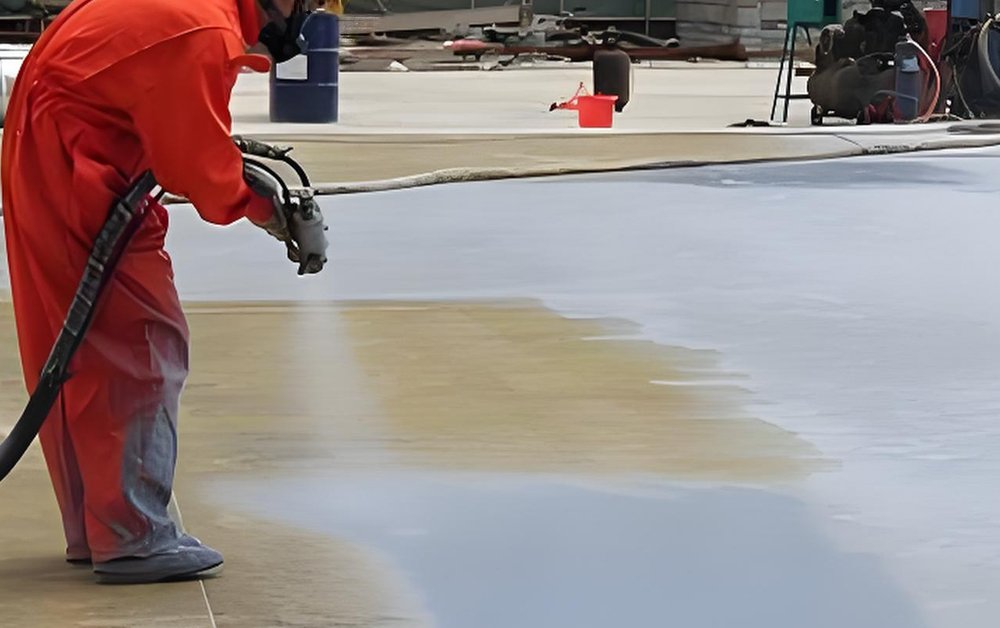
Ensure that the construction environment meets the necessary temperature and humidity requirements for Polyurea coatings. If needed, use temperature control equipment to create ideal conditions and prevent issues like uneven curing.
2. Employing a Professional Application Team
Ensure that the application team is experienced and familiar with Polyurea coating techniques. Proper training and expertise are essential to ensure the coating is applied correctly and consistently.
3. Proper Surface Preparation
Before applying Polyurea coatings, ensure that the surface is thoroughly cleaned, dry, and smooth. Removing contaminants and repairing any surface imperfections will help ensure the coating adheres properly and performs optimally.
By taking these steps, you can minimize common application issues and achieve the best results with your Polyurea coating.
Conclusion
Choosing the right Polyurea coating is essential for ensuring long-term durability and protection in your construction projects. At YURU Waterproof, we understand the importance of selecting the ideal material based on environmental conditions, durability needs, and project requirements. With our high-quality Polyurea coatings, we offer reliable solutions for waterproofing, corrosion protection, and surface preservation across various applications.
By addressing common challenges such as curing issues, environmental factors, and surface preparation, you can achieve optimal results. With YURU Waterproof’s expertise and top-tier products, you can trust that your project will benefit from durable, long-lasting protection. Let us help you make the right choice and ensure your project’s success.


YURU Product solutions