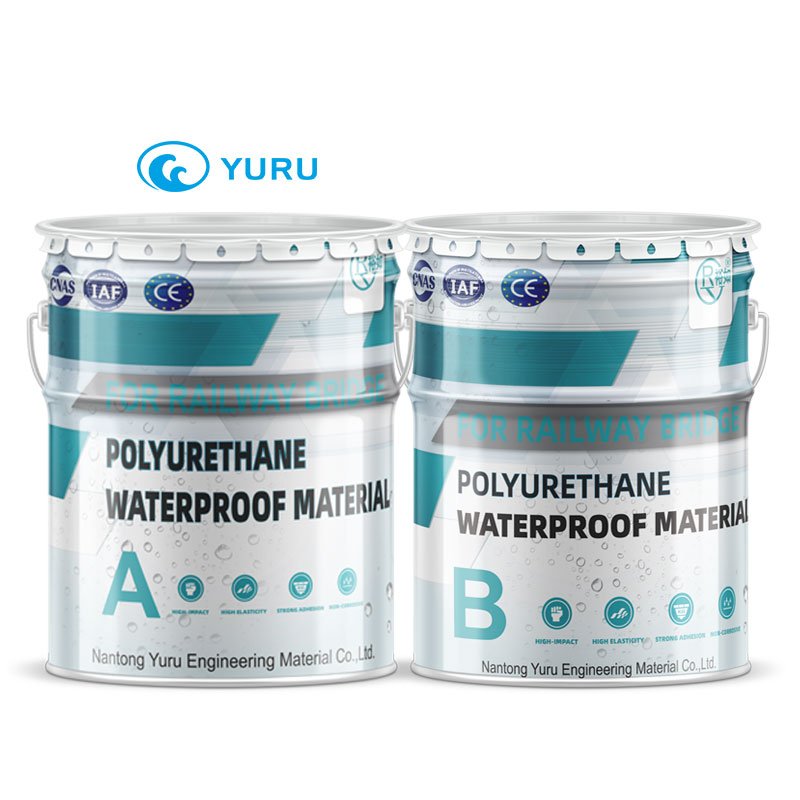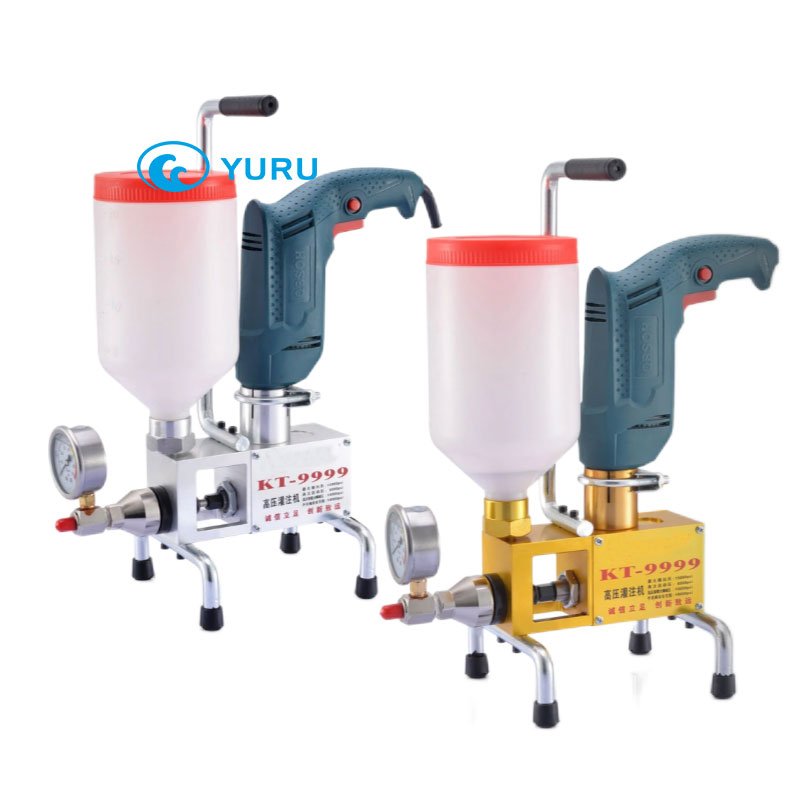
Where Is Polyurea Grouting Slurry Used?
Introduction:
Polyurea grouting slurry is rapidly becoming a go-to solution in modern construction and infrastructure repair projects. Known for its fast curing time, excellent waterproofing performance, and strong adhesion, this advanced material is widely used in various engineering environments where durability and reliability are crucial.
Whether dealing with underground water seepage, structural cracks, or concrete reinforcement, understanding where and how polyurea grouting slurry is applied can help you make informed decisions.
In this article, we’ll explore the most common application scenarios, potential challenges, and why polyurea is a preferred choice for demanding projects.


What Is Polyurea Grouting Slurry?
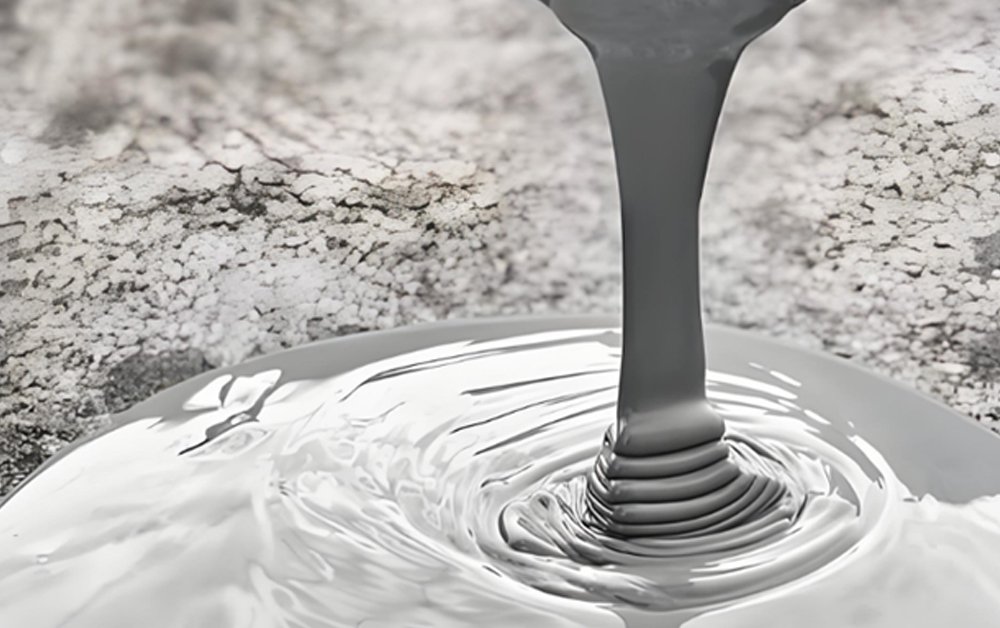
Polyurea grouting slurry is a high-performance sealing and repair material formulated by the reaction of isocyanate and polyamine compounds. Known for its flexibility, and strong adhesion, it is widely used in waterproofing, crack repair, and structural reinforcement applications.
This material stands out due to several key characteristics:
- High Elasticity: Polyurea can accommodate structural movement and dynamic cracks without losing adhesion or integrity.
- Superior Adhesion: It bonds well to concrete, steel, and various construction substrates, ensuring long-term durability.
- Chemical Resistance: Its formulation provides excellent resistance against water, salts, acids, and alkalis, making it suitable for aggressive environments.
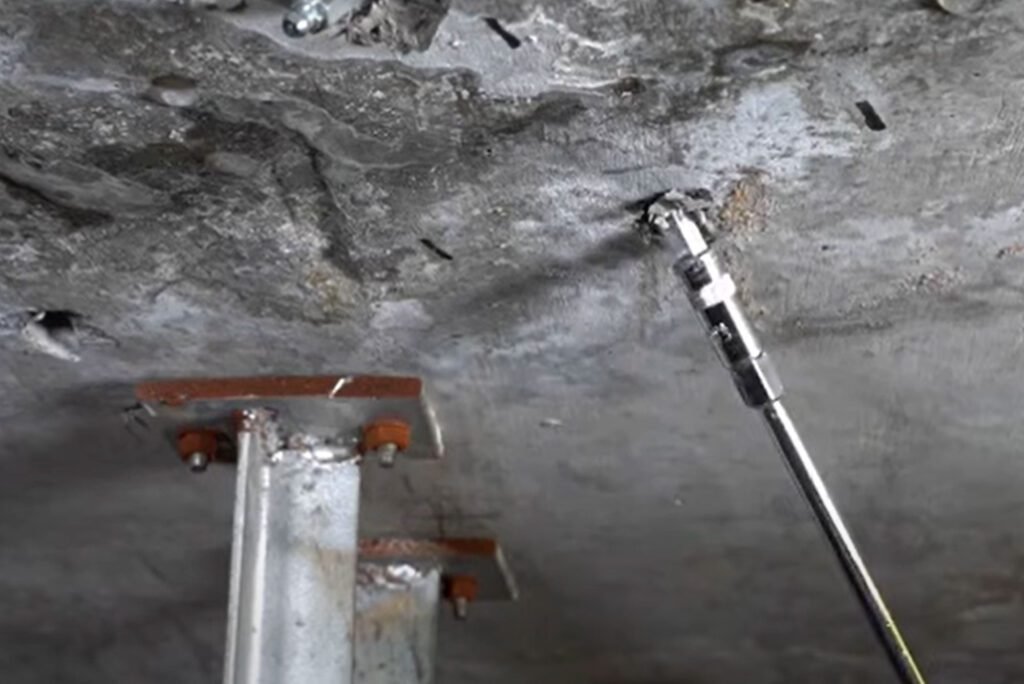

Primary Application Scenarios of Polyurea Grouting Slurry
Polyurea grouting slurry is a versatile solution used across a wide range of infrastructure and civil engineering projects. Below are key application scenarios where polyurea delivers exceptional waterproofing and structural reinforcement performance:
1. Basement and Underground Structure Leak Repairs
Polyurea grouting slurry is ideal for repairing active leaks in basements, foundations, and other subterranean structures. Its ability to cure in moist environments and bond tightly to damp concrete makes it especially effective in high-humidity underground conditions.
- Case Example: In a commercial basement in Guangzhou, China, polyurea slurry was used to stop persistent water ingress caused by groundwater pressure. Post-application, the area remained dry even during the rainy season.
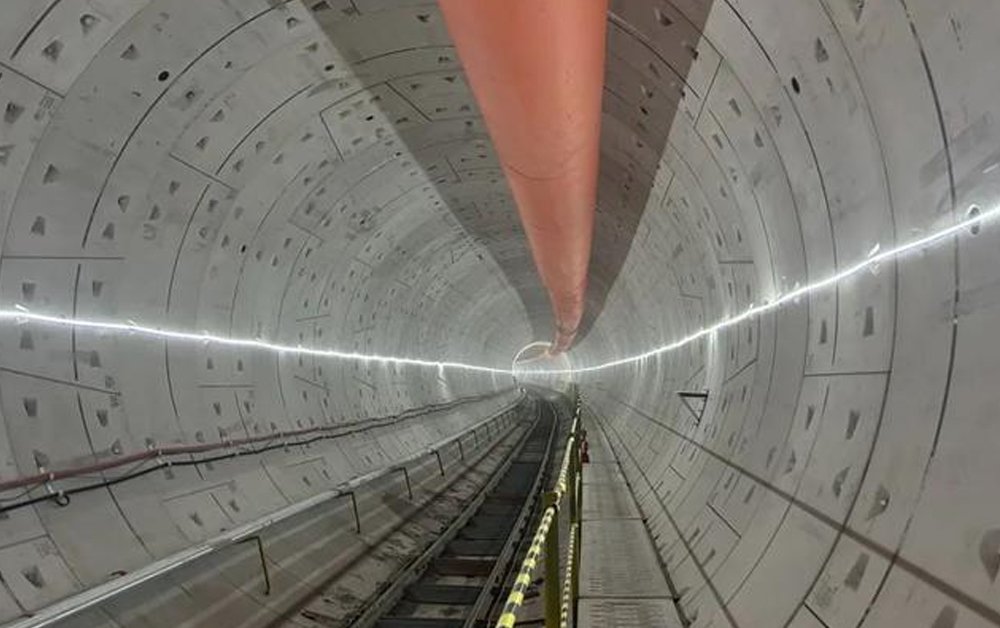
2. Waterproofing of Tunnels, Subways, and Rail Infrastructure
Thanks to its flexibility and resistance to vibration, polyurea is widely used in subway systems, tunnels, and high-speed rail corridors. It adapts well to structural shifts and temperature fluctuations.
- Case Example: During the renovation of a metro tunnel in Shanghai, polyurea injection was applied at segment joints to prevent water seepage and improve long-term durability.
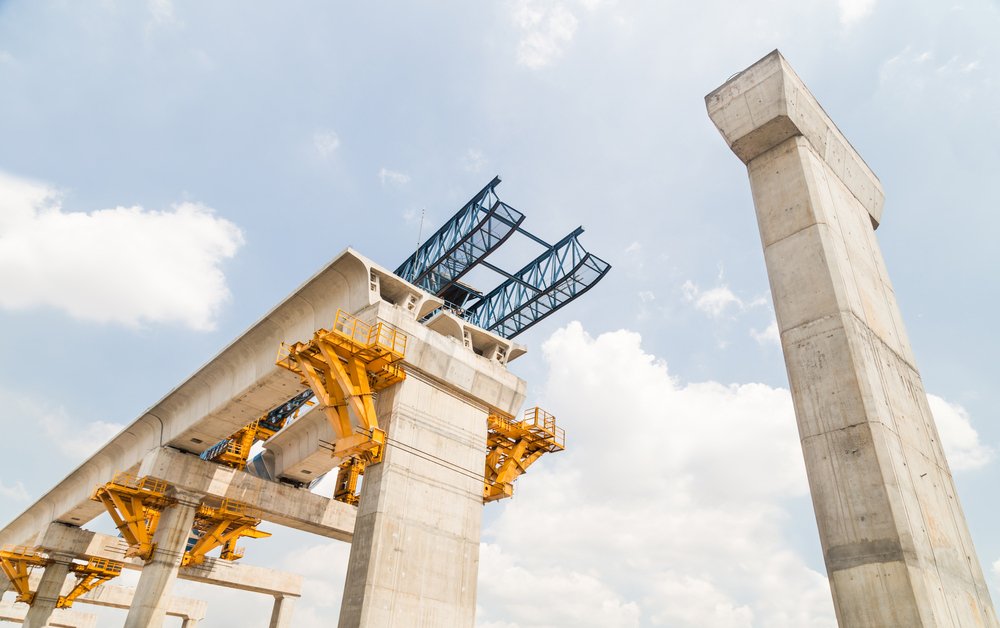
3. Expansion Joint Sealing and Crack Repair in Bridges
Bridge expansion joints and abutments are prone to cracking due to temperature changes and heavy loads. Polyurea’s elasticity allows it to flex without losing adhesion, making it ideal for these stress zones.
- Case Example: A highway overpass in Southeast Asia utilized polyurea slurry to fill hairline cracks at bridge joints, successfully preventing water damage and reinforcing joint stability.
4. Sealing and Reinforcement of Water Tanks, Reservoirs, and Dams
Polyurea is chemically stable in constant water exposure and is effective in sealing leaks in concrete water retention structures, ensuring both water integrity and structural safety.
- Case Example: In a municipal water reservoir project, polyurea was injected into expansion joints to prevent seepage and reduce maintenance costs.
5. Crack Repair in Industrial Floors and Concrete Slabs
Industrial floors often suffer from cracking due to heavy machinery and chemical exposure. Polyurea slurry not only fills the cracks but also resists abrasion and chemicals.
- Case Example: A chemical processing plant applied polyurea grouting slurry to repair floor cracks, improving both safety and operational uptime.
Common Issues When Using Polyurea Grouting Slurry in Engineering Projects
While polyurea grouting slurry offers outstanding performance in waterproofing and structural reinforcement, certain challenges may arise during application. Recognizing these issues early can help you ensure successful outcomes.
1. Environmental Temperature Affects Curing Performance
Polyurea’s curing speed is sensitive to temperature. In extremely cold environments, the reaction slows down, leading to incomplete curing or reduced bonding strength. Conversely, high temperatures can accelerate curing too quickly, reducing the material’s penetration depth.
- Tip: Always verify the optimal application temperature range (typically 5°C to 35°C).
2. Variability in Crack Width Leads to Inconsistent Injection or Uneven Expansion
Polyurea slurry is reactive and expands to fill voids, but in cases where crack width varies significantly, expansion may be uneven. This can leave portions of the crack underfilled or overstressed.
- Tip: Conduct a thorough crack assessment and, if necessary, use pre-filling techniques or multiple injection stages to ensure uniform fill.
3. Poor Surface Preparation Reduces Adhesion
If the concrete substrate is not properly cleaned—containing dust, oil, or loose particles—the polyurea may not adhere correctly, leading to peeling or ineffective sealing.
- Tip: Clean the substrate thoroughly using wire brushing, air blasting, or water jetting before application. A clean surface is critical for optimal bonding.
4. Incorrect Mixing or Injection Technique
Improper ratio mixing or injection pressure can cause material imbalance, leading to incomplete chemical reactions or excessive foaming. This not only compromises performance but can also increase repair costs.
- Tip: Use automated injection equipment with accurate mixing ratios and flow control to ensure consistent application.
5. Lack of Post-Application Testing
Skipping leak or adhesion testing after application can leave hidden defects unnoticed, potentially causing long-term damage.
- Tip: Perform water pressure or adhesion tests post-injection to validate sealing integrity and ensure long-term durability.
How to Improve the Effectiveness of Polyurea Grouting Slurry?
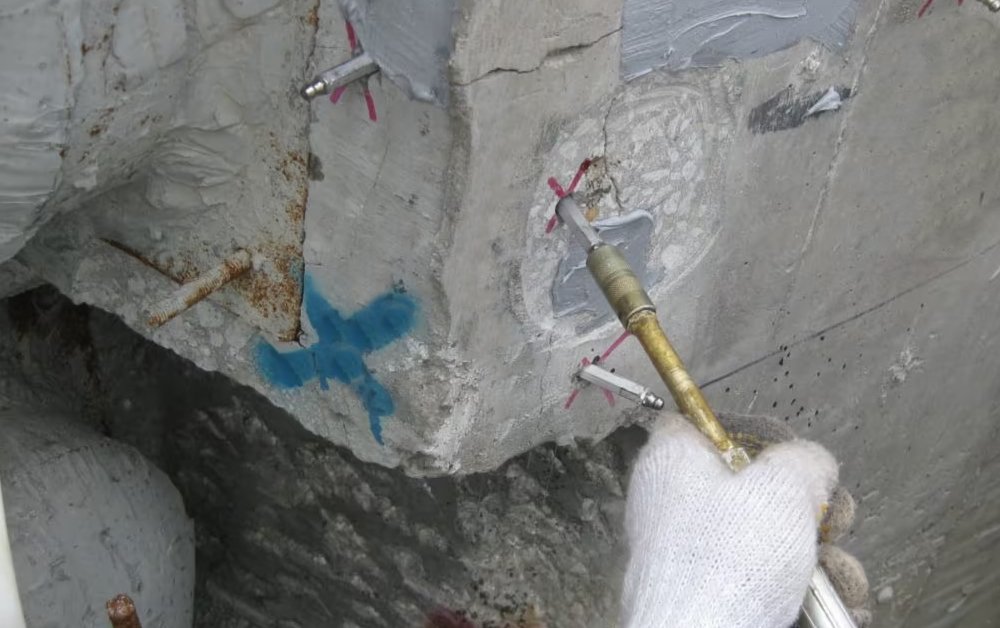
To ensure optimal performance of polyurea grouting slurry in engineering applications, it’s essential to follow a set of best practices during preparation and execution. Below are key strategies to enhance sealing, bonding, and long-term durability:
1. Proper Substrate Preparation
Thoroughly clean the crack or substrate before injection. Remove dust, oil, laitance, and any loose materials to ensure maximum adhesion.
2. Use the Right Injection Pressure
Apply controlled pressure during injection to ensure the slurry fully penetrates deep into cracks and voids, avoiding air pockets and uneven coverage.
3. Control Temperature & Humidity
Maintain ideal environmental conditions (usually 5°C–35°C and moderate humidity). Extreme cold or high humidity can disrupt the chemical reaction and affect the final properties.
4. Apply Secondary Waterproof Sealing
Use polyurea coatings or sealant systems after the injection to form a protective waterproof layer, especially in high-moisture areas like tunnels or basements.
5. Combine with Other Grouting Materials
When dealing with complex cracks, consider hybrid repair solutions. For example:
- Use polyurethane (PU) for dynamic cracks and water stoppage.
- Use epoxy for structural reinforcement.
- Then apply polyurea for waterproof surface protection.
Problem–Solution Summary Table
| Issue Identified | Recommended Solution |
| Dirty or oily substrate | Conduct thorough surface cleaning and pre-treatment |
| Poor penetration in deep or narrow cracks | Use high-pressure injection equipment |
| Inconsistent curing due to temperature | Monitor and regulate ambient temperature and material temperature |
| Residual water causing incomplete reaction | Dry the crack zone or use moisture-tolerant primer materials |
| Cracks require both sealing and strength | Combine polyurea with epoxy (for structure) or PU (for flexible waterproofing) |
| Secondary seepage after repair | Apply a polyurea waterproof topcoat as an external sealing system |
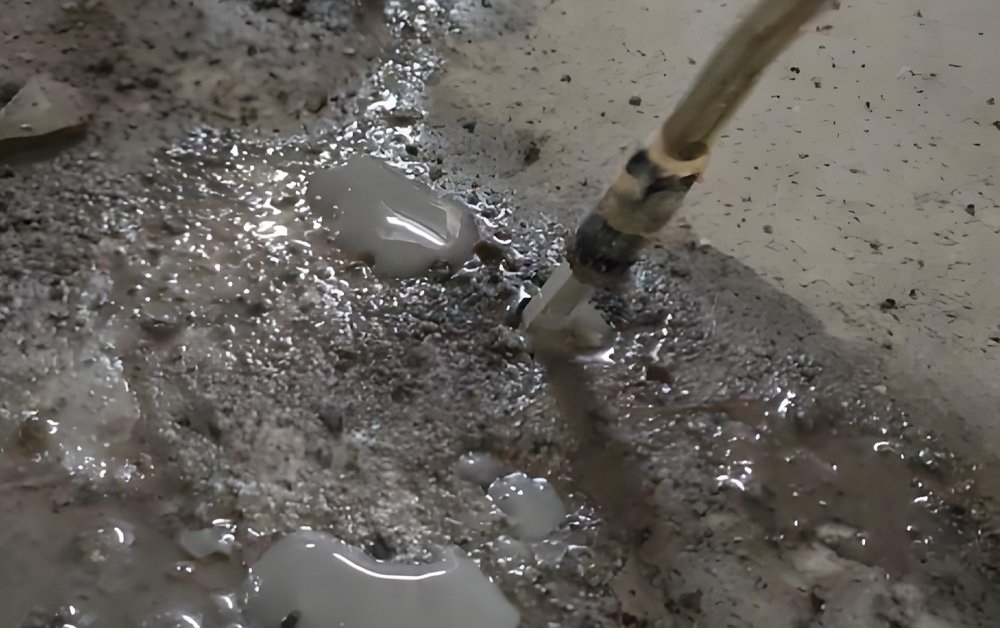
Why Choose YURU Waterproof's Polyurea Grouting Slurry?
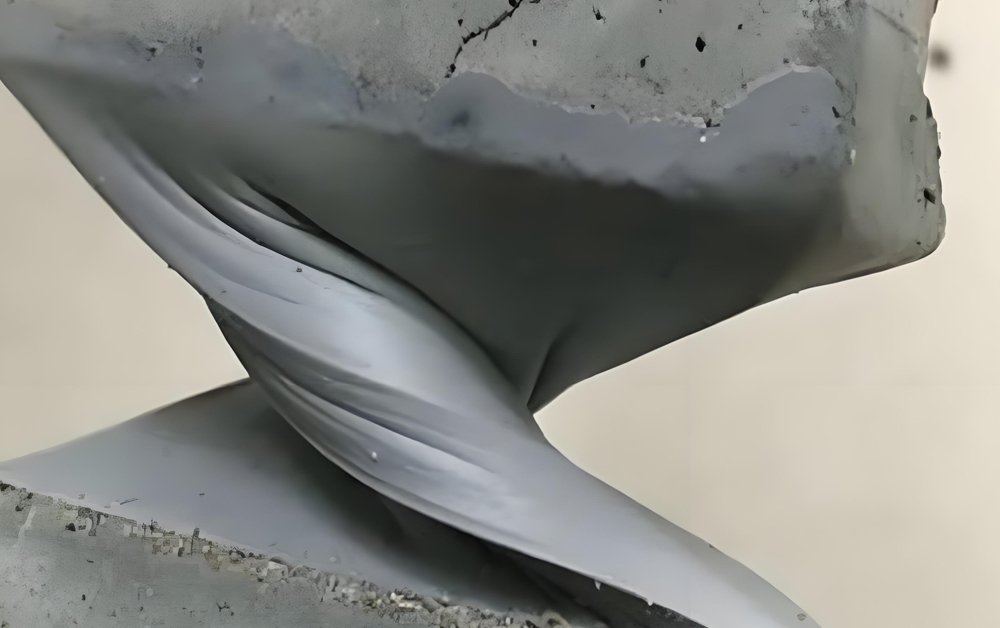
When it comes to demanding waterproofing and crack repair projects, choosing the right material supplier is just as critical as choosing the right product. YURU Waterproof stands out as a trusted partner for you.
Here’s why YURU Waterproof is the preferred choice for polyurea grouting slurry:
✔ High-Quality Raw Materials
We use only premium-grade raw components, ensuring consistent chemical stability, controlled reactivity, and long-term durability in real-world conditions.
✔ Engineered Formulas for Complex Cracks
Our polyurea grouting slurries are specifically designed for challenging environments—dynamic cracks, high-moisture zones, and deep structural fissures. Tailored solutions are available for unique engineering needs.
✔ Bulk Supply Capacity
YURU supports large-scale infrastructure projects and bulk procurement. We maintain high inventory levels and efficient manufacturing systems to meet urgent and high-volume demands.
✔ Professional Technical Support
Our experienced technical team provides full assistance. We help clients develop complete injection and sealing strategies for optimal performance.
✔ Global Shipping & Fast Delivery
With a mature global logistics network, we ensure timely delivery across major regions, minimizing project delays and ensuring steady construction timelines.
Customer Feedback
“We used YURU’s polyurea slurry for a tunnel rehabilitation project in Southeast Asia. The product’s adhesion and water resistance were excellent—even under high water pressure. Plus, their support team guided us through every technical challenge.”
— Project Manager, Infrastructure Contractor
Conclusion
Selecting the optimal polyurea grouting slurry is critical for ensuring long-term waterproofing and structural integrity in your construction projects. At YURU Waterproof, we provide high-performance solutions tailored to your specific needs—whether you’re sealing leaks in basements, tunnels, bridges, or industrial floors.
By addressing key challenges—such as temperature sensitivity, crack variability, and surface preparation—you can maximize the effectiveness of polyurea grouting slurry.
Ensure your project’s success with the right polyurea solution. Contact YURU Waterproof today for professional guidance and premium-quality products.
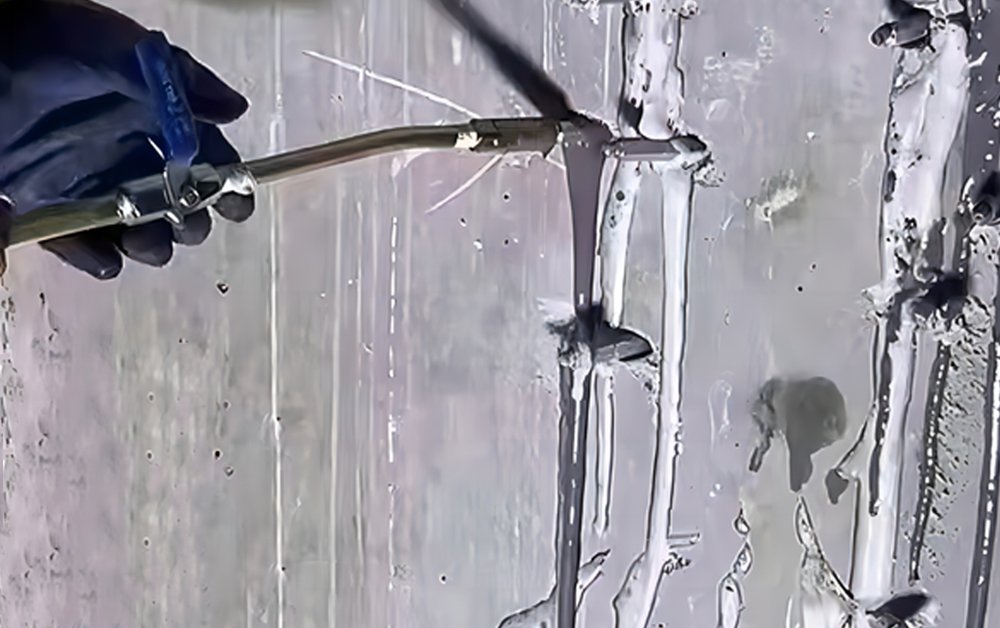

YURU Product solutions