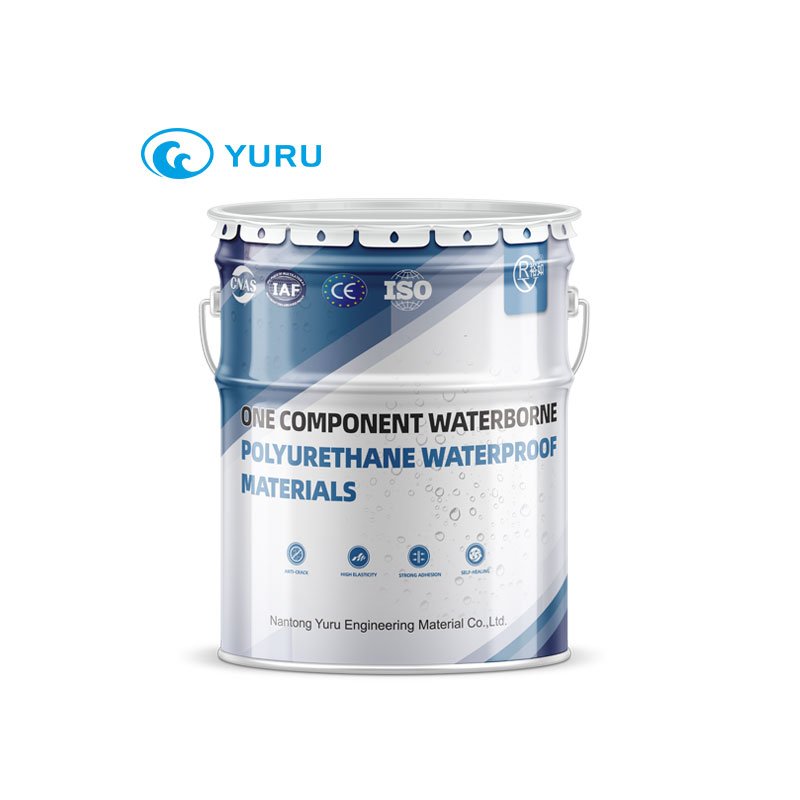
10 Tips for Choosing the Best Waterproof Paint for Exterior Walls
10 Tips for Choosing the Best Waterproof Paint for Exterior Walls
Exterior walls are the first line of defense against harsh weather conditions—rain, UV rays, dust, and pollution. Over time, moisture can seep into unprotected walls, leading to cracks, mold, and long-term structural damage.
That’s why choosing the right waterproof paint for your exterior walls is critical. But with so many products on the market, how do you know what works best? Here are 10 tips to help you make the right decision.
1. Prioritize Waterproofing Performance
Not all paints labeled “waterproof” are truly water-resistant under heavy rain or humidity. Choose a product that’s specifically tested and rated for waterproofing performance, especially in your local climate conditions.
2. Check for UV Resistance
Sun exposure can break down paint over time. High-quality waterproof paints should offer UV resistance to prevent fading, cracking, and loss of elasticity—ensuring your walls look good and stay protected longer.
3. Choose Weather-Resilient Formulas
Pick a waterproof paint that can withstand fluctuating temperatures, acid rain, dust storms, and pollution. A weather-resistant formula helps maintain structural and aesthetic integrity for years.
4. Look for Breathability
Good waterproof paints repel water but allow water vapor to escape, preventing trapped moisture that could cause blistering, peeling, or internal damage.
5. Ensure Crack Bridging Ability
Exterior walls are prone to micro-cracks due to building movement. A flexible paint with crack-bridging properties will expand and contract with the surface, sealing fine cracks without reapplying.
6. Go for Low Maintenance
Choose a product with anti-dust, anti-algae, and self-cleaning properties. This reduces maintenance and cleaning frequency—saving both time and money over the paint’s lifespan.
7. Don’t Compromise on Appearance
Functionality matters, but aesthetics do too. High-end waterproof paints offer a wide range of finishes and shades to match your home or building’s architectural style.
8. Choose Environmentally Friendly Products
Opt for low-VOC, non-toxic paints that are safe for humans, pets, and the environment—especially in residential or educational buildings.
9. Match the Paint to the Wall Type
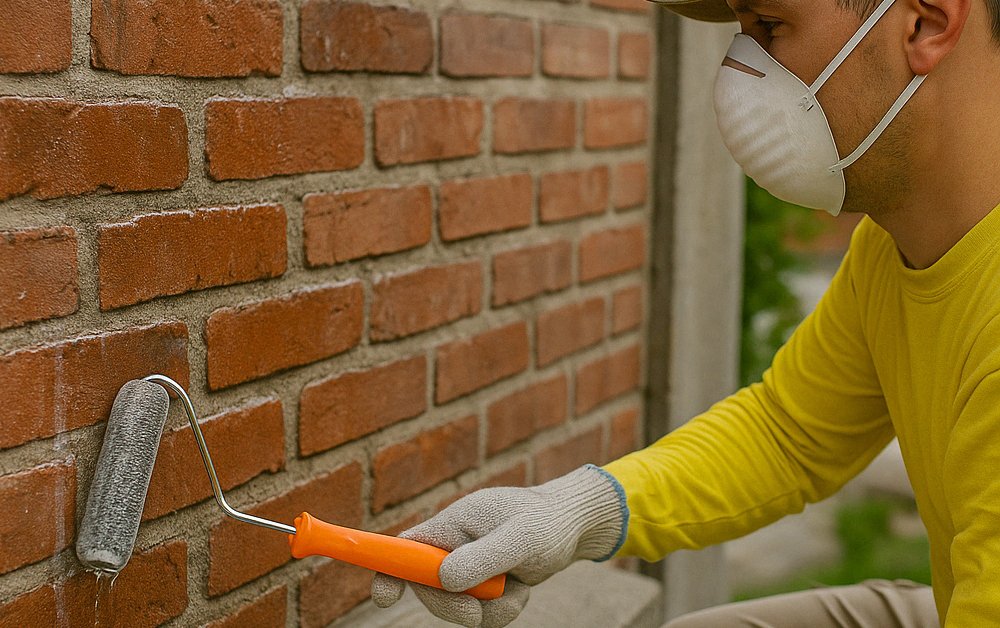
Whether your surface is concrete, brick, plaster, or stone, make sure the paint is compatible with the substrate. Incorrect pairing can reduce adhesion and performance.
10. Always Buy from Trusted Brands
Reputable waterproofing brands offer not just quality products but technical support, warranties, and proven track records. You’ll get peace of mind knowing the paint is tested for long-term performance.
Conclusion
Choosing the right waterproof paint for your exterior walls is more than picking a color—it’s about protecting your property, reducing maintenance, and increasing long-term value.
Need help selecting a waterproof coating that suits your environment and surface?
Contact YURU Waterproof today for expert guidance and premium exterior waterproofing solutions.
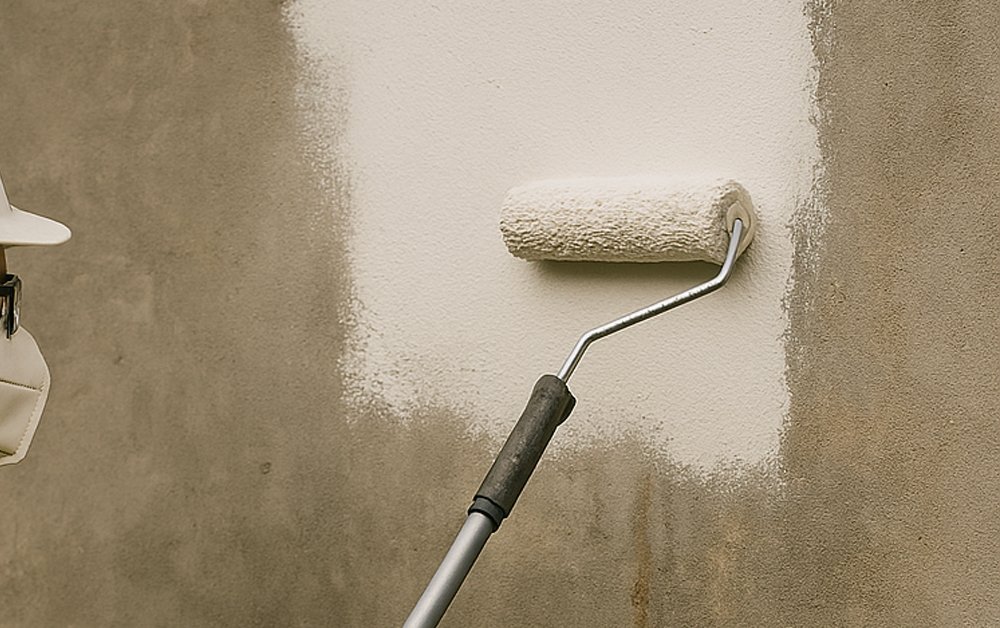
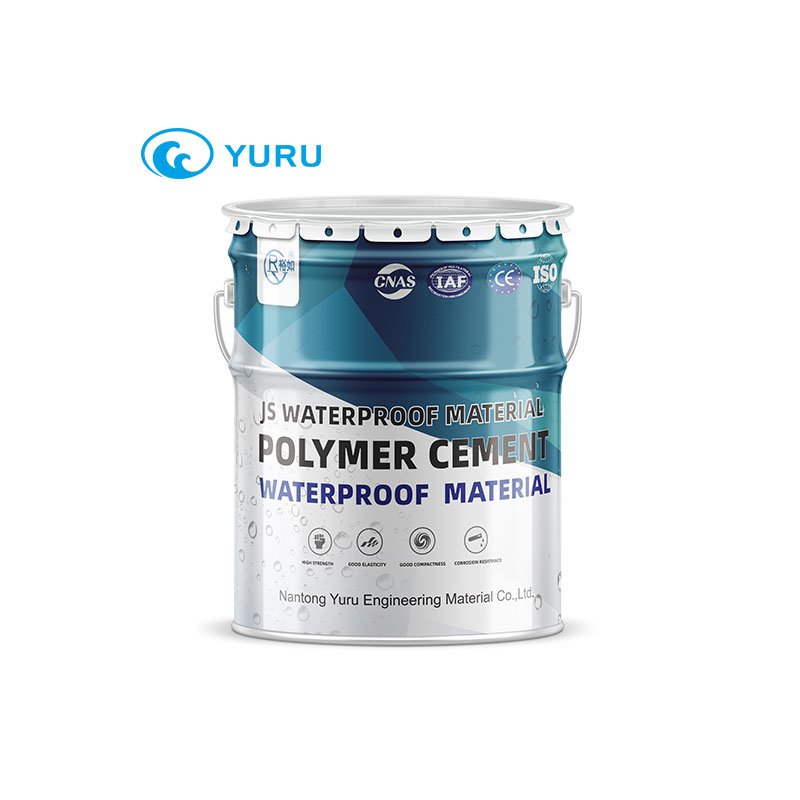
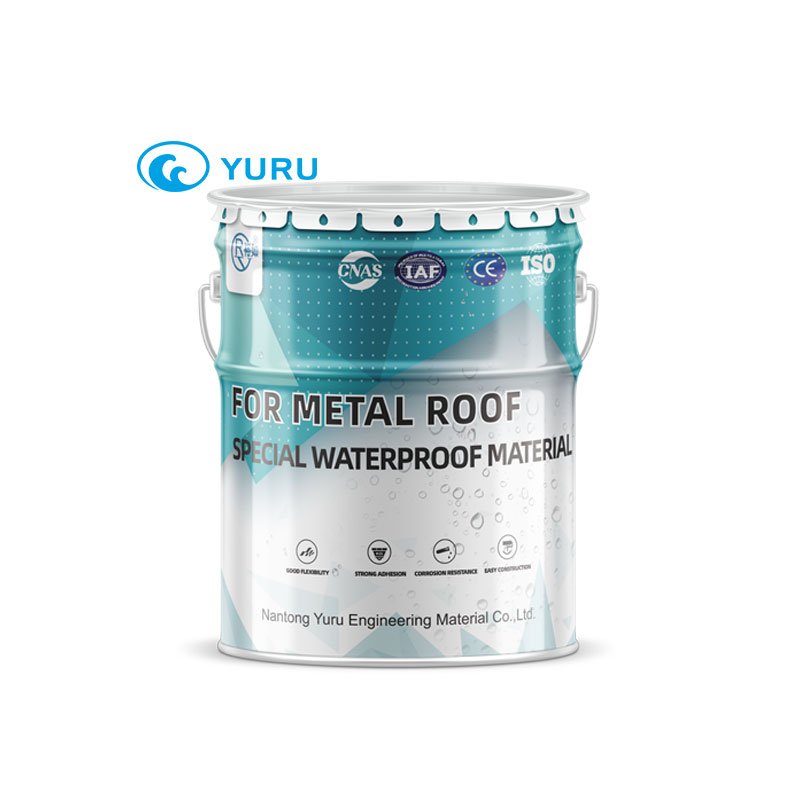
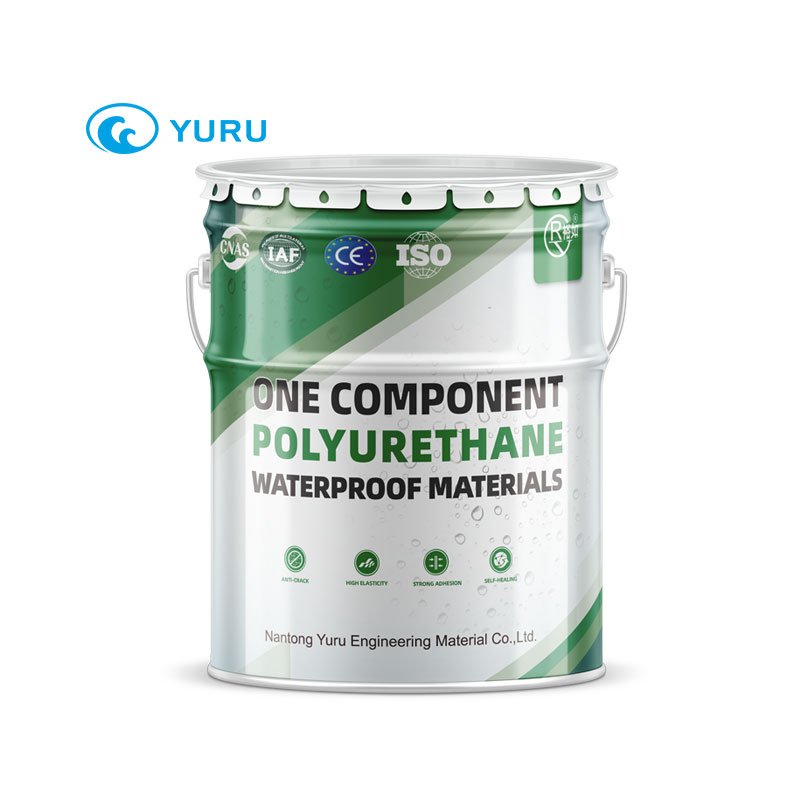
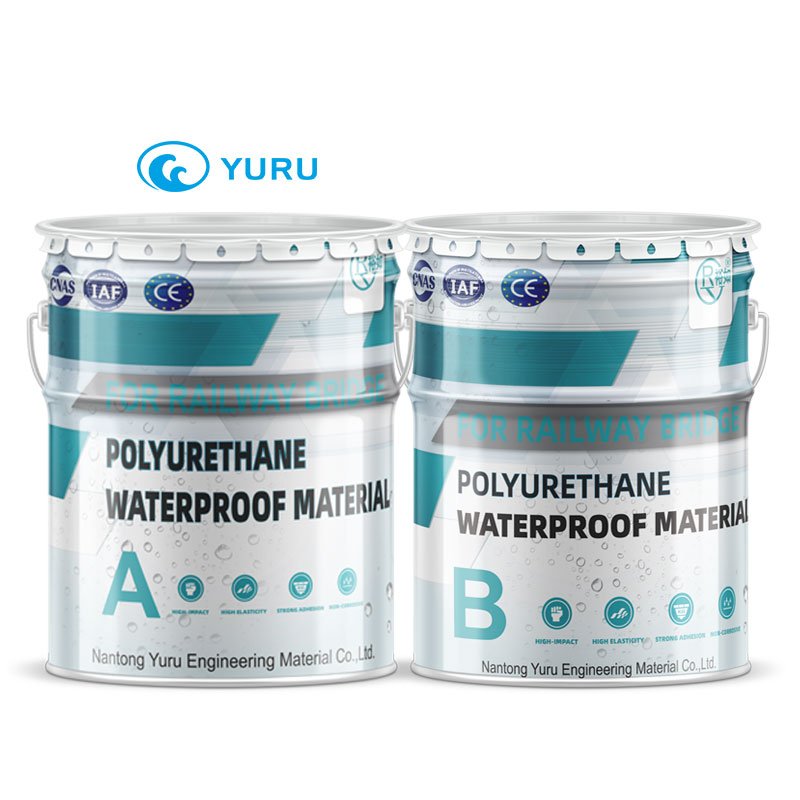
YURU Product solutions