Which Chemical Is Best for Grouting?
Introduction
Grouting is one of the most effective methods used in construction and infrastructure repair to fill cracks, stop water leaks, and stabilize foundations. But not all grouting materials are the same—and with a wide range of chemical options on the market, choosing the right one can be overwhelming.
So, which chemical is best for grouting? The answer depends on the specific application, environmental conditions, and structural requirements. In this guide, we’ll walk you through the most common types of grouting chemicals, how to choose the right one, and why YURU Waterproof is a trusted supplier in the waterproofing and grouting industry.
What Are the Different Types of Chemical Grouting Materials?
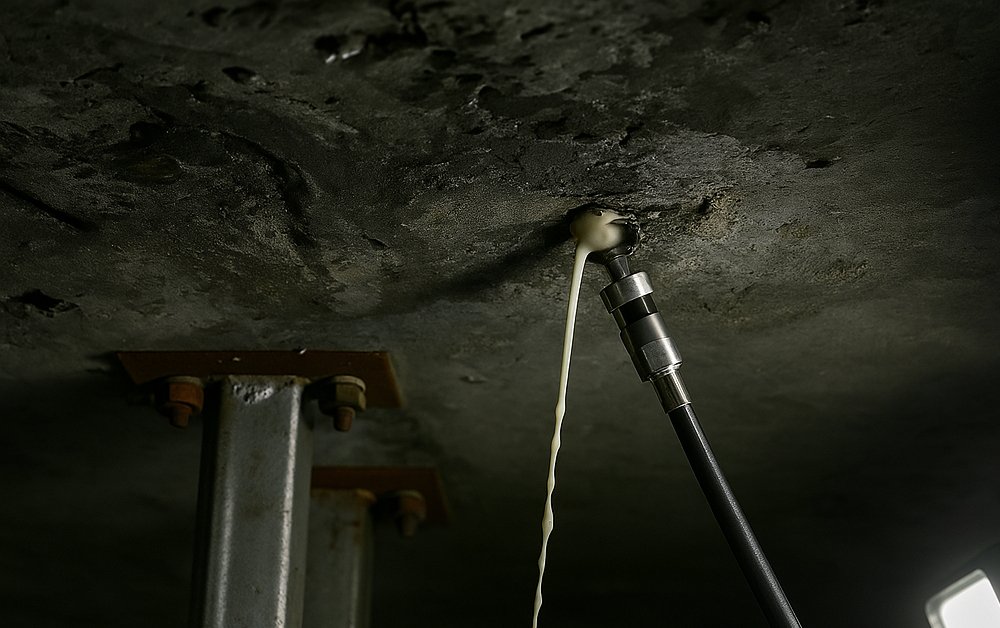
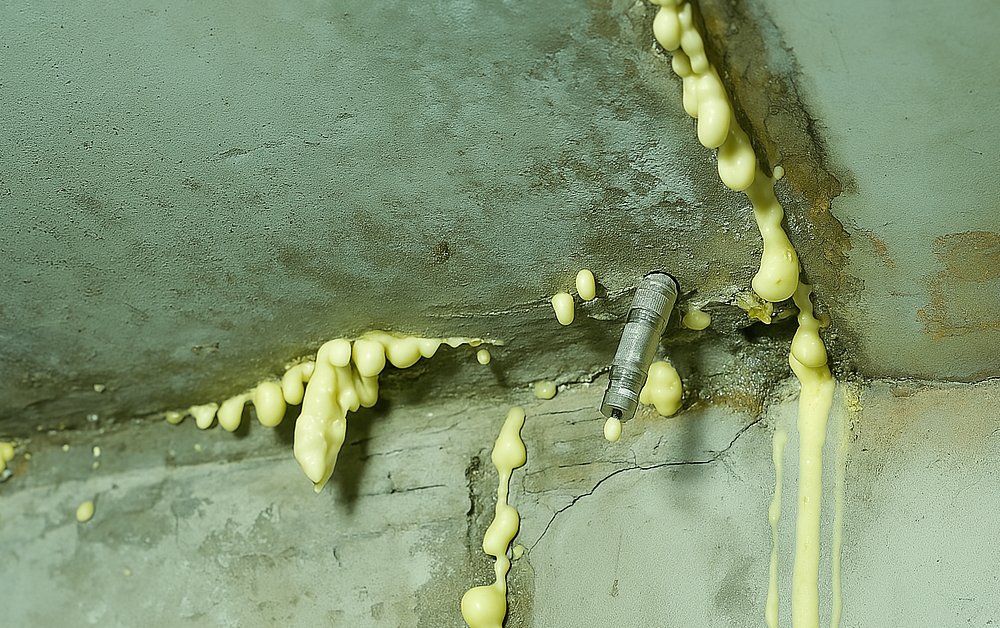
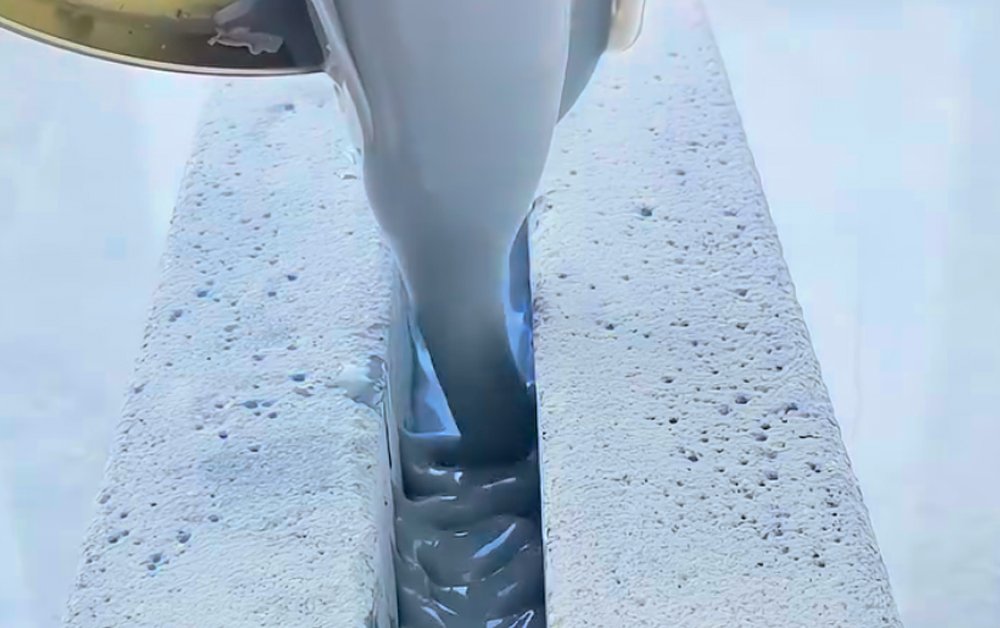
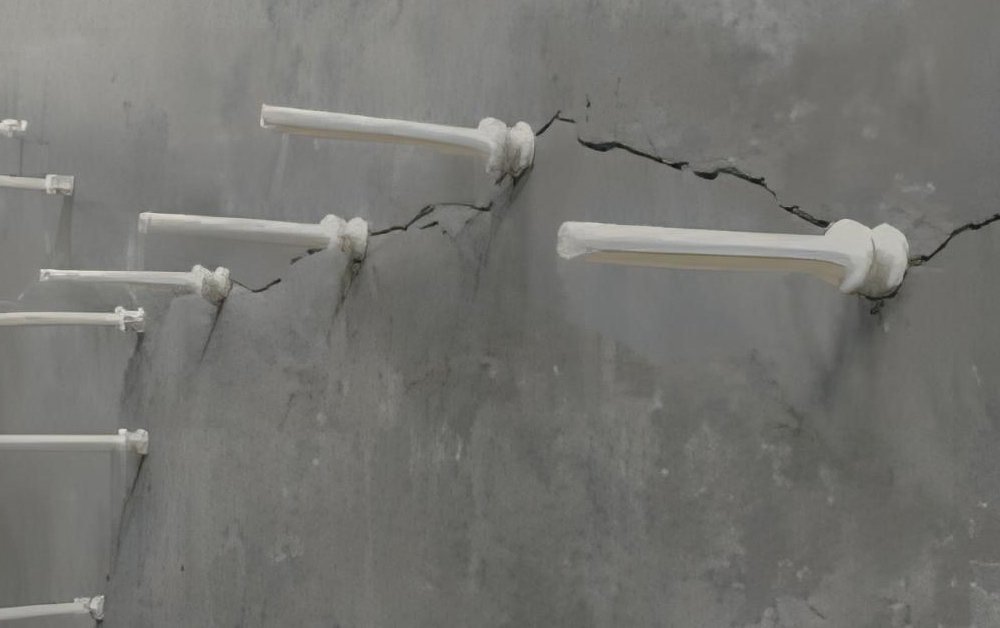
Chemical grouting materials are specially formulated compounds used to fill cracks, seal joints, and reinforce structures in civil and underground engineering. Depending on the site condition and repair goals, different types of grouting chemicals are available:
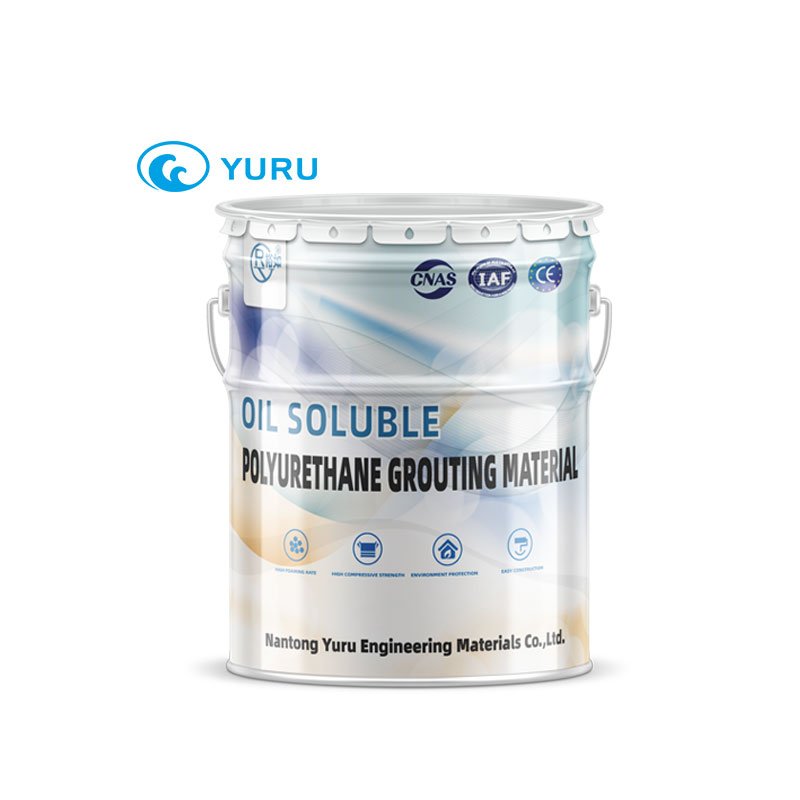
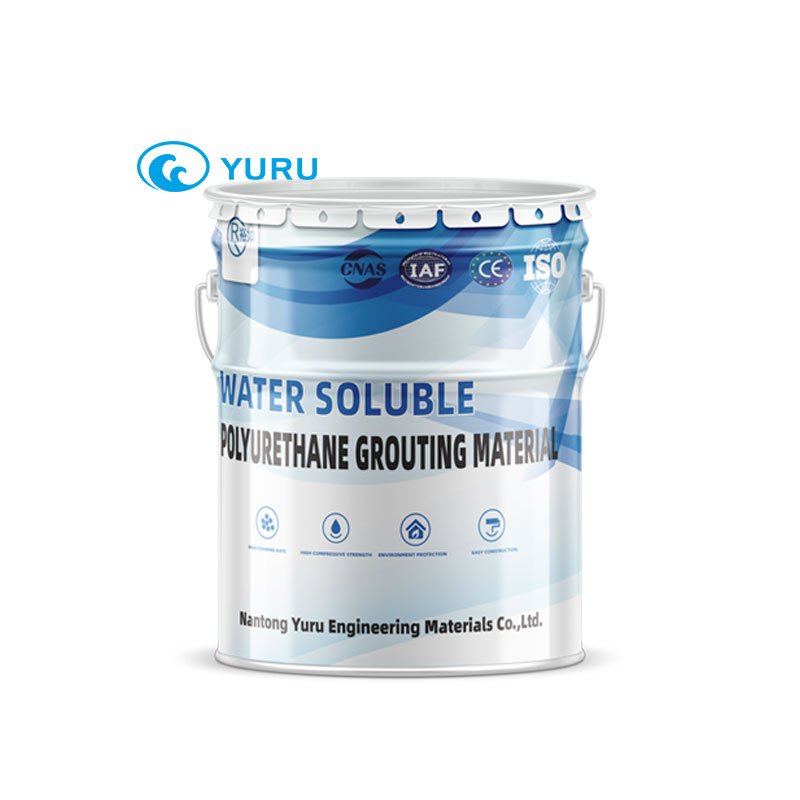
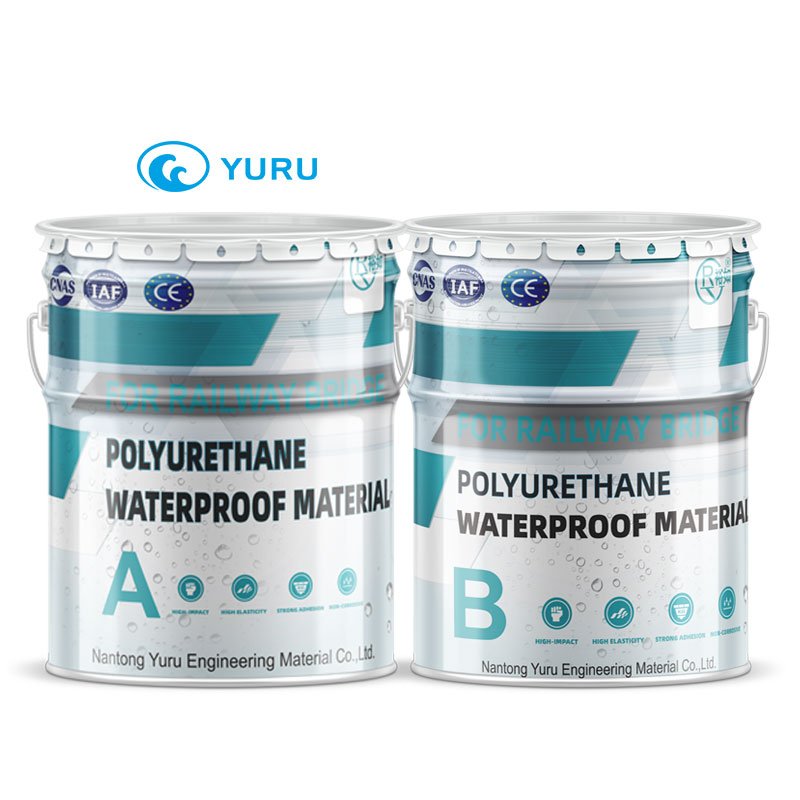
Polyurethane (PU) Grout:
Water-reactive or hydrophobic resins that expand upon contact with water, ideal for leak sealing and flexible crack repair.
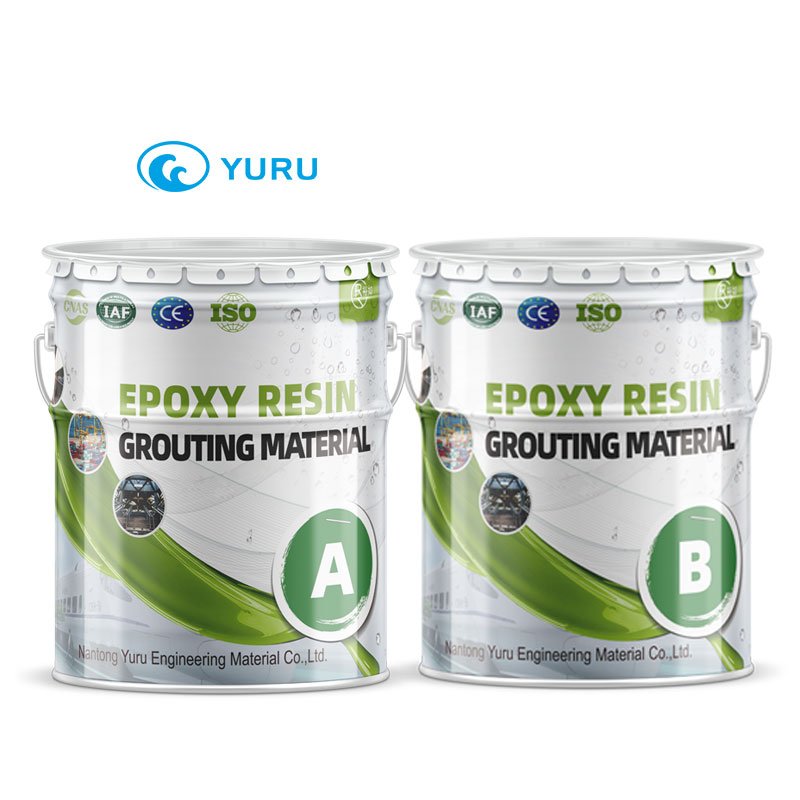
Epoxy Resin Grout:
A rigid, two-part adhesive used for structural crack repair and anchoring, offering high compressive strength.
Acrylic Grout (Acrylate Gel):
Low-viscosity, fast-setting resins that penetrate fine cracks and soils, suitable for curtain grouting and micro-sealing.
Microcrystalline Polyurea Grout:
A chemical grouting used for soil stabilization and semi-flexible waterproofing in non-structural areas.
Cementitious Grout:
A traditional mix of cement and additives, used for large void filling and ground consolidation.
Each material has unique performance characteristics tailored to specific applications and site conditions.

How to Choose the Right Grouting Chemical for Your Project?
Selecting the most suitable grouting chemical depends on multiple practical factors. Here’s what you should consider:
| Project Factor | Material Recommendation |
| Active water leakage | PU grouting (fast reacting and expanding) |
| Structural crack repair | Epoxy resin (rigid and strong) |
| Hairline or micro-cracks | Acrylic grout (low viscosity and deep penetration) |
| Soil stabilization | Acrylic grout |
| Large voids or honeycombs | Cementitious grout (bulk volume applications) |
Additionally, the substrate condition, humidity, depth of application, and repair urgency all play roles in choosing the right material. Consulting YURU can help optimize results and reduce long-term costs.
Why Is Polyurethane Grout Widely Used in Waterproofing?
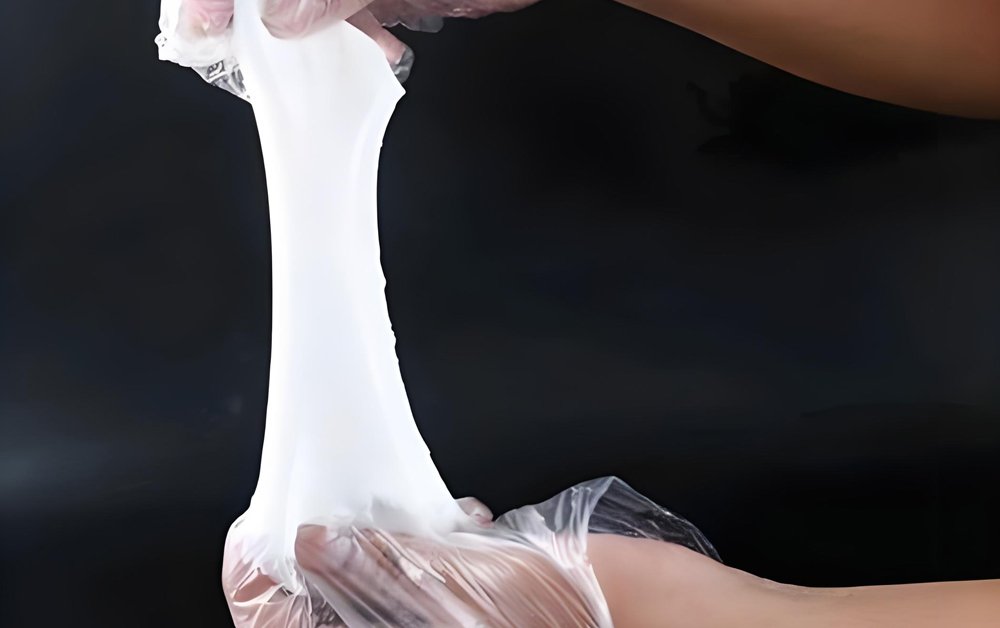
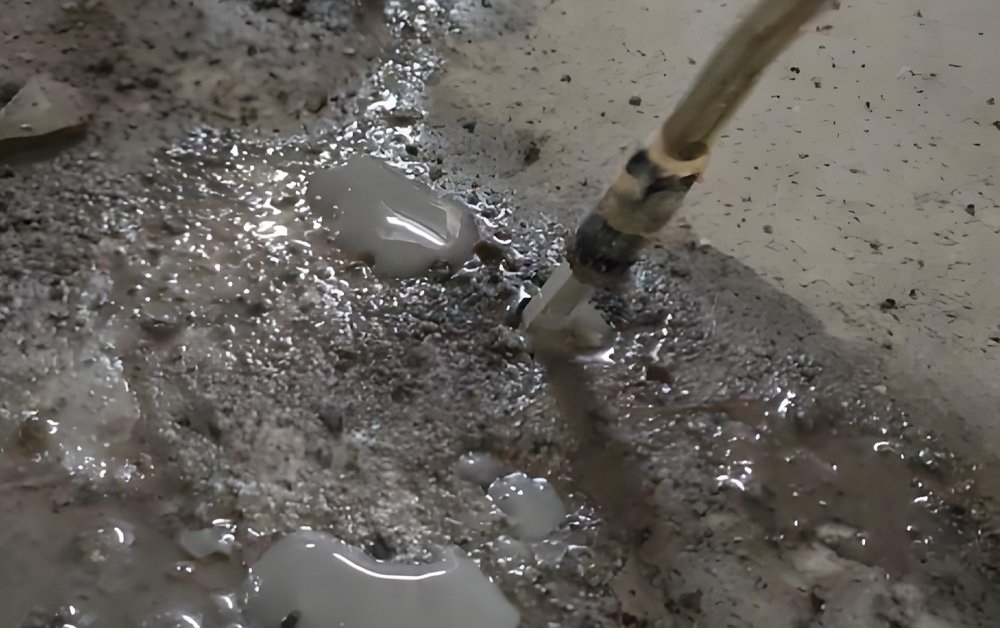
Among all grouting chemicals, polyurethane (PU) stands out as the most versatile and widely used material, especially for waterproofing. Its key advantages include:
- Water-activated expansion: Reacts with water to seal active leaks instantly.
- High elasticity: Can accommodate structural movement and dynamic cracking.
- Excellent adhesion: Bonds well to concrete, masonry, steel, and other substrates.
- Fast-curing: Suitable for emergency repair or time-sensitive projects.
- Suitable for complex environments: Used in underground tunnels, basements, dams, and subways.
PU grouting can be applied in both hydrophilic (reacts with water) and hydrophobic (resists water) forms, offering solutions for both wet and dry conditions.
When Are Other Grouting Chemicals a Better Fit?
While PU is a powerful all-rounder, other grouting materials are better suited for specific tasks:
Epoxy resin grout is preferred for structural repairs, offering a rigid and strong bond that restores load-bearing capacity.
Acrylic grout is ideal for micro-injection into fine cracks or porous soil layers due to its ultra-low viscosity.
Cementitious grouts are useful in non-critical structural voids, bulk filling, and soil strengthening for foundations.
The right chemical depends on whether you need flexibility, structural strength, deep penetration, or volume filling.
How YURU Waterproof Helps You Choose the Best Grouting Solution?
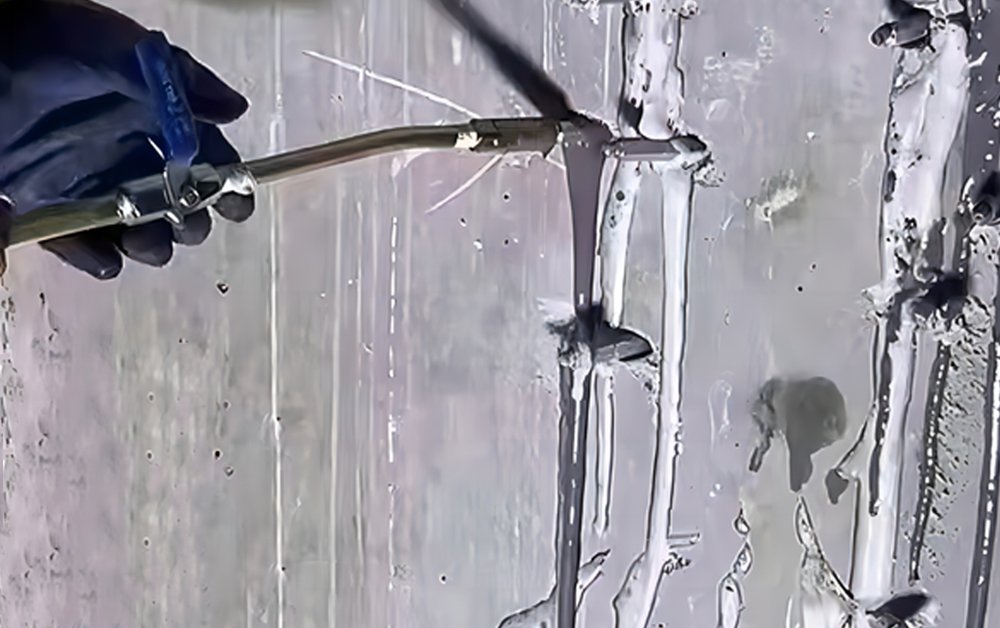
At YURU Waterproof, we offer a complete portfolio of chemical grouting materials to meet diverse construction and repair needs:
- PU grouting resins (1K/2K, hydrophilic and hydrophobic)
- Acrylic gel grouts for fine-crack and soil injection
- Epoxy injection systems for structural repair
- Cement-based grouts for void filling and consolidation
- Microcrystalline polyurea grout
Our expert team provides:
- Custom formulation recommendations based on project specifications.
- Technical support for on-site application and system design.
- Fast sample dispatch and reliable bulk supply for contractors and wholesalers.
No matter your project size or complexity, YURU Waterproof can guide you to the right grouting chemical—ensuring safety, performance, and long-term value.
Conclusion
So, which chemical is best for grouting?
There’s no one-size-fits-all answer—but with the right knowledge and a reliable supplier like YURU Waterproof, you can confidently choose the best solution for your specific project.
Whether you’re dealing with water ingress, structural cracking, or soil instability, chemical grouting offers a powerful and lasting fix—if done right.
Need help selecting the best grouting chemical for your project?
Get in touch with YURU Waterproof for expert support, samples, and high-performance materials trusted by professionals worldwide.
YURU Product solutions