Does Polyurea Waterproof Coating Bond to Concrete?
Introduction
Polyurea waterproof coatings are known for their seamless application, extreme durability. But one key question often asked is:
Can polyurea reliably bond to concrete surfaces?
The answer is yes. But to ensure strong, long-lasting adhesion, several technical details must be understood and followed. In this article, we’ll break down the science behind polyurea adhesion, what affects it, how it compares to other waterproofing systems, and how to maximize bonding success—especially for critical infrastructure and building projects.
Can Polyurea Waterproof Coatings Bond to Concrete?
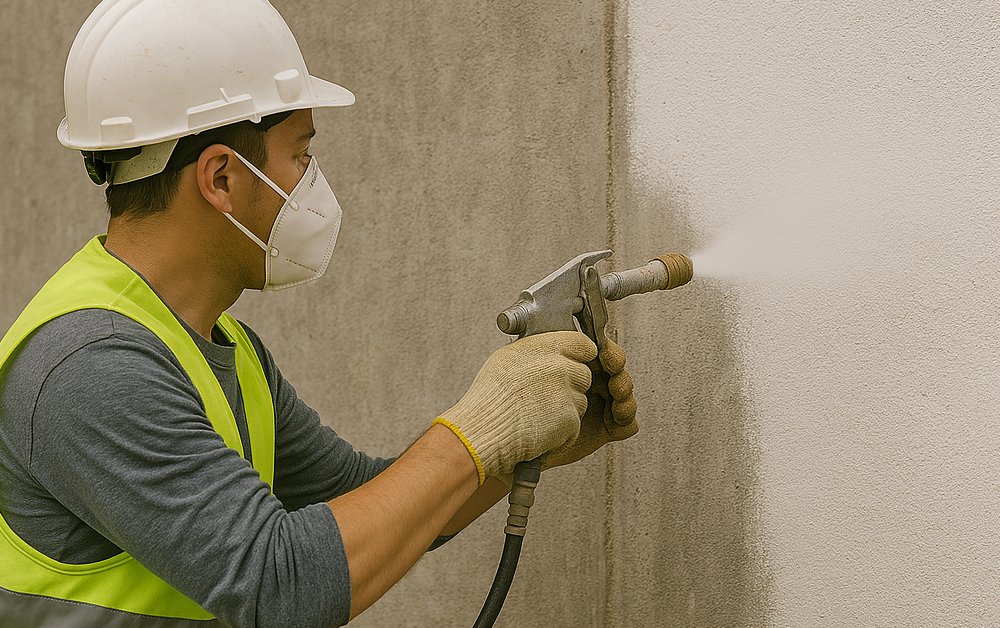
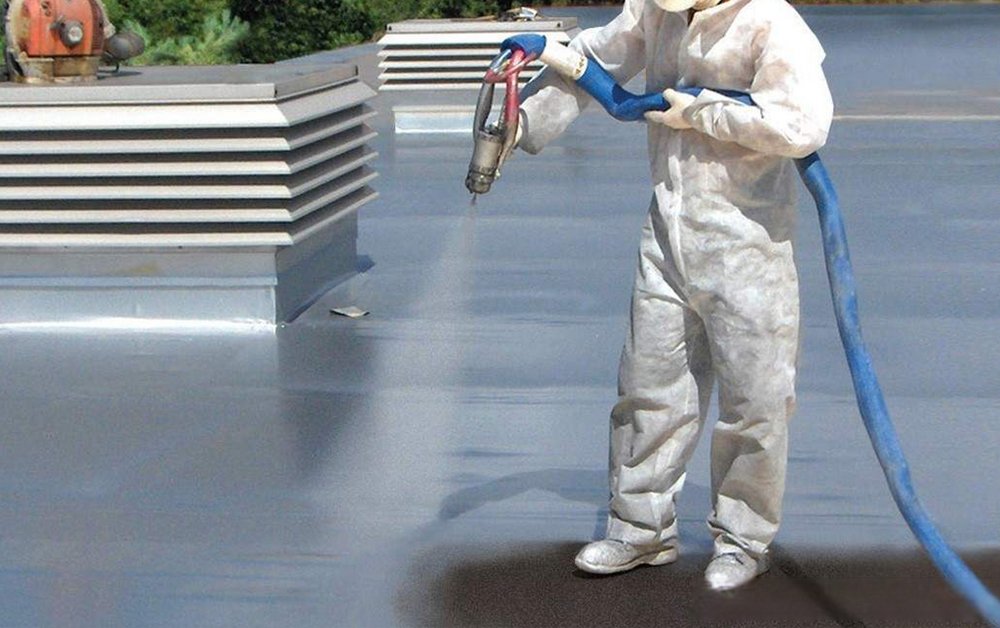
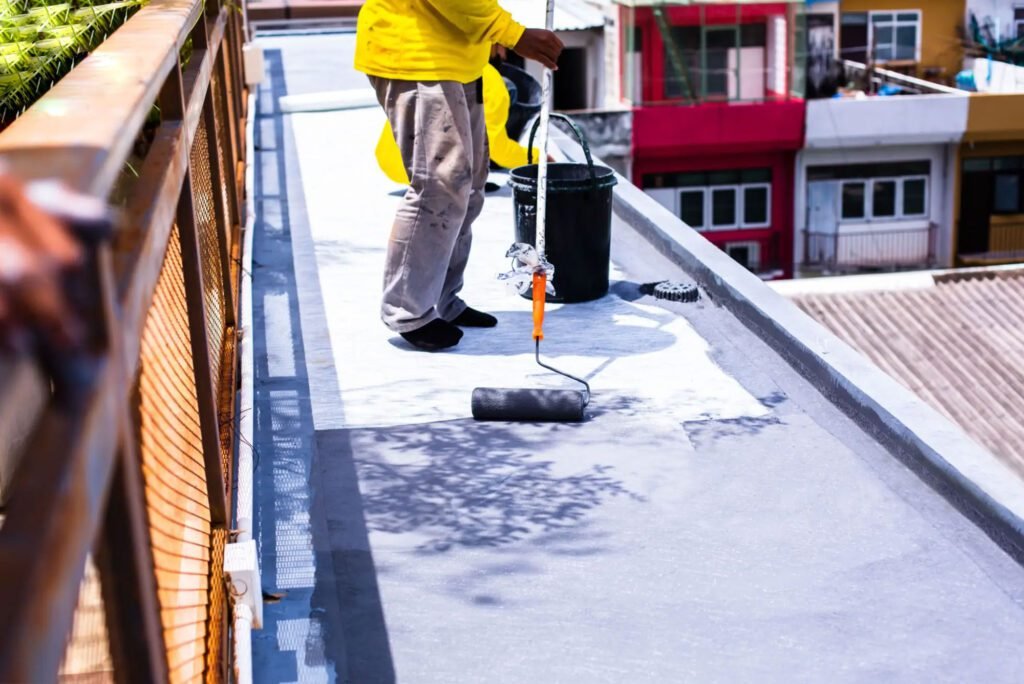
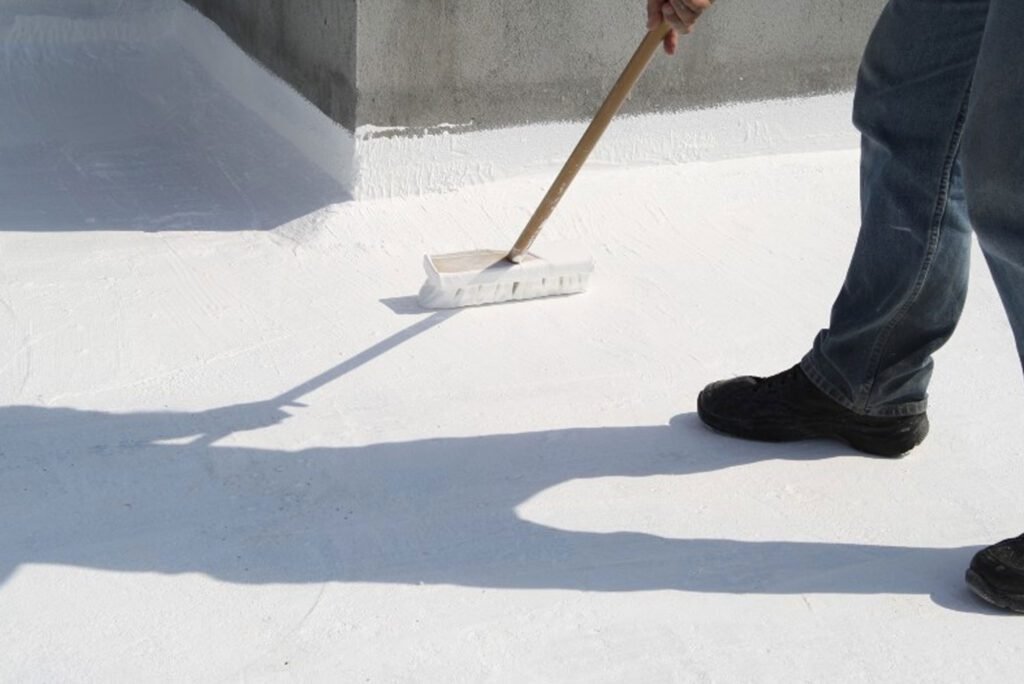
Absolutely. Polyurea coatings are engineered to bond exceptionally well to concrete, provided the surface is properly prepared. Thanks to its reactive chemistry, polyurea forms a strong, elastic membrane that adheres to porous surfaces like concrete, sealing and protecting them from water, abrasion, and chemical attack.
When applied by trained professionals under the right conditions, polyurea creates a monolithic waterproofing system that stays firmly in place for years—even in high-moisture or high-movement environments like basements, decks, and tunnels.
What Factors Affect Polyurea's Adhesion to Concrete?
While polyurea offers excellent bonding properties, its effectiveness depends on five key factors:
- Moisture content of the surface – Excess moisture or damp concrete can reduce adhesion and cause bubbling.
- Surface preparation – Smooth or dusty concrete must be profiled through grinding or blasting.
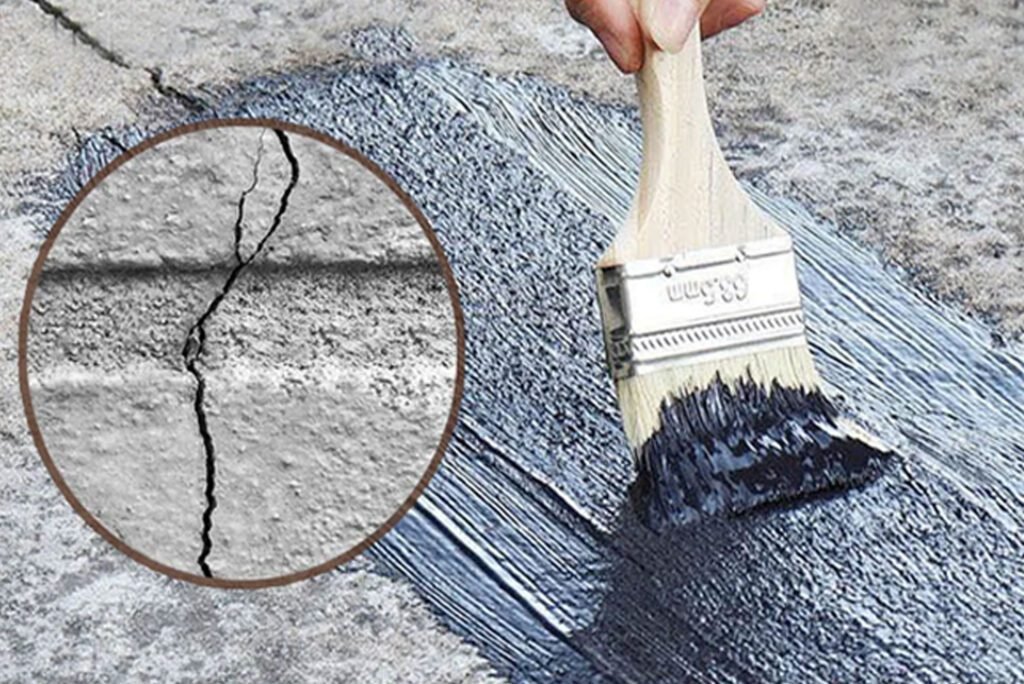
- Use of a primer – Applying a polyurethane-based or epoxy primer significantly improves adhesion to concrete substrates.
- Correct formulation – Not all polyurea types are optimized for concrete; some are designed for metal or plastics.
- Application environment – Temperature, humidity, and surface condition at the time of spraying can impact adhesion strength.
Controlling these factors during surface preparation and application is essential for long-term coating performance.
How Does Polyurea Compare to Other Waterproof Coatings on Concrete?
Polyurea outperforms many traditional waterproofing materials in both adhesion and flexibility. Here’s a quick comparison:
| Coating Type | Adhesion to Concrete | Flexibility | Notes |
| Polyurea | Excellent | High | Seamless, spray-applied |
| Polyurethane | Good | Moderate | Slower cure, sensitive to moisture |
| Acrylic | Moderate | Low | Cost-effective but short lifespan |
| Epoxy | Excellent | Low | Strong bond, but rigid and brittle |
Polyurea’s ability to combine strong adhesion with high elasticity makes it ideal for dynamic concrete structures that may shift, settle, or experience temperature-related expansion and contraction.

How to Ensure Strong Polyurea Bonding to Concrete?
To achieve strong and durable bonding, proper application practices must be followed:
Clean the substrate
Remove dust, oil, curing agents, and laitance.
Profile the surface
Use mechanical abrasion to open the pores of the concrete.
Apply a suitable primer
Choose a primer compatible with both the concrete and the polyurea formulation.
Control conditions
Ensure the substrate is dry, the temperature is appropriate, and humidity is within range.
Conduct a test area
Before full application, test a small patch to confirm proper bonding.
A well-prepared surface leads to a longer-lasting, more reliable polyurea coating system.
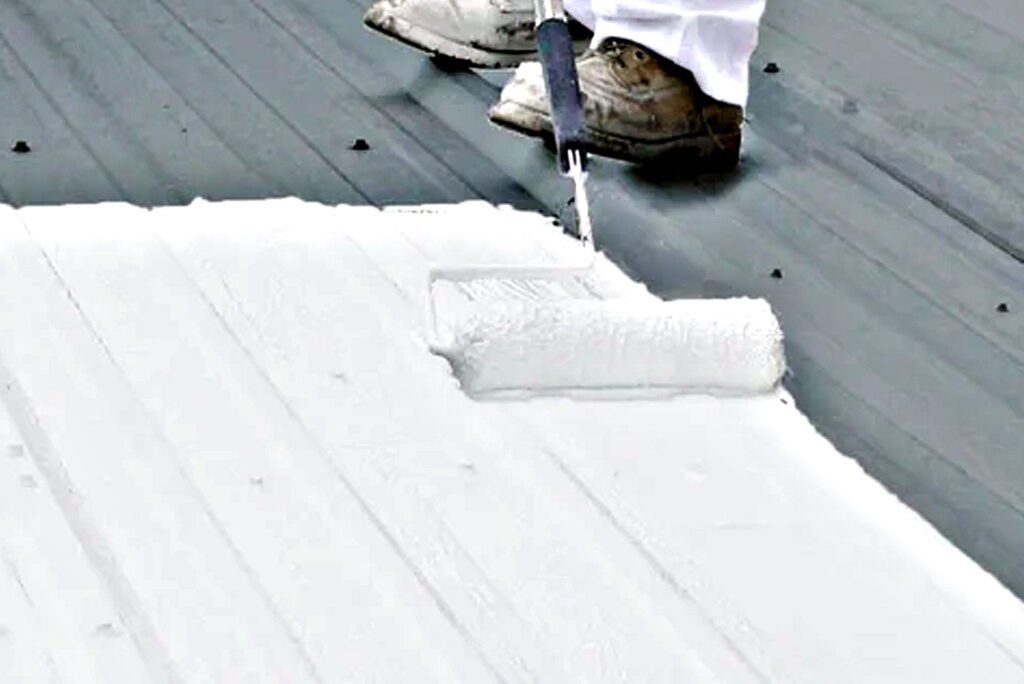
How Does YURU Waterproof Ensure Reliable Polyurea Bonding to Concrete?
At YURU Waterproof, we take bonding performance seriously—because long-term waterproofing success begins with proper adhesion.
We support our clients with:
- Premium-grade polyurea systems tailored for concrete substrates.
- Matched primers for optimal adhesion.
- Detailed surface prep and application guidance.
- Technical training and consultation during application.
- Proven project case studies across basements, tanks, tunnels, and parking decks.
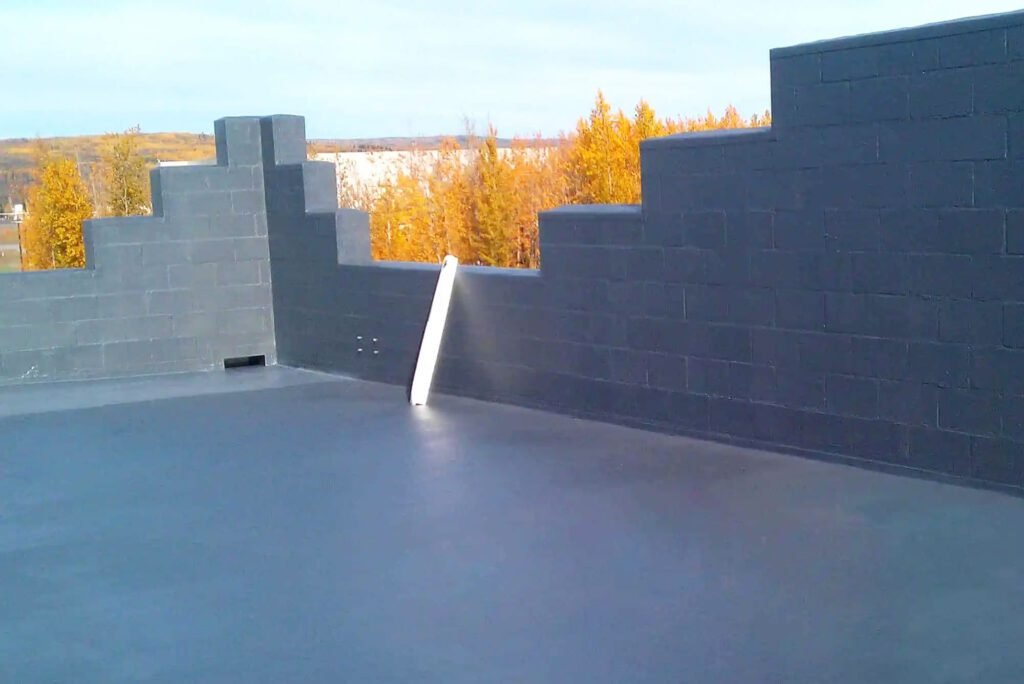
Whether you’re waterproofing a commercial basement or sealing a municipal tunnel, our solutions are engineered for success—and backed by real-world results.
Conclusion
So, does polyurea waterproof coating bond to concrete? Yes—but like any high-performance system, it must be applied correctly to achieve its full potential.
Polyurea offers exceptional bonding strength, flexibility, and durability when applied over properly prepared concrete. Compared to other coatings, it delivers a superior combination of adhesion and movement accommodation—making it the material of choice for demanding waterproofing applications.
Need help selecting the right polyurea system for concrete waterproofing?
Contact YURU Waterproof for expert recommendations, tailored product kits, and construction support to ensure long-lasting success.
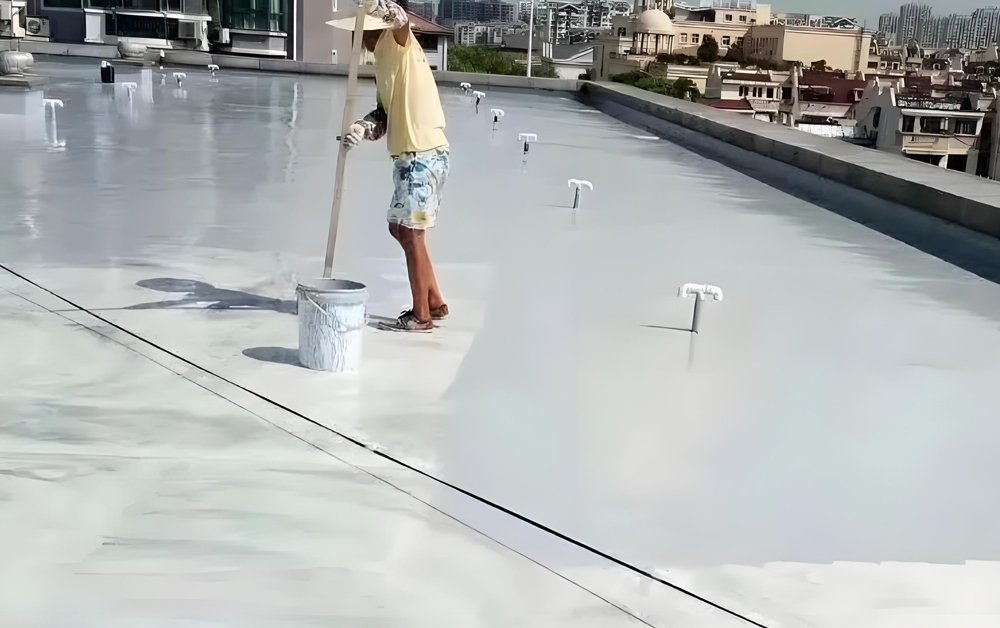

YURU Product solutions