Does Polyurea Grout Adhere Well to Concrete?
Introduction
Polyurea grout has become a preferred material for contractors worldwide when it comes to repairing and waterproofing concrete cracks. Known for its rapid reaction, high elongation, and excellent adhesion, polyurea ensures long-lasting crack sealing in both wet and dry conditions.
However, many engineers and contractors often ask: “Does polyurea grout really adhere well to concrete?” The answer depends on several factors including crack type, substrate condition, environmental conditions, and application methods. This comprehensive guide will cover all these aspects, while also highlighting why YURU Waterproof’s polyurea products are trusted by engineering professionals globally.
1. Understanding Polyurea Grout and Its Adhesion Properties
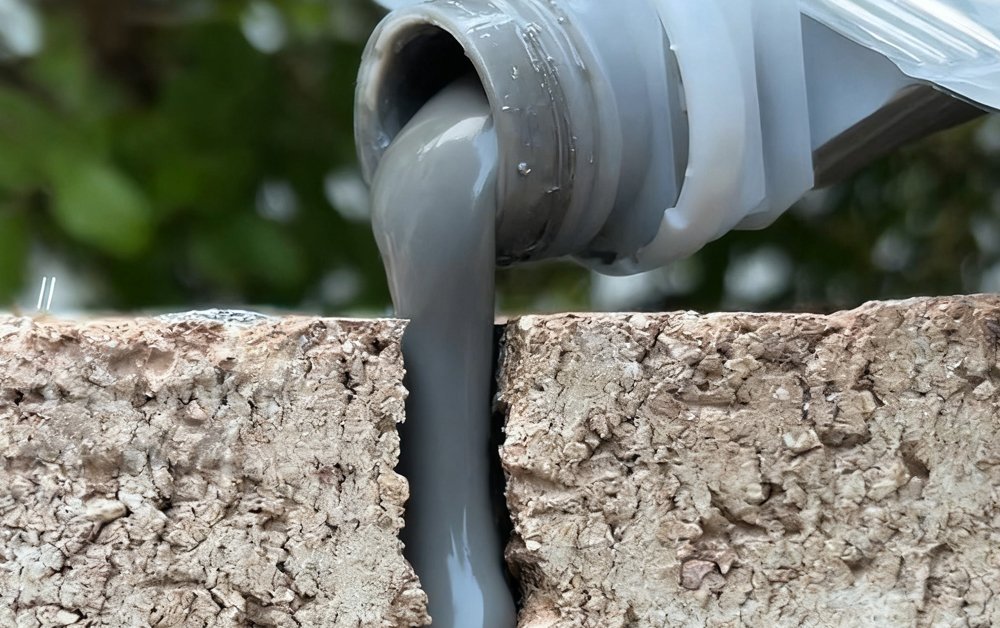
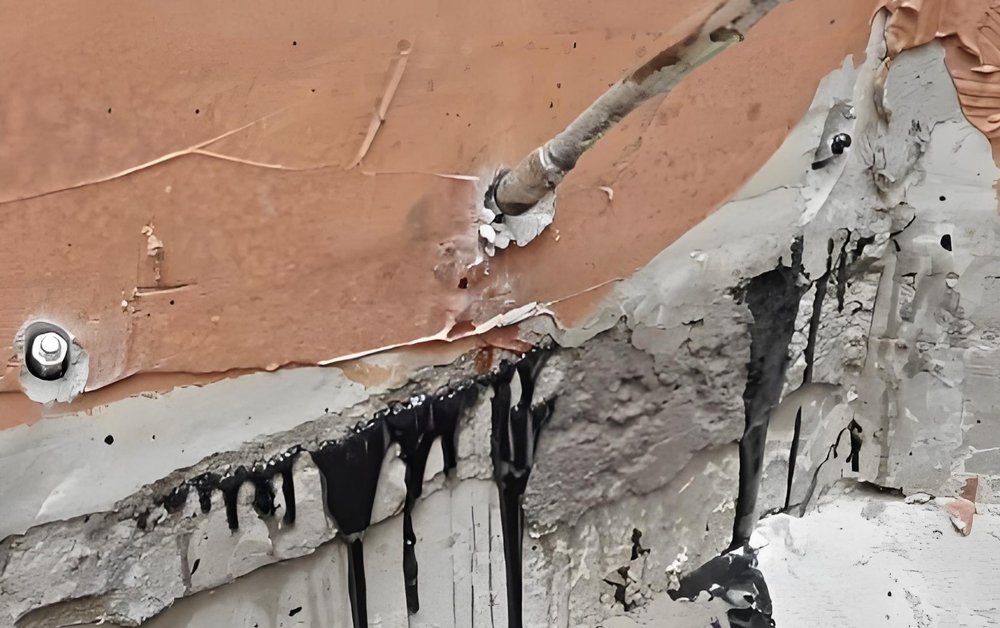
Polyurea grout is a one-component elastomeric material that cures rapidly through a chemical reaction. Unlike traditional epoxy or polyurethane grouts, polyurea possesses both chemical bonding capabilities and physical interlocking with concrete surfaces.
1.1 Chemical and Physical Bonding
- Polyurea reacts with moisture in the micro-pores of concrete.
- Forms a durable bond that resists water penetration and structural movement.
- Maintains adhesion even under dynamic loading conditions or minor structural shifts.
1.2 Comparison with Other Grouting Materials
- Epoxy: High bond strength but brittle; requires dry conditions.
- Polyurethane (PU): Good expansion properties but lower long-term durability.
- Polyurea: Combines flexibility, adhesion, and chemical resistance, making it ideal for wet or moving cracks.
2. Key Factors Affecting Polyurea Adhesion to Concrete
While polyurea grout has excellent inherent adhesion properties, several external factors influence its performance.
2.1 Moisture Content
Polyurea can be applied on damp concrete, but extremely saturated surfaces may require controlled water removal to prevent washout.
2.2 Crack Width and Depth
- Narrow cracks (<0.2 mm) require low-viscosity formulations for effective penetration.
- Deep cracks need sufficient injection pressure to achieve full bonding.
2.3 Surface Condition
- Oil, dust, loose particles, or algae reduce adhesion.
- Cleaning and roughening the concrete surface improves bond strength.
2.4 Application Pressure and Technique
- High-pressure injection ensures deep penetration into microcracks.
- Proper nozzle and equipment settings are crucial to prevent voids.
2.5 Environmental Conditions
- Optimal adhesion occurs in moderate temperatures (5–35°C).
- Extreme cold may slow curing, while excessive heat accelerates reaction too rapidly.
3. Crack Types Where Polyurea Grout Performs Best
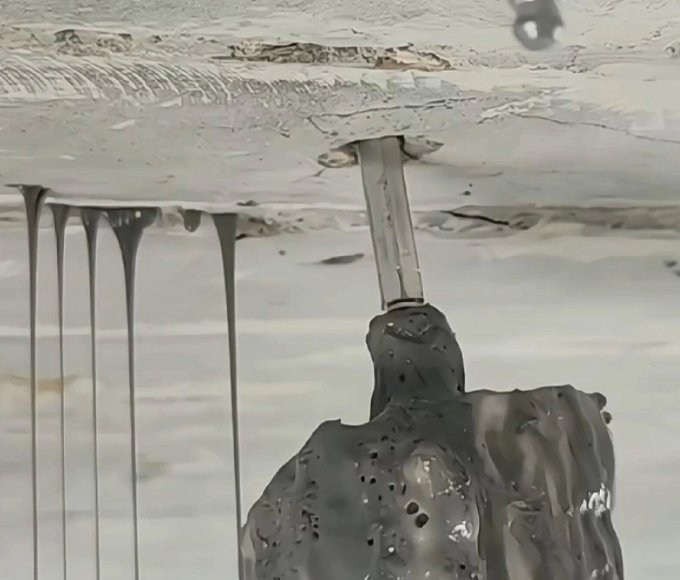
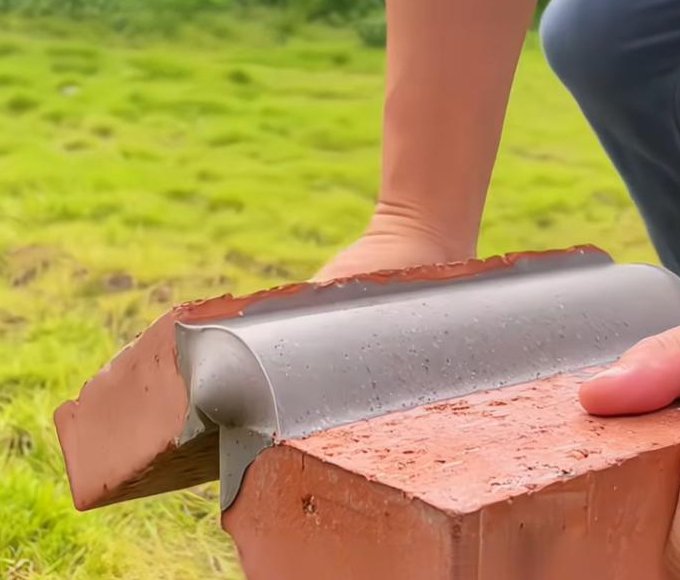
Polyurea grout excels in specific crack types, particularly those that require flexibility and waterproofing.
3.1 Micro-Cracks and Hairline Cracks
- Polyurea’s low viscosity allows it to penetrate cracks as small as 0.1 mm.
- Provides full-depth sealing, which conventional mortars cannot achieve.
3.2 Dynamic Cracks
- Cracks that move slightly due to temperature changes or structural stress.
- Polyurea maintains adhesion and prevents re-cracking due to its elastic properties.
3.3 Leaking Cracks
- Active water leakage can be sealed immediately.
- Polyurea reacts with water to form a dense waterproof barrier.
3.4 Common Application Areas
- Underground structures: basements, tunnels, parking garages.
- Bridges and retaining walls exposed to weather cycles.
- Water containment structures like pools, reservoirs, and tanks.
4. Polyurea Adhesion Strength: Laboratory Tests and Field Results
Understanding polyurea’s adhesion requires both lab testing and real-world case studies.
4.1 Laboratory Adhesion Tests
- Tensile and shear tests simulate crack bonding conditions.
- Results consistently show polyurea maintains high adhesion even on damp concrete.
4.2 Field Applications
- Underground parking garage: Leaking cracks sealed, no reoccurrence after 5 years.
- Metro tunnel joints: Dynamic cracks fully sealed without delamination.
- Bridge deck cracks: Exposure to rain and sunlight shows excellent long-term adhesion.
These results demonstrate polyurea’s reliability in industrial-grade projects.
5. Comparing Polyurea Grout with Other Injection Materials
| Material | Adhesion | Flexibility | Water Resistance | Optimal Use Case |
|---|---|---|---|---|
| Epoxy | High | Low | Moderate | Structural repair in dry conditions |
| Polyurethane (PU) | Moderate | Moderate | High | Filling moving cracks in dry or wet cracks |
| Polyurea | High | High | High | Dynamic, leaking, and micro cracks in wet/dry conditions |
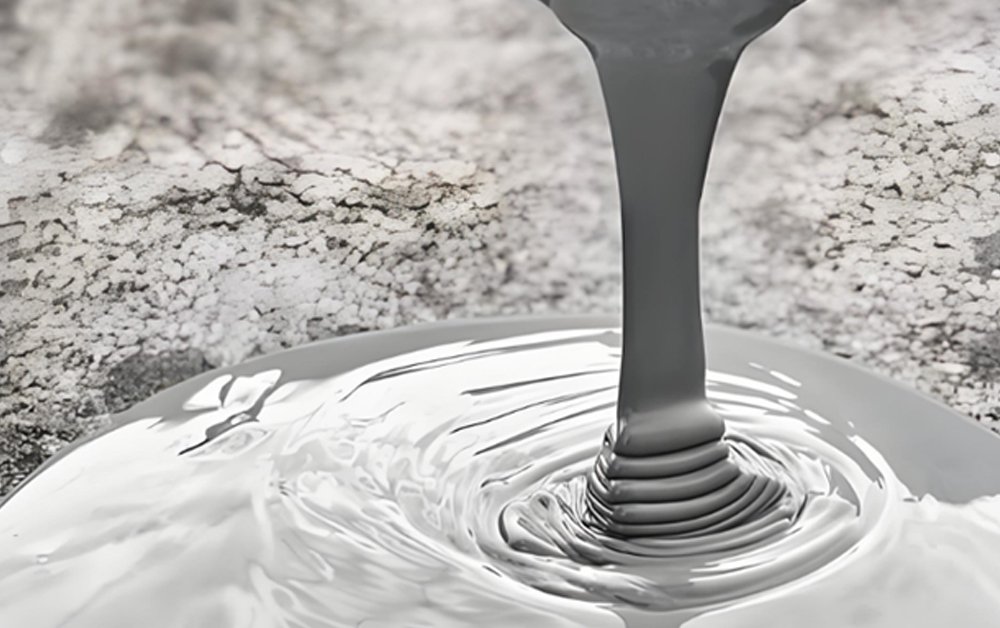
Polyurea offers a balanced combination of adhesion, flexibility, and chemical resistance, outperforming conventional materials in many scenarios.
6. Situations Where Polyurea Adhesion May Decline
Despite its versatility, certain conditions can compromise polyurea performance:
- Contaminated surfaces: Oil, dust, or powdery concrete reduces bonding.
- Severely damaged substrate: Loose or crumbling concrete cannot hold grout.
- Overly wide cracks (>5 mm): May require pre-filling or structural repair.
- Improper injection pressure or incomplete penetration.
- Extreme temperature conditions outside recommended range.
Proper evaluation and preparation are essential to maximize adhesion and durability.
7. Why Contractors Prefer YURU Waterproof Polyurea Grout?
YURU Waterproof has built a reputation as a reliable provider of industrial-grade polyurea grout, favored by contractors and wholesalers worldwide.
7.1 Product Advantages
- Fast reaction and deep penetration.
- High elongation to maintain adhesion on dynamic cracks.
- Works in wet or damp environments.
- Long-term chemical and water resistance.
7.2 Services for Contractors
- Bulk packaging and OEM/ODM options.
- Technical support and application guidance.
- Suitable for large engineering projects: tunnels, bridges, underground structures.
By using YURU Waterproof polyurea grout, contractors achieve reliable crack sealing, reduce maintenance costs, and extend the service life of concrete structures.
FAQs
1. Can polyurea grout adhere to wet concrete?
Yes. Polyurea can bond effectively to damp concrete due to its rapid reaction with moisture.
2. Is polyurea suitable for structural cracks?
Polyurea provides waterproofing and flexibility but cannot restore structural strength alone. Structural cracks may need epoxy first.
3. What is the minimum crack size polyurea can fill?
Low-viscosity polyurea can penetrate cracks as small as 0.1 mm.
4. How long does polyurea adhesion last?
Industrial-grade polyurea maintains adhesion and waterproofing for decades under normal conditions.
5. Can polyurea be used for both indoor and outdoor applications?
Yes. Polyurea is highly versatile and can be applied to tunnels, basements, bridges, reservoirs, and exterior walls.
Conclusion
Polyurea grout is a high-performance solution for concrete crack repair and waterproofing. Its excellent adhesion, elasticity, and chemical resistance make it ideal for:
- Micro and hairline cracks
- Dynamic, moving cracks
- Leaking or wet cracks
- Concrete surfaces with mild imperfections
Proper surface preparation and correct application ensure maximum adhesion. Contractors seeking reliable, industrial-grade polyurea solutions trust YURU Waterproof for large-scale projects and consistent results.


YURU Product solutions