How to Ensure High-Quality Grout Polyurea Injection Work?
Grout polyurea has become one of the most trusted materials in concrete crack repair, waterproofing reinforcement, and structural sealing projects across the construction industry. Engineering contractors, waterproofing teams, and project managers are increasingly choosing grout polyurea because of its fast reaction time, strong adhesion, and ability to create long-lasting waterproof barriers even in demanding environments.
However, the success of grout polyurea injection depends heavily on technique, material quality, and proper site assessment. A high-performance material will still fail if injected incorrectly, while a skilled team can significantly extend the lifespan of concrete structures by controlling every technical detail.
This article shares practical, field-tested insights that help contractors and engineering project owners ensure high-quality grout polyurea injection work.
What Is Grout Polyurea and Why Is It Important in Engineering Applications?
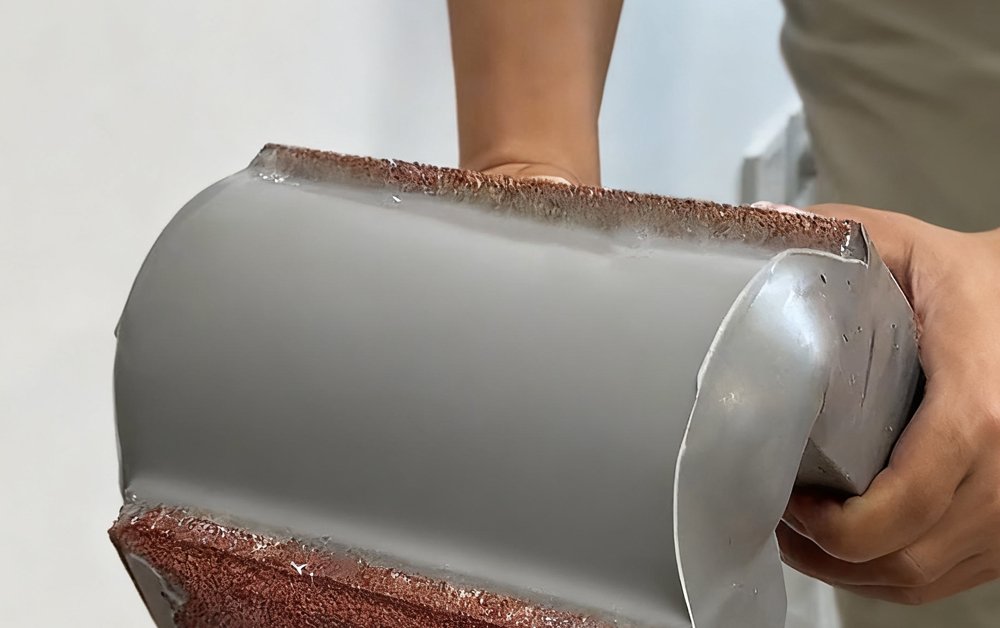
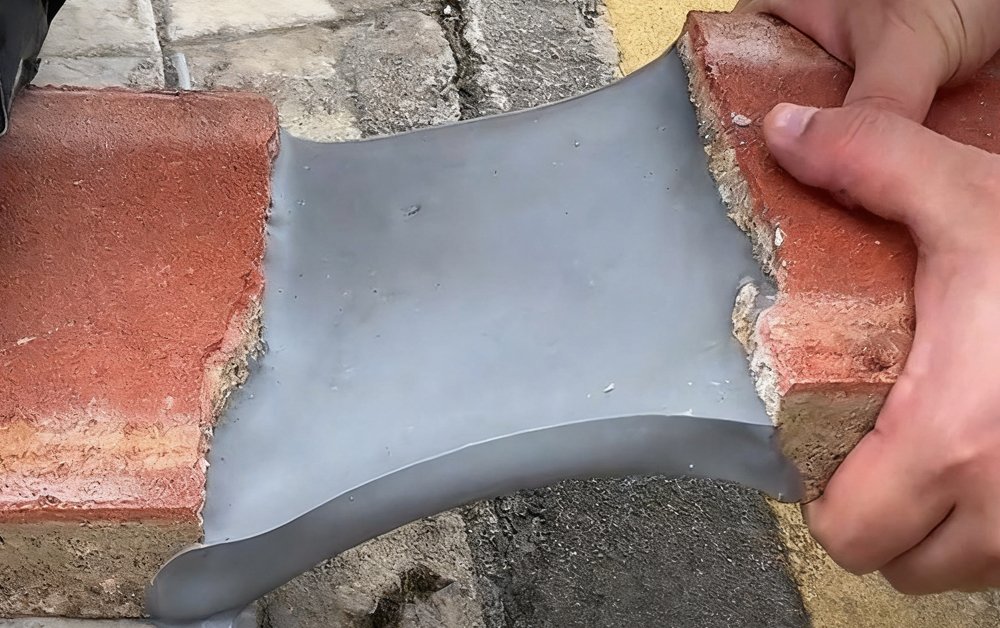
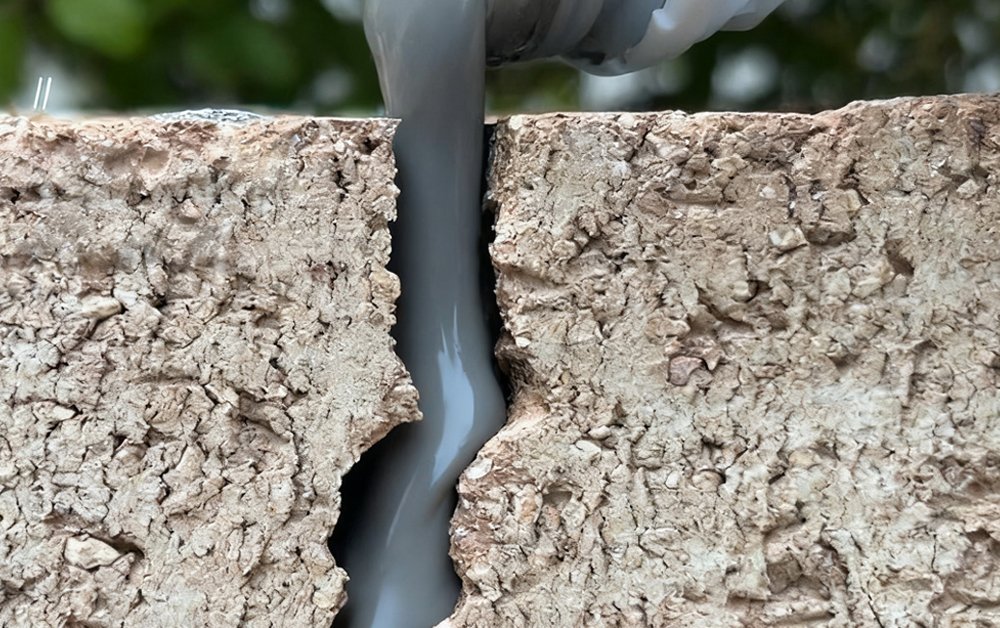
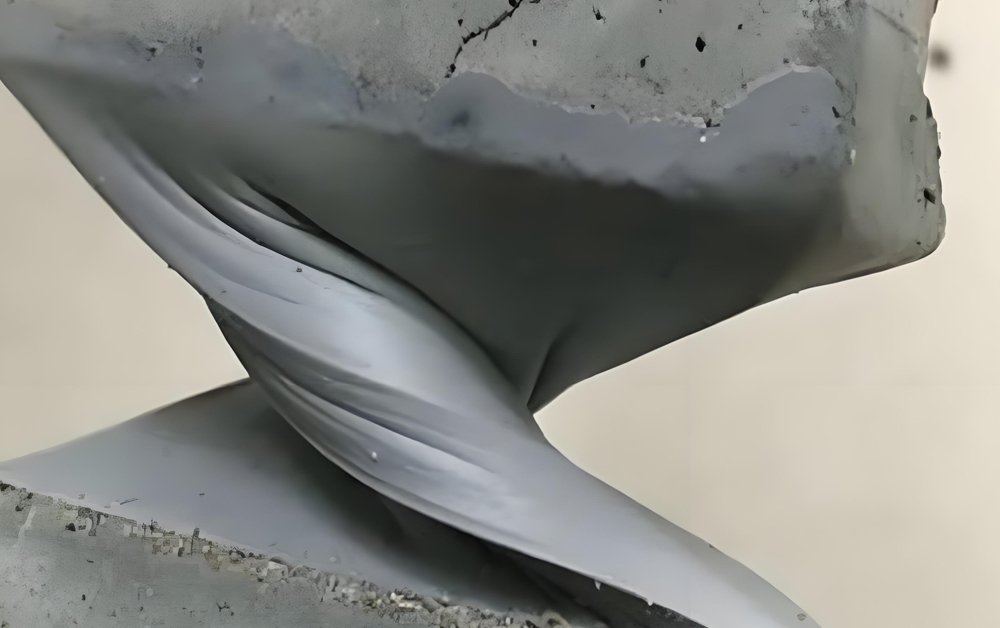
Grout polyurea is a reactive injection material designed to penetrate cracks, voids, and leaking areas inside concrete structures. When the components mix under pressure, they react rapidly to form a dense, flexible, waterproof elastomer.
Key characteristics that make grout polyurea valuable:
- Fast gel time for urgent leak-stopping applications
- Excellent adhesion to moist and uneven concrete surfaces
- High elongation for crack movement and dynamic structures
- Long-term waterproofing stability
- Superior chemical resistance compared to conventional materials
Why contractors prefer grout polyurea over epoxy or polyurethane (PU)?
| Property | Grout Polyurea | PU | Epoxy |
|---|---|---|---|
| Reacts with water | Yes | Yes | No |
| Gel time | Fast | Medium | Slow |
| Flexibility | High | Medium | Low |
| Crack adaptation | Excellent | Good | Poor |
| Best use | Dynamic cracks, high-pressure leaks | Standard leaks | Structural bonding |
Because engineering sites rarely provide ideal conditions, grout polyurea’s ability to cure under moisture and pressure gives it a powerful advantage.
Key Factors That Determine Grout Polyurea Injection Quality
High-quality grout polyurea injection depends on far more than the material itself. The following factors are the real difference between successful, long-lasting repairs and short-lived failures.
1. Moisture level in the substrate
Grout polyurea is moisture-reactive, but excessive free water can dilute or redirect the injection material. Proper evaluation is essential.
2. Injection pressure
- Too low → insufficient penetration
- Too high → risk of blowing out the crack or causing secondary fractures
- Contractors should maintain controlled pressure based on crack depth and width.
3. Crack characteristics
- Depth
- Direction
- Width
- Whether the crack is actively leaking
These properties influence drilling angles, packer spacing, and injection timing.
4. Reaction speed of the material
If the material gels too quickly, it cannot fill the full defect pathway.
If too slow, it may leak out before setting.
Choosing the right gel time is key.
5. Skill level of the injection team
Many failures occur due to:
- Incorrect packer spacing
- Over-pressure
- Rushing the injection
Professional experience directly affects the success rate.
6. Environmental conditions
Temperature and humidity significantly influence reaction speed, viscosity, and expansion.

How to Choose Reliable Grout Polyurea Materials?
Choosing the correct grout polyurea is just as important as correct installation.
Contractors and bulk-purchase customers typically evaluate materials using the following criteria:
1. Stable gel time
Consistency is critical. An unreliable gel time disrupts work schedules and reduces filling efficiency.
2. High waterproofing performance
Look for test reports indicating:
- Hydrostatic pressure resistance
- Long-term immersion tests
- Aging tests
3. Adhesion strength
Stronger adhesion ensures the material bonds securely even to old or damp concrete.
4. Elasticity and crack-bridging performance
Dynamic structures—tunnels, bridges, underground parking lots—require flexible grout polyurea.
5. Batch stability
For large engineering projects, batch consistency prevents unexpected on-site variations.
6. OEM/ODM availability
Contractors and distributors may need customized gel times or packaging.
Grout Polyurea Injection Work: Step-by-Step Construction Method
Step 1 — Crack investigation & marking
Identify:
- Water source
- Crack direction
- Active vs. inactive leakage
Use tools such as crack width gauges, moisture meters, or concrete scanners.
Step 2 — Install packers and drilling
Drill holes at a 45° angle toward the crack.
Spacing is usually 10–30 cm, depending on crack width.
Step 3 — Set up injection machine
High-pressure injection machines (0.5–4 MPa) are most commonly used.
Pressure must be adjusted gradually.
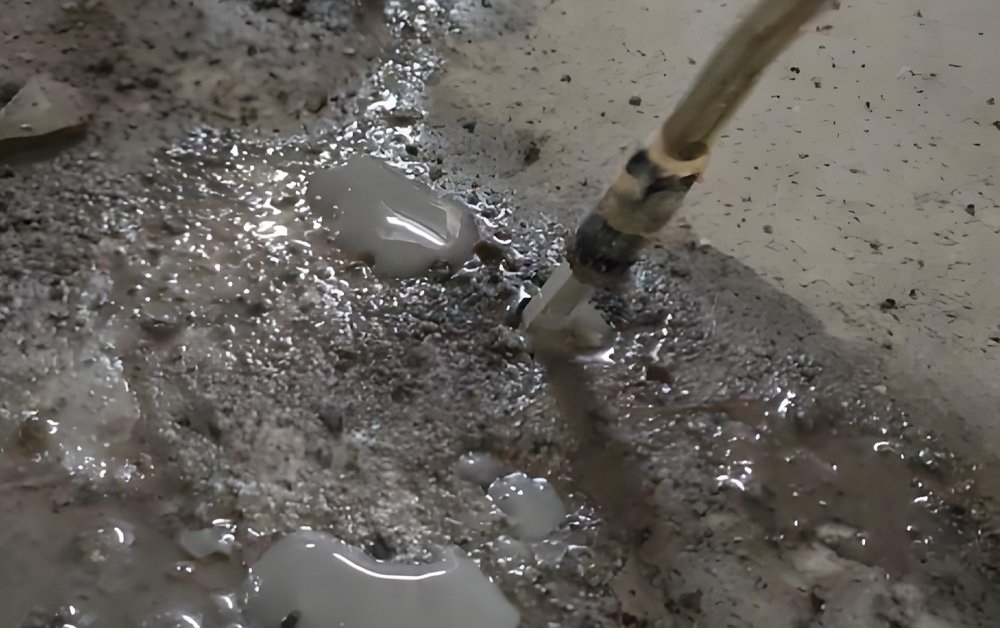
Step 4 — Begin injection
Inject from the lowest or farthest point to allow material to travel inward.
Signs that injection is complete:
- Material appearing from adjacent packers
- Pressure stabilizes
- No more material intake
Step 5 — Surface sealing and trimming
Seal packer areas and clean leaks.
Step 6 — Curing inspection
Most grout polyurea cures within hours. Teams verify:
- Gel firmness
- Adhesion
- No secondary leaks
Special Considerations for Different Structures
Different structures demand different strategies.
Underground Basements
- Often involve active pressurized water
- Require faster gel time
- Must fill deep pathways to prevent recurrence
Tunnels & infrastructure
- High-pressure injection safety is crucial
- Must avoid secondary cracking caused by improper pressure
- Require flexible grout polyurea for dynamic movement
Water tanks & reservoirs
- Must resist chemical exposure and long-term immersion
- Check hydro-expansion ratio
Exterior cracks
- UV-stable sealing layers may be required
- Determine weathering resistance
Old structures
- Cracks often irregular or multilayered
- Injection must be slow and controlled
Post-Injection Quality Inspection and Maintenance
1. Waterproofing performance test
Evaluate using:
- Pressure testing
- Water spraying
- Observation over several hours
2. Structural soundness
Check whether cracks have re-opened or extended.
3. Surface sealing
Apply additional protective coatings if required.
4. Maintenance schedule
Regular monitoring ensures early detection of micro-leaks.

Why Choose YURU Waterproof for Grout Polyurea Injection Materials?
YURU Waterproof is a trusted manufacturer and supplier specializing in grout polyurea, waterproof coatings, and injection sealing materials for large-scale engineering projects.
What YURU Offers:
- Stable, engineering-grade grout polyurea formulas
- Fast and consistent reaction speeds suitable for high-pressure injection
- High adhesion and excellent durability in both dry and wet environments
- Customized OEM/ODM support
- Bulk supply for contractors, distributors, and engineering firms
- Technical guidance for real-world project conditions
YURU provides long-term, reliable materials used in:
- Tunnels
- Underground structures
- Basements
- Water tanks
- Municipal projects
- Industrial plants
For engineering contractors seeking consistent quality and fast delivery, YURU is a dependable supplier.
FAQs About Grout Polyurea Injection
1. Can grout polyurea be used on actively leaking cracks?
Yes. Grout polyurea reacts with water and can stop leaks quickly.
2. Is grout polyurea suitable for high-pressure injection?
Absolutely. Its fast gel time and low viscosity make it ideal for high-pressure systems.
3. Can grout polyurea be used in underwater structures?
Yes. Many formulations are designed for immersion environments such as pools or reservoirs.
4. How long does grout polyurea take to fully cure?
Most formulations cure within minutes to hours, depending on temperature and moisture.
5. Does YURU Waterproof offer technical support?
Yes, YURU provides on-site or remote guidance for injection procedures, material selection, and troubleshooting.
Conclusion
Ensuring high-quality grout polyurea injection requires a combination of proper material selection, accurate substrate assessment, controlled pressure, and professional injection techniques. When executed correctly, grout polyurea provides long-term waterproofing, structural reinforcement, and reliable performance in even the harshest conditions.
Whether you’re a contractor, engineering buyer, or distributor, choosing stable, engineering-grade grout polyurea and a supportive supplier like YURU Waterproof ensures project success and long-term durability.
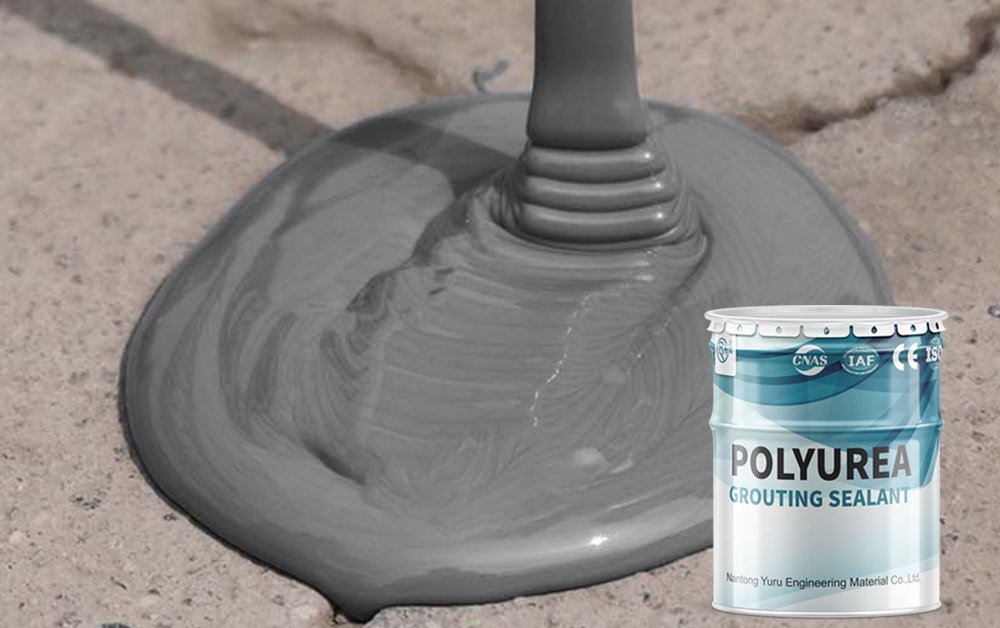

YURU Product solutions