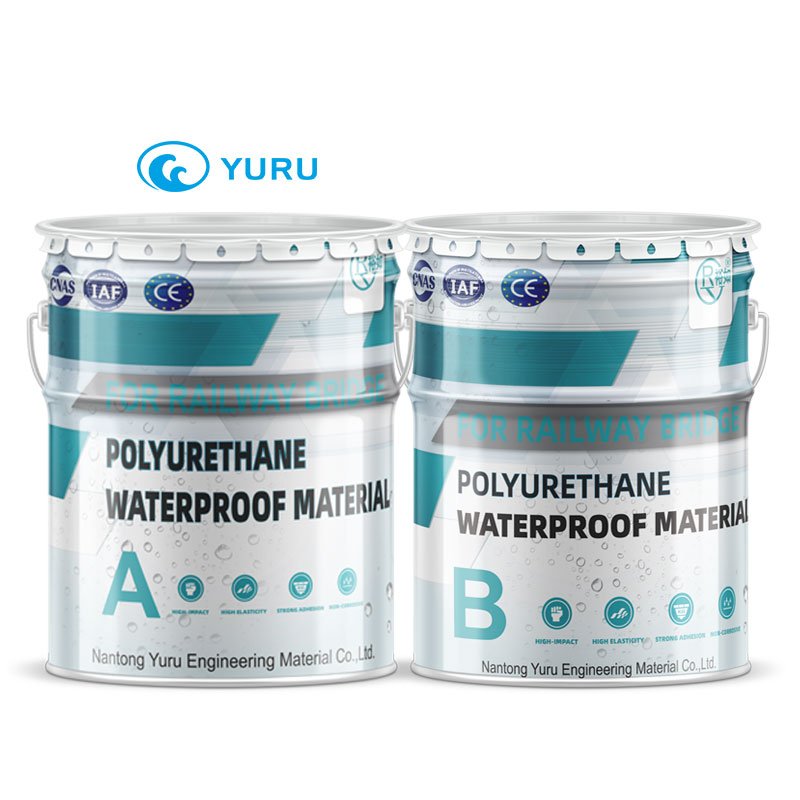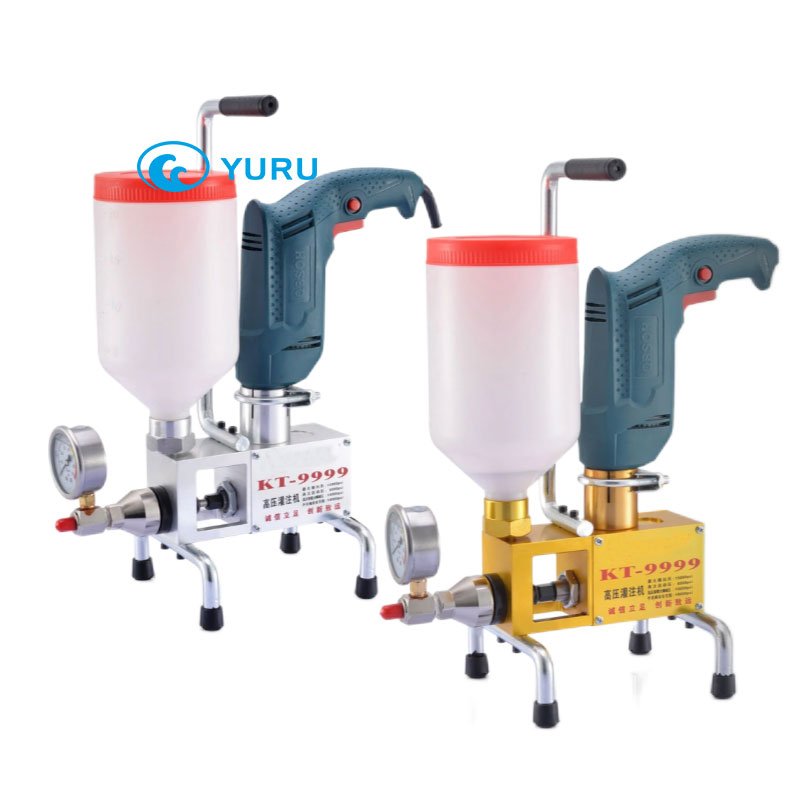
How Long Does Polyurea Grouting Sealant Last After Injection?
Engineers, contractors, and waterproofing buyers often ask a crucial question: “How long does Polyurea Grouting Sealant last after injection?”
While durability varies by environment and application method, Polyurea Grouting Sealant is widely recognized for its long-lasting waterproofing performance, exceptional crack-sealing properties, and stable chemical structure.
Because the material is single-component and forms an elastic yet strong waterproof matrix after curing, it has become a preferred choice in basements, tunnels, municipal pipelines, shafts, infrastructure projects, and industrial waterproofing applications.
This guide breaks down everything contractors, wholesalers, and project managers need to know based on real-world engineering experience and technical principles.

Material Properties of Polyurea Grouting Sealant That Determine Its Lifespan
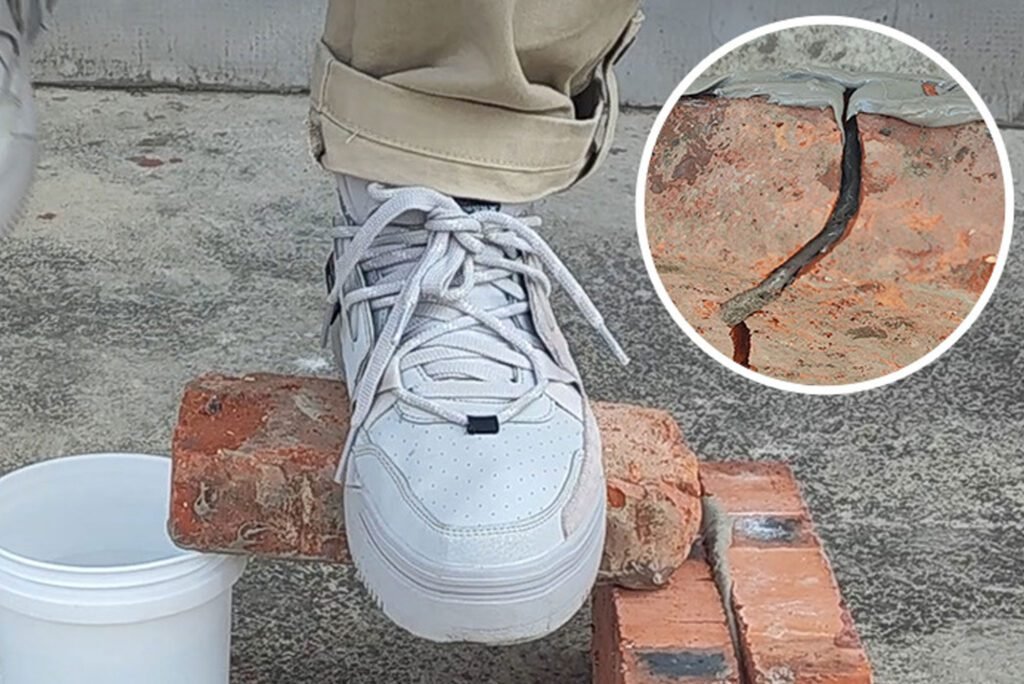
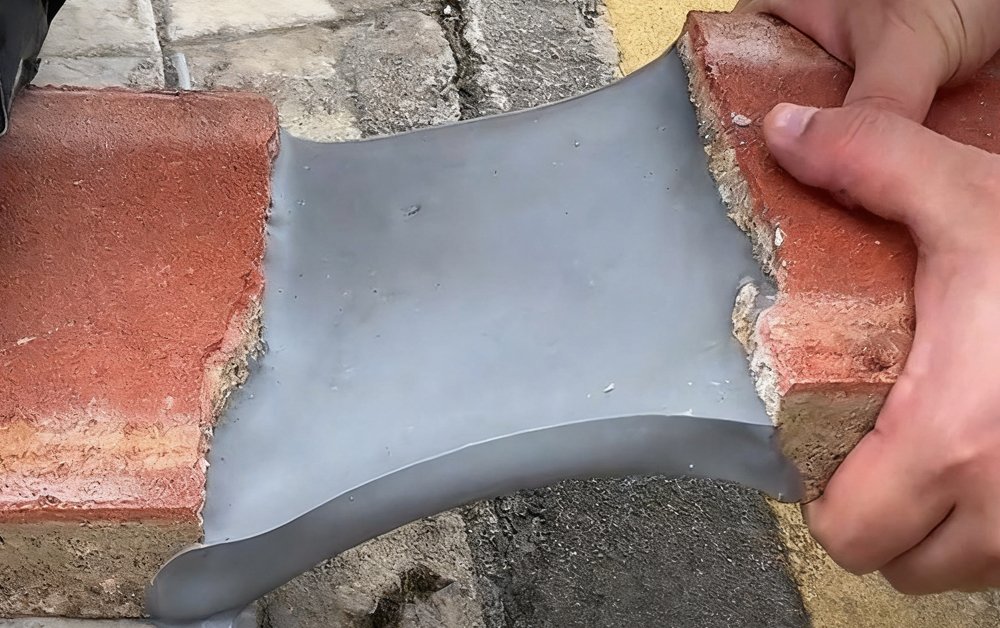
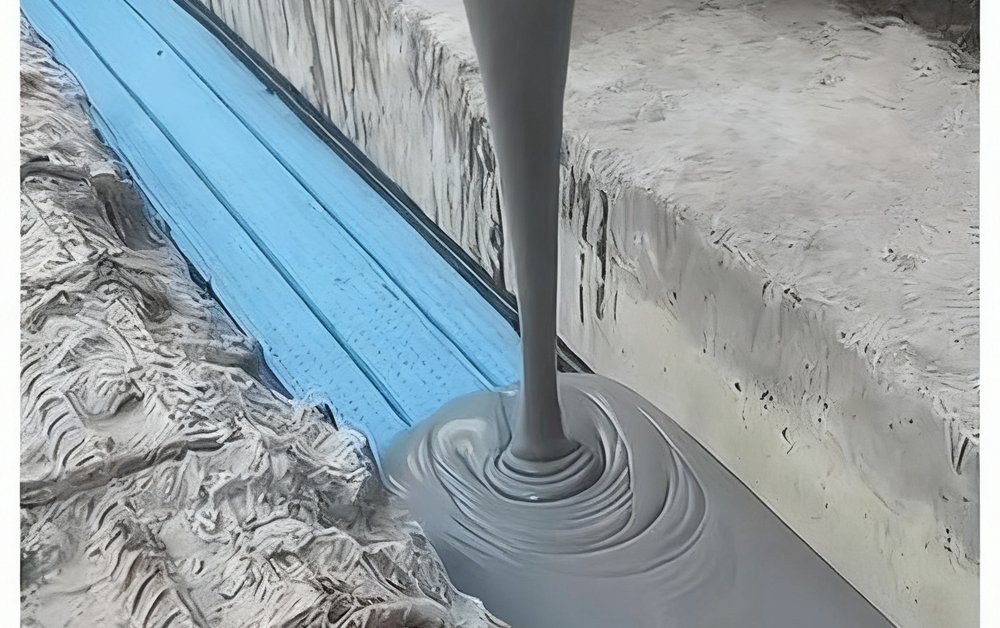
Polyurea Grouting Sealant is a single-component waterproof injection material known for its fast reaction speed and outstanding adhesion. Once injected into cracks or leaking paths, the material expands, fills voids, and forms a dense, durable waterproof barrier.
Key performance attributes influencing lifespan include:
- High chemical resistance
Resists chemical erosion in soil, groundwater, and industrial environments. - Superior elasticity and crack-bridging ability
Maintains sealing even when structures experience slight movement or deformation. - Excellent hydrolysis and water-resistance
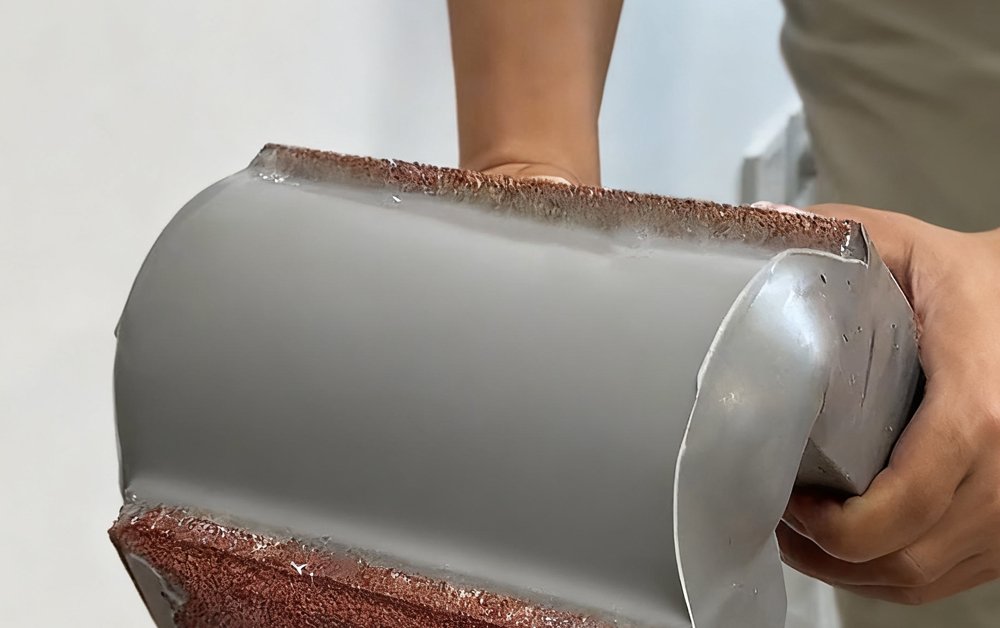
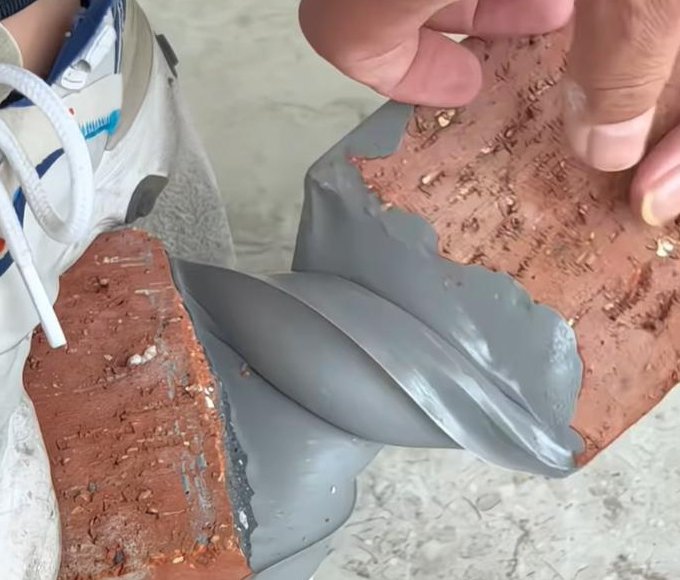
Performs reliably in long-term wet or submerged conditions. - Fast curing and strong bonding strength
Allows the material to integrate with substrates and form a long-lasting seal.
Because of this stable molecular structure, single-component polyurea maintains long-term performance even in continuous water exposure.
Realistic Lifespan Range in Common Engineering Environments
Actual field conditions have a direct influence on longevity.
Based on industry experience, engineering feedback, and typical construction practices, Polyurea Grouting Sealant generally lasts:
- 10–25 years under normal environmental conditions.
- 15–20 years in residential or commercial basements.
- 10–15 years in municipal drainage systems.
- 20+ years in tunnels, shafts, and large infrastructure projects, assuming proper construction.
While lifespan varies, the material’s chemical stability ensures that degradation is slow and predictable.
Key Factors That Influence Long-Term Durability
Several conditions impact the true longevity of Polyurea Grouting Sealant:
Type and width of cracks
Microcracks and structural cracks require different injection pressure and material distribution.
Water pressure level
Higher hydrostatic pressure accelerates material fatigue if not injected thoroughly.
Volume flow of water
High-flow leakage requires higher-pressure injection to ensure full penetration.
Soil or groundwater composition
High salt or chemical content environments require stronger resistance.
Building movement or deformation
Polyurea can handle small shifts, but major structural movement may require reinforcement.
A well-applied injection can outperform poorly executed work even when using the same material quality.
Construction Technique Plays a Decisive Role in Lifespan
Even the best material will underperform if construction standards are not met.
Durability depends greatly on:
- Proper drilling and spacing of injection holes
- Achieving complete penetration and filling
- Appropriate injection pressure control
- Avoiding premature curing inside equipment
- Ensuring clean substrates and stable injection points
- Skilled operators who understand crack behavior
Poor injection quality often leads to secondary leakage, significantly reducing lifespan.
This is why many contractors now prioritize material suppliers who also offer professional technical guidance.

How to Evaluate the Durability After Injection?
Contractors and project owners can check the sealing performance by evaluating:
- Whether the leakage point is completely sealed
- Whether cracks are fully filled after curing
- Whether rebound leakage or pressure backflow occurs
- Whether watermarks disappear over 24–48 hours
- Whether structural shifts re-open leakage paths
For large or high-value projects, periodic inspections are highly recommended to ensure long-term stability.
Lifespan Performance in Typical Engineering Scenarios
Here are realistic expectations for different environments:
| Application Scenario | Expected Lifespan | Reason |
|---|---|---|
| Basements & parking decks | 15–20 years | Stable environment, moderate moisture |
| Tunnels & metro systems | 20+ years | High structural integrity; controlled environment |
| Municipal pipelines | 10–15 years | High water flow and chemical exposure |
| Mines & industrial shafts | 15–25 years | Material remains chemically stable |
| Sewage or acidic environments | 10–15 years | Requires strong chemical resistance |
The durability range demonstrates that Polyurea Grouting Sealant is not only long-lasting but also reliable in demanding environments.
Choosing a Durable and Reliable Supplier — Why YURU Waterproof Matters?
Selecting the right supplier directly impacts long-term performance.
A professional supplier should offer:
- Consistent single-component polyurea quality
- Stable curing performance
- Technical guidance for injection procedures
- Custom packaging and bulk supply options
- Quality certifications and testing reports
- Reliable after-sales support
YURU Waterproof (YURU) provides high-performance Polyurea Grouting Sealant designed for contractors, wholesalers, and engineering buyers.
Our materials are engineered for strong penetration, excellent durability, and long-term stability in harsh environments.
YURU also offers technical consultation, construction guidance, and custom supply solutions to help ensure your project’s success.
FAQs
1. How long does Polyurea Grouting Sealant last after injection?
Typically 10–25 years, depending on environment and construction quality.
2. Is Polyurea Grouting Sealant a single-component material?
Yes. It is a single-component injection material with stable curing behavior.
3. Can Polyurea Grouting Sealant withstand high water pressure?
Yes, when injected correctly, it forms a dense, durable waterproof layer capable of resisting strong hydrostatic pressure.
4. What affects the long-term performance of polyurea injection?
Crack width, construction technique, water pressure, environmental conditions, and material quality.
5. Can Polyurea Grouting Sealant be used in tunnels and municipal projects?
Yes, it is widely used in tunnels, subways, drainage systems, basements, and industrial environments.
6. Why choose YURU Waterproof as a supplier?
YURU provides high-grade Polyurea Grouting Sealant, technical support, bulk supply, and engineering consultation for durable waterproofing applications.
Conclusion
The long-term durability of Polyurea Grouting Sealant depends on both the material’s intrinsic stability and the quality of the injection process. As a single-component polyurea system, it offers impressive waterproofing strength, strong adhesion, and reliable chemical resistance—making it a trusted solution for basements, tunnels, pipelines, and large-scale engineering projects.
With proper application, Polyurea Grouting Sealant can deliver 10–25 years of effective waterproofing performance, ensuring long-lasting protection against leakage and structural moisture damage. For contractors, wholesalers, and project managers, selecting a high-quality material and working with a knowledgeable supplier remains the key to achieving a durable result.
At YURU Waterproof, we provide engineering-grade polyurea grouting materials along with technical guidance to support stable, long-term project performance. Whether you’re handling large infrastructure or localized repair work, our waterproofing solutions are designed to help you build safer, more reliable structures that stand the test of time.
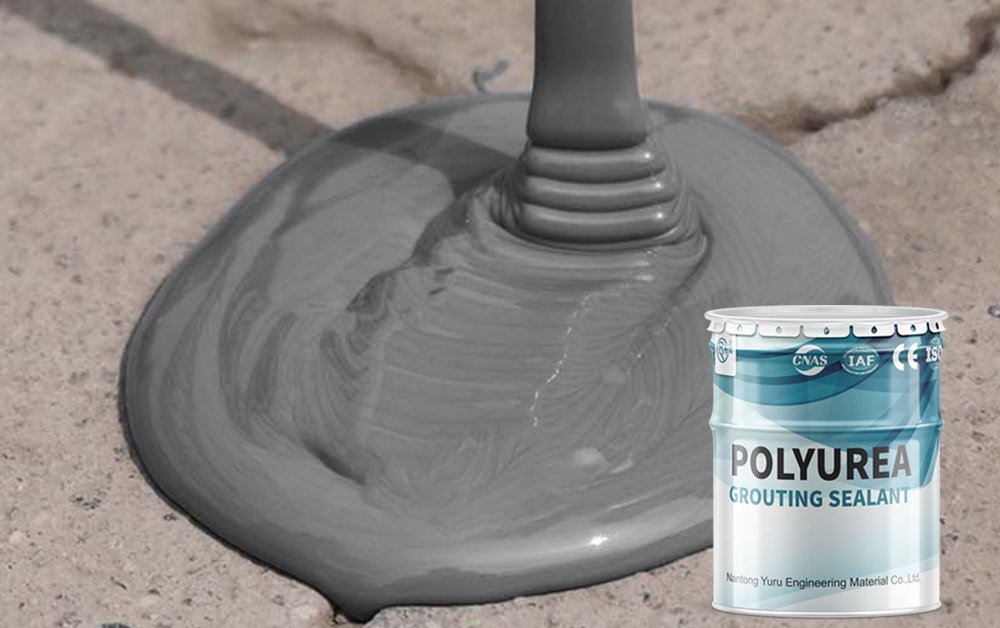

YURU Product solutions