What Is Polyurea Waterproofing? A Practical Guide for Modern Construction Projects
Introduction
Waterproofing failures are among the most costly problems in construction and infrastructure projects. Cracks, leaks, corrosion, and structural degradation can shorten the service life of buildings and lead to expensive repairs. In recent years, polyurea waterproofing has emerged as a high-performance solution designed to meet the growing demands of modern construction, industrial facilities, and municipal infrastructure.
But what exactly is polyurea waterproofing, and why are more engineers, contractors, and project owners choosing it over traditional waterproofing materials? This article provides a clear, practical explanation—focused on real-world performance, application scenarios, and decision-making factors for professionals.
What Is Polyurea Waterproofing?
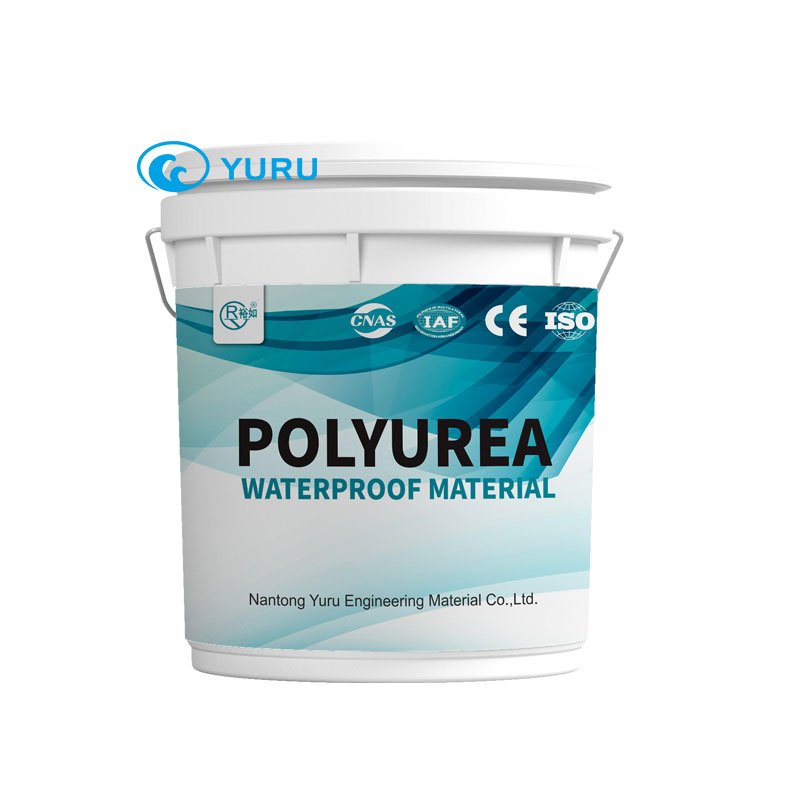
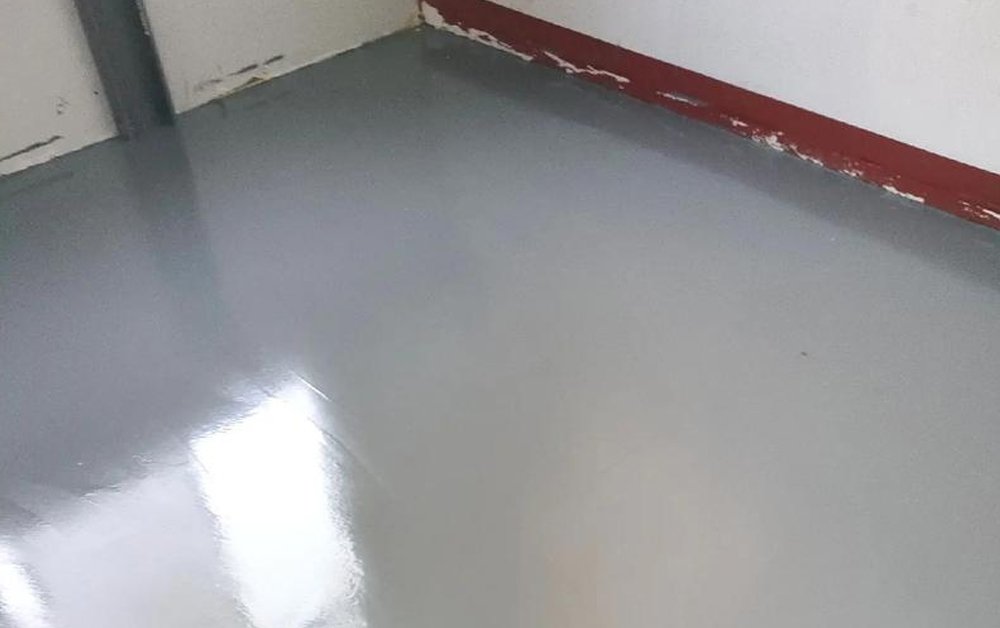
Polyurea waterproofing is a high-performance elastomeric coating system formed through the rapid chemical reaction between an isocyanate component and an amine-based resin. Once applied, the material cures within seconds to form a seamless, flexible, and highly durable waterproof membrane.
Unlike traditional waterproof coatings that rely on slow evaporation or moisture curing, polyurea waterproofing reacts instantly at the molecular level. This fast reaction allows it to bond tightly to properly prepared substrates and create a continuous protective layer without joints or seams—one of the most common sources of water leakage.
From an engineering perspective, polyurea waterproofing is not just a coating. It is a protective system designed to handle mechanical stress, structural movement, temperature fluctuations, and long-term exposure to harsh environments.
Key Performance Advantages of Polyurea Waterproofing
Polyurea waterproofing stands out because it addresses multiple performance challenges at once. Below are the core advantages that matter most to professionals.
Fast Curing and Reduced Downtime
One of the most valued characteristics of polyurea waterproofing is its extremely fast curing time. In many applications, the coating becomes tack-free within minutes and can return to service within hours. This is particularly important for industrial facilities, parking structures, and infrastructure projects where downtime directly affects operations and costs.
Excellent Elasticity and Crack Bridging
Polyurea membranes typically exhibit high elongation, allowing them to accommodate substrate movement without cracking. This makes polyurea waterproofing well-suited for concrete structures that expand, contract, or settle over time.
Long-Term Durability
Polyurea waterproofing systems are known for their resistance to abrasion, impact, chemicals, and UV exposure (with proper formulation). This durability translates into longer service life and lower maintenance requirements compared to conventional waterproofing materials.
Seamless and Fully Adhered Protection
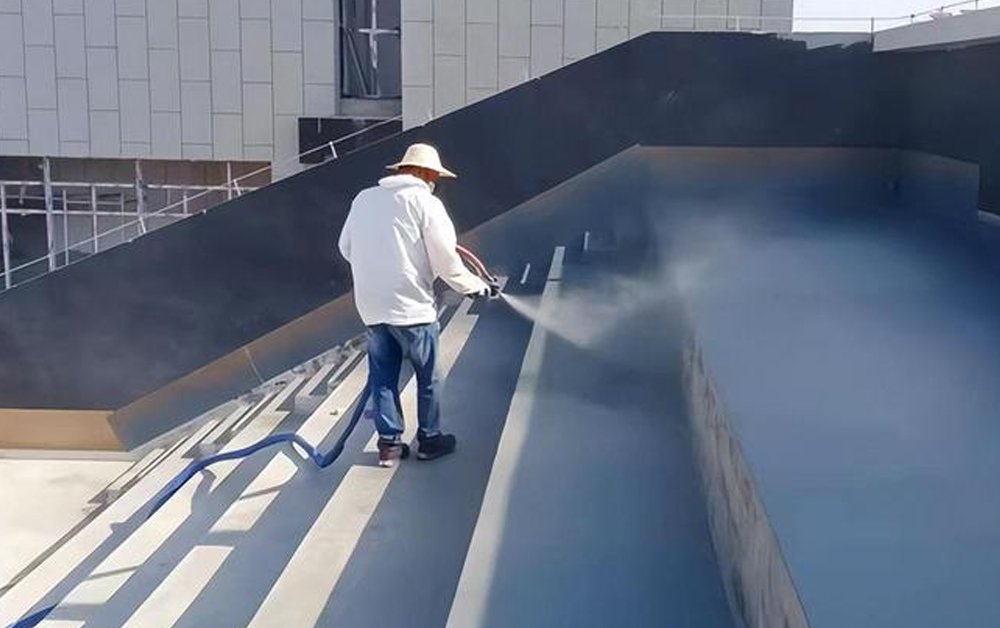
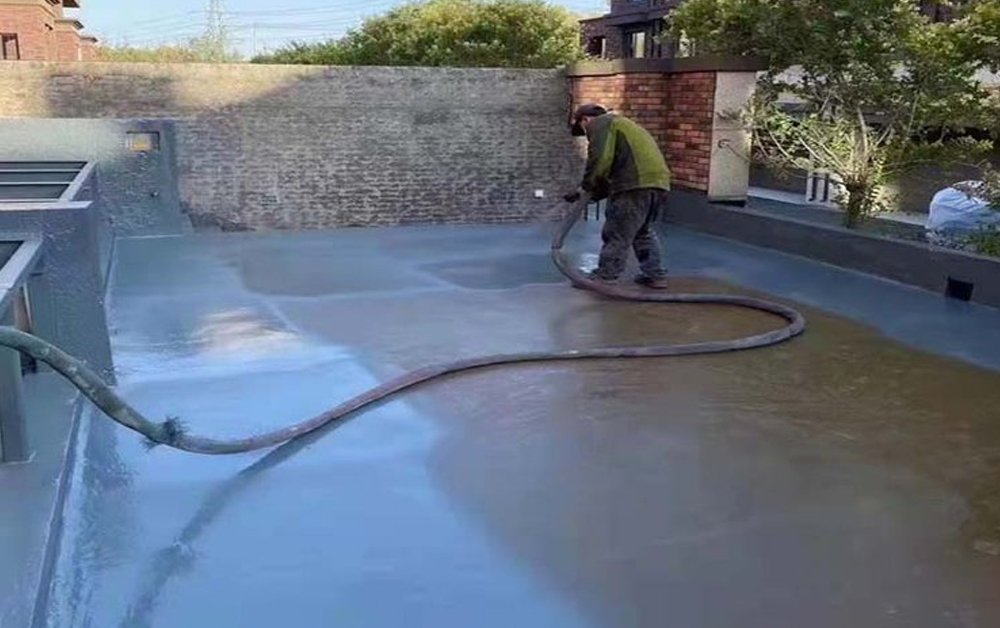
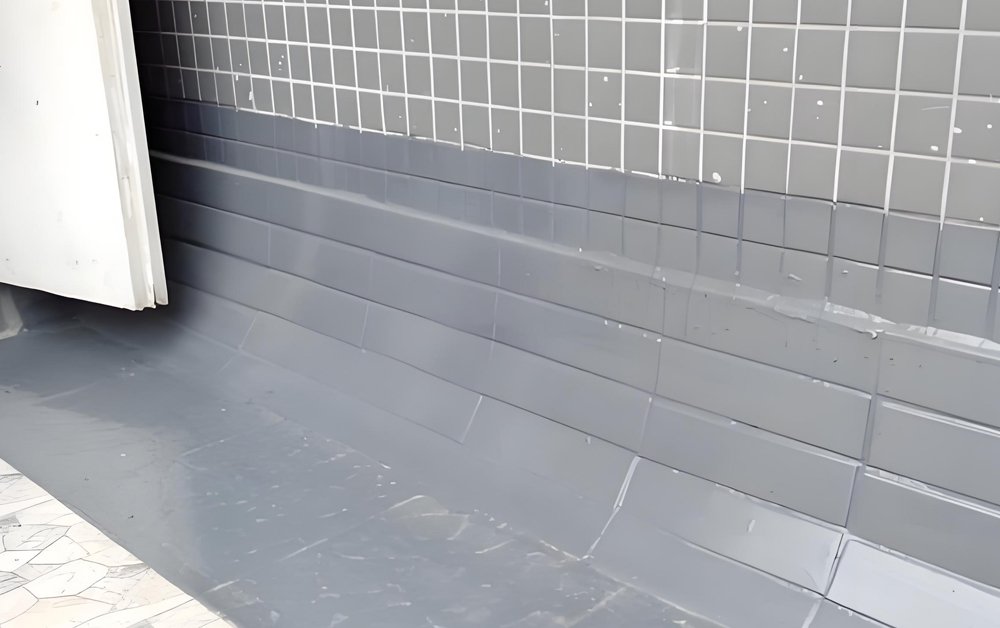
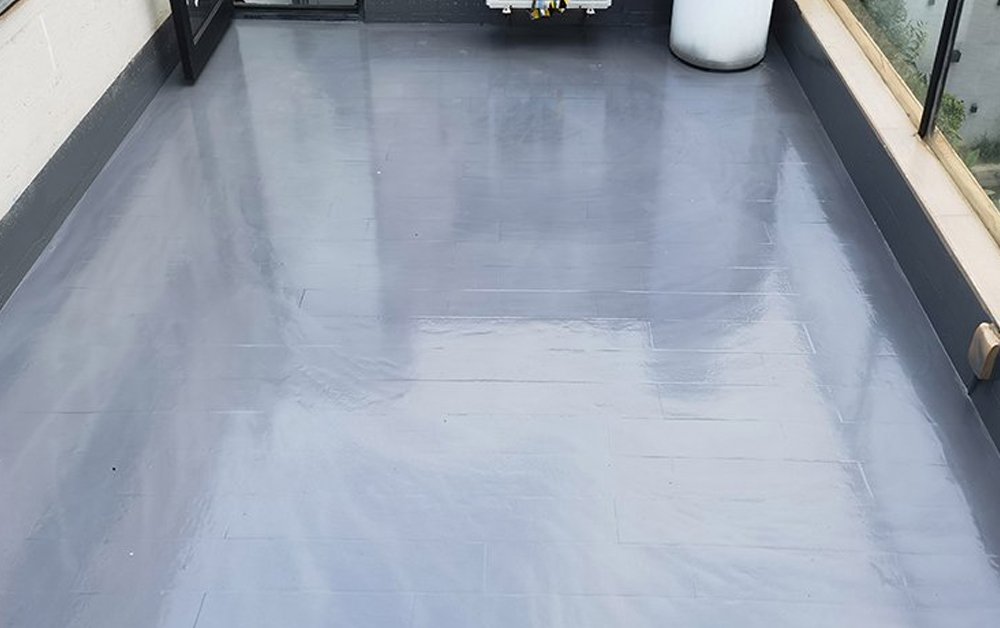
Because polyurea is spray-applied or carefully applied as a liquid system, it forms a seamless membrane. This eliminates weak points often found in sheet-based or jointed waterproofing systems.
Types of Polyurea Waterproofing Systems
Polyurea waterproofing is not a single product but a category of systems designed to meet different project needs. Understanding these variations helps buyers and engineers choose the right solution.
Fast-Reaction Spray Polyurea Systems
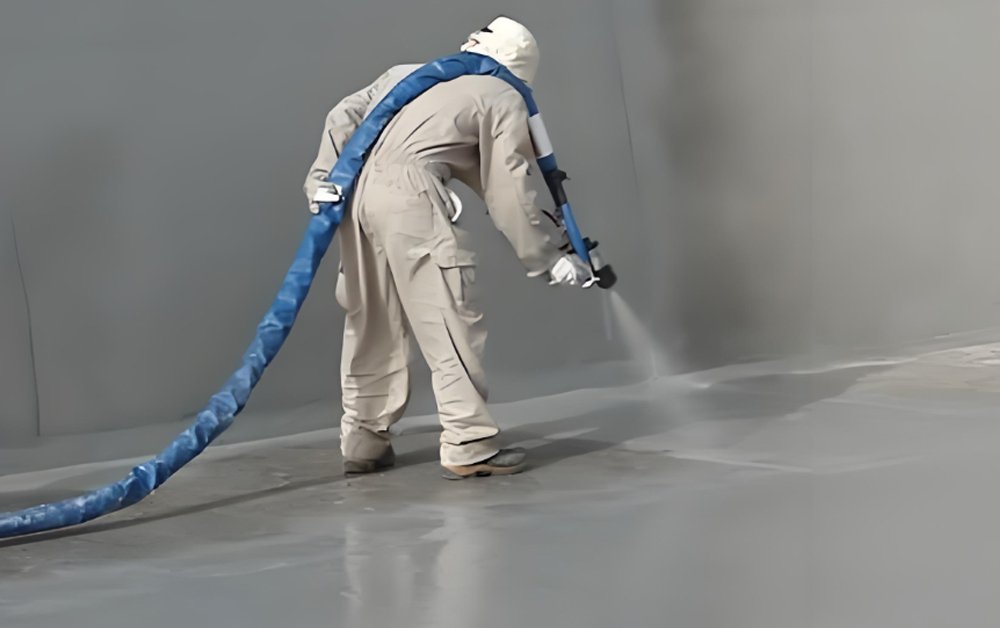
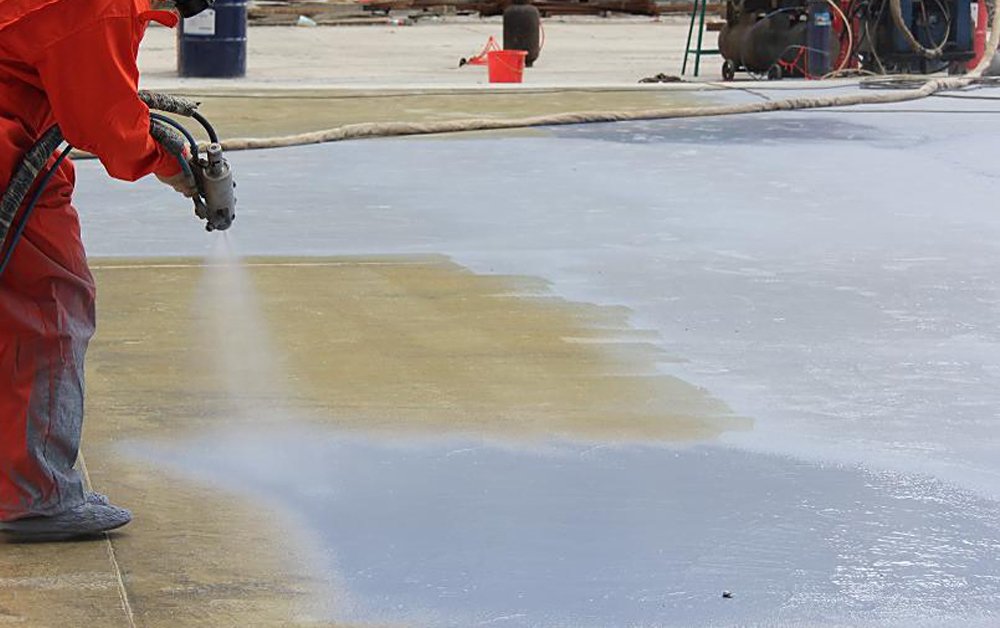
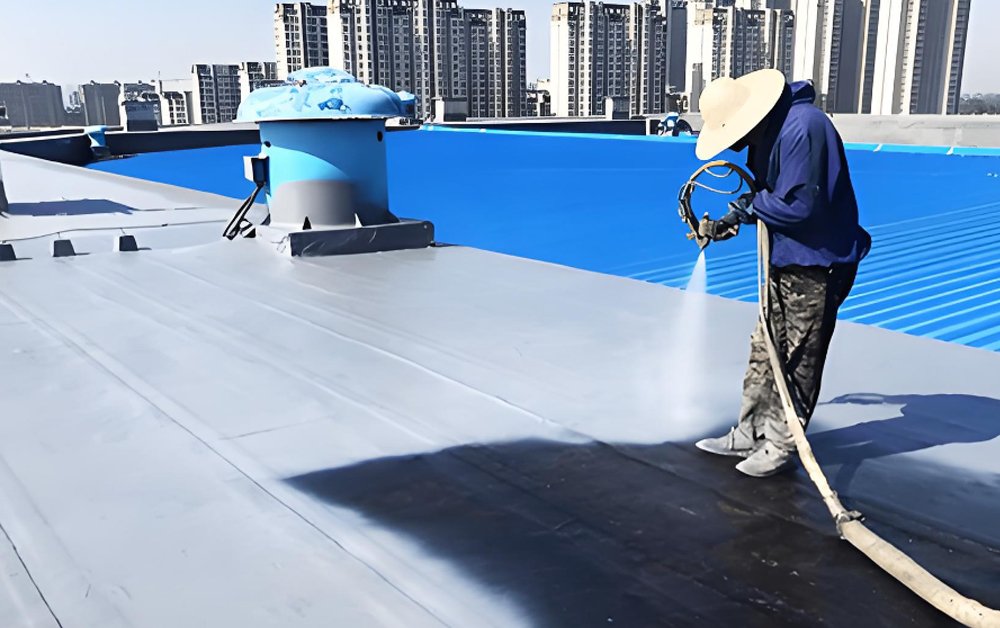
These systems are applied using specialized plural-component spray equipment. They react almost instantly upon mixing, forming a tough elastomeric membrane. This type is commonly used in large-scale projects where speed, uniform thickness, and high performance are required.
Two-Component Polyurea Coatings
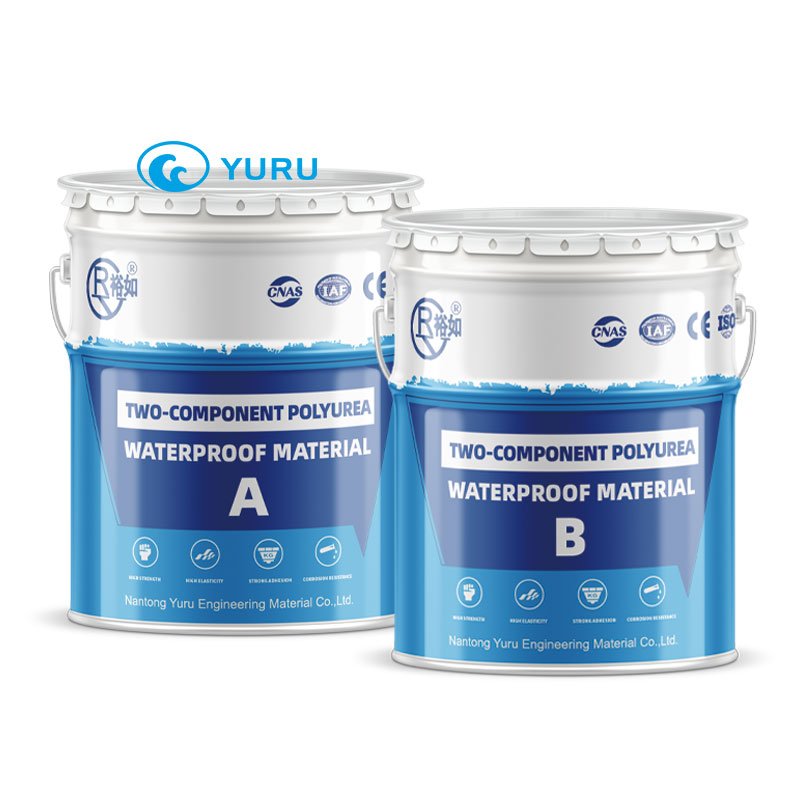
Two-component systems offer a balance between workability and performance. They cure more slowly than pure spray polyurea, allowing better control on complex surfaces while still delivering strong waterproofing and mechanical properties.
Single-Component Polyurea Waterproofing
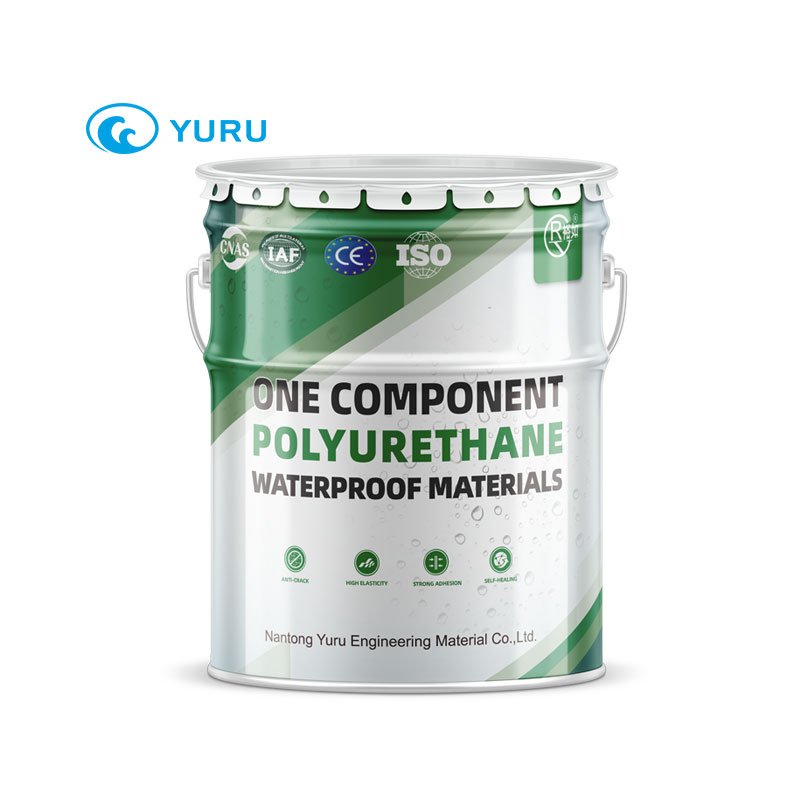
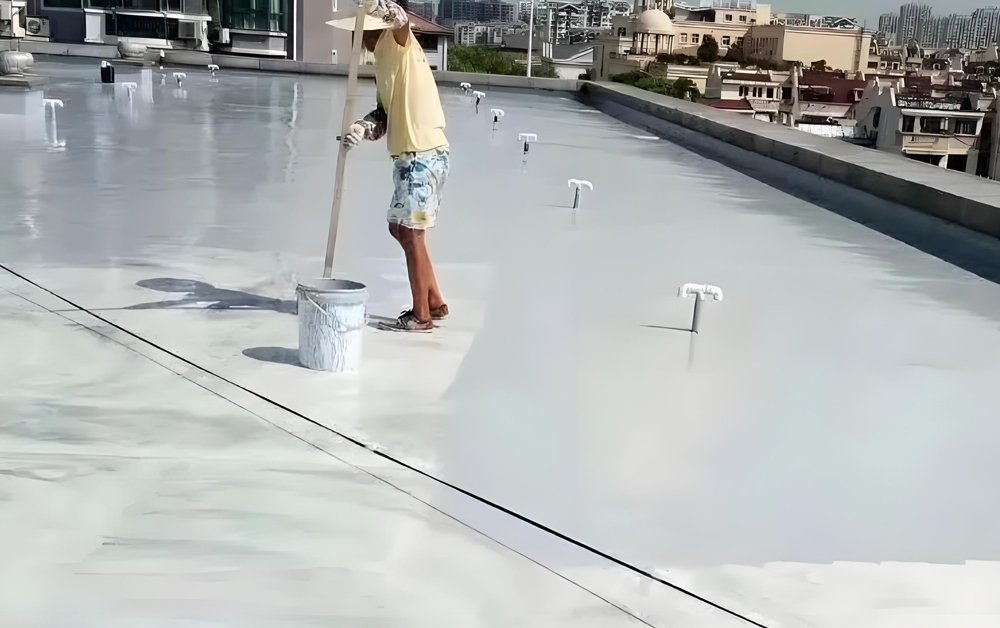
Single-component polyurea coatings are designed for manual application by brush or roller. Although curing is slower, they are practical for small-scale projects, repairs, and areas where spray equipment is not feasible.
Polyurea Injection and Grouting Materials
In addition to surface coatings, polyurea-based materials are used for injection grouting and leak sealing. These systems expand or react within cracks and joints, stopping water ingress at its source.
Common Applications of Polyurea Waterproofing
Polyurea waterproofing is widely used across industries due to its adaptability and performance.
Roofing Systems
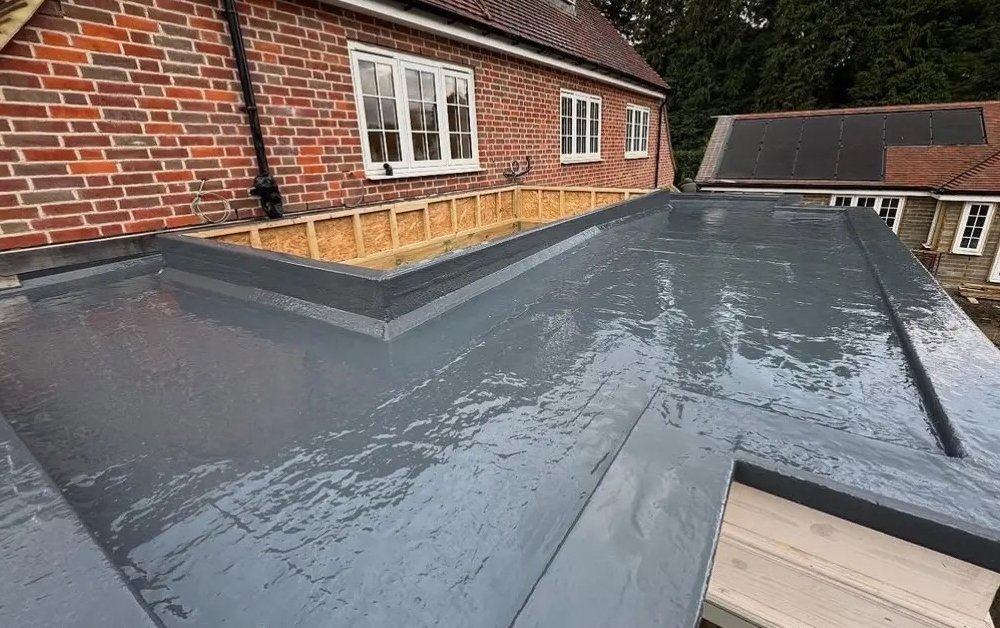
Flat and low-slope roofs benefit from polyurea’s seamless nature and resistance to standing water. Its flexibility helps prevent cracking caused by thermal movement.
Basements and Underground Structures
Polyurea waterproofing is often applied to foundations, tunnels, and underground parking garages, where long-term resistance to hydrostatic pressure is critical.
Bridges and Infrastructure
In bridge decks and transportation infrastructure, polyurea waterproofing provides protection against water penetration, de-icing chemicals, and mechanical wear.
Industrial and Chemical Facilities
Thanks to its chemical resistance, polyurea waterproofing is suitable for factories, wastewater treatment plants, and containment areas exposed to aggressive substances.
Installation Methods and Quality Control Considerations
The performance of polyurea waterproofing depends heavily on proper application. Even the best material cannot compensate for poor surface preparation or incorrect installation.
Surface Preparation
Concrete substrates must be clean, dry, and mechanically prepared to ensure proper adhesion. Contaminants such as oil, dust, and laitance can significantly reduce performance.
Application Technique
Spray-applied systems require trained operators and calibrated equipment. Manual applications demand careful control of thickness and curing conditions.
Environmental Conditions
Temperature and humidity can affect reaction speed and final properties. Professional installers adjust formulations and methods to suit site conditions.
How to Choose a Reliable Polyurea Waterproofing Supplier?
For buyers and project owners, selecting the right supplier is just as important as choosing the right system.
Key factors to evaluate include:
- Product consistency and quality control.
- Technical support and application guidance.
- Experience with similar project types.
- Ability to supply complementary systems (primers, grouts, coatings).
This is where working with an experienced manufacturer makes a difference.
Why Engineers and Contractors Trust YURU Waterproof?
YURU Waterproof is a professional manufacturer specializing in waterproof coatings, polyurea systems, injection grouting materials, and floor coating solutions. With a strong focus on engineering applications, YURU provides polyurea waterproofing systems designed to meet real project demands rather than theoretical performance alone.
YURU’s product range covers:
- Fast-reaction polyurea spray systems
- Two-component and single-component polyurea coatings
- Polyurea-based grouting and leak-sealing materials
By supporting wholesalers, contractors, engineers, and municipal project owners, YURU Waterproof helps partners deliver durable waterproofing solutions with confidence.
FAQ Section
1. What makes polyurea waterproofing different from traditional coatings?
Polyurea cures much faster and forms a seamless, highly elastic membrane with superior durability.
2. Is polyurea waterproofing suitable for outdoor use?
Yes, with proper formulation and topcoat protection, it performs well in outdoor environments.
3. Can polyurea waterproofing be applied to existing concrete?
Yes, as long as the surface is properly prepared.
4. How long does polyurea waterproofing last?
When correctly applied, it can last decades with minimal maintenance.
5. Is specialized equipment required?
Spray systems require professional equipment, while some formulations allow manual application.
Conclusion: Is Polyurea Waterproofing the Right Choice for Your Project?
Polyurea waterproofing is not simply a trend—it is a response to the growing need for durable, efficient, and adaptable waterproofing solutions. When properly selected and applied, it offers long-term protection that reduces maintenance costs and extends the life of structures.
If you are planning a project that demands high performance, fast installation, and reliable waterproofing, polyurea systems deserve serious consideration.
Contact YURU Waterproof to discuss your project requirements, request technical support, or explore tailored polyurea waterproofing solutions designed for professional use.
YURU Product solutions