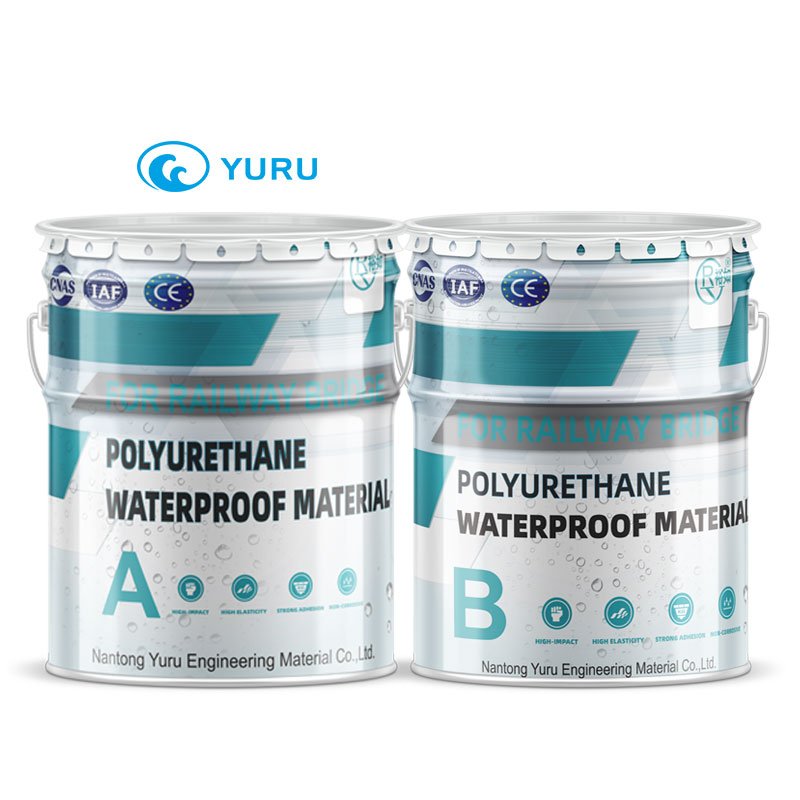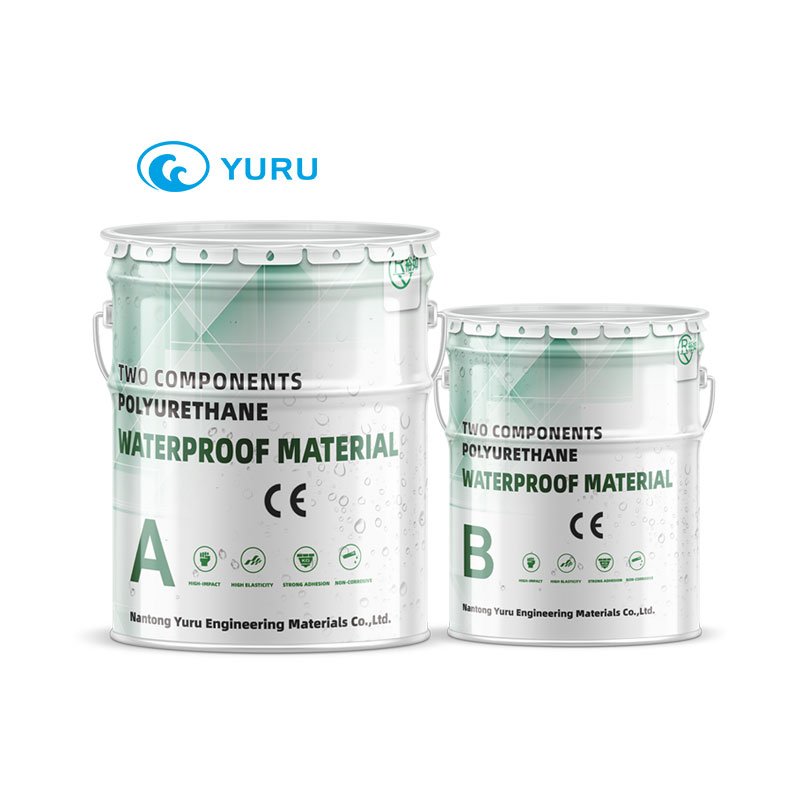
How Long Does Polyurea Waterproofing Last?
Introduction
When evaluating polyurea waterproofing materials, one question consistently stands out among contractors, engineers, and project owners: How long will it last?
This question is not only about material performance—it directly affects lifecycle cost, maintenance planning, and long-term structural safety.
Among modern waterproofing technologies, polyurea waterproofing is often associated with long service life and high durability. However, its actual lifespan depends on multiple technical and practical factors. This article provides a realistic, engineering-focused explanation of how long polyurea waterproofing lasts, what influences its durability, and how to maximize its performance over time.
Why the Service Life of Polyurea Waterproofing Matters?
Waterproofing is not a decorative layer—it is a structural protection system. When a waterproofing system fails prematurely, the consequences often include concrete deterioration, corrosion of reinforcement, interior damage, and expensive repairs.
Polyurea waterproofing is typically selected for projects with higher durability expectations, such as industrial facilities, infrastructure, and underground structures. For these projects, service life is closely linked to:
- Total cost of ownership
- Maintenance frequency
- Operational safety
- Long-term asset value
Understanding realistic lifespan expectations allows decision-makers to plan projects more responsibly and avoid over- or under-specification.
Typical Service Life of Polyurea Waterproofing Systems
Under proper design, material selection, and professional application, polyurea waterproofing systems commonly deliver a service life of 20–30 years or more. In controlled or protected environments, performance can extend even longer.
However, this is not a fixed number. The actual lifespan varies depending on:
- Exposure conditions
- Mechanical stress
- Installation quality
- Maintenance practices
Polyurea waterproofing should be viewed as a long-term protective system, not a “maintenance-free” solution.
Key Factors That Influence How Long Polyurea Waterproofing Lasts
1. Material System Selection
Not all polyurea systems are designed for the same purpose. Selecting a system that matches the project’s exposure and performance requirements is critical to achieving long service life.
2. Substrate Preparation
Surface preparation is one of the most influential factors. Poorly prepared substrates can lead to adhesion loss, regardless of material quality.
3. Application Method and Quality Control
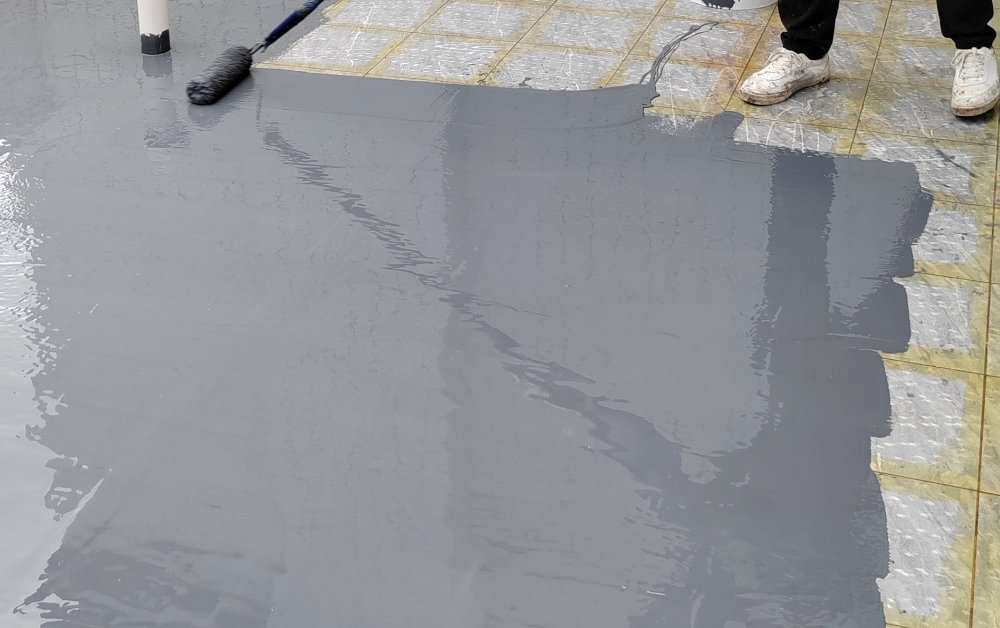
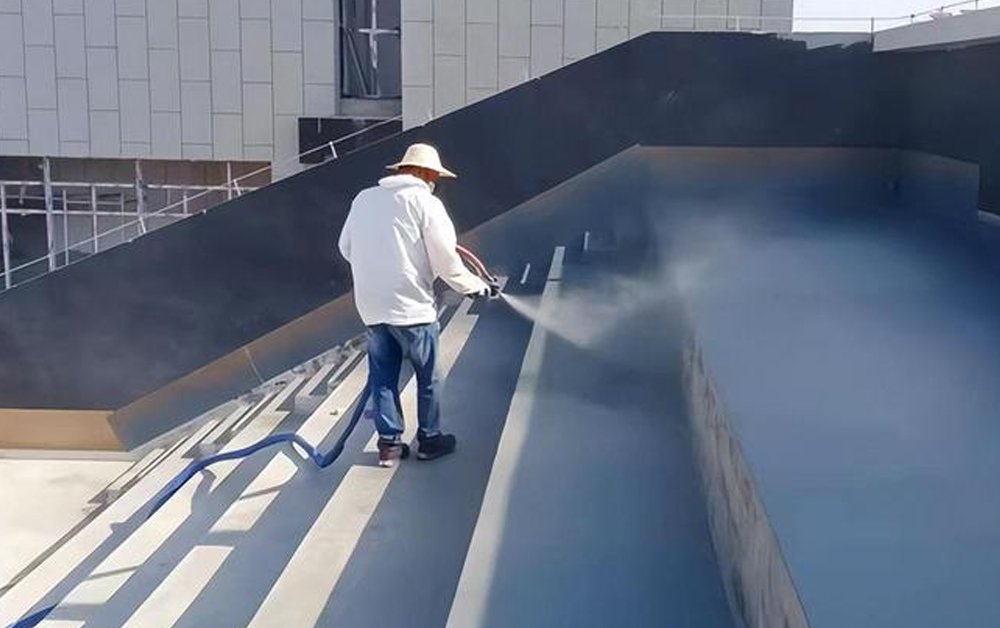
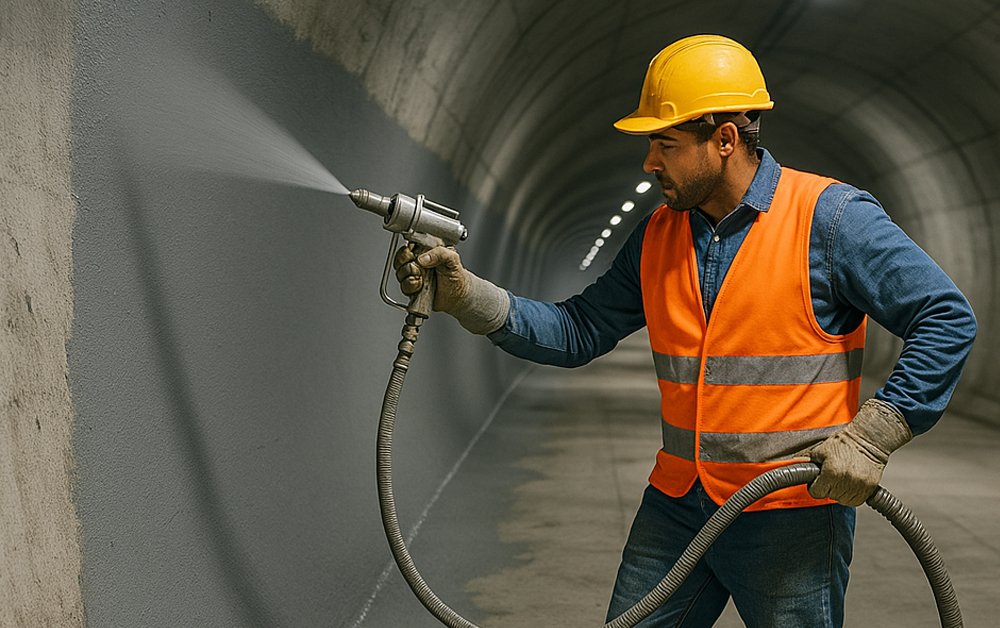
Polyurea waterproofing relies on correct mixing ratios, uniform thickness, and proper curing conditions. Skilled application directly correlates with long-term durability.
4. Environmental Exposure
UV radiation, temperature cycling, chemical exposure, and mechanical wear all affect how long a waterproofing system remains effective.
5. Structural Movement
Buildings and infrastructure naturally move. Polyurea’s elasticity helps accommodate movement, but extreme or continuous stress must be considered in system design.
Durability Differences Between Polyurea System Types
Polyurea waterproofing is not a single product but a family of systems. Each type offers different durability characteristics when used in appropriate applications.
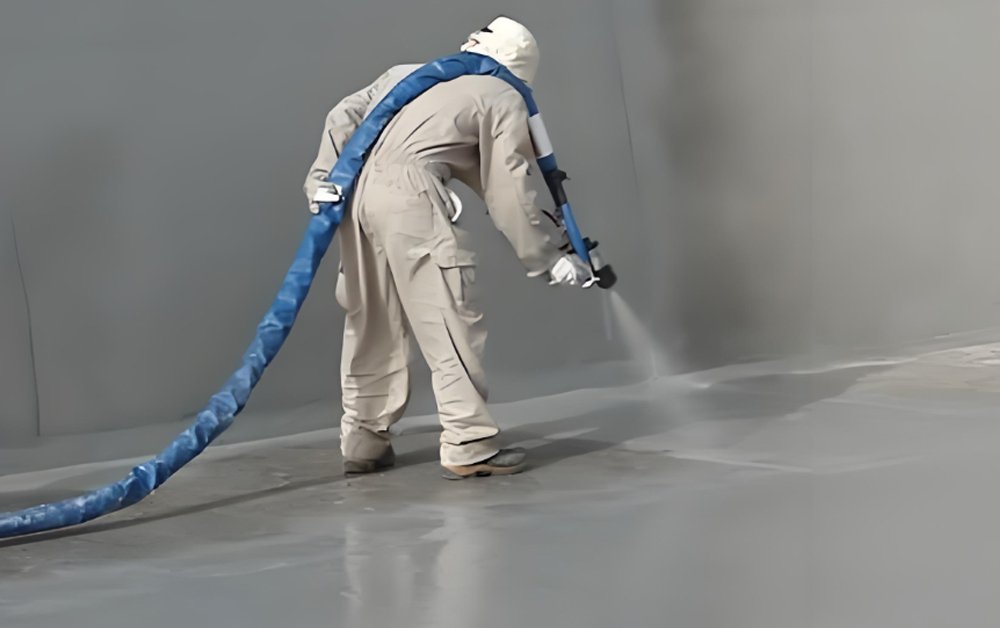
Rapid-Reaction Spray Polyurea
- Excellent crack-bridging ability
- High mechanical strength
- Suitable for demanding environments
- Long service life when professionally applied
Two-Component Polyurea Systems
- Balanced durability and workability.
- Good performance on complex structures.
- Suitable for a wide range of projects.
Single-Component Polyurea Coatings
- Practical for localized areas
- More dependent on environmental conditions
- Best used as part of a broader system
Polyurea Grouting and Leak-Sealing Materials
- Not designed as exposed surface layers.
- Long-lasting when properly injected.
- Critical for extending the life of surface waterproofing systems.
How Proper Installation Extends the Life of Polyurea Waterproofing?
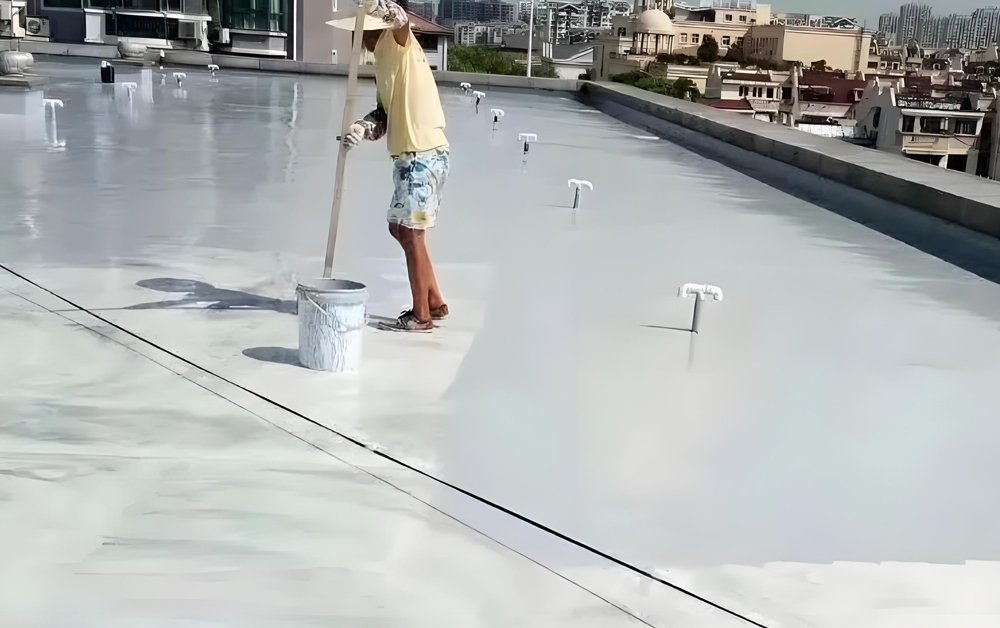
Installation quality often determines whether polyurea waterproofing reaches its expected lifespan.
Key practices include:
- Thorough mechanical surface preparation.
- Use of compatible primers where required.
- Controlled application thickness.
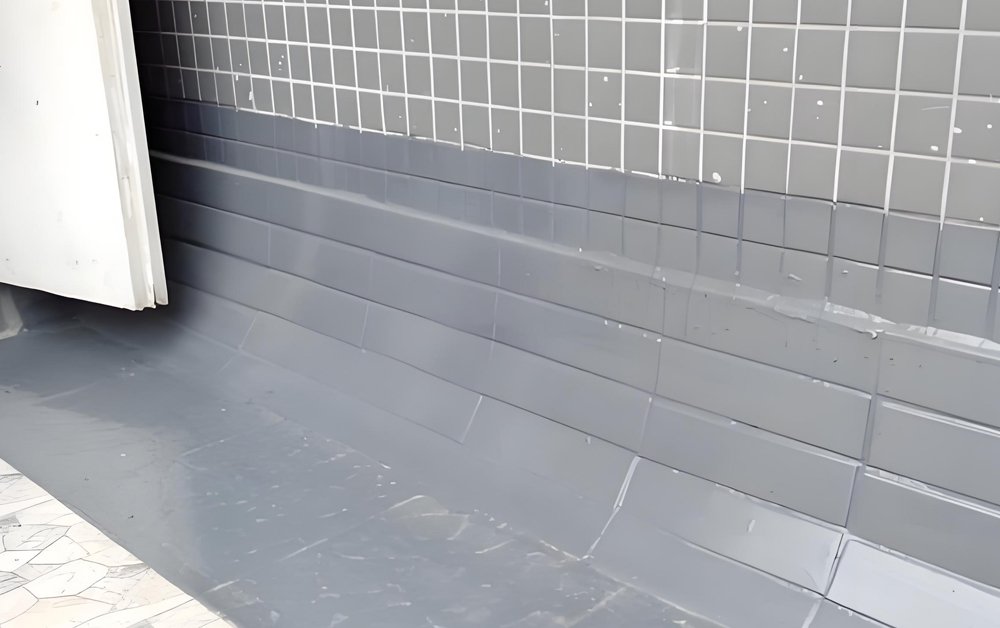
- Proper detailing at joints, penetrations, and transitions.
Professional installers treat polyurea waterproofing as a system, not just a coating.
Maintenance and Inspection: An Often Overlooked Factor
Even high-performance waterproofing systems benefit from periodic inspection. Routine checks help identify:
- Mechanical damage
- Surface wear
- Localized adhesion loss
Early intervention can significantly extend service life and prevent costly repairs. Polyurea waterproofing systems are generally easy to repair locally without removing the entire membrane.
Service Life Expectations by Application Type
| Application Area | Typical Service Life Expectation |
|---|---|
| Roofs (protected) | 20–30+ years |
| Basements & foundations | 25–30+ years |
| Parking structures | 20–25 years |
| Industrial facilities | 20–30 years |
| Infrastructure projects | Project-specific, often 30+ years |
Actual performance depends on system selection, exposure, and maintenance.

Why System-Based Design Delivers Longer Performance?
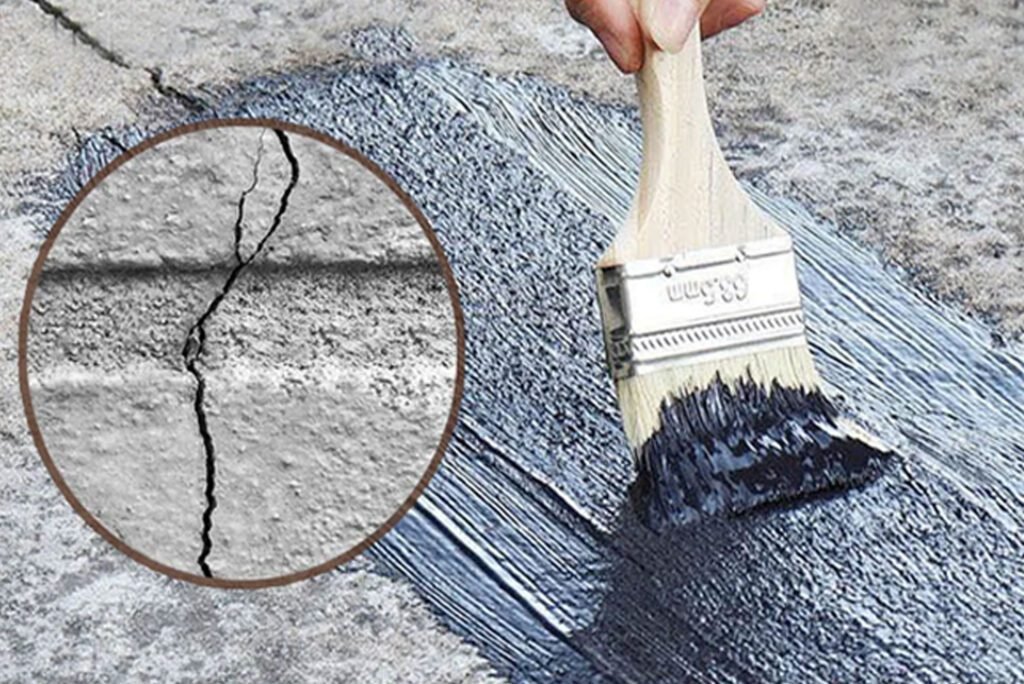
One reason polyurea waterproofing performs well over time is its compatibility with complementary systems such as primers, topcoats, and grouting materials. Addressing weak points—such as cracks and joints—early helps prevent water from undermining the membrane from below.
Projects that adopt a system-based waterproofing strategy consistently achieve longer service life than those relying on isolated products.
How YURU Helps Maximize the Service Life of Polyurea Waterproofing?
YURU Waterproof is a professional manufacturer specializing in polyurea waterproofing coatings, injection grouting materials, and floor coating systems. Rather than focusing on theoretical performance alone, YURU emphasizes real-world durability.
YURU supports long service life by:
- Offering multiple polyurea system types for different exposure conditions.
- Providing technical guidance on system selection.
- Supporting correct application practices.
- Supplying compatible grouting and repair solutions.
By helping contractors and project owners choose the right system from the start, YURU Waterproof contributes to more predictable and longer-lasting waterproofing performance.
FAQs
1. Can polyurea waterproofing last more than 30 years?
Yes, under proper conditions and maintenance, it can exceed 30 years.
2. Does UV exposure reduce polyurea lifespan?
UV exposure can affect appearance; UV-stable topcoats help protect long-term performance.
3. Is polyurea waterproofing maintenance-free?
It requires minimal maintenance but benefits from periodic inspection.
4. Can damaged polyurea waterproofing be repaired?
Yes, localized repairs are usually possible without full replacement.
5. Is polyurea waterproofing suitable for critical infrastructure?
Yes, it is widely used in infrastructure due to its durability and reliability.
Conclusion: How Long Does Polyurea Waterproofing Really Last?
Polyurea waterproofing is widely recognized for its long service life, but durability is never accidental. When the right system is selected, applied correctly, and maintained responsibly, polyurea waterproofing can protect structures for decades.
The key to longevity lies in:
- Correct material selection
- Professional installation
- System-based design
- Periodic inspection and maintenance
If you are planning a project where long-term waterproofing performance is critical, YURU Waterproof can help you evaluate service life expectations and select a solution tailored to your specific conditions.
Contact YURU Waterproof today for technical consultation, product documentation, or project-specific recommendations.
YURU Product solutions