Polyurea Technical Comparison Guide | YURU Waterproof
Polyurea waterproofing has become one of the most discussed technologies in modern construction. Its reputation for fast curing, high elasticity, and long-term durability makes it attractive for a wide range of projects. However, as the market has evolved, “polyurea” is no longer a single, uniform material, but a family of systems with very different technical characteristics.
This guide provides a clear, engineering-oriented technical comparison of polyurea waterproofing systems, helping decision-makers understand what truly differentiates each type and how to select the right solution for specific construction conditions.
Why a Technical Comparison of Polyurea Systems Is Necessary
In many projects, polyurea is specified based on name recognition rather than technical understanding. This often leads to mismatched expectations, application challenges, or performance issues over time.
Contractors, engineers, and buyers face several common problems:
- Different products marketed under the same “polyurea” label.
- Confusion between spray systems, hand-applied systems, and grouting materials.
- Unclear links between chemistry, curing speed, and application suitability.
A technical comparison is essential because performance outcomes are determined by system selection, not marketing terminology. Understanding the differences reduces risk and improves long-term project reliability.
Main Polyurea Waterproofing Technology Systems
From a technical perspective, polyurea waterproofing systems can be divided into four main categories, each designed to address different construction challenges:
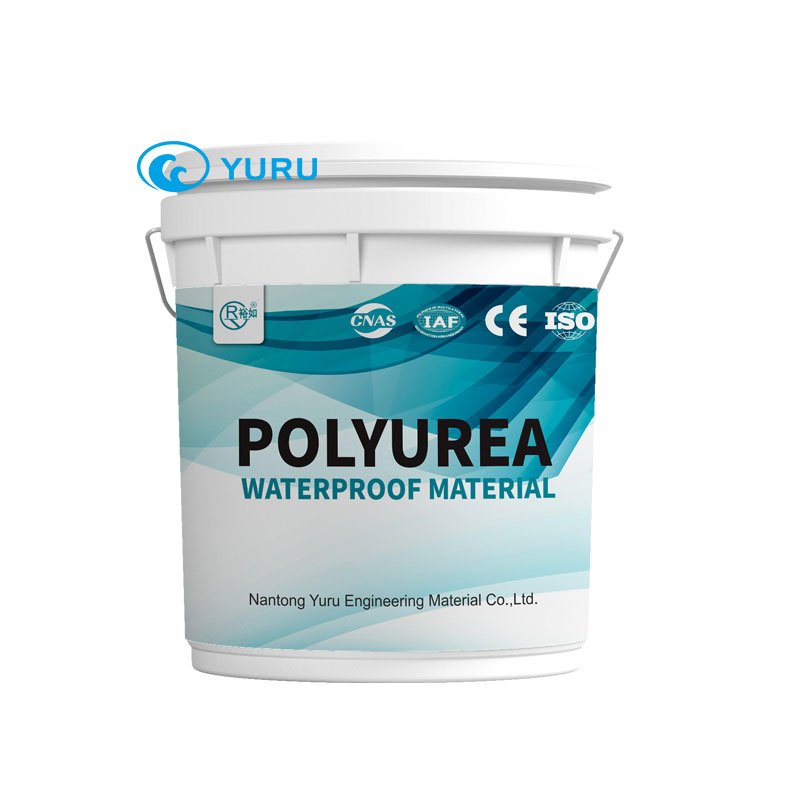
- Fast-reacting spray-applied polyurea systems
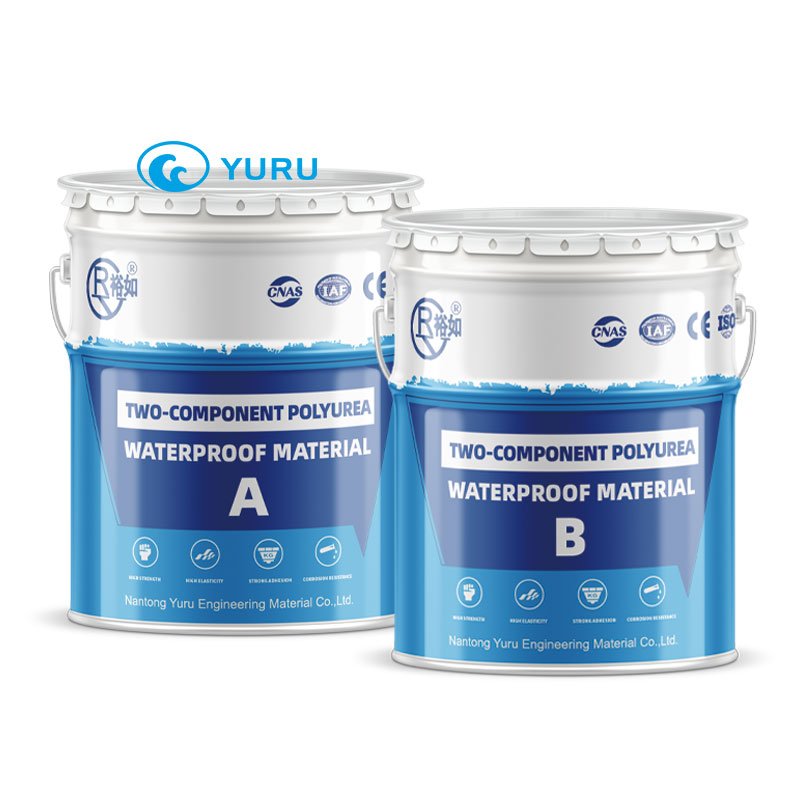
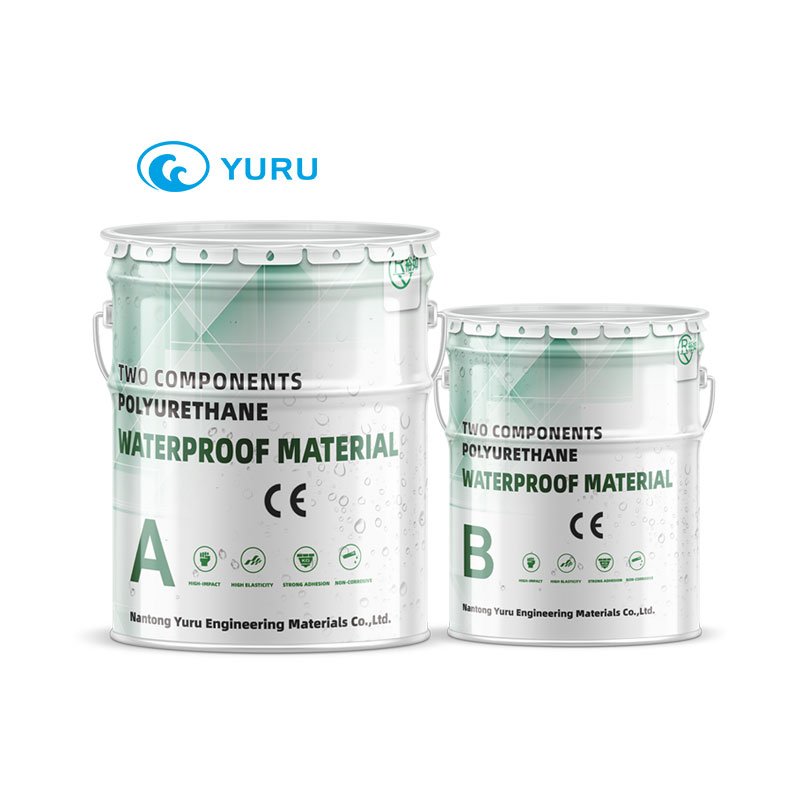
- Two-component polyurea systems
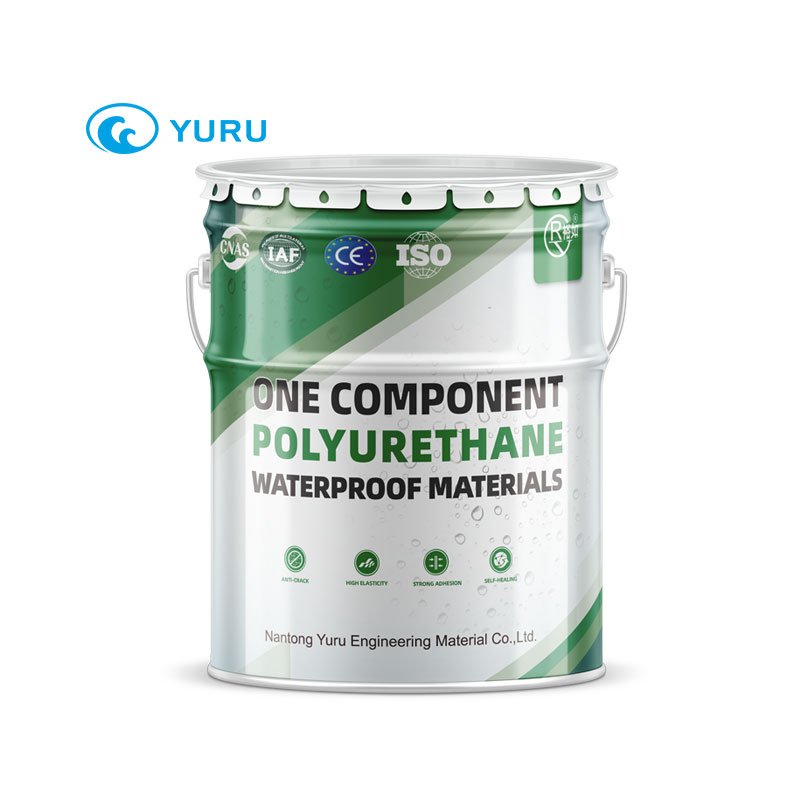
- Single-component polyurea coatings
- Polyurea grouting and sealing materials
While these systems share some common polymer characteristics, they differ significantly in their reaction mechanisms, application methods, and engineering applications.
Core Chemical Structure Differences Between Polyurea Systems
Rapid-Reaction Spray Polyurea
Spray polyurea systems are based on isocyanate prepolymers reacted with amine-terminated and hydroxyl-terminated resins. The reaction is extremely fast and does not rely on moisture or ambient conditions.
This chemistry produces:
- Very high cross-link density
- Excellent tensile strength and elongation
- Immediate gel time after mixing
Because of the rapid reaction, precise proportioning and professional spray equipment are mandatory.
Two-Component Polyurea Coatings
Two-component systems include both polyaspartic-based formulations and conventional two-component polyurea coatings. These systems use controlled reaction chemistry that allows longer working time.
Chemically, they balance:
- Amine or secondary amine reactions
- Adjustable curing speed
- Improved application flexibility
This makes them suitable for a wider range of jobsite conditions compared to pure spray polyurea.
Single-Component Polyurea Coatings
Single-component polyurea coatings rely on moisture-curing mechanisms. The reaction occurs gradually as the material is exposed to ambient humidity.
From a chemical standpoint:
- Reaction speed is slower
- Film formation is progressive
- Performance is more sensitive to environment
These systems trade curing speed for simplicity.
Polyurea Grouting Materials
Polyurea grouting systems are chemically designed for rapid expansion and fast solidification inside cracks or voids. They are not surface coatings but internal waterproofing solutions.
Their chemistry focuses on:
- Controlled expansion
- Rapid water reaction
- Structural sealing capability


Applications of Polyurea Coatings in Construction Projects
One of the most practical differences between polyurea systems lies in how they are applied on site.
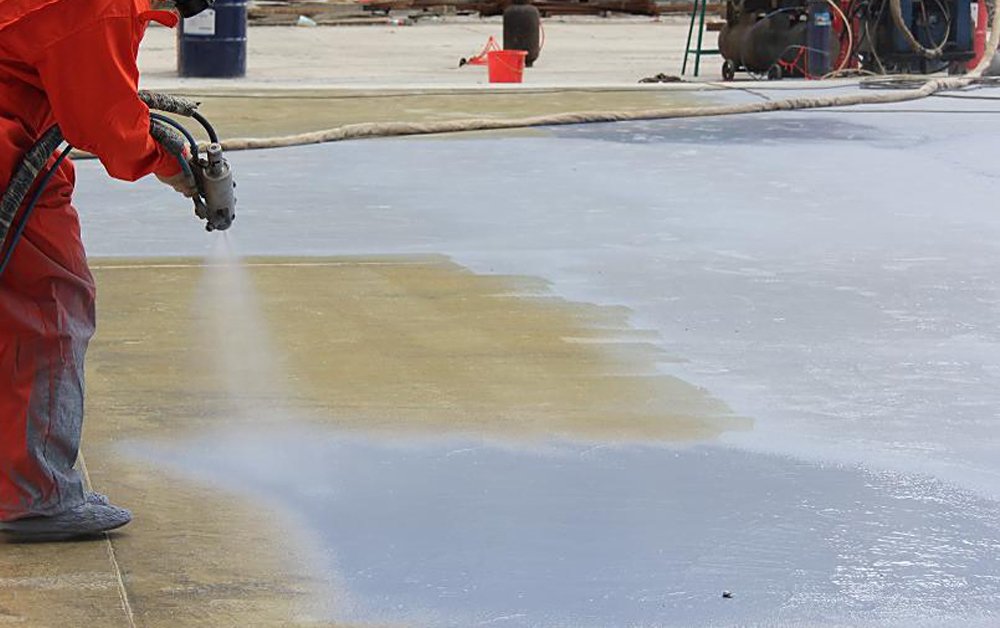
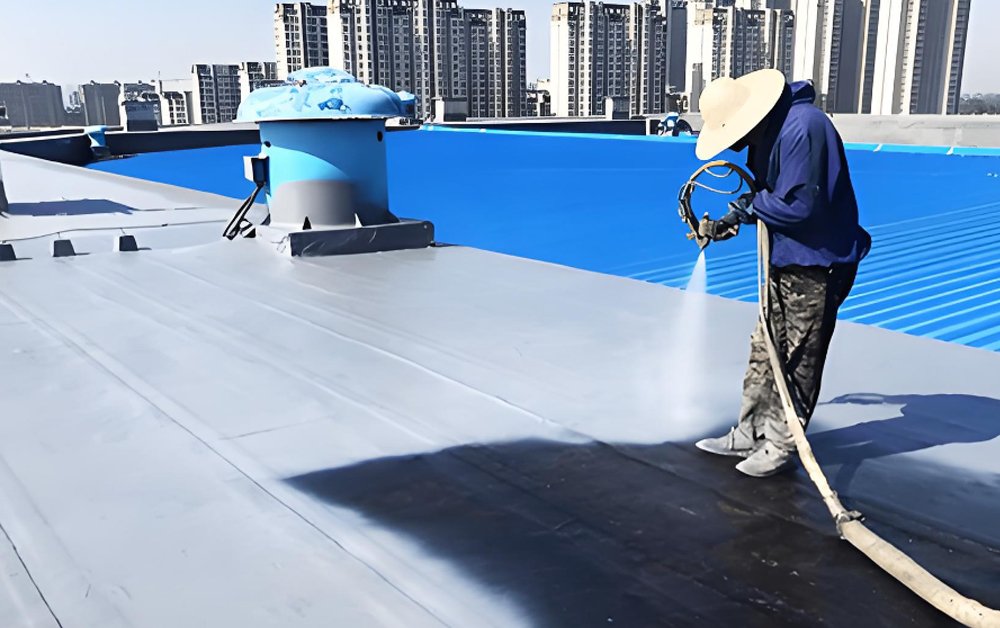
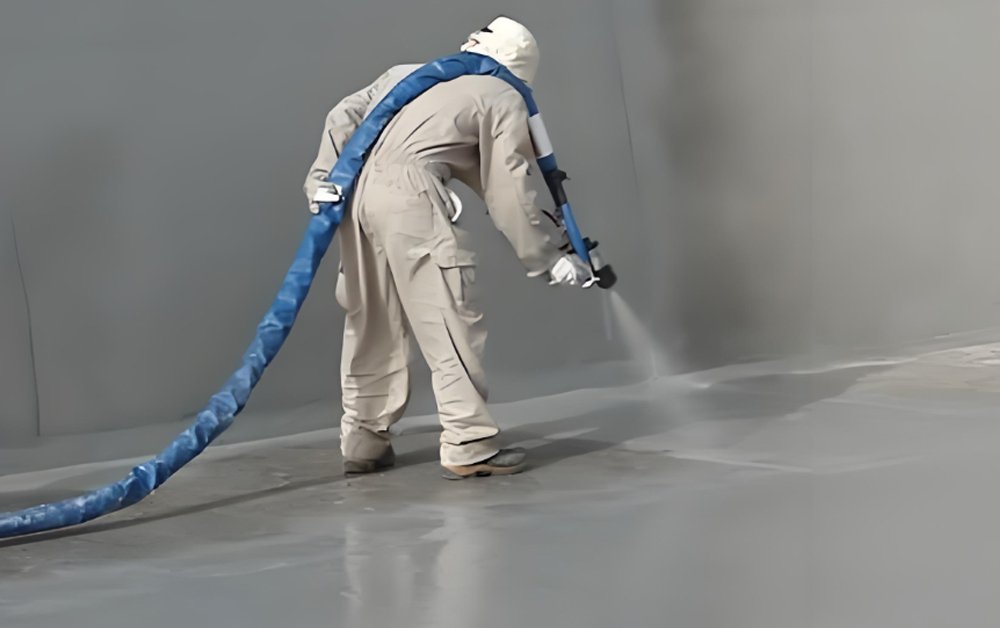
Spray Polyurea Application
- Requires high-temperature, high-pressure plural-component spray machines.
- Demands trained operators.
- Delivers seamless membranes over large areas.
This method prioritizes speed and uniformity but has higher equipment and labor thresholds.
Two-Component Application
- Can be sprayed, rolled, or squeegeed.
- Requires basic mixing and proportion control.
- Adapts well to complex geometries.
This flexibility makes two-component systems popular in commercial and architectural projects.
Single-Component Application
- Applied by brush or roller
- No mixing equipment required
- Ideal for confined or small areas
Ease of use is the main advantage, particularly for repairs and renovations.
Grouting Injection
- Requires high-pressure injection pumps.
- Applied internally through cracks or joints.
- Complements surface waterproofing systems.
Curing Speed and Its Impact on Construction Planning
Curing speed affects not only productivity but also risk management and quality control.
| System Type | Typical Cure Speed | Practical Impact |
|---|---|---|
| Spray polyurea | Seconds | Immediate return to service |
| Two-component | Minutes to hours | Balanced workability |
| Single-component | Hours to days | Extended curing window |
| Grouting material | Rapid expansion | Immediate leak control |
Fast curing is not always better. Projects with complex detailing often benefit from moderate curing speed to ensure proper workmanship.
Common Construction Scenarios
Large Infrastructure and Heavy-Duty Projects
Spray polyurea systems are best suited for bridges, tunnels, and foundations where seamless protection and mechanical strength are critical.
Commercial and Roofing Applications
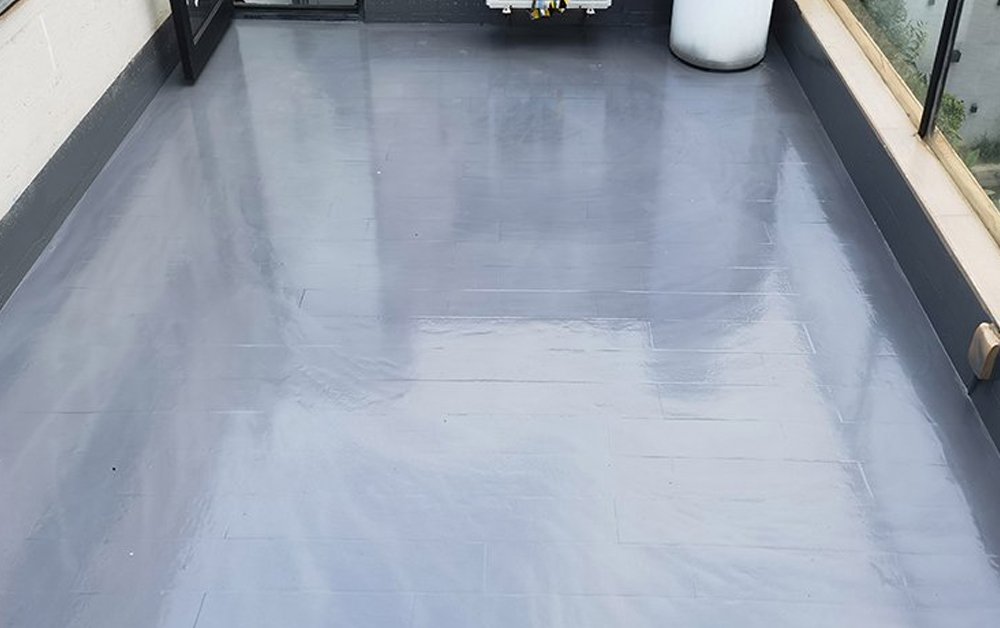
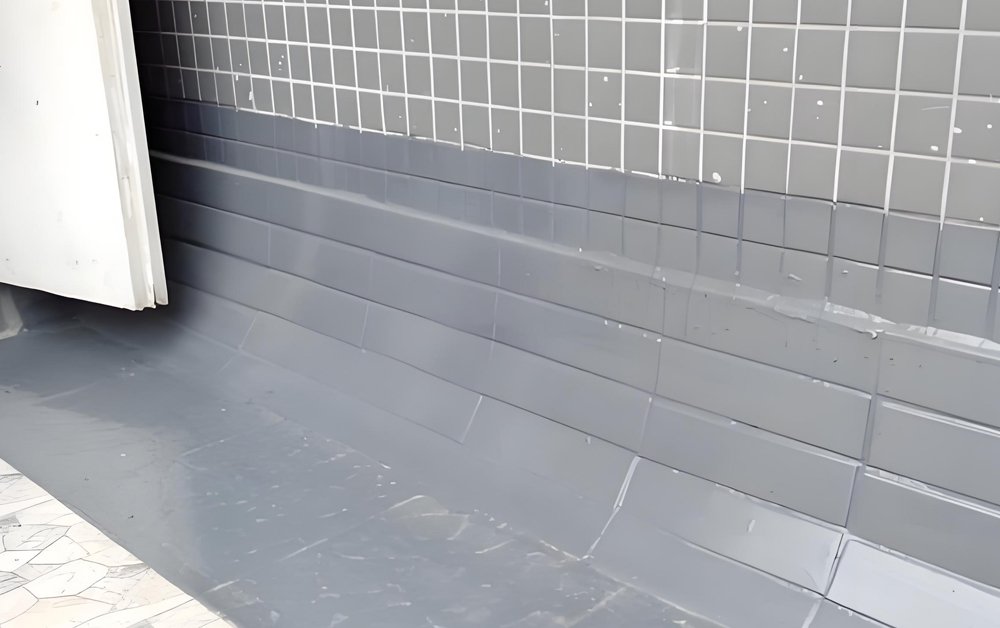
Two-component polyurea systems offer excellent adaptability for roofs, exterior walls, and commercial flooring where precision and finish quality matter.
Maintenance and Renovation
Single-component polyurea coatings are practical for localized waterproofing tasks without complex equipment.
Active Leakage and Structural Cracks
Polyurea grouting materials are essential for stopping water ingress from within the structure.
YURU Waterproof: A System-Based Polyurea Approach
YURU Waterproof specializes in manufacturing a complete range of polyurea waterproofing systems, including:
- Rapid-reaction spray polyurea coatings
- Two-component polyurea systems (including polyaspartic technology)
- Single-component polyurea coatings
- Professional polyurea grouting and leak-sealing materials
Instead of offering a single solution, YURU focuses on technical matching—helping contractors and engineers select the most appropriate system based on real project conditions.
This system-based philosophy reduces application risk and improves long-term waterproofing performance.
Conclusion: Making the Right Technical Choice
Polyurea waterproofing is a powerful technology, but its success depends on understanding technical differences, not just product names. Each polyurea system has a defined role, shaped by chemistry, curing behavior, and application method.
By comparing systems objectively and selecting them according to engineering requirements, project teams can achieve reliable, long-lasting waterproofing results.
If you are evaluating polyurea solutions for an upcoming project, YURU Waterproof can provide technical guidance, product documentation, and system recommendations tailored to your application.
Contact YURU Waterproof to discuss your project requirements and technical options.

YURU Product solutions