Choosing the Best Polyurea Rubber Grouting Supplier: 2026 Buying Guide
Introduction: Why Polyurea Rubber Grouting Is Becoming a Strategic Material in 2026?
Water leakage has always been one of the most expensive and persistent problems in construction and infrastructure maintenance. Conventional polyurethane (PU) grouting and cementitious injection systems, while still widely used, are no longer sufficient for projects that demand long-term elasticity, chemical stability, and resistance to structural movement. This is where polyurea rubber grouting materials have rapidly gained global attention.
Yet as demand increases, so does market confusion. New suppliers appear every year, specifications vary widely, and not all products labeled “polyurea rubber” deliver the same performance. Choosing the wrong supplier can lead to premature failure, repeated repairs, and costly disputes.
This 2026 buying guide is written specifically for contractors, infrastructure owners, municipal engineers, and distributors who want to make informed sourcing decisions. It explains not only how polyurea rubber grouting works, but also how to evaluate suppliers, assess material quality, and reduce long-term project risk.

1. Why Choosing the Right Polyurea Rubber Grouting Supplier Matters More Than Ever?
Rising Performance Expectations in Modern Projects
In the past, stopping active leakage was often considered “good enough.” Today, projects demand more:
- Crack movement tolerance over years, not months.
- Resistance to hydrostatic pressure under dynamic conditions.
- Compatibility with aging concrete and steel reinforcement.
- Minimal performance degradation over time.
Polyurea rubber grouting is increasingly specified for tunnels, basements, subways, dams, and underground utilities because it can stretch, rebound, and remain bonded even when structures move.
However, not all polyurea rubber formulations are equal. Supplier selection directly determines whether the material performs as expected—or fails prematurely.
The Cost of Choosing the Wrong Supplier
A low-cost supplier may save money upfront, but hidden risks often include:
- Inconsistent elasticity between batches.
- Poor adhesion after curing.
- Brittleness after long-term water exposure.
- Limited or no technical support during application.
In 2026, experienced buyers understand that material sourcing is part of risk management, not just procurement.
2. Understanding Polyurea Rubber Grouting: What Makes It Different?
Before evaluating suppliers, it’s essential to understand what defines a high-quality polyurea rubber grouting material.
Key Performance Characteristics
A professional-grade polyurea rubber grouting product should demonstrate:
- High elongation to accommodate crack movement.
- Elastic recovery after deformation.
- Strong adhesion to damp or wet substrates.
- Chemical stability in alkaline and groundwater environments.
- Long-term flexibility, even after aging.
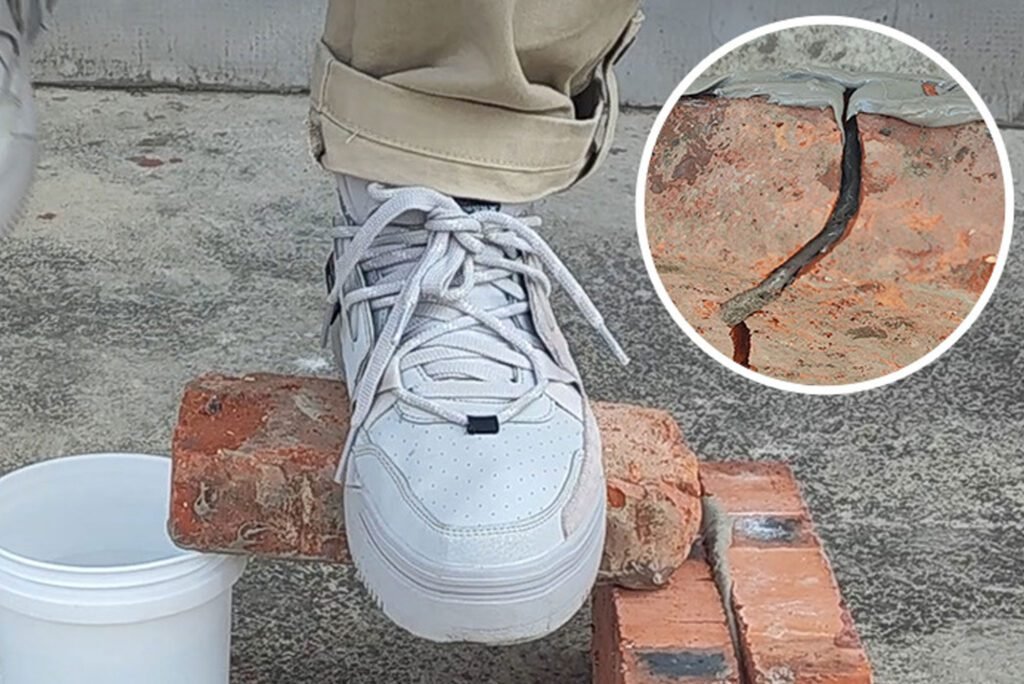
Unlike rigid grouts, polyurea rubber acts as a flexible sealing membrane inside cracks, not just a filler.
Polyurea Rubber vs Traditional PU Grouting
While PU grouting expands to block water flow, polyurea rubber grouting goes further:
- PU foam may shrink or degrade over time.
- Polyurea rubber maintains elasticity and sealing integrity.
- Polyurea rubber is better suited for recurring movement.
For projects requiring durability beyond short-term repair, polyurea rubber is increasingly specified by engineers.


3. Manufacturer or Trader? Why Supplier Identity Defines Reliability
One of the most overlooked factors in sourcing is whether the supplier is a true manufacturer or a trading company.
Why Manufacturing Capability Matters?
Polyurea rubber grouting is formulation-sensitive. Minor variations in raw materials or processing conditions can drastically affect:
- Cure behavior
- Elastic modulus
- Adhesion strength
- Water resistance
Only manufacturers with in-house production, laboratories, and formulation control can ensure consistency.
Traders often rely on third-party factories, which limits their ability to:
- Adjust formulations for specific project needs.
- Guarantee batch-to-batch stability.
- Provide technical accountability.
How to Identify a Real Manufacturer?
Professional buyers should look for suppliers that can demonstrate:
- Dedicated production facilities
- On-site quality control labs
- Direct access to technical engineers
- Transparent production capacity
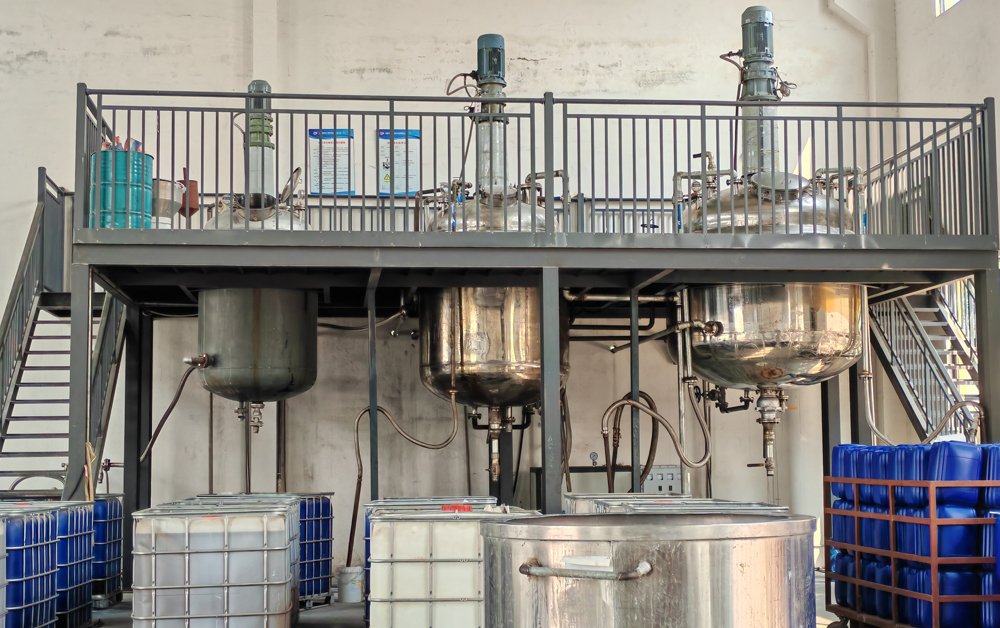
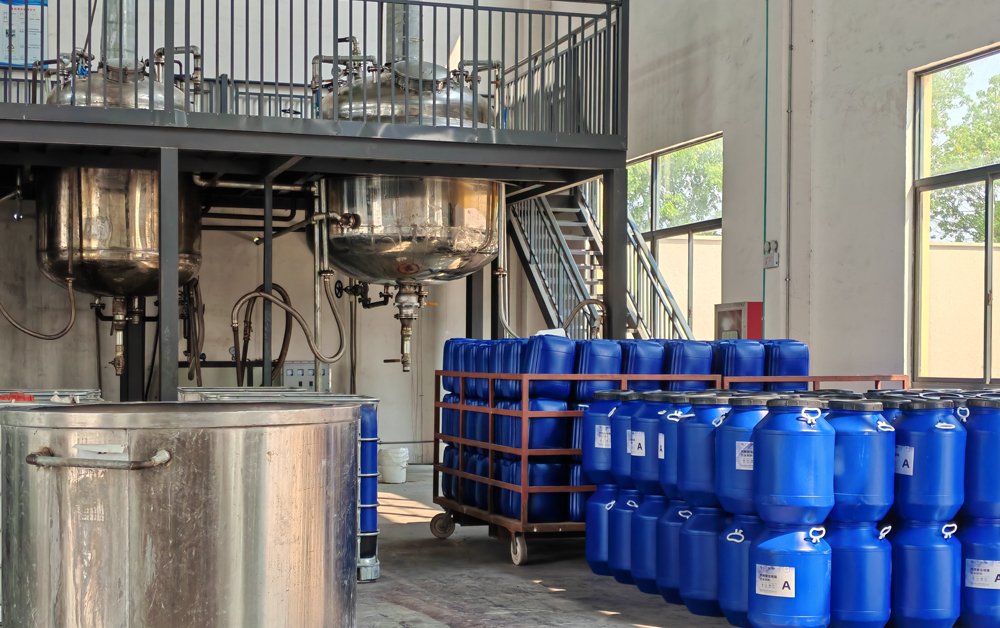
YURU Waterproof operates as a direct manufacturer, enabling tighter quality control and faster technical response compared to trading intermediaries.
4. Material Performance Indicators Buyers Should Evaluate
Marketing claims alone are not enough. In 2026, buyers increasingly rely on measurable performance indicators.
Elasticity and Recovery
High-quality polyurea rubber grouting materials exhibit:
- High elongation without rupture
- Fast elastic recovery after deformation
- Minimal permanent deformation under stress
This ensures long-term sealing even when cracks expand or contract.
Adhesion Under Wet Conditions
Leak repair rarely occurs on dry substrates. Reliable materials must maintain adhesion on:
- Damp concrete
- Actively leaking cracks
- High-humidity environments
Suppliers should provide test data demonstrating adhesion performance under realistic site conditions.
Durability and Aging Resistance
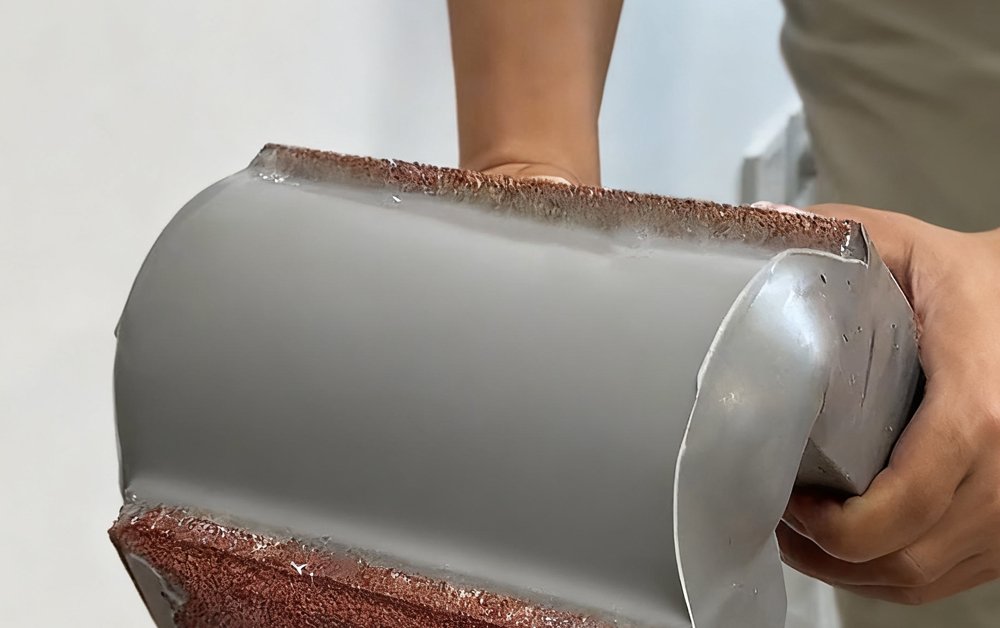
A critical question to ask suppliers is how the material performs after years of exposure. Accelerated aging tests and long-term water immersion data provide valuable insight.

5. Application Compatibility: Reducing On-Site Risk
Even the best material can fail if it’s difficult to apply or incompatible with standard equipment.
Equipment Compatibility
A professional polyurea rubber grouting supplier should ensure their product works with:
- Standard injection pumps
- Common packer systems
- Typical pressure ranges used on-site
Materials that require specialized equipment increase project complexity and risk.
Technical Support During Application
One key differentiator between suppliers is technical support availability. On complex projects, conditions can change quickly. Suppliers who provide real-time guidance help contractors avoid costly mistakes.
YURU Waterproof supports clients with application recommendations based on:
- Crack width and depth
- Water pressure conditions
- Substrate characteristics
6. Quality Control and Supply Stability in 2026
Why Quality Consistency Is a Long-Term Concern?
For infrastructure maintenance programs, repeat orders are common. Inconsistent material performance between batches can undermine repair strategies.
Reliable suppliers implement:
- Raw material traceability
- Batch testing protocols
- Retention samples for future reference
- Supply Stability During Peak Seasons
Demand for grouting materials often spikes during rainy seasons or infrastructure renewal cycles. Suppliers without adequate capacity may delay deliveries or compromise quality.
As a manufacturer, YURU Waterproof maintains stable production planning to support long-term supply agreements.
7. Compliance, Logistics, and Export Readiness
Documentation and Regulatory Compliance
International buyers must ensure suppliers can provide:
- MSDS documentation
- Export-compliant packaging
- Clear labeling and transport information
Failure in compliance can result in customs delays or rejected shipments.
Packaging and Transportation Safety
Proper packaging protects material integrity during long-distance shipping. This includes:
- Reinforced containers
- Leak-resistant sealing
- Palletized loading for stability
Experienced exporters understand how to minimize transport risk.
8. Why Global Buyers Choose YURU Waterproof?
A Manufacturer Focused on Engineering Solutions
YURU Waterproof is not just a material supplier. The company positions itself as a technical partner, supporting projects from specification to application.
Key strengths include:
- Dedicated polyurea rubber grouting production.
- Engineering-driven formulation development.
- Stable supply for international projects.
- Responsive technical support.
- Built for Long-Term Cooperation.
Many clients work with YURU across multiple projects and regions, benefiting from consistent quality and reliable service.
FAQs – Polyurea Rubber Grouting Supplier Selection
1. What is polyurea rubber grouting mainly used for?
Polyurea rubber grouting is used for sealing dynamic cracks, active water leaks, and joints in concrete structures such as tunnels, basements, and underground facilities.
2. How is polyurea rubber different from PU foam grouting?
Polyurea rubber focuses on long-term elasticity and recovery, while PU foam primarily blocks water through expansion and may degrade over time.
3. What should I check when evaluating a supplier?
Look for manufacturing capability, quality control systems, technical support, and export experience.
4. Does YURU Waterproof support OEM or project-specific formulations?
Yes. YURU offers technical customization based on project requirements and regional conditions.
5. Can polyurea rubber grouting be applied on wet substrates?
Professional-grade products are designed to bond effectively to damp or wet concrete surfaces.
Conclusion: Making the Right Choice in 2026
Choosing the best polyurea rubber grouting supplier in 2026 requires more than comparing prices. It requires understanding material science, supplier capability, and long-term project risk.
By focusing on performance data, manufacturing credibility, application support, and supply stability, buyers can make decisions that protect both their projects and reputations.
If you are planning leak repair or structural waterproofing projects that demand durability, elasticity, and reliability, working with an experienced manufacturer makes all the difference.
YURU Waterproof welcomes professional buyers to explore tailored solutions and long-term cooperation.
Contact YURU Waterproof today to request technical data sheets, samples, or project consultation.
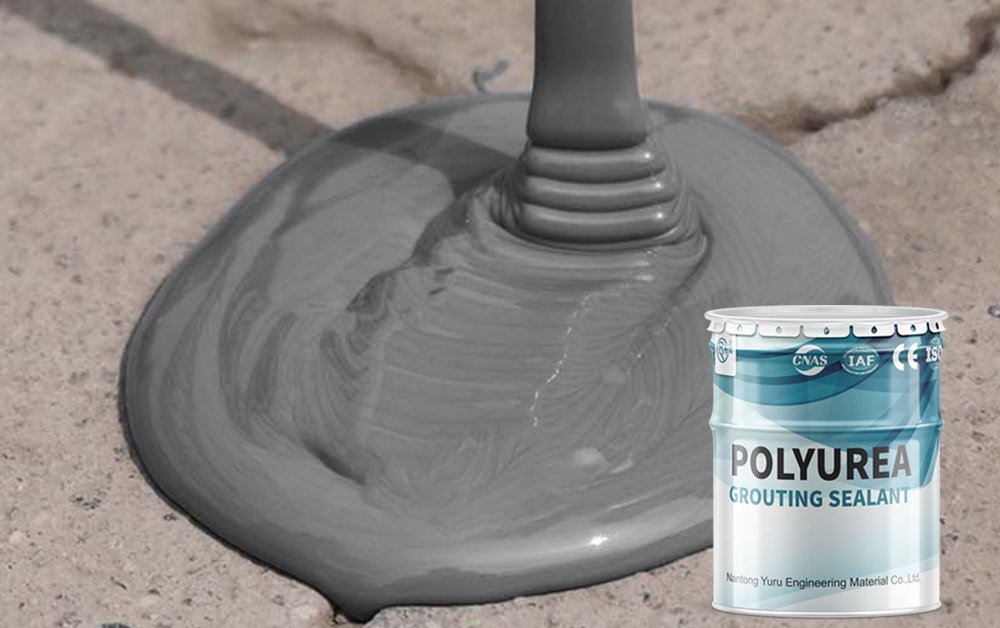

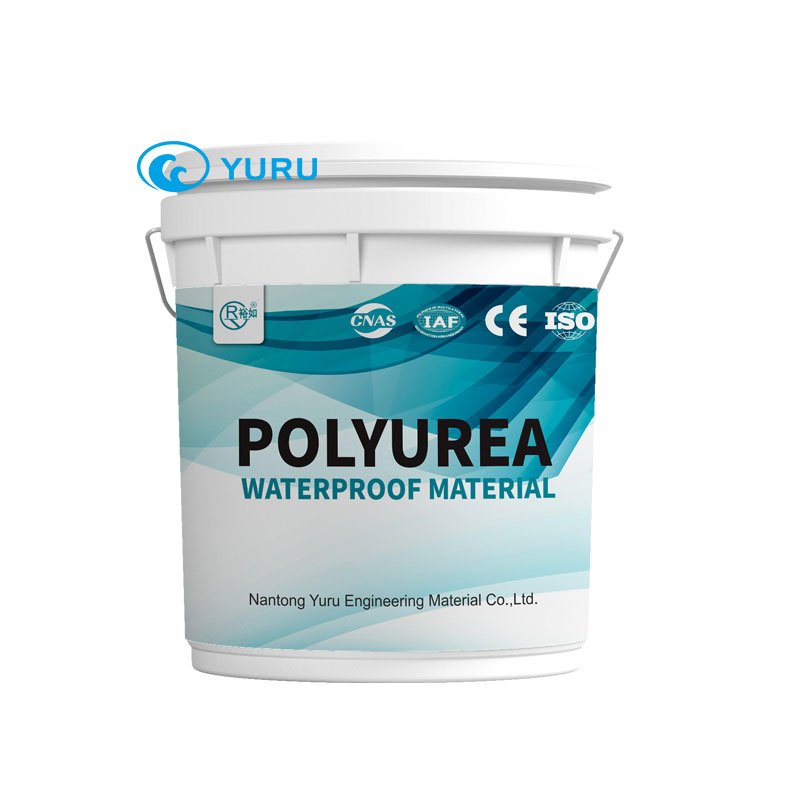
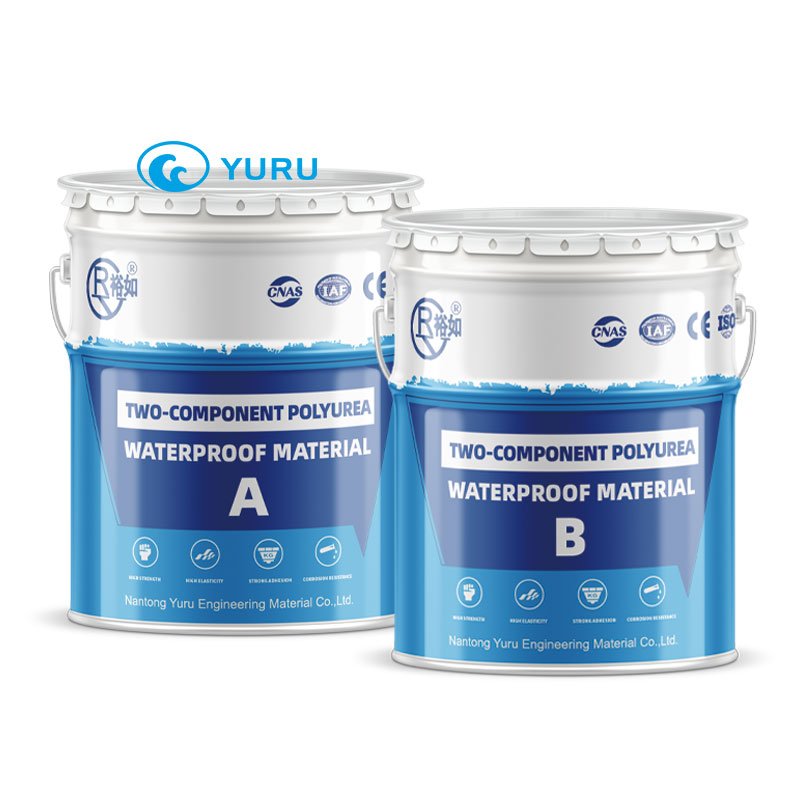
YURU Product solutions