7 Best Roof Waterproofing Coatings | 2026
Introduction: Why Roof Waterproofing Decisions are Crucial in 2026?
In 2026, roof waterproofing has entered a new era. Global building standards are rapidly evolving. At the same time, building owners expect longer service life and lower maintenance costs.
Therefore, choosing the right roof waterproofing coating is no longer a routine procurement task. It’s a strategic decision that directly impacts life cycle costs, sustainability compliance, and asset value.
This guide will introduce seven of the best roof waterproofing coatings for 2026, explain their performance under modern conditions, and help professional buyers select the most suitable system based on their specific project needs.
2026 Roof Waterproofing Trends: Where Weather Resistance Meets Energy Efficiency
The most significant roof waterproofing trend in 2026 is the integration of durability and energy performance.
High Solar Reflectance Index (SRI)
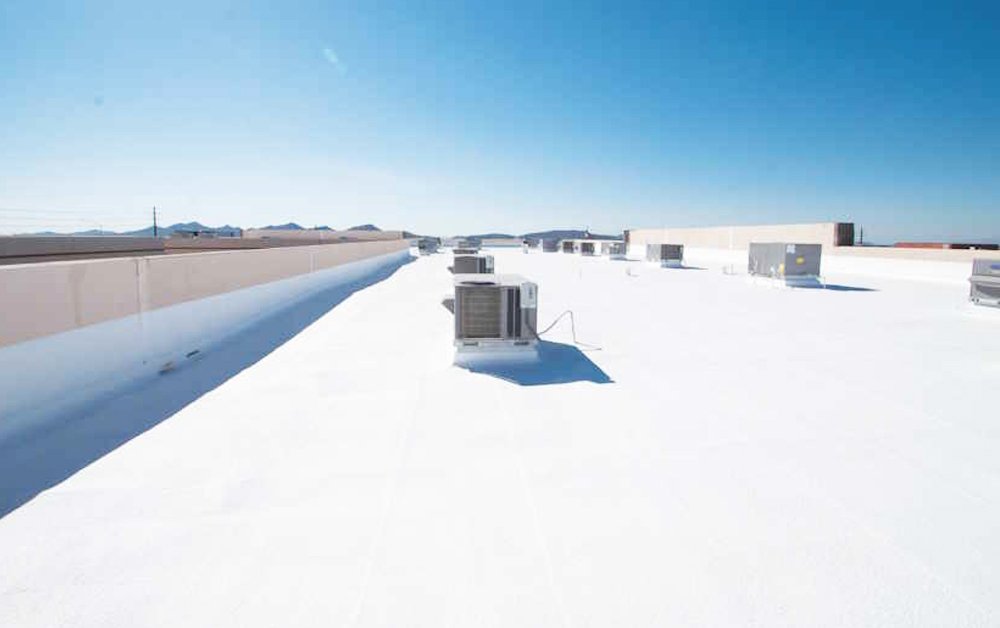
Governments and green building standards increasingly require roofing materials with high Solar Reflectance Index (SRI). A higher SRI value means the roof reflects more solar radiation, reducing surface temperature and cooling energy demand.
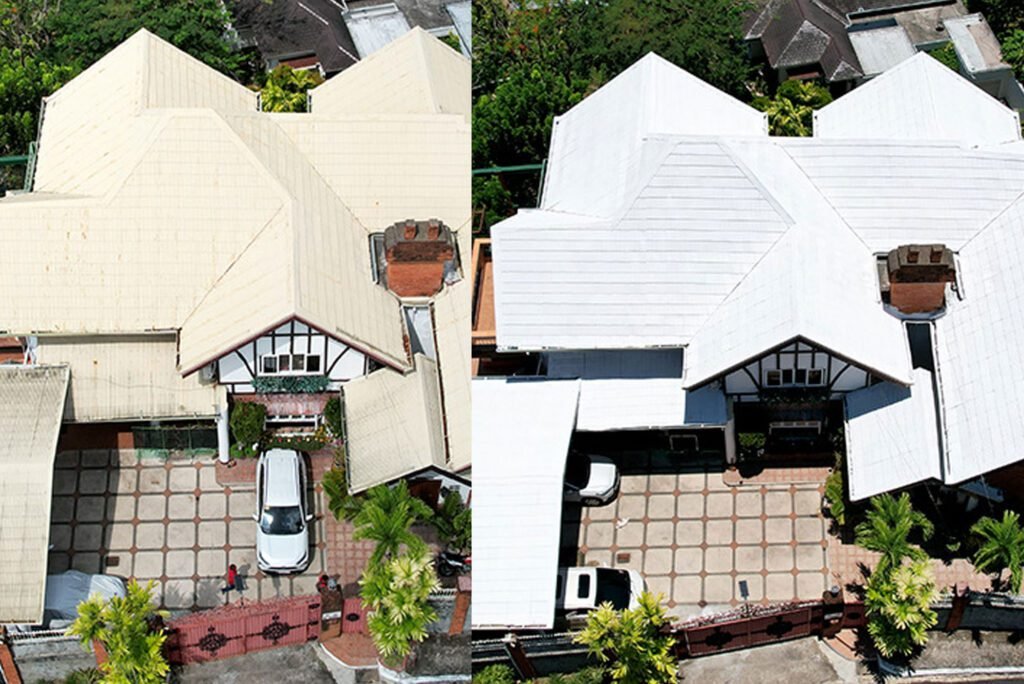
Reflective roof coatings can lower roof surface temperatures by 20–40°C during peak summer conditions.
Resistance to Extreme Heatwaves
Modern waterproof coatings must maintain chemical stability under prolonged exposure to temperatures exceeding 70°C on roof surfaces. Poor formulations soften, crack, or degrade rapidly under such conditions.
Long-Term UV Stability
UV degradation remains one of the leading causes of roof waterproofing failure. In 2026, UV resistance is no longer optional—it is a baseline requirement for exposed roof systems.
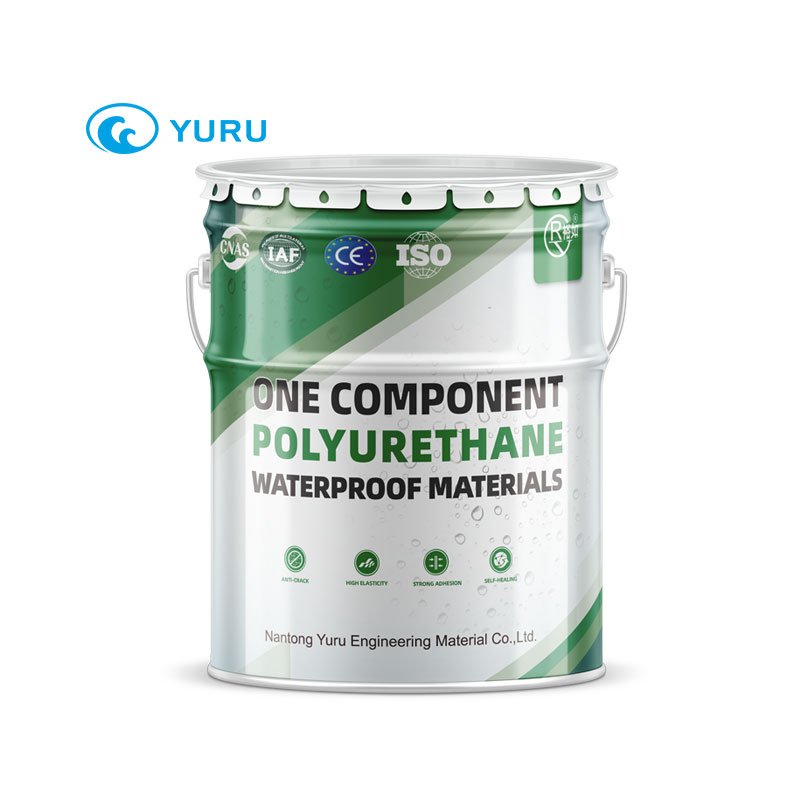
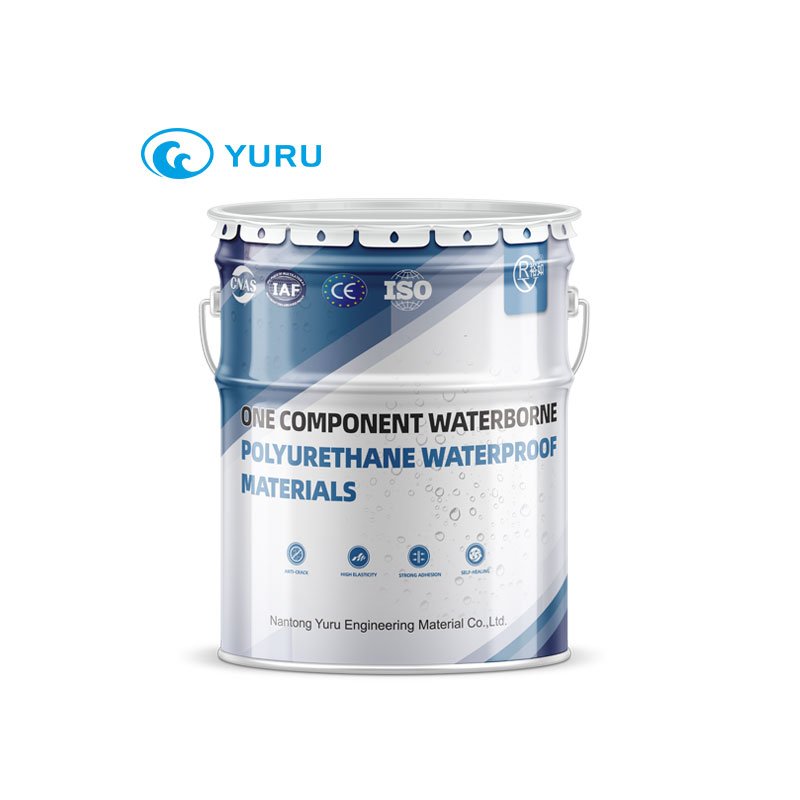
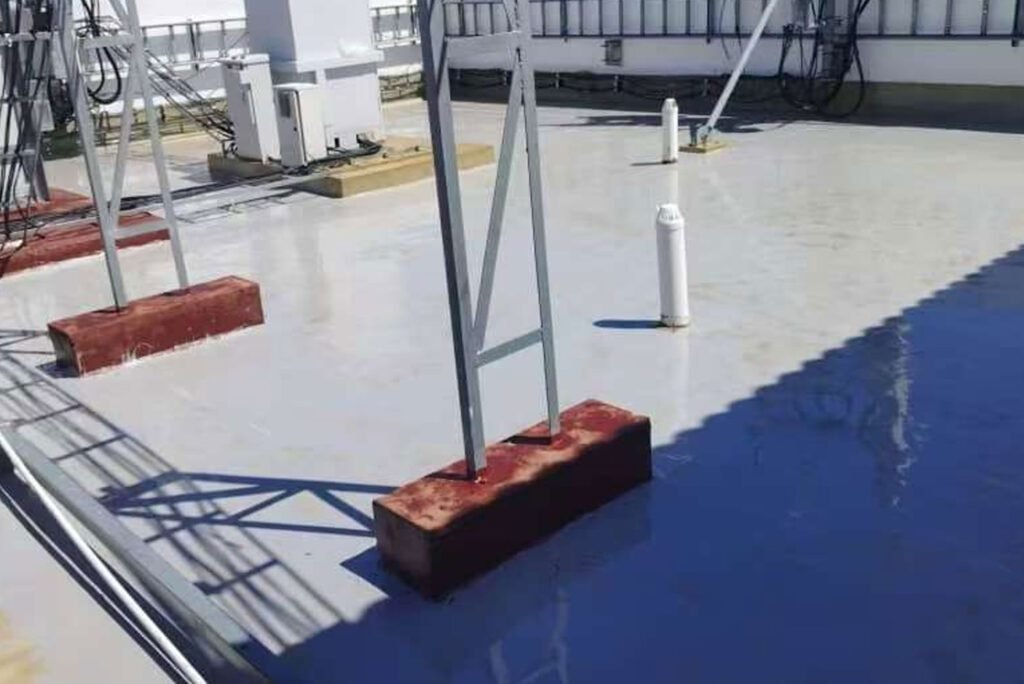
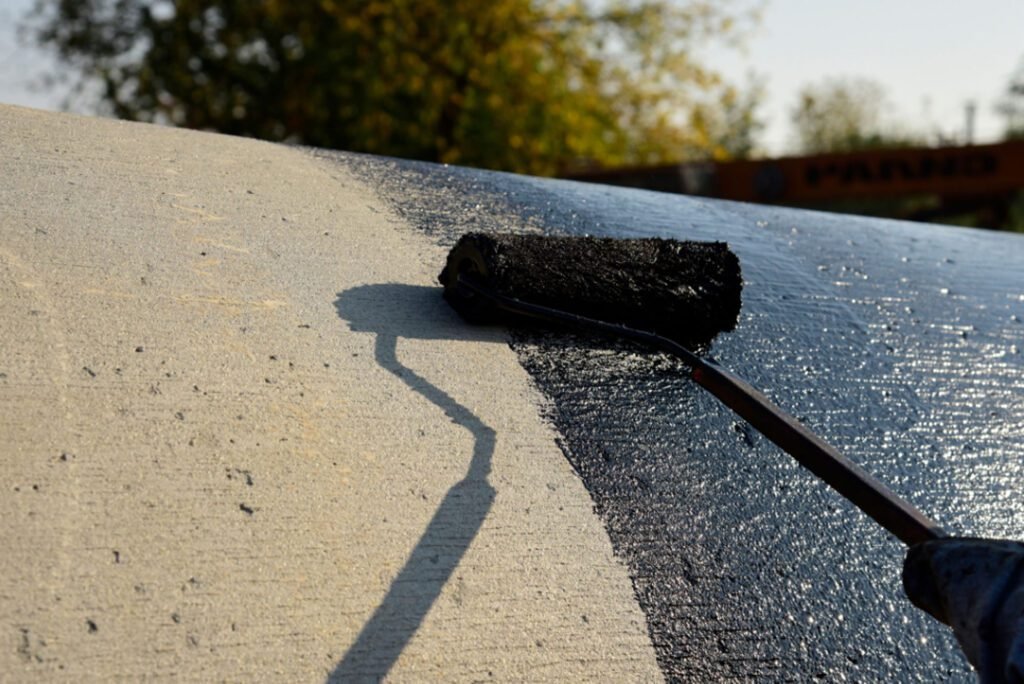
Rank #1: Polyurethane (PU) Waterproofing Coatings – The Industrial Roof Standard
Polyurethane waterproofing continues to hold the top position among roof coatings in 2026 due to its exceptional balance of elasticity, durability, and water resistance.
Why Polyurethane Leads the Market:
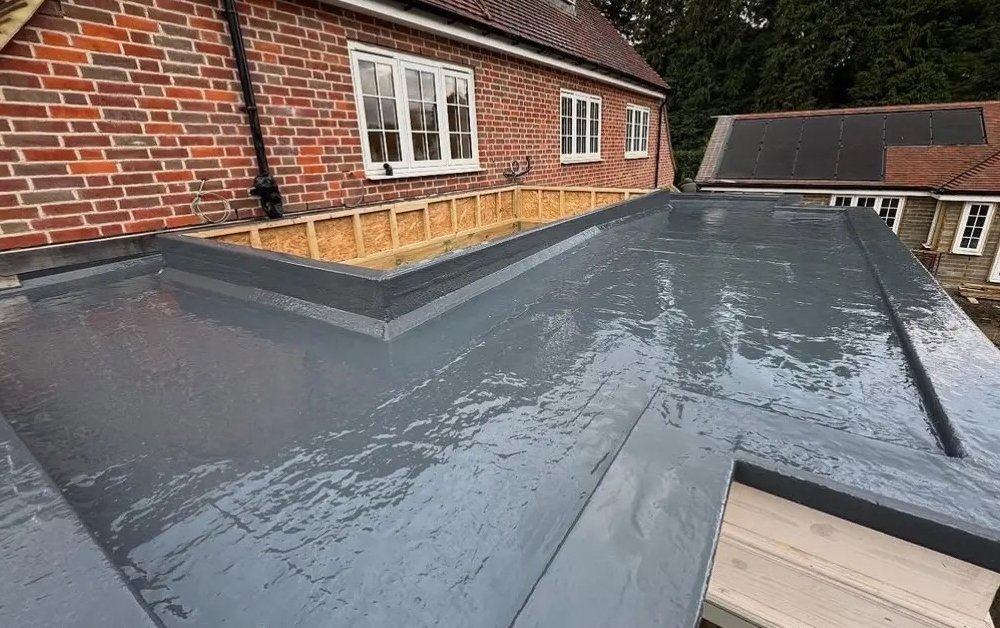
PU coatings form a seamless, elastomeric membrane with excellent crack-bridging ability. High-quality systems achieve elongation rates above 250%, allowing them to accommodate structural movement without failure.
PU coatings also demonstrate strong resistance to ponding water, a critical advantage for flat roofs with imperfect drainage.
Typical Applications:
- Concrete flat roofs
- Green roofs and planted roofs
- Podium slabs and basement roof decks
Key Considerations:
Proper substrate preparation is essential. Moisture control and correct priming significantly affect performance.
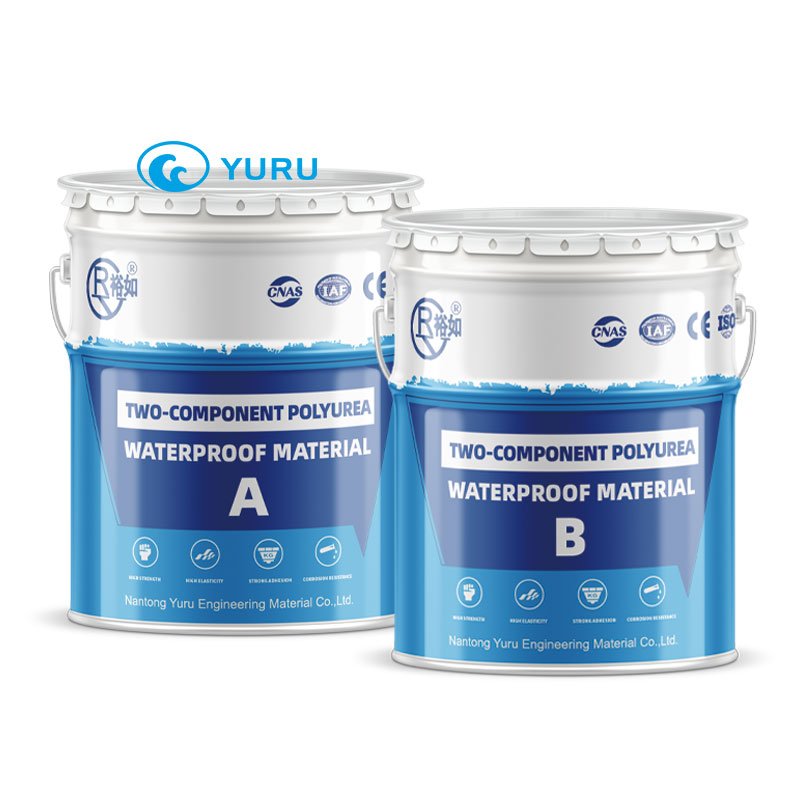
Rank #2: Polyaspartic Polyurea – Fast Curing, Color-Stable Performance
Polyaspartic polyurea coatings represent the third generation of polyurea technology and are gaining popularity in high-performance roofing applications.
Technical Highlights:
- Rapid curing: curing within minutes or hours.
- Excellent UV stability and non-yellowing properties.
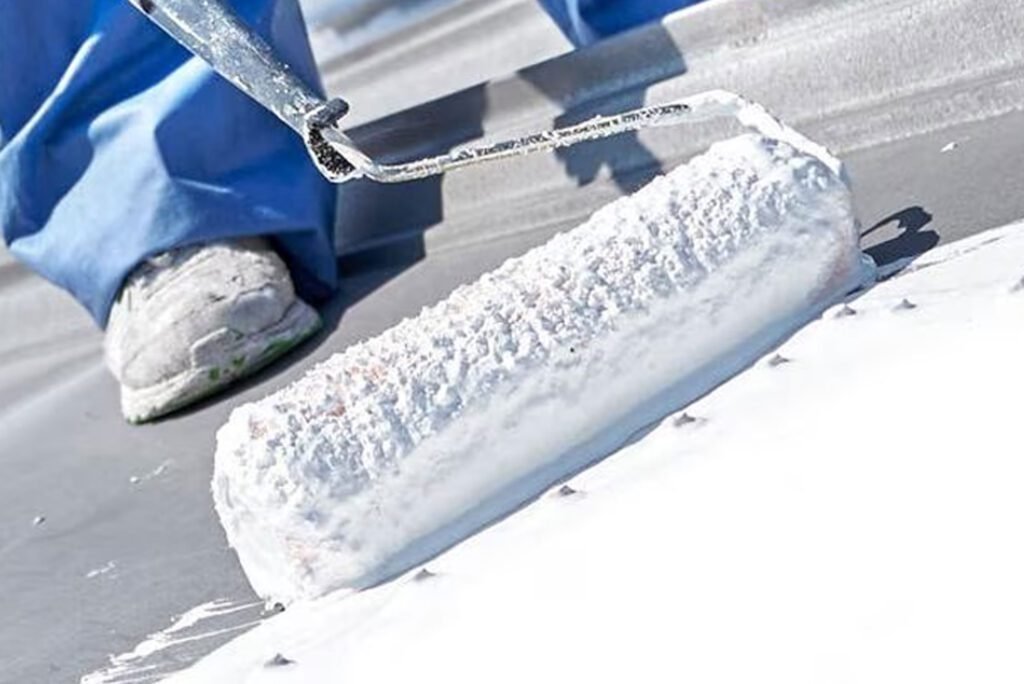
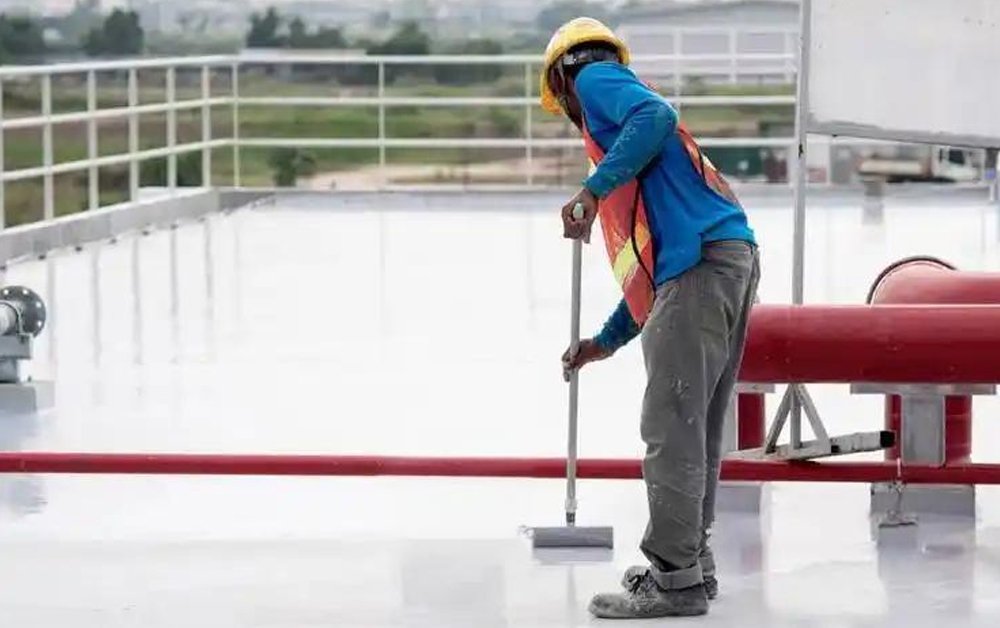
- Can be applied by roller or squeegee.
2026 Application Trend:
Polyaspartic systems are increasingly used for roof-and-terrace integrated waterproofing and decorative finishes, where speed and appearance matter.
Best Applications:
- Commercial terraces
- Emergency roof repairs
- High-end residential roofs
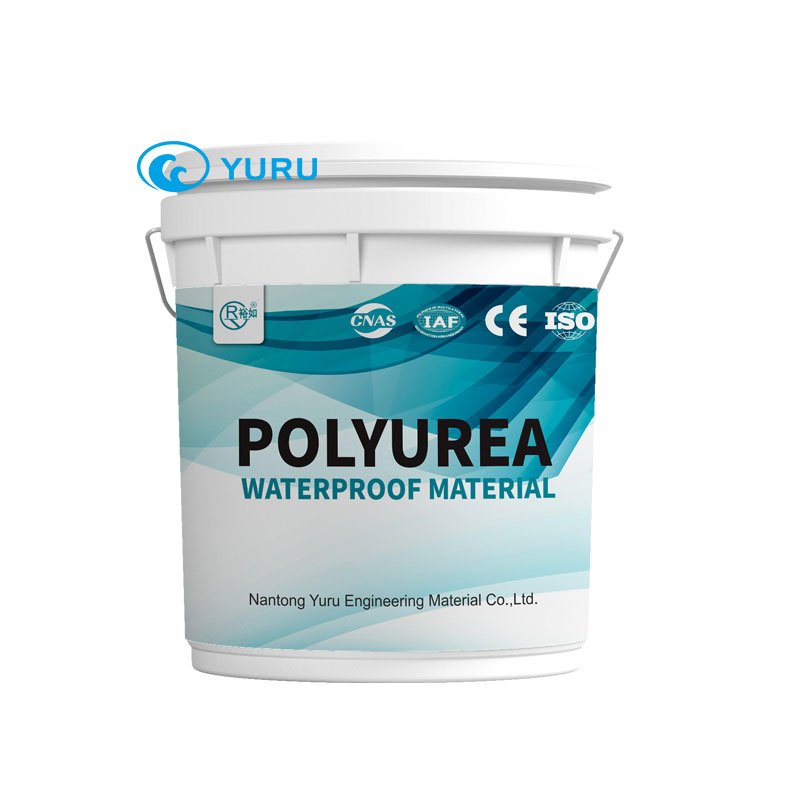
#3: Spray-Applied Polyurea – Industrial-Grade Roof Protection
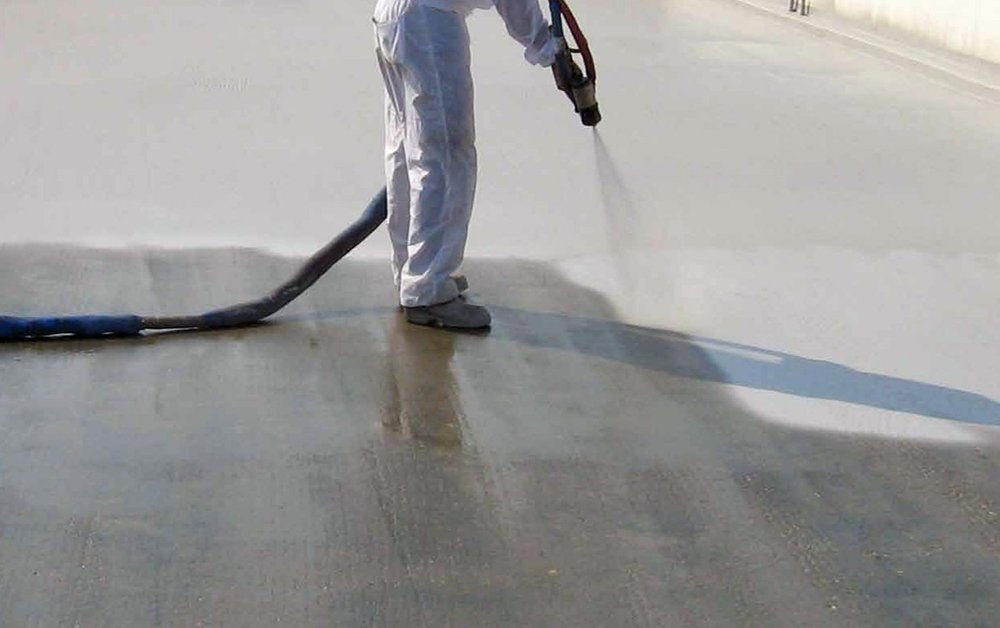
Spray polyurea systems are designed for extreme performance requirements.
Technical Core:
Spray polyurea cures within seconds, forming a seamless, highly elastic membrane with outstanding impact and abrasion resistance.
Strengths:
- Instant curing
- Zero seams or joints
- Exceptional durability
Typical Applications:
- Industrial plant roofs
- Infrastructure projects (bridges, dams)
- Complex-shaped roofs
Considerations
Requires specialized equipment and trained applicators.
#4: Acrylic Cool Roof Coatings – Cost-Effective Thermal Protection
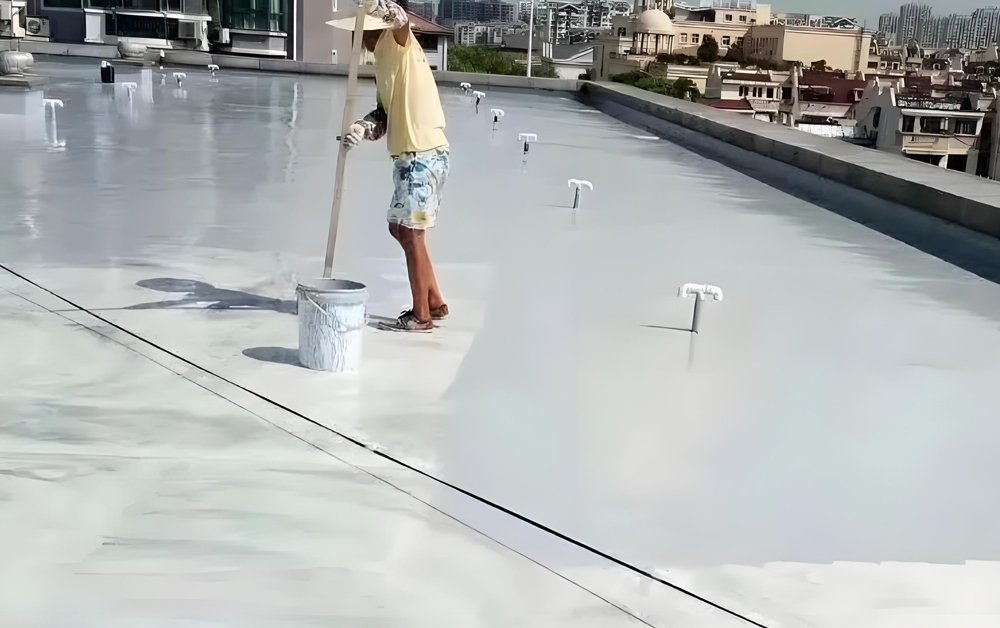
Acrylic waterproof coatings remain a preferred solution for budget-sensitive projects, especially where heat reflection is a priority.
Core Advantages
- High UV reflectivity
- Water-based and environmentally friendly
- Easy application and maintenance
Acrylic coatings are particularly effective in reducing interior temperatures for large industrial buildings.
Ideal Use Cases
- Metal factory roofs
- Warehouse roofs
- Exposed exterior walls
Limitations
Standard acrylic systems are less resistant to long-term ponding water and require regular maintenance cycles.
5: Silicone-Modified Waterproof Coatings – Stability in Extreme Climates
Silicone-modified waterproof coatings combine the temperature resistance of silicone with polymer strength.
Performance Characteristics
- Excellent resistance to extreme temperatures
- Strong UV stability
- Good water repellency
Ideal Applications
- Coastal resorts
- Buildings exposed to salt spray
- Roofs in hot and humid climates
Rank #6–7: JS Cementitious Systems and Specialized Coatings
Certain roofing scenarios require alternative solutions.
JS Polymer Cement Waterproofing
- Strong adhesion to concrete
- Suitable for tiled or protected roofs
- Can be applied on damp substrates
Other Specialized Coatings
- Bituminous systems for concealed roofs
- Hybrid elastomeric coatings for balconies
Quick Selection Matrix
| Application Scenario | Recommended System |
|---|---|
| Exposed flat roof | PU / Polyaspartic |
| Metal roof | Acrylic / Polyurethane |
| High UV exposure | Acrylic / Polyaspartic |
| Industrial roof | Spray Polyurea |
| Tiled roof | JS Cementitious |
How to Match the Best Roof Waterproofing System for Your 2026 Project?
Selecting the best coating requires balancing several factors:
| Factor | Key Question |
|---|---|
| Climate | Heat, UV, rainfall intensity |
| Roof Type | Concrete, metal, composite |
| Exposure | Exposed or protected |
| Budget | Initial vs lifecycle cost |
| Timeline | Normal or fast-track |
Professional buyers increasingly prioritize lifecycle value rather than lowest upfront cost.
How to Match the Best Roof Waterproofing System for Your 2026 Project?
YURU Waterproof offers a complete portfolio of roof waterproofing coatings, manufactured under strict quality control systems.
What Makes YURU Different:
- Multiple waterproofing chemistries under one factory.
- Support for both standard and customized formulations.
- Stable batch-to-batch quality.
- Technical guidance based on climate and application.
Between 2025 and 2026, YURU products have passed updated international performance and environmental compliance standards, supporting projects worldwide.
FAQs
1. Which roof waterproofing coating lasts the longest?
Polyurea and high-quality polyurethane systems typically offer the longest service life.
2. Are cool roof coatings effective in hot climates?
Yes. Acrylic and reflective coatings significantly reduce roof surface temperature.
3. Can one coating work for all roof types?
No. Proper system selection depends on roof material, exposure, and climate.
4. How often should roof waterproofing be maintained?
Maintenance cycles range from 5 to 20 years depending on material type.
5. Does YURU provide customized formulations?
Yes. YURU offers climate-specific and project-specific formulation support.
Conclusion
Choosing the correct roof waterproofing system is half the success of any roofing project. The other half lies in material quality, technical support, and long-term reliability.
If you are planning a roof project in 2026 and beyond, selecting the right coating system will protect not only your structure, but also your investment.
Contact YURU Waterproof today to receive project-specific recommendations, technical consultation, or product samples tailored to your climate conditions.
YURU Product solutions