Best Roof Waterproofing Coating for Metal Roofs vs. Concrete Roofs
Introduction: Why Roof Type Determines Waterproofing Success?
Roof waterproofing is a crucial measure for protecting the structural integrity of a building. Metal and concrete roofs behave very differently when subjected to heat, moisture, and structural deformation. However, many projects still use the same waterproofing coatings for both types of roof surfaces. This often leads to cracking, delamination, corrosion, or repeated leaks within just a few years.
For contractors, developers, and material buyers, understanding this distinction is critical. Choosing the best roof waterproofing coating doesn’t mean choosing the most expensive product, but rather selecting a system that matches, rather than conflicts with, the substrate.
This guide will provide a clear and professional comparison of waterproofing coatings for metal and concrete roofs, explain the reasons for waterproofing failures, and demonstrate how YURU Waterproof ensures long-term waterproofing performance through its system-based manufacturing approach.
1. Metal Roofs vs. Concrete Roofs: Why Waterproofing Failures Happen for Different Reasons?
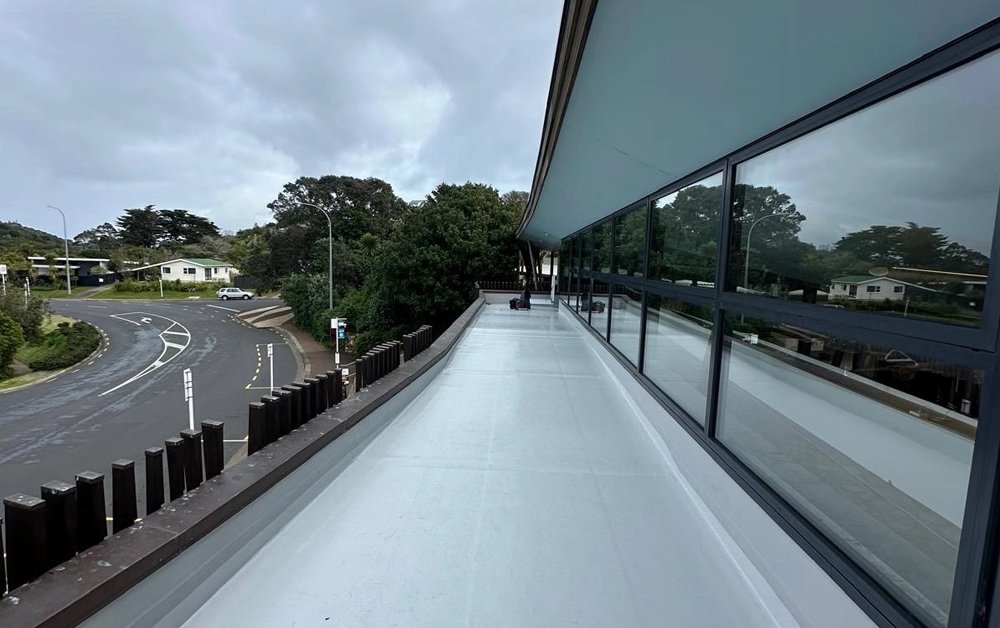
1.1 Structural Behavior of Metal Roofs
Metal roofs are lightweight and flexible. They expand and contract significantly with temperature changes. In some climates, daily thermal movement can exceed several millimeters across a single panel.
Common failure causes include:
- Thermal expansion and contraction
- Fastener loosening
- Overlapping seams
- UV-induced coating degradation
- Surface oxidation (rust)
A waterproof coating on a metal roof must tolerate continuous movement without cracking or peeling. Adhesion alone is not enough. Elastic recovery is critical.
1.2 Structural Behavior of Concrete Roofs
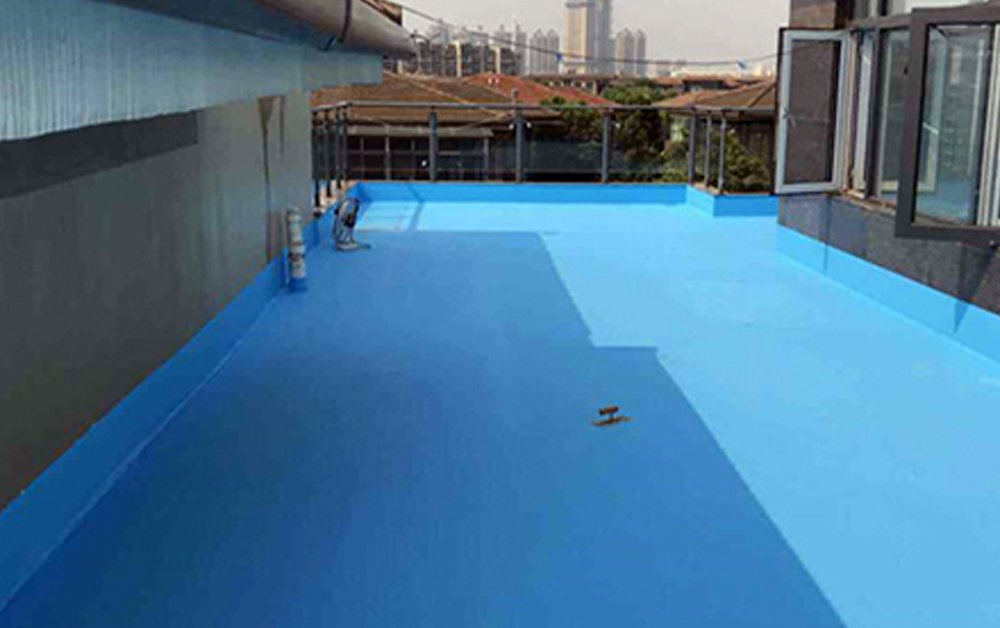
Concrete roofs are rigid, heavy, and porous. They do not expand and contract as much as metal, but they crack over time due to:
- Shrinkage during curing
- Structural settlement
- Load changes
- Temperature gradients
Concrete also absorbs water through capillary pores. Once moisture enters, it may remain trapped beneath the waterproof layer, increasing vapor pressure.
For concrete roofs, waterproofing materials must provide:
- Crack-bridging capability
- Long-term water resistance
- Resistance to standing water
- Strong adhesion to alkaline substrates
These fundamental differences explain why no single coating works equally well on both roof types.
2. Best Waterproofing Coatings for Metal Roofs
2.1 Acrylic Cool Roof Coatings
Acrylic coatings are among the most widely used solutions for metal roofs.
Key Advantages:
- Excellent UV resistance
- High solar reflectance (cool roof effect)
- Water-based and environmentally friendly
- Easy application and maintenance
Acrylic coatings reduce roof surface temperature, which directly reduces thermal movement and energy consumption.
Limitations:
- Limited resistance to long-term ponding water.
- Lower elasticity compared to polyurethane.
Best Applications:
- Industrial metal roofs
- Warehouse buildings
- Factory roof refurbishment
- Large-span steel structures
YURU Waterproof formulates acrylic systems with enhanced water resistance additives, improving durability compared to conventional acrylic products.
2.2 Polyurethane (PU) Waterproof Coatings for Metal Roofs
Polyurethane coatings provide superior elasticity and adhesion.
Key Advantages:
- High elongation (often above 250%).
- Strong adhesion to metal substrates.
- Better resistance to standing water than acrylics.
Best Applications:
- Complex metal roof structures
- Roofs with penetrations and details
- Long-term waterproofing upgrades
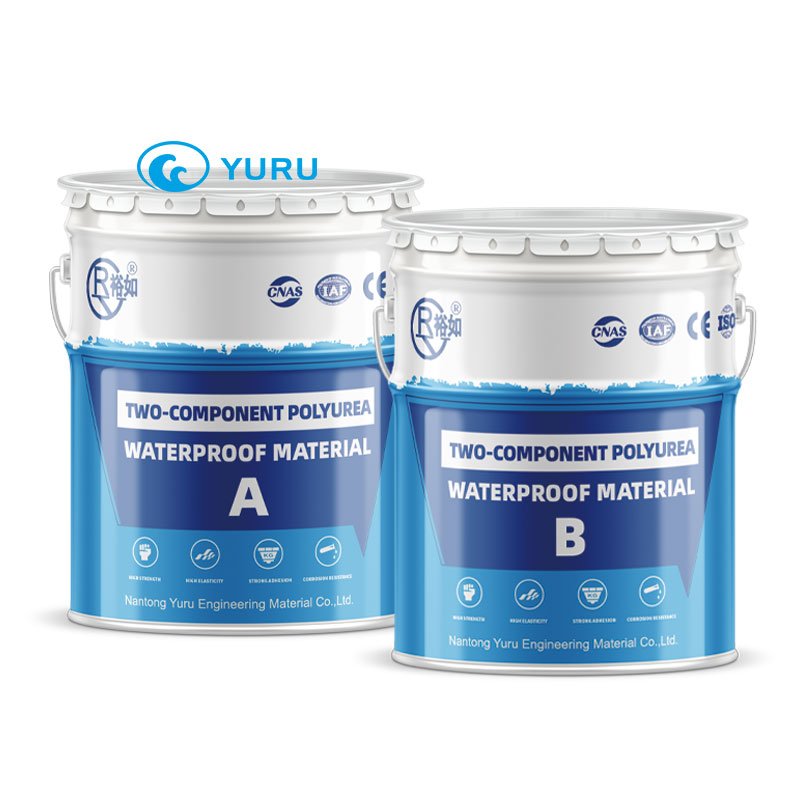
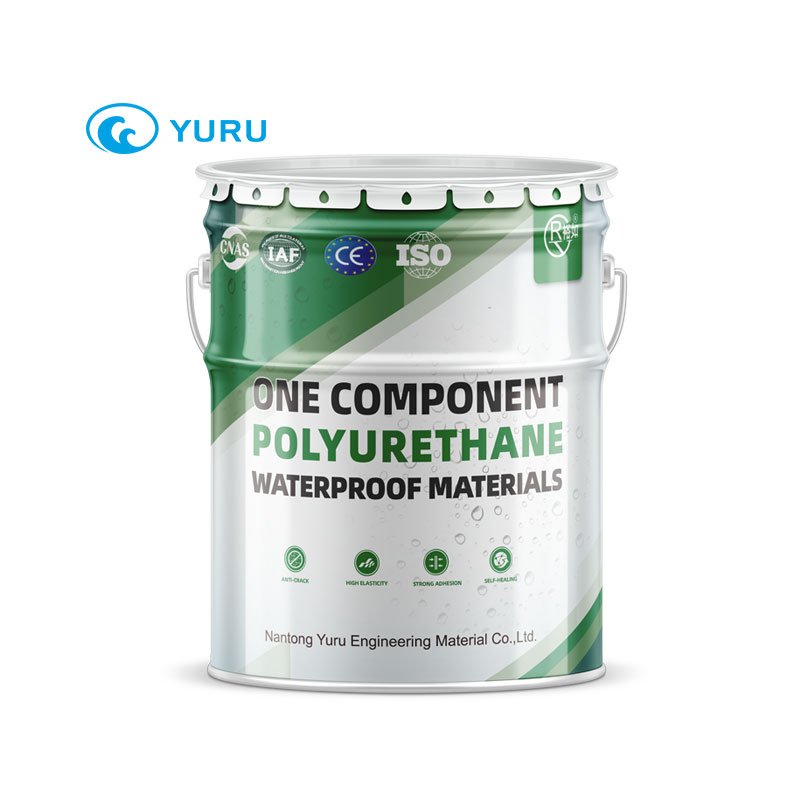
YURU manufactures both single-component moisture-curing PU and two-component reactive PU systems, allowing contractors to select based on site conditions.
2.3 Silicone-Modified Coatings
Silicone-modified waterproof coatings offer excellent weather resistance.
Key Advantages:
- Outstanding UV stability
- High resistance to extreme temperatures
- Natural hydrophobic behavior
Limitations:
- Lower mechanical strength.
- Limited compatibility with future recoating unless properly treated.
Best Applications:
- Coastal environments
- High UV exposure zones
- Metal roofs in extreme climates
3. Best Waterproofing Coatings for Concrete Roofs
3.1 Polyurethane Waterproof Coatings for Concrete
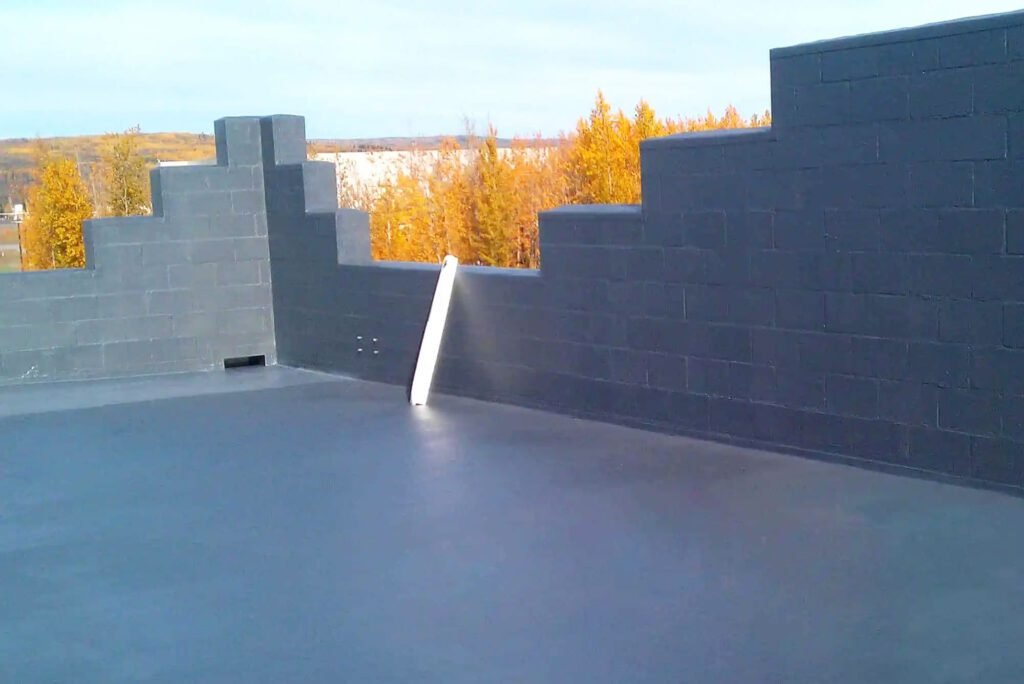
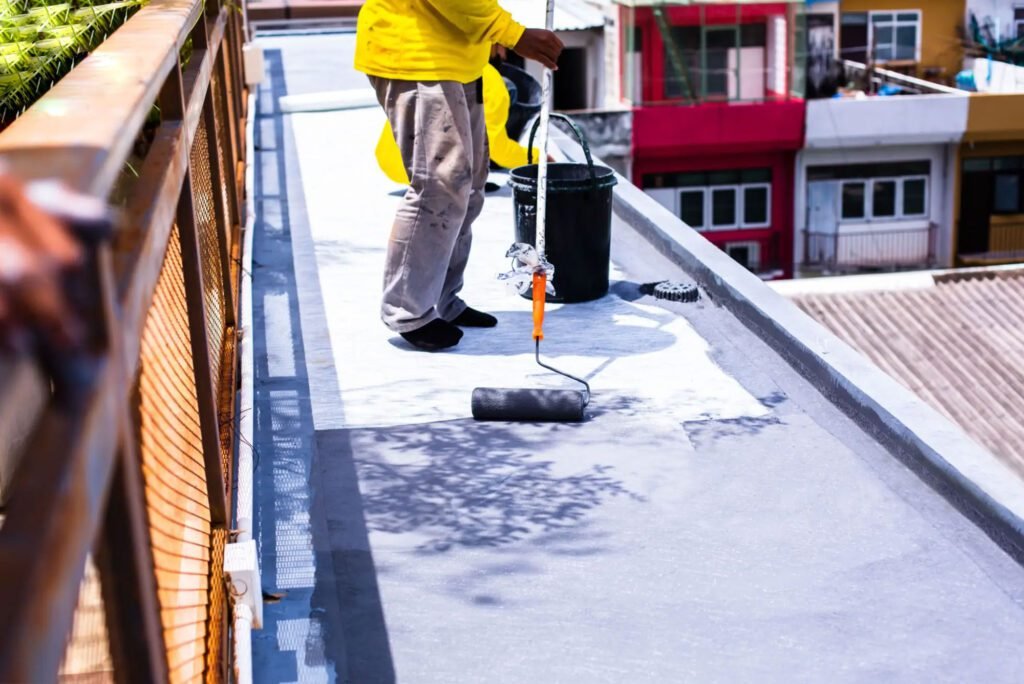
Polyurethane remains one of the most reliable systems for concrete roofs.
Key Advantages:
- Excellent crack-bridging performance
- Strong adhesion to concrete
- Good resistance to ponding water
PU coatings can accommodate minor structural movements while maintaining waterproof integrity.
Ideal Uses:
- Flat concrete roofs
- Podium slabs
- Basement roof decks
- Green roof systems
YURU’s PU formulations are optimized for alkaline substrates, reducing the risk of adhesion loss over time.
3.2 Polyurea and Polyaspartic Systems
Polyurea systems represent the highest-performance category for concrete roofs.
Key Advantages:
- Extremely fast curing
- Seamless membrane formation
- Exceptional chemical and abrasion resistance
Polyaspartic coatings, as a newer generation, allow hand application while maintaining excellent UV stability.
Applications:
- High-end commercial roofs
- Infrastructure projects
- Areas requiring rapid return to service
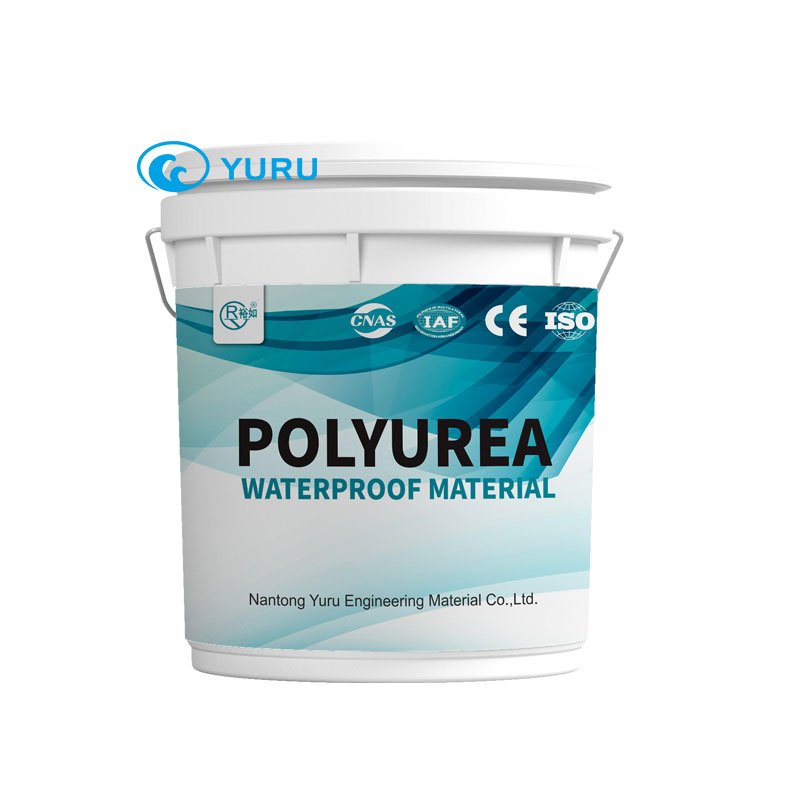
YURU offers both spray-applied polyurea and hand-applied polyaspartic systems to meet different project scales.
3.3 Cementitious Waterproofing Systems
Cement-based systems bond integrally with concrete.
Key Advantages:
- Excellent adhesion to damp substrates.
- Compatibility with tile finishes.
- Good resistance to negative water pressure.
Limitations:
- Limited flexibility
- Not suitable for exposed roofs without protection
Best Applications:
- Tiled roofs
- Utility roofs
- Water tanks and podium structures
4. Performance Comparison: Metal Roof vs. Concrete Roof Waterproofing
| Performance Factor | Metal Roof Priority | Concrete Roof Priority |
|---|---|---|
| Elasticity | Very High | Medium to High |
| UV Resistance | Critical | Important |
| Crack Bridging | Moderate | Critical |
| Ponding Water Resistance | Moderate | Very High |
| Adhesion Requirement | Metal-specific | Alkaline substrate |
| Maintenance Cycle | Shorter | Longer |
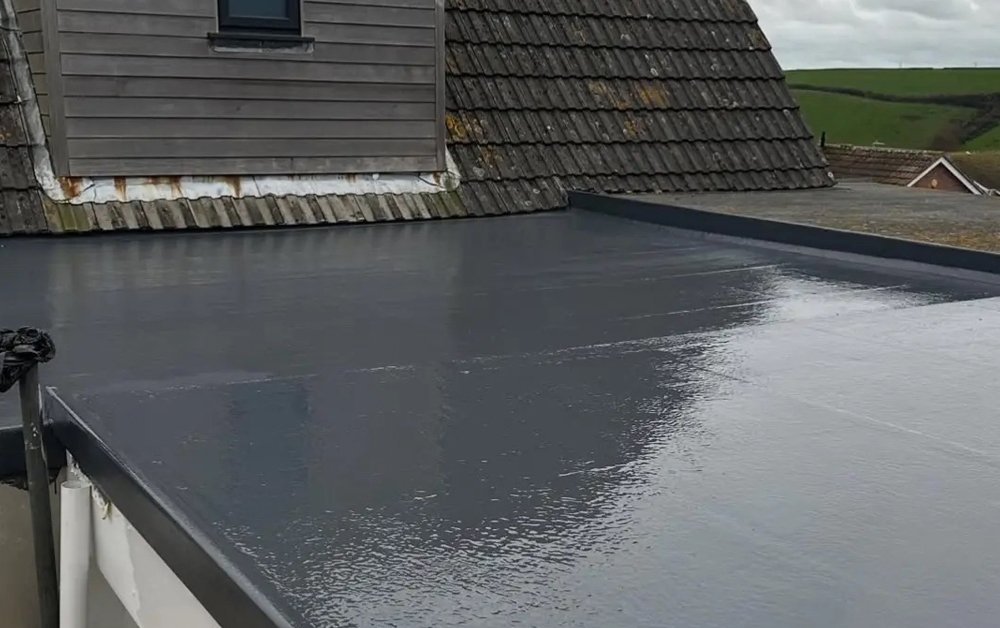
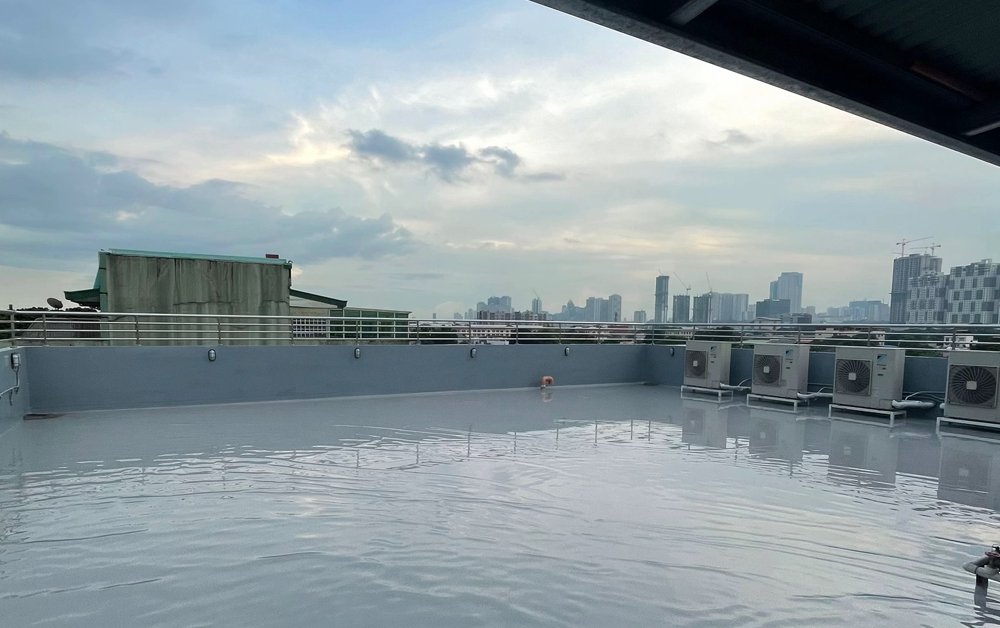
This comparison highlights why selecting the correct system dramatically affects service life.
5. Installation and Maintenance: Hidden Costs of Wrong Selection
Incorrect material selection often leads to:
- Premature cracking
- Delamination
- Rust acceleration on metal roofs
- Moisture entrapment under concrete membranes
Metal roof systems often prioritize ease of recoating, while concrete roofs demand durability and water pressure resistance.
YURU provides complete system guidance, including primers, reinforcement fabrics, and compatible topcoats, reducing long-term maintenance costs.
6. How to Choose the Right Waterproofing System for Your Project?
Quick Decision Guide
- Metal roof with high sun exposure: Acrylic or silicone-modified system
- Metal roof with movement and ponding: Polyurethane
- Concrete roof with cracks: Polyurethane or polyurea
- Concrete roof with fast-track schedule: Polyaspartic or spray polyurea
- Concrete roof under tiles: Cementitious + flexible coating
Correct selection improves lifespan, reduces callbacks, and protects structural investment.
7. Why YURU Waterproof Delivers Better Results for Both Roof Types?
YURU Waterproof is not a trading company assembling products from different factories.
We manufacture polyurethane, acrylic, polyurea, epoxy, and cementitious systems in-house.
This allows us to:
- Ensure compatibility between layers.
- Customize formulations for climate and substrate.
- Provide technical guidance beyond product supply.
- Support global contractors and wholesalers with stable quality.
Our approach focuses on system engineering, not isolated materials.

FAQs
1. Can the same waterproof coating be used for metal and concrete roofs?
In most cases, no. Their structural behaviors differ significantly, requiring different performance characteristics.
2. What is the most durable coating for concrete roofs?
Polyurea and polyurethane systems offer the longest service life when correctly applied.
3. Are acrylic coatings suitable for all metal roofs?
Acrylics work well in UV-exposed areas but are not ideal for long-term ponding water.
4. How long do roof waterproofing coatings last?
Depending on system selection and maintenance, service life ranges from 8 to 25 years.
5. Does YURU provide OEM or custom formulations?
Yes. YURU offers OEM/ODM services tailored to climate, substrate, and project requirements.
Conclusion: One Roof, One Logic, One Correct System
Metal roofs and concrete roofs demand different waterproofing strategies. Ignoring these differences leads to leaks, failures, and unnecessary repairs.
The best roof waterproofing coating is not universal. It is context-driven.
By understanding substrate behavior and selecting a compatible system, long-term waterproofing success becomes predictable and measurable.
YURU Waterproof helps clients make the right choice the first time.
YURU Product solutions