Hydrophobic vs. Hydrophilic Chemical Grout: Which Is Better for Leak Repair?
1. What Are Hydrophobic and Hydrophilic Chemical Grouts?
Before comparing performance, it is critical to understand how these two types of chemical grouts behave at the molecular and structural level.
1.1 Hydrophobic Chemical Grout: Water-Reactive Expansion
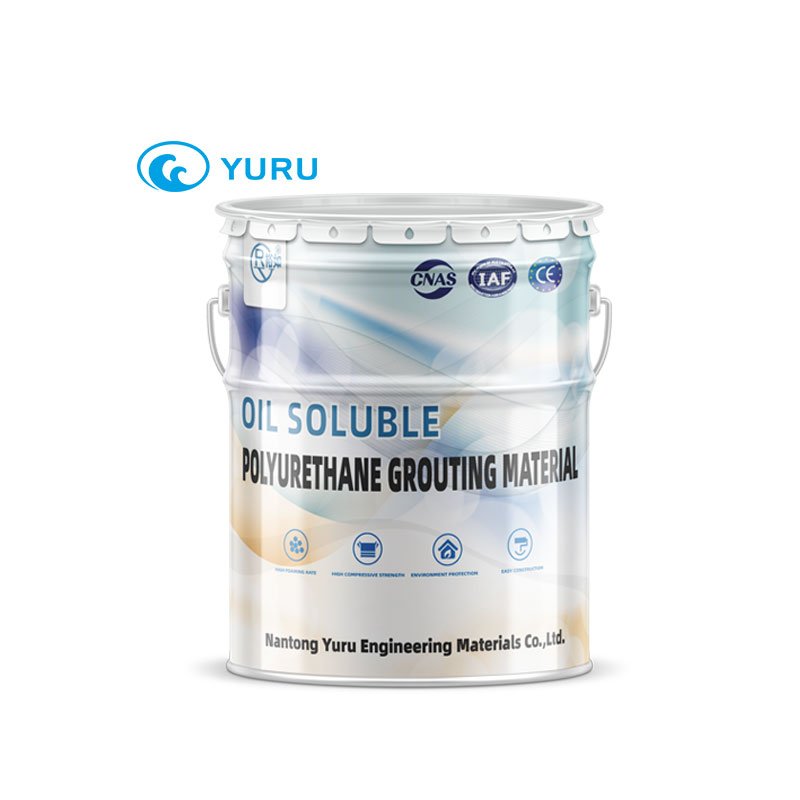
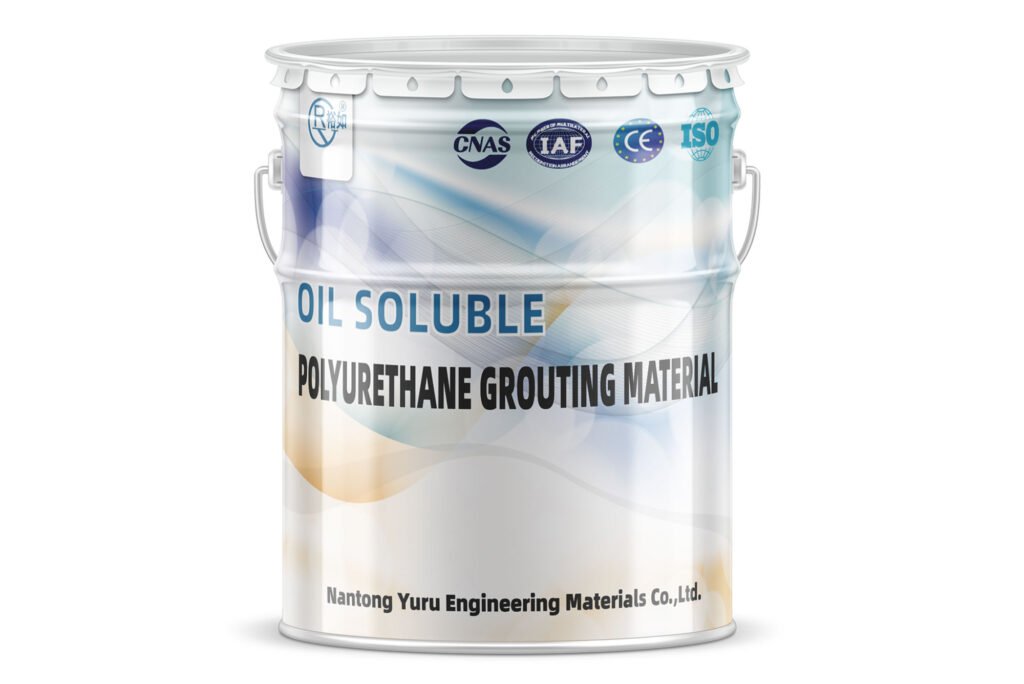
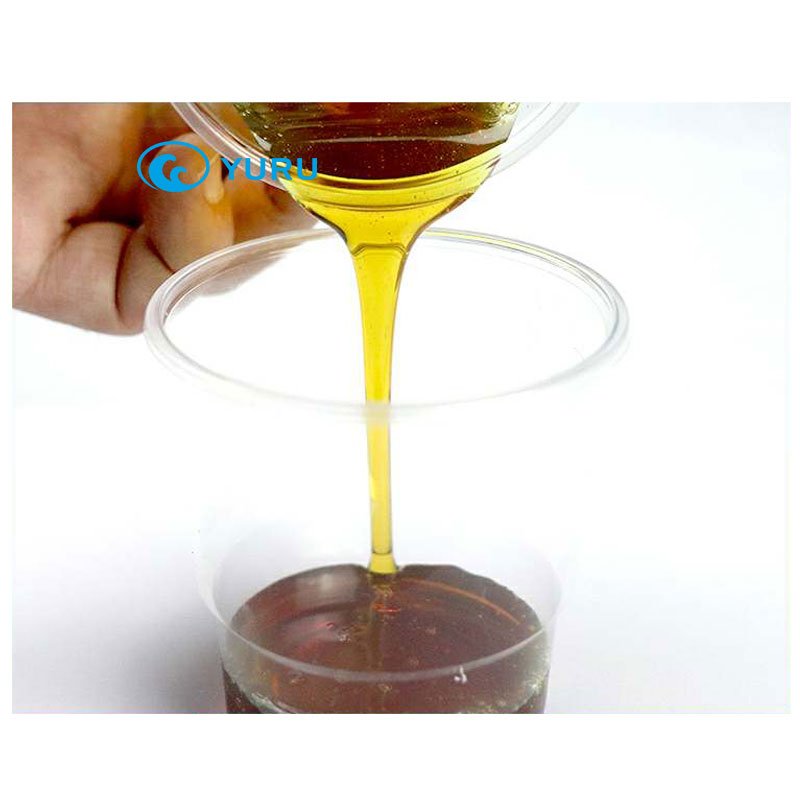
Hydrophobic chemical grout is typically oil-based polyurethane grout.
Its defining characteristic is how it reacts when it encounters water.
Reaction mechanism:
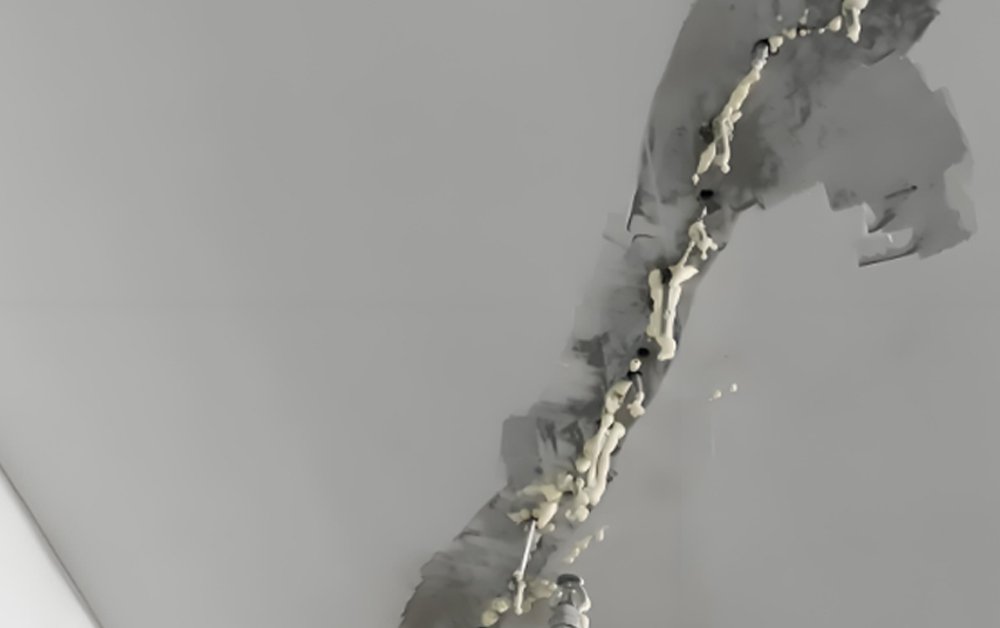
- When injected into a wet crack or void, the grout reacts with water.
- The reaction generates carbon dioxide.
- This gas causes the material to rapidly expand, sometimes several times its original volume.
- The expanding foam forces itself deeper into cracks and voids.
- The final cured structure is a closed-cell, water-repellent foam.
Core behavior:
Water triggers the reaction, but the cured material repels water completely.
1.2 Hydrophilic Chemical Grout: Water-Compatible Gel Formation
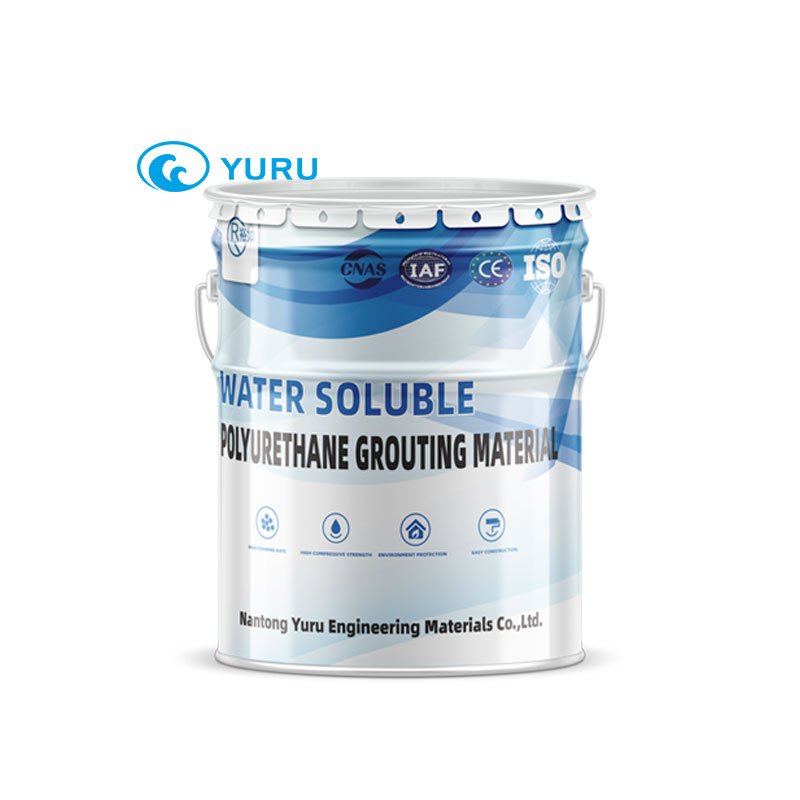
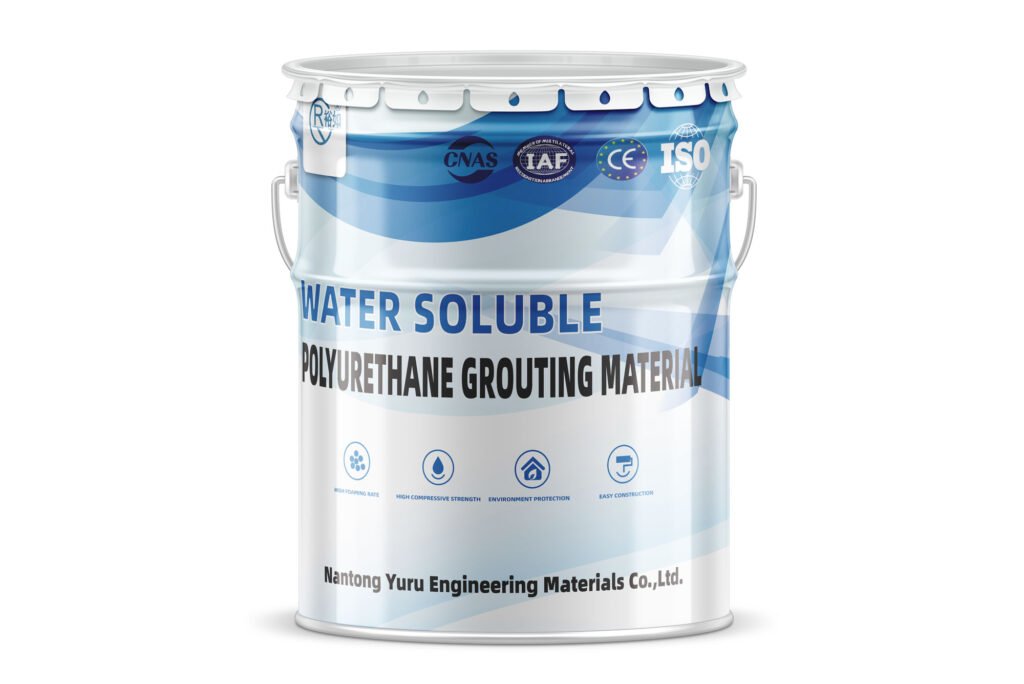
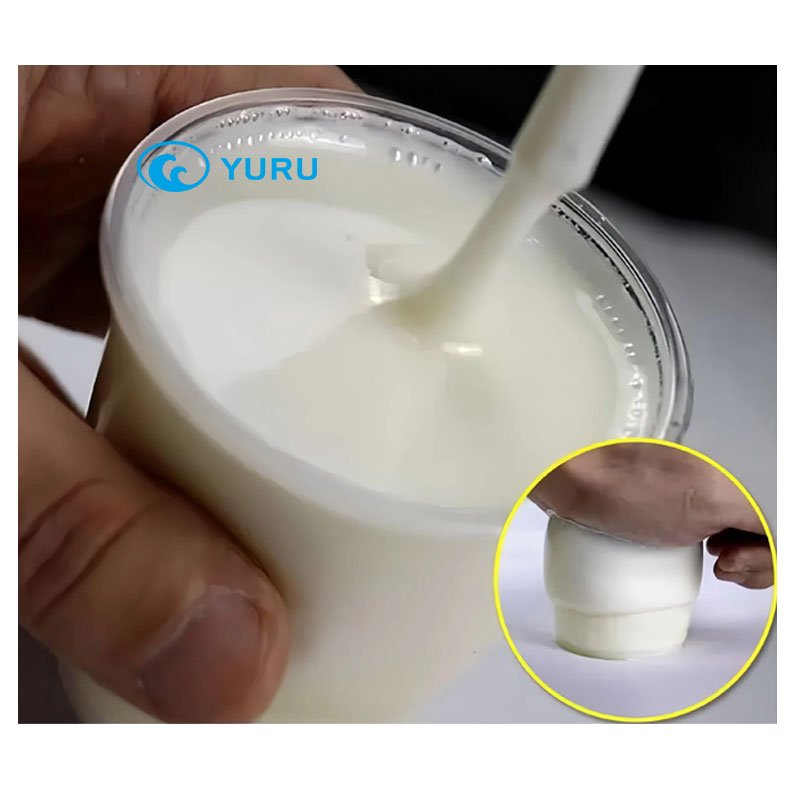
Hydrophilic chemical grout is generally water-based polyurethane or acrylate-based material.
Reaction mechanism:
- Water acts as both the reaction medium and curing agent.
- Instead of violent expansion, the grout forms a flexible, elastic gel.
- The gel absorbs water and remains dimensionally stable under wet conditions.
- It penetrates microcracks and capillary pores effectively.
Core behavior:
Water is not expelled; instead, the cured material coexists with moisture and adapts to wet-dry cycles.
1.3 Why Confusion Happens:
Many buyers mistakenly believe:
- “Hydrophobic = better waterproofing”
- “Hydrophilic = weaker material”
In reality, these materials solve different leakage mechanisms. Misunderstanding their chemistry often leads to poor project outcomes.
2. Leak Stopping Speed vs. Long-Term Sealing: The Core Performance Difference
From an engineering perspective, leak repair success is measured by two key outcomes:
- How fast the leak stops
- How long the repair lasts
Hydrophobic and hydrophilic grouting materials differ in their performance in these two aspects.
2.1 Emergency Leak Control: Speed Matters
Hydrophobic grout excels in emergency scenarios.
Reason:
- Reaction time can range from seconds to a few minutes.
- High expansion pressure physically blocks flowing water.
- Ideal for active, high-pressure water ingress.
Typical use cases:
- Sudden groundwater inflow
- Tunnel leaks during excavation
- Structural cracks with visible water jets
- Temporary stabilization before permanent repair
2.2 Long-Term Structural Sealing: Durability Matters
Hydrophilic grout is superior for long-term sealing.
Reason:
- High elasticity allows it to move with concrete expansion and contraction.
- Maintains contact with crack walls even after multiple wet-dry cycles.
- Strong adhesion to concrete substrate.
- Less risk of shrinkage or debonding over time.
Hydrophobic grout, once cured, becomes relatively rigid.
In structures with ongoing micro-movement, rigidity can limit long-term performance.
2.3 Summary Comparison
| Performance Aspect | Hydrophobic Grout | Hydrophilic Grout |
| Leak stopping speed | Fast | Moderate |
| Expansion force | Very high | Low to moderate |
| Elasticity | Low | High |
| Long-term adaptability | Limited | Excellent |
| Best role | Emergency sealing | Structural waterproofing |

3. Which Grout Fits Which Leak Scenario?
3.1 High-Pressure Active Water Leaks
Recommended: Hydrophobic chemical grout
Because:
- Expansion force overcomes water pressure.
- Rapid reaction prevents washout.
- Effective for flowing cracks and joints.
Typical projects:
- Underground tunnels
- Deep basements
- Retaining walls below groundwater table
- harsh environmental conditions.
3.2 Continuous Seepage and Damp Concrete
Recommended: Hydrophilic chemical grout
Why:
- Penetrates fine cracks and capillaries.
- Remains flexible and moisture-compatible.
- Creates a continuous sealing zone rather than point blockage.
Typical projects:
- Basement walls
- Parking structures
- Water-retaining concrete structures
3.3 Construction Joints, Cold Joints, and Expansion Joints
Recommended: Hydrophilic grout or combined system
Reason:
- These joints experience long-term movement.
- Elastic gel accommodates structural displacement.
- Maintains sealing under cyclic stress.
3.4 Combined System Approach
Professional waterproofing systems often use:
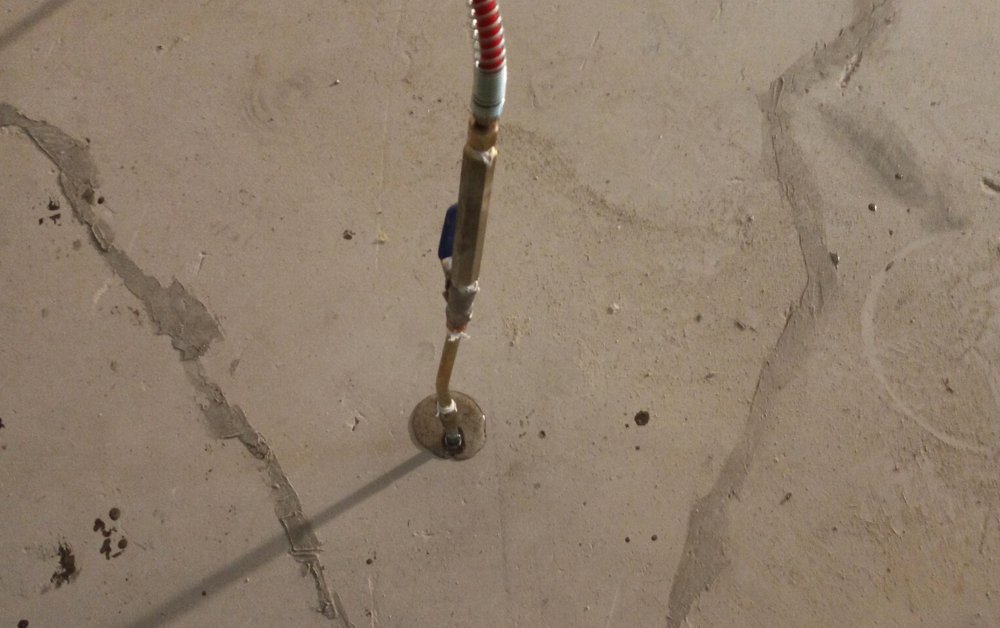
- Hydrophobic grout first – to immediately stop water flow
- Hydrophilic grout second – to seal microcracks and stabilize structure
This approach is widely used in municipal and infrastructure projects, and it is a core recommendation from YURU Waterproof’s technical team.
4. Construction Practicality and Risk Control
Material performance is meaningless if the grout cannot be applied safely and reliably on site.
4.1 Equipment Compatibility
- Hydrophobic grouts require precise pressure control.
- Hydrophilic grouts allow longer working time and easier injection control.
4.2 Reaction Control and Safety
Hydrophobic grout:
- Fast reaction = higher risk if mismanaged
- Over-expansion can damage weak substrates
Hydrophilic grout:
- Adjustable gel time
- Lower risk of structural stress
4.3 Injection Failure Risks
Common failure causes include:
- Incorrect mixing ratio
- Insufficient penetration
- Incompatible material selection
Supplier technical support plays a crucial role in minimizing these risks.
5. Durability and Environmental Adaptability: What Determines Service Life?
Long-term waterproofing success depends on how materials behave after installation, not just during reaction.
5.1 Long-Term Water Exposure
- Hydrophobic foam resists water but may lose elasticity.
- Hydrophilic gel remains stable in permanently wet environments.
5.2 Wet-Dry Cycling
Hydrophilic grout performs better under:
- Seasonal groundwater changes
- Tidal or fluctuating water tables
5.3 Environmental and Regulatory Considerations
Modern projects increasingly demand:
- Low VOC content
- No groundwater contamination
- Compliance with environmental standards
Material formulation and manufacturing quality determine compliance.
6. How to Evaluate a Reliable Chemical Grout Supplier?
Choosing the right grout is only half the equation. Choosing the right supplier is equally critical.
6.1 Technical Documentation
A reliable supplier provides:
- Complete technical datasheets
- Reaction time ranges
- Expansion ratios
- Durability test data
6.2 Product Range
Professional manufacturers offer:
- Both hydrophobic and hydrophilic systems
- Multiple grades for different water pressures
- Compatible accessories and catalysts
6.3 Technical Support Capability
Choose a supplier with the following capabilities:
- Providing application guidance.
- Recommending system-based solutions.
- Supporting sample testing before large-scale supply.
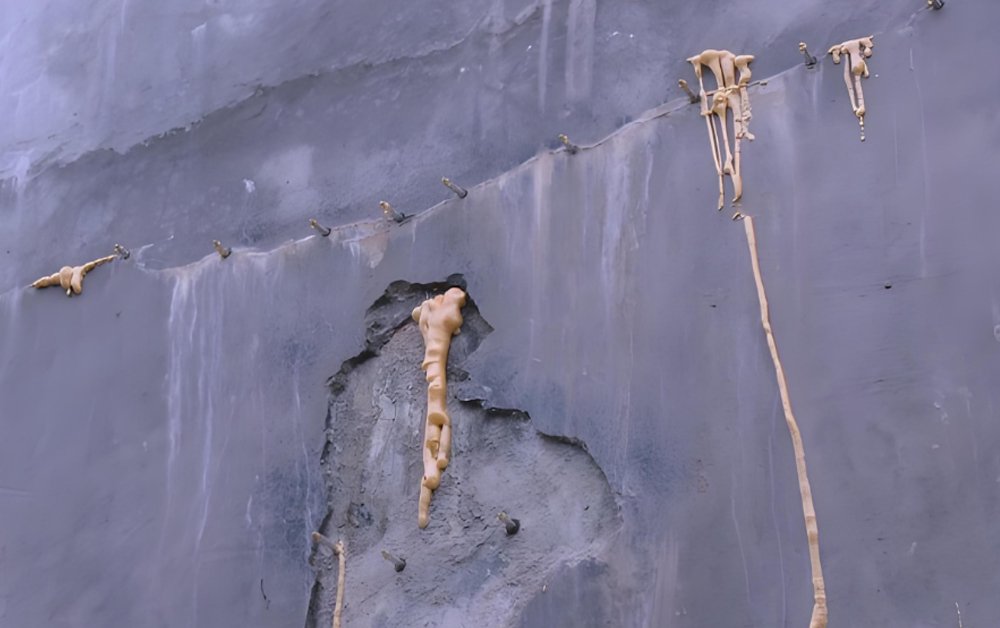
7. YURU Waterproof: A System-Based Grouting Solution Provider
At YURU Waterproof, we provide “one-stop” products and services.
We provide:
- High-performance hydrophobic polyurethane grouts.
- Elastic hydrophilic grouting systems.
- Project-specific solution recommendations.
- Combination strategies for complex leakage scenarios.
Our materials have been used in:
- Municipal infrastructure projects
- Underground transportation systems
- Commercial and industrial buildings
- Long-term waterproof rehabilitation works
By combining manufacturing expertise, formulation control, and field experience, YURU delivers grouting solutions that work beyond the initial repair.
FAQs – Hydrophobic vs. Hydrophilic Chemical Grout
1. Can hydrophobic grout permanently stop leaks?
It is excellent for immediate water stoppage but may require hydrophilic follow-up for long-term structural sealing.
2. Is hydrophilic grout suitable for high-pressure leaks?
It is better for seepage and structural cracks rather than high-pressure flowing water.
3. Can both grouts be used together?
Yes. Many professional systems use a combination approach for optimal results.
4. Does YURU provide technical guidance?
Yes. YURU offers full technical support, system recommendations, and sample testing.
Conclusion
Choosing the right grouting type is often more important than choosing a more expensive material.
- Hydrophobic grout stops water fast.
- Hydrophilic grout seals structures long-term.
The best solution often uses both, applied intelligently.
Contact YURU Waterproof today for professional grouting material selection, technical consultation, and sample support—so your leak repair succeeds the first time, not after repeated failures.


YURU Product solutions