Can I Apply Leak Proof Roof Coating Over Existing Asphalt Membranes?
Introduction:
Roof leaks are rare in new buildings.
In most real-world projects, leaks occur on older roofs with existing asphalt roofing membranes, whether installed ten, fifteen, or twenty years ago using SBS, APP, or modified bitumen systems.
When leaks occur, owners and contractors often ask the same practical question:
“Can I apply leak-proof roof coating directly over the existing asphalt membrane?”
This article answers this question based on real-world project experience, helping you determine when applying coating over asphalt is effective, when it’s ineffective, and how to apply it correctly.
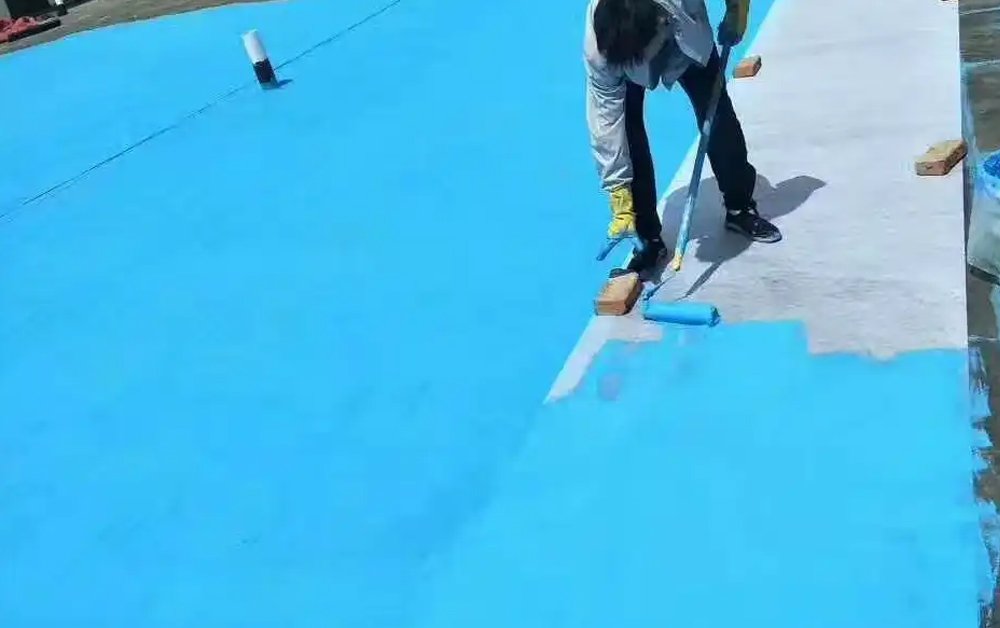
Why This Question Is So Common in Roof Renovation Projects?
In both commercial and industrial buildings, asphalt membranes remain one of the most widely used waterproofing systems worldwide.
However, asphalt membranes are not permanent.
Over time, they suffer from:
- UV aging and surface cracking
- Loss of flexibility
- Lap joint deterioration
- Water ponding fatigue
- Mechanical damage from foot traffic or equipment
When leaks appear, full membrane removal is costly, noisy, and disruptive. It requires demolition, disposal, downtime, and often structural exposure.
As a result, many project owners look for a restoration solution—one that extends roof life without tearing everything out.
Liquid-applied roof coatings seem like the obvious answer. But applying coatings over asphalt without technical evaluation is one of the most common causes of early coating failure.
Why There Is No “One-Size-Fits-All” Answer?
From a manufacturer’s standpoint, asphalt membranes vary greatly in condition, composition, and behavior.
Two roofs may both be labeled “bitumen,” yet behave completely differently when coated.
Key differences include:
- Degree of aging (surface oxidation vs. structural breakdown).
- Oil migration from asphalt into the coating.
- Bond integrity between membrane and concrete deck.
- Presence of trapped moisture.
- Type of asphalt modifier (SBS/APP).
This is why professional manufacturers never say “yes” or “no” without evaluation.
The correct question is not “Can I coat over asphalt?” It is:
“Is this specific asphalt membrane stable enough to become a reliable substrate for a new coating system?”
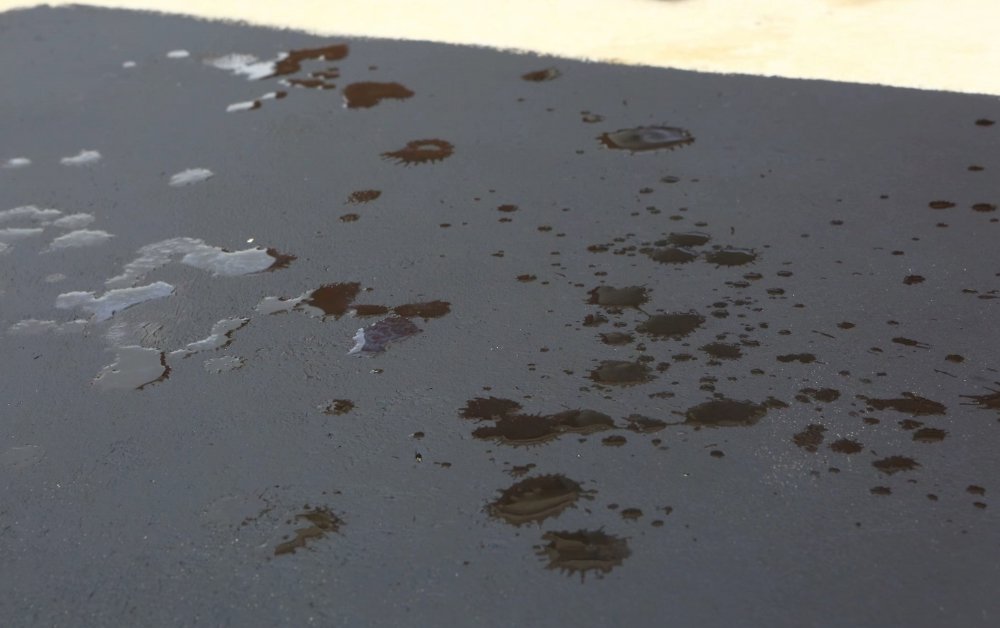
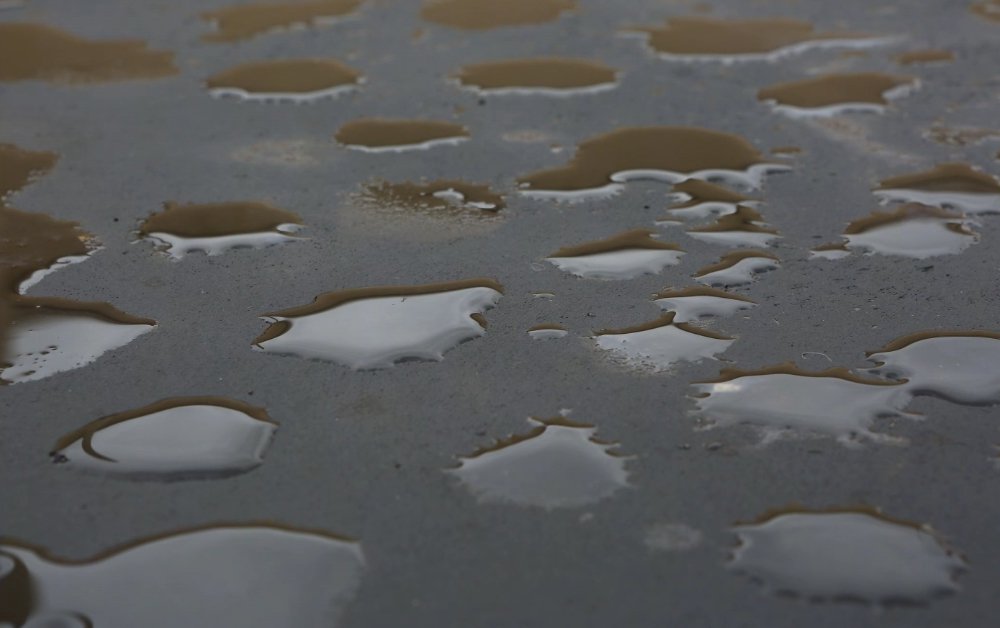
The Three Core Technical Challenges When Coating Over Asphalt
1. Compatibility Between Asphalt and Coating Chemistry
Asphalt contains oils and plasticizers that remain mobile for many years. Especially rigid or poorly formulated systems, will react negatively.
Common symptoms of incompatibility include:
- Softening of the coating film
- Surface wrinkling or blistering
- Loss of mechanical strength
- Staining or discoloration
Solvent sensitivity is especially critical. Some solvent-based coatings can partially dissolve the asphalt surface, weakening both layers.
2. Adhesion Reliability on Aged Bitumen
Old asphalt membranes often develop a low-surface-energy film, caused by:
- Oxidation
- Oil bloom
- Dust accumulation
- Micro-cracking
Even if a coating initially adheres, poor surface preparation leads to delamination under thermal movement.
3. Movement and Stress Accumulation
Asphalt membranes expand significantly under heat. When combined with a new coating layer, the system becomes a composite structure.
If elasticity is mismatched, stress concentrates at weak points:
- Lap joints
- Drains
- Parapet transitions
- Terminations
Without reinforcement, cracking or peeling becomes inevitable.
Which Roof Coatings Are Suitable for Application Over Asphalt Membranes?
Not all roof coatings are designed for asphalt substrates. Based on manufacturer testing and field performance, suitable systems share three properties:
- High elasticity
- Excellent asphalt compatibility
- Strong interfacial adhesion after proper priming
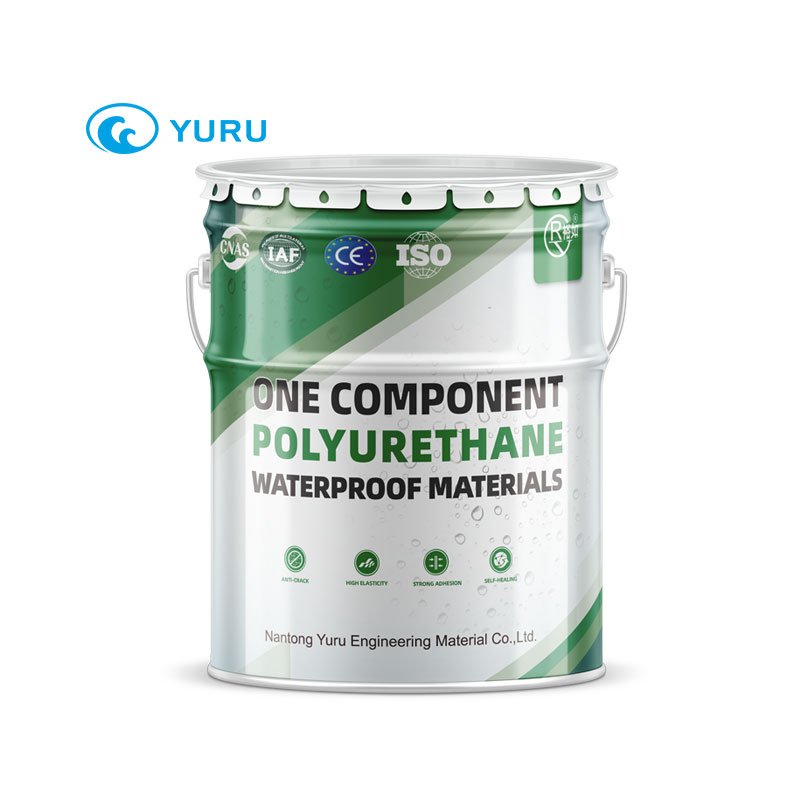
High-Elastic Polyurethane Roof Coatings
Key advantages:
- Elongation exceeding 300%
- Strong crack-bridging capability
- Good resistance to standing water
- Excellent mechanical durability
Acrylic Roof Coatings
Water-based acrylic coatings are often used for light refurbishment, especially on metal roofs.
On asphalt membranes, they can work only if:
- The membrane is stable and dry.
- A proper sealing primer is applied.
- Ponding water is minimal.
Acrylics are not suitable for heavily deteriorated asphalt or chronic water accumulation.
Silicone-Modified Roof Coatings
Silicone systems show excellent UV resistance and water repellency.
However, adhesion to aged asphalt requires special surface treatment.
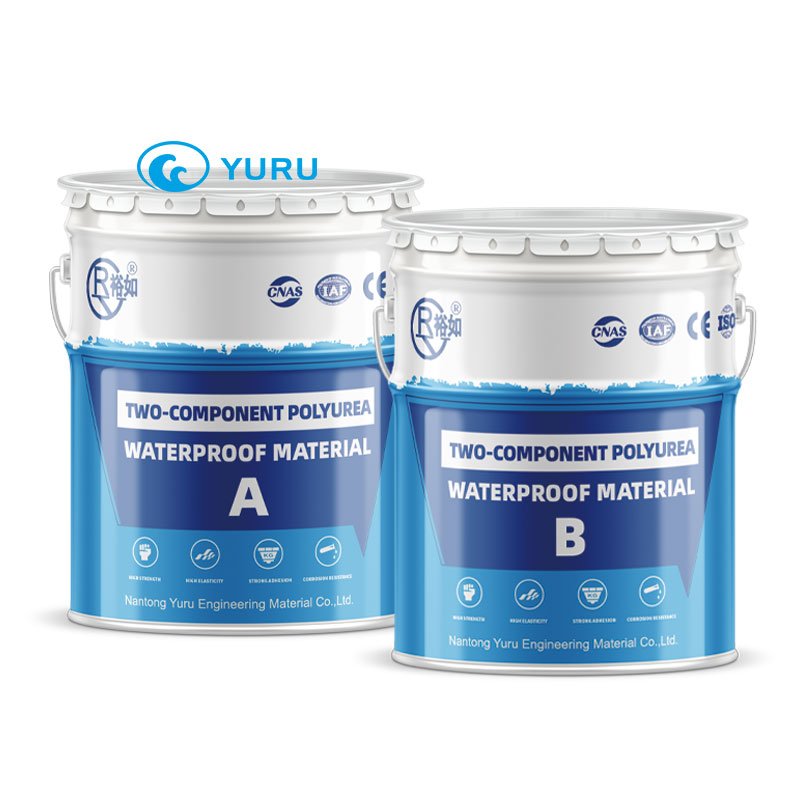
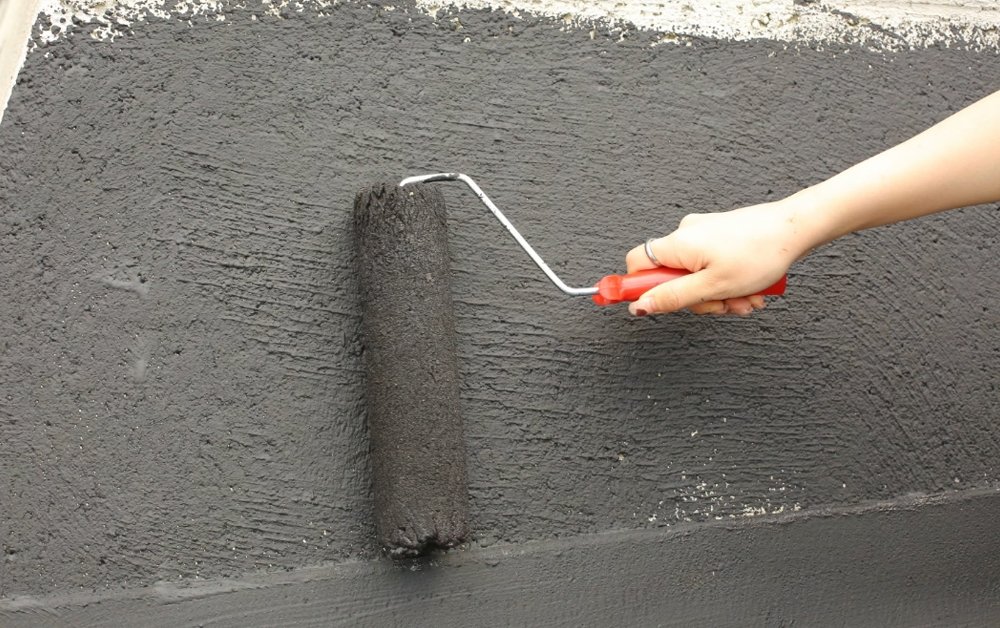
Two-component Polyurea Waterproofing Coatings
Main advantages:
- Strong adhesion
- High elasticity
- Good water resistance
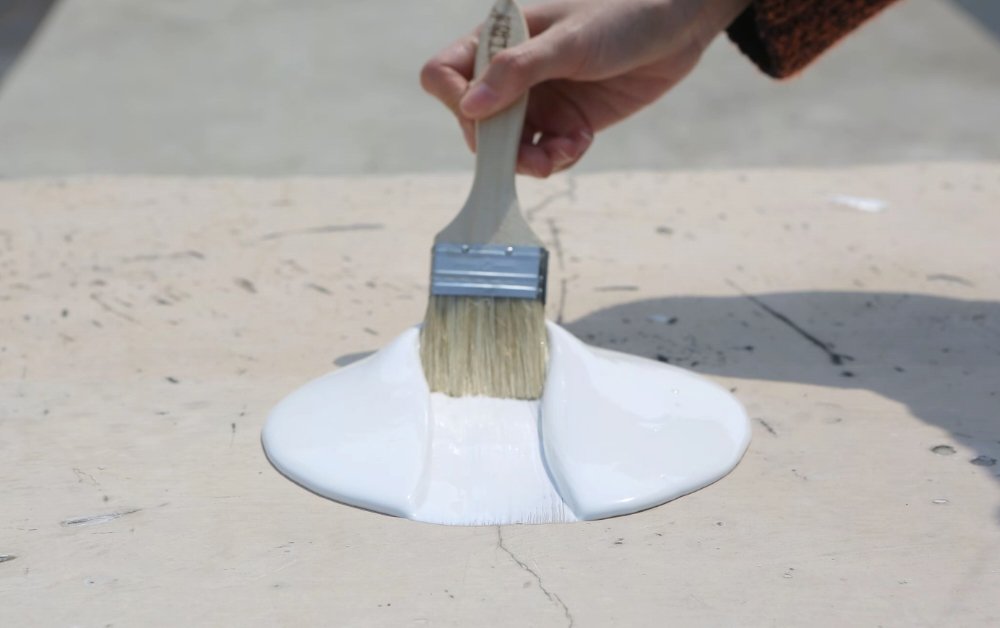
When You Should NOT Apply Coating Over Existing Asphalt?
From a technical risk perspective, coating should be avoided when:
- Large areas of membrane are detached or hollow.
- Asphalt has become brittle and cracked through its thickness.
- Oil bleeding is excessive.
- Moisture is trapped beneath the membrane.
- Structural slope is insufficient, causing long-term ponding.
In these cases, localized removal or full replacement may be the only responsible solution.
Applying coatings in such conditions often leads to false savings—short-term cost reduction followed by complete system failure.
Proper Surface Preparation: The Real Determinant of Success
Most coating failures blamed on “bad material” are actually preparation failures.
A correct preparation sequence typically includes:
Condition assessment
- Visual inspection
- Core cutting if necessary
- Adhesion testing
Localized repairs
- Removing loose membrane
- Re-adhering lifted sections
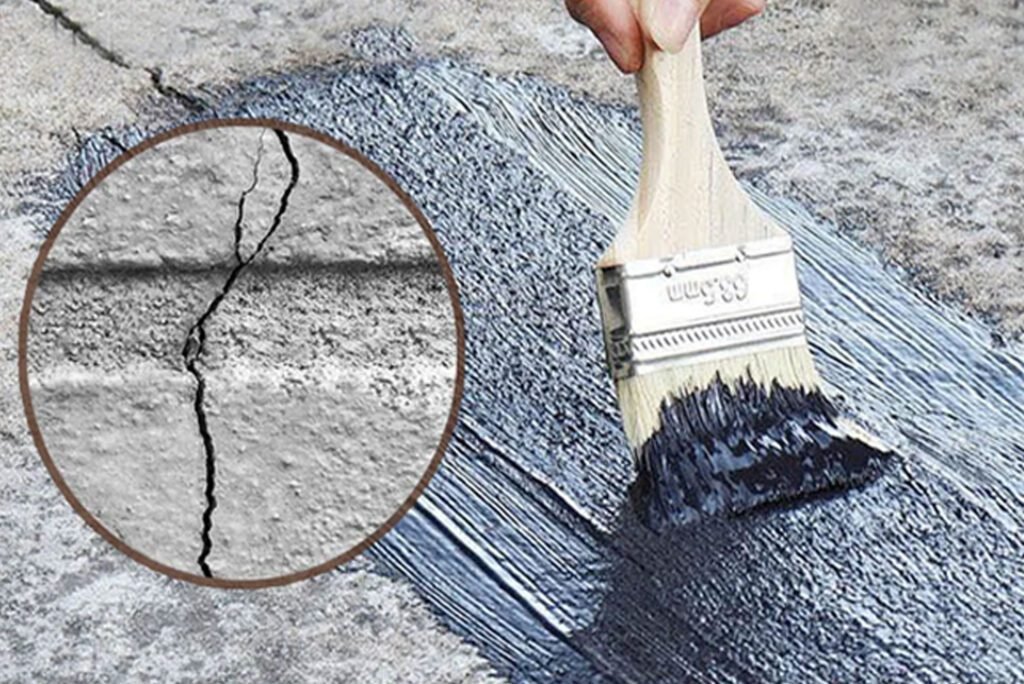
- Sealing cracks and seams
Surface cleaning
- Power washing
- Oil residue removal
- Complete drying
Priming or interface treatment
- Asphalt-compatible primers
- Blocking oil migration
- Enhancing adhesion
Reinforced detailing
- Polyester fabric at joints
- Drain and penetration reinforcement
- Parapet transitions
Only after these steps should the full coating system be applied.

Common Contractor Mistakes and Their Consequences
Some of the most frequent mistakes include:
- Applying coating over wet asphalt.
- Ignoring oil bleed-through.
- Skipping primer to save cost.
- Applying coating too thick in one pass.
- Failing to reinforce critical details.
These errors often result in:
- Early blistering
- Peeling within 6–12 months
- Water tracking beneath the coating
- Costly rework
Professional outcomes depend more on process discipline than material branding.
YURU Waterproof: System-Based Roof Renovation Solutions
At YURU Waterproof, we approach asphalt roof renovation as a system engineering task.
Our solutions include:
- Asphalt-compatible high-elastic roof coatings.
- Specialized primers for oil-blocking and adhesion.
- Reinforcement fabrics and detailing systems.
- Technical evaluation support before application.
We help contractors and building owners determine:
- Whether coating is appropriate.
- Which system configuration is safest.
- How to minimize long-term maintenance risk.
Our experience spans industrial roofs, logistics centers, commercial buildings, and municipal facilities across diverse climates.
Conclusion:
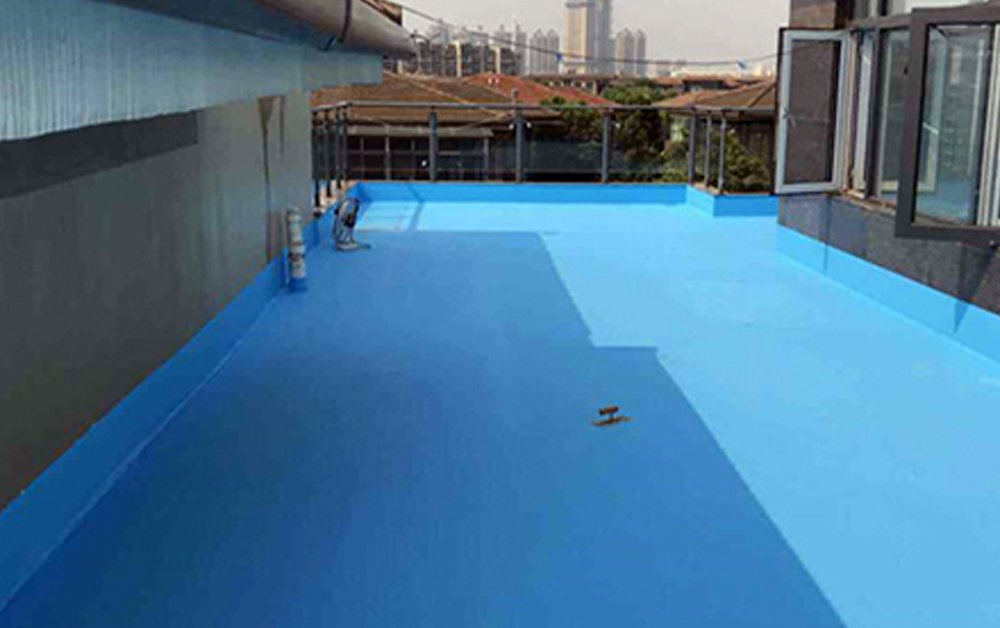
Simply put, applying a waterproof coating to existing asphalt roofing membranes is a viable solution.
It is important to note the need for proper surface preparation, selecting the appropriate waterproof roof coating, and correct application.
Please contact YURU Waterproof and we will recommend suitable waterproof roof coatings and provide technical support based on the specific conditions of your roof.
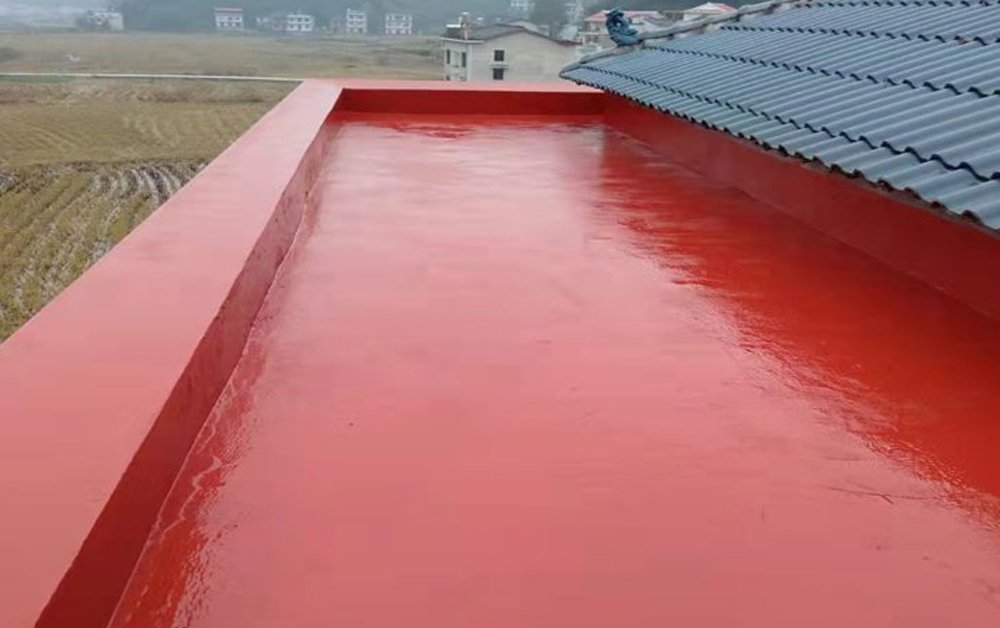
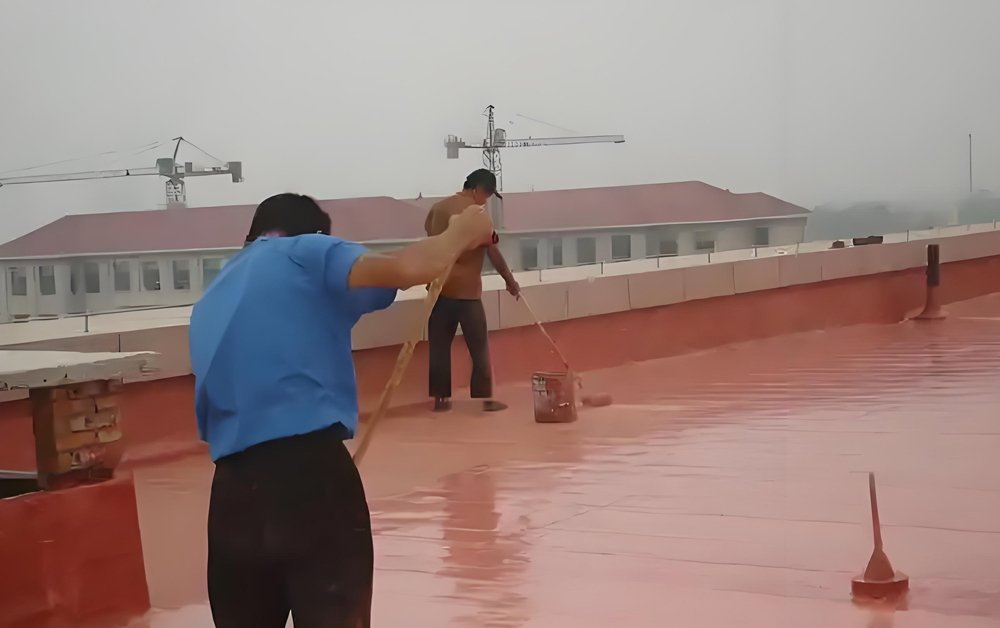
YURU Product solutions