The Ultimate Guide to Choosing a Polyurea Grouting Manufacturer for Infrastructure Projects
Introduction:
In infrastructure projects, failures rarely come from a single mistake. They usually result from a chain of small decisions made early in the supply process. Grouting materials are a typical example. Polyurea grouting has become widely accepted for tunnels, dams, subways, and underground structures due to its durability, and sealing efficiency.
Selecting the right polyurea grouting manufacturer is a structural risk decision.
This guide explains how to evaluate polyurea grouting manufacturers, helping engineers make informed choices.
1. Why Infrastructure Projects Demand Careful Selection of Polyurea Grouting Manufacturers?
1.1 Infrastructure Grouting Is Not Standard Waterproofing
Infrastructure grouting applications differ fundamentally from residential or commercial waterproofing:
- Continuous hydrostatic pressure.
- High groundwater levels.
- Structural movement and vibration.
- Restricted access and limited rework opportunities.
In these environments, grouting failure often leads to cascading structural issues, not just water leakage.
A manufacturer supplying infrastructure-grade polyurea must understand these realities—not simply provide a product that “reacts fast.”
1.2 Manufacturer Capability Directly Affects Engineering Outcomes
Many suppliers operate as traders or formula assemblers. They sell polyurea grouts without:
- Understanding site-specific water pressure conditions.
- Adjusting reaction speed for temperature variations.
- Optimizing expansion rates for structural safety.
Infrastructure projects cannot rely on generic formulations.
2. Core Engineering Performance Indicators of Polyurea Grouting Materials
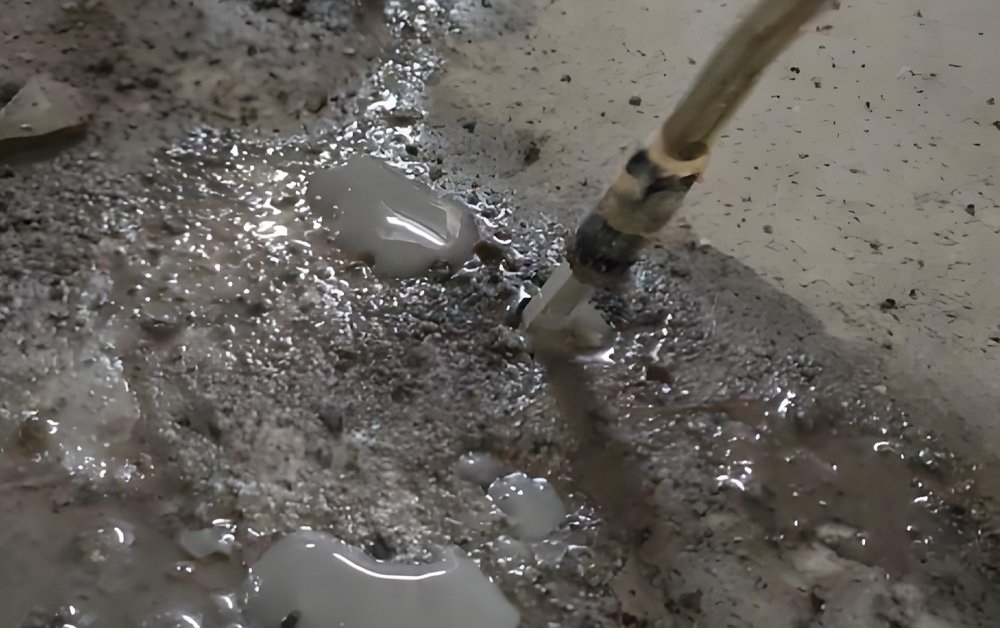
2.1 Reaction and Gel Time Control
Reaction speed is often misunderstood.
- Too fast → incomplete penetration
- Too slow → washout and dilution
Professional manufacturers design adjustable gel time ranges, typically:
| Condition | Recommended Gel Time |
| Active water leakage | 5–30 seconds |
| Curtain grouting | 30–120 seconds |
| Soil stabilization | 1–3 minutes |
This flexibility is impossible without real formulation control.
2.2 Expansion Ratio vs Structural Safety
High expansion is useful, but dangerous if uncontrolled.
Engineering-grade polyurea should balance:
- Expansion pressure
- Final foam density
- Elastic recovery after curing
Excessive expansion can widen cracks or damage weak substrates.
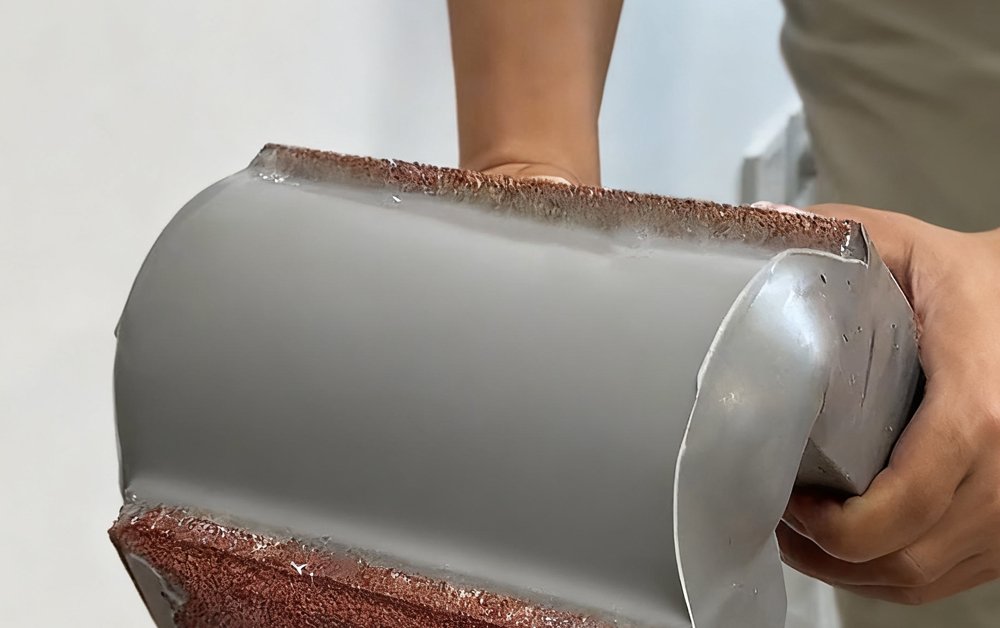
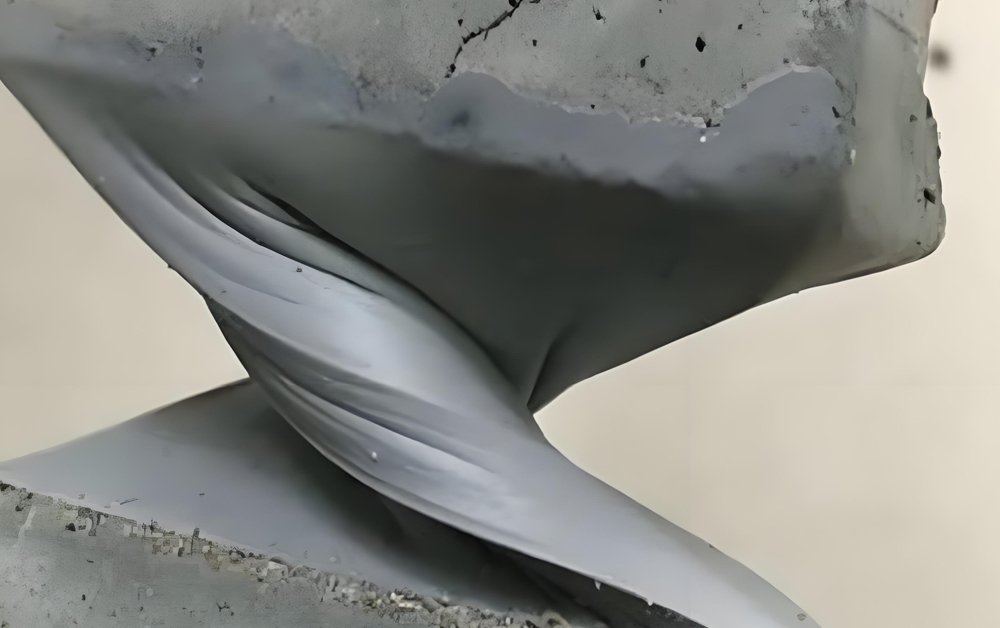
2.3 Elasticity and Long-Term Deformation Resistance
Infrastructure structures move. Temperature cycles, settlement, traffic vibration, and groundwater variation all create micro-movements.
High-quality polyurea grouting materials exhibit:
- Elastic recovery after compression
- Resistance to fatigue cracking
- Stable mechanical properties after long-term immersion
3. From Laboratory to Jobsite: What Separates True Manufacturers from Suppliers?
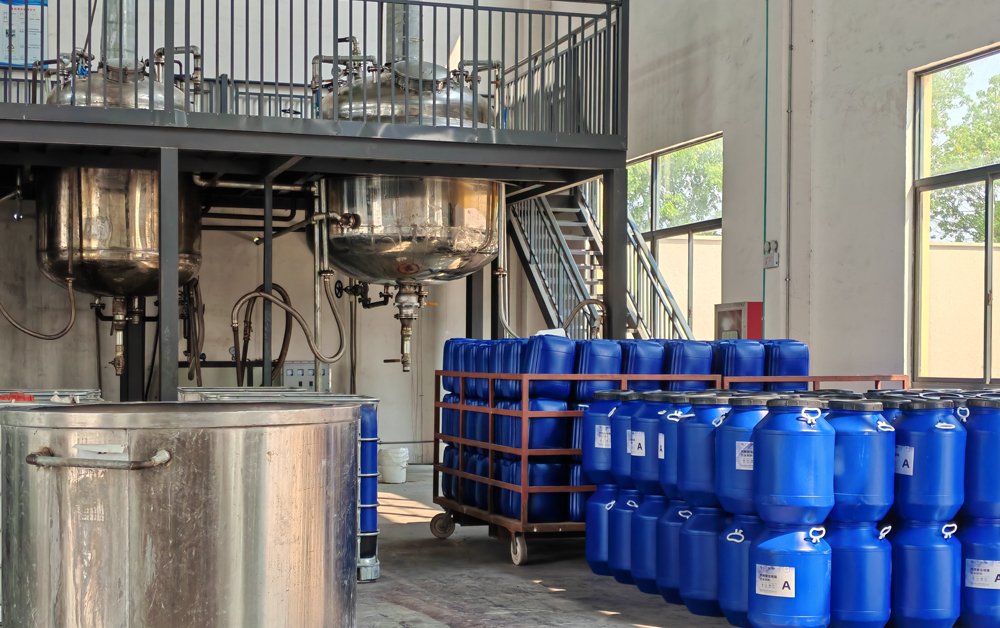
3.1 The Role of R&D in Polyurea Grouting
True manufacturers operate internal laboratories capable of:
- Simulating water pressure conditions
- Testing reaction behavior under varying temperatures
- Measuring cured material elasticity and adhesion
Suppliers without R&D can only resell existing formulas.
3.2 Custom Formulation Capability
Infrastructure projects rarely follow identical conditions.
A competent manufacturer should adjust:
- Catalyst concentration
- Isocyanate index
- Additives for wet substrate compatibility
This level of control allows precise adaptation to project conditions.
4. Performance in Complex Infrastructure Scenarios
4.1 High-Pressure Water Ingress in Tunnels
In tunnel applications, polyurea grouting must:
- React quickly without blocking injection paths
- Resist continuous water pressure
- Maintain elasticity over time
Manufacturer experience matters more than material datasheets.
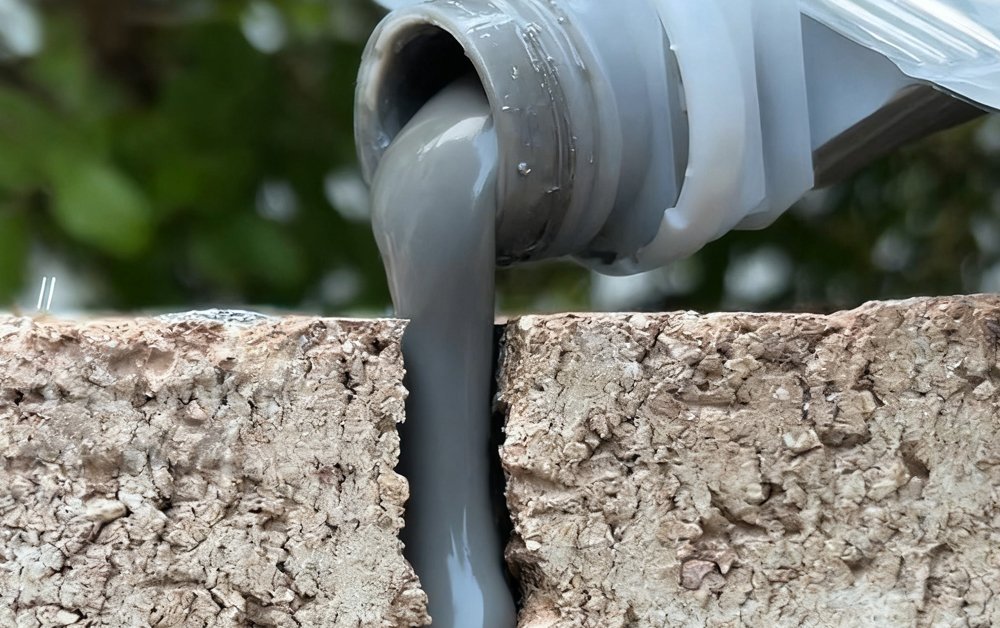
4.2 Curtain Grouting for Dams and Underground Walls
Curtain grouting requires:
- Predictable flow behavior
- Long-term hydrostatic resistance
- Chemical stability in saturated soil
4.3 Rehabilitation of Aging Concrete Structures
Old infrastructure presents challenges:
- Carbonated concrete
- Micro-cracking networks
- Variable permeability
Only manufacturers with engineering feedback loops can refine formulations for these scenarios.
5. Quality Control and Compliance: Non-Negotiable Standards
5.1 Batch Consistency and Traceability
Infrastructure projects require:
- Batch identification
- Retained samples
- Repeatable performance across shipments
Manufacturers must operate under ISO-quality systems.
5.2 Environmental and Safety Compliance
Modern infrastructure projects increasingly demand:
- Low VOC formulations
- Groundwater safety compliance
- Worker safety documentation
A reliable manufacturer proactively supports compliance requirements.
6. Supply Stability and Long-Term Partnership Evaluation
6.1 Production Capacity and Raw Material Security
Infrastructure projects span years.
Manufacturers must demonstrate:
- Stable raw material sourcing
- Scalable production capacity
- Emergency supply readiness
Short-term suppliers cannot meet these expectations.
6.2 Technical Support Beyond Delivery
Infrastructure grouting often requires:
- On-site troubleshooting
- Injection method optimization
- Post-application evaluation
Manufacturers who disappear after delivery create unacceptable project risk.
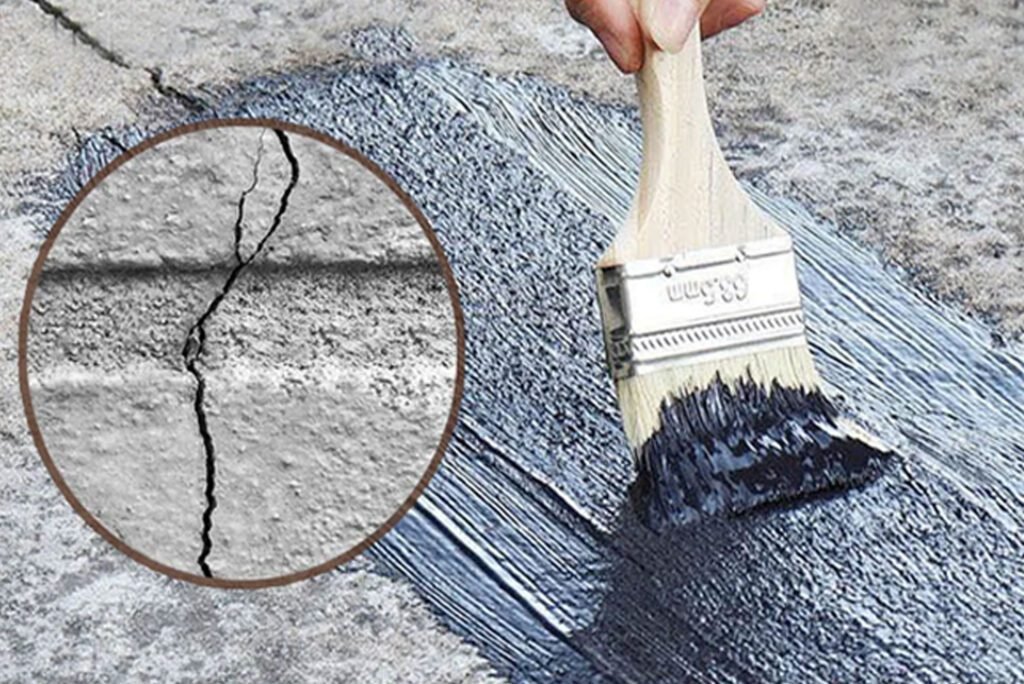

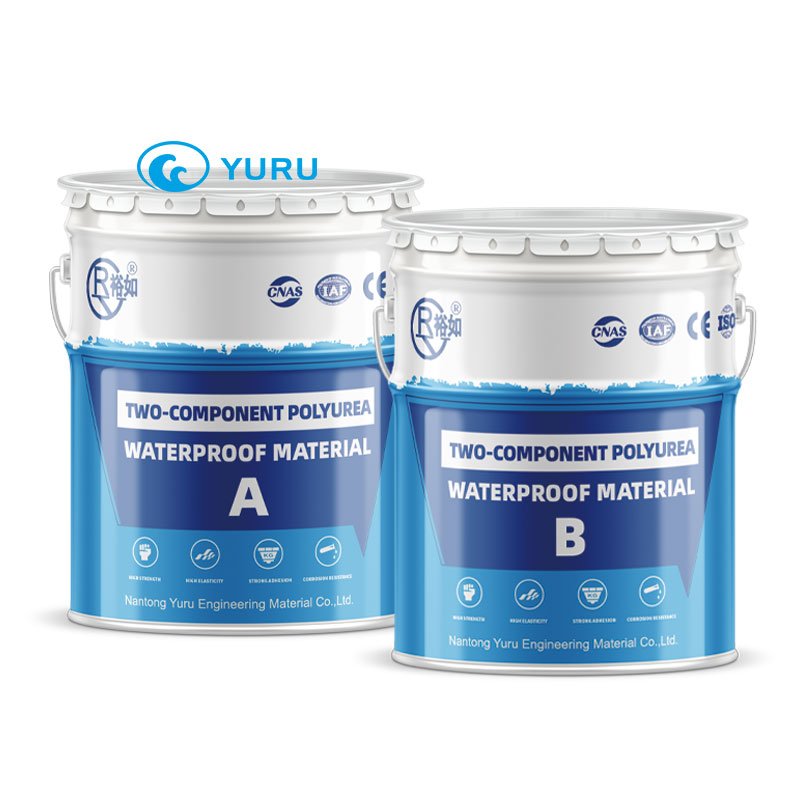
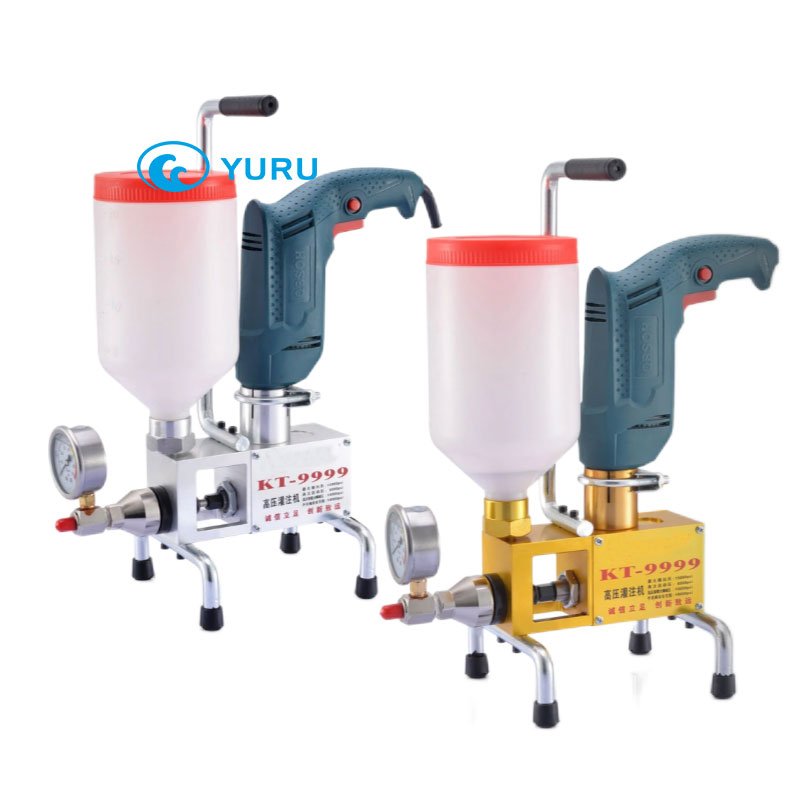
7. YURU Waterproof: A Professional Polyurea Grouting Manufacturer for Infrastructure
YURU Waterproof operates as a manufacturing-focused, engineering-driven supplier of polyurea grouting systems.
Key strengths include:
- Independent R&D laboratory.
- Adjustable polyurea grouting formulations.
- Proven performance in tunnels, underground structures, and municipal projects.
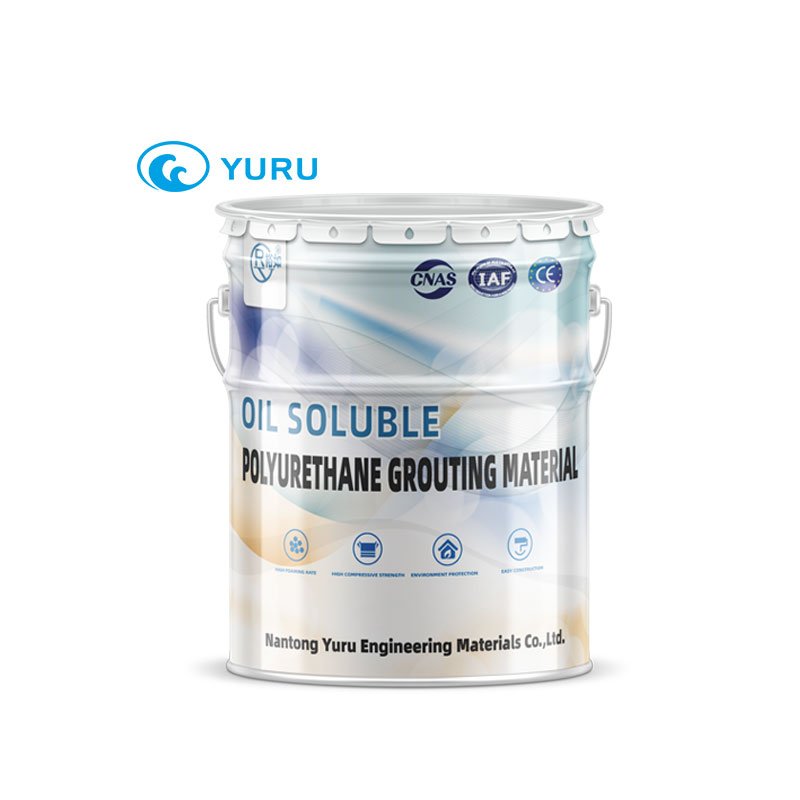
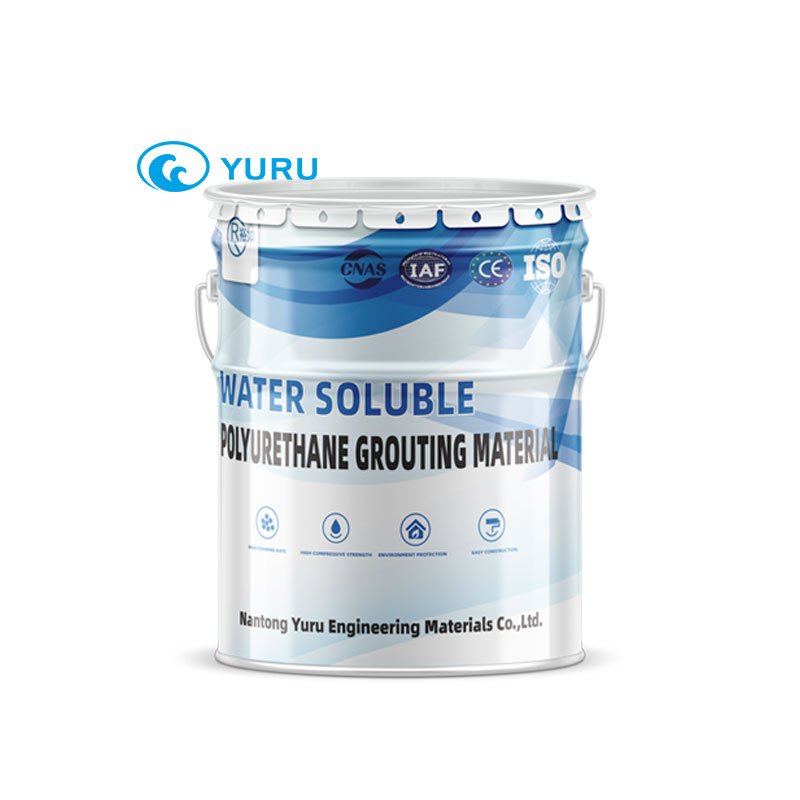
- System-based solutions combining hydrophobic and hydrophilic grouting when needed.
Rather than offering a single product, YURU provides project-specific grouting strategies.
FAQs
1. Is polyurea grouting suitable for permanent infrastructure sealing?
Yes, the right polyurea grouting provides long-term elastic sealing suitable for infrastructure applications.
2. Can polyurea grouting handle continuous water pressure?
High-quality formulations are designed specifically for continuous hydrostatic pressure environments.
3. How important is manufacturer customization capability?
Customization ensures reaction time, expansion, and elasticity match site conditions, critical for infrastructure projects.
4. What is the typical service life of polyurea grouting?
When properly designed and applied, service life can exceed 20–30 years in infrastructure conditions.
Conclusion:
In infrastructure engineering, selecting the right polyurea grouting manufacturer ensures:
- Structural durability
- Reduced maintenance cycles
- Long-term water control reliability
If your project involves tunnels, dams, underground structures, or critical infrastructure:
- Contact YURU Waterproof for professional polyurea grouting consultation.

YURU Product solutions