How to Evaluate a Waterproofing Material Supplier for Your Business?
Introduction:
Choosing a waterproofing material supplier is not a transactional decision. For wholesalers, contractors, and OEM brands, it is a long-term business choice that directly affects project risk, cash flow stability, and brand credibility.
In an industry where material failure often appears months or years later, the true cost of a wrong supplier choice is rarely visible at the beginning. This guide is written from a practical, business-oriented perspective to help professional buyers evaluate waterproofing material suppliers beyond price lists and brochures.
1. Start With Your Business Model: Supplier vs Long-Term Partner
Before comparing suppliers, it is critical to define what kind of relationship your business actually needs.
A supplier who works for a retail distributor may not be suitable for an infrastructure contractor or an OEM brand. The evaluation criteria must change accordingly.
For Waterproofing Wholesalers:
Wholesalers typically prioritize:
- Stable supply capacity across seasons.
- Consistent product quality between batches.
- Clear pricing structures that protect channel margins.
A supplier that frequently changes formulations or struggles during peak season creates inventory and reputation risks.
For Engineering Contractors:
Contractors care less about marketing claims and more about:
- Proven performance under real site conditions.
- Technical support when unexpected problems occur.
- Compatibility between primers, membranes, and accessories.
A supplier unable to provide job-specific guidance often transfers technical risk to the contractor.
OEM and Private Label Brands:
OEM buyers face a different challenge:
- Formula stability over long periods.
- Strict quality repeatability.
- Protection of intellectual property and market exclusivity.
In this case, the supplier becomes an extension of your brand. Any inconsistency is a direct brand risk.
If a supplier cannot clearly understand your business model, it is unlikely they can support your growth.
2. Manufacturing Capability and Capacity Stability: The First Hard Filter
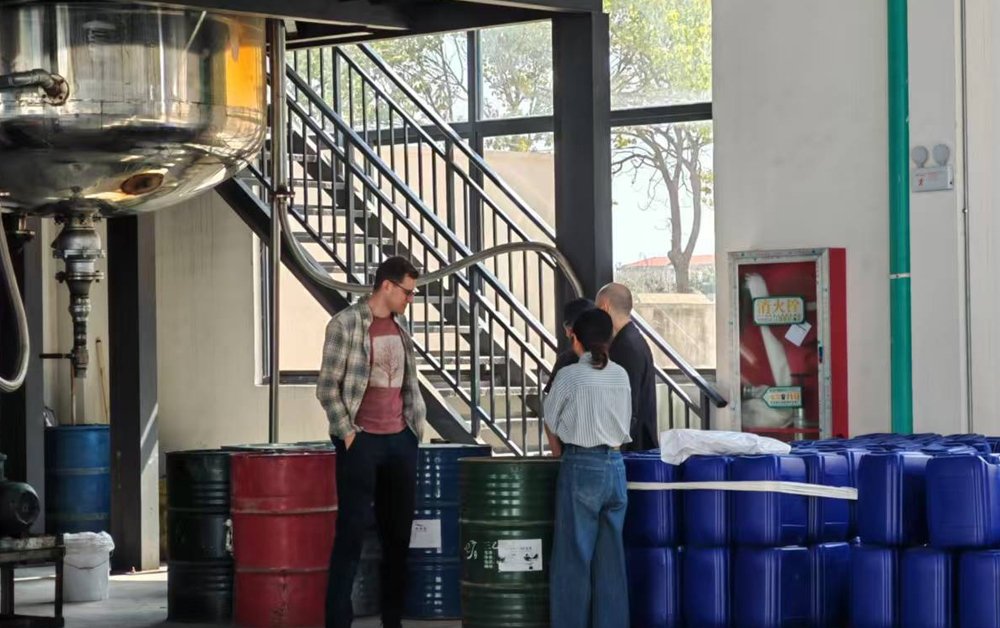
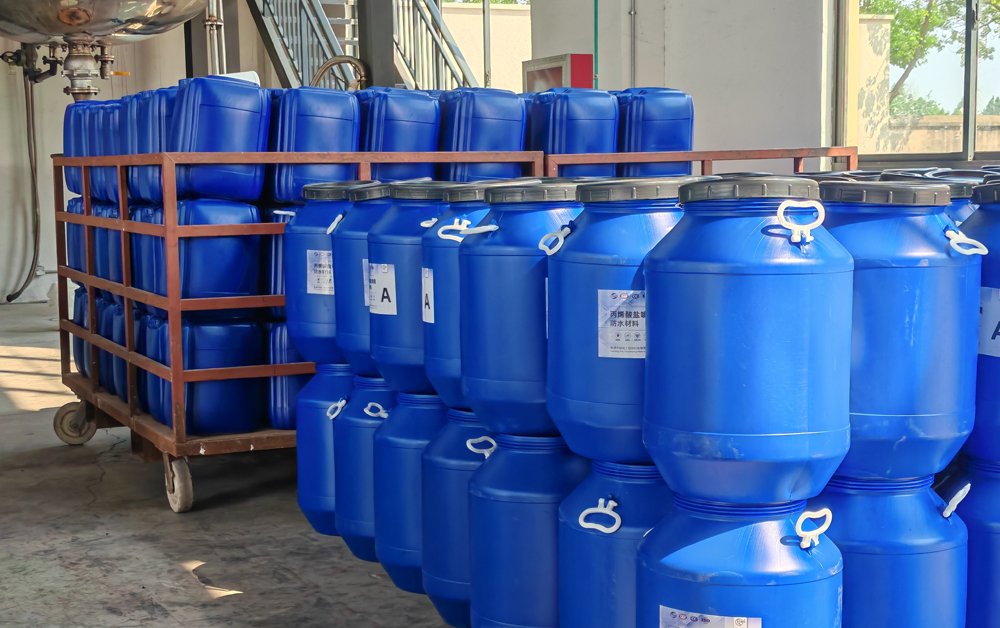
Many companies present themselves as manufacturers while relying heavily on outsourced production. This creates hidden risks.
How to Identify Real Manufacturing Capacity?
Professional buyers should look beyond certificates and ask practical questions:
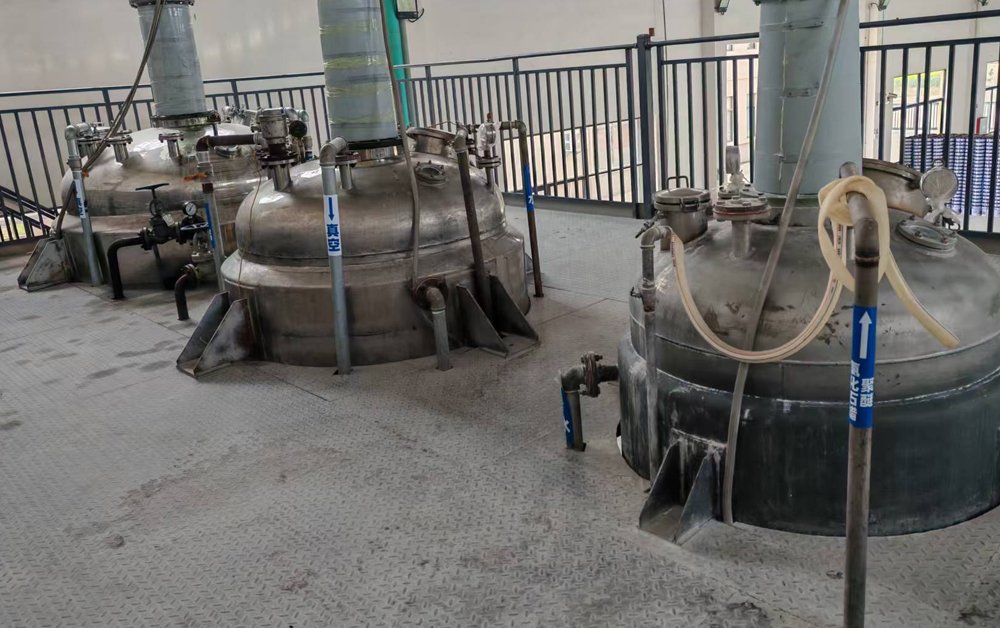
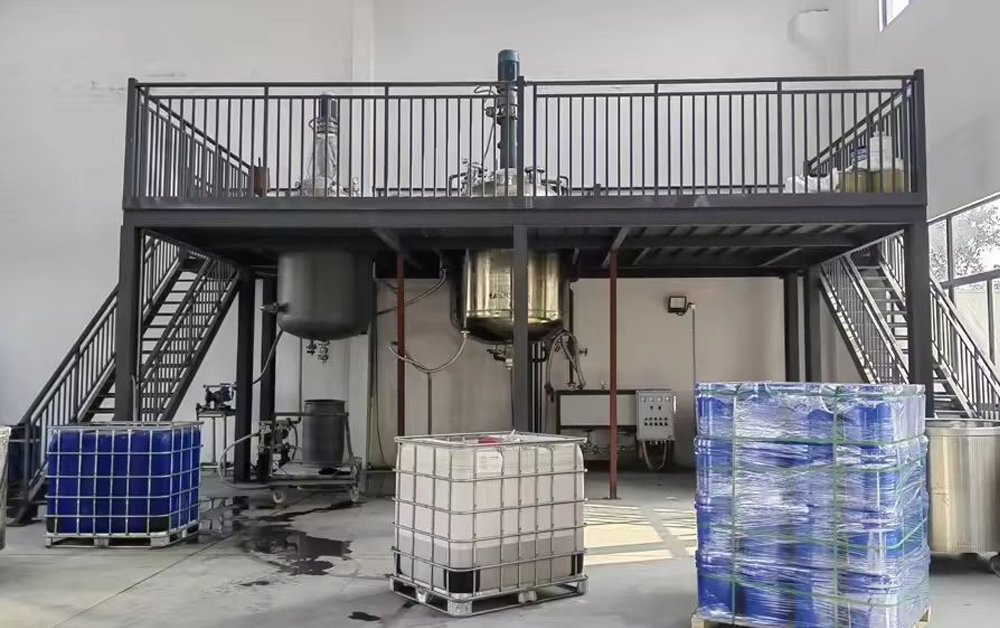
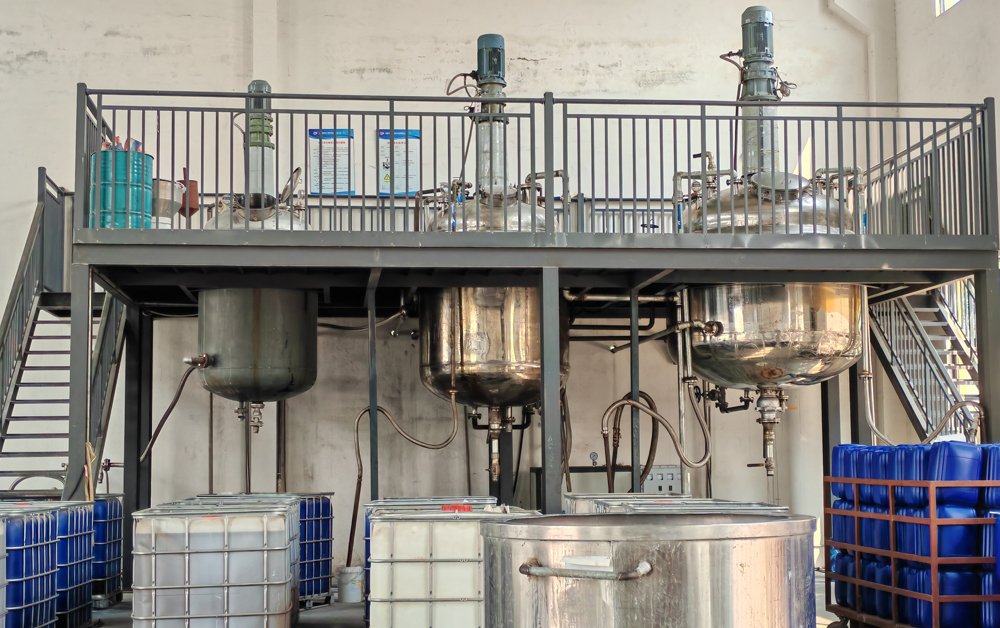
- Does the supplier own its own production lines?
- Are raw material reactions, blending, and packaging done in-house?
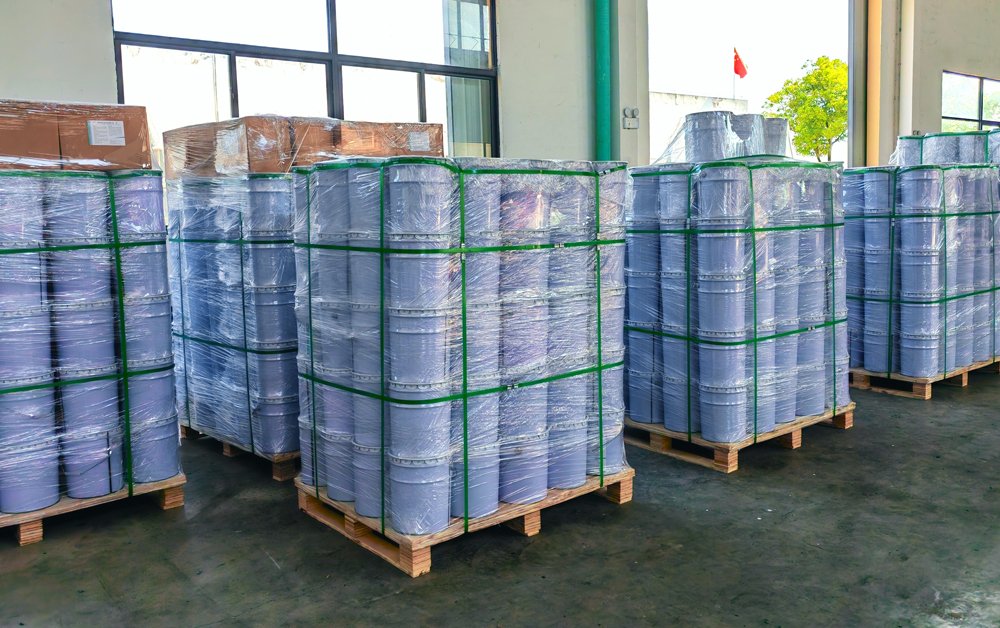
- Can the supplier demonstrate consistent monthly output volumes?
Suppliers with real factories are usually transparent about:
- Reactor sizes
- Batch capacities
- Lead times during peak demand
Why Capacity Stability Matters?
For bulk buyers and project-based orders, unstable capacity leads to:
- Delayed shipments
- Forced formula substitutions
- Emergency sourcing at higher cost
A reliable supplier plans production around long-term clients, not spot orders.
YURU Perspective:
- YURU Waterproof operates dedicated production lines for waterproof coatings and grouting materials, allowing long-term partners to secure predictable supply schedules even during peak construction seasons.


3. Quality Consistency Matters More Than One-Time Test Reports
In waterproofing, batch-to-batch consistency is often more important than a single compliant test report.
Common Quality Risks Buyers Face:
- Same product name, different viscosity across batches.
- Different curing speed under identical conditions.
- Adhesion variation due to raw material changes.
These issues often appear only during application, not during lab testing.
What to Look for in Quality Control Systems:
Professional suppliers should have:
- Documented raw material sourcing standards
- Internal batch testing before shipment
- Retained samples for traceability
Ask suppliers:
- How do you control formulation drift over time?
- How often do you recalibrate production equipment?
Suppliers who hesitate to answer usually lack systematic controls.
4. Technical Support: The Hidden Value Most Buyers Underestimate
Technical support is rarely visible on a quotation sheet, but it becomes critical when projects face real-world complexity.
Real-World Conditions Are Never Perfect
Common challenges include:
- Damp or contaminated substrates
- Unexpected groundwater pressure
- Temperature fluctuations during curing
In such cases, material performance alone is not enough. The supplier must provide application-level solutions.
Signs of Strong Technical Capability
A reliable supplier should be able to:
- Recommend primers based on substrate condition
- Adjust curing speed through formulation options
- Suggest layered systems instead of single products
More importantly, technical teams should speak the language of engineers, not sales scripts.
YURU Advantage:
- YURU’s technical support team works closely with contractors and OEM clients, providing system-based recommendations rather than isolated product suggestions.
5. Product System Completeness and Procurement Efficiency
Working with multiple suppliers increases coordination costs and compatibility risks.
Why System Compatibility Matters:
Waterproofing failures often occur at interfaces:
- Primer to membrane
- Membrane to protection layer
- Grout to concrete
Suppliers offering a complete system can:
- Ensure chemical compatibility
- Reduce on-site trial-and-error
- Simplify procurement and logistics
What a Complete Supplier Portfolio Looks Like:
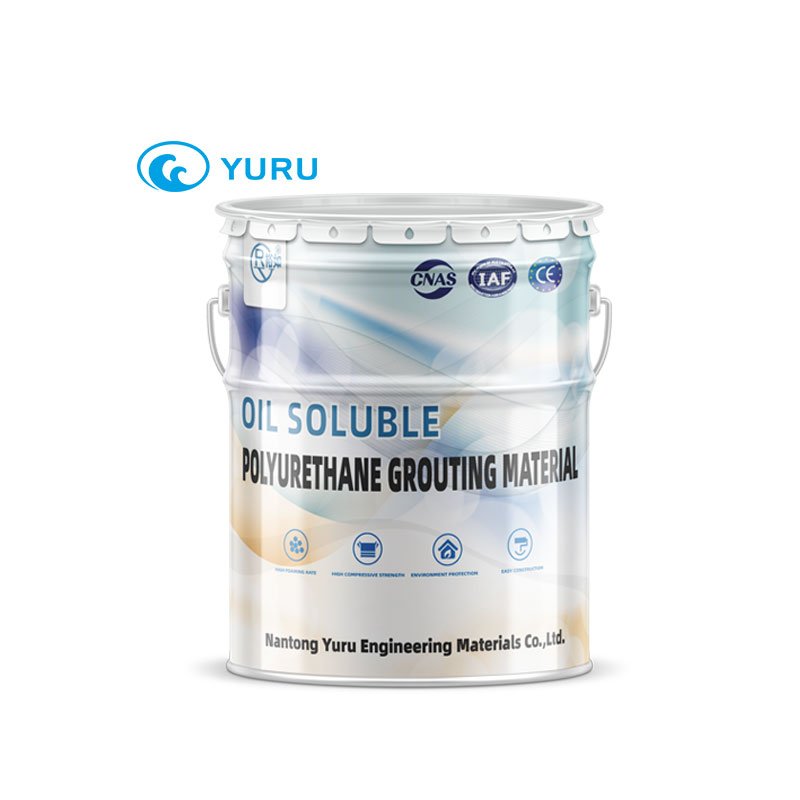
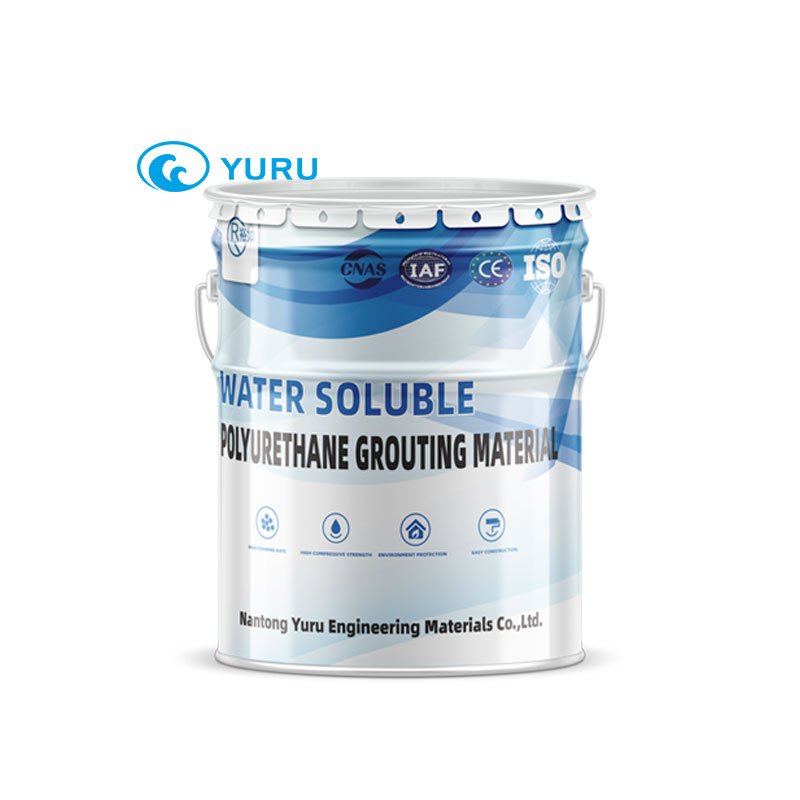
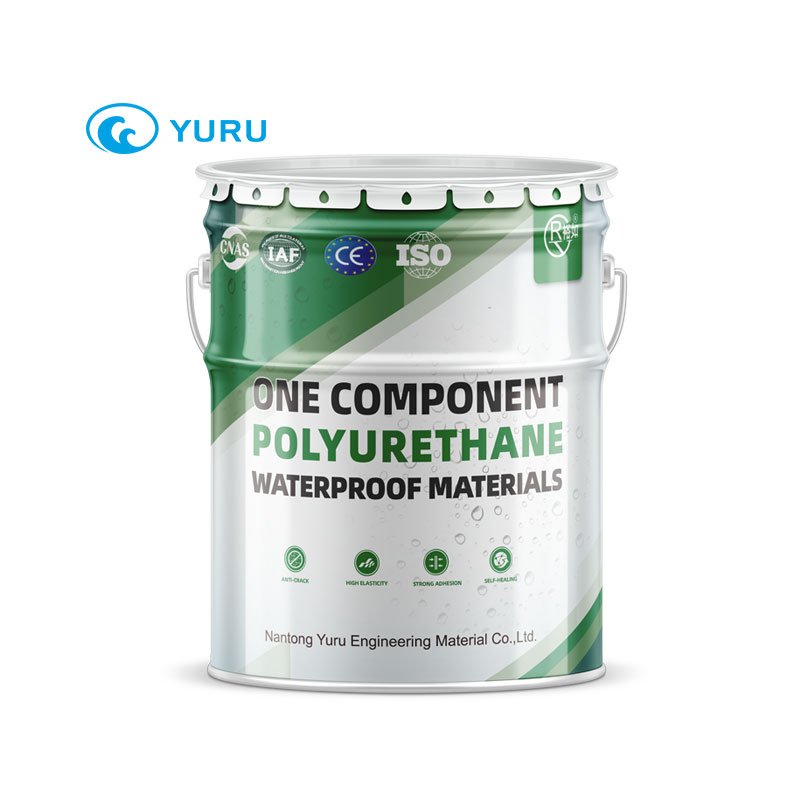
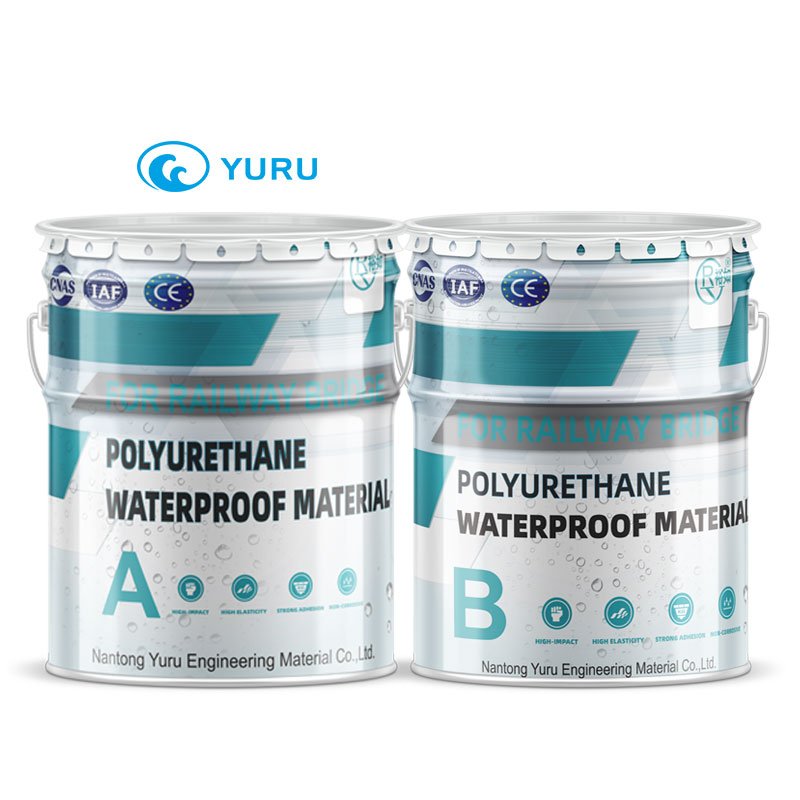
- Waterproof coatings (PU, acrylic, cementitious, polyurea, JS polymer)
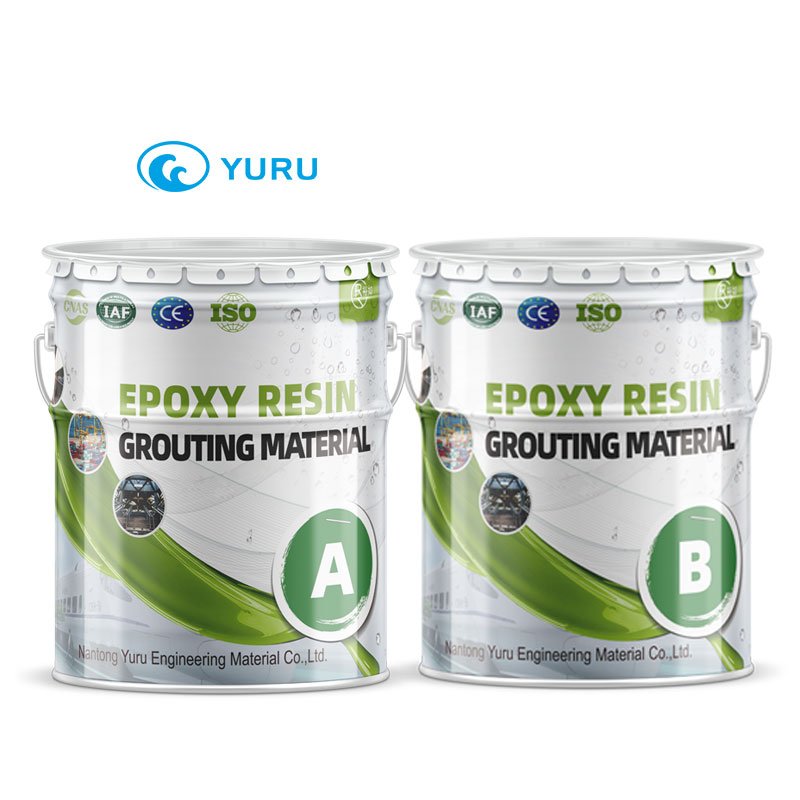
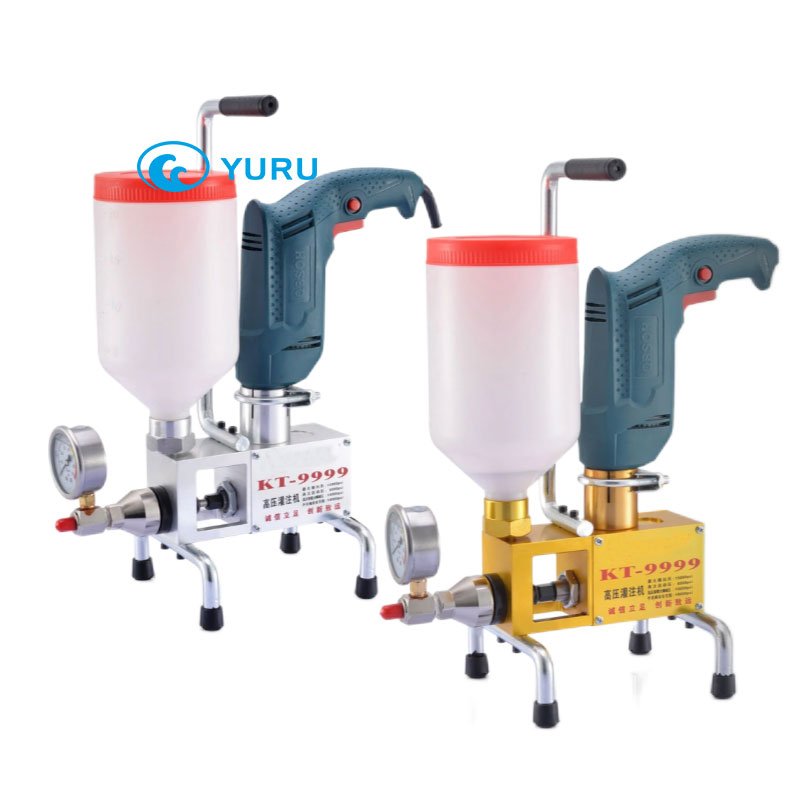
- Injection grouts (PU, acrylate, polyurea, epoxy)
- Matching primers and accessories
This approach benefits both wholesalers and project contractors.
6. Compliance, Export Experience, and Risk Control
For international buyers, compliance capability is not optional.
Common Export Risks:
- Incorrect MSDS documentation
- Packaging not suitable for sea transport
- Delays due to regulatory misunderstandings
A supplier unfamiliar with export requirements can cause shipment delays and financial losses.
What to Verify:
- Experience shipping to your target markets
- Familiarity with local standards
- Proper labeling and documentation support
Suppliers with global experience usually anticipate problems before they occur.
7. Why Professional Buyers Choose YURU Waterproof?
YURU Waterproof has built its reputation by focusing on long-term cooperation.
Our approach emphasizes:
- Stable manufacturing and quality systems.
- Application-oriented technical support.
- Product system compatibility.
- Transparent communication with professional buyers.
We work with wholesalers, contractors, and OEM brands who value reliability and business continuity.
FAQs:
1. How do I verify if a supplier is a real manufacturer?
Visit the factory, request production details, and ask about batch capacity and raw material sourcing.
2. Can one supplier support both wholesale and engineering projects?
Yes, if they have sufficient capacity, product systems, and technical teams.
3. How important is technical support for waterproofing materials?
Critical. Many failures result from incorrect application rather than material defects.
4. Does YURU support OEM and private label cooperation?
Yes. YURU offers OEM support with strict quality control and formulation stability.
5. Can YURU assist with export documentation?
Yes. YURU has experience supporting international shipments and compliance requirements.
Conclusion
Choosing a waterproofing material supplier is not about finding the lowest price. It is about controlling operational risk and enabling sustainable growth.
If you are evaluating suppliers for your next phase of business development, the right conversation should start with technical understanding.
Contact YURU Waterproof to discuss your business model, request samples, or receive technical guidance tailored to your market and application needs.
YURU Product solutions