Leading Polyurethane Waterproof Coating Manufacturer for Waterproofing and Structural Protection
Introduction
In the field of waterproofing, polyurethane waterproof coatings are the choice of many contractors, engineers, and other professional procurement personnel. Its superior performance makes it one of the most frequently used liquid waterproofing materials. For effective building waterproofing, choosing the right professional polyurethane waterproof coating manufacturer is even more important than simply choosing the right polyurethane waterproof coating.
This article will explain why polyurethane waterproof coatings are widely used for waterproofing and structural protection, how different polyurethane systems meet different project needs, and what aspects procurement personnel should evaluate when working with manufacturers like YURU Waterproof.
1. Why are Polyurethane Waterproof Coatings Widely Used in Structural Waterproofing?
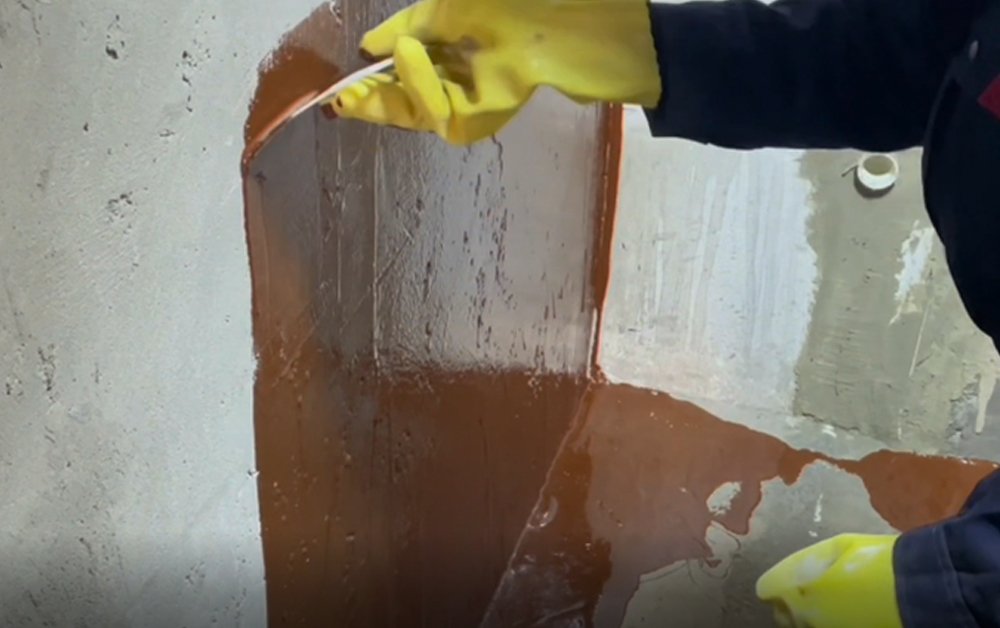
1.1 Seamless Membrane Formation for Complex Structures
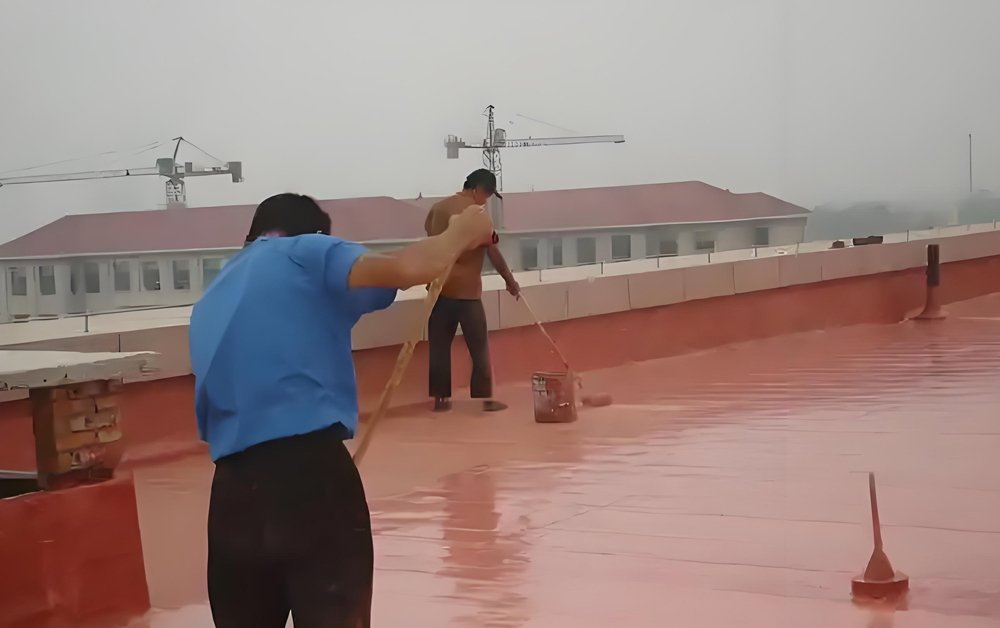
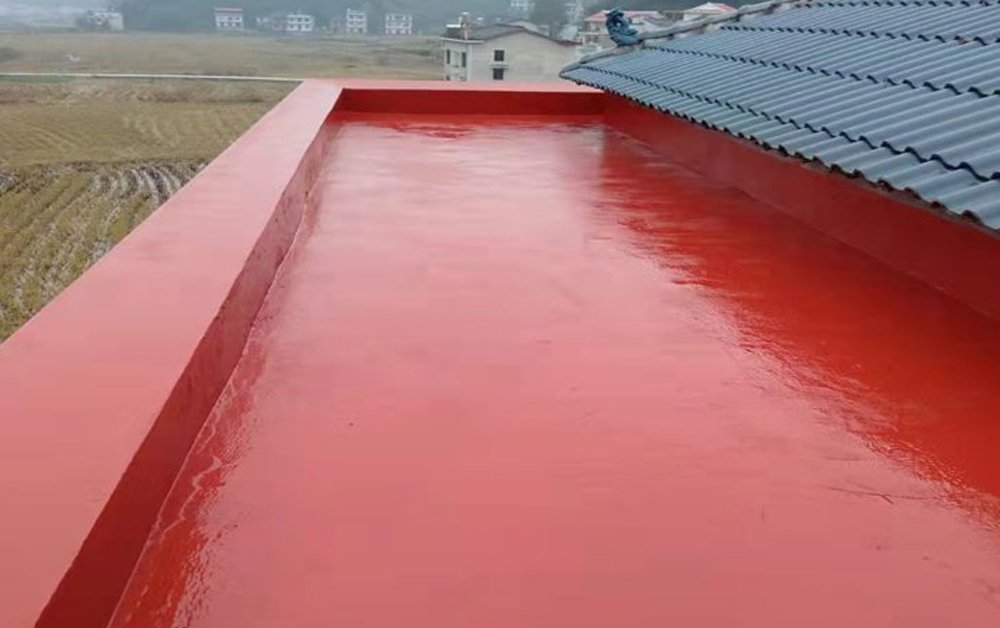
Unlike sheet waterproofing materials, polyurethane waterproof coatings, once cured, form a continuous, seamless waterproof layer. This characteristic is particularly important for:
- Roofs with multiple penetrations
- Irregular concrete structures
- Expansion joints and detailed construction areas
The seamless membrane eliminates weak points where water typically penetrates.
1.2 High Elasticity and Crack Bridging Capability
Concrete structures inevitably experience minor displacements caused by:
- Thermal expansion and contraction
- Structural settlement
- Dynamic loads (traffic, vibration, wind)
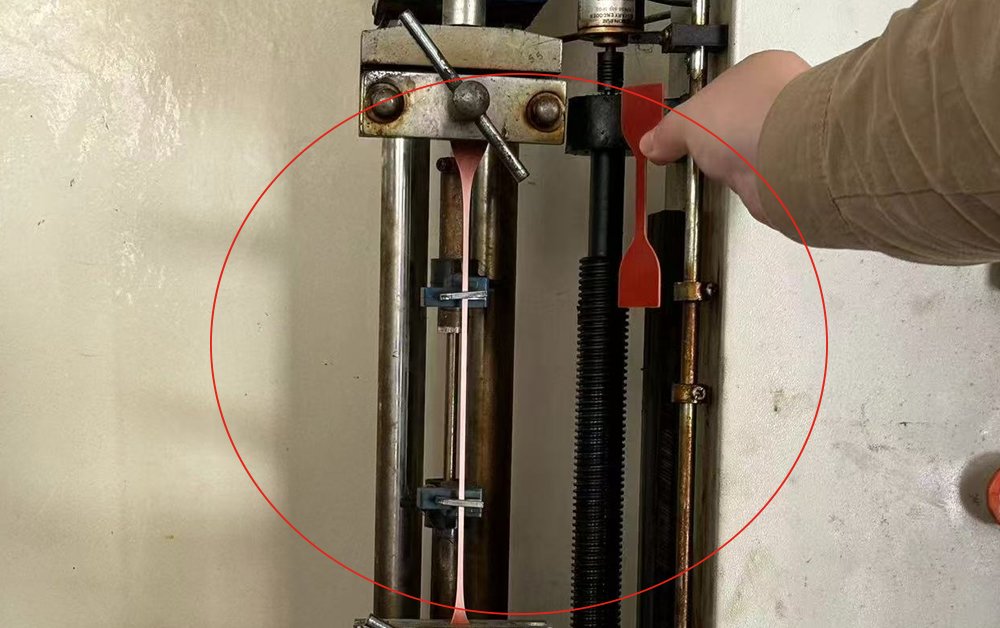
Polyurethane waterproof coatings have a high elongation rate, allowing them to bridge minor cracks and maintain waterproofing integrity even when the substrate undergoes displacement.
1.3 Strong Adhesion to Various Substrates
Polyurethane waterproof coatings exhibit excellent adhesion to the following materials:
- Concrete
- Metal
- Masonry
- Existing waterproofing layers (after proper preparation)
This makes them suitable for both new construction and renovation projects.
2. Different Engineering Applications Demand Different PU Waterproofing Properties
A common misconception in the market is that polyurethane waterproof coating is a “one-size-fits-all” solution. In reality, different engineering scenarios require different formulations.
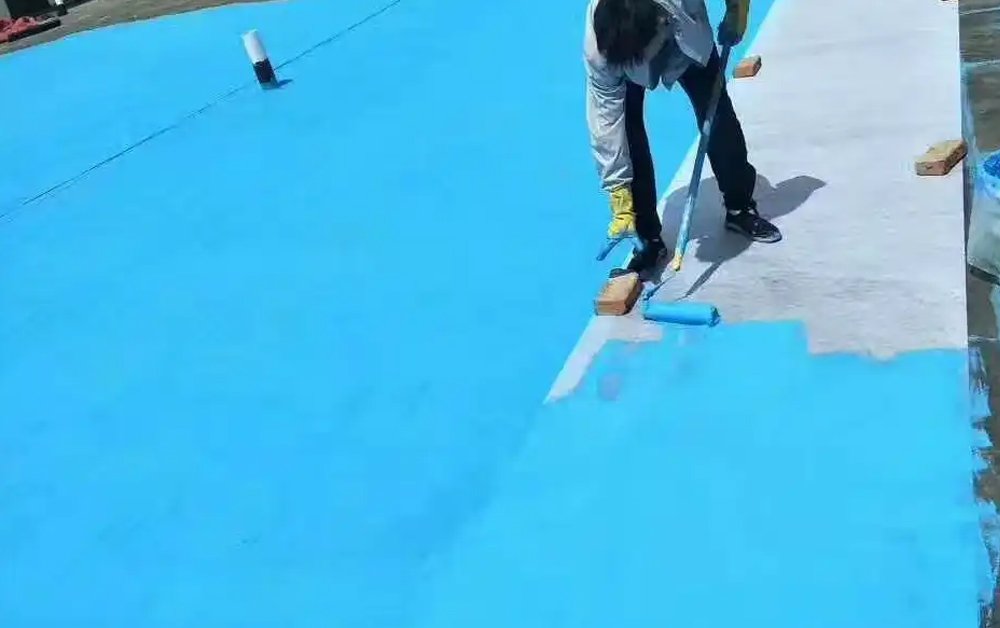
2.1 Roof Waterproofing Projects
Roof applications prioritize:
- UV resistance
- Weather durability
- Long-term exposure stability
2.2 Underground and Basement Structures
Below-grade structures emphasize:
- Water resistance under hydrostatic pressure
- Long-term adhesion to damp substrates
- Resistance to water immersion
In many cases, polyurethane coatings are used in combination with protective layers or concrete toppings.
2.3 Bridges and Railway Infrastructure
Infrastructure projects such as bridges and railways impose additional demands:
- Resistance to vibration and fatigue.
- Compatibility with heavy mechanical loads.
- Long-term durability under aggressive conditions.
This is where specialized polyurethane systems are required rather than standard building-grade coatings.
3. Main Types of Polyurethane Waterproof Coatings Offered by YURU Waterproof
As a professional polyurethane waterproof coating manufacturer, YURU Waterproof provides multiple PU systems designed for specific engineering requirements.
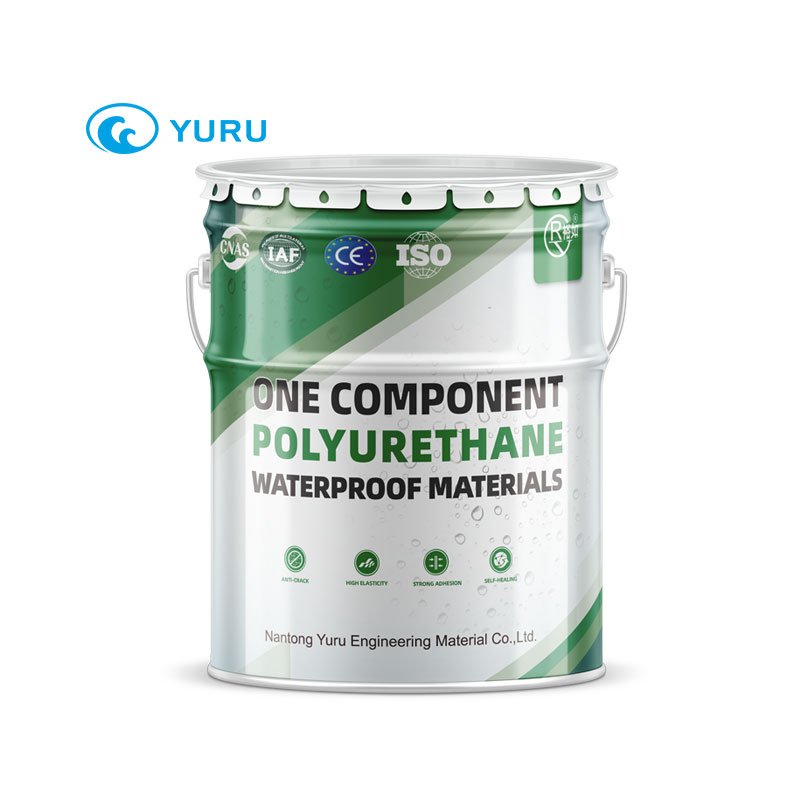
3.1 Single-Component Oil-Based Polyurethane Waterproof Coating
Single-component oil-based polyurethane coatings cure by reacting with moisture in the air.
Key characteristics:
- Dense, highly waterproof membrane
- Excellent adhesion to concrete
- Stable curing performance
Typical applications:
- Basements and underground structures
- Non-exposed waterproofing systems
- Areas requiring strong waterproof barriers
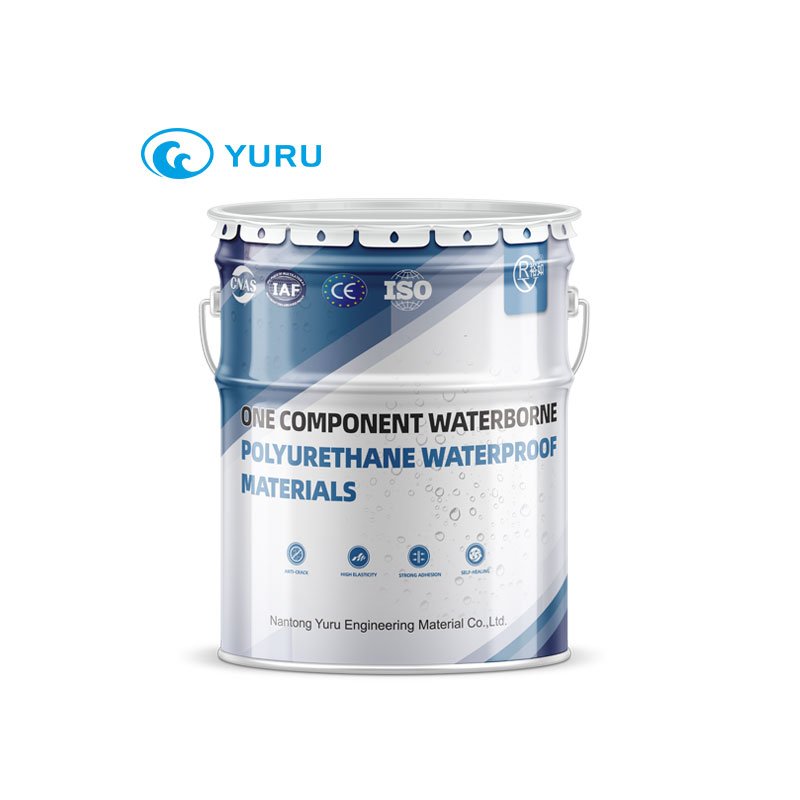
3.2 Water-Based Polyurethane Waterproof Coating
Water-based polyurethane coatings are designed to meet increasing environmental and safety standards.
Key characteristics:
- Low VOC and environmentally friendly
- Safer application in enclosed spaces
- Good elasticity and adhesion
Typical applications:
- Residential and public buildings
- Projects with strict environmental regulations
- Interior waterproofing systems
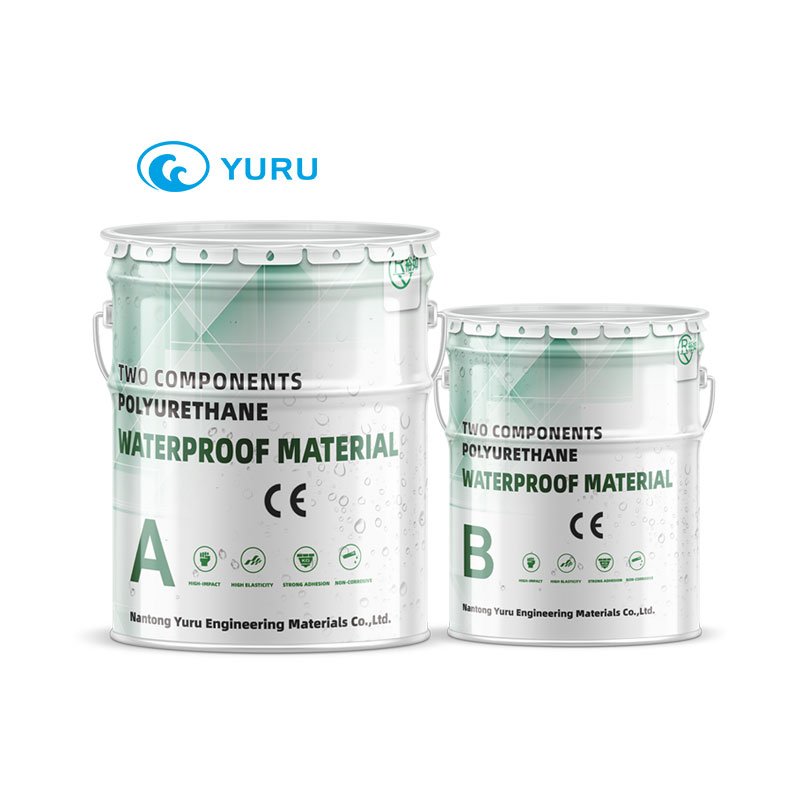
3.3 Two-Component Polyurethane Waterproof Coating
Two-component polyurethane systems are formed by mixing resin and curing agent before application.
Key characteristics:
- Excellent mechanical strength
- Controlled curing reaction
- High resistance to wear and stress
Typical applications:
- Structural waterproofing systems
- Industrial buildings
- High-performance engineering projects
It is important to note that two-component polyurethane coatings are generally not recommended for direct long-term exposure and are best used with protective layers.
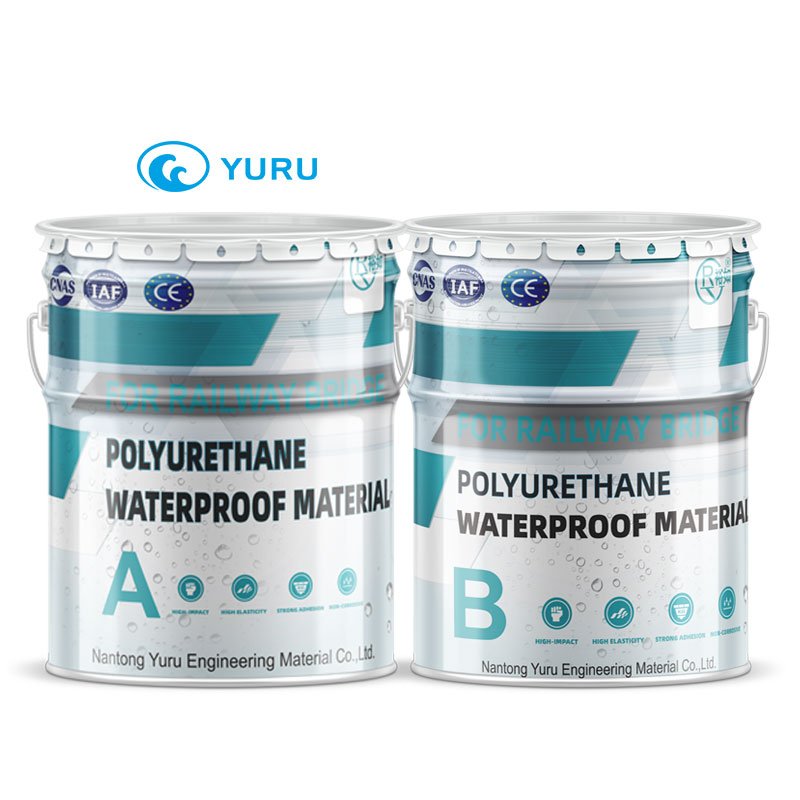
3.4 Polyurethane Waterproof Coating for Railway Bridges
Railway bridges operate under extreme conditions, including vibration, cyclic loading, and environmental exposure.
YURU’s railway bridge PU coatings are designed to:
- Resist repeated dynamic loads.
- Maintain elasticity over long service periods.
- Protect bridge decks from water penetration and corrosion.
4. How Polyurethane Coatings Contribute to Structural Protection?
4.1 Preventing Water-Induced Structural Deterioration
Once moisture enters concrete, it can trigger:
- Steel reinforcement corrosion
- Freeze–thaw damage
- Alkali–aggregate reactions
- Progressive loss of load-bearing capacity
Flexible polyurethane waterproof coatings can significantly reduce water penetration.
4.2 Accommodating Structural Movement Without Cracking
Polyurethane coatings maintain elasticity throughout their service life.
This allows them to:
- Absorb thermal movement
- Bridge micro-cracks
- Remain intact under vibration and dynamic loading
4.3 Compatibility With Composite Protection Systems
Polyurethane coatings are used as part of a multi-layer protection system, combined with:
- Cementitious protective screeds
- Asphalt or concrete overlays
- Mechanical protection layers
5. How to Evaluate a Polyurethane Waterproof Coating Manufacturer?
Wholesalers, contractors, and project owners, when making purchasing decisions, not only choose specific product models but, more importantly, select the right manufacturer.
5.1 Completeness of the Product System
Professional manufacturers offer a variety of different polyurethane series.
This indicates the ability to:
- Serve different engineering scenarios.
- Adjust formulations to climate and substrate.
- Provide long-term supply consistency.
5.2 Raw Material Control and Formulation Stability
Key evaluation points include:
- Consistency of isocyanate and polyol sources.
- Stability of curing performance.
- Repeatability of performance between batches.
5.3 Technical Documentation and Test Data
Reliable manufacturers will also provide technical support, including:
- Technical Data Sheets (TDS)
- Application guidelines
- Laboratory and field test results
5.4 Ability to Support Large and Long-Term Projects
Infrastructure projects typically require:
- Stable long-term supply
- Consistency of large-volume products
- Technical support during the construction process
6. YURU Waterproof: Manufacturing Strength and Engineering-Oriented Solutions
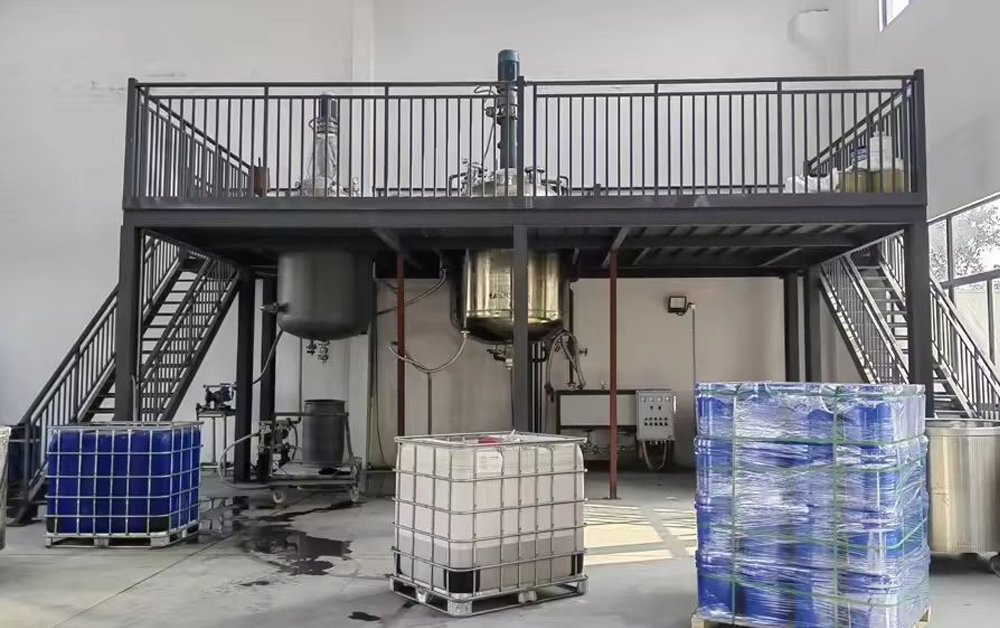
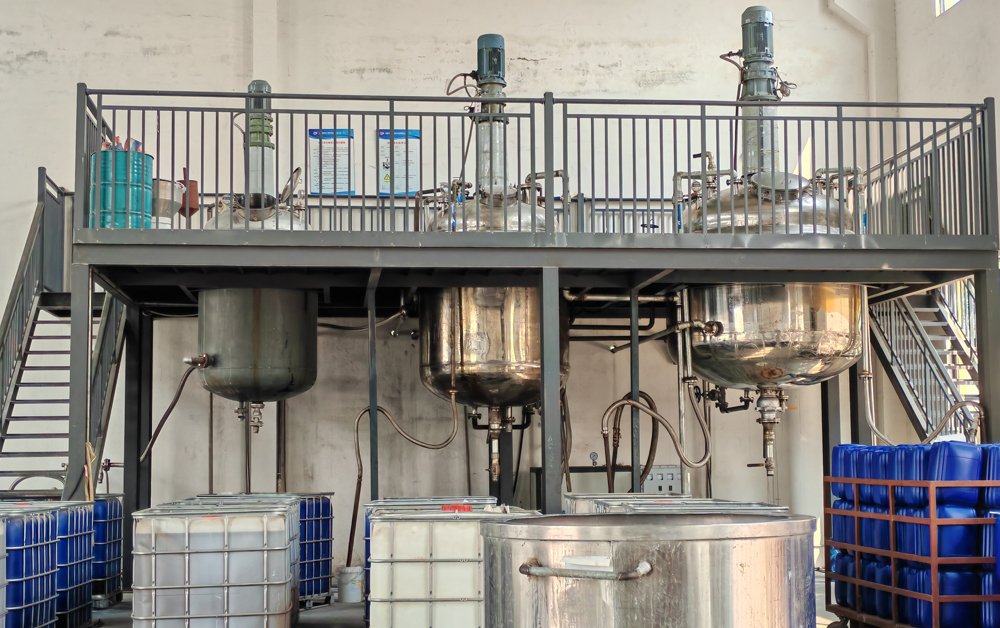
YURU Waterproof as a manufacturing-driven waterproofing solution provider.
6.1 Comprehensive Polyurethane Waterproof Coating Portfolio
YURU’s polyurethane waterproof coatings, including:
- Oil-based polyurethane waterproof coatings
- Water-based polyurethane waterproof coatings
- Two-component polyurethane waterproof coatings
- Specialized polyurethane waterproof coatings for railway bridges
Customization is supported.
6.2 Engineering-Focused Product Development
YURU’s product development philosophy emphasizes:
- Performance consistency
- Application reliability
- Long-term durability
6.3 Support for Waterproofing, Grouting, and Flooring Systems
Beyond polyurethane waterproof coatings, YURU also manufactures:
- Polyurethane grouting materials (hydrophobic and hydrophilic)
- Acrylate grouting materials
- Epoxy resin grouting materials
- Polyurea and microcrystalline polyurea grouting materials
- Industrial flooring coating systems
6.4 Serving Global Engineering and Infrastructure Projects
YURU Waterproof has experience supplying materials for:
- Building waterproofing projects
- Municipal infrastructure
- Transportation and railway systems
- Industrial and civil engineering applications
7. Long-Term Value of Working With a Professional Polyurethane Waterproof Coating Manufacturer
Selecting the best Polyurea coating for your project depends on several factors. Here are a few key considerations to help you make an informed decision:
7.1 Supply Stability and Project Continuity
Large-scale waterproofing and infrastructure projects often span months or years. Inconsistent material supply can cause:
- Construction delays
- Performance inconsistencies
- Increased risk of failure
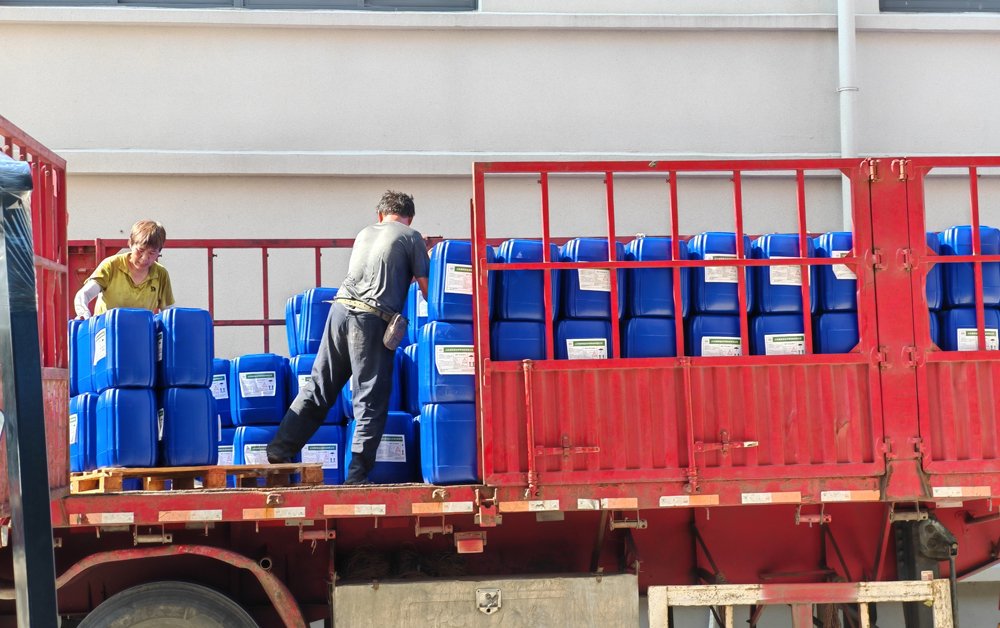
Working directly with a manufacturer like YURU Waterproof ensures:
- Stable formulations over time
- Consistent production batches
- Reliable delivery schedules
7.2 Scalability for Growing Businesses
For distributors and wholesalers, working with a capable manufacturer provides:
- Flexible order volumes.
- OEM and private-label possibilities.
- Technical credibility when serving engineering clients.
This allows partners to grow their business while maintaining consistent quality.
FAQs
1. What makes polyurethane waterproof coating suitable for structural protection?
Because polyurethane coatings combine waterproofing with elasticity, adhesion, and durability.
2. What is the difference between single-component and two-component polyurethane waterproof coatings?
Single-component coatings cure through moisture reaction and are easier to apply, while two-component systems offer higher mechanical strength and controlled curing, making them suitable for demanding engineering applications.
3. Can polyurethane waterproof coatings be used in underground structures?
Yes. Polyurethane coatings are widely used in basements, tunnels, and underground facilities.
4. Does YURU Waterproof support OEM and bulk supply?
Yes. YURU Waterproof supports bulk supply, OEM cooperation, and long-term partnerships for distributors and contractors worldwide.
Conclusion
Polyurethane waterproofing coatings are widely used to address waterproofing and seepage prevention in building construction. As a leading manufacturer of polyurethane waterproofing coatings, YURU Waterproof provides solutions and reliable manufacturing.
If you are looking for a reliable partner for polyurethane waterproofing coatings:
Contact YURU Waterproof for professional technical support.
YURU Product solutions