How to Choose a Reliable PU Spray Foam Insulation Manufacturer?
Introduction
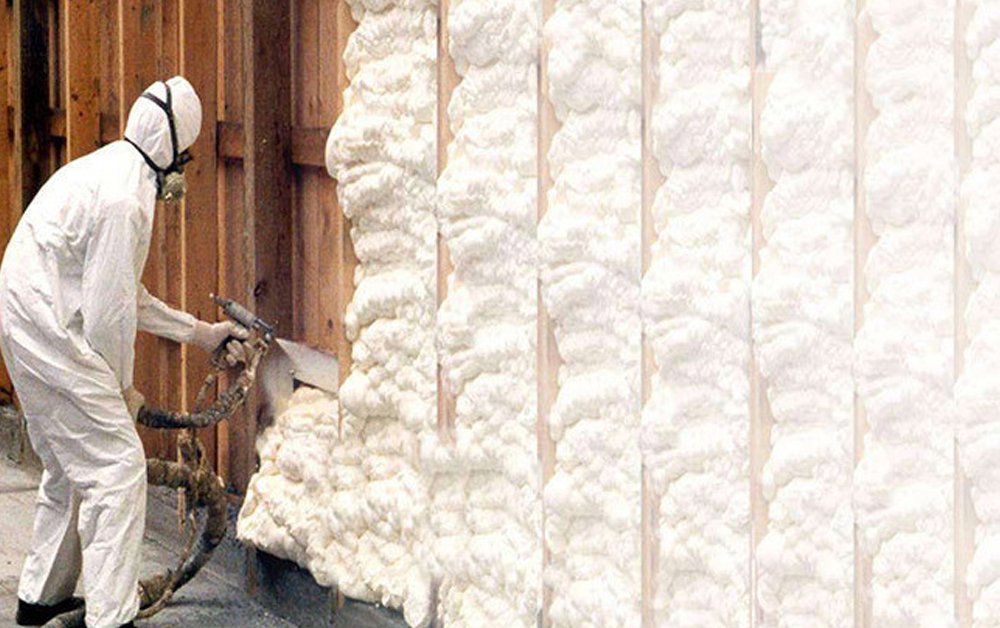
When selecting insulation materials for commercial buildings, warehouses, cold storage facilities, or infrastructure projects, polyurethane sprayed foam is often the preferred option.
However, experienced contractors know that performance does not depend solely on the product name “PU spray foam.” It depends heavily on who manufactures it.
Choosing a reliable polyurethane sprayed foam insulation manufacturer is essential for maintaining expected performance in large or long-term projects.
This guide will explain how to evaluate manufacturers from both a professional and risk management perspective.
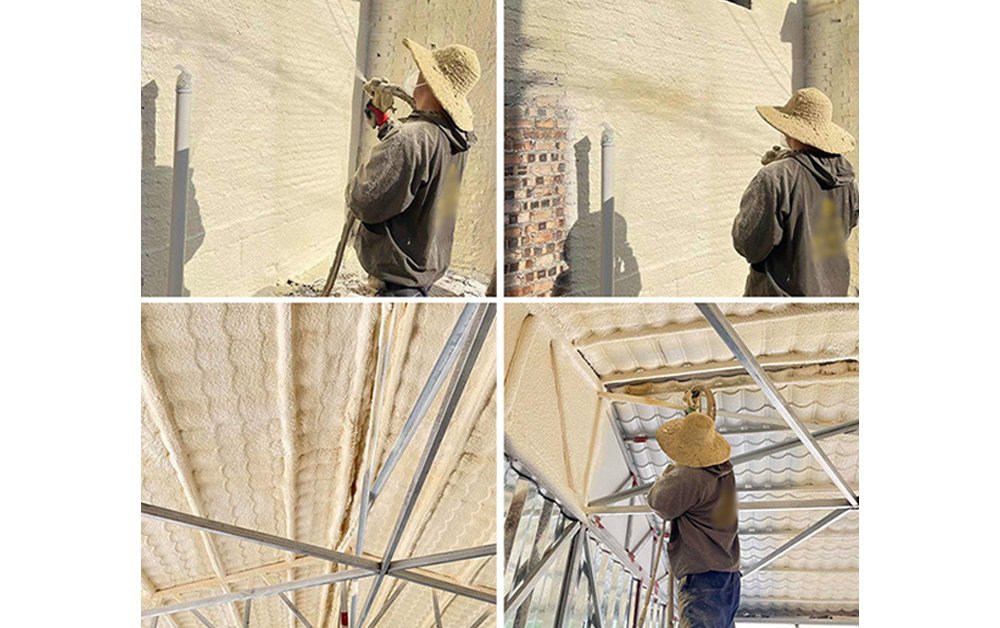
1. Why the Manufacturer Matters More Than the Product Label?
Many buyers focus primarily on product specifications such as density or thermal conductivity. While these numbers are important, they do not tell the full story.
PU spray foam insulation is a reactive system. It depends on:
- Accurate raw material ratios
- Controlled chemical reactions
- Stable formulation consistency
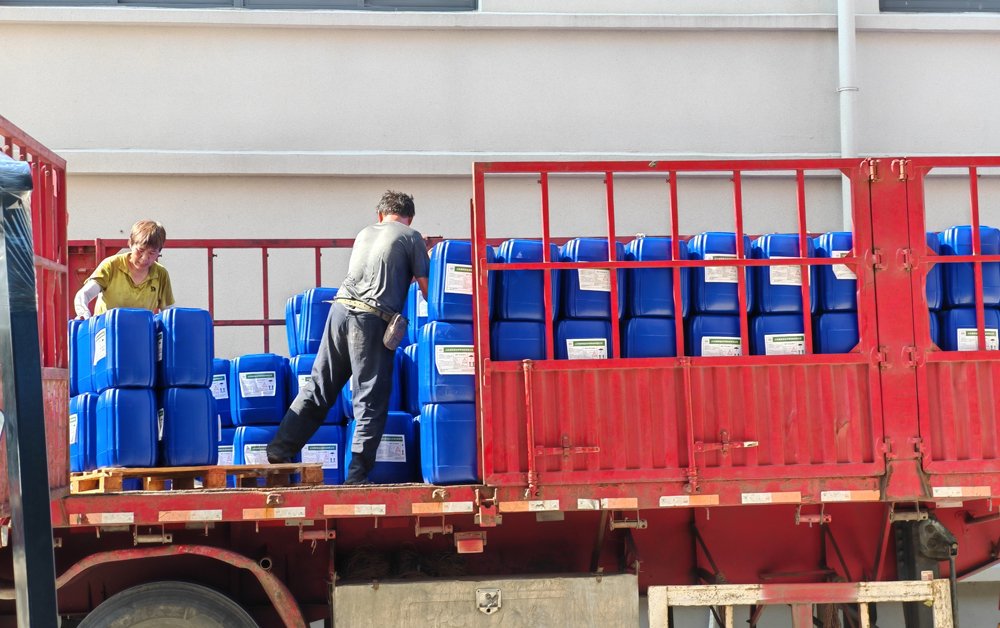
- Proper storage and transportation
If any of these elements vary, performance may fluctuate from batch to batch.
A reliable manufacturer ensures:
- Repeatable production quality
- Stable formulation control
- Predictable on-site spraying behavior
For large projects, consistency across thousands of square meters is critical.
2. Assessing the Manufacturer's Technical Capabilities
A professional polyurethane sprayed foam insulation manufacturer should demonstrate strong technical capabilities.
2.1 Formulation Development Capabilities
The differences between sprayed foam systems lie in:
- Open-cell vs. closed-cell structures
- Density grade
- Thermal conductivity
- Flame retardant modification
Manufacturers with in-house R&D capabilities can adjust formulations according to different climates and building standards.
2.2 Raw Material Supply Stability
Reliable manufacturers maintain a stable supply chain for the following raw materials:
- Polyols
- Isocyanates
- Catalysts and additives
Unstable raw material supply can lead to unstable foam expansion or curing performance.
2.3 Climate Adaptability
Projects in cold regions require different reaction characteristics than those in tropical regions. A good manufacturer should provide systems suitable for the following environments:
- Low-temperature spraying
- High humidity environments
- Fast or controllable reaction times
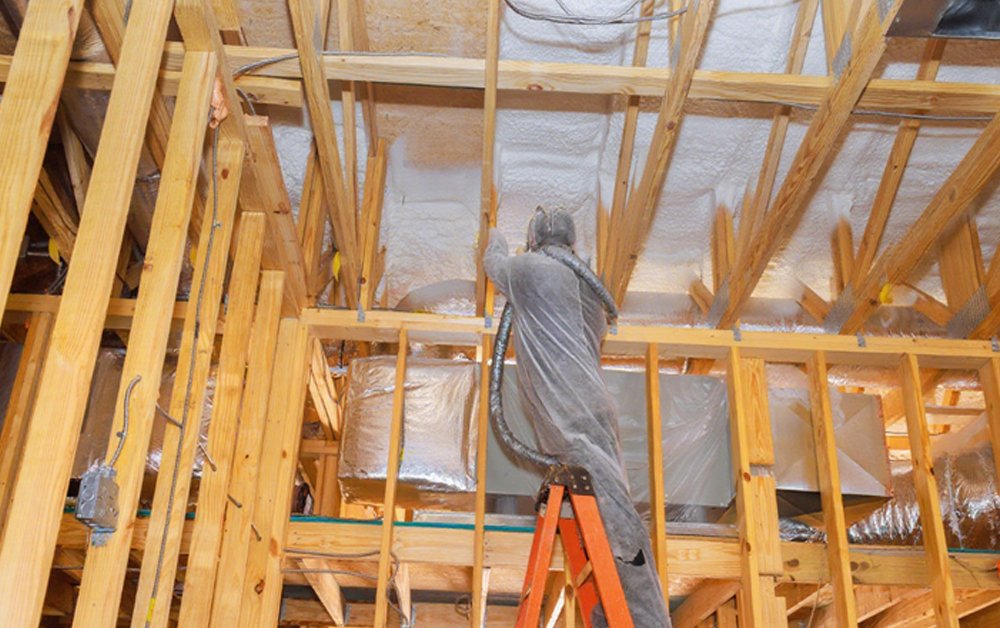

3. Production Capacity and Supply Continuity
Large construction projects require steady supply.
When evaluating a manufacturer, consider:
- Annual production capacity
- Storage and inventory management
- Ability to maintain long-term supply contracts
Interrupted material supply can halt spraying operations and increase project costs.
Batch-to-batch consistency is especially important for PU spray foam because minor variations can affect:
- Foam density
- Cell structure
- Adhesion strength
A reliable manufacturer implements strict batch inspection and documentation systems.
4. Certifications and Compliance Standards
Look for manufacturers operating under recognized systems such as:
- ISO quality management standards
- CE compliance where required
- Environmental safety standards
Certifications indicate structured production processes rather than informal manufacturing practices.
They also simplify project approval procedures in regulated markets.
5. On-Site Technical Support and Problem Resolution
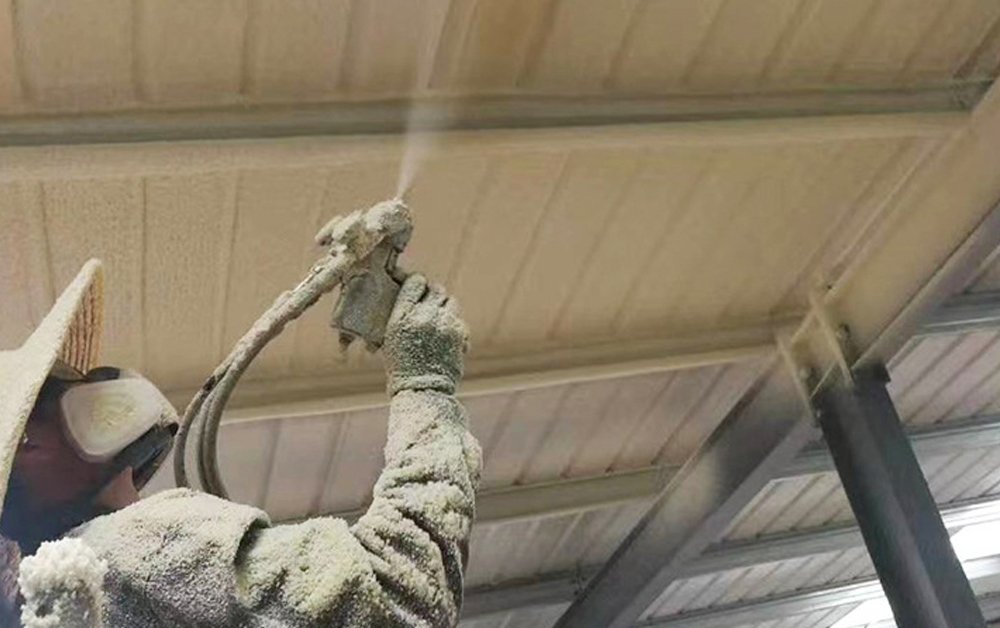
PU spray foam insulation is not a simple “apply and forget” material. It requires proper equipment calibration and environmental monitoring.
Reliable manufacturers provide:
- Application guidance
- Equipment compatibility recommendations
- Troubleshooting support
If foam shrinks, cracks, or cures improperly, technical support can prevent larger issues.
6. Price vs Long-Term Project Value
Low pricing can be attractive, but insulation failures are costly.
Common risks of choosing purely on price include:
- Inconsistent foam expansion
- Reduced insulation performance
- Poor adhesion to substrates
- Increased long-term maintenance
Lifecycle cost should be considered, not only initial purchase price.
7. YURU Waterproof as a Manufacturing-Oriented Partner
YURU Waterproof positions itself as a manufacturing-focused supplier for insulation and waterproofing systems.
Rather than offering a single standardized product, YURU emphasizes:
- Stable production management
- Formulation control
- Quality inspection procedures
- Support for diverse project requirements
For distributors and contractors, this manufacturing strength reduces uncertainty during long-term cooperation.
YURU integrates structured production management systems to maintain product consistency across batches and projects.
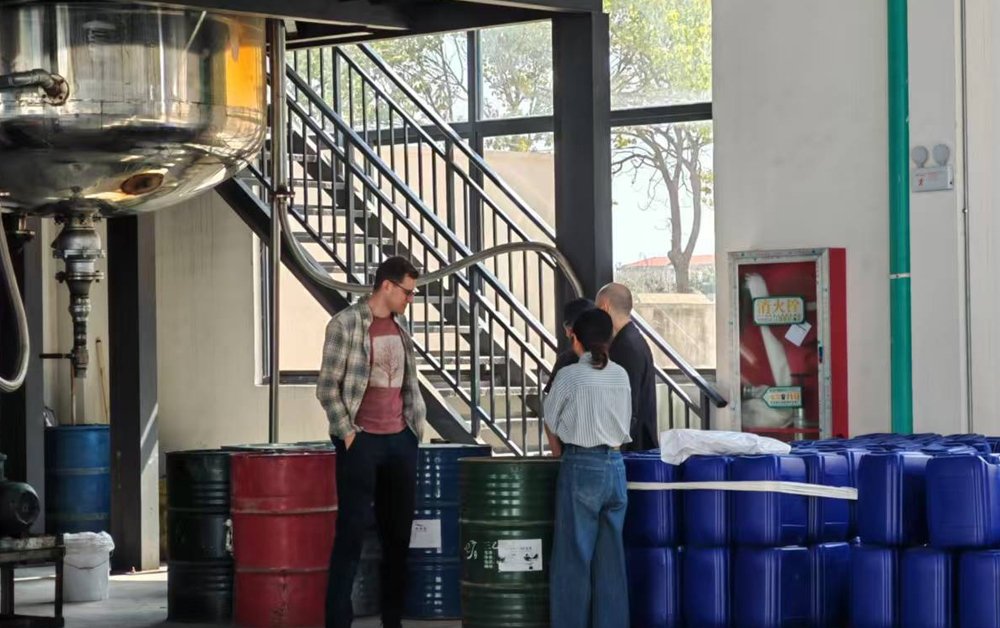
8. Visit the Factory or Ask the Right Questions
8.1 Production Line Standardization
Key issues include:
- Is the production line sufficient and stable?
- Are raw materials stored under temperature control?
- Are batch numbers traceable?
A standardized production environment reduces risk.
8.2 Quality Control Procedures
A responsible manufacturer should be able to explain:
- How density is tested?
- How thermal conductivity is verified?
- How foam expansion rate is monitored?
Routine laboratory testing indicates mature production management.
8.3 Document Transparency
A reliable supplier can provide:
- Technical Data Sheets (TDS)
- Safety Data Sheets (SDS)
- Batch inspection reports upon request
FAQs
1. What is the most important factor when choosing a PU spray foam insulation manufacturer?
Production consistency and formulation stability are more important than price alone.
2. Why does batch consistency matter for spray foam?
Small formulation differences can affect density, curing behavior, and insulation performance.
3. Should I prioritize certifications?
Yes. ISO and other certifications indicate structured production management.
4. Can a low-priced manufacturer still be reliable?
Price alone does not determine reliability, but extremely low pricing often signals compromised raw material control.
Conclusion
PU spray foam insulation is a high-performance system, but only when supported by controlled manufacturing processes and technical expertise.
Choosing a reliable PU spray foam insulation manufacturer is ultimately about:
- Risk management
- Long-term project stability
- Supply continuity
- Lifecycle performance
YURU Waterproof approaches PU spray foam insulation manufacturing with a focus on production discipline, formulation control, and long-term cooperation. By prioritizing consistency and technical support, YURU aims to reduce uncertainty in large and ongoing projects.
YURU Product solutions