What Are the Different Types of Waterproofing Coatings?
Introduction
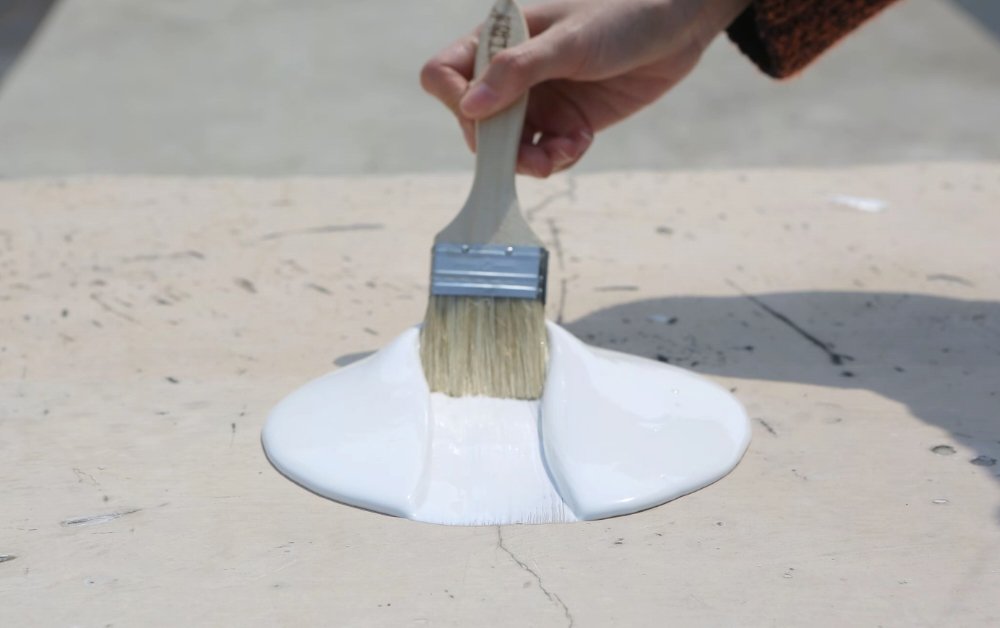
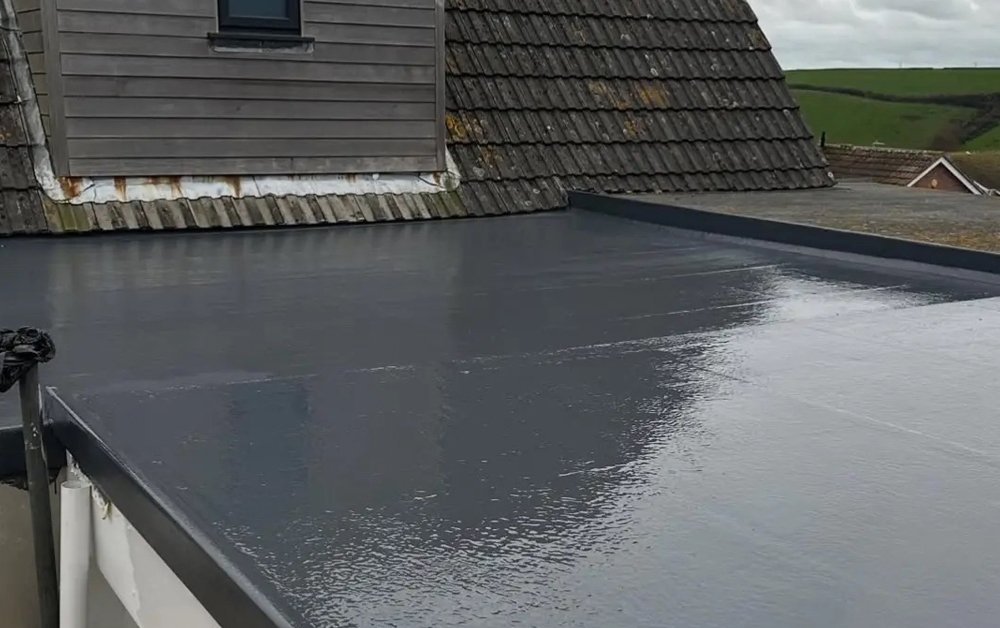
There are many different types of waterproofing coatings on the market, all designed to solve the problem of leaks and seepage in building structures. For buildings or infrastructure projects such as roofs, basements, tunnels, and dams, the performance characteristics of the appropriate waterproofing coating must be considered when selecting one.
In this guide, we will explore the main categories of waterproofing coatings and how to choose the right system for your waterproofing project.
Why Understanding Waterproofing Coating Types Matters?
Not all waterproofing materials perform the same way. The effectiveness of a coating depends on:
- Substrate type (concrete, metal, wood, membrane)
- Structural movement
- Exposure to UV radiation
- Chemical exposure
- Standing water conditions
- Climate variations
- Application method
Choosing the right system means balancing:
- Performance
- Cost
- Ease of application
- Environmental compliance
- Service life expectations
Let’s examine the main categories.
1. Cementitious Waterproofing Coatings
Key Features:
- Excellent adhesion to concrete and masonry
- Compatible with damp substrates
- Easy mixing and application
- Cost-effective
- Breathable
Typical Applications:
- Bathrooms and kitchens
- Water tanks
- Basements
- Interior wet areas
- Foundations (non-moving structures)
Limitations:
- Limited flexibility
- Poor crack-bridging capability
- Not ideal for areas with structural movement
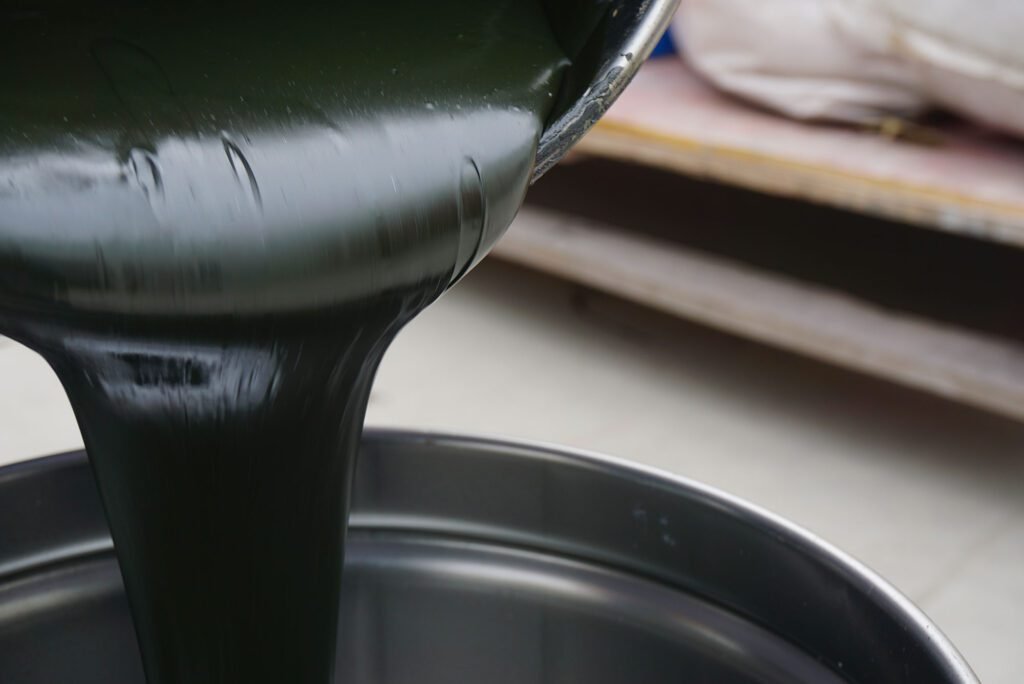
2. Polyurethane Waterproof Coatings
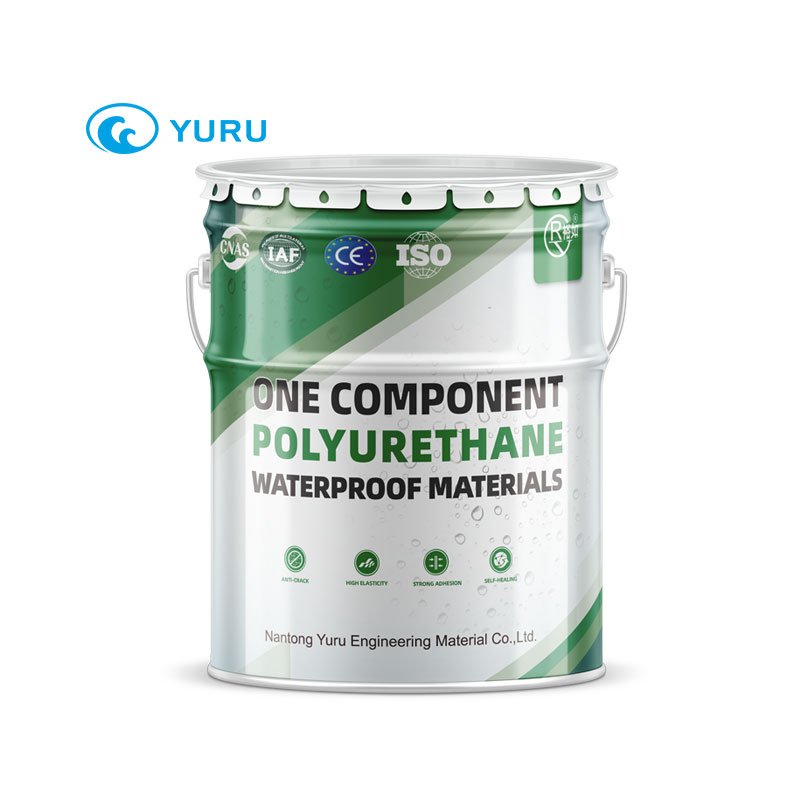
2.1 Single-Component Oil-Based Polyurethane
Characteristics:
- Wet-curing
- Excellent elasticity
- High tensile strength
- Good adhesion
Applications:
- Concrete roofs
- Balconies
- Platforms
- Underground structures
Advantages:
- Easy to apply
- Forms a seamless membrane
- Strong crack bridging properties
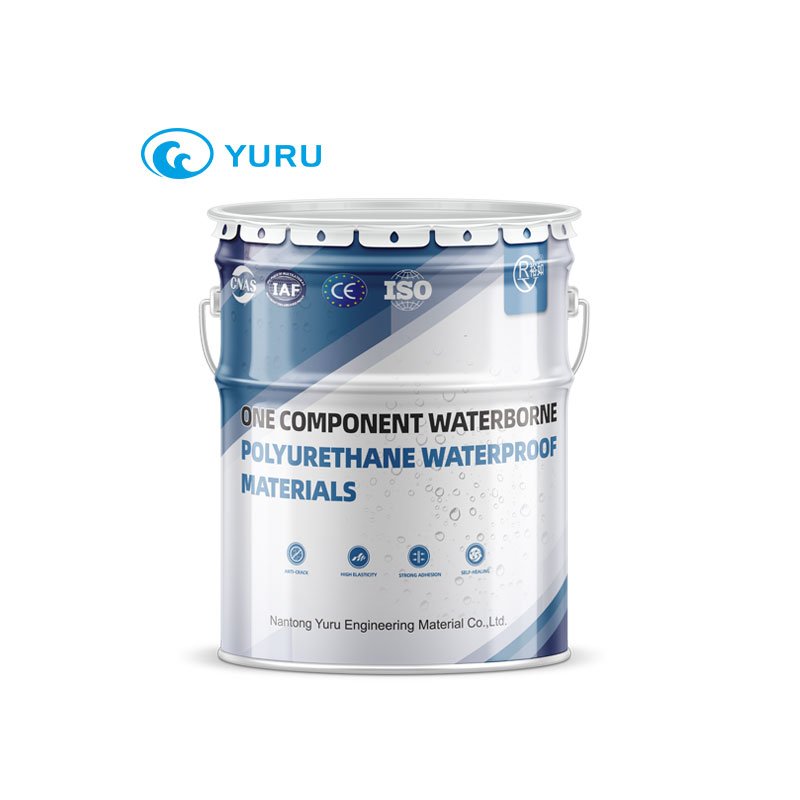
2.2 Water-Based Polyurethane
Characteristics:
- Low VOC
- Environmentally friendly
- Easy to clean
- Good UV resistance
Applications:
- Residential projects
- Indoor waterproofing
- Green building projects
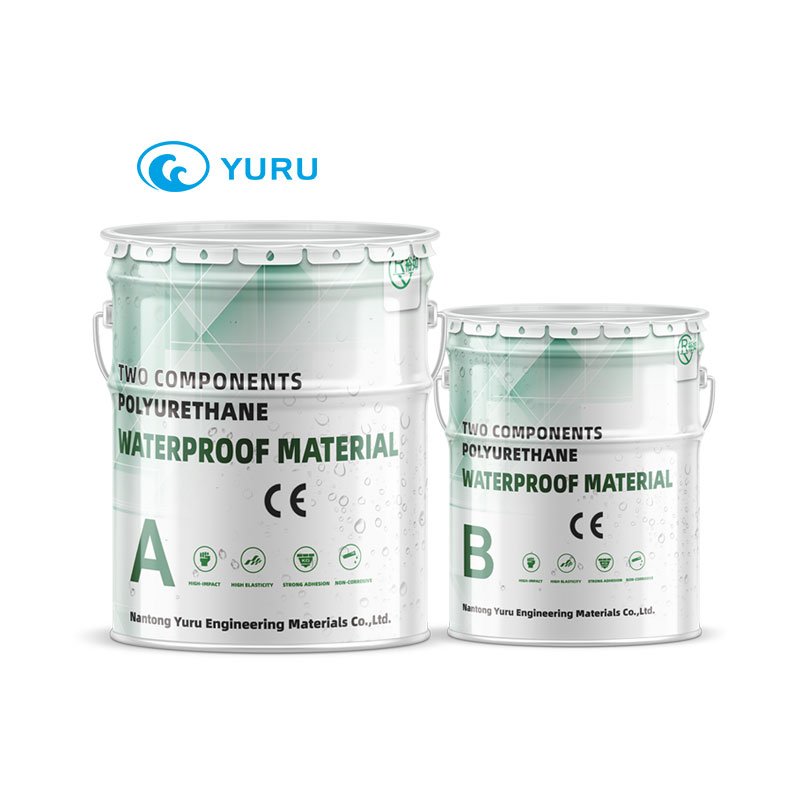
2.3 Two-Component Polyurethane
Features:
- Chemical curing
- Higher mechanical strength
- Excellent durability
- Controllable curing time
Suitable for:
- Industrial roofs
- Parking lots
- Heavy-duty applications
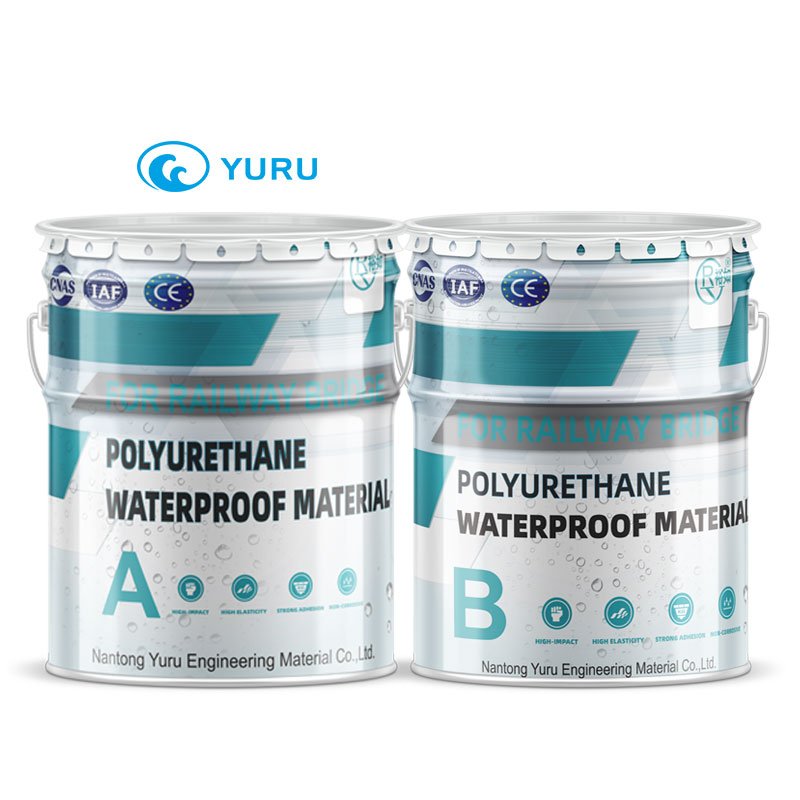
2.4 Railway Bridge Polyurethane
Designed for the following applications:
- High vibration resistance
- Dynamic load conditions
- Extreme weathering
- Long service life requirements
Reasons for the wide application of polyurethane:
- High elongation
- Seamless installation
- Excellent crack bridging performance
- Strong adhesion to a variety of substrates
- Good chemical resistance
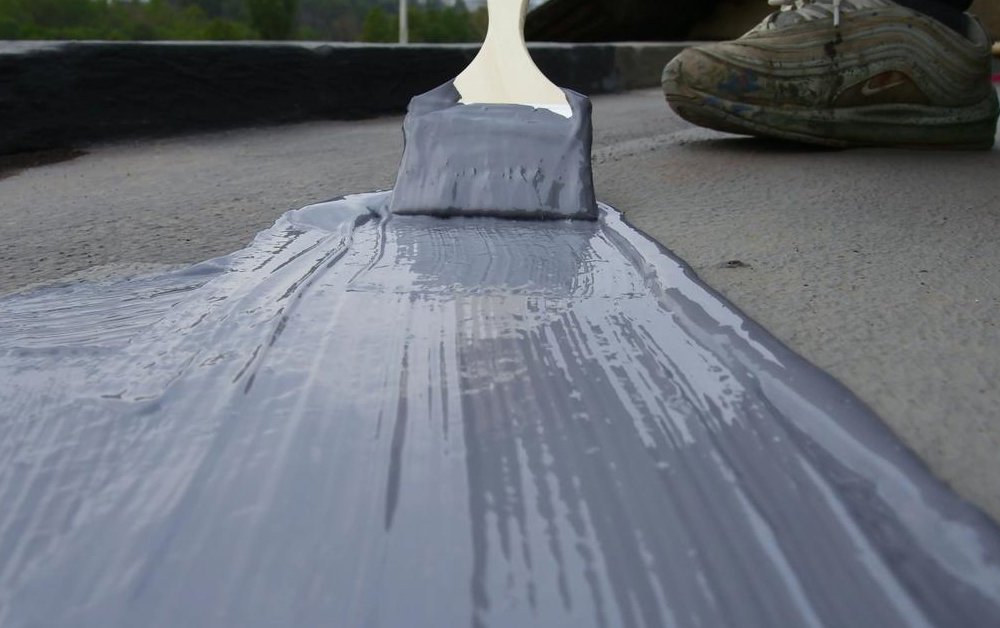
3. Acrylic Waterproofing Coatings
Acrylic coatings are water-based systems known for:
- UV resistance
- Reflective properties
- Ease of application
- Cost efficiency
Best For:
- Metal roofs
- Roof refurbishment
- Light-duty roofs
Strengths:
- Fast drying
- Breathable
- Good weather resistance
- Energy-saving reflective surfaces
Weaknesses:
- Limited resistance to ponding water.
- Lower mechanical strength compared to PU or polyurea.
4. Polyurea Waterproofing Coatings
Polyurea is a high-performance elastic coating.
Types:
- One-component polyurea waterproof coating
- Two-component polyurea waterproof coating
Characteristics:
- Fast curing
- High tensile strength
- Excellent abrasion resistance
- Outstanding chemical resistance
Scope of application:
- Large-area roofing
- Tunnels
- Subway systems
- Industrial plants
- Sewage treatment plants
Advantages:
- Seamless monolithic membrane
- High elongation
- Quick recovery for use
Polyurea is commonly used in critical infrastructure projects.
5. Silicone Waterproof Coatings
Silicone waterproof coatings offer:
- Outstanding UV resistance
- Long-term elasticity
- Strong resistance to ponding water
- Self-cleaning properties
Ideal For:
- Metal roofs
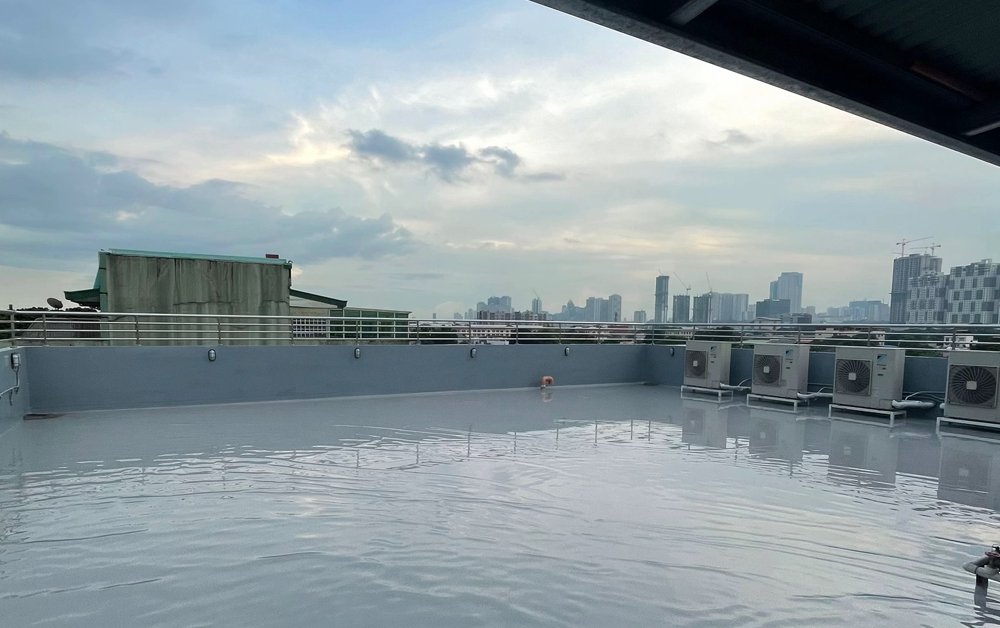
- Flat roofs with standing water
- Harsh climates
Strengths:
- Minimal degradation under UV exposure
- Extended service life
- Low maintenance
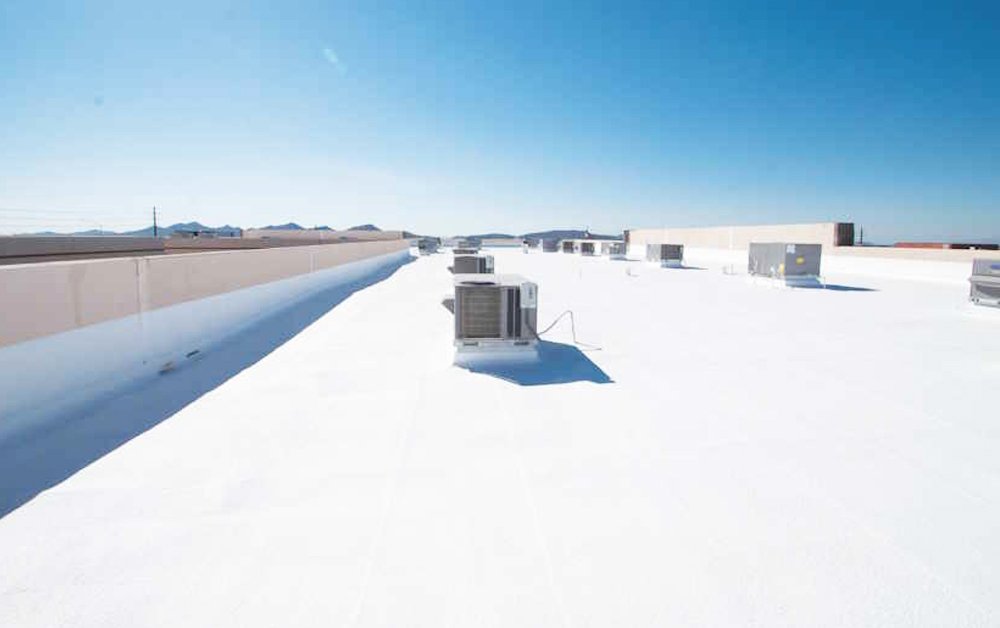
Silicone coatings are particularly suitable for roofs exposed to intense sunlight.
6. High Elastic Liquid Rubber Waterproof Coating
High elastic liquid rubber coatings provide exceptional flexibility.
Performance Highlights:
- Elongation up to 350%
- Seamless waterproof membrane
- Strong crack-bridging capability
- Water-based eco-friendly formulation
Applications:
- Complex roof shapes
- Old roof renovation
- Irregular structures
- Expansion joint areas
These coatings excel in structures prone to movement and vibration.
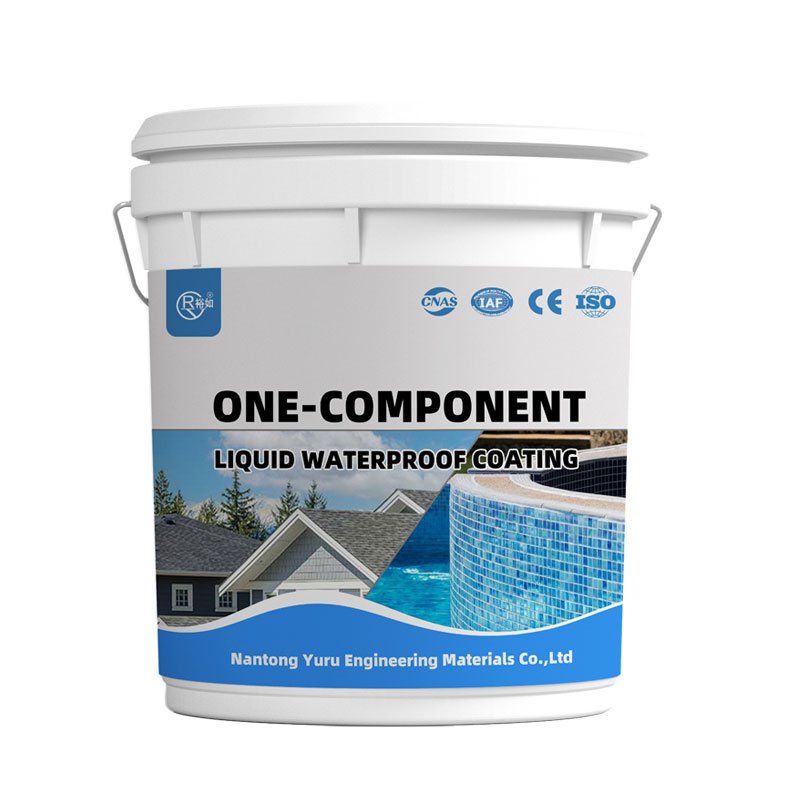
7. Single-Component Liquid Waterproof Coating
Single-component liquid waterproof coatings are valued for simplicity.
Advantages:
- Ready-to-use
- No mixing required
- Efficient for small and medium projects
- Labor-saving
Typical Use Cases:
- Residential balconies
- Bathrooms
- Small roof repairs
- Renovation projects
They provide reliable waterproofing with convenient application.
8. Bituminous Waterproofing Coatings
Bituminous coatings include asphalt-based and modified bitumen systems.
Features:
- Excellent water resistance
- Strong adhesion to foundations
- Good underground protection
Applications:
- Basement walls
- Foundations
- Retaining walls
- Substructure waterproofing
Limitations:
- UV sensitivity
- Limited elasticity (unless modified)
Performance Comparison Table
| Coating Type | Flexibility | UV Resistance | Ponding Water | Best For |
|---|---|---|---|---|
| Cementitious | Low | Moderate | Moderate | Bathrooms, basements |
| Polyurethane | High | Good | Good | Roofs, balconies |
| Acrylic | Moderate | Excellent | Limited | Roof refurbishment |
| Bituminous | Low–Moderate | Low | Good | Foundations |
| Polyurea | Very High | Excellent | Excellent | Infrastructure |
| Silicone | High | Excellent | Excellent | Flat roofs |
| Liquid Rubber | High | Good | Good | Renovations |
| Single-Component | Moderate | Good | Moderate | Small projects |
How to Choose the Right Waterproofing Coating?
Selecting the right system depends on:
- Substrate condition
- Structural movement
- Climate exposure
- Project scale
- Budget
- Required lifespan
- Application capability
There is no universal solution. The best coating is the one that matches the engineering conditions.
Why Work with a Professional Manufacturer Like YURU Waterproof?
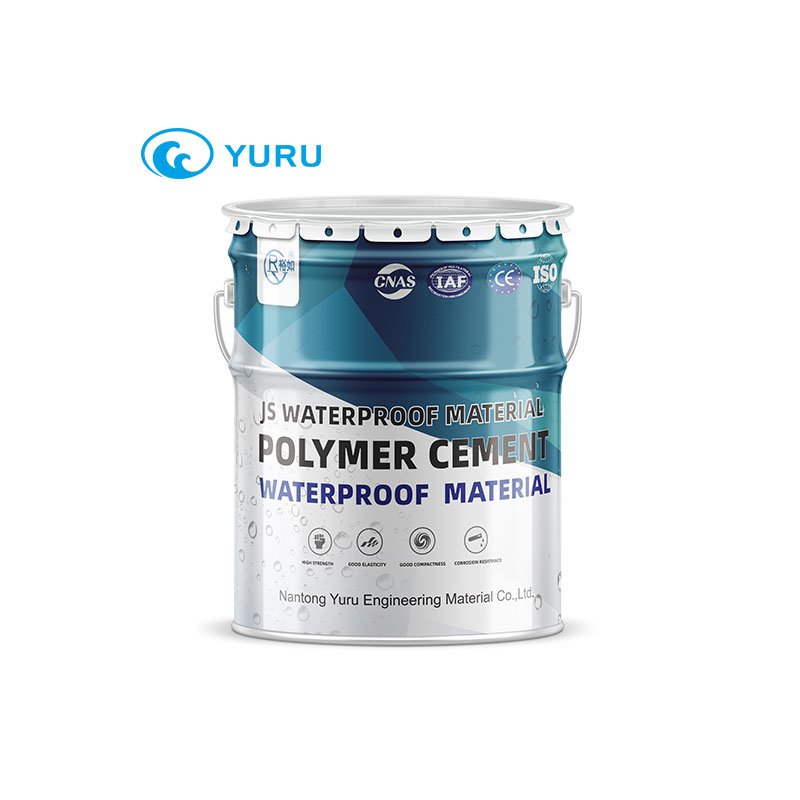
YURU Waterproof is a professional manufacturer specializing in:
- Polyurethane waterproof coatings
- Polyurea coatings
- Silicone waterproof coatings
- High elastic liquid rubber coatings
- Single-component and two-component systems
- Injection grouting materials
- Flooring coatings
What Sets YURU Apart:
- Stable production capacity
- Strict quality control
- ISO, CE, RoHS certifications
- Technical support for large projects
- OEM/ODM capabilities
- Export experience
YURU serves:
- Waterproofing material wholesalers
- Contractors
- Engineering companies
- Municipal infrastructure projects
Choosing a manufacturer is as important as choosing the coating itself.
Conclusion
Each coating type serves a specific role:
- Cementitious for rigid interior areas
- Polyurethane for flexible roofs
- Acrylic for reflective surfaces
- Bituminous for underground protection
- Polyurea for infrastructure
- Silicone for UV and ponding water resistance
- Liquid rubber for dynamic structures
- Single-component systems for efficient projects
A strategic selection ensures long-term performance, reduced maintenance, and structural integrity.
If you are a distributor, contractor, or project developer seeking a reliable waterproofing partner, YURU Waterproof provides comprehensive product solutions backed by engineering support.
Contact YURU today to discuss your project requirements, request samples, or explore OEM cooperation.
YURU Product solutions