Where Is Polyurea Grout Commonly Used?
Overview
Among modern crack grouting and waterproofing materials, polyurea grout is increasingly being chosen as a construction material. However, to achieve optimal waterproofing results in practical applications, a question remains:
Where is polyurea grout commonly used? Why is it more popular than other materials?
This article delves into the meaning of polyurea grout and explains its most common applications in building waterproofing.
What Is Polyurea Grout and Why Is It Used in Engineering?
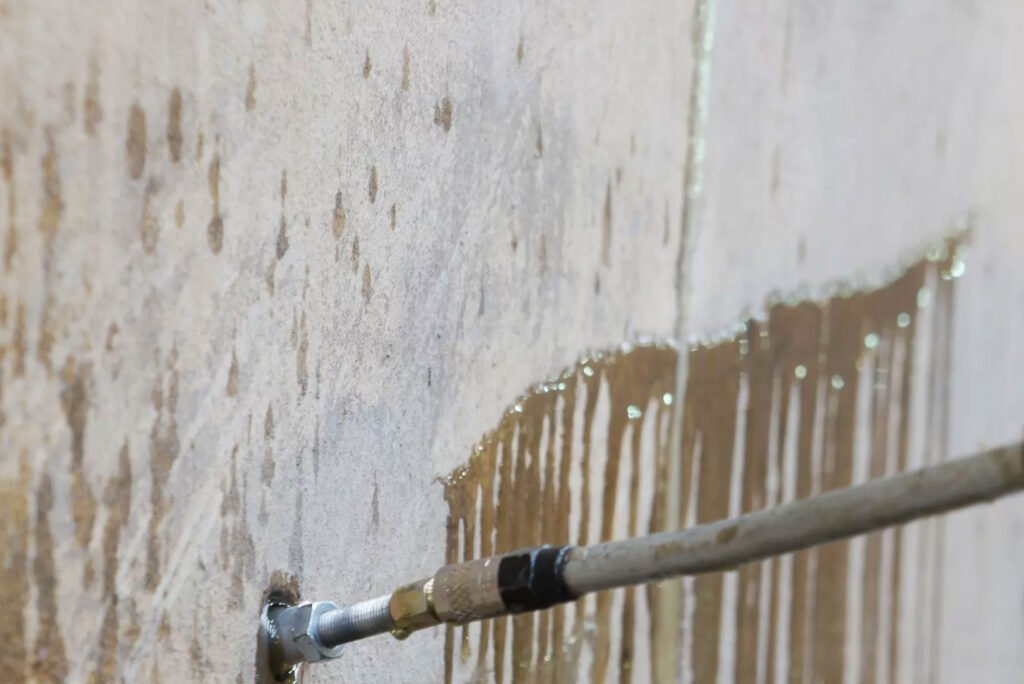
Polyurea grout is a reactive polymer injection material. It forms when an isocyanate component reacts with a specially formulated resin blend. Polyurea undergoes rapid polymerization, creating a dense elastomeric structure.
This reaction gives polyurea several defining characteristics:
- Fast curing time
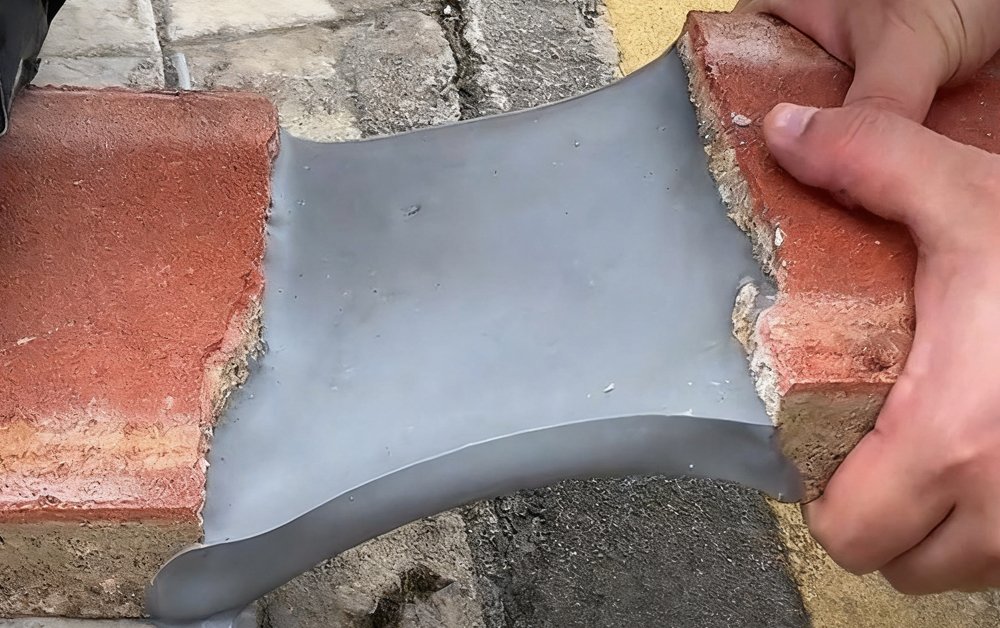
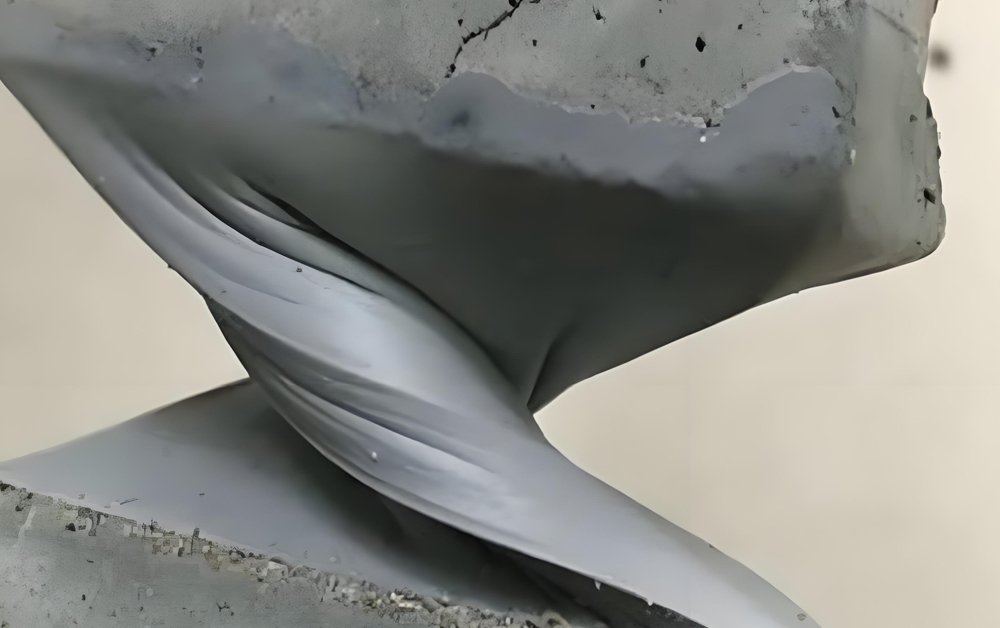
- High elasticity
- Low permeability
- Strong adhesion to concrete
- Chemical resistance
Because it forms a flexible yet durable membrane within cracks and joints, polyurea grout is particularly useful in environments where structures experience slight movement or continuous moisture exposure.
In engineering practice, polyurea is rarely selected simply for filling voids. Instead, it is used where waterproofing performance and long-term flexibility must coexist.
Underground Structures: Basements, Tunnels, and Subway Systems
One of the most common application areas for polyurea grout is underground construction.
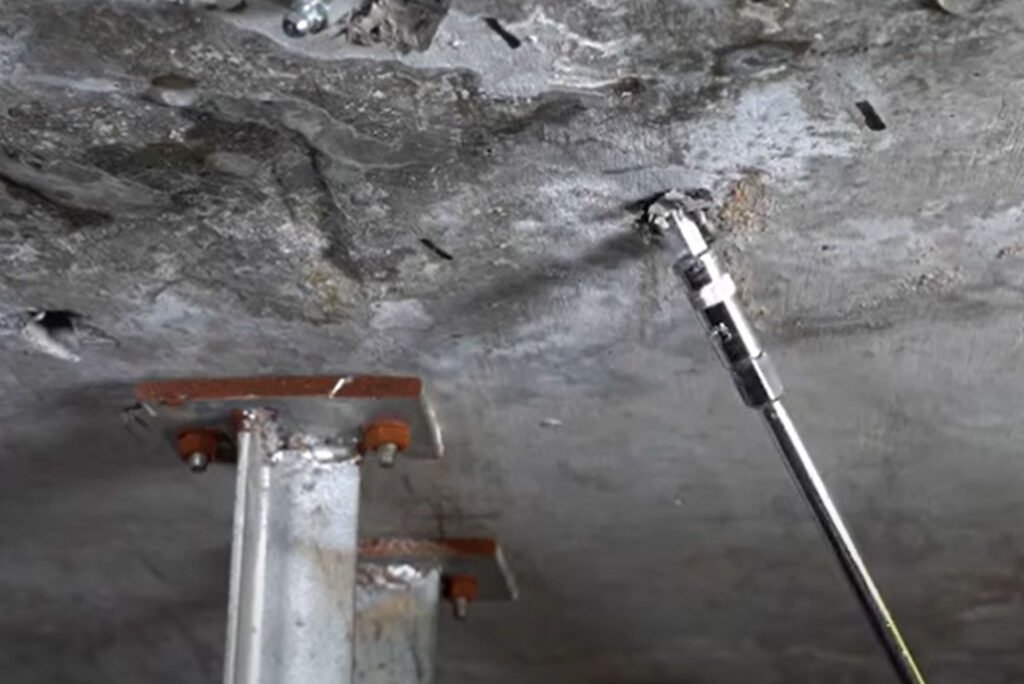
Basement Crack Injection
Basements often suffer from:
- Shrinkage cracks
- Settlement cracks
- Cold joint leakage
- Groundwater pressure infiltration
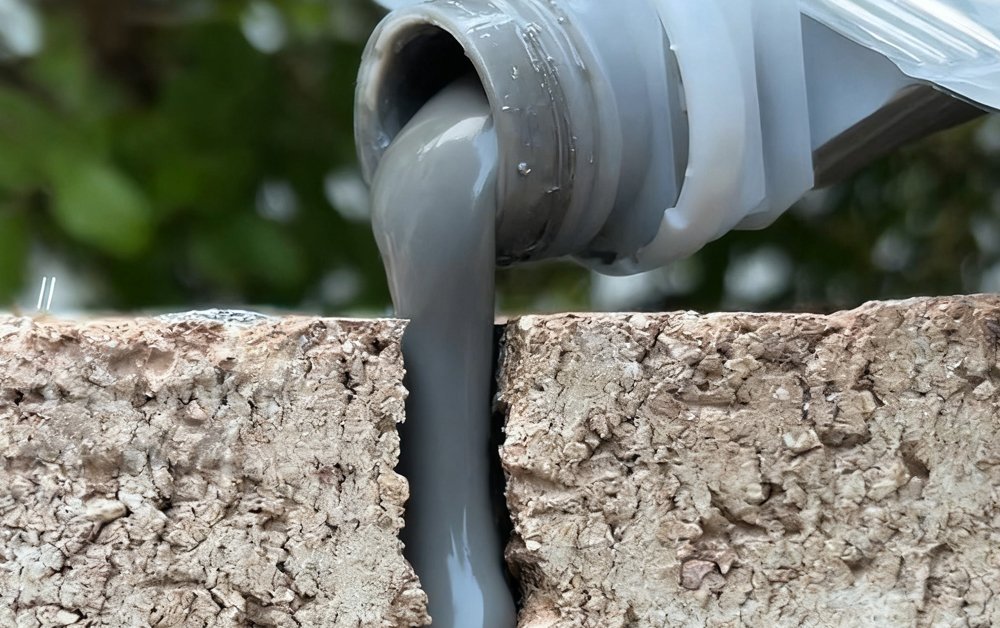
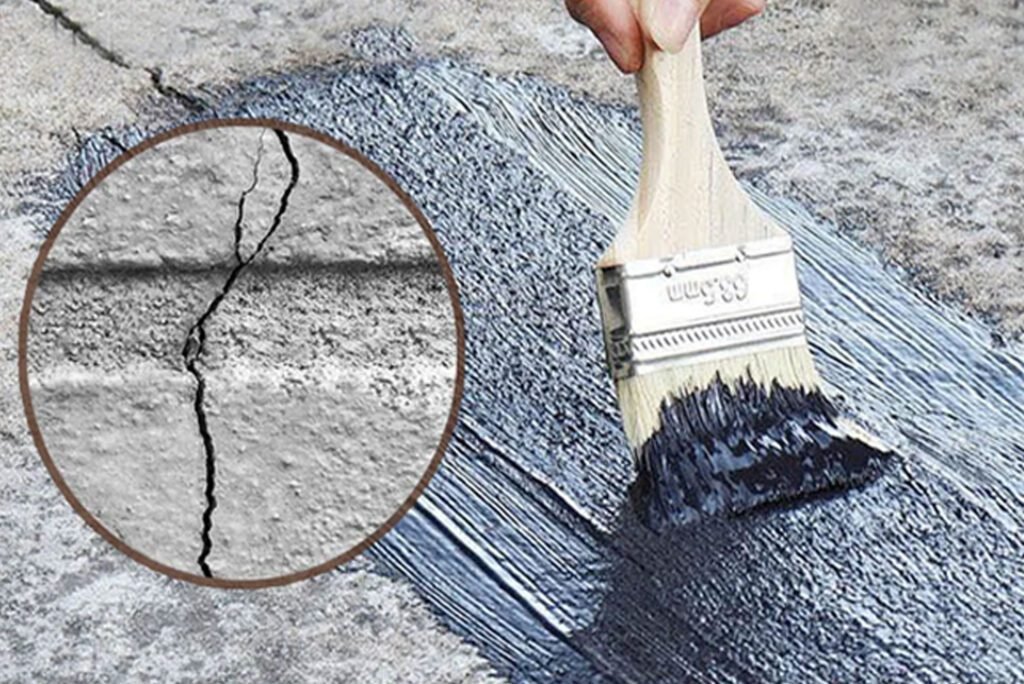
Polyurea grout can be injected into these cracks to form a flexible, sealed body.
Tunnels and Subway Infrastructure
Water ingress can threaten structural integrity and safety systems.
Polyurea grout is widely applied in:
- Segment joint sealing
- Crack injection along tunnel linings
- Waterproof reinforcement in construction joints
Polyurea has reliable performance in groundwater due to its chemical stability.
Underground Parking Structures and Utility Corridors
Underground parking lots and utility tunnels often face problems such as moisture buildup and leaks at joints.
Polyurea grout is used for:
- Expansion joint sealing
- Concrete crack stabilization
- Wall-to-slab connection sealing
Its quick curing characteristics minimize downtime in high-traffic facilities.
Infrastructure Projects: Bridges and Expansion Joints
Bridges and elevated roadways are constantly exposed to environmental stress.
Temperature changes, traffic loads, and wind forces create movement within the structure. Rigid crack fillers can fail under such conditions.
Polyurea grout is commonly used in:
- Bridge deck crack injection
- Expansion joint waterproof reinforcement
- Pier and abutment sealing
Because it retains elasticity after curing, polyurea adapts to small shifts without losing adhesion.Polyurea’s waterproofing performance helps reduce long-term maintenance costs.
Industrial Facilities: Chemical Plants and Heavy-Duty Environments
Chemical Processing Plants
Concrete floors and containment areas in chemical plants are exposed to aggressive substances. Polyurea grout’s chemical resistance makes it suitable for:
- Crack sealing in containment zones
- Waterproof reinforcement around storage tanks
- Joint sealing in processing areas
Wastewater Treatment Plants
Wastewater facilities involve constant exposure to moisture, biological agents, and chemicals.
Polyurea grout is used to:
- Seal structural cracks in tanks
- Reinforce joints in treatment basins
- Protect concrete against long-term deterioration
Manufacturing and Logistics Centers
Industrial warehouses and manufacturing plants typically require pressure-resistant, durable, and tough materials; polyurea’s excellent performance makes it a suitable crack repair solution.
Structural Movement and Dynamic Conditions
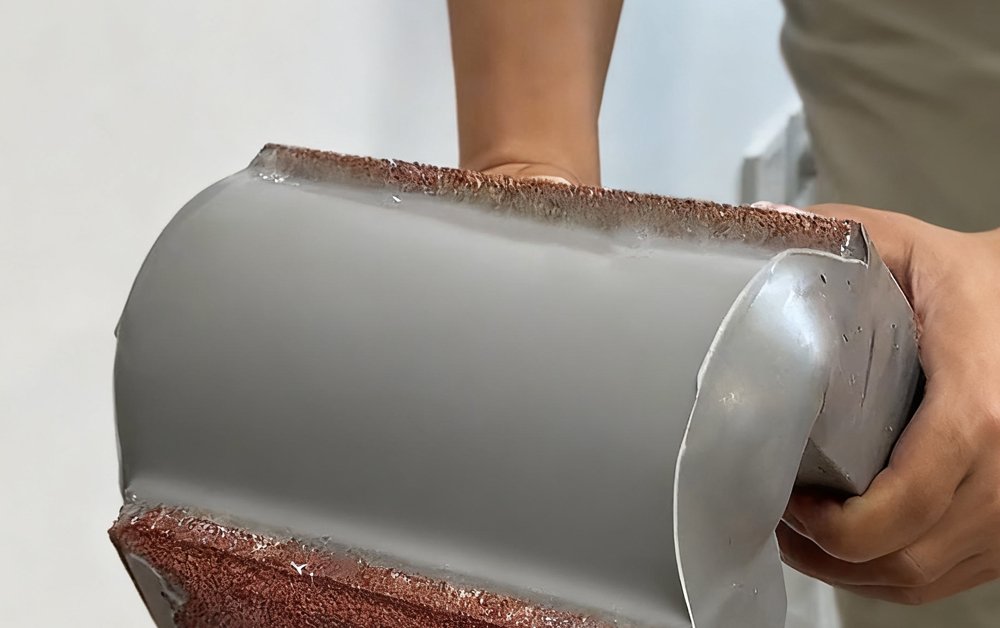
One defining advantage of polyurea grout is its ability to tolerate movement.
Structures rarely remain static. They expand in heat, contract in cold, and shift under load. Materials that lack elasticity can debond or crack.
Polyurea’s elongation properties allow it to:
- Absorb minor displacement
- Maintain adhesion under vibration
- Resist fatigue over time
For this reason, engineers frequently choose polyurea when structural movement is anticipated but not excessive.

How Does Polyurea Compare with Other Injection Materials?
Understanding where polyurea is used also requires comparison with alternatives.
Polyurethane Grout
Polyurethane is often selected for active water leaks because it reacts with water and can expand.
However, foamed polyurethane may degrade under prolonged hydrostatic pressure.
Polyurea is typically preferred when long-term durability is prioritized.
Epoxy Injection
Epoxy is excellent for structural strengthening due to its high compressive strength.
But epoxy is rigid. In moving cracks, it may fracture.
Polyurea offers a middle ground between flexibility and durability.
Factors That Determine Whether Polyurea Is Suitable
While polyurea has broad applications, it is not universally ideal.
Key considerations include:
- Crack width and depth
- Presence of active water flow
- Required structural reinforcement
- Chemical exposure level
- Long-term service expectations
Material selection should always align with project-specific conditions.
Choosing a Reliable Polyurea Grout Supplier
For contractors and distributors, supplier reliability is as important as material selection.
A professional manufacturer should provide:
- Stable production capability
- Batch consistency
- Technical documentation
- Application support
- Export logistics experience
Quality control ensures that performance on-site matches laboratory expectations.

Why YURU Is a Professional Partner in Polyurea Grout Supply?
YURU Waterproof specializes in waterproofing and injection materials for infrastructure and construction applications.
Product Portfolio
YURU provides:
- Polyurea grout systems
- Microcrystalline polyurea injection materials
- Polyurethane injection grouts
- Epoxy structural injection materials
- Complementary waterproof coatings
This integrated approach allows contractors and distributors to source multiple solutions from one manufacturer.
Manufacturing Stability
YURU operates under strict internal quality control procedures. Raw materials undergo inspection before production, and finished batches are tested for consistency.
Technical and Export Support
YURU supports:
- Application consultation
- Customized formulations
- Private labeling
- International shipping coordination
This makes YURU suitable for both engineering contractors and overseas distributors.
FAQs:
1. Is polyurea grout suitable for active leaks?
Polyurea can perform in damp conditions, but active flowing water may require preliminary control before injection.
2. How long does polyurea grout last?
When properly installed, polyurea grout can provide long-term waterproof performance in stable structural conditions.
3. Can polyurea handle structural movement?
Yes. Its elastic properties allow it to accommodate moderate movement without cracking.
4. Is polyurea resistant to chemicals?
Polyurea demonstrates strong resistance to many chemicals, making it suitable for industrial environments.
5. Who typically uses polyurea grout?
Common users include underground construction contractors, infrastructure maintenance teams, industrial facility managers, and waterproofing specialists.
Conclusion
Polyurea grout has flexibility, low permeability, and chemical resistance, is commonly used in underground structures, transportation infrastructure, industrial facilities, and dynamic structural environments.
Contact YURU Waterproof to request technical information, samples, or customized proposals.
YURU Product solutions