Best Applications for Microcrystalline Polyurea Grouting Material
Introduction
Water leakage and structural cracks are common challenges in modern construction and infrastructure projects. In recent years, microcrystalline polyurea grouting material has gained widespread attention as a reliable solution for leak sealing and structural repair, due to their excellent elasticity and toughness, particularly suitable for moving, active cracks and expansion joints.
In this article, we explore the best applications for microcrystalline polyurea grouting material, explain how it works.

Understanding Microcrystalline Polyurea Grouting Material
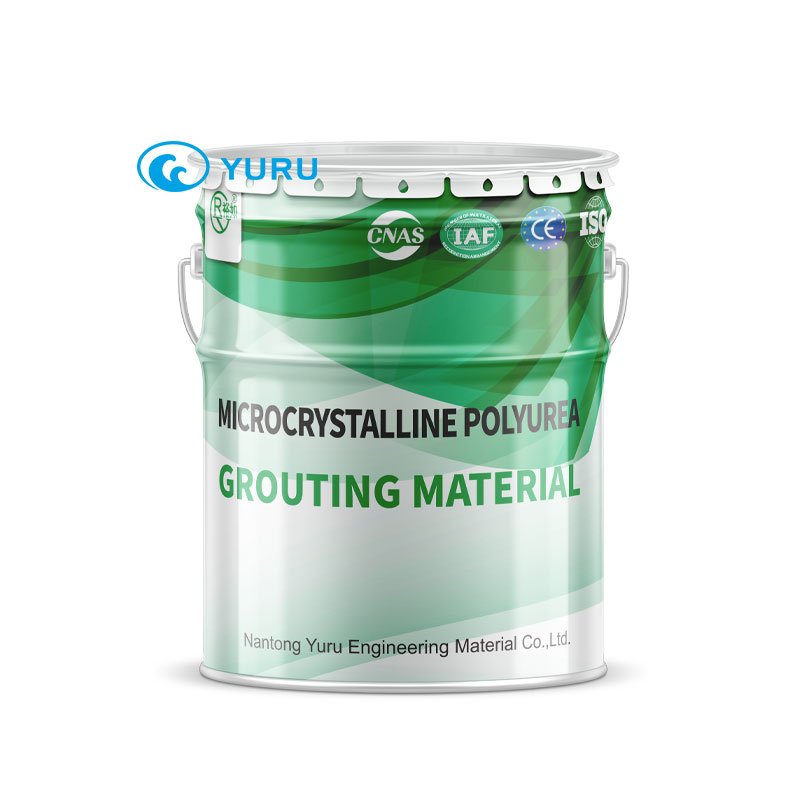
Microcrystalline polyurea grouting material is a novel reactive polymer material, based on polyurea and incorporating nanoscale microcrystalline active ingredients. When injected into cracks, the material reacts and expands slightly, forming a dense yet flexible sealing layer within the substrate.
Key characteristics include:
- Excellent penetration into micro-cracks
- Rapid curing reaction
- High elasticity after curing
- Strong adhesion to concrete and masonry
- Long-term resistance to water pressure
Why Engineers Are Choosing Advanced Grouting Materials?
Traditional waterproofing and repair materials like cement grout or ordinary polyurethane foam are not optimally effective in situations involving continuous vibration or structural movement.
Modern infrastructure projects require the ability to:
- Permanently seal cracks
- Accommodate minor structural movements
- Resist prolonged water immersion
- Maintain long-term elasticity
Microcrystalline polyurea grouting materials combine flexibility and strength, enabling them to adapt to structural displacement without cracking.
With increasing urban expansion and underground engineering, the demand for sustainable grouting solutions continues to grow.
Underground Waterproofing and Leak Control
The most common application of microcrystalline polyurea grouting materials is underground waterproofing repair.
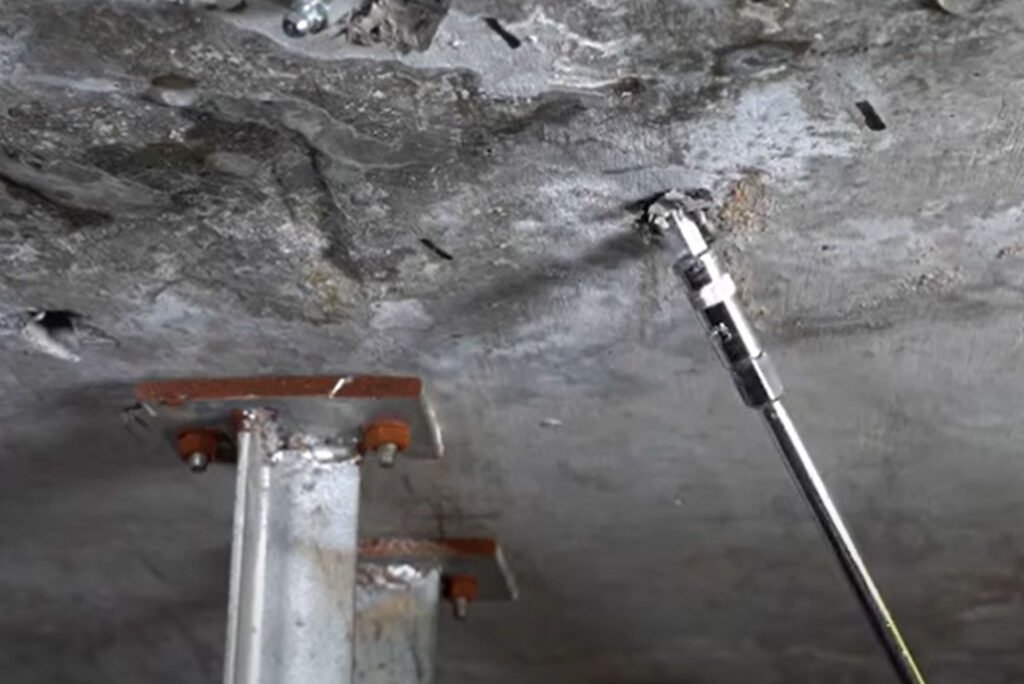
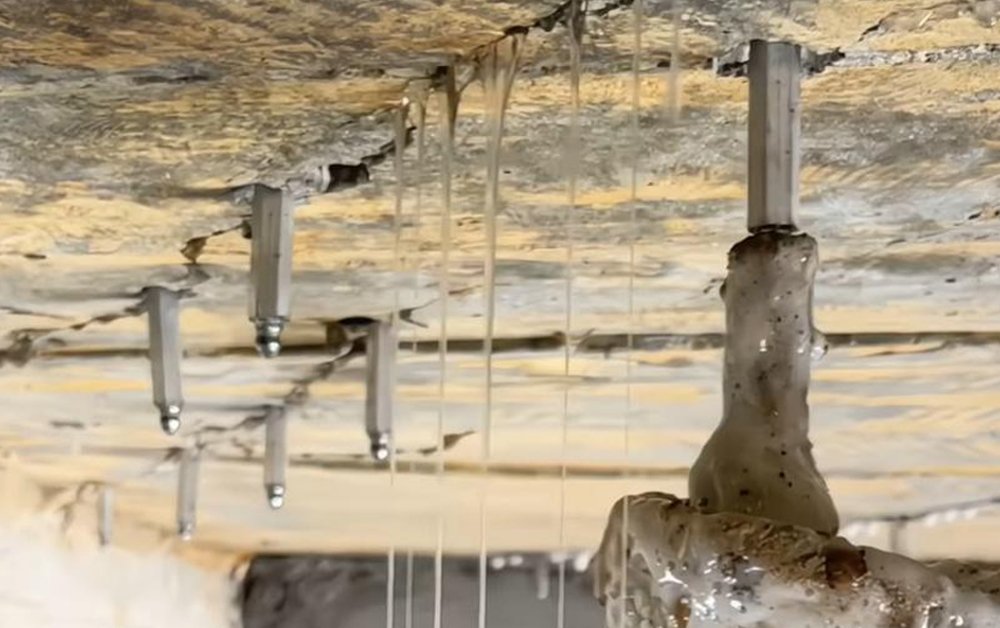
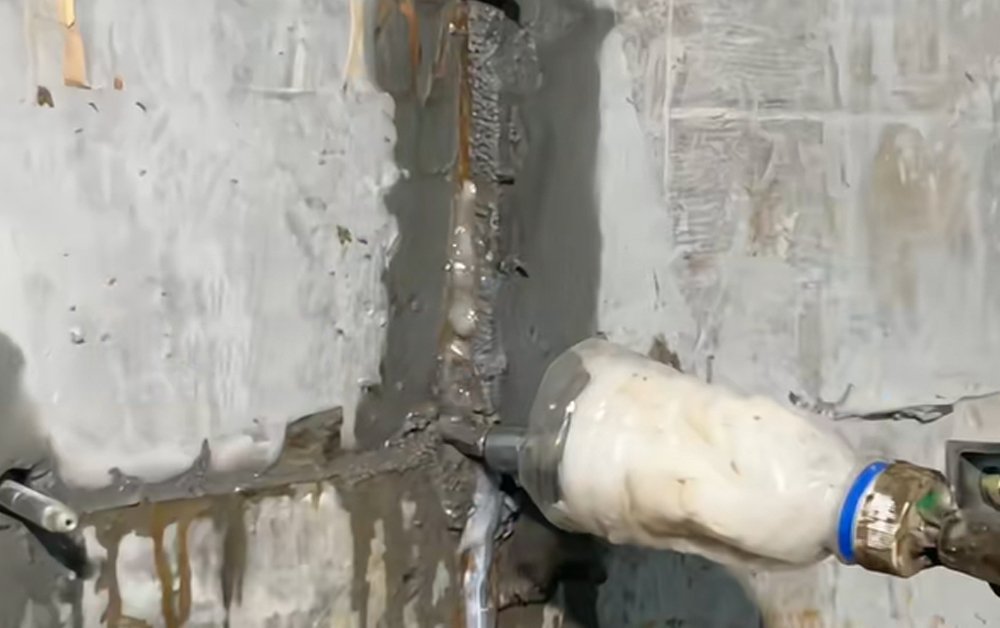
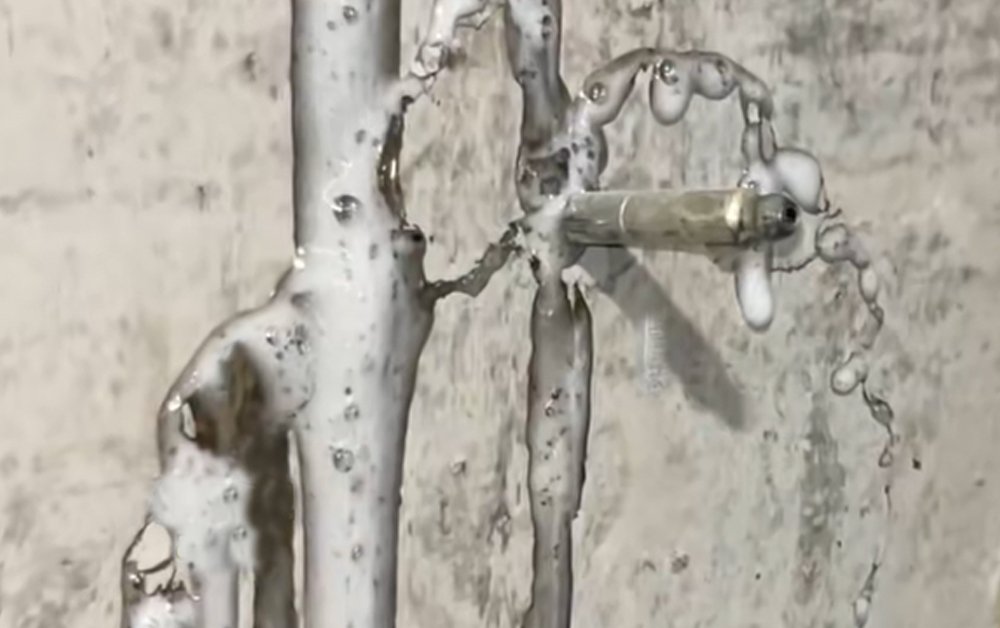
Basements, underground parking garages, underground tunnels are prone to water leakage or structural cracking. Construction workers often use high-pressure grouting for repair and waterproofing. Holes are drilled along the cracks, and grout is injected into the concrete structure using a specialized grouting machine.
Once the grout has entered the cracks and cured, it stops the leak and repairs the structure.
Advantages of underground applications include:
- Effective sealing of leaks
- Ability to penetrate deep crack networks
- Suitable for humid environments
- Durable waterproofing performance

Tunnel and Subway Infrastructure Repair
Transportation infrastructure is another area where microcrystalline polyurea grouting materials are widely used.
Tunnels and subway systems are constantly exposed to groundwater, vibration from traffic, and pressure from surrounding soil layers. Over time, cracks or construction joints may begin to leak.
If these leaks are not repaired quickly, they can cause several problems:
- Structural deterioration of concrete lining.
- Corrosion of reinforcement steel.
- Safety risks for transportation systems.
- Increased maintenance costs.
Microcrystalline polyurea grouting material is well suited for tunnel leak repair because of its rapid reaction time and excellent sealing capability.
Common tunnel repair applications include:
- Crack injection in tunnel linings
- Sealing construction joints
- Waterproofing segment joints in shield tunnels
- Repairing leaking expansion joints
Concrete Crack Injection and Structural Repair
Concrete cracking is a natural phenomenon that occurs in many structures. While some cracks are cosmetic, others may allow water infiltration or reduce the structural strength of the building.
When microcrystalline polyurea grouting material is injected into a crack, it fills the internal space and bonds to the surrounding concrete.
This process provides two important benefits:
- Waterproof sealing of the crack
- Stabilization of the damaged structure
Typical projects include:
- Building foundations
- Bridge structures
- Industrial facilities
- Underground storage tanks


Water Infrastructure and Municipal Engineering
Municipal infrastructure projects involve structures that are exposed to water for extended periods, such as reservoirs, water treatment plants, and sewage systems.
Microcrystalline polyurea grouting materials are commonly used in municipal engineering projects for waterproofing, repair, seepage prevention, and corrosion protection.
Common applications include:
- Sealing leaks in water storage tanks
- Repairing cracks in sewage pipes
- Waterproofing pumping stations
- Reinforcing concrete joints in drainage systems
In these environments, microcrystalline polyurea grouting materials exhibit excellent chemical resistance and maintain their sealing performance over a long period.
Industrial Facilities and Foundation Protection
Industrial plants and manufacturing facilities often contain heavy equipment and complex foundation systems. Water intrusion into these foundations can cause serious operational problems.
For example, leaks may lead to:
- Damage to machinery foundations
- Reduced floor stability
- Corrosion of embedded steel components
- Increased maintenance expenses
Microcrystalline polyurea grouting material provides an efficient way to seal cracks and reinforce industrial foundations without interrupting production.
Applications include:
- Factory floor crack injection
- Foundation waterproofing
- Sealing expansion joints in industrial structures
- Preventing groundwater infiltration
Because many industrial facilities operate continuously, the quick curing time of this grouting material is especially valuable.
How to Choose a Reliable Grouting Material Supplier?
The reliability of the manufacturer also plays an important role in project success.
Contractors and project engineers typically consider several factors when choosing a supplier.
Product Quality and Consistency
Consistent raw materials and standardized production processes ensure reliable performance during construction.
Technical Support
Grouting projects often require technical guidance. A professional supplier should provide application advice, technical documentation, and product testing data.
Engineering Experience
Suppliers with experience in real infrastructure projects can better understand the challenges faced by contractors and engineers.
Stable Supply Capability
Large construction projects require dependable material supply. A reliable manufacturer should have sufficient production capacity to meet project schedules.
YURU Waterproof: A Trusted Manufacturer for Grouting Solutions
For contractors, distributors, and infrastructure project developers looking for reliable waterproofing materials, YURU Waterproof provides a comprehensive product range that includes:
- Waterproof coatings
- Grouting materials
- Floor coating systems
With over 20 years of experience, YURU Waterproof focuses on delivering high-performance solutions for waterproofing and structural repair.
Our microcrystalline polyurea grouting materials are designed to meet the needs of demanding engineering environments, including underground construction, municipal infrastructure.
Key advantages of working with YURU Waterproof include:
- Stable manufacturing capacity
- Consistent product quality
- Professional technical support
- Competitive supply solutions for global distributors and contractors
FAQs
1. What is Microcrystalline Polyurea Grouting Material?
Microcrystalline polyurea grouting is a reactive polymer grouting material based on polyurea with added nano-sized microcrystalline active ingredients. It is used to seal cracks, voids, and leaks in concrete structures.
2. Where is microcrystalline polyurea grouting material commonly used?
It is widely used in underground construction, tunnels, subway systems, municipal infrastructure.
3. How does microcrystalline polyurea grouting material stop water leaks?
The material is injected into cracks under pressure. It flows through the crack network, fills voids, and reacts to form a flexible waterproof barrier.
4. Is microcrystalline polyurea grouting material suitable for wet environments?
Yes. One of its advantages is that it can react and cure even in damp or water-bearing environments.
Conclusion
For large-scale waterproofing projects, choosing the right repair materials can significantly improve durability and safety.
Microcrystalline polyurea grouting material is a new type of grouting and leak-sealing solution suitable for buildings, underground projects, infrastructure projects, etc.
If you are looking for a reliable grouting material supplier, contact YURU Waterproof for samples, technical guidance, and professional solutions.


YURU Product solutions