A Complete Buyer’s Guide to Waterproof Coatings
Introduction:
Among the various waterproofing solutions available today, waterproof coatings are widely used due to their flexibility, efficiency, and effectiveness. These coatings can be applied to various substrates such as concrete, metal, or masonry for waterproofing.
For professionals, choosing the right waterproof coating is important. There are many different materials, technologies, and performance standards on the market.
This guide explains how waterproof coatings work, explores common types available in the market.
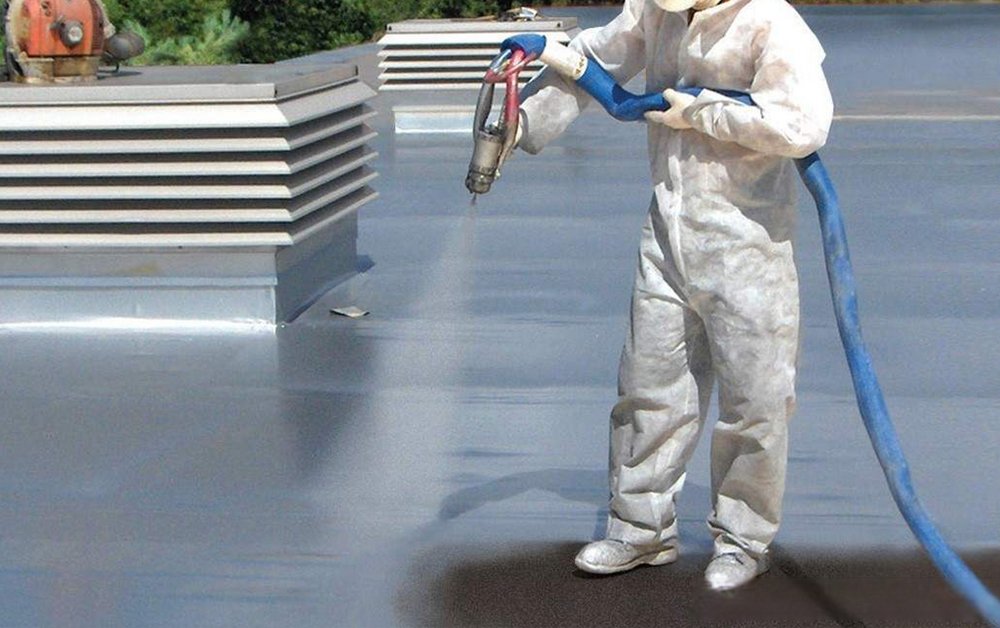
What Are Waterproof Coatings and Why Are They Essential?
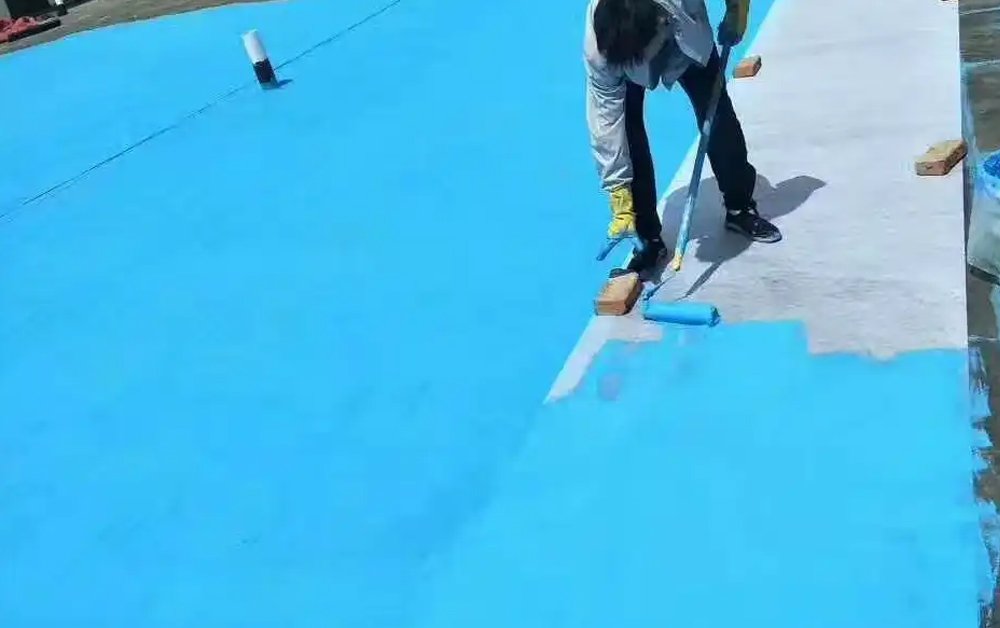
Waterproof coatings are special coatings used to prevent moisture from penetrating into the interior of building structures or other materials. They cure to form a continuous, impermeable film that effectively isolates water molecules and protects the substrate.
In construction projects, leaks can lead to a series of serious problems:
- Concrete deterioration
- Reinforcing steel corrosion
- Structural cracks
- Mold growth
- Damage to interior finishes
These problems can damage the building structure.
Waterproof coatings can solve these problems. They are commonly used in roofs, basements, walls, bridges, tunnels, etc. They are highly adaptable, easy to apply, and can be sprayed, rolled, or brushed.
In recent years, waterproof materials have been widely used in residential projects and large-scale infrastructure construction.
What Are Waterproof Coatings and Why Are They Essential?
First, it’s necessary to understand the different types of waterproof coatings.
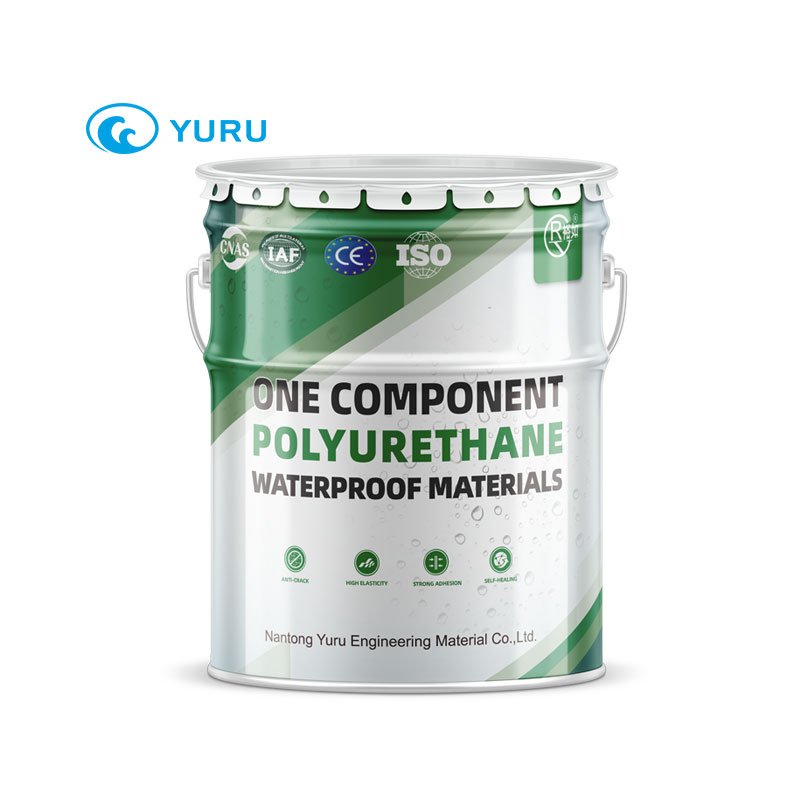
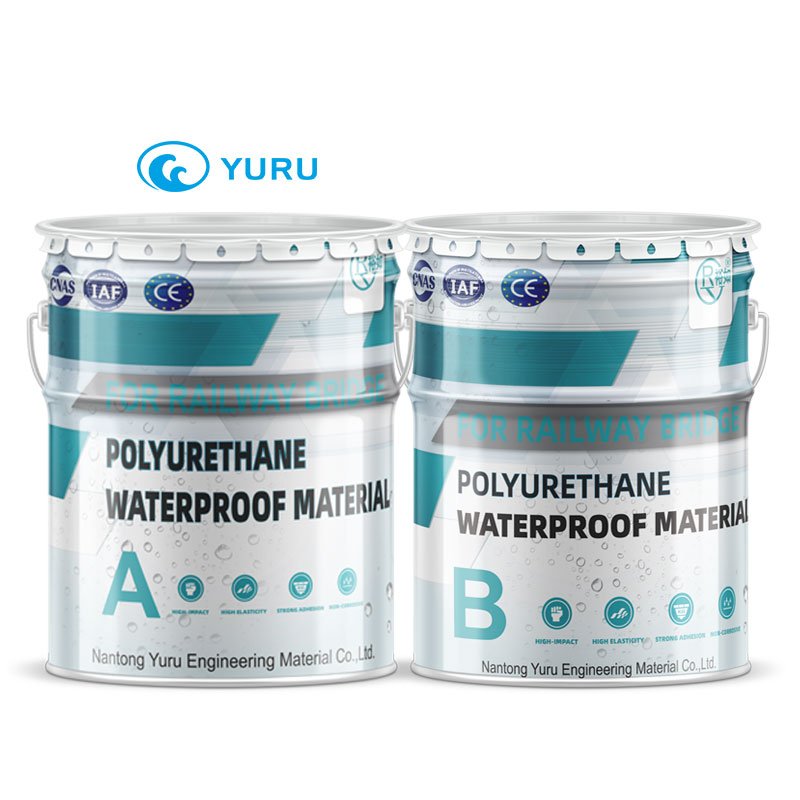
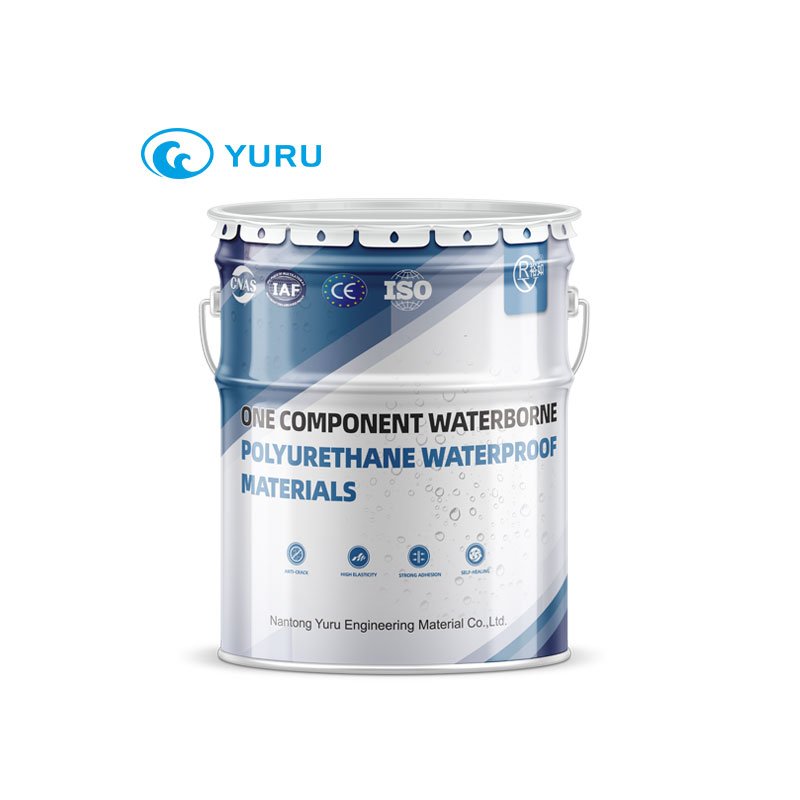
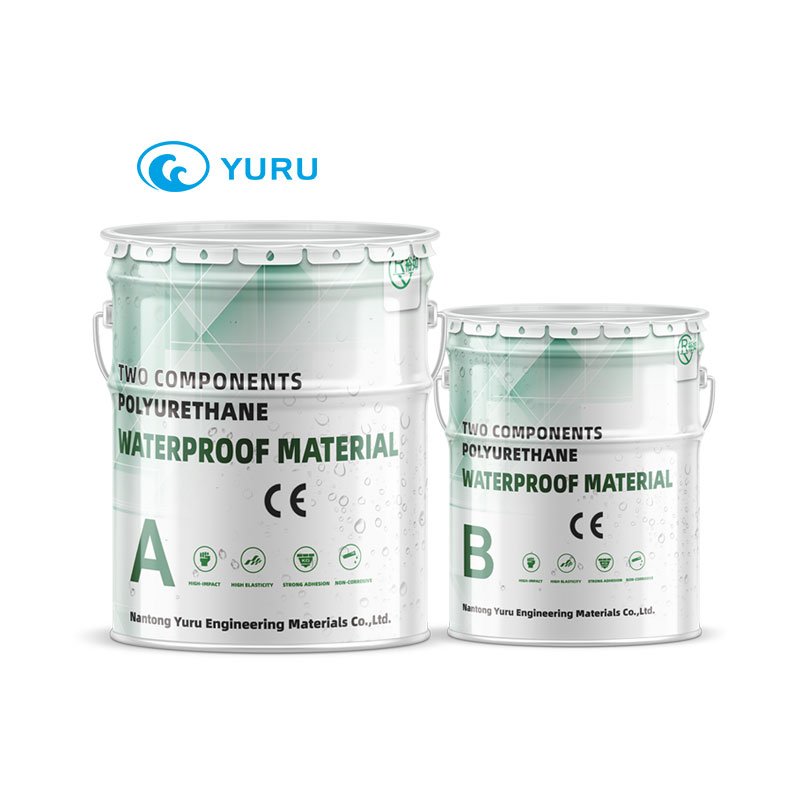
Polyurethane Waterproof Coating
Polyurethane waterproof coatings offer excellent flexibility and adhesion. They form an elastic film that adapts to structural movement without cracking.
Widely used for:
- Roofings
- Balconies and terraces
- Parking lots
- Exposed concrete surfaces
Polyurethane coatings require surface treatment before application, and a primer may be necessary.
Acrylic Waterproof Coating
Acrylic coatings are water-based and more environmentally friendly than oil-based materials. They are commonly used in residential and commercial buildings.
These coatings offer several advantages:
- Low odor, low VOC content
- Easy application
- Good UV resistance
- Fast drying speed
Acrylic waterproof coatings also have reflective properties, providing some insulation. However, they are not suitable for areas with persistent water accumulation.
Polyurea Waterproof Coating
Polyurea waterproof coatings cure quickly, forming a highly durable protective layer.
Commonly used in the following harsh environments:
- Large roofs
- Industrial floors
- Bridge decks
- Parking lots
- Secondary protected areas
Polyurea coatings typically require specialized spraying equipment and experienced technicians.
Cement-Based Waterproof Coating
Cementitious waterproof coatings are typically composed of cement, polymers, and other additives.
They are commonly applied in areas such as:
- Basements and underground structures
- Water tanks and reservoirs
- Bathrooms and wet rooms
- Concrete foundations
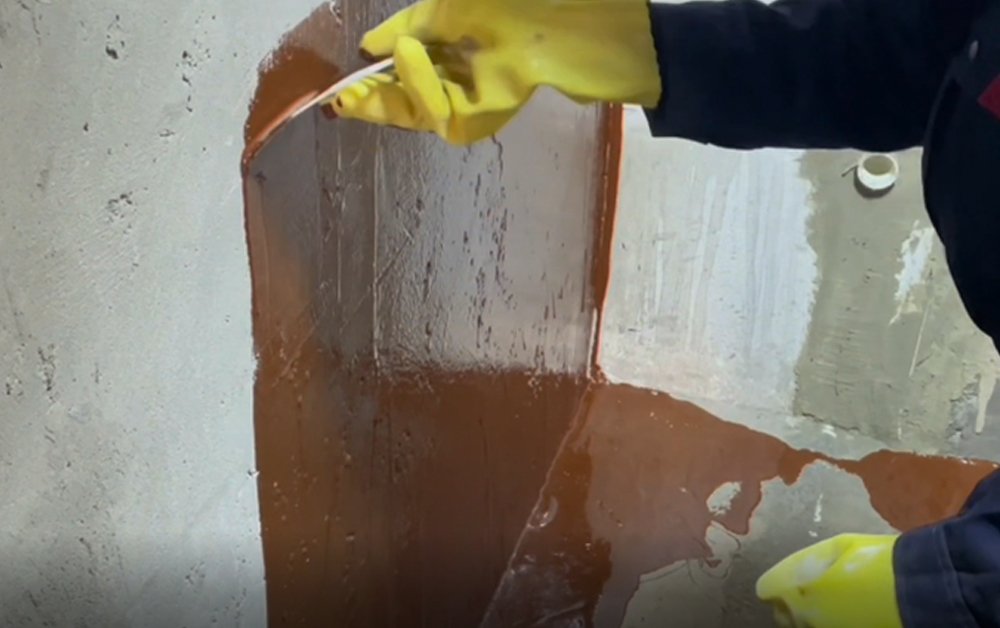
They are often applied with brushes or trowels, making them relatively easy to install. However, cementitious coatings have less flexible.
Silicone Waterproof Coating
Silicone waterproof coatings have weather resistance and long-term durability.
Common applications include:
- Exterior wall waterproofing
- Facade protection
- Historic building preservation
- Masonry moisture protection
Silicone coatings also perform well in environments with intense sunlight because they have excellent UV stability.


How to Choose the Right Waterproof Coating for Different Applications?
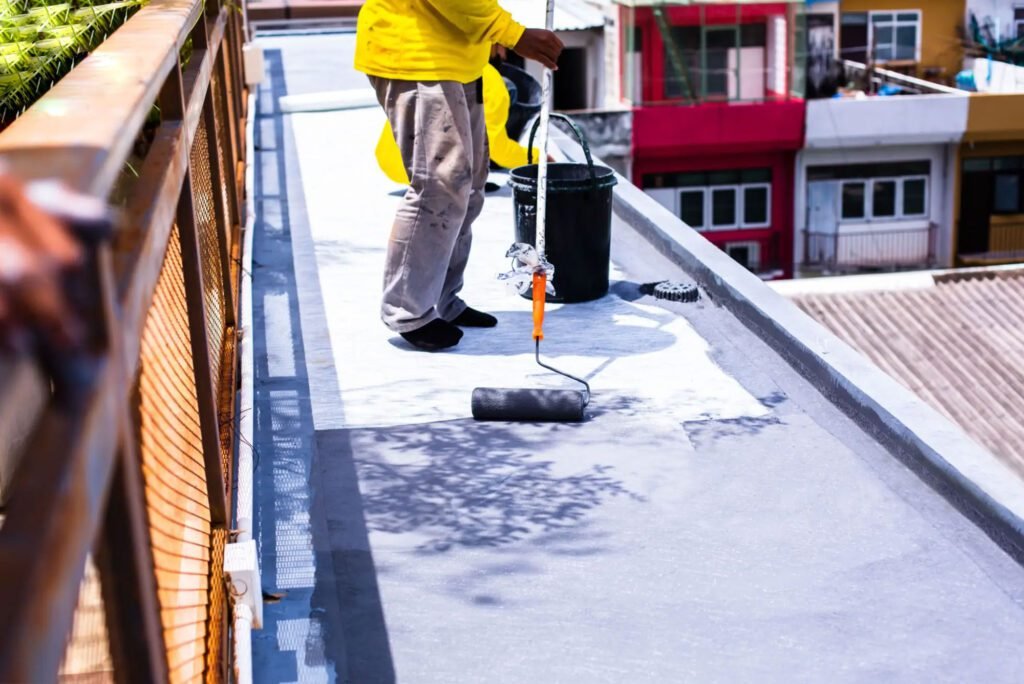
Roof Waterproof
Roofs are directly exposed to sunlight and rain. They are affected not only by external factors but also by internal ones.
Polyurethane and acrylic coatings are recommended, they have good flexibility and UV resistance.
Basements and Underground Structures
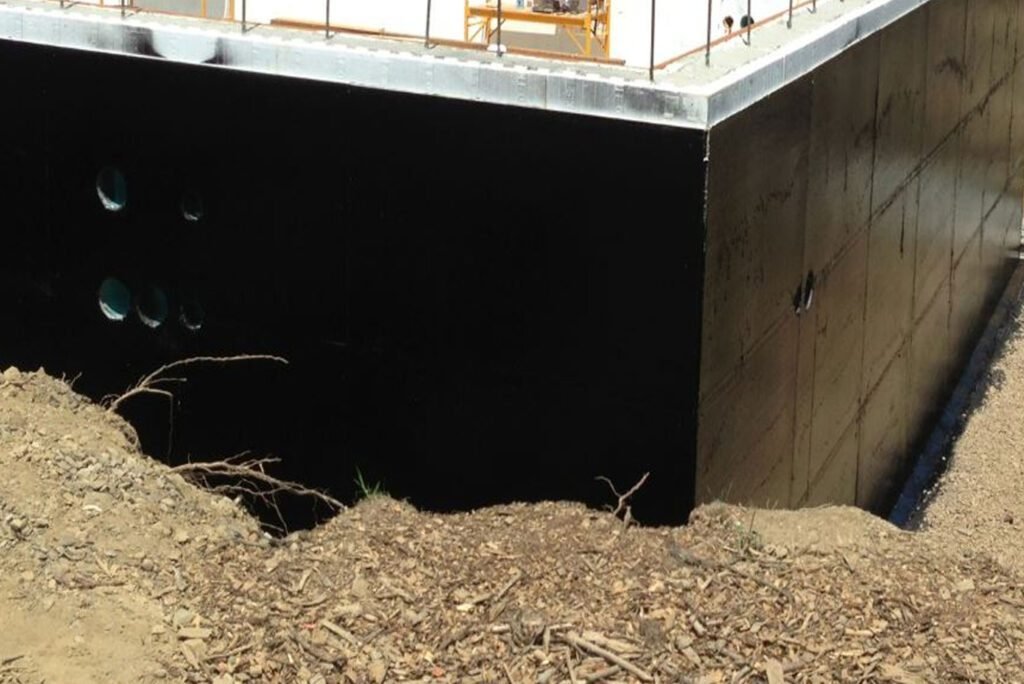
Underground structures face water pressure. In this case, cement-based waterproofing coatings or specialized polymer coatings can be used to prevent water penetration.
Bathrooms and Damp Indoor Areas
Bathrooms, kitchens, and laundry rooms generally use cement-based coatings and JS polymer-modified waterproofing materials.
Infrastructure and Industrial Projects
Large infrastructure projects typically require higher performance standards. Bridges, tunnels, and industrial floors may require advanced coatings such as polyurea or polyurethane.
Combining waterproofing coatings with grouting repair materials provides better waterproofing results for building projects.
Key Performance Factors Buyers Should Consider
Waterproofing Performance
The coating should not leak under a certain water pressure for an extended period; the higher the pressure resistance, the better.
Adhesion
Strong adhesion ensures a firm bond between the coating and the substrate, preventing peeling.
Elasticity and Crack Bridging
Able to accommodate minor deformations or cracks in the substrate.
Weather Resistance
Exposed coatings must be UV resistant and have excellent weather resistance.
Environmental Safety
Water-based coatings and low-VOC formulations reduce harm to human health and the environment.
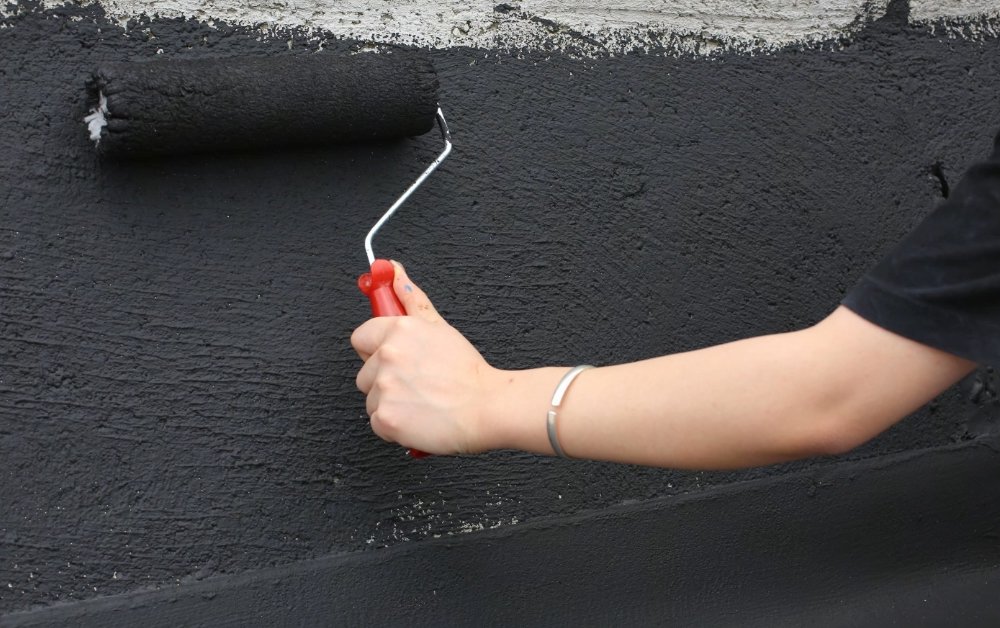
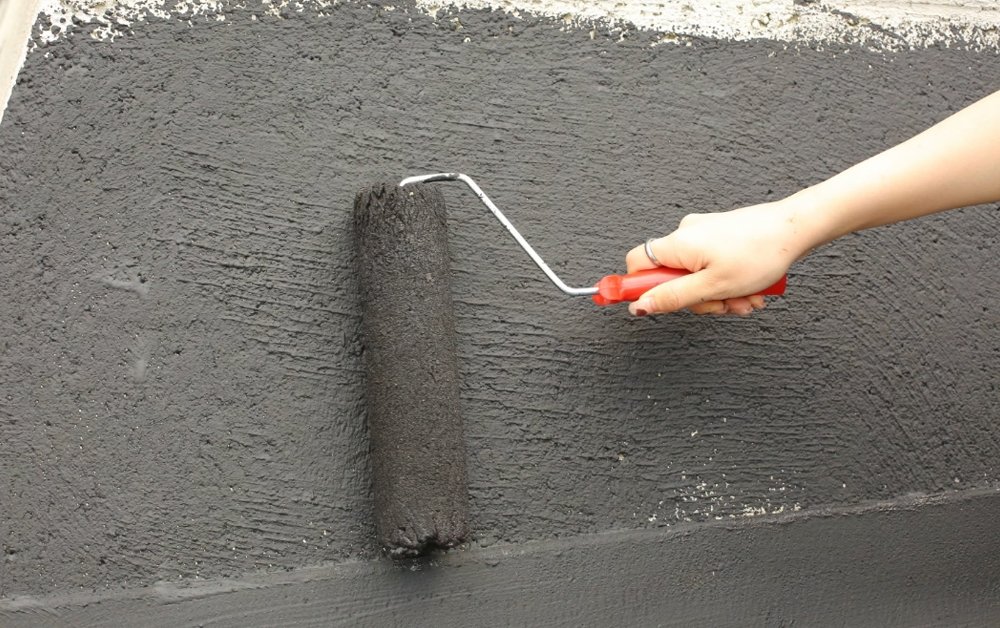
Important Application Tips and Common Mistakes
Contractors should pay close attention to surface preparation and application procedures.
Key application tips include:
- Ensure the substrate is clean and free of dust or oil.
- Repair cracks before applying the coating.
- Follow recommended thickness guidelines.
- Apply multiple layers when required.
- Allow proper curing time between coats.
Common mistakes include applying coatings to damp or contaminated surfaces and skipping primer layers where they are required.
Choosing a Reliable Waterproof Coating Supplier
Choosing a reliable supplier is equally important. When evaluating suppliers, buyers should consider the following:
- Manufacturing capability
- Product quality certification
- Technical support availability
- Experience in construction projects
- Stable supply capacity
YURU Waterproof: A Professional Manufacturer of Waterproof Coatings
For distributors, contractors, and project developers seeking dependable waterproofing solutions, YURU Waterproof offers a comprehensive range of construction materials.
The company specializes in:
- Waterproof coatings
- Grouting materials
- Floor coating systems
YURU Waterproof focuses on delivering reliable products designed for modern construction requirements. Its solutions are widely used in building waterproofing, municipal engineering projects, and industrial facilities.
By combining advanced manufacturing technology with practical engineering experience, YURU Waterproof supports clients with both product supply and technical guidance.
FAQs:
1. What are waterproof coatings used for?
Roofs, walls, basements, bridges, and industrial floors.
2. How long do waterproof coatings last?
Depending on the material and environmental conditions, waterproof coatings can last between 5 and 20 years.
3. Which waterproof coating is best for roofs?
Polyurethane and acrylic waterproof coatings are commonly used for roof applications due to their flexibility and UV resistance.
4. Can waterproof coatings be applied to old concrete?
Yes, but the surface must be properly cleaned and repaired before application.
5. Are waterproof coatings environmentally friendly?
Many modern coatings use water-based formulations and low VOCs.
Final Thoughts:
There are many types of waterproof coatings on the market. Choosing the right solution requires considering the project environment, performance requirements, and application conditions.
Understanding the differences between polyurethane, acrylic, polyurea, cement-based, and silicone coatings will help you make a more informed choice.
Contact YURU Waterproof for samples and technical support.
YURU Product solutions