Benefits of Polyurethane Foam Insulation
Introduction:
Modern environmental standards and people’s pursuit of comfortable living have led to increasingly stringent requirements for building insulation materials. Polyurethane foam insulation has excellent thermal insulation and overall performance, making them widely popular in residential, commercial, and industrial buildings.
This article will introduce the definition, advantages, and reasons for the popularity of polyurethane foam insulation materials.
Understanding Polyurethane Foam Insulation
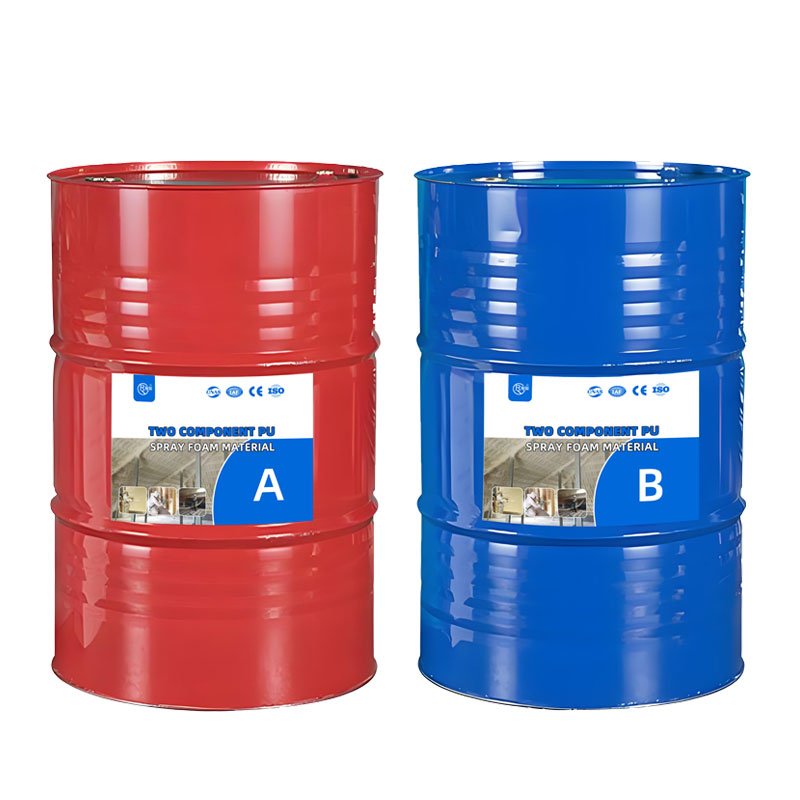
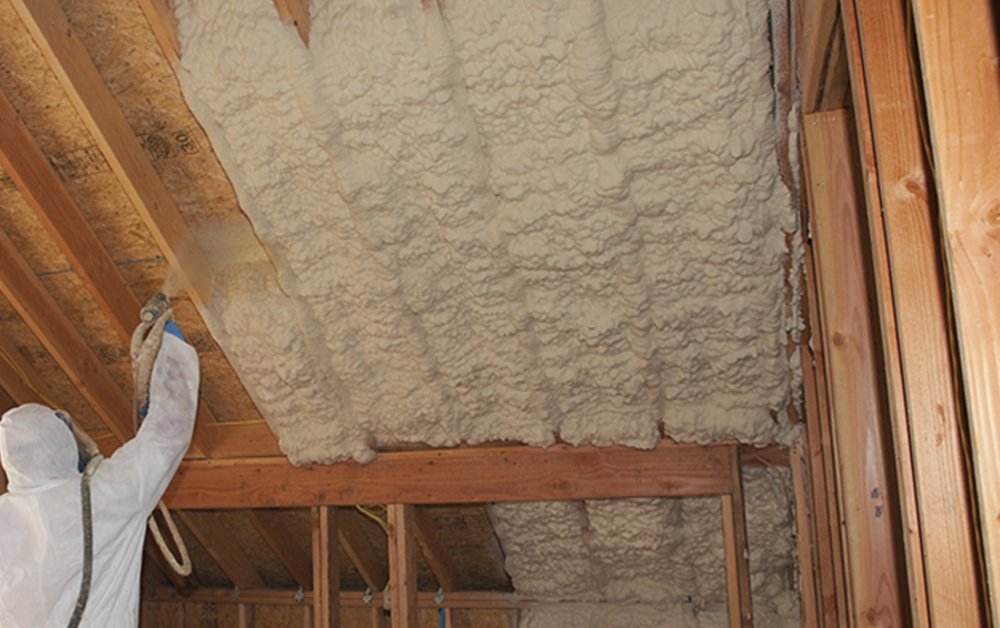
The material that is produced is called polyurethane foam insulation. This type of insulation is composed of two liquids that combine and chemically react to produce the foam. During the chemical reaction, the material expands and creates a structure that is composed of millions of tiny closed cells. The cells contain gas that is trapped within the material. This type of structure causes the material to have a low thermal conductivity. This is because the gas within the cells does not allow the material to conduct heat. Therefore, the thermal conductivity of the material is low compared to the thermal conductivity of most insulation materials.
There are two types of polyurethane foam insulation that are most common in the construction of buildings:
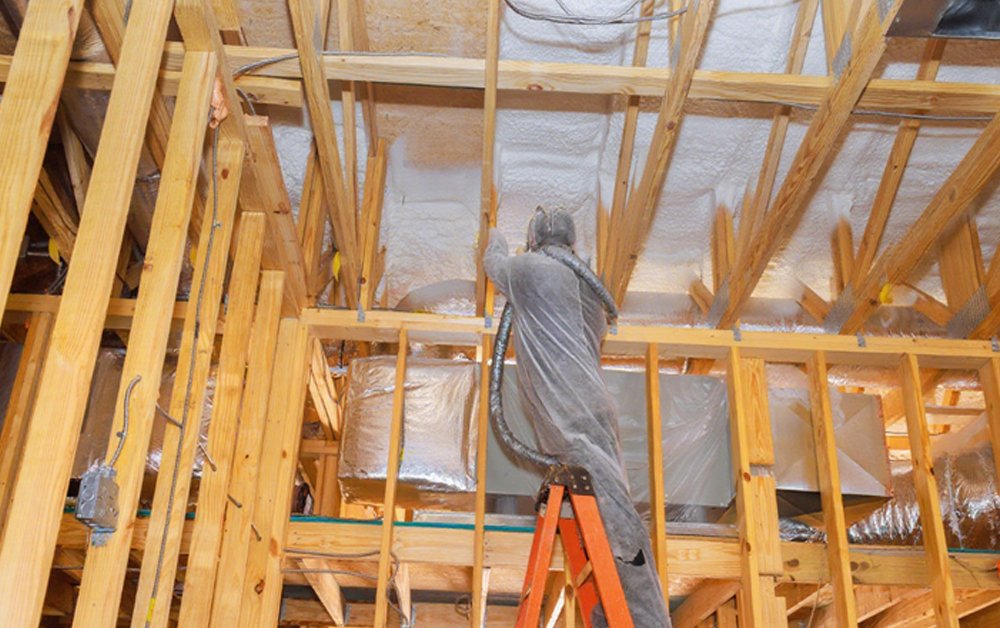
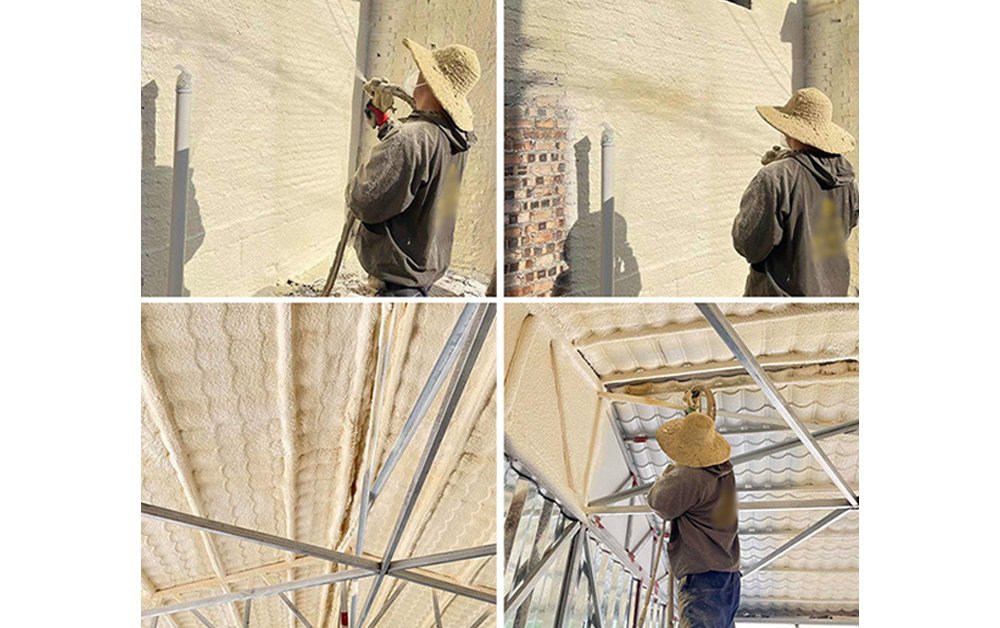
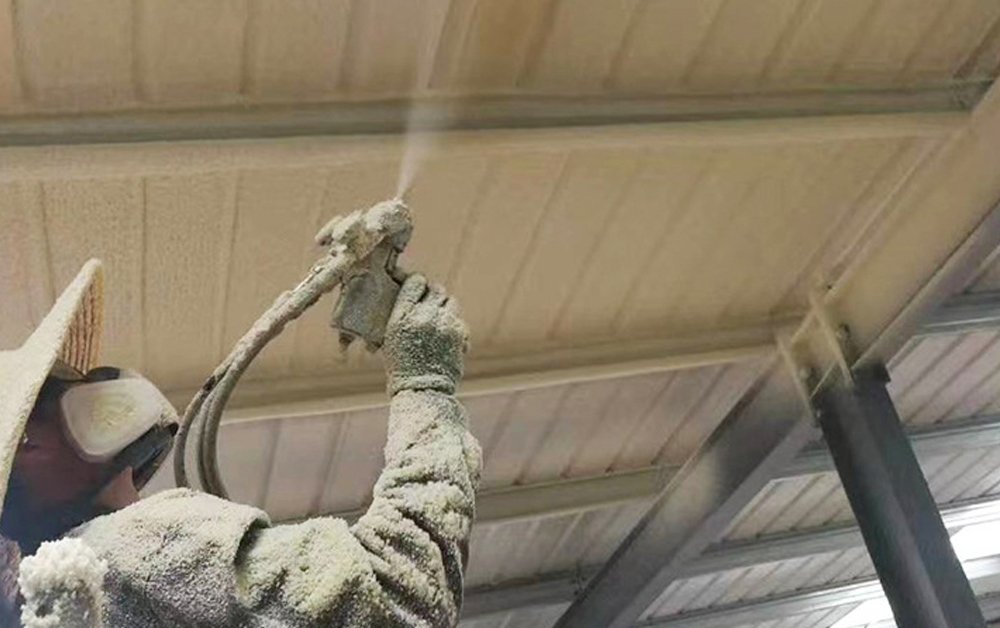
- One type is called spray polyurethane foam insulation. This type of insulation is applied directly to the surface of the building.
- The second type of insulation is called rigid polyurethane foam insulation. This type of insulation is produced as a board that is used as a roof or as part of the wall of the building.
The most common type of insulation is the spray type. This type of insulation is most common because it fills the cracks and crevices of the building. This type of insulation is most effective because it eliminates the leakage of the building. This is because the material is able to fill the cracks and crevices of the building. Therefore, it becomes difficult for the building to leak.
The second advantage of using the material as an insulation material is that it is able to adhere to most materials. This means that the material is able to stick to the building. Therefore, the insulation material becomes one.
Superior Thermal Performance and Energy Efficiency
One of the greatest advantages of polyurethane foam insulation is its high thermal performance. It provides a high insulation value per inch of thickness in comparison with other common insulation materials.
The high thermal performance of polyurethane foam insulation provides building designers with the advantage of achieving high insulation performance in a small amount of space. In a densely built urban environment, the thickness of a building wall may be restricted.
The polyurethane foam insulation provides effective heat transfer in both directions:
- During the winter season, it maintains the warm air inside the building.
- During the summer season, it prevents the outside heat from entering the building.
In both cases, the building’s heating and cooling systems work efficiently. It can reduce energy consumption in a significant manner.
According to studies, buildings with effective insulation systems can reduce energy consumption in a significant manner. For a large commercial or industrial building, it may reduce costs in a significant manner.
The use of polyurethane foam insulation also helps in improving energy efficiency, which may contribute to the achievement of a sustainable environment. Governments and organizations promote the use of high-performance insulation materials to reduce carbon emissions from buildings.
Effective Moisture Resistance and Waterproofing Support
In buildings, leaks not only damage the structural integrity and reduce insulation, but also promote mold growth.
Polyurethane foam insulation is the closed-cell structure, provides excellent sealing and waterproofing. The sealed pores prevent water infiltration, protecting the building structure from moisture damage.
In areas with high humidity or frequent rainfall, the performance of this material does not degrade, protecting the building structure from moisture damage.
Another advantage is that polyurethane foam insulation helps prevent condensation inside walls or roof structures.
Strong Adhesion and Continuous Air Sealing
Air leakage leads to energy loss in buildings. Polyurethane foam insulation solves this problem. During spraying, this material expands and fills the structure, sealing with strong adhesion.
Reduced air leakage results in stable indoor temperatures, providing and maintaining a comfortable indoor environment. Simultaneously, enhanced airtightness improves indoor air quality.
Polyurethane foam insulation not only provides thermal insulation but also boasts strong adhesion and excellent airtightness, making it a very attractive option for engineers.
Versatility Across Multiple Construction Applications
Polyurethane foam insulation has a wide range of applications. This material can be used in various building applications across different industries.
In residential and commercial buildings, polyurethane foam insulation is commonly used for:
- Roofing structures
- Exterior walls
- Attic spaces
- Floor structures
In industrial environments, it can be used for:
- Manufacturing plants
- Warehouses
- Insulation for processing plants
- Cold storage
Agricultural buildings also benefit from polyurethane foam insulation.
Long-Term Durability and Structural Support
Durability is important for any building material. After cured, polyurethane foam insulation forms a robust structure that maintains its insulation performance without shrinking over a long period.
Polyurethane foam does not sag or shift. It has strong adhesion, ensuring a firm bond with the substrate.
These properties make polyurethane foam insulation suitable for projects where long-term durability is crucial.
Selecting High-Quality Polyurethane Foam Insulation Products
When choosing polyurethane foam insulation products, the following factors should be evaluated:
Insulation Performance
Insulation performance is fundamental. High-performance formulations can provide excellent insulation with minimal thickness.
Density and Cell Structure
The density of the foam affects its strength, durability, and moisture resistance. Closed-cell structures generally offer better insulation and waterproofing.
Fire Safety Standards
Building materials must comply with relevant fire safety regulations. Purchasing personnel should ensure that insulation products meet local building codes and safety standards.
Manufacturer Reliability
Experienced manufacturers ensure consistent product quality and reliable technical support.
YURU Waterproof: A Reliable Partner for Building Materials
YURU Waterproof is a professional manufacturer specializing in construction materials such as waterproof coatings, grouting materials, and floor coating systems.
With years of experience in the industry, YURU Waterproof provides solutions widely used in building waterproofing, municipal infrastructure projects, and industrial facilities. Also supports contractors, distributors, and project developers with reliable material solutions and professional service.
Conclusion
Polyurethane foam insulation has thermal insulation, moisture resistance, airtightness, and durability, making them suitable for various building applications.
With the continuous development of energy efficiency standards and the increasing pursuit of comfort, the demand for high-performance insulation materials is expected to continue to grow.
Contact YURU Waterproof for samples and technical consultation on solutions.
YURU Product solutions